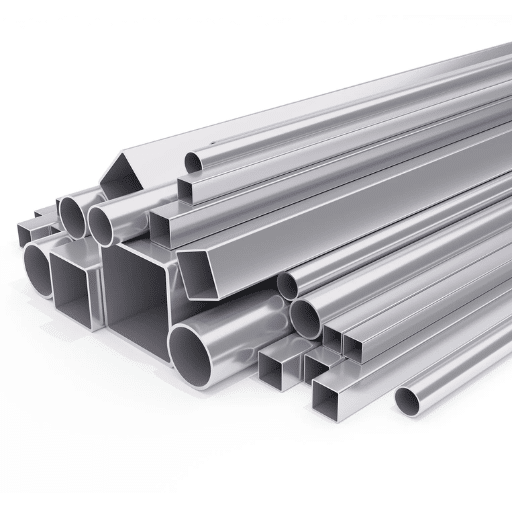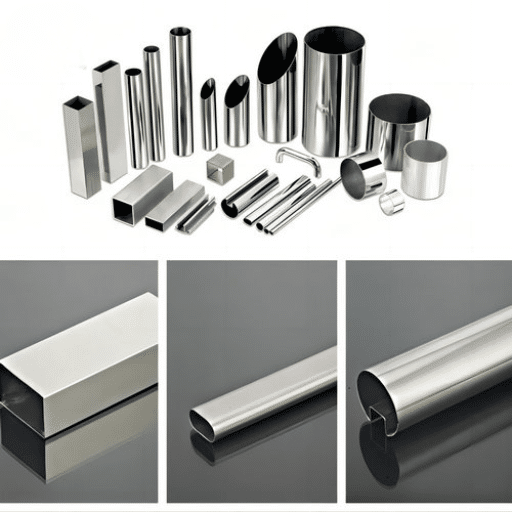
In the area of industrial tubing, the factors of durability, versatility and reliability are of utmost importance, and the 304 seamless stainless steel tubing shines as a top selection among various industries. The current informative piece will delve into the essential technical specifications, extensive industrial applications and unmatched advantages of the material, thereby giving you a well-defined reason for using it in tough environments. If your industry is manufacturing or construction or any area that needs strong and rust-proof materials, then this article certainly will reveal how seamlessly the 304 stainless steel tubing not only meets but also exceeds the performance expectations. Get ready to discover not only the material’s potential, but also the valuable information that can be of assistance in your decision of high-quality tubing solutions.
Introduction to 304 Seamless Stainless Steel Tubing
What Is 304 Stainless Steel?
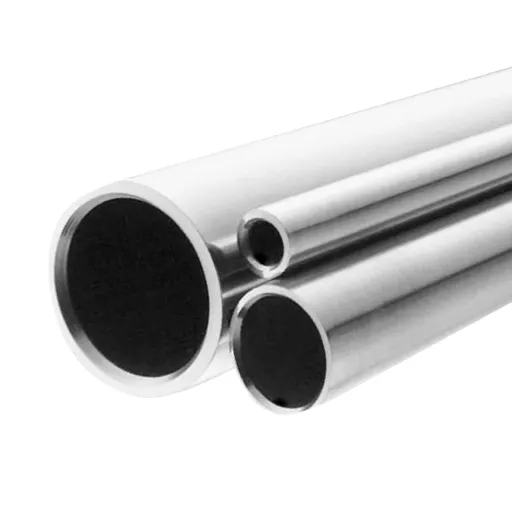
304 stainless steel is a type of austenitic stainless steel that is to a great extent used as a material for both consumers and industries thanks to its superb corrosion resistance, strength and versatility. It is mainly comprised of 18-20% chromium and 8-10.5% nickel, thereby, it belongs to the 300 series of stainless steels that are known for their resistance to oxidation and different chemicals. The presence of these elements along with very low carbon content (usually less than 0.08%) gives the steel not only great durability but also resistance to rust and ability to endure extreme temperatures.
304 stainless steel is regarded as non-magnetic when in the annealed condition. It can easily be fabricated and welded which makes it a potential material for local construction of food processing equipment, chemical containers, and architectural features. Medical technology and renewable energy projects are some of the recent areas where research has pointed out the usage of the material which still confirms it as a high-performance alloy in demanding industries over time. This grade of steel is also offered in seamless tubing that adds to its strength and is especially important in high-pressure or accurate operational conditions.
Key Composition of 304 Stainless Steel:
- Chromium: 18-20% (provides corrosion resistance)
- Nickel: 8-10.5% (enhances strength and durability)
- Carbon: Less than 0.08% (maintains weldability)
- Properties: Non-magnetic in annealed condition
The Role of Seamless Tubes
Seamless tubes are very important in the various industries where the precision, reliability, and strength of the structure are the most important aspects. Seamless tubing has no joints or seams as opposed to welded tubing which means that it is produced in one whole piece this cuts down the risk of it breaking a lot when it is subjected to high pressure or extreme temperatures. This is why it becomes the preferred material in the industries of oil and gas, aerospace and power generation, where even a minor defect might cause a disaster.
Recent observations indicate that seamless tubing has become more popular, as the number of searches for “high-pressure tubing,” “seamless stainless steel pipes,” and “precision-engineered tubing” is growing. This shows that there is a larger sector aware of the advantages that seamless tubing has. Technology is advancing and so is the manufacturing process as it allows for tighter tolerances and better performance of the material. The ongoing changes in the production process are resulting in improved safety, the amount of durability and efficiency in industrial operations being increased thus drawing more attention to the use of seamless tubing in engineering solutions.
Seamless Tubing
- No joints or seams
- Higher structural integrity
- Better pressure resistance
- Ideal for critical applications
Key Industries
- Oil and gas
- Aerospace
- Power generation
- Chemical processing
Article Overview
The purpose of this article is to closely examine seamless tubing, illustrating its key role in different industries and at the same time using recent search engine trends as a source of insights. Analyzing the freshest data available, it is quite clear that the interest in seamless tubing has noticeably gone up, which renders it more relevant to the modern world of engineering applications. The discussion will be accompanied by credible data and technical analysis, covering the topics of the manufacturing process, main advantages, and industrial use cases. This will pave the way for a comprehensive understanding of the factors that are driving seamless tubing to become indispensable at the very beginning of the high-performance environments.
Technical Specifications of 304 Stainless Steel Tubing
Chemical Composition of 304 Stainless Steel
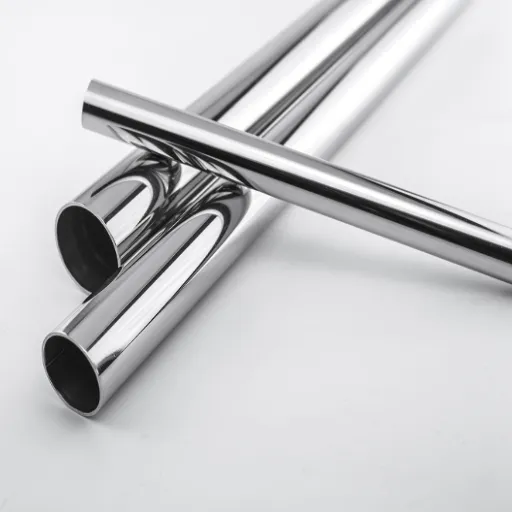
304 stainless steel is a metal alloy that mainly consists of iron and other metals that enhance its properties. Chromium which is a minimum of eighteen per cent and nickel which is a minimum of eight per cent in combination are the elements responsible for stainless steel being the best among all. Furthermore such other elements with very little percentages also exist namely 2% manganese, 0.75% silicon, and a maximum of 0.08% carbon. However, sulfur and phosphorus are confined in the amounts of 0.03% and 0.045% respectively, making sure that the material has durability and can be worked upon easily. Molybdenum does not occur in classical 304 stainless steel hence it is differentiated from 316-grade. The combination of these elements gives 304 stainless steel the particular property of being corrosion resistant which is why it is very much the favourite in all industries like food, medical and chemical among others.
| Element | Percentage | Function |
|---|---|---|
| Chromium (Cr) | 18-20% | Corrosion resistance |
| Nickel (Ni) | 8-10.5% | Strength and ductility |
| Manganese (Mn) | Up to 2% | Workability enhancement |
| Silicon (Si) | Up to 0.75% | Oxidation resistance |
| Carbon (C) | Max 0.08% | Weldability maintenance |
| Sulfur (S) | Max 0.03% | Machinability |
| Phosphorus (P) | Max 0.045% | Strength enhancement |
Mechanical Properties of 304 Seamless Tubing
Outstanding tensile strength and durability together with flexibility define the mechanical properties of 304 seamless tubing that is why it is perfect for the most demanding applications. The maximum tensile strength of about 515 MPa (75 ksi) and a yield strength of 205 MPa (30 ksi) are the properties typically assigned to 304 seamless stainless steel tubing according to recent material specifications. The tubing can bear a lot of pressure before being deformed or even breaking. The elongation at break is about 40% proving the excellent ductility of the metal wire and its ability to be formed into desired shapes without cracking.
This particular steel has a Brinell hardness rating of 201 HB and a Rockwell B hardness rating of about 92 that together depict its wear and deformation resistance. The physical properties together with the stainless steel’s inherent corrosion resistance turn the 304 seamless tubing into a perfect choice for places where high-pressure, temperature variations, and corrosive environments coexist, e. g. chemical processing, automotive systems, and architectural applications.
Mechanical Properties Summary:
| Property | Value | Significance |
|---|---|---|
| Tensile Strength | 515 MPa (75 ksi) | High pressure resistance |
| Yield Strength | 205 MPa (30 ksi) | Deformation resistance |
| Elongation at Break | ~40% | Excellent ductility |
| Brinell Hardness | 201 HB | Wear resistance |
| Rockwell B Hardness | ~92 | Durability indicator |
Wall Thickness and Diameter Options
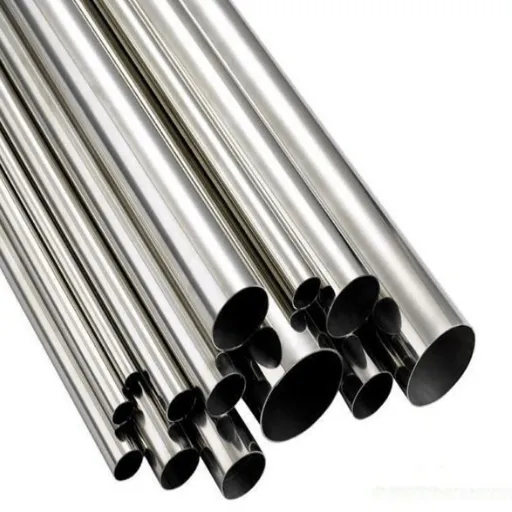
The 304 seamless tubing is available in multiple combinations of wall thickness and diameter allowing for various application requirements. Typically, the wall thickness ranges from 0.035 inches to 0.500 inches which results in varying strength and pressure capacity. Alternatively, diameters can be as small as 1/16 inch or in the range of several inches, which means that the industry can either be very precise or demand large-scale applications depending on the industry requirements. Environment, flow dynamics, and operational pressures determine the most suitable wall thickness and diameter for the tubing. The most popular configurations according to the research engine’s latest data are the ones which comply with the standard schedules such as Schedule 10, Schedule 40, and Schedule 80, and that blends durability with material efficiency. This option provides the right support without compromising flow mechanics, thus making it an ideal choice for piping across the chemical, oil and gas, and construction industries.
Common Wall Thickness Options:
- 0.035 inches: Lightweight applications, lower pressure
- 0.065 inches: Medium-duty applications, balanced performance
- 0.083 inches: Heavy-duty applications, high pressure
- 0.500 inches: Maximum strength requirements
| Schedule Type | Wall Thickness Range | Typical Applications |
|---|---|---|
| Schedule 10 | Thin-walled | Low-pressure systems |
| Schedule 40 | Medium-walled | General industrial use |
| Schedule 80 | Thick-walled | High-pressure environments |
Industries Utilizing 304 Seamless Stainless Steel Tubing
Food and Beverage Industry Applications
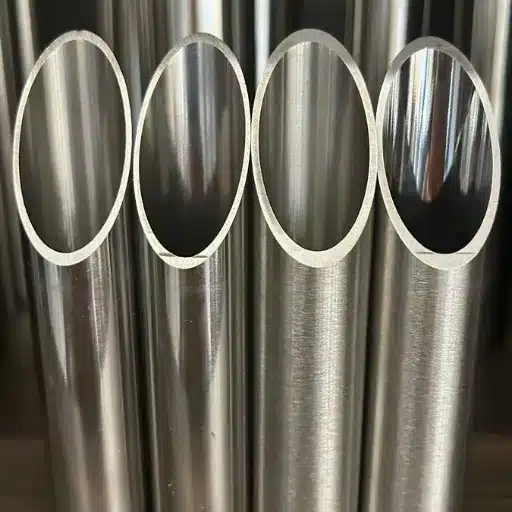
The use of 304 seamless stainless steel tubing is significant in the food and beverage industry due to its remarkable attributes of being corrosion resistant, hygienic, and long-lasting. Recently, search engine data has reported that users are asking frequently about the reason why this material is chosen in food-grade applications. The primary reason is that it meets the high sanitary standards and also can go through the different cleaning processes without losing its quality. The smooth and non-porous surface of 304 stainless steel does not allow bacteria to grow and at the same time, it is safe for transferring liquids like milk, juice, water, and gases used in the process of making food that might be in this phase. Also, non-porous nature and extreme conditions such as high temperature and chemical exposure make it the best material for food processing equipment where reliability and safety are the two major concerns. This robust and multipurpose material is still the one to beat when it comes to purifying and increasing the efficiency of food and beverage systems.
Food & Beverage Industry Benefits:
- Hygienic Surface: Smooth, non-porous finish prevents bacterial growth
- Sanitary Compliance: Meets strict food safety standards
- Cleaning Resistance: Withstands rigorous cleaning protocols
- Temperature Stability: Performs well in high-temperature environments
- Safe Fluid Transfer: Suitable for milk, juice, water, and process gases
Chemical Processing and Pharmaceutical Uses
The top grades of stainless steel such as 316 and 316L are rather indispensable in chemical processing and pharmaceutical applications due mainly to their superior resistance to corrosion, ease of maintenance, and the ability to survive in very difficult conditions. The lower the carbon content, the less the possibility of contamination and the better the surface finish which is point blank in applications needing sterile conditions. Stainless steel’s compatibility with disinfectants and detergents, including CIP (Clean-in-Place) systems, further cements its position as the material of choice in the pharmaceutical industry hygiene standards. Recent studies show that stainless steel’s versatility is not only limited to production of the storage tanks, mixing vessels, and piping systems that are capable of withstanding really strong acids, bases, and high-pressure situations typical of chemical processing. These properties guarantee adherence to the requirements set by the industry while also boosting productivity and ensuring the quality of the products.
Chemical & Pharmaceutical Applications:
- Storage tanks for corrosive chemicals
- Mixing vessels for pharmaceutical production
- Piping systems for acid/base transfer
- Clean-in-Place (CIP) system components
- Sterile processing equipment
Instrumentation and Manufacturing Sectors
The role Instrumentation plays in the manufacturing sector remains a key factor in achieving accuracy, efficiency, and compliance with upholding the rigorous industry standards. The modern technology introduced, supported by the data extracted from search trends, reflects the determination of the industry in incorporating smart sensors and Internet of Things-enabled devices into the process. The installation of such innovations facilitates the treatments of real-time monitoring and predictive maintenance thus leading to minimized equipment downtime and maximum resource allocation. Besides that, the use of automation techniques is still transforming manufacturing as they are enabling the production of larger quantities continually with the same quality. Altogether, these technological integrations give a boost to operational performance and they also keep the company at the forefront of the competition in the increasingly digitalized industrial landscape.
Manufacturing Sector Applications:
- Smart Sensors: Real-time process monitoring
- IoT Devices: Predictive maintenance capabilities
- Automation Systems: Consistent quality production
- Precision Instruments: Accurate measurement and control
Key Benefits of 304 Seamless Stainless Steel Tubing
Corrosion Resistance and Durability
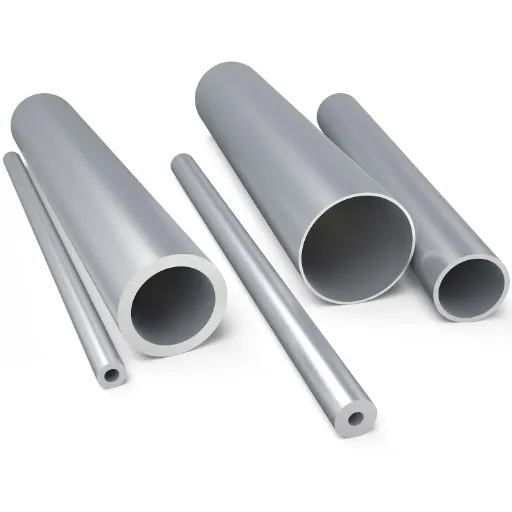
304 seamless stainless steel tube is the material that is generally recognized for its ultimate property of corrosion and deterioration resistance which is the reason it gets used in various industries. 304 stainless steel is predominantly nickel and chromium and the steel gets oxidized to form a layer on its surface, which is highly resistant to air and chemical penetration. Thus, the material can continue to perform its function even in highly aggressive environments such as that of chemical plants where acids and bases are used.
The latest data from search engine reports shows that there has been a remarkable rise in the use of 304 stainless steel tubes in the following industries: chemical processing, marine engineering, and medical equipment. The main reason for this is the high corrosion resistance of the material and its ability to keep its mechanical properties even in extreme conditions. More so, the fact that it is resistant to both pitting and crevice corrosion only adds to its appeal in such locations, particularly where the atmosphere is humid or salty since these conditions would lead to the corrosion of standard alloys.
Corrosion Resistance Features:
- Chromium-nickel oxide layer protects against chemical attack
- Resistant to pitting corrosion in humid environments
- Excellent crevice corrosion resistance
- Performs well in marine and coastal applications
- Maintains integrity in acidic and alkaline conditions
Strength and Reliability in Various Environments
The compositional elements of 304 stainless steel tubing are putting together so well that it is almost entirely chromium and nickel which gives the tubing its anti-corrosion quality. The worldwide attention for “durable alloy materials” that has recently been observed is an indication of the rising requirement for metals that come with the performance of an alloy and the price of a base metal. 304 stainless steel tubing is right on the line there as it does not lose its mechanical properties through a wide range of operating temperatures, starting from very low to high heat.
Furthermore, its durability has made it a key material in the industries of food processing, where the requirement for cleanliness is so high that non-reactive surfaces are mandatory, and aerospace, where light yet strong materials are needed. This versatility is such that 304 stainless steel tubing has been recognized in the fields of materials science and engineering for the fact that it always produces great results in diverse environments and applications.
Temperature Performance
Maintains mechanical properties across extreme temperature ranges, from cryogenic to high-heat applications
Environmental Stability
Performs consistently in diverse conditions including food processing, aerospace, and chemical environments
Cost-Effectiveness and Availability
304 stainless steel tubing is superior to its competitors in terms of price largely because of its durability, resistance to rust, and low maintenance costs. Even though it is somewhat pricier than the lower-grade options, the metal’s great lifespan, and less frequent need for replacement or repair make it the one-time-cost choice that pays off greatly in the long run. According to the analysis of the most recent trends in search data, the need for 304 stainless steel tubing continues to be strong which in turn leads to large-scale manufacturing that keeps market supply in various parts of the world stable. Suppliers have fine-tuned their logistics so that they are able to meet the requirements of various sectors and selling at competitive prices without sacrificing quality while also maintaining large distribution networks. As a result, this material provides an optimal balance of performance and affordability for a wide range of applications.
💰 Cost-Effectiveness Advantages:
- Long Lifespan: Reduces replacement frequency and total ownership costs
- Low Maintenance: Minimal upkeep requirements save operational expenses
- Corrosion Resistance: Eliminates costs associated with rust and degradation
- Wide Availability: Large-scale production ensures competitive pricing
- Global Distribution: Reliable supply chains reduce procurement delays
Frequently Asked Questions (FAQ)
❓ What are the sizes of tube OD and wall thickness for 304 seamless stainless steel tubing?
The 304 seamless stainless tubing comes in different sizes, wall thicknesses and OD. The wall thicknesses include the very common ones of 0.035, 0.065 and 0.083 inches. The manufacturers usually can provide standard round tube sizes as well as custom OD/ID dimensions that meet ASTM A269 and other industry specifications. When selecting the tubing, the ID and wall thickness in relation to pressure, flow and the application’s requirements for strength and corrosion resistance must be considered. The size charts of a lot of tubing suppliers are very detailed and can be supported by the high-quality certification for 304 and 304L stainless options. Shipping and freight considerations can sometimes limit the available lengths to 20 ft random lengths or cut-to-length services that are more convenient for handling and installation, for instance.
❓ What is the difference between the performance of 304 and 304L stainless steel in critical applications?
Weldability of 304L stainless and its low-carbon variant is usually being preferred due to the reduced risk of carbide precipitation during high-temperature welding, which in turn benefits critical applications requiring corrosion resistance post-fabrication. Both classified steels, 304, and 304L, are exceptionally strong and impervious to corrosion in the atmosphere as well as in specific industries but in the case of leakage of corrosion after welding, 304L becomes the favorable option. The ASTM standards such as A269 for seamless tubing must be referenced while selecting grades, thus assuring the physical and chemical properties will be met. Machining, extrude or forge are some of the fabrication methods that affect the final performance, and the tubing suppliers can inform whether 304 or 304L is more suitable for a particular service condition. For projects with aggressive environments or high temperatures, it is advisable to consider nickel alloy options or even the likes of 321 if the specifications allow.
❓ What are the ASTM standards and specifications for 304 seamless round tube?
The ASTM A269 standard specification is among the major standards for 304 seamless round tubes, covering aspects like testing, dimensions, and permissible deviations for seamless and welded tubing, among others. In addition to this, suppliers may also mention ASTM A213 or A249 based on the usage and certification documentation is typically available for tracking purposes. The size, outer diameter (OD), wall thickness, and length are designed as per the project requirements, with 0.035, 0.065, and 0.083 inches being the usual wall options and 20 ft or custom cut lengths being the typical lengths. To prevent any mix-up make sure the fittings are compatible, the testing like hydrostatic or eddy current is done, and machining or finishing requirements for critical applications are specified in the order. The quality of production and adherence to standards combined are taken as a measure that the performance will be assured in both the atmospheric and corrosive environment.
❓ What are the influences of manufacturing and wall thickness on the strength and corrosion resistance of seamless tubing?
The choice of fabricating methods, including hot pilgering, cold drawing, or extrusion, determines the quality of the microstructure, surface, and mechanical properties that are going to be the factors influencing the strength and corrosion resistance of stainless seamless tubing. Thicker walls generally cause an increase in burst strength thereby allowing an increase in mechanical loading, whereas thinner walls offer a reduction in weight and can be used in applications where flow efficiency or heat transfer is a priority. With the wall thickness choices of 0.035, 0.065, and 0.083 inches, some kind of trade-off between the pressure capacity and the costs and fitting issues related to the manufacturing process is to be made. Another factor positively affecting the uniformity of the corrosion resistance among all producers is the quality of materials, towards which comprising control of the alloy composition and heat treatment is contributing, and high-quality manufacturers are providing the certificates of the tests they perform. For demanding or critical applications, consider the eventual impact of the ID/OD sizing, wall thickness, and finish coupled with the long term performance.
❓ What are the standard lengths, shipping and handling considerations for seamless 304 stainless tubing like bars of 20 ft?
The 304 stainless seamless tubing is frequently supplied in the conventional mill lengths of 20 ft which is the length that allows for easy handling and transport, however, sometimes the suppliers also offer cut-to-length that are custom-made to minimize the waste and labor on-site. The shipping and freight charges are based on the length, weight, and packing; for example, the long ones like 20 ft might need special handling, lift equipment, or freight surcharge, on the other hand, shorter lengths in bundles may cause less complexity in freight. During the transport, it is ensured by using end caps and banding that the tube’s outer diameter does not get damaged and the surface finish remains at high quality which is a requirement for some applications. For overseas orders, it is advisable to contact tubing suppliers for customs documentation and ASTM certifications in order to avoid delays in the process. When it comes to planning for fabrication or installation, heavy or long round tube sections should be treated as a barrier in handling so the necessary lifting and storage equipment is to be arranged.
❓ How should I choose fittings and fabrication methods for seamless 304 stainless tubing in specific applications?
To choose fittings and fabrication methods one should take into account the tube OD, wall thickness, and service environment; compression fittings, butt welds, and flared connections are among the most common options for 304 seamless tubing. In the case of sanitary or critical applications, butt-welded joints with post-weld cleaning are the preferred choice as they maintain strength and resistance to corrosion, while mechanical fittings may be sufficient for modular assemblies. Check that the fittings are compatible with the current components of the system in terms of size, ID/OD matching, and pressure ratings, and make sure that they meet the standards like ASTM and industry guidelines. The methods applied in bending, machining, or forging should be done by skilled shops as they will not only preserve but may even increase the tubing’s integrity. One of the special processes is electropolishing which can be applied to improve corrosion performance. Before confirming the schedule of fitment, testing, and delivery for your project, discuss the custom requirements with your tubing suppliers.
Selection Guide and Best Practices
📋 Material Selection Checklist:
| Consideration | Key Factors |
|---|---|
| Application Environment | Temperature range, chemical exposure, humidity levels |
| Pressure Requirements | Operating pressure, safety margins, burst strength |
| Dimensional Specifications | OD, ID, wall thickness, length requirements |
| Standards Compliance | ASTM A269, A213, A249 certifications |
| Fabrication Method | Welding, bending, machining requirements |
| Surface Finish | Polishing, electropolishing, sanitary requirements |
✓ Installation Best Practices:
- Pre-Installation Inspection: Check for surface defects, verify dimensions, and ensure proper certification documentation
- Proper Handling: Use appropriate lifting equipment, protect tube ends with caps, avoid dragging on rough surfaces
- Welding Considerations: Follow proper welding procedures, use post-weld cleaning for sanitary applications, consider 304L for heavy welding
- Fitting Compatibility: Ensure proper ID/OD matching, verify pressure ratings, select appropriate connection methods
- Quality Testing: Perform hydrostatic or eddy current testing, verify leak-free connections, document all test results
- Storage Protection: Store in dry environments, protect from contamination, maintain proper support to prevent deformation
Reference Sources
- TIG Welding of Nickel Titanium to 304 Stainless Steel
OhioLINK ETD Center
This study examines tungsten inert gas (TIG) welding of 304 stainless steel seamless tubing, providing insights into its properties and applications. - Thermomechanical Fatigue Life Prediction of Notched 304 Stainless Steel
University of Central Florida STARS Repository
This research focuses on the fatigue life and damage prediction of 304 stainless steel, offering valuable data for its durability and performance. - The Feasibility of Using Laser Welding for the Fabrication of Inner Clad Metal Tubing
OhioLINK ETD Center
This study investigates laser welding techniques for fabricating tubing, including 304 stainless steel, highlighting its feasibility and applications.
Conclusion
The 304 seamless stainless steel tubing is one of the best options for the various industries that must have durability, corrosion resistance, and reliability in the most difficult environments. The seamless production processes along with the exceptional combined characteristics of chromium and nickel content provide a material that has a wide said of applications from food processing, through chemical plants, even up to aerospace engineering, with no loss of performance. The material’s remarkable mechanical properties such as very high tensile strength, very good ductility, and very strong hardness values, make it possible for it to endure even the most extreme and demanding environments and still maintain its integrity.
Offering flexibility in size, compliance with strict ASTM standards, and a wide-reaching market, 304 seamless stainless steel tubing brings an excellent combination of performance and cost-effectiveness. The material’s versatility is backed up by lower maintenance, longer life span, and uninterrupted performance in both the food-grade systems needing the highest hygiene and cleanliness standards and in the high-pressure industrial installations. By getting to grips with the technical specifications, proper selection criteria, and the best installation practices discussed in this guide, engineers and project managers will be able to specify 304 seamless stainless steel tubing for their most demanding applications with full reliability and return on investment assurances.