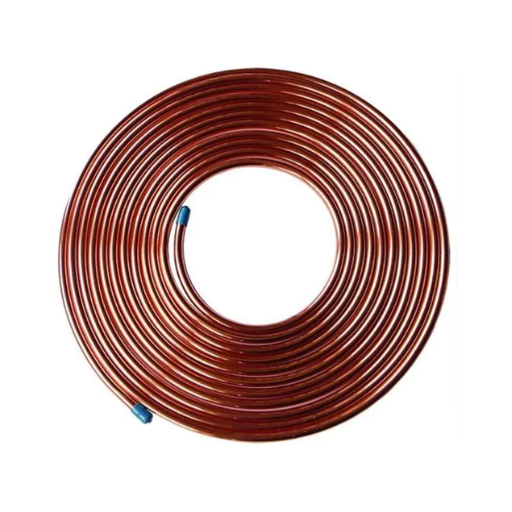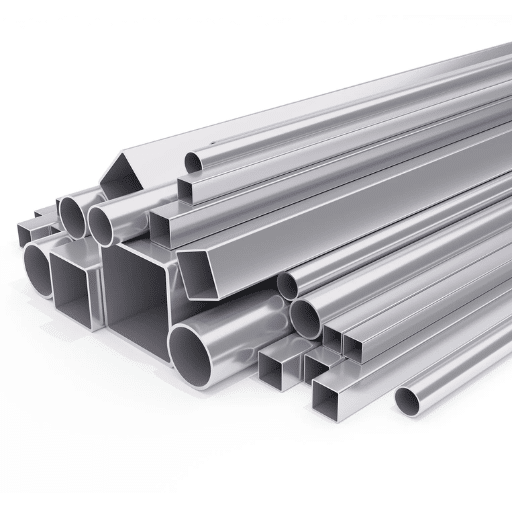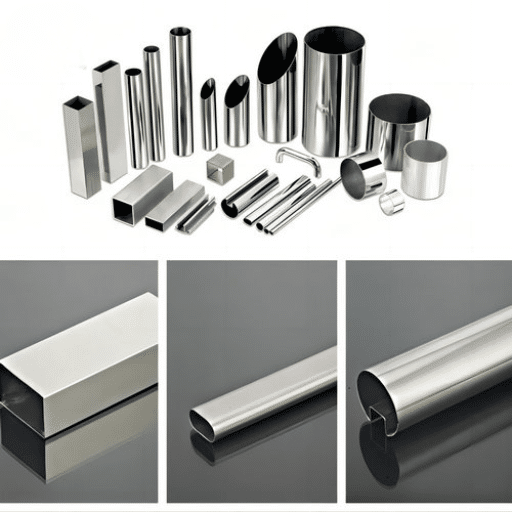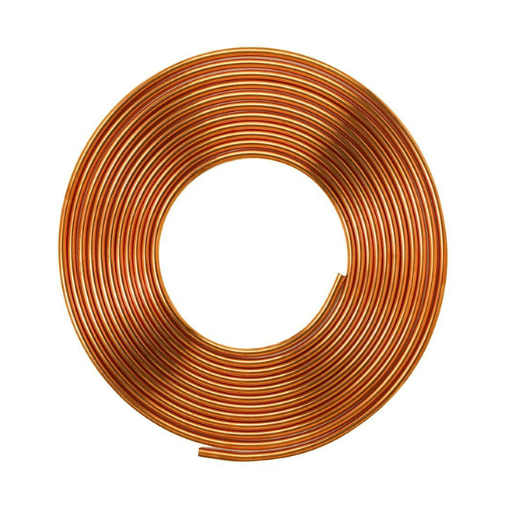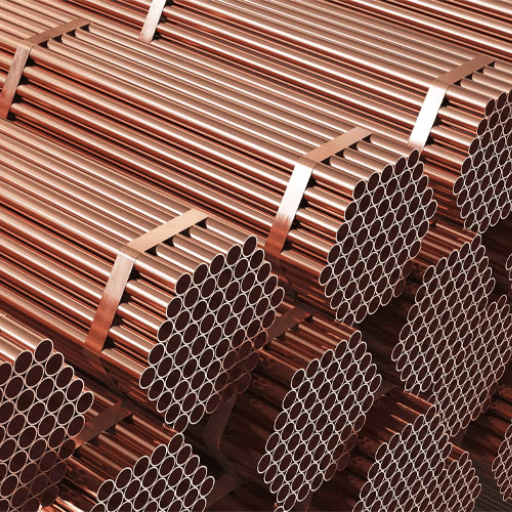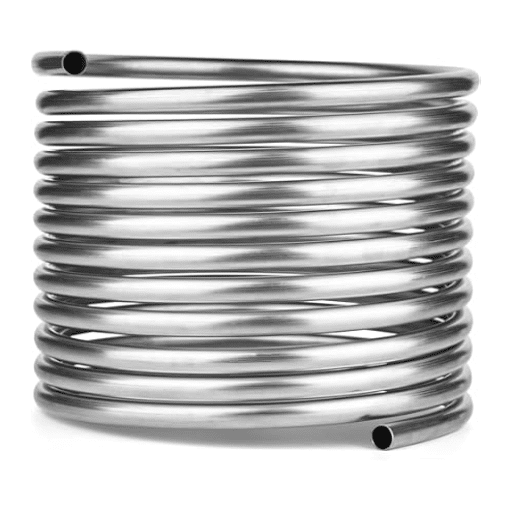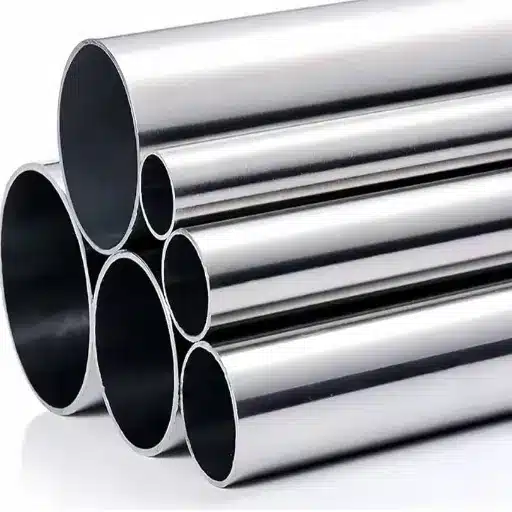
For industrial tubing needs, 304 stainless steel seamless tubing is maybe the most commonly used because of its long service life and versatility. This is particularly due to the anti-corrosive properties, strength and aesthetics of the material which is extensively used in many fields including chemical processing, oil refining and food manufacturing applications. But why are the features of 304 ss seamless tubing different in any way? How is seamless tubing created to meet all the necessary technical specifications? And why is it fit for such a wide variety of uses?
Introduction to 304 Stainless Steel Tubing
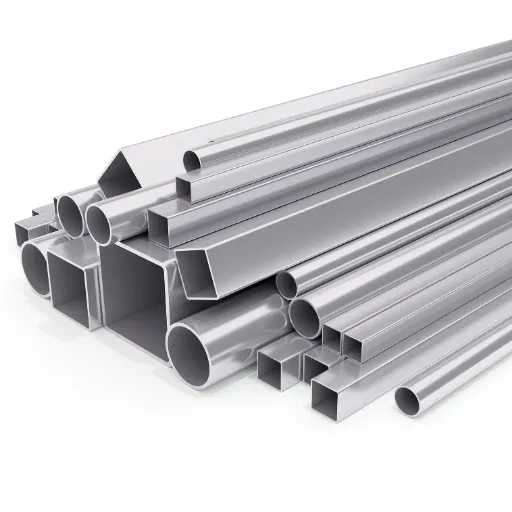
What is 304 Stainless Steel?
Another area where these tubes are very much used is in pharmaceutical manufacturing, and their roles are very strict in hygiene and contamination-free based on the strict regulatory requirements. The high-performance tubing with its easy cleaning and corrosion resistance characteristics is able to pass the Good Manufacturing Practice (GMP) tests thus encouraging safe and productive operations.
🌍 Emerging Applications
The fields of hydrogen energy and carbon capture technologies are in the process of using advanced tubing for their systems. Their need for such a capability is materials that can control the process and at the same time ensure environmental compliance when dealing with reactive or volatile compounds. Thus, the combination of innovation and regulatory demand keeps expanding the use of instrumentation tubing into more of these vital areas.
Characteristics of Seamless Tubing
Seamless tubing is always popular among manufacturers because of its high strength, uniformity and ability to withstand the toughest conditions. Seamless tubing is manufactured through an extrusion process, which consists of taking solid metal billets and forcing them through a die that forms them into the round tubing shape, thus obtaining a product that has the same thickness all over and that doesn’t have the weak spots that are a common issue in welded products. Seamless tubing is also more expensive than welded tubing; however, its production process gives the extra costs back in the form of increased structural integrity and reliability in critical applications.
Kinds of industries such as oil and gas, aerospace, automotive, and chemical processing mainly use this type of tubing because it is very resistant to corrosion, has enhanced durability, and can perform even under very high mechanical stress. Moreover, with no weld lines present the internal surface gets very even and smooth allowing the fluids or gases to flow very efficiently. The advanced manufacturing processes and precision engineering have significantly increased the tight tolerances and dimensional accuracy of seamless tubing further making it an integral part of situations where precision and safety are very important.
Benefits of Using 304 Stainless Steel
The great versatility of 304 stainless steel, consisting of strength, durability, and perfect resistance to corrosion, has made this material one of the most preferred. The alloy consists of chromium (18-20%) and nickel (8-10.5%) in high proportions which do enhance its corrosion resistance even more so in the environments that have moisture, chemicals, or saltwater. Availability of recent data still shows that this stainless steel grade is the darling of both industrial and consumer applications due to its fabrication easiness, weldability, and low maintenance needs.
| Property | Benefit | Application Impact |
|---|---|---|
| Corrosion Resistance | Excellent in moisture, chemical environments | Extended service life |
| Oxidation Resistance | Performs well at high temperatures | Suitable for heat environments |
| Non-Reactive | Inert and hygienic | Ideal for food/medical applications |
| Recyclability | High recyclability rate | Supports sustainability goals |
| Cost-Effectiveness | Lower cost than super alloys | Budget-friendly solution |
304 stainless steel is a safer material than others when oxidation resistance at high temperatures is the issue; therefore, it fits perfectly for ambitious heat environments like those in kitchen equipment and industrial boilers. In the meantime, the recent trends indicate its growing use in the medical and food-grade applications as the alloy has to be inert, and non-reactive and it even complies with the hygiene standards. In addition, the relatively lower price of 304 stainless steel compared to super grade alloys, along with its high recyclability rate is in line with the current demands for sustainability and cost savings.
Purchasing Considerations for 304 Seamless Tubing
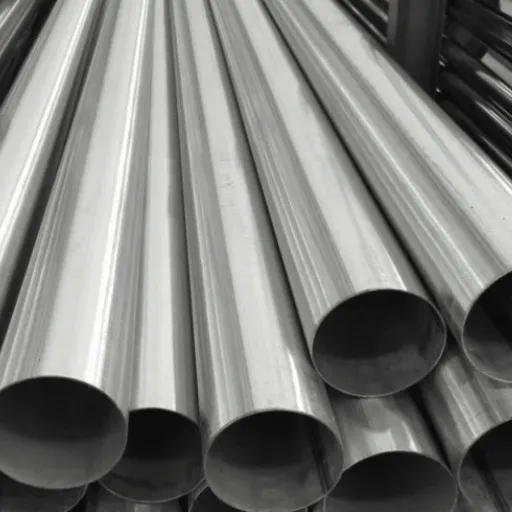
Factors to Evaluate When Buying
There are a number of important factors to consider when choosing 304 seamless tubing, and if compatibility and reliability for the intended purpose are to be assured, then these factors must be checked very carefully. Starting with material grade confirmation which is the first requirement for buyers in this scenario, they have to prove that the tubing complies with the standards of ASTM A213 or A269 which are the standards for seamless stainless steel. Thus it further assures the tubing of getting the best corrosion resistance and strength when used in varied operational pressures.
✓ Essential Evaluation Checklist
- Material Grade Compliance: Verify adherence to ASTM A213 or A269 standards
- Dimensional Tolerances: Check wall thickness and outer diameter specifications
- Surface Finish Requirements: Assess pickled, polished, or passivated options
- Pressure Ratings: Analyze against operating pressures for your application
- Supplier Certifications: Evaluate ISO 9001 and quality management credentials
On top of that, dimensional tolerances should be checked like wall thickness and outer diameter that should conform to project specifications in order to avoid problems with fitment and system efficiency. Also, surface finish requirements that may include pickled, polished, or passivated, etc., may also impact performance in places with very high cleanliness or low friction needs. Furthermore, buyers would need to analyze the tubing’s pressure ratings against operating pressures particularly in high-temperature or corrosive situations.
Eventually, the supplier’s certificates are to be evaluated, for instance, the ISO 9001 certification which proves the manufacturer is maintaining good quality management and is tracing the production process. Data coming from search analytics show that the demand for earth-friendly and recyclable options is increasing, henceforth it is wise to ask for green manufacturing practices. All these considerations are very important for deciding the durability and safety of 304 seamless tubing in critical industrial and chemical applications.
Choosing the Right Supplier
Evaluating a supplier’s compliance with industry standards as well as emerging market demands is necessary when picking one for 304 seamless tubing. The information gathered from search engine analytics indicates a rising pattern of both end-user and industrial users’ interests in suppliers that are eco-friendly and innovative. The trend points to the fact that supplier’s practices that are eco-friendly, such as recycling, footprint reduction, etc., are already turning into an advantage in the market.
🏆 Supplier Certification Standards
- ISO 9001: Quality management systems certification
- ISO 14001: Environmental management systems certification
In addition, the supplier must have reliable documentation of adherence to certifications, such as ISO 9001 for quality management and ISO 14001 for environmental management. These certifications are not only a guarantee for maintaining quality and control over the processes but also a clear indication about the supplier’s being in line with today’s expectations regarding sustainable practices. The secret lies in tapping into the supplier’s potential while aligning with the market trends and backward integrating through data-led insights for making the right choice of a supplier who meets both the short and long-term industry needs.
Cost Implications and Budgeting
In the case of considering cost implications and budgeting for vendor selection, it is necessary to do a detailed analysis of the total costs involved, including both direct and indirect costs. Direct costs refer to the price for goods or services quoted by the supplier but at the same time indirect costs like logistics, assurance of quality, possible downtime, and expenses related to compliance should also be estimated to get the total cost of ownership (TCO). With a good grasp of the latest data trends, together with the help of search engine analysis insights, it becomes easier to make the right decisions as price benchmarks and common expenditure patterns across the industry get identified. For instance, the competitive pricing data might uncover market shifts that affect supplier pricing strategies or reveal the emergence of cost-effective solutions. Companies have to synchronize their budgetings with the insights driven by data to not only achieve better financial performance but also retain reliability and scalability of their suppliers.
🔬 Chemical Composition Breakdown
- Iron (Fe): Main component (balance)
- Chromium (Cr): 18-20%
- Nickel (Ni): 8-10.5%
- Other elements: Carbon, Manganese, Silicon (trace amounts)
Manufacturing Process of 304 Seamless Tubing
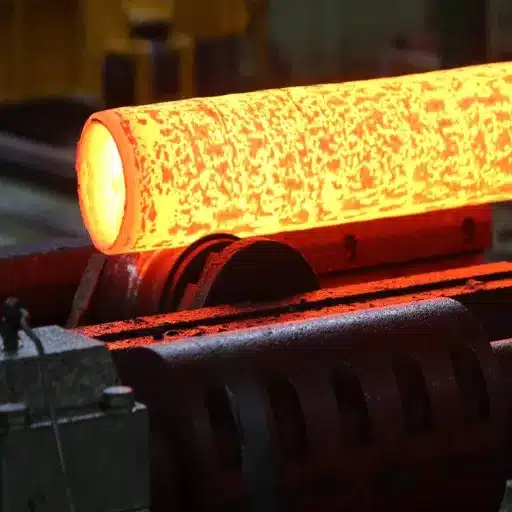
Seamless Tubing Manufacturing Overview
Manufacturing of seamless 304 stainless steel tubing is an intricate and high-tech method that is capable of producing the finest quality and performing products. The tubing is seamless, and it is made from a single-piece stainless steel approach where the solid metal bar is pierced and then rolled or drawn in the desired tube shape without welding at any point. The result of that should be a more robust, long-lasting, and pressure-resistant product than a welded tube.
⚙️ Main Manufacturing Stages
- Heating and Extrusion: Solid piece is warmed until hot and soft, then pierced
- Cold Drawing: Tube is pulled through die sections for precise dimensions
- Post-Processing Heat Treatment: Annealing creates desired mechanical properties
As per the most recent report, the market for seamless tubing is on the rise in sectors like oil and gas, chemical, and thermal power because of the tubing’s extreme conditions withstanding power and high reliability. The trend of the company’s researchers highlights that there is an increasing interest in the availability of seamless tubing for high-pressure and high-temperature applications and thus a shift in favor of materials that can endure quite strenuous working conditions. Therefore, since the advanced manufacturing techniques are the backbone of the modern industrial requirements, this shift is less than surprising.
Techniques of Production
The seamless tubing production consists of a number of advanced techniques, which with their high accuracy, durability, and uniformity. One of the main methods used in this process is rotary piercing that melts the high-pressure molds to produce a hollow cylindrical piece that has no weld or seams, thus making the pipe stronger and stress resistant. Another indispensable technique is cold drawing where the tube is pulled through die sections, which not only gives a very good surface finish but, more importantly, precise dimensions. These techniques have been developed along with the scientific advances in material and the automation of processes so that they can meet the demands of incessant cutting-edge industries.
Industry Demand: The seamless tubing search trends show a definite need for reliability in difficult environments. The manufacturers’ struggle for material that can endure at least very high operational pressure might be, for example, petrochemical plants, aerospace, and power systems. Various production methods like rotary piercing and cold drawing have been employed to create seamless tubing that does not have any weak points associated with regular welding thus better structural integrity.
Quality Control Measures
Seamless tube quality and reliability are assured by the application of strict quality control measures which are carried out at every production stage. Detecting any surface or subsurface defects which could impair the tubing’s functionality is done by means of advanced non-destructive testing methods (NDT), among which there are ultrasonic testing, magnetic particle inspection, and eddy current testing. Components of the tube are checked for dimension accuracy with precision measuring tools and its chemical composition is checked with spectroscopy to confirm compliance with industry standards. Besides, stress testing and hydrostatic pressure testing are done to assess the tubing’s capability of passing through the severe working conditions without failing.
✓ Quality Assurance Methods
- Non-Destructive Testing (NDT): Ultrasonic testing, magnetic particle inspection, eddy current testing
- Dimensional Verification: Precision measuring tools for accuracy
- Chemical Analysis: Spectroscopy for composition verification
- Performance Testing: Stress testing and hydrostatic pressure testing
These combined quality control procedures not just ensure product safety and longevity but also certification in compliance with globally accepted standards thereby making it possible for the manufacturers to operate in highly regulated sectors such as aerospace and energy.
Specifications of 304 Stainless Steel Tubing
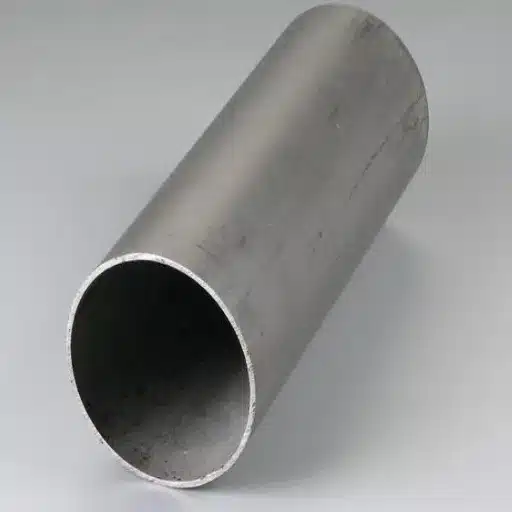
Dimensions: OD and ID Considerations
The measurements of OD (outside diameter) and ID (inside diameter) are crucial because these help in choosing 304 ss seamless tubing for a particular work and application. The OD is the total external length of the tube across or from the top of the tube while the ID is the length of the hollow area of the tube with which liquids or gases or other materials are able to contain. The wall thickness or the distance between OD and ID contributes considerably to the tubing in terms of strength, pressure withstand and dynamics of flows.
📏 Precision Standards
The industry tightly controls the variations in OD and ID tolerances according to the specific requirements of each application. For instance, a standard high-precision-grade 304 stainless steel tube can have its OD tolerances kept to as low as ±0.005 inches depending on the method used for making it, either seamless or welded. These precision metrics make it possible for the tubing to be completely integrated into the systems that require a very high level of dimensional accuracy, for example, in aerospace fuel lines or medical device components.
Wall Thickness and Length Options
The customization of wall thickness and length is a very important factor in making stainless steel tubing specific to the desired application. The wall thickness is usually very thin, for precision tubing, as low as 0.010 inches, and heavy-walled types, which are more than 0.500 inches. This variability ensures the choice of either sufficient structural integrity or flexibility depending on the operating conditions. The length, on the other hand, ranges from the standard 6-foot sections to longer custom-made and continuously manufactured lengths, which in some cases more than 100 feet for special applications.
Consistent wall thickness and precise length tolerances are accomplished through the use of advanced cutting and laser measurement techniques by the manufacturers. This level of control is crucial for the oil and gas industries, for example, where the tubes have to bear extremely high pressures and in the electronics where device performance is directly affected by a slight size accuracy. The combination of robust materials and such precise customization leads to hassle-free incorporation into the hard operational environments, thus, providing reliable and efficient performance.
Grades and Alloys of 304 and 304L
Stainless steel types 304 and 304L are the most common austenitic stainless steels, in view of their excellent corrosion resistance and formability, among other factors. There is more carbon in this grade. The carbon content is on the upper side in grade 304, which gives it slightly more strength but makes it susceptible to intergranular attack especially after welding. On the other hand, 304L is a low-carbon equivalent of that type; the base is reduced which prevents the susceptibility to is the electrochemical dissolution in corrosion because chromium carbides are generated only in excess of heat at grain boundary joints.
| Characteristic | Grade 304 | Grade 304L |
|---|---|---|
| Carbon Content | Higher | Lower (Low-carbon) |
| Strength | Slightly stronger | Good strength |
| Intergranular Corrosion | Less resistant post-welding | Superior resistance |
| Sensitization Resistance | Moderate | Excellent protection |
| Best Application | Structural integrity priority | Heavy welding or corrosive environments |
304 and 304L grades are similar in the main chemical composition, that is, they usually contain 18-20% chromium and 8-10.5% nickel with only small traces of other elements such as manganese and silicon. 304 and 304L can be found in a wide range of applications such as chemical processing equipment, food and beverage production, and structural parts in mildly corrosive environments.
💡 Selection Guidelines
It can be really hard to decide if you should use 304 or the 304L version. Such decisions are commonly associated with the environment and functional requirement of such application. By contrast, when excessive welding or contact with potential corrosive agents is anticipated, 304L would be preferred due to its post-weld corrosion strength. Nonetheless, if the characterization of the features of the products to include structural strength and rigidity is what the user is after, 304 is likely to be the preferred option. Understanding the working limits of the material and metallurgical engineering principles is the most efficient way of ensuring that the greatest performance of a material is achieved for each application.
Applications of 304 Stainless Steel Seamless Tubing
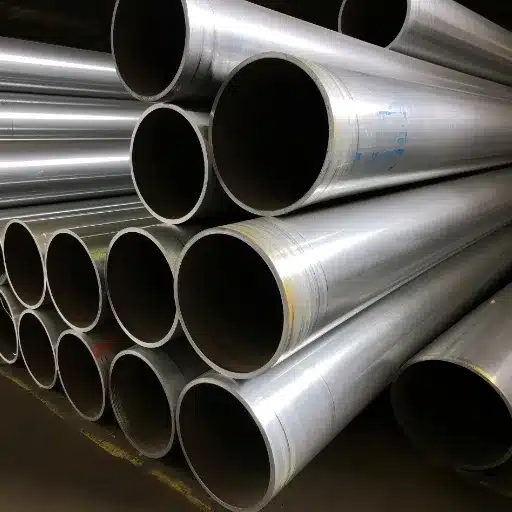
Industrial Uses and Environments
The 304 stainless steel seamless tubing has gained a solid reputation across industries for its power and the ability to withstand extreme conditions, and also because of its ability to be molded for many purposes. According to the recent searches, this material is mainly used in the chemical, oil and gas, and power generation industries. Its organic resistance to both oxidative and chemical degradation makes it a perfect choice for heat exchangers, condensers, and fluid transfer systems especially in places where the environment is highly acidic or contains chlorides.
🏭 Key Industrial Applications
- Chemical Processing: Heat exchangers, condensers, fluid transfer systems
- Oil and Gas: Pipeline systems, refineries, processing equipment
- Power Generation: Steam systems, cooling systems, power plant components
- Food & Beverage: Sanitary piping, processing equipment, storage systems
Moreover, 304 stainless steel tubing has become the main point in food and beverage manufacture where health and sanitary conditions are given the highest priority. Its shiny and non-active surface is a barrier to the accumulation of germs thus guaranteeing that the food products are safe and comply with the FDA and other government regulations. Similarly, in the drug and biological industries, the tubing is used to transfer sensitive liquids under sterile conditions. In general, its ability to adapt to various uses in such environments with high standards of both structure and quality shows its importance.
Instrumentation Applications
Instrumentation tubing is critical to the effective and precise working of the monitoring and control systems. It has a big application in the precision process for measurement of pressure, flow, and temperature in the oil and gas, chemical processing, and manufacturing industries among others. Tubing has a smooth interior and is also resistant to corrosion thus maintaining the same element of fluid dynamics and accuracy of data even in very hot or high-pressure environments.
Thanks to the combined effect of material science and manufacture, modern tubing is now made to perfectly match the current high-end instrumentation technologies. The recent data and trends reveal that the demand for high-performance instrumentation tubing is on the rise due to the increasing focus on process automation and safety measures. This is in accord with the recent increase of the market in the sectors that are characterized by energy efficiency and clean technology, where the tubing is used to meet the strict operational standards while still being a reliable part of the critical applications.
Frequently Asked Questions (FAQ)
Is 304 stainless steel tubing the right product for my industry application?
304 ss seamless tubing is a favorite metal used for commercial and construction purposes both indoors and outdoors because of its high tensile strength and resistant to corrosion. But replacing it with 316 stainless steel grades or nickel alloys is not switching to another metal without any difficulty in case of areas that hold and draw chemicals or areas known as entirely acidic. In most cases, tubing vendors provide only seamless stainless steel tubing but on the other hand, manufacturers produce seamless tubing in many sizes both in OD and thickness to satisfy various applications’ needs. The product is fair for load support and plumbing system use, however, always take a look at the tables on the technical document for the exact application. There is an application segment which includes sanitary and food industries and their requirements where 304 is the preferred material owing to its non-porous structure.
How does 304 stainless steel seamless tubing compare to 316 or 321 alloy tubes?
The primary drawback of 304 is that it does not contain as much nickel and resist chloride attack as 316 does in practice. That’s why if engineering demand supersedes those requirements, the choice commonly falls on 316. 321 is used when great temperature performance is required within the austenitic stainless steel due to a titanium stabilizing element inside with 304 still performing most applications in restricted temperature ranges. While 316 and 321 are even employed in their target industries respectively, 304 is the strongest and corrosion resistant option for most industrial and atmospheric applications, especially in decorated bodies. Three types are available from nearly all 304 ss seamless tubing suppliers, and which one is selected depends upon the local weather conditions and corrosion. Mechanical, chemical and recommended application properties are described in each technical data sheet making the issue easier.
What are the typical technical specifications for OD, wall thickness, and length of 304 seamless tubing?
Typical 304 seamless tubing specifications for OD and wall thickness are not uniform across all the manufacturers, but they are usually found in the same range from tiny gauge tubes to some inches for the ODs and from standard to super heavy-duty for the wall thicknesses. The lengths that are available are mostly the standard commercial cuts, or they can be cut to order by the tubing suppliers based on the project needs, and the seamless tubing can also be either mill lengths or cut lengths. The manufacturer will specify tolerances for OD, wall thickness, straightness, and surface finish along with technical specifications as required for compatibility with fittings and constructors’ specifications. The customer should provide information about the desired grade, OD, wall thickness and any finishing or forging requirements such as annealing or forge welding when placing an order. The ability of a supplier to deliver tight tolerances or provide certifications is one of the main considerations for high-quality applications.
Is it possible to use 304 seamless tubing with classic fittings and what fitting considerations come along with it?
The 304 seamless tube has high compatibility with various fittings made for the stainless seamless pipes and tubing, but it is very important to properly fit the OD and wall thickness to avoid leak joints. In the case of high-pressure or critical process applications, fittings of the same grade as the stainless seamless material should be used and material compatibility should be checked to ensure no galvanic corrosion occurs due to dissimilar metals. The choice of fittings should also take into account the application environment, for instance, if there is exposure to acid or atmospheric salts, higher-grade alloys may be suggested. Many tube suppliers sell the tubing together with the compatible fittings, thus reducing the costs of purchasing and at the same time ensuring technical compatibility. The best practices of installation along with the torque limits should be observed so as to keep the leakage, strength, and corrosion resistance of the assembly intact.
What manufacturing and quality processes influence the performance of 304 stainless steel seamless tubing?
Cold drawing, annealing, and forge treatments are some of the procedures in the manufacturing process that influence the dimensions, surface quality, and mechanical properties of the 304 stainless steel seamless tubing. The seamless method of manufacturing does not create any welded seams, therefore, it gives better resistance to pressure and fatigue and has better structural integrity over welded tubing. Control of quality measures like hydrostatic testing, eddy current inspection, and chemical analysis are done in order to make sure that the tubing meets the technical and commercial standards for highest quality tubing. The ability to furnish mill certificates and to guarantee traceability is a fundamental requirement for the regulated sectors or vital construction ventures. In the case of corrosive or high-temperature applications, re-processing or the choice of a special alloy might be needed to comply with the performance standards.
How does 304 stainless steel seamless tubing perform in lands and acid-exposed environments?
304 stainless steel performs well in normal atmospheric conditions. It has considerable corrosion resistance and long service life, which makes it a good choice for outdoor architecture and many commercial uses. On the other hand, in a chloride or certain acids environment, 304 may be prone to pitting and crevice corrosion, and thus the use of a nickel alloy like 316 or specific grades may be the solution for much better protection. Also, the choice depends on temperature and concentration of exposure; 321 may be favored for the high-temperature locations, while 304L stainless variants aid in minimizing sensitization in welding applications. For acid service, consult the technical corrosion data and consider testing or opting for a more resistant alloy when needed. Tubing suppliers will be happy to inform you about compatibility and suggest fitting grades or protective measures based on the particular environmental conditions.
Conclusion
This combination of properties makes 304 stainless steel the most popular choice in the case of architectural structures and machine parts through its unique balancing act. If you are a design engineer, a procurement specialist, or just someone who is interested in industrial materials, knowing the properties, manufacturing methods, and applications of 304 stainless steel seamless tubing will give you a perfect insight into one of the most reliable solutions in material engineering today.
On the one hand, the whole situation could be defined like this: on the whole, and maybe still more presented by 304 stainless steel seamless tubing; and on the other hand, the key technologies in the areas of demand for purity, durability, and ecology still being developed. The latter, along with its great resistance to corrosion, strong mechanical support, and flexibility, revolves around the birth of industrial applications in countless different sectors across the globe thus guaranteeing its presence.
📚 Reference Sources
- •
TIG Welding of Nickel Titanium to 304 Stainless Steel
OhioLINK ETD Center – This study focuses on tungsten inert gas (TIG) welding of 304 stainless steel seamless tubing, providing insights into its properties and applications. - •
Hydroforming of Tubular Materials at Various Temperatures
OhioLINK ETD Center – This dissertation explores the hydroforming process for tubular materials, including stainless steel, and its applications in various industries. - •
Thermomechanical Fatigue Life Prediction of Notched 304 Stainless Steel
University of Central Florida STARS Library – This research investigates the fatigue life of 304 stainless steel under thermomechanical conditions, offering valuable data for industrial applications.