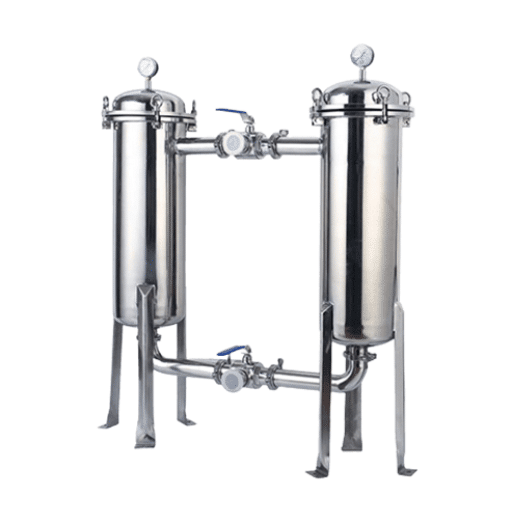
The industrial facilities that process food and beverage products combined with pharmaceutical and biotechnology operations must select appropriate materials for their sanitary tubing systems because this choice guarantees their operations will maintain safety standards while achieving extended equipment durability. The two most frequently used stainless steel grades 304 and 316L stand out as the top options for selection. You need to know which grade works best for your particular usage requirements. The article provides an in-depth comparison between 304 and 316L stainless steel through its analysis of their material composition their ability to resist corrosion and their mechanical strength and their use in sanitary applications. The final results will provide you with essential knowledge which enables you to select a solution that meets both your current business needs and your future objectives.
Understanding Stainless Steel Tubing

What is Stainless Steel Tubing?
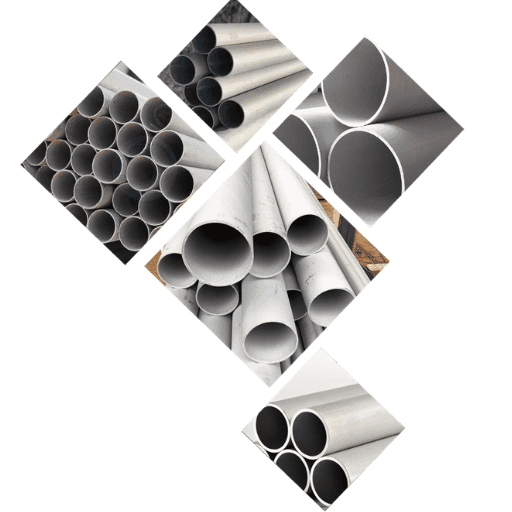
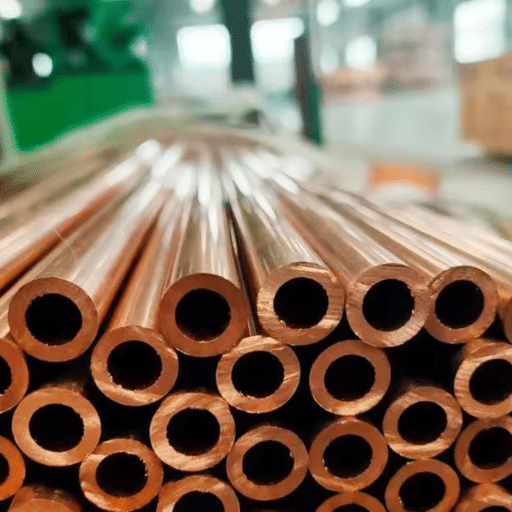
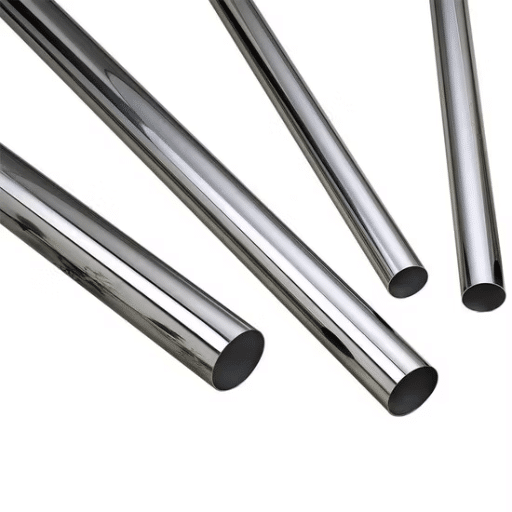
Stainless steel tubing is a piping product built from an iron-chromium alloy with nickel and molybdenum. Chromium at 10.5%+ forms a passive oxide layer that protects against oxidation and rusting — available in grades 304 and 316L across seamless, welded, and finished configurations for sanitary, industrial, and structural applications.
Stainless steel tubing is a piping product which builders create using an iron-chromium alloy that contains nickel and molybdenum to achieve superior strength and durability while preventing corrosion. The material achieves oxidation protection through chromium inclusion which establishes a passive oxide layer when present at 10.5% or higher levels thus protecting the material from oxidation and rusting even under severe environmental conditions. Stainless steel tubing comes in different grades which include 304 and 316L to establish its chemical makeup and operational properties that suit particular uses.
Stainless steel tubing serves multiple industries because it provides outstanding corrosion protection which makes it suitable for food and beverage production and pharmaceutical manufacturing and chemical processing and oil and gas operations. The material serves various applications which need hygienic standards to be met including sanitary pipeline systems and HVAC installations and medical devices. Stainless steel tubing exists in multiple manufacturing forms which include seamless and welded versions together with various size options and finish styles to fulfill specific operational needs and design requirements. Its flexibility makes it the preferred option for producing durable tubing systems which deliver exceptional performance in industrial environments and consumer products.
Key Properties of Stainless Steel Tubing
Stainless steel tubing serves various industries because of its exceptional mechanical strength combined with its chemical toughness. The primary characteristics of these materials include the following elements:
Stainless steel tubing maintains its status as the preferred option for various industries because of its three essential properties which provide performance characteristics and flexible usage and extended service life for vital industrial needs.
Importance of Grade Selection
The selection of stainless steel grades determines the performance and cost-effectiveness of particular applications. The distinct operational requirements of different grades of stainless steel which include 304 and 316 and duplex variants require different material properties. The widespread use of Grade 304 occurs because its excellent corrosion resistance and low cost make it suitable for general-purpose applications. The presence of molybdenum in Grade 316 provides superior protection against pitting and crevice corrosion in high-salinity marine and coastal environments which results in longer equipment lifespan.
The search engine data shows that people have greater interest in duplex stainless steel grades which provide both high strength and exceptional corrosion resistance these materials particularly serve the energy and chemical processing and construction industries. Organizations evaluate material efficiency by assessing lifecycle costs which require them to choose specific grades based their environmental needs and mechanical requirements and regulatory obligations. The correct grade selection protects structural integrity while ensuring safe operations and economical sustainability of the application.
Comparing 304 Stainless Steel and 316L Stainless Steel

Composition of 304 Stainless Steel
The composition of 304 stainless steel, which is commonly known as the workhorse of stainless steel, consists of iron, chromium, and nickel as its main components together with necessary trace elements which boost its operational efficiency. The material’s typical chemical composition includes 18 to 20 percent chromium and 8 to 10.5 percent nickel which together provide exceptional protection against corrosion while maintaining durability throughout various environmental conditions. The material contains manganese in amounts reaching 2 percent and carbon content that does not exceed 0.08 percent together with phosphorus and sulfur present as regulated trace elements which help to maintain its best material characteristics. This austenitic alloy achieves its multiple applications because its even metal composition provides both toughness and weldability while protecting against oxidation up to 870°C (1600°F) temperature limits.
Composition of 316L Stainless Steel
316L stainless steel is an advanced material which engineering experts use because it contains low carbon and provides superior protection against corrosion in chloride-rich environments. The material contains 16 to 18 percent chromium and 10 to 14 percent nickel which allows it to resist oxidation and pitting corrosion. The addition of 2 to 3 percent molybdenum strengthens the material’s ability to withstand localized corrosive damages which include crevice corrosion and pitting. Manganese content typically remains up to 2%, while silicon contributes up to 0.75%, aiding in thermal resistance and structural stability at elevated temperatures.
The reduced carbon content of 316L which stays below 0.03% helps prevent carbide precipitation during welding. The trace additives phosphorus and sulfur which exist at levels below 0.045% need to be controlled because they impact both mechanical properties and surface quality of the material. The material demonstrates high toughness and ductility throughout a wide temperature range which makes it suitable for demanding applications in marine and medical and chemical processing industries.
Head-to-Head Grade Comparison
| Factor | Grade 304 | Grade 316L |
|---|---|---|
| Molybdenum | None | 2–3% — key differentiator |
| Carbon Content | ≤0.08% | ≤0.03% (Low Carbon “L”) |
| Pitting & Crevice Resistance | Moderate — no Mo protection | Superior — Mo resists chloride attack |
| Weldability | Good — post-weld treatment may be needed | Excellent — low C prevents carbide precipitation |
| Cost (per ton, approx.) | $1,800–$2,300 | $2,400–$3,000 (~20–30% premium) |
| Ideal Environment | General indoor / low chemical exposure | Marine / chemical / pharma / high-chloride |
| Biocompatibility | Standard use | Preferred — medical implants & pharma |
Corrosion Resistance Comparison
The test results for corrosion resistance demonstrate that 316L stainless steel exceeds most stainless steel materials because its molybdenum content enables it to withstand pitting and crevice corrosion in chloride-rich environments. The research data from recent studies demonstrates that 316L exhibits extremely slow corrosion rates when it comes into contact with high salinity conditions which exist in both seawater and chemical-filled environments. This material outperforms 304 stainless steel because 304 stainless steel lacks molybdenum which increases its risk of experiencing localized corrosion under the same environmental conditions. The 2205 duplex stainless steel grade provides better protection against stress corrosion cracking than 316L, which makes it suitable for use in environments with extreme pressure and temperature conditions, but its expensive nature and difficult welding processes create complications. The material selection process needs to assess both the specific environmental conditions and mechanical constraints because this approach will help achieve long-lasting durability while keeping costs down.
Applications of 304 and 316L Stainless Steel Tubing

Common Uses for 304 Stainless Steel Tubing
The exceptional versatility of 304 stainless steel tubing together with its corrosion resistance and low cost make it a widely used material. The material finds its use across multiple industries which include food processing and construction. The food and beverage industry uses 304 tubing for storage tanks and conveyor belts and piping systems because the material endures frequent cleaning while remaining non-reactive to various ingredients. The automotive industry uses the material for exhaust systems and fuel lines because of its high strength and durable performance.
The recent data shows that architectural and structural applications use the material because its design elements and weatherproof capabilities serve building construction purposes. The construction materials include railings handrails and tubing which builders use to create modern building facades. The medical field uses 304 stainless steel for surgical instruments and hospital tables because the material maintains its structural integrity through sterilization processes. The material serves traditional and emerging global markets because its flexible design and affordable cost make it suitable for various applications.
Automotive Exhaust
Architectural Facades
Surgical Instruments
Railings & Handrails
HVAC Systems
Typical Applications for 316L Stainless Steel Tubing
The superior ability of 316L stainless steel tubing to withstand corrosion damage makes it appropriate for high-demand situations because it provides protection against chloride corrosion and high humidity deterioration. The material shows better protection against pitting and crevice corrosion which usually happens in extreme environmental conditions because of its low carbon content and molybdenum alloying. The chemical processing and petrochemical industries use 316L tubing for transporting aggressive chemicals and high-temperature fluids throughout their operations. The material demonstrates high saltwater corrosion resistance which enables its widespread use in marine applications for shipbuilding and seawater desalination systems and offshore oil rigs.
The pharmaceutical and biotechnology sectors use 316L stainless steel tubing because its design enables equipment to maintain its clean state while undergoing multiple sterilization cycles, which helps organizations meet their strict hygiene regulations. The material appears in high-purity piping systems and laboratory equipment and drug manufacturing facilities. The combination of strength and durability of material serves essential purposes in structural applications because it supports architectural elements that need to endure outdoor conditions while maintaining their aesthetic value for outdoor railings and facades. The material 316L tubing has become the primary choice for various industries because people want materials that last and support environmental sustainability efforts.
Marine / Desalination
Pharmaceutical Mfg.
Offshore Oil Rigs
Lab / Biotech
Medical Implants
Choosing the Right Alloy for Your Application
The process of selecting an appropriate alloy for a specific application requires engineers to perform a comprehensive assessment that includes environmental conditions and mechanical load needs and material compatibility. The three common alloys 304 and 316 and 316L stainless steels provide distinct benefits which suit different applications. The cost-effective 304 stainless steel provides general corrosion protection which makes it suitable for indoor use and areas with low chemical exposure. The industrial and marine environments that include chloride and salt and acidic conditions require 316 stainless steel or its low-carbon alternative 316L because of its better protection against pitting and crevice corrosion.
The research findings from industry sources together with the survey results show that people increasingly prefer 316L when they need weldable materials with lower chances of carbide formation during welding. The low carbon content of the material stops chromium carbides from developing which protects the corrosion resistance of heat-affected zones. 316L has emerged as the leading alloy choice for bio-compatible applications in medical implants and pharmaceutical manufacturing because of its non-reactive and highly stable properties which laboratory tests and real-world applications have demonstrated.
Alloy selection requires engineers to evaluate both performance metrics and cost factors and availability and material durability throughout its entire lifecycle. The project demands will be satisfied through alloy selection which requires using alloy selection guides and corrosion tables and expert advice from material specialists. To make an effective selection process, the team needs to analyze both operating conditions and current industry information.
Cost Considerations: 304 vs. 316L

Price Differences Between 304 and 316L
The price difference between 304 and 316L stainless steel results from their chemical makeup because 316L contains more molybdenum than 304. The element provides 316L with improved resistance against corrosion which occurs in environments that contain high levels of chloride. According to current market data 316L prices exist at 20 to 30 percent higher than 304 prices although global raw material demand and regional supply and manufacturing capacity determine actual prices. At the time of writing raw material costs estimate that standard 304 stainless steel sells for $1,800 to $2,300 per ton while 316L sells for $2,400 to $3,000 per ton.
The performance of 304 meets the requirements for many applications; however industries that use harsh chemicals and saltwater and extreme conditions should switch to 316L because its higher costs provide better protection. Organizations should perform a comprehensive cost-benefit analysis that assesses durability throughout the product lifecycle and environmental impact to choose products that meet their financial limits and operational needs.
Factors Influencing Cost
The analysis of stainless steel grade 304 and 316L costs requires evaluation of multiple key factors. The price of raw materials stands as the primary element that determines costs because the market value of nickel chromium and molybdenum which serve as essential materials for stainless steel alloy production can change according to global supply and demand conditions. The 2023 nickel market experienced price increases because of supply interruptions and energy sector demand which created a substantial effect on stainless steel market pricing patterns.
Production methods and technological advancements also play a role. Energy-efficient mills which use modern alloying methods to produce metal products achieve better metal quality output yet their production costs differ based on their location and the technologies they use. The total cost of production results from multiple factors which include transportation expenses and labor costs and material import export tariffs.
The use of current search engine data shows that environmental regulations and sustainability targets now create major impacts on market behavior. The stainless steel production method which uses lower carbon emissions called “green steel” creates higher initial production expenses for businesses that want to use this material but it helps them achieve their long-term business objectives and abide by legal requirements.
The process of material expense forecasting and industrial decision-making efficiency requires comprehensive treatment of all factors that affect these processes.
Budgeting for Stainless Steel Tubing Projects
The estimation of project expenses for stainless steel tubing work requires the assessment of multiple interrelated factors. The present market information together with changing prices of raw materials and their supply availability governs all expenses related to the project. Current search trends demonstrate an increasing interest in high-performance materials especially 316 and duplex stainless steel which provide enhanced corrosion protection and durability needed by chemical processing and marine engineering industries despite their higher costs.
The budgeting process needs to include all expenses related to fabrication work and transportation needs together with any applicable tariffs. The implementation of sustainability initiatives through recycled materials and “green steel” usage will increase initial expenses yet help organizations meet their regulatory requirements and environmental sustainability objectives. The monitoring of these factors through dependable data results in practical budget development for stainless steel tubing projects which successfully decreases unexpected financial dangers.
Specifications and Standards

ASTM Specifications for 304 and 316L
ASTM International established exact specifications for stainless steel grades 304 and 316L according to the requirements of ASTM A240 and ASTM A312. The specifications provide information about the chemical composition and mechanical properties and dimensional tolerances which manufacturers must follow when producing these materials.
Grade 304 requires a minimum chromium content between 18.0 and 20.0 percent while nickel content must fall between 8.0 and 10.5 percent. The requirement establishes material properties which enable it to resist corrosion throughout most typical environmental conditions. The stainless steel must also meet a maximum carbon content of 0.08 percent because this limit prevents carbide precipitation during welding operations.
Grade 316L exhibits better defense against extreme conditions because its molybdenum content exceeds 2.0 percent and reaches 3.0 percent which makes it superior to 304. The “L” designation indicates low carbon content which exists at maximum 0.03% level. This feature reduces the chances of intergranular corrosion which occurs during high-temperature processing and welding operations.
Both grades need to fulfill ASTM standards which require them to achieve a minimum tensile strength of 515 MPa and a minimum yield strength of 205 MPa. Elongation percentages and Brinell hardness limits serve as essential metrics which enable assessment of material ductility and workability.
The ASTM specifications demonstrate that 304 and 316L stainless steel tubing meets strict performance standards which result in dependable and long-lasting products that conform to industry regulations. The project uses these materials because they create compatibility with worldwide production standards and regulatory organizations which guarantee product excellence and efficient business operations.
Seamless vs. Welded Tubing
According to current industry data, seamless tubing demonstrates better performance than welded tubing in high-pressure and high-temperature situations because of its uniform structure and ability to withstand cracking. The lower production expenses and effective manufacturing methods of welded tubing have made it a popular choice for industries that need to produce large quantities of products while maintaining their quality standards. The selection process between seamless and welded tubing needs to assess multiple factors which include cost limitations and pressure assessment and dimensional requirements and target operational use to achieve the best performance results and product durability.
Finish Options for Stainless Steel Tubing
The available finishing choices for stainless steel tubing provide multiple options which meet the distinct needs of different industrial applications. The tube appearances and corrosion defense capabilities and environmental compatibility of the tubing system depend on these finishing options. The most common finishes include:
The selection process for stainless steel tubing finishes requires analysis of three main factors which include operational environment and regulatory requirements and needed surface characteristics. Industries such as food processing and biopharmaceuticals require food processing and biopharmaceuticals to use electropolished or mechanically polished finishes because these methods maintain hygiene standards while preventing contamination through crevice formation. Polished and electropolished finishes remain popular because cleanability has gained increasing importance according to current search patterns and data analysis results.
Frequently Asked Questions
Q1
What are the differences between 304 stainless steel tubing and 316L stainless steel tubing material and specification?
People need to understand the material properties and specifications of 304 stainless steel tubing and 316L stainless steel tubing to compare the two materials. 316L stainless steel contains molybdenum which gives the material better protection against corrosion in chloride environments while 304 stainless steel tubing provides general-purpose use with good welding and forming capabilities and 316L stainless steel tubing functions better in extreme chemical and marine and pharmaceutical settings. The two materials can be delivered as seamless or welded steel tubes which come in multiple sizes and wall thicknesses that meet ASTM standards. The 316L stainless steel tubing provides better protection against corrosion for applications that require strong resistance to both pitting and crevice corrosion. The system pressure and temperature requirements and mechanical strength needs for the application should guide the selection of tube outer diameter and finish and length.
Q2
How do I select the right stainless steel tubing tube size, OD and wall for my application?
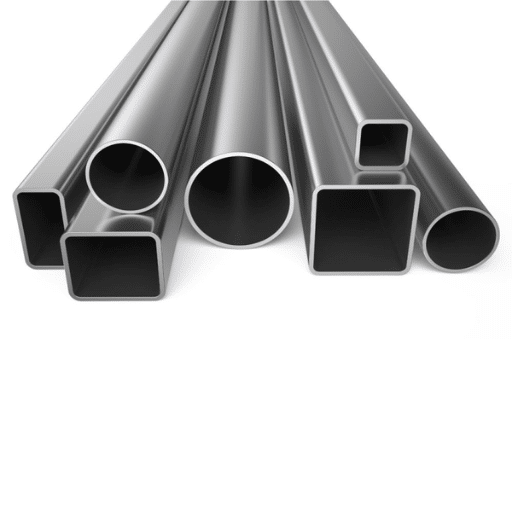
The process of selecting suitable stainless steel tubing requires two separate steps which require choosing tubing outer diameter and wall thickness and material grade that will match both pressure requirements and flow demands and environmental conditions. Round tubing together with rectangular or square tube shapes exists as options because round tubing serves as the standard method to move fluids through pipelines while square or rectangular sections serve as structural components. The hygienic industry needs to decide between three types of finishes which include mill finish and polished finish and sanitary finish for their beverage and pharmaceutical processing needs. Standard sizes and lengths can be procured through tube stock and ready-to-ship inventory but installation requires either custom cuts or special fittings. The verification of fitting selection and weld procedure requires testing against required standards while the selected alloy must demonstrate strength against chemical exposure and operational temperature requirements.
Q3
Are 304 stainless steel tubing and 316L stainless steel tubing suitable for sanitary and hygienic processing applications?
The two materials 304 stainless steel tubing and 316L stainless steel tubing both function in sanitary and hygienic systems but 316L stainless steel tubing serves better when customers need enhanced protection against corrosion. The industry uses polished round tubing as the standard material because its sanitary finish and polish produce smooth surfaces which prevent bacterial growth in food and beverage and pharmaceutical applications. Hygienic applications require seamless tubing because it removes potential leak paths while making cleaning processes easier. The sanitary processing standards which need to be followed require verification of all three elements which include finish and weld quality and fitting standards. The assessment needs to include two elements which are material compatibility with cleaning chemicals and the capacity to handle multiple sterilization processes.
Q4
What are the advantages of seamless stainless steel tube and when should I choose seamless over welded?
The design of seamless stainless steel tube provides superior structural strength which makes it ideal for high-pressure applications that require critical operational performance. Seamless tubing exists in multiple stock sizes and stock lengths and stock lengths while providing 304 and 316L alloy options which customers can select according to their required corrosion protection. The use of seamless tubes in sanitary and hygienic systems reduces crevices which create potential contamination points and thus make cleaning processes easier. The use of welded tubes becomes more economical when dealing with larger diameter projects which do not require high structural strength and customers want to select from a wider range of tube shapes including rectangular and square designs. The process of choosing between seamless and welded stainless steel pipe or tube requires evaluation of four factors which include pressure and environment and fabrication and budget needs.
Q5
How does finish and polish affect corrosion resistance and suitability for different industries?
Surface finish and polish determine three essential factors because they create three different surface types which show different levels of cleanliness and visual appearance. Pharmaceutical and beverage and food processing industries require sanitary finishes for stainless steel tube and pipe because these finishes meet hygienic standards while making cleaning and sterilization procedures easier. Mill finish may be acceptable for structural applications where aesthetics and surface smoothness are less critical, but it may harbor contaminants more readily. The combination of 316L alloy with a polished finish offers protection against corrosion in environments that contain either acidic substances or chloride materials. The application specifications should guide the evaluation process which includes requirements for finish and welding and all other fabrication techniques and testing methods.
Q6
Can 304 stainless steel tubing and 316L stainless steel tubing withstand high temperature and chemical exposure?
Both 304 and 316L stainless steel tubing can withstand elevated temperatures and a variety of chemicals but 316L provides better resistance to chloride-containing environments and is more suitable for acidic or marine exposures. 304 stainless steel performs well in many service temperatures and is used throughout industrial fields and structural engineering work. 316L stainless steel tubing contains molybdenum which protects against pitting thus providing high corrosion resistance for use in harsh chemical environments. The right choice of materials provides protection against failure during service while extending the life of products and minimizing repair needs.
Reference Sources
- 01
Study on the Microstructure and Properties of AISI 304 Stainless SteelFocuses on the microstructural evolution and mechanical properties of AISI 304 stainless steel pipes.
- 02
Failure Analysis of the 304 Stainless Steel Tube in a Gas AnalyzerInvestigates the failure causes of 304 stainless steel tubes using advanced analytical methods.
- 03
316L Stainless Steel Pipe and Tube ApplicationsDiscusses the industrial applications of 316L stainless steel pipes in petroleum, chemical, and other sectors.