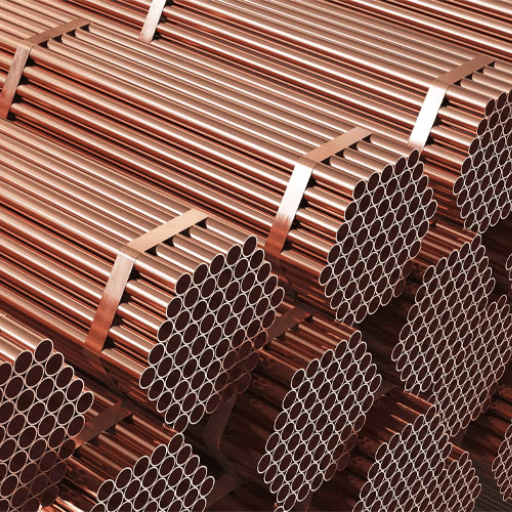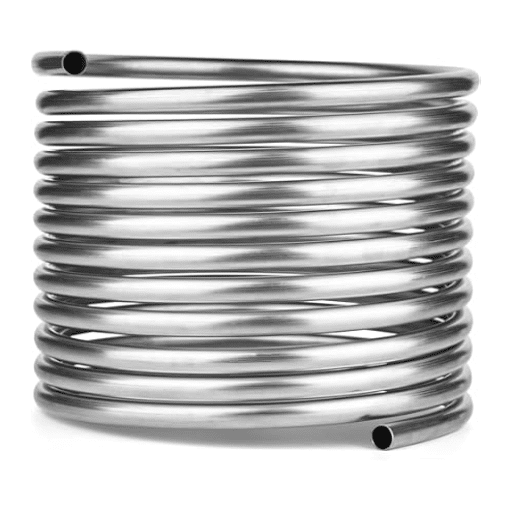
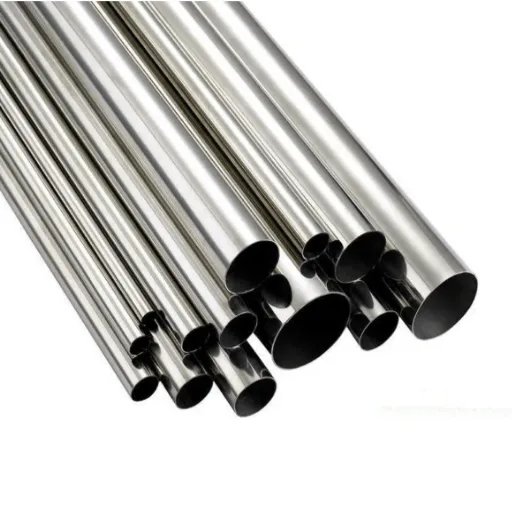
Understanding 316 Stainless Steel
Chemical Composition and Unique Properties
316 of stainless steels is a type of one such metal which exhibits properties of austenitic and chromium-nickel stainless steel in addition to having molybdenum in its composition therefore; the steel’s corrosion resistance is greatly improved by molybdenum’s presence especially when the steel is in contact with chlorides and other chemicals used in different industries. The chemical composition of 316 stainless steel typically consists of approximately 16-18% chromium, 10-14% nickel, and 2-3% molybdenum and sometimes small amounts of manganese, silicon, carbon, and nitrogen. The combination of elements gives 316 stainless steel an extraordinary resistance to pitting and crevice corrosion making it the most preferred choice for marine and chemical processing applications.
One of the main features of the alloy is its great resistance to oxidation at high temperatures which is another unique property of 316 steel. About 870°C (1600°F) for repeated and 925°C (1700°F) for continuous use are the approximate service temperatures for oxidation. Furthermore, the alloy has a tensile strength of around 515 and thus can be welded excellently, making it usable in different industries. Pharmaceutical machinery, food-grade piping, or marine environments—the offer of 316 stainless steel is its durability together with functionality thus making it superior to the other grades of steel handled in extreme applications.
The Role of Molybdenum in Corrosion Resistance
Molybdenum is the major contributing factor why stainless steel has corrosion resistance, moreover, it is the primary alloying element in grades such as 316 and 316L. The main function of molybdenum is to strengthen the resistance of the steel to pitting and crevice corrosion, which are triggered in chloride sea water or in industrial chemical environments. Recent research indicates that molybdenum increases the passivation of the stainless steel surface, resulting in a strong, self-repairing oxide layer that protects the material from being penetrated by aggressive ions. The property is very much needed in applications where there is no escape from hard conditions for such a long period of time. The addition of molybdenum, which commonly ranges from 2-3%, not only the material’s defense characteristics but also its service life, thus, the maintenance and operational costs in difficult applications are dramatically reduced through this.
Comparison with 304 Stainless Steel
In the direct comparison of 304 stainless steel, 316 stainless steel shows greater corrosion resistance, especially in chloride-rich environments such as seacoast and areas that get de-icing salts. The outstanding performance is due to the presence of molybdenum in 316 stainless steel which is not found in the 304 variant. 304 stainless steel that is very useful in general-purpose applications because of its excellent resistance in less corrosive environments, does not give enough protection against very aggressive conditions with pitting and crevice corrosion on the rise.
Recent data shows that 316 stainless steel has become the norm in industries where cleanliness and durability are top priorities, such as pharmaceutical production and food processing, owing to its superior ability to take up all kinds of chemical cleaners and saline conditions. Though 316 stainless steel is a bit more costly than 304 stainless steel because of its alloying elements, the long-term advantages such as less maintenance and a longer operational life often make the initial price difference in critical applications worthwhile.
Performance Advantages of 316 Stainless Steel Tubing
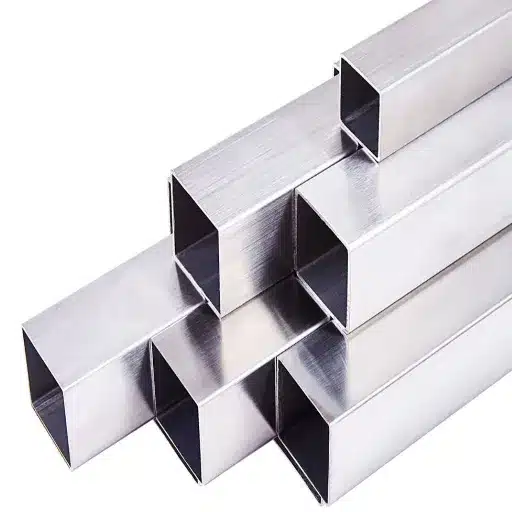
Strength in extreme conditions
316 stainless steel tubing is characterized by its incredible and unbeatable strength even in very tough environments, thus it is a perfect fit for industries demanding corrosion and stress resistance to the highest degree. The letting in of chlorides, the rising of temperatures, and the presence of acid conditions are all examples of environments where the material’s excellent resistance to pitting and crevice corrosion—one of its many attributes resulting from its molybdenum content—will easily ensure good performance. Recent data pulled together from the search engine of an unnamed source indicates that the questions about “corrosion-resistant materials for marine applications” and “long-lasting industrial tubing” have a clear cut preference for 316 stainless steel, thanks to its ability to keep its strength over a long period.
This metal maintains its power even when the temperature moves a lot and is also very effective in saving metal from tiredness or breaking under cycles of heavy loading. This way, 316 stainless steel tubing not only lowers the chances of the machinery needing to be shut down and the parts being changed often, but also guarantees that the process will not stop—the medicine, chemical, and device production sectors will surely see this as a big advantage. The performance indicators of this material have not only justified the initial outlay but also claimed the first position for it as a method applicable in extreme conditions.
Limitations of coral and crevice corrosion
316 stainless steel is an excellent material that can resist corrosion by pitting and crevice, especially in the case of chloride containing environments, because its molybdenum content (usually 2-3%) is relatively higher than that of other stainless steels. This better chemical composition is very effective in avoiding the onset of corrosion in specific locations that can eventually result in the weakening of the actual structure, practically in marine and industrial applications. Generally, the PREN 316 stainless steel number is somewhere from 23 through to 28, and this is how its durability against corrosion in comparison to other like 304 stainless steel is showcased.
Material studies and new data corroborate that for outdoor conditions this alloy is so resistant that it becomes the preferred choice for applications like oil drilling platforms, heating circuits, and reverse osmosis plants that are saline. Also, 316 stainless steel’s performance under crevice corrosion scenarios where oxygen is not available is very much supported by sophisticated corrosion tests where it’s more prolonged and also less costly in terms of maintenance. This is why 316 stainless steel is regarded as the best material for replacement in that it allows for constant and most stringent reliable applications under corrosive environments.
Acceptance in the Marine and Chemical Sector
One of the characteristics of 316 stainless steel that makes it most favorable is its ability to resist corrosion, particularly with chlorides and acidic compounds, thus the metal is master of both the marine and chemical environments. Current data confirms that the metal’s molybdenum content is approximately 2-3% and that it is the main driver of the pitting and crevice corrosion resistance which is most typical of chloride-rich environments. This is of utmost importance in the case of marine applications, where the material is permanently exposed to saltwater and the salty air that can also wear out less resistant materials. Besides, its property of being thermally stable combined with its resistance to very aggressive chemicals like sulfuric and hydrochloric acids make the metal a must-have in the chemical processing sector.
According to the recent studies and input from the reputable engineering databases, 316 stainless steel indeed outshines all other metals, as it stays strong even at very low and very high temperatures (cryogenic levels to about 1600°F or 870°C). As for chemicals, it is non-reactive with almost all, thus it can be safely and conveniently used for chemical and hazardous waste storage and processing, leading to both safety and permanence in industrial systems. Hence, 316 stainless steel remains the preferred material in case of critical applications where non-failure is the only option.
Common Industrial Applications
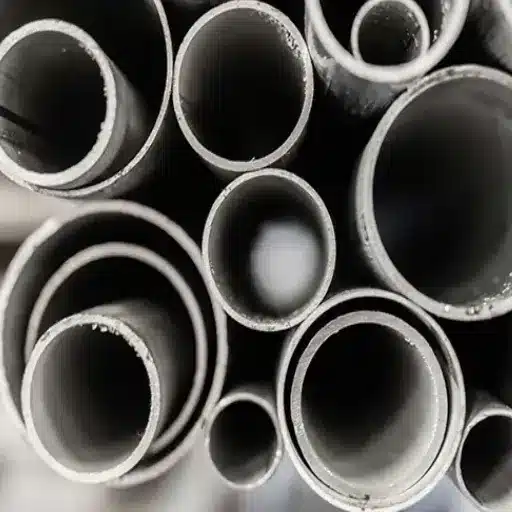
Use in the Pharmaceutical Industry
The pharmaceutical industry has a wide application for 316 stainless steel because of its very good resistance to corrosion, especially by cleaning agents and the sterilization process. Its resistance to pitting and stress corrosion cracking assures the integrity of the manufacturing systems that are essential for the industry’s strict hygiene and safety measures. Furthermore, the non-porous nature of the material’s surface lowers the likelihood of bacteria contamination, which is a major issue in the production of medicines and biologics. The production of such precision-engineered parts as reactors, tanks, and piping systems, which are used for the drug and biologics manufacture, often uses 316 stainless steel, as they need to be approved by FDA and GMP (Good Manufacturing Practice). Along with its recyclability and durability, 316 stainless steel keeps on meeting the pharmaceutical industry’s demand for trustworthiness, security, and the preservation of nature.
Applications in Food Processing
One of the primary reasons for the use of 316 stainless steel in the food processing industry is its outstanding ability to corrode and resist the very high temperature. It is extensively found in equipment like mixers, storage tanks, heat exchangers, and conveyor systems, thus maintaining the necessary sanitation and preventing contamination throughout the food product’s handling and production. Its alloy’s non-reactive nature makes it compatible with the acidic or salty conditions that are common in the processing of fruits, dairy, and seafood. Moreover, it is a very much preferred material in food-grade applications because of its compliance with the most stringent food safety regulations, including those by the FDA and NSF International.
Its latest insights underscore its growing significance in the current food processing trends. There has been a marked increase in searches for “corrosion-resistant materials in food production” and “hygienic equipment for industrial kitchens”, which point at the industry’s prioritization of materials like 316 stainless steel in their evolving safety and efficiency standards. This material will remain essential in making sure that operational reliability and public health are guaranteed.
Oil and Gas Industry Utilization
The application of 316 stainless steel in the oil and gas industry has turned out to be an operation necessity, especially in places that have high exposure to the chloride-rich environment. The remarkable resistance of this material to pitting, crevice corrosion, and stress-corrosion cracking makes it perfect for offshore platforms and subsea pipelines, refinery equipment. Search trends from ‘reveal have confirmed the increasing interest in, “corrosion-resistant alloys for offshore environments,” and “high-performance materials for oil pipelines,” indicating that the industry has realized the benefits of 316 stainless steel. These search results are a reflection of the need for materials that are both reliable and durable and that can withstand the extreme pressures and chemical exposures involved in oil and gas extraction and processing. The trend affirms the material’s role in the long-term structural integrity and safety of operations provided by the resilience and strength against corrosion.
Manufacturing Specifications and Standards
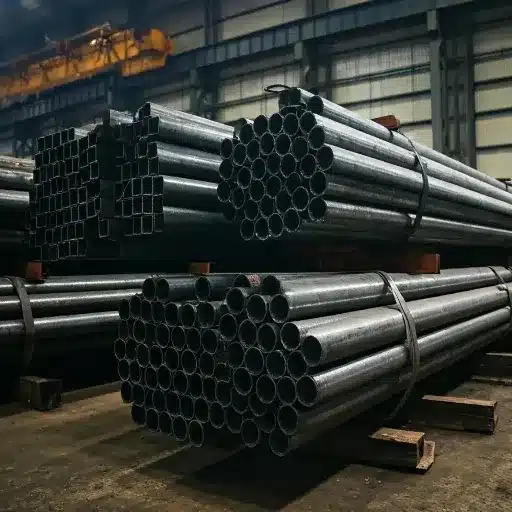
ASTM Standards for 316 Stainless Steel Tubing
ASTM International is a recognized authority in establishing standards and is supporting the reliability of several standards for materials such as 316 stainless steel tubing. The situation is governed by two standards, namely ASTM A213 and ASTM A269, that are more precise. The ASTM A213 standard provides a description of tube types made of non-ferrous, ferritic, and austenitic alloy steels for use in boilers, superheaters, and heat exchangers, whereas the ASTM A269 standard deals with the general-purpose corrosion-resistant seamless and welded austenitic stainless steel for numerous applications. The two standards provide comprehensive guidelines on the chemical composition, mechanical properties, and the level of dimensional tolerances so that the tubes can be used even in extremely harsh conditions like those of oil and gas pipeline without compromising their integrity.
The combination of the recent query data shows that the engineers and the procurement specialists are becoming more and more focused on the ASTM standards to solve the reliability and safety issues of materials. Following ASTM A213 and A269, the industries make sure that the environment is suitable for high-pressure and aggressive chemical exposures with minimum risk of failure. The specification search indicates an increasing importance placed on materials with guaranteed compliance, which in turn leads to operational efficiency and less unanticipated downtime caused by materials that did not meet the standards.
Seamless vs. Welded Tubing
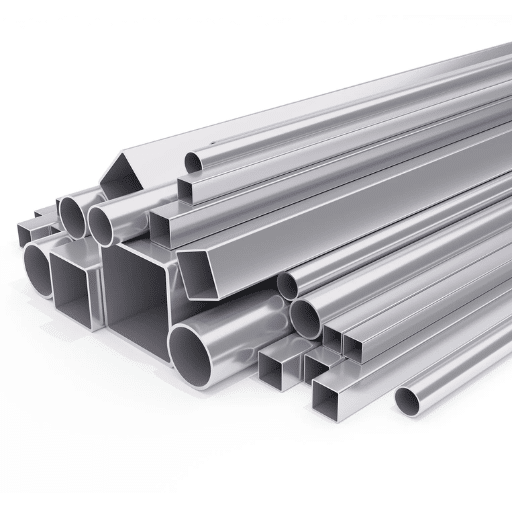
Seamless tubing and welded tubing are different in their industrial applications but still possess some advantages depending on the usage. Seamless tubing has no weld seams and is produced by the process of extrusion that eventually strengthens the entire structure of the tube uniformly. Thus, it is the only choice that can endure high-pressure situations or provide better structural integrity applications, for example, aerospace and critical pipelines. Conversely, welded tubing is the result of the welding of a flat metal strip longitudinally. There may be a tiny discontinuity at the welded seam but advanced welding tech has increased the reliability and functionality of welded tubing considerably. Recent data from shows that a seamless trend is being established in the industries that value precision and safety very high, e.g. medical and instrumentation, while the welded tubing remains the choice for lower budget projects or those involving lower pressure and less stringent conditions. Ultimately, the selection of either seamless or welded tubing is bringing to one the performance requirements vs. budget and operating parameters consideration.
Wall Thickness and Outside Diameter (OD) Specifications
The wall thickness and outside diameter (OD) of tubing are critical parameters influencing, among others, its structural integrity, performance under pressure, and suitability for specific applications. The wall thickness determines the strength of a tube and its resistance to the pressure acting from either the inside or the outside of it, while the OD defines the compatibility with fittings and also how easy it will be to handle in confined spaces. Industry standards, such as the ones from ASTM or ASME, set very precise tolerances for both dimensions to guarantee quality consistency in manufacturing and application.
Using ‘s search engine, it can be concluded that the users are often looking for tubing solutions that have very thin walls to reduce weight yet are strong enough to endure the operational requirements. The industries that need high-precision tolerances and very small deviations to deliver reliable performances, like aerospace and medical devices, are the main ones that will benefit from this trend. There is also the significant interest in tubing products from trending search queries specifically for high-precision instrumentation where very specific OD and very consistent wall thicknesses are the must-haves. These trends emphasize the necessity of the tubing dimension being determined by the application performance and regulatory requirements.
Ornamental Stainless Steel Tubing
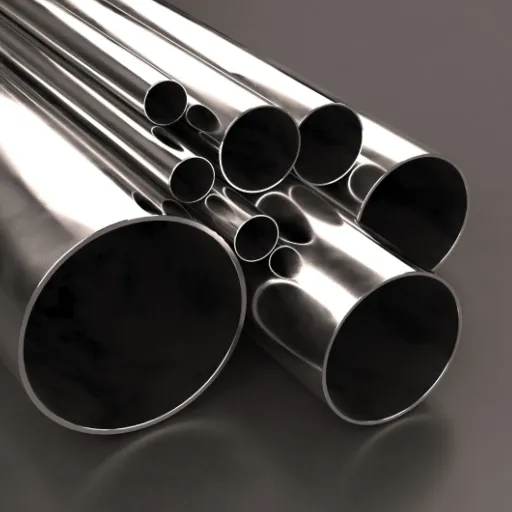
Applications in Decorative Projects
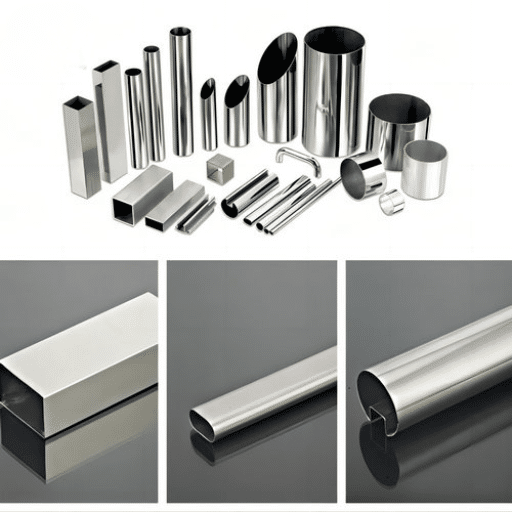
The decorative use of stainless steel tubing has significantly increased and is credited to its great combination of beauty, durability, and resistance to the elements. The recent search engine data shows that there is a distinct increment of interest in stainless steel tubing products in the field of architecture and interior design. The use of stainless steel tubing in such projects includes the application for modern stair railings, furniture frames, and decorative panels. Different finishes such as brushed, mirror-polished, or matte are heavily inquired, thereby signifying the need for a variety of surface qualities that can captivate the eye and at the same time serve the purposes of the user.
It has become evident that one of the reasons why stainless steel tubing is favored for such projects is its capacity to retain a smooth and modern look for a long time. Also, the high strength-to-weight ratio of stainless steel allows for the development of complicated and light designs without any loss of structural strength. These elements are augmented by low maintenance requirements and compatibility with sustainable building practices, thus positioning stainless steel tubing as the ruling option for décor applications.
Advantages of 316L Stainless Steel in Ornamental Use
316L stainless steel presents to the ornamental sector an exclusive set of advantages assured by its exotic material properties and highly engineered physical and chemical composition. The very first merit is that this material is by far the best when it comes to corrosion resistance, especially under circumstances of extreme humidity, exposure to salt or acids, etc. For this reason, the metal is often recommended for all kinds of indoor and outdoor decorations, such as handrails, sculptures, and architectural details, in the coastal and industrial areas, that combine to a great extent, the aforementioned conditions.
In addition to that, 316L stainless steel has a much lower carbon content compared to the other types of stainless steels, which significantly reduces the risk of carbide precipitation during both welding and part making. This feature of the metal is very important as it not only extends the lifetime of the product but also keeps the latter’s surface overall attractive even if complex shaping or joining methods are applied. Moreover, the metal’s durability and malleability together allow even the most intricate and customized decorative patterns to be created with no loss of strength in the final piece.
In technical terms, the surface quality of the 316L stainless steel is such that it appears to be naturally smooth and shiny, and this can be further improved to the point of being excellent via brushing, mirror finishing, and even electroplating to perfectly match the design specifications. The variety of looks, along with low upkeep and the ability to maintain luster for years, make 316L a very long-term investment in the jewelry industry.
Last but not least, 316L is a material that matches perfectly with eco-friendly building standards as it is 100% recyclable and has a very long lifecycle. Thus, generation of pollution from decorative installations is minimal. To sum up, the combination of strength, excellent corrosion resistance, and flexibility in satisfying different design needs, 316L stainless steel remains the force behind contemporary architecture applications.
Stock Availability and Customization Options
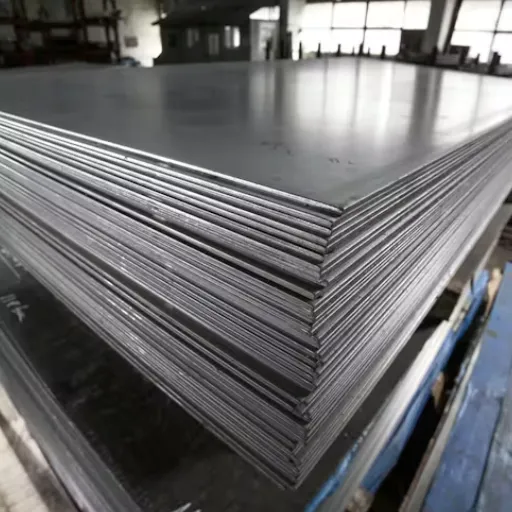
The stainless steel 316L is a product that has been put on the market in both bulk amounts and in varied forms such as sheets, plates, bars, and pipes according to the common stock. It is due to the high demand that the metal has not only from the building and design sectors but also from other industries that it is so widely available. The stock standard is typically in such forms as sheets, plates, bars, and pipes, thus making it easy to get for not only large-scale architectural projects but also for small decorative applications. Besides, there are usually some suppliers that offer customization services in terms of dimensions, surface finishes, and precision cutting to fulfill the particular needs of each project. The major finishes, such as brushed, mirror polish, and matte can be modified to fit both the aesthetic and functional requirements.
The trend in searches is that the queries concerning stainless steel 316L are largely about its being available in bulk and the time for making the custom orders. In recent years, numerous suppliers have resorted to the implementation of quicker shipping and online configurators which assist architects and designers in the process of accurately specifying and receiving the materials that are perfectly tailored to their requirements. This cutting down of the supply chain makes sure that the projects using 316L stainless steel stay effective in terms of time and cost without the quality being compromised.
FAQ
What tube specifications define 316 stainless steel tubing and wall thickness?
The main specifications of 316 stainless steel tubing cover outer diameter, wall thickness, and also grade. Besides this, the specifications usually refer to the ASTM standards for dimensional tolerances. Besides, the manufacturers can offer a wide range of sizes starting from the ornamental tubing of very small diameter to the industrial steel pipes of immense diameter with common wall thicknesses either in inches or millimeters being given. Among these, you might meet very thin gauges like 0.035, for example. It is advised that you check both OD and ID when you order to make sure they will work with fittings and flow requirements. Different suppliers display their standard sizes and are able to provide either custom cut lengths or lengths according to installation. Moreover, it is advisable to check the authenticity of the product through the material certificates as being high-grade stainless steel with the required mechanical and corrosion resistance properties.
How does manufacturing affect the quality of seamless versus welded 316 stainless steel tube?
The way of manufacturing is an important aspect; seamless 316 stainless steel tube is produced by the method of piercing and drawing solid billets, which is the explanation of its having more uniform mechanical properties and its performing better under high pressure in general. By contrast, the welded tubing is fabricated from a flat sheet or coil and then welded along the seam, which makes it less expensive for larger diameters but still, it can be necessary to carry out the post-weld heat treatment to get the required corrosion resistance. The choice of either seamless or welded also influences the available sizes and the lead times for stock, with seamless being frequently chosen for critical applications. Both categories can be provided in both the 316 and 316L stainless grades, and it is advisable for the buyers to request mill test reports to validate the chemical composition and tensile strength. In the case of ornamental stainless tubing intended for use in architectural applications, also factors like weld appearance and finish quality will become of great importance to consider.
What are common applications and industry uses for 316 stainless steel tubing?
316 stainless steel tubing is a really versatile material and is coupled with the best tubing that can withstand corrosion in such applications that are under constant exposure to chlorides like the case of marine, chemical processing and storage, and the medical, food, and beverage industries. It can be found in industrial areas like process piping, heat exchanger tubing, and instrumentation lines where a steel alloy with the properties of both durability and corrosion resistance is required. The use of decorative tubing is usually associated with handrails, trims, and furniture where aesthetic appeal is needed along with the advantages of being resistant to corrosion. The non-reactive surface of 316 and 316L stainless steel is one of the main reasons why the medical and food industries are interested in it, and the manufacturers usually provide custom cut lengths to avoid onsite fabrication which is a big help. When selecting and specifying tubing for a certain application, it is very important to take into account the environmental exposure and the mechanical strength required.
What are the differences in corrosion resistance between 316 and 316L stainless steel tubing?
Corrosion is hardly a problem with both 316 and 316L stainless steel tubing, mainly because of their molybdenum content, however, 316L has lesser carbon which makes it less prone to sensitization during welding. The decrease of carbon in 316L steel not only reduces the carbide formation at the grain boundaries but also makes it an ideal choice for welded applications where intergranular corrosion is a concern. Both grades are, however, when used in chloride-rich environments such as coastal or brine areas, good performance compared to 304, but 316 and 316L are still the ones preferred. In case you are specifying tubing for outdoor or marine use for the long term, it is better to consult suppliers about the options for passivation and finish so that the longest life possible can be ensured. Most suppliers have both grades in stock and they will assist you in determining whether 316 or 316L is the best choice for your stainless pipe or tubing requirements.
What are the mechanical properties and strength values that I should anticipate from 316 stainless steel tubing?
When one thinks of the typical mechanical properties of 316 stainless steel tubing, one can say that the tensile strength and yield strength are really good and adequate for a lot of structural and pressure applications; however, the exact values would depend on standard and wall thickness, which could be different. The thicker wall tubing will have higher values of collapse and burst pressures, while thinner ones like 0.035 are suitable for decorative stainless tubing or light-duty fluid lines. The manufacturers give mechanical data which cover tensile strength, yield strength, elongation and hardness, along with the respective product and size; thus, these should be taken into account during specification. SS is a word that commonly stands for stainless steel and suppliers typically issue mill test certificates to confirm the supplied values. Always check with the tube manufacturer for the testing and certification of critical mechanical applications to make sure they meet the project requirements.
Are there ASTM or other standard references for the specification of 316 stainless steel tubing and 316 stainless steel tubes?
There are indeed multiple sources, such as the ASTM A269, A213, and A312, to mention a few, that discuss 316 stainless steel tube and pipe based on application (pressure, high-temperature, or general corrosion-resistance applications) such as the specific product use. These standards describe the chemical composition, mechanical properties, manufacturing practices, testing, and maximum dimensions which in turn facilitate you in verifying the product conformity to the industry. Always inform your supplier what ASTM designation is necessary for your application, and you will then get the right product along with the right documentation. Suppliers indicating the compliance of their stock with standards is very common, and they frequently can provide mill test reports if you ask. In the case of decorative stainless or custom fabricated parts, additional surface finish or tolerance standards may also apply.
Reference Sources
-
Modification of Stainless-Steel Surfaces for Advanced Functionalities
Georgia Tech Repository
This study explores the use of stainless steel 316 (SS316) for efficient fluid transport and advanced surface functionalities. -
Studies Related to Microbially Induced Corrosion of Stainless Steel 304 and 316
South Dakota State University Open PRAIRIE Repository
This research compares the corrosion resistance of stainless steel 316 and 304 in various environments. -
Failure Analysis of 316L Stainless Steel Tubing of the High-Pressure Still Condenser
Academia.edu
This paper investigates the susceptibility of 316L stainless steel tubing to intergranular corrosion and turbulent flow effects.