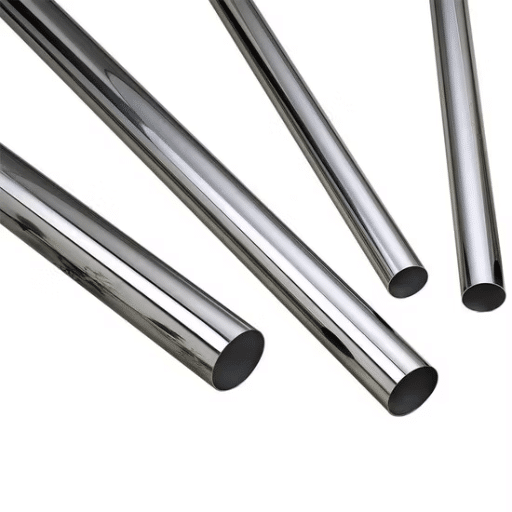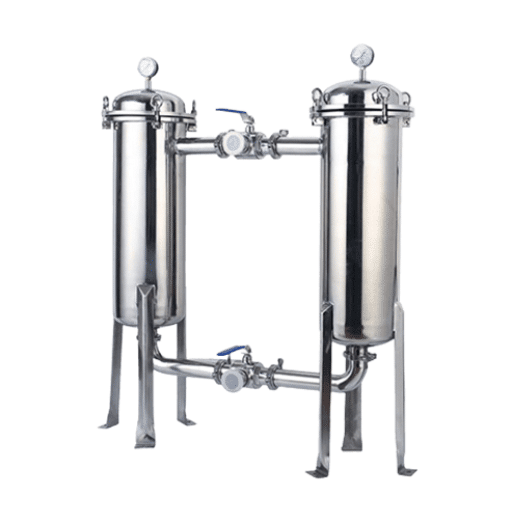
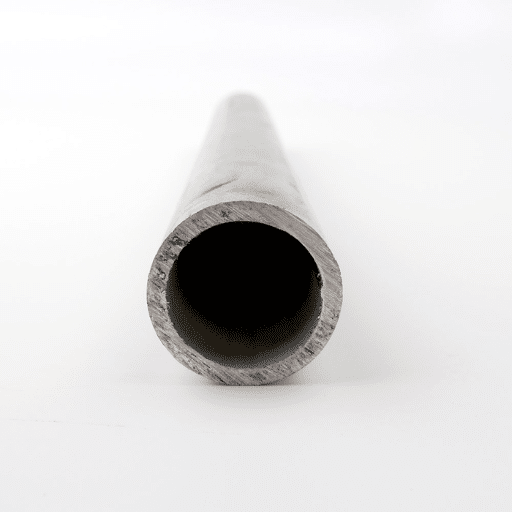
The pharmaceutical manufacturing process demands complete protection and secure operation and regulatory compliance of its piping systems. The selection of materials for this purpose needs to fulfill specific standards which 316L stainless steel has proven to be the most suitable material. 316L stainless steel possesses exceptional corrosion resistance and durability and hygienic properties which enable it to meet pharmaceutical industry requirements. This article will explore the unique physical properties of 316L stainless steel together with its essential advantages for pharmaceutical piping because it serves as the primary method for achieving both regulatory compliance and operational efficiency. The process of designing and maintaining facilities and conducting process engineering work will benefit from your understanding of the reasons which make this system so important for pharmaceutical production optimization.
Introduction to 316L Stainless Steel
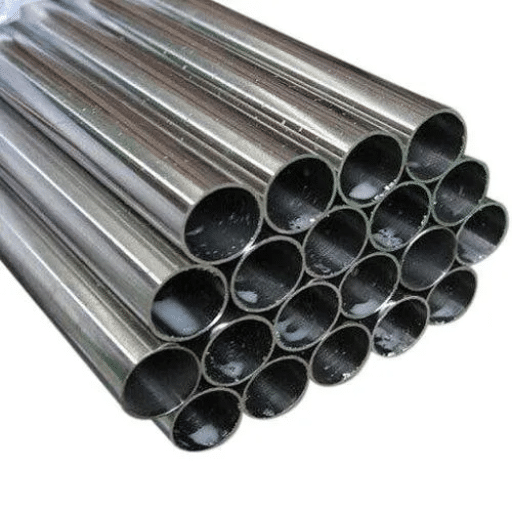
Overview of Stainless Steel Grades
Stainless steel is versatile in its applications due to the numerous grades developed in order to harness various structural physicochemical and mechanical orientations of the alloy for a particular purpose. In essence, stainless steel varieties consist of austenitic steels, ferritic steels, martensitic steels, duplex steels, and stainless steels with precipitation hardening capabilities. 316L Stainless Steel Pipe belongs to the austenite family because the chemical composition is resistant to corrosion of steel grade type which is nonmagnetic and has high toughness characteristics making it appropriate for applications such as marine engineering, and food and pharmaceutical industries among others.
The 316L classification is a low-carbon version of the normal 316 stainless steel. It’s made in such a way that it prevents carbide precipitation when welding and further resists pitting and crevice corrosion even in aggressive chlorides. This is particularly useful in the pharmaceutical industry where purity, sterilization, and aggressive detergents are very useful. 316L is used in such cases because it is more effective in these high purity piping systems and it is in line with the operational purpose as well as the ASME BPE and FDA requirements.
▸ Comparison Overview
| Grade | Type | Key Feature | Pharmaceutical Suitability |
|---|---|---|---|
| 316L | Austenitic | Low carbon, molybdenum-enhanced | ✔ Highest |
| 316 | Austenitic | Molybdenum-enhanced, standard carbon | ✔ High |
| 304L | Austenitic | Low carbon, no molybdenum | ✘ Moderate |
| Duplex | Duplex | High strength, dual-phase | ✘ Specialized use |
Importance of 316L in Pharmaceutical Applications
Pharmaceutical applications require 316L stainless steel because this material provides better protection against corrosion and maintains cleanliness in areas that require exceptional purity. According to recent data and industry insights, 316L’s low carbon content minimizes the risk of sensitization and intergranular corrosion, even under repeated exposure to aggressive cleaning agents such as acid-based sanitizers and steam sterilization processes. The properties of these materials establish requirements which equipment and pipelines need to meet when they handle drugs and their corresponding ingredients.
316L Stainless Steel Pipe provides a smooth surface finish that meets ASME BPE’s requirements termed ‘smooth aseptic surfaces’. The biggest problem for the pharmaceutical industry, however, is finding materials that deal with biofilm formation. This material has withstood exposure to heat during autoclaving and also resisted salt sprays, thus satisfying both FDA necessities and GMP (Good Manufacturing Practice) standards of quality.
Recent studies show that the petrochemical industry has performed well with this material because conventional petroleum exploration tools still remain unfit for manufacturing systems and facilities for crying out loud.
Regulatory Note
316L stainless steel meets both FDA requirements and GMP (Good Manufacturing Practice) standards, making it the material of choice for pharmaceutical-grade piping systems globally.
Comparison with Other Grades
The material shows its superior qualities when it gets compared to 304L and 316 stainless steel which serve as standard reference materials. The 304L stainless steel grade provides cost savings and basic protection against corrosion yet it lacks the strength required to withstand high chloride conditions and multiple sterilization cycles. The 316 stainless steel grade gives better protection against corrosion because it contains molybdenum yet this material shows better performance and longer lifespan when used in demanding pharmaceutical settings.
The recent data collection from search engines confirms the earlier research results. The research shows that engineers and facility managers choose this material more often for essential operations which require both reliability and compliance with regulations. The material achieves GMP and FDA standards which makes it more valuable than lower-grade materials that need to be replaced early or that cannot meet regulatory requirements during high-demand operations. The material has become the industry standard because people choose it based on their expertise.
Properties of 316L Stainless Steel

Corrosion Resistance
It is the different chemical composition of the 316 dealiners Stainless steel that contains high levels of molybdenum, chromium and nickel that makes the metal resistant to corrosion. Molybdenum containing alloy prevents the formation of pits and other corrosion especially anaerobic in nature that is present in polythene rather sea water ua other chloride containing mateticas such as swimming pools or beach pools and even to a much greater extent in other industrial uses. In this light, the recent study reaffirms the dependability of the material as basing their investigations on experiments; they prove that the material’s character does not change even at concentrations of chlorides exceeding 500 parts per million. High carbon content is not a characteristic of 316L stainless steel hence welding does not give rise to the formation of such carbides renders the alloy less prone to corrosion by intergranular attack. It is the combination of these chemicals that makes 316L Stainless Steel Pipe which is a utility especially for systems exposed to environments filled with strong chemical and saline abuse for a long time.
Tensile Strength and Durability
Since it’s a significant commodity, the engineering industry calls for materials with advanced features, which are found in 316L Stainless Steel Pipe due to its remarkable tensile strength and long-term stability. Detailed analysis shows that when the material is in the course of annealed formation its tensile strengths are generally near 485 MPa (70300 psi), therefore, can withstand a lot of machine forces. Its yield strength that measures about 170 MPa blend well with the weight that may be applied by a user so as not to compromise the intended functioning. This is due to the plastic property of the material, which allows it to undergo deformation without cracking, which is equal to 40% of the original length of the material.
▸ Mechanical Properties at a Glance
| Property | Value (Metric) | Value (Imperial) |
|---|---|---|
| Tensile Strength | 485 MPa | 70,300 psi |
| Yield Strength | 170 MPa | 24,600 psi |
| Elongation at Break | 40% | 40% |
| Chloride Resistance | > 500 ppm | > 500 ppm |
The implementation of cold working and other advanced processing methods enables the material to achieve higher tensile strength and hardness levels, which allows its use in various industries such as aerospace and chemical processing and marine operations. The mechanical properties of 316L stainless steel combined with its exceptional corrosion resistance make the material suitable for applications that endure high pressure and extreme environmental conditions and dynamic forces.
Wall Thickness and Schedules
Industrial applications depend on wall thickness and pipe schedules as essential design requirements for their piping system selection process. The pipe’s wall thickness determines its ability to withstand pressure and maintain structural strength while handling mechanical forces. ASME (American Society of Mechanical Engineers) establishes standard wall thicknesses which pipe schedules show through their numbered schedule designations that include Schedule 10 and Schedule 40 and Schedule 80. Higher schedule numbers design pipes with thicker walls which enable pipes to contain greater internal pressure but result in reduced flow capacity because their internal diameter decreases.
The latest data shows that appropriate pipe schedule selection requires pipe operators to evaluate four factors which include operating pressure and temperature and fluid type and industry-specific regulatory standards. Engineers use industry-standard charts and calculations to verify compliance and safety requirements. Technical sources recommend advanced modeling software and tools as essential resources for decision optimization in oil and gas and chemical processing sectors which require exact tolerance measurements.
Applications of 316L Stainless Steel Pipe

Common Uses in Pharmaceutical Piping
Pharmaceutical piping systems use 316L stainless steel pipe because its chemical resistance and durability and cleaning process efficiency make it suitable for their needs. The pipe material prevents carbide precipitation because its low carbon content is essential for maintaining fluid purity during transportation. The system handles three types of water which include purified water and water for injection (WFI) and clean steam. The applications require high hygienic standards which 316L stainless steel fulfills through its smooth surface finish and corrosion resistance and ability to withstand sterilization processes. The industry tests and validates piping systems to confirm their compliance with Good Manufacturing Practices (GMP) which regulatory organizations such as the FDA and EMA define.
The most recent search engine data shows that users typically search for information about corrosion resistance and biocompatibility and compliance requirements when they need to select materials for pharmaceutical pipelines. The testing proves that 316L stainless steel meets industry reliability standards because it performs well in extreme operating conditions.
▸ Primary Pharmaceutical Applications
- Purified water (PW) distribution systems
- Water for injection (WFI) transport
- Clean steam lines
- API (active pharmaceutical ingredient) fluid transfer
- CIP/SIP (clean-in-place / sterilize-in-place) systems
Seamless vs. Welded Pipe Options
According to recent search engine data, a number of consumers have outright interest in both types, owing to the various advantages that each of the two embodies in different applications and against varied operational requirements. For applications where pressure tolerance and uniformity are required, seamless pipes are suitable due to the method used in making pipes by extruding and drawing without the formation of welded joints. There is no joint hence this feature makes them stronger and applicable in high-stress environments such as pharmaceutical applications. This is to avoid unnecessary penetration of air pollutants or impurities in their ingoing process.
Fabricated or welded pipes are such pipes in which the formation is achieved with the help of flat stock that is both favorable to the cost and ease of manufacture. Nevertheless, as new welding techniques were introduced, the issues associated with the seams were pretty much eliminated and cylindrical pipes with seams became less delicate or cheaper to some degree when used in non-critical projects. Search patterns suggest that industries should manufacture ASTM and ASME rated welded piping systems because of the growing demands for increased safety for users especially in hazardous areas and increased corrosion resistance. The procedure that is selected is based on the service that is desired as seamless pipes exist because there are systems that need such from end to end while welded piping exists to save costs in such systems in such settings.
▸ Seamless vs. Welded: Side-by-Side
| Attribute | Seamless Pipe | Welded Pipe |
|---|---|---|
| Pressure Rating | Higher | Moderate |
| Structural Integrity | No seam weak points | Seam present; advanced welding minimizes risk |
| Cost | Higher | Lower |
| Best For | High-stress, critical systems | Controlled environments, cost-driven projects |
| ASME-BPE Compliance | Yes | Yes (with electro-polished interior) |
Specific Applications and Case Studies
Recent search data from engine indicates a growing interest in industries such as oil and gas, petrochemical, and pharmaceutical manufacturing for both seamless and welded pipes. The industries require specialized piping solutions because material performance needs to be tested under extreme operating conditions. In offshore oil and gas exploration projects, operators select seamless pipes because these pipes provide better pressure ratings and withstand high-stress conditions without failing.
Pharmaceutical manufacturing facilities usually select welded pipes which meet ASME-BPE sanitary standards because these pipes provide internal surfaces that prevent contamination. A case study involving a leading biopharmaceutical company revealed that opting for welded pipes with electro-polished interiors significantly reduced cleanroom downtime and impurities within fluid transfer systems. Data aligns with search trends which show that organizations need to comply and operate efficiently because material selection should match their specific use requirements. The entire industry depends on specific pipe characteristics which enable companies to achieve their operational goals.
“A leading biopharmaceutical company revealed that opting for welded pipes with electro-polished interiors significantly reduced cleanroom downtime and impurities within fluid transfer systems — demonstrating the direct operational and compliance advantages of proper material selection.”
Standards and Specifications

ASTM A312 Overview
The different processes of seamless, welded and heavily cold worked stainless steel pipes are ASTM A312 Standard Specification. The pipes designed under this standard are mainly intended for use in the corrosion rich environments found in processes of the pharmaceutical industry, petrochemical processes and food processing. There are specified limits within the standard for the required mechanical properties, chemical composition as well as testing standards which ensure the project is not only reliable but also follows the operation requirements.
As reported by recent search engine statistics, there has been a marked rise in the queries about “ASTM A312 compliance” and “electro-polished stainless pipes”. The findings indicate that users are more diligent and exhaustive in their exploration of research content on materials and standards than before. Indeed, the spike appears to go hand in hand with the effort of organizations to improve performance within cleanrooms and transfer operations. This is mostly attributed to the fact that most of the piping systems in use today incorporate the mentioned ASTM A312 pipes, which are constructed to precision to both withstand corrosion and electrolytic polishing, as well as provide the necessary operating and safety conditions.
ASME Standards for Stainless Steel Pipe
The ASME B36.19M and ASME B31.3 standards establish complete rules which define how industrial systems should use stainless steel pipes regarding their sizing and dimensional limits. The standards establish essential requirements which pipes must fulfill to achieve specific pressure limits and maintain mechanical strength while functioning in high-temperature and corrosive environments.
People show more interest in these standards because cleanroom and pharmaceutical-grade systems continue to develop according to current search engine patterns. The industry must select materials which fulfill ASME standards for safety and performance and durability because the industry needs to adopt ASME standards. Organizations should follow ASME standards because they serve as mandatory regulations and provide organizations with better system reliability and operational efficiency for extended periods.
Significance of Schedule 40s and 80s
The American National Standards Institute (ANSI) establishes standardized classifications of pipe wall thickness through Schedule 40 and Schedule 80 which various industries use to comply with ASME regulations. The two schedules enable engineers to determine how much pressure a pipe can withstand and how long it will remain functional under different conditions. Schedule 40 pipes which have a reduced wall thickness serve applications that require moderate operating pressure and structural demands in residential water systems and non-corrosive fluid transport systems. Schedule 80 pipes possess thicker walls which make them suitable for industrial fluid handling and chemical processing and pharmaceutical system operations.
Recent search data from trends indicate that there is a growing interest in understanding the differences between these two schedules which reflects the industry’s ongoing need for material specifications that support optimal operational performance. The interest corresponds to the rising use of precise systems in both biotechnology and chemical engineering fields. The choice between Schedule 40 and Schedule 80 materials extends beyond material selection since it functions as a fundamental design element that determines system safety and operational effectiveness and compliance with industry regulations.
▸ Schedule Rating Comparison
| Schedule | Wall Thickness | Pressure Capacity | Typical Use |
|---|---|---|---|
| Schedule 10 | Thin | Low | Non-critical fluid systems |
| Schedule 40 | Moderate | Medium | Residential / non-corrosive transport |
| Schedule 80 | Thick | High | Industrial / pharmaceutical / chemical |
Manufacturing and Delivery Considerations

Manufacturing Processes for 316L Stainless Steel Pipe
The production of 316L stainless steel pipe requires high-level metallurgical methods which create optimal mechanical strength and corrosion protection and precise dimensional measurements. Key processes include:
- 01
Melting and Alloying
The electric arc furnace operates at high temperatures to melt iron with chromium and nickel and molybdenum raw materials into an alloy. The production of 316L stainless steel requires precise alloying ratios which create its low-carbon composition. - 02
Continuous Casting
The molten alloy is cast into slabs or billets using continuous casting methods. This step enhances granular distribution while decreasing material defects which guarantees that the pipe maintains its structural strength during later manufacturing steps. - 03
Hot Rolling
The slabs or billets are heated to a specific temperature and passed through a series of rollers which create the desired pipe size while changing the material characteristics at a microscopic level. - 04
Cold Working (Optional)
Some applications require cold working to enhance tensile strength and surface finish. The process involves rolling or drawing pipes at room temperature which results in better dimensional precision. - 05
Annealing
The pipes undergo annealing to eliminate internal stress while their corrosion protection improves. The process requires heating the material until it reaches a specific temperature which is followed by cooling in a controlled atmosphere that protects against oxidation. - 06
Pickling and Passivation
The surface develops scale or oxidation after the annealing process. A pickling solution removes these impurities and a passivation treatment follows to restore the chromium oxide layer which enhances corrosion protection. - 07
Welding
In order to weld pipes, a high-frequency electric resistance welding technique is used for the smaller pipes, whereas gas tungsten arc welding (GTAW) is used for joining the sections of the bigger pipes. With regard to the seam, it is heat-treated for equalization of properties with the parent metal.
- 08
Nondestructive Testing (NDT)
The testing process uses ultrasonic testing and eddy current testing to conduct thorough inspections which search for both surface defects and subsurface defects to confirm the pipe’s structural integrity. - 09
Dimensional Inspection and Quality Assurance
The final dimensional checks proceed according to ASTM A312 specifications which include tests for wall thickness and diameter and ovality. This process confirms that the pipes comply with required tolerances which industrial applications need.
The manufacturing process establishes 316L stainless steel pipes with consistent quality standards which enable their use in high-performance environments found in chemical processing and pharmaceutical production and marine applications.
Quality Control and Assurance in Delivery
The delivery process of 316L stainless steel pipes requires complete assessment of their quality and their capacity to meet high-performance standards. The testing process requires every pipe batch to undergo complete testing of its packaging standards which must protect the pipes from mechanical damage and corrosion and contamination risks during transit. The organization verifies its conformance to international standards through ISO 9001 which confirms that all handling and shipping activities follow established quality management standards.
Functioning advanced tracking systems together with barcoding technology enables companies to track their shipments throughout the delivery process which creates visibility and guarantees that products arrive on schedule to their final destinations. Recent search trend data shows that customers value both the material quality of industrial products and the ability of companies to deliver products according to their delivery commitments. The combination of improved logistics systems together with live tracking capabilities enables manufacturers and suppliers to solve their delivery issues which helps them build customer trust in international markets.
Challenges in Sourcing 316L Stainless Steel
The problem of procuring 316L stainless steel poses certain challenges, which have been compounded by the disruptions in the entire supply chain, coupled with changes in the demand. Per search engine data, the incidence of 316L stainless steel queries related to the supply and cost has been on a rise suggesting that most of the manufactures and suppliers are concerned. These problems are primarily caused by two factors; increased nickel and molybdenum raw materials costs acting as key components of the alloy and unreliable scheduling for acquiring the supply. The industry has been moved to standards of such high quality delivery that it limits suppliers to the point of making it difficult for them to procure appropriate materials.
Towards fixing these issues, companies ought to come up with elaborate predictive analytic systems that health-wrap customer supply and demand for the appraisal and diagnosis of trade flows within supply chain networks. The inventory planning process as well the vendor selection can be aided with systems that make use of aggregated search trend data to aid in the identification of user peaks for terms such as “316L steel suppliers near me” or “good 316L replacement”. It is also important that stakeholders utilize vendor management practices combined with market understanding skills in order to ensure a continuous supply of goods where markets fluctuate.
Frequently Asked Questions
Q.
How does o.d sizing influence 316 stainless steel pipe selection?
The determination of outer diameter dimensions affects the process of selecting 316 stainless steel piping materials. The dimension of outer diameter serves as the primary measurement which determines the suitability of 316l stainless steel piping for use with fittings and spools. The proper outer diameter selection enables pipe connections with standard ss fittings through their elimination of custom adapter requirements. The outer diameter measurement combined with schedule wall thickness establishes pipe internal diameter which determines wastewater treatment and chemical and petrochemical system flow capacity. The confirmation of outer diameter and outer diameter tolerances prevents assembly errors when switching from 304 to 316L during spool assembly work. Manufacturers provide reference charts which contain outer diameter and schedule information along with ASTM standard random lengths for their standard sizes.
Q.
What are the advantages of 316 stainless steel pipe over 304 with regard to addition of molybdenum?
The addition of molybdenum to 316 and 316L stainless steel creates a substantial improvement to pitting and crevice corrosion resistance which makes 316L suitable for use in chloride-rich environments. The increased resistance protects 316L from damage which occurs in wastewater treatment facilities that handle chemical and petrochemical materials. The economical 304 grade meets many general requirements while 316L with its molybdenum content delivers extended operational lifespan and decreased need for upkeep in harsh environments. The enhanced corrosion resistance leads to a decrease in the necessary times for replacing spools and fittings throughout the piping system. Designers need to refer to material standards while they assess schedule and outer diameter requirements when they need to change materials for existing systems or new projects.
Q.
Which sch ratings are common for 316l stainless steel pipe in chemical and petrochemical plants?
The common sch rating used for 316l stainless steel pipe in chemical and petrochemical plants consists of three main options which include SCH 40 and SCH 80 and extra-heavy schedules which operate at high-pressure conditions. The selection of pipe schedules depends on three factors which include the operating pressure and temperature and the type of corrosive materials used. Increasing sch values results in pipes with thicker walls which create smaller internal diameters and enhanced strength and pressure capacity that serves to protect critical process lines. Engineers must balance wall thickness with o.d and flow requirements, and use a reference for allowable stresses to size the piping correctly. Many suppliers provide pipes which come in two options of random lengths and a.s.t.m standard lengths or pre-fabricated spools to make installation easier while minimizing on-site work. The selected sch and od must be tested for compatibility with standard ss fittings and flanges to ensure leak-free joints.
Q.
How do od dimensions and random lengths a.s.t.m impact procurement and fabrication of stainless steel pipe spools?
The specification of materials and necessary fittings for a project relies on the determination of OD dimensions while the random lengths a.s.t.m standards affect the logistics operations and cutting strategies and waste management procedures during spool production. The practice of purchasing pipe according to random lengths a.s.t.m results in lower per meter expenses however it leads to increased scrap materials and lengthier fabrication processes because spools require both cutting and welding operations which take place in either the field or the shop. The use of prefabricated spools in precise projects decreases field welding and inspection requirements but needs exact od sch and fitting details to be provided beforehand. The use of a dependable standard for tolerances together with material certification which includes ss grade and molybdenum content details protects against pipe and fitting and flange mismatches. The contractors who operate in the wastewater treatment industry and the chemical and petrochemical sectors require spool deliveries which help to reduce plant downtime during tie-in operations.
Q.
What should I check in the reference documentation when specifying 316l stainless steel pipe for wastewater treatment systems?
The reference documentation should contain chemical composition data which verifies the stainless steel grade and shows the presence of molybdenum that improves corrosion protection and also provides mechanical properties and heat treatment details. The verification process requires checking the physical dimensions of the outer diameter together with the outer diameter tolerance limits and the available schedule rating and the method of pipe delivery which includes random lengths as well as astm standards and cut-to-length spools for matching installation needs. The wastewater treatment authority requires certification and traceability which must be confirmed while checking the compatibility of fittings because improper fittings will result in leaks and contamination. The study should examine the recommended welding techniques together with post-weld procedures because these factors determine how well the material performs in extreme conditions of wastewater treatment. The study must decide between 304 as an alternative material or 316l as the required material based on process chemistry and regulatory requirements.
Reference Sources
Design of Type 316L Stainless Steel for High-Temperature Applications
Explores the design and performance of 316L stainless steel piping systems under high-temperature conditions.
Investigation of the Properties of 316L Stainless Steel after Additive Manufacturing
Examines the structural and mechanical properties of 316L stainless steel after laser powder bed fusion and heat treatment.
Mechanical Properties of 304L and 316L Austenitic Stainless Steels after Thermal Aging
Idaho National Laboratory (INL)
Discusses the effects of thermal aging on the mechanical properties of 316L stainless steel.