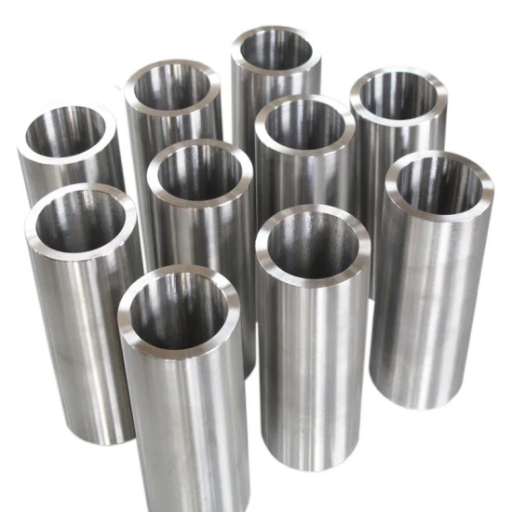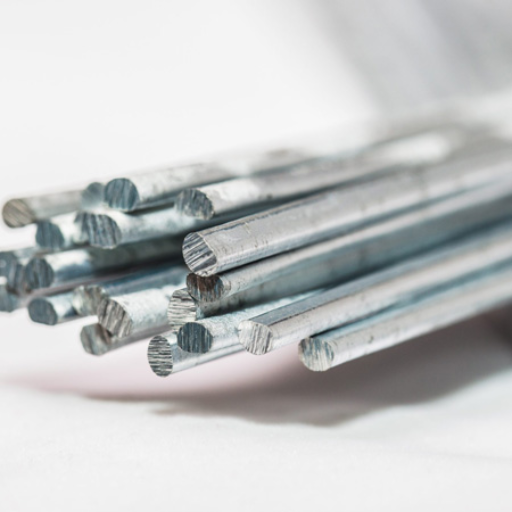
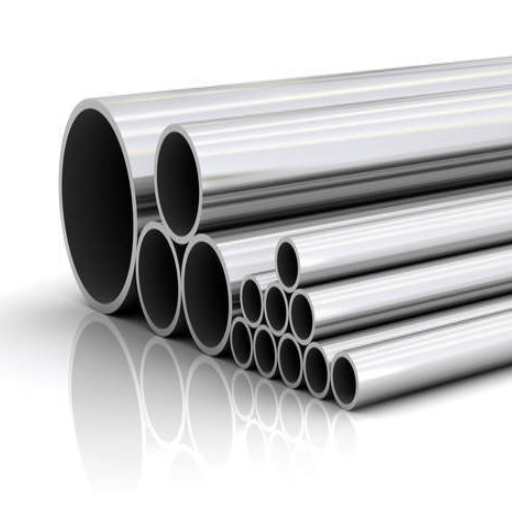
Stainless steel seamless tubes have become a crucial element in differing sectors because of their exceptional strength, vast range of applications, and durability. Whether you are involved in producing, construction, automobile, or energy sectors, being acquainted with the distinct characteristics and benefits of the tubes will give you a considerable advantage. The current article will familiarize you with stainless steel seamless tubes, outline their primary characteristics, compare them with welded ones in terms of advantages, list common applications, and highlight the most critical factors to consider when choosing the right one for your needs. Therefore, you will have a comprehensive understanding of why seamless tubes are the preferred choice for performance and precision demanding applications.
Introduction to Stainless Steel Seamless Tubes
Definition and Overview
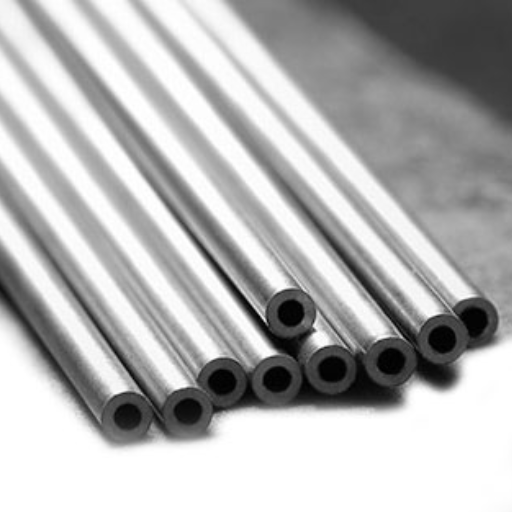
Stainless steel seamless tubes are the end products that are completely made out of stainless steel without any welded joints. The manufacturing process for seamless tubes, unlike that for welded tubes, combines heating and extrusion, ensuring uniform strength and smoothness throughout the tube and on its surface. Despite being extremely strong and durable, these tubes are also resistant to acids and bases and can be subject to extreme pressure and temperature; hence, they are used extensively in the petrochemical, oil and gas, automotive, and aerospace sectors.
According to the latest search engine data, seamless tubes are primarily applied in areas requiring accuracy and reliability. The fact that they do not have any weak points, which are the result of welding seams, renders them appropriate for critical environments where safety and performance are the main issues. Moreover, their better look and chemical compatibility are also reasons that make them widely used in different sectors.
Importance in Various Industries
Seamless tubes are indispensable to the various industries that are heavy users of their unique properties and consistency of performance. Recent search engine data indicates that the aerospace sector most often resorts to seamless tubes in manufacturing aircraft parts, where strength-to-weight ratio and corrosion resistance are the key factors. The same applies to the medical sector, where these tubes serve as the basis for the manufacture of precision and sterile tools such as hypodermic needles and surgery instruments. The automobile industry is another area where seamless tubes are heavily used for making fuel injection systems and exhaust pipes to ensure longevity and efficiency. Their flexibility and undeniable reliability highlight their significance not only in these but also in many other fields.
Comparison with Welded Tubes
The comparison of seamless tubes with welded tubes leads to the emergence of several differences based on the application and performance requirements of each type. Seamless tubes that are made without welds are stronger and sturdier because they have no weak points from welding. This quality makes them suitable for the oil and gas industry or chemical processing plants where high-pressure or high-temperature environments exist. In contrast, welded tubes are usually more affordable because of their less complicated manufacturing process but they may not possess the same high level of structural integrity.
| Feature | Seamless Tubes | Welded Tubes |
|---|---|---|
| Manufacturing Process | Heating and extrusion without welds | Welding of steel sheets or strips |
| Structural Integrity | Superior – no weak points | Good – potential weak points at welds |
| Cost | Higher | Lower |
| Best Applications | High-pressure, critical environments | Architectural, general-purpose piping |
Presently, the data shows that although both types of tubes are quite good at their functions, seamless tubes are still the primary choice for critical applications where reliability and safety are the most important factors. On the other hand, welded tubes are becoming more and more acceptable in the areas of architectural projects or general-purpose piping where cost and flexibility are the major considerations. The final decision between seamless and welded tubes will be influenced by a number of factors such as price, mechanical properties, and the specific needs of the application.
Manufacturing Process of Stainless Steel Seamless Tubes
Initial Billet Piercing
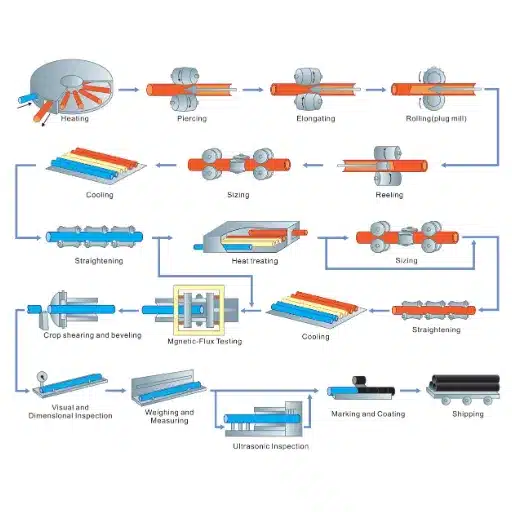
The initial billet piercing process plays an important role in the making of stainless steel seamless pipes. In this process, a big solid steel cylinder (billet) is first heated to a certain temperature, soft enough to allow it to be cut through (pierced) without breaking. After that, the Pierce Mills pierce the heated billet in the middle using a rotating and advancing process (movement). The hollow center created in the tube will be the starting point of the seamless tube.
Technology Advancement: The most modern piercing technology comes with the introduction of a control system that not only saves the material but also allows the internal diameters of the tubes to be controlled to be of uniform size. Along with the changes in the production process, the efficiency increased thus keeping the production within the same level quality-wise. Improvement in this step has been continuous and as a result, manufacturers are now able to meet the rising demand for seamless tubes in the aerospace, energy and construction industries.
Extrusion and Elongation
Extrusion and elongation are major manufacturing processes in making seamless tubes, as they are ways to change and improve the metal to get it in the right shape. According to the newest data that the search engine finds, these processes require the solid billet to be heated and then pushed through a die to get a hollow shape, and elongation follows for the dimensions and wall thickness to be the required ones. High accuracy and reliability of these steps have been made possible by using precision machines together with advanced monitoring systems. The stringent specifications for tubes intended for high-pressure or high-performance environments are thus easily met. Technology here is already showing its effects by raising the quality and productivity of tube manufacturing.
Finishing and Inspection Techniques
The production finishing stage is very important since it is the one that determines the pipe’s surface and size. Among the techniques used in this are grinding, polishing, and coating, which also serve to make the pipes stronger and more functional. Advanced automated systems supervise and control these processes, ensuring that the pipes have no flaws and, at the same time, that the overall quality is very good. After going through the finishing, highly rigorous inspection processes are performed to confirm that the pipes match industry standards and specifications.
Quality Assurance Methods:
- Non-destructive testing: Ultrasonic testing and X-ray inspection to find internal flaws without damaging the tubes
- AI-driven inspection: Machine learning-driven optical inspection systems spot surface irregularities with extraordinary accuracy
- Real-time analysis: Combination of real-time data analysis and technological innovations makes quality control the mainstay of tube production
Types and Grades of Stainless Steel Used
The Common Grades of Stainless Steel
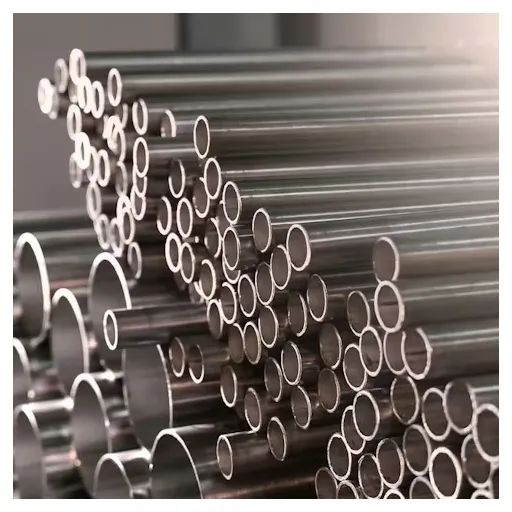
Stainless steel is divided into various grades that are intended for different applications and environments. The grade which is least used but most often are:
Grade 304
304 stainless steel is well known for its remarkable resistance to corrosion and is very versatile. The metal has through its manufacturing become the main material for various kitchenware, food processing equipment, and architectural applications. The reason behind its large use is the combination of its elements chromium and nickel which leads to both easy fabrication and good durability.
Grade 316
316 stainless steel, which is also called “marine grade” has the control power against rusting and corrosion higher than that of 304 grade. Even when the environment around it is of saltwater or harsh chemicals, the 316 grade stainless steel remains unscathed. Therefore this grade is often used in manufacturing medical instruments, chemical processing, and applications in the marine area.
Grade 430
This type of stainless steel is ferritic. It is cheaper than austenitic stainless steels, for instance, grade 304 or 316. Its resistance to corrosion is, however, lower than those but it still is the metal type that can be magnetized easily and is therefore commonly used in decorative applications, automotive trim, and around some household (especially fridge and microwave) appliances.
Grade 410
410 is a stainless steel type known for its high strength and wear just the opposite of corrosion resistance, which, however, is still lower than that of most other stainless steel grades. This metal is frequently used in the making of tools, knives, and industrial machinery.
These grades are accompanied by others which are selected according to their mechanical properties, resistance to environmental factors, and intended application, thus guaranteeing manufacturers to optimize performance through various industries.
Distinguishing Characteristics of Different Types
Recent searches reveal that stainless steel is by far one of the most remarkable metals, ever-changing and still carrying the key properties that were originally tailored for specific industrial needs. Every type of stainless steel has different proportions of strength, corrosion resistance, and machinability, depending on the alloy used mainly. For example, austenitic stainless steels (like 304 or 316) have always been employed and mostly recommended in corrosion and cleanliness demanding sectors such as medicine and foods, where they are accepted as the first choice. On the opposite side, martensitic steels such as 410 are frequently selected for the making of tools and parts during the production of heavy-duty machines that require strong tensile and good wear resistance. Besides, duplex is another one like austenitic and ferritic steel combined that gives both the original strength of the austenite and the resistance to chlorides of the ferrite and thus becoming the material of choice for marine and chemical handling industries. The most recent technological advancements have shown that the importance of correctly selecting the specific type of stainless steel according to the altering environment and operational factors for best performance and longevity is still a significant factor.
Standards and Specifications
The ability to observe standards and specifications patiently is one of the main reasons why stainless steel selection for certain applications has been very reliable and high performing. Some of the international standards for such materials include ASTM (American Society for Testing and Materials), ISO (International Organization for Standardization), and EN (European Norm). These standards offer comprehensive very exact guidelines on the composition, mechanical properties and testing methods of the different stainless steel grades in various areas. For instance, ASTM A240 specifies the requirements for steel plates, sheets and strips for pressure vessels and general use, including chromium and chromium-nickel steels. Likewise, ISO 15510 lists the chemical compositions of the different types of stainless steel, providing precise parameters for the various industrial applications.
Industry Trend: Current trends represent the growing demand for and the continuous need to be compliant with the set standards in the case of those industries which are equipped with advanced technologies. The industries pivoted around the latest technologies have to choose the steel that complies with the updated specifications in order to synchronize with their goals of being both durable and environmentally friendly. When standards are applied together with real-time application data, the best material performance under changing conditions is ensured.
Advantages of Using Stainless Steel Seamless Tubes
Strength and Durability
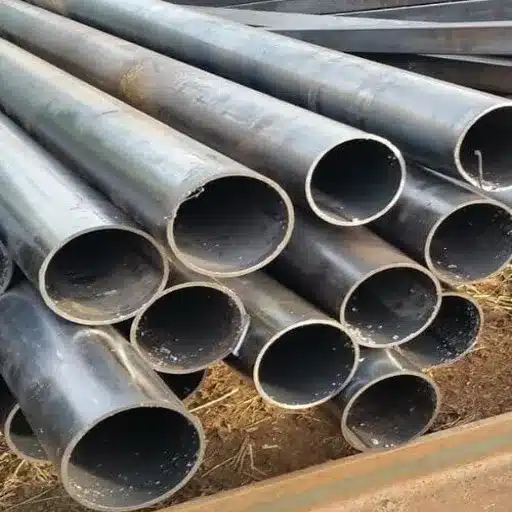
Stainless steel seamless tubes are provided to manufacturers who are sure of their capabilities to perform difficult work, encourage the use of precise and exact techniques, and last longer. The process of making these tubes removes the openings and seams; thus, the material that is under high pressure is very consistent throughout and will not easily rupture. The latest research illustrates, e.g., the chemical processing sector, the aerospace sector, and the construction sector that these tubes possess even more than their share of being the most trustworthy and longest-lived materials in the corresponding industries. On top of that technical toughness, the companies will gently extract the most productivity thus guaranteeing no material waste even during the harshest situations. This means that the synergy of state-of-the-art production and data-driven understanding of the suitable materials is not only effective but also eco-friendly.
Corrosion Resistance
Corrosion resistance is one of the key properties for the materials which are either really tough in terms of the application or are exposed to the contact with water, chemicals, or extreme temperature fluctuations. The technology’s progress and very accurate data analysis that includes trends and research through search engines, are making it more and more apparent that metals such as stainless steel, titanium, and specific alloys are the highest-rated solutions. These types of metals can withstand the attack of oxidation and chemical reactions without any loss of their properties and so they are long-lasting and safe for usage over time. Industries are in constant demand for corrosion-resistant materials to be present that can help in cost reduction, efficiency raising, and infrastructure life extension. The combination of innovative engineering and data-driven optimization clearly shows the increased importance of material selection in the contemporary industrial applications.
Applications of Stainless Steel Seamless Tubes
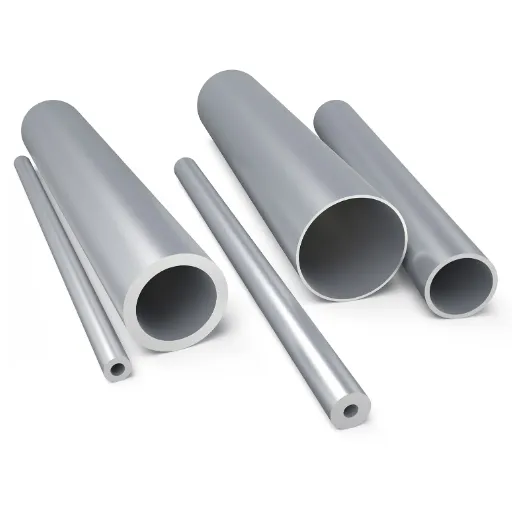
Stainless steel seamless tubes are indispensable in various industries because of their remarkable durability, corrosion resistance, and versatility. The following application areas are based on the latest data and trends regarding these tubes:
🛢️ Oil and Gas Industry
Stainless steel seamless tubes are the most preferred materials in the oil and gas industry due to their excellent resistance to high-pressure and temperature. They are utilized in drilling wells, pipelines, refineries, and offshore platforms where the performing under difficult conditions is very important.
🚗 Automotive Industry
These tubes are progressively demanded in vehicle systems like exhaust, fuel lines, and structural components. Their lesser weight and strength-to-weight ratio improve both fuel economy and automobile power.
✈️ Aerospace Applications
The aerospace sector uses stainless steel seamless tubes for the aforementioned reasons in hydraulic systems, fuel systems, and structural assemblies. Also, these materials can withstand high pressure and temperatures.
⚡ Power Generation
The tubes are major contributors to the reliable operation of thermal and nuclear power plants as they are used for the heat exchangers, boilers, and condensers.
🍽️ Food and Beverage Sector
The quality and health aspects of the foods and beverages requiring tubes made of stainless steel make them the best option, particularly when there is no risk of contamination during processing, transportation, and storage.
💊 Medical and Pharmaceutical Industry
They are made with stainless steel seamless tubing which allows the infallible manufacturing of medical equipment, diagnostic machines, and pharmaceutical production lines giving the effect of cleanliness and toughness.
🏗️ Construction and Architecture
This type of tubing is not only aesthetically pleasing but also resistant to corrosion.
The multiple applications and the performance of stainless steel seamless tubes are in line with the evolving industry standards thus becoming the go-to material for use in various critical and challenging environments.
Choosing the Right Stainless Steel Seamless Tube
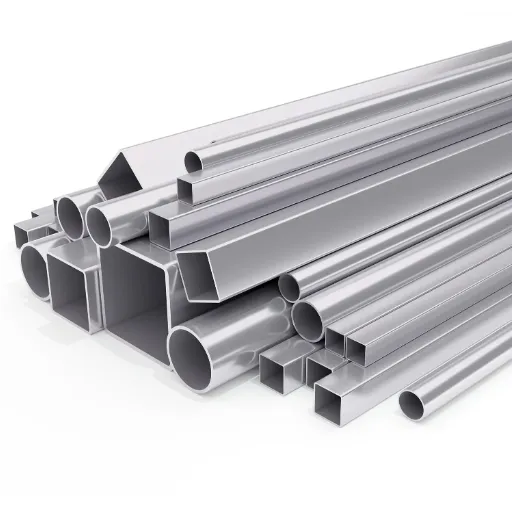
Factors to Consider
Choosing the appropriate stainless steel seamless tube necessitates the assessment of a blend of technical specifications, application needs, and environmental factors. Among the important points are:
- Material Grade: The stainless steel grade needed for the tube’s application must be defined. For example, the 304 and 316 grades are very popular due to their outstanding resistance to corrosion and their ability to last in different industries.
- Size and Dimensions: The tube’s diameter, thickness, and length should meet the specifications of your project. The precision in sizing is very significant in terms of the safe and effective operation.
- Application Environment: The working conditions like the temperature, pressure, and chemical exposure, should be taken into account when selecting a tube that can handle the stresses.
- Compliance with Standards: The tube’s conformance to the relevant industry standards, for example, the ASTM or ASME certifications must be confirmed for the purpose of assuring dependability and quality.
- Supplier Reputation: Buy from suppliers who are recognized for providing consistent quality and compliance with the international manufacturing standards.
- Budget Constraints: Although price is a major factor, always give priority to performance and dependability over short-term cuts to avoid suffering costly outages or replacements later.
Sustainability Consideration: According to the most recent search engine data, customers are more and more concerned about sustainability when it comes to choosing stainless steel seamless tubes. The majority of them are in search of the manufacturers which are environmentally friendly in their practices, such as recycling and using energy-efficient methods of production. If you consider these factors, you will be able to make a very easy decision that is not only appropriate for your application but also in line with your values.
Practical Tips for Selection
✓ Evaluate Material Grade and Composition
The first step is to choose a seamless stainless steel tube that is of a grade suitable for your application. If, for instance, resistance to corrosion is considered very important then 304 or 316 grades would be excellent choice. Check the composition of the tube against your performance expectations to ensure that you are meeting your requirements.
✓ Assess Sustainability Practices
The search data indicates that a significant number of customers prioritize eco-friendly production processes. Choose the manufacturers that practice eco-friendliness like using recycled materials or implementing energy-efficient processes in their production.
✓ Match Dimensions and Tolerances to Application
Examine the standard sizes and tolerances of a seamless pipe and verify whether they fit the precise needs of your project. Accurate measurement will not only preserve utility but also keep you from covering the costs of wrong ones.
✓ Check Certifications and Compliance
Before proceeding with the purchase, you should verify the stainless steel tubes have the necessary ASTM or ISO certifications, which would mean they are up to the specified industry standards. This will also ensure that the product is reliable and appropriate for your application.
✓ Prioritize Cost-Effectiveness Without Compromising Quality
Surely, it is understandable that you might fall prey to the lure of the cheapest option; nevertheless, in the end, long-lasting performance and durability could even be the best value altogether. Look for an equilibrium that offers both competitive prices and excellent quality to ensure that your investment is maximized.
By combining these practical tips with the latest search trends, you can confidently select stainless steel seamless tubes that not only meet functional and technical requirements but also align with sustainability and budget considerations.
Common Mistakes to Avoid
❌ Overlooking Material Certifications
Stainless steel seamless tube buyers often neglect to check the material certifications, which results in either the occurrence of quality problems or the product being non-compliant with the regulations. Ask for and check material certificates to ascertain that the tubes meet the requirements of the industry.
❌ Neglecting Corrosion Resistance Needs
Stainless steel has grades with different levels of corrosion resistance. It is very common to see the mistake of picking a cheaper grade without thinking about the specific environmental conditions which might result in the metal’s premature decay. It is advisable to pick a grade that is well suited for the application’s exposure to moisture, chemicals, or other harsh conditions.
❌ Ignoring Dimensional Accuracy
Seamless tubes usually need exact dimensions to fit in custom applications. Not getting the required dimensions correctly or not paying attention to them can lead to installation difficulties and extra costs. Always check the specifications very carefully.
❌ Focusing Solely on Price
Cost-effectiveness is a great quality, though when it comes to products, the very rule still applies ‘the cheapest is the most expensive’. So, just the opposite happens, the lower the price the higher the risks involved. To give an example, maintenance costs, inefficiencies caused by bad operational processes or replacements earlier than expected.
❌ Skipping Supplier Research
Another frequent mistake done by buyers is the negligence of supplier’s checks as a whole. The supplier having poor quality control measures or erratic supply chain can result in your project being delayed or its budget running out of control. Checking reviews, requesting for references, and verifying that the supplier has a trustworthy history are the minimum steps to be taken.
By overcoming these mistakes and using insights from search data—such as trending queries on corrosion-resistant grades or trusted suppliers—you can make smarter decisions when opting for stainless steel seamless tubes.
Frequently Asked Questions (FAQ)
Reference Sources
📄 Welded Stainless Steel Tubes & Pipes vs. Seamless
This paper compares the technical and commercial advantages of welded and seamless stainless steel tubes, providing insights into their applications and benefits.
📄 Failure Analysis of 316L Stainless Steel Seamless Tube
This research investigates the failure causes in 316L stainless steel seamless tubes and provides recommendations for improving their lifespan.
📄 Analysis of the Failure Causes in the Flattening Test of 2205 Duplex Stainless Steel Seamless Tubes
This study analyzes crack defects in 2205 duplex stainless steel seamless pipes during flattening tests, offering insights into material performance.
Conclusion
Seamless tubes made of stainless steel are believed to be the most important factor in the current industrial applications, mainly because of their superior properties of strength, durability, and resistance to corrosion. If you know the manufacturing processes, the different types, the advantages, and the correct selection criteria, you will be able to make informed decisions that guarantee the best performance and lifespan in your particular applications. It does not matter whether you are in the aerospace, automotive, oil and gas, or any other difficult industry; the right seamless tube with the desired certifications and specifications will provide your projects with a long-lasting value and reliability.