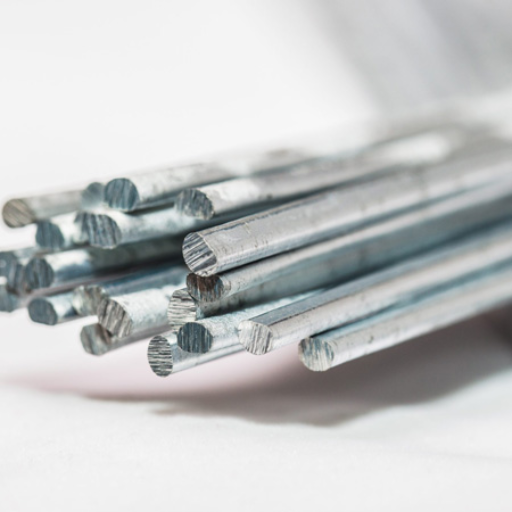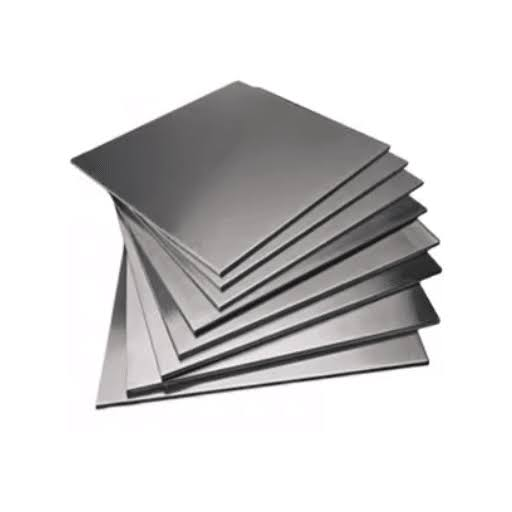
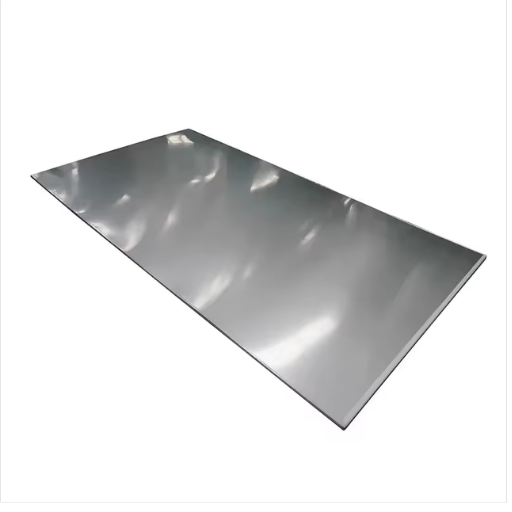
HY-80 steel plate, known for its remarkable strength, toughness, and resistance to rough conditions, is the material of choice in military and defense applications where it has been widely used. Steel grades presented with the best technology for performance made it the case that HY-80 was used in submarine hulls, naval ships, and other high-pressure systems which are mostly critical applications. But what are the unique attributes of HY-80 steel plate and what makes it the preferred material for such stringent tasks?
This very article will demonstrate the essential traits of HY-80 steel, the science that supports its amazing properties, and its various uses in the defense sector. Whether you are an engineer, a purchasing professional, or just interested in high-tech material science, this deep dive will give you an all-round knowledge of HY-80 steel and its place in the world’s toughest operational environments.
Overview of HY-80 Steel
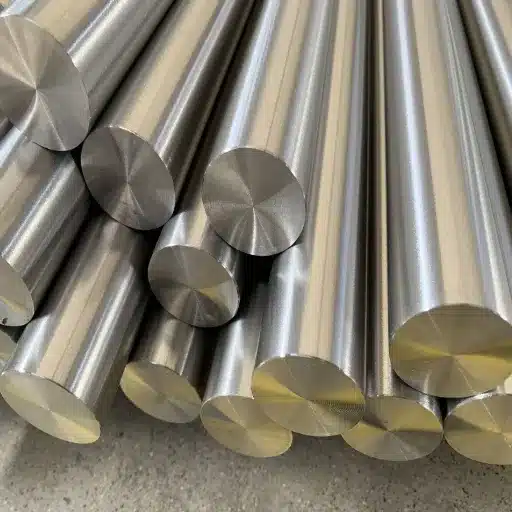
What is HY-80 Steel?
HY-80 steel is a high-tensile, low-alloy steel that is particularly focused on providing remarkable strength and toughness when the environment is particularly harsh. The metal has not only won the hearts of the navy but also the scientific community that praises it for its well-controlled yield strength, tensile strength, and resistance to fissures. Being a combination of the above-mentioned properties, HY-80 is in demand in the realm of submarine hulls and other important marine structures as it can withstand both the high-pressure and corrosive conditions of the deep sea. Its weldability, resulting from the controlled carbon equivalent ratio, pitches in the performance of the structural assemblies remaining uniform, thus making HY-80 steel a material that is must-have in the high-performing defense and maritime engineering applications.
Key Characteristics:
- High-tensile, low-alloy composition
- Exceptional strength and toughness in harsh environments
- Controlled yield and tensile strength
- Superior resistance to fissures and cracks
- Excellent weldability with controlled carbon equivalent ratio
Chemical Composition and Metallurgy
HY-80 is a low-alloy, high-strength steel that is variously utilized for the characteristics mainly based on its chemical composition and by the application of advanced metallurgical processes. The chemical composition of the material usually includes about 0.12–0.18% carbon, 0.15–0.35% silicon, 1.1–1.6% manganese, and a total of phosphorus and sulfur not more than 0.025% for keeping the weld joint tough. Nickel as a part of the alloy (1.6–2.0%), and chromium, besides molybdenum (0.30–0.60%), enhance its strength and resistance to corrosion, thus making it applicable to very harsh environments. And the above materials not only imply very good hardenability but also limit the temperature for the material’s performance.
| Element | Composition Range (%) | Purpose |
|---|---|---|
| Carbon | 0.12-0.18 | Strength enhancement |
| Silicon | 0.15-0.35 | Deoxidation and strengthening |
| Manganese | 1.1-1.6 | Toughness and hardenability |
| Phosphorus | < 0.025 | Controlled for weld toughness |
| Sulfur | < 0.025 | Controlled for weld toughness |
| Nickel | 1.6-2.0 | Strength and corrosion resistance |
| Chromium | 0.50-0.95 | Corrosion resistance and hardenability |
| Molybdenum | 0.30-0.60 | Extreme condition performance |
HY-80 performances on the metallurgical side come mainly from the use of heat treatment methods of control, especially quenched and tempered (Q&T) treatment. The treatment increases tensile strength while keeping ductility which is critically necessary in submarine and other marine applications where resistance to breakage is the most important. The alloy is subjected to a high-temperature austenitization before being cooled quickly to produce a hard martensitic structure and then carried to a level where the toughness-strength profile is even with properties being refined.
⚙️ Heat Treatment Process:
- Austenitization: High-temperature heating to transform the structure
- Quenching: Rapid cooling to produce hard martensitic structure
- Tempering: Controlled reheating to balance toughness and strength
The chemical and metallurgical optimization expertise has been intricately integrated so that HY-80 steel fits the strictest needs of modern naval operations with compliance to MIL-S-16216 and MIL-S-22698 being among the earliest standards applied.
Unique Mechanical Properties
HY-80 steel has the rarest mix of strength, toughness, and weldability that is tailor-made to survive the roughest demands of the operational conditions, especially in submarines and the navy. HY-80’s tensile strength often goes beyond 80,000 PSI, and at the same time, it retains the stress resistance that is still quite high in terms of total area and temperature range—this is why its fractures are small. The steel’s low carbon content, together with nickel, chromium, and molybdenum, not only prevents crack growth but also makes the welds a bit more forgiving in terms of stress during the weld procedure. Because of these mechanical properties, the material is suitable for making safety-critical structures where no compromises can be made.
Tensile Strength
80,000+ PSI
Yield Strength
80 ksi
Standards
MIL-S-16216
MIL-S-22698
New technical revelations tell that HY-80 steel’s reactivity to load dynamic conditions has already been supported by advanced mechanical testing and being in line with MIL-S-16216 standards. One of the tests shows that it can resist high-pressure subsea conditions and still be trustworthy as well as have a long lifetime.
Applications of HY-80 Steel
Military Applications: Submarine Construction
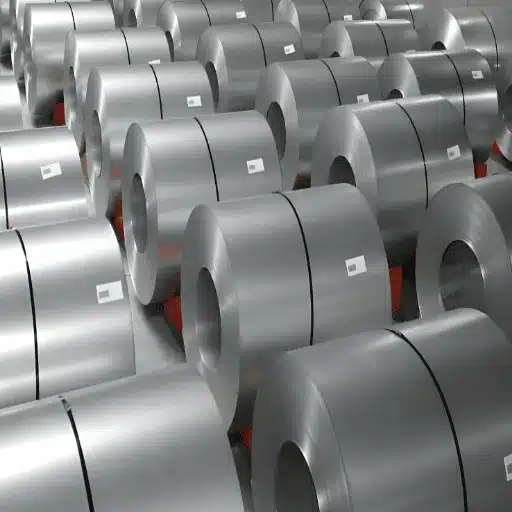
HY-80 steel is a vital element of modern submarine fabrication giving it metal’s classic characterization of tensile strength, ductility, and excellent weldability. Submarines deep in the ocean are exposed to gigantic hydrostatic pressure; the mechanical features of HY-80 steel guarantee that the structures remain undamaged and prevent accidents at extreme depths. A recent review of engineering standards and the data provided through such reviews suggest that the steel’s stress corrosion cracking and fatigue by cyclic loads resistance are very important to its usage. The application of advanced manufacturing technologies like precision welding and heat treatments increases the performance of the material to the level where even the pressure hulls can withstand the most hostile aquatic conditions for long periods of time. The use of HY-80 steel allows submarines to have the features of stealth, durability, and long service intervals while at the same time not affecting the critical mission capabilities.
🚢 Key Submarine Applications:
- Pressure Hulls: Withstand extreme hydrostatic pressure at depth
- Structural Components: Maintain integrity under cyclic loading
- Welded Joints: Provide reliable connections in critical areas
- Safety Systems: Ensure long-term durability in hostile environments
Heavy Industrial Applications
Due to the combination of the steel’s strength, toughness, and weldability, HY-80 steel occupies a prominent position in heavy industry sector. HY-80 is most widely used in heavy plant machinery, pressure vessels, and structural components subjected to maximum stress and harsh environmental conditions. The steel’s extreme yield strength makes it possible to keep up with significant mechanical loads; therefore, it is the best choice for the oil and gas, mining, and construction sectors. In addition, the steel’s ability to withstand cracking and fatigue not only prolongs but also assures equipment reliability, even under cyclic loading. The desired mechanical properties are often achieved by the application of rigorous heat treatment processes that are specifically tailored for each industrial requirement thus enabling steel use in critical situations where a failure is not an option. The powerful performance of HY-80 steel has marked its establishment as a significant material solution to the most challenging industrial battles.
| Industry Sector | Applications | Benefits |
|---|---|---|
| Oil & Gas | Pressure vessels, drilling equipment | High-pressure resistance, durability |
| Mining | Heavy machinery, structural supports | Impact resistance, fatigue strength |
| Construction | Load-bearing structures, foundations | High yield strength, reliability |
| Chemical Processing | Reactors, containment vessels | Corrosion resistance, toughness |
Benefits of Pressure Vessel Design
HY-80 steel brings a variety of advantages to the table when it comes to pressure vessel design mainly owing to its outstanding mechanical attributes and its capability to withstand extreme operational conditions. Its high yield strength and toughness play a significant role in the pressure vessels, especially in the marine, oil and gas, and chemical processing sectors, where huge stresses are involved. The material’s resistance to brittle fracture greatly reduces the likelihood of catastrophic failure, which is very important in high-pressure and low-temperature applications.
Besides that, HY-80 steel’s chemical make-up results in perfect weldability which further facilitates the production of complicated vessel shapes without compromising the strength of the structure. Newer welding methods along with the use of heat treatment allow the construction of pressure vessels that are reliable and at the same time do not lean towards performance. On the whole, the combo of HY-80 steel’s durability and affordability makes it the material of choice for pressure vessel design which, in turn, directly impacts operational safety and longevity in tough industrial environments.
✓ Pressure Vessel Advantages:
- High yield strength for extreme stress conditions
- Superior resistance to brittle fracture
- Excellent weldability for complex geometries
- Enhanced reliability under cyclic loading
- Cost-effective performance in critical applications
Comparative Analysis of HY-80 Steel
HY-80 vs. HY-100: Key Differences
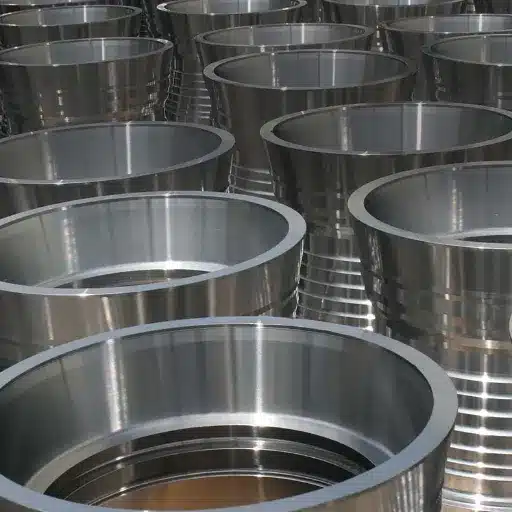
HY-80 and HY-100 are advantageous over other high-strength, low-alloy steels in terms of their extensive use in military and industrial applications. However, there are distinctions that can be seen most clearly through a comparison of their mechanical properties and corrosion resistance.
| Comparison Factor | HY-80 | HY-100 |
|---|---|---|
| Yield Strength | ~80,000 psi (80 ksi) | ~100,000 psi (100 ksi) |
| Weldability | Excellent; minimal post-weld treatment | Good; requires precise control |
| Crack Susceptibility | Lower risk | Higher risk due to strength |
| Cost | Lower production costs | Higher due to advanced processing |
| Fatigue Resistance | Excellent | Superior under cyclic loading |
| Best Applications | Moderate strength with easy fabrication | Extreme operational stress |
📊 Selection Criteria:
Both steels exhibit outstanding performance in the most demanding situations, but it is often a matter of the designer’s priorities that determines the choice between them:
- Strength Requirements: HY-100 for maximum load-bearing capacity
- Manufacturing Ease: HY-80 for simpler fabrication processes
- Cost Efficiency: HY-80 for budget-conscious projects
- Performance Reliability: Both steels meet stringent military standards
HY-80 vs. HSLA Steels
HY-80 and High-Strength Low-Alloy (HSLA) steels can be characterized as the two extremes of the performance spectrum and of both superiority in mechanical properties and demand in the environment; however, they have different purposes and applications. HY-80 is one of the alloy steels that were specifically developed for naval and submarine applications because of their excellent tensile strength, toughness, and weldability—one of the few conditions where it is necessary to maintain the structural integrity of a material under high-pressure and low-temperature conditions, such as in marine environments.
On the contrary, HSLA steels form a broad group of low-alloy steels whose primary goal is to achieve even better strength-to-weight ratios than carbon steels. The idea behind these steels is the usage of micro-alloying elements like vanadium, niobium, and titanium for property improvement without considerable weight addition. HSLA steels are commonly used in the construction, automotive, and pipeline sectors because they are lighter and cheaper, thus their consumption is cheaper and their demand greater due to these properties.
HY-80 Steel
Primary Focus: Maximum strength and durability for harsh environments
Key Industries: Naval, defense, submarine construction
Advantages: Exceptional toughness, high-pressure resistance, proven naval performance
HSLA Steels
Primary Focus: Strength-to-weight ratio and cost-effectiveness
Key Industries: Construction, automotive, pipelines
Advantages: Lighter weight, lower cost, versatile applications
HY-80 is an incredible material in terms of strength, and its durability is also great because it was designed for very hard conditions where normal materials would break down easily. On the other hand, HSLA steels are the most versatile and cheapest option for common usages. The choice of one material over the other solely depends on the performance needs of the project, which may vary by stress exposure, environmental conditions, and the need for the material to resist chemical attack. It is important to take into account both the mechanical properties and the economic factors in the light of the project requirements to arrive at the right decision.
Performance Comparisons in Applications
One of the most important factors to take into account while evaluating the performance of various materials for applications is the working conditions and the primary characteristics of the material. For example, HSLA (High-Strength Low-Alloy) steels have taken the place of conventional carbon steels in demanding conditions as the latter has lost the competition against the former’s extraordinary strength-to-weight ratio, which is especially advantageous in construction applications like bridges, buildings, and pipelines. What is more, their ability to withstand extremely harsh environments coupled with superior corrosion resistance makes them appropriate even in the most challenging industries such as marine or energy.
Incorporating the latest data trends, it becomes apparent that there is an increasing interest in materials that not only fulfill the performance requirements but also fit the sustainability and economic goals. Examples of such queries include “best materials for extreme weather” or “cost-effective alternatives to stainless steel” which reflect a transition toward materials like HSLA steels, that offer durability and cost-effectiveness at the same time. Thus, from this perspective, HSLA steels will always be the go-to choice when durability, weight reduction, and cost savings are of utmost importance.
Critical Role in Modern Defense Systems
HY-80 in Naval Warfare
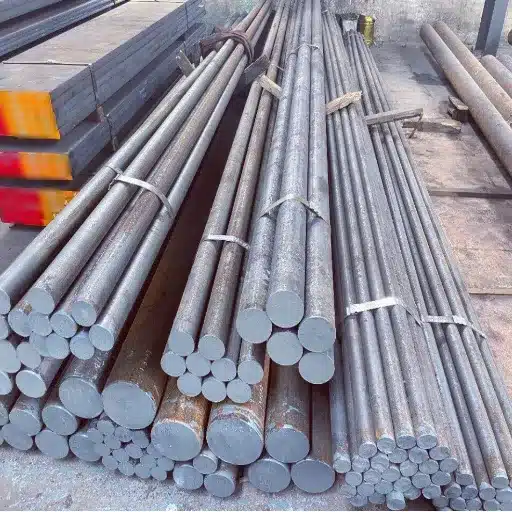
Definitely, the story of HY-80 steel in shaping and changing the dynamics of modern naval warfare is practically written in the stars owing to its unique and unrivaled combination of exceptional high strength, toughness, and corrosion resistance. Along with submarines and warships, the low-carbon, high-tensile steel is specifically developed to stand up to the great pressure and dynamic stresses found in the naval field of application. The industry reports of the day confirm that HY-80 is the ultimate material that can take the deep-sea operations with their extreme conditions and still remain of the same quality structurally. Moreover, the weldability and the energy absorption capacity during the impact of HY-80 also contribute to its being the most cost-effective material for the construction of strong hulls that can stand up to threats such as underwater explosions.
⚓ Naval Warfare Benefits:
- Structural Integrity: Maintains quality under extreme deep-sea pressure
- Impact Resistance: Absorbs energy from underwater explosions
- Corrosion Protection: Resists degradation in harsh marine environments
- Hull Construction: Provides robust protection for submarines and warships
- Cost-Effectiveness: Delivers exceptional performance at reasonable costs
Keeping in mind technology trends, one of the biggest changes will be in the refining of alloys like HY-80 that are already good but will be made even better in the future. Further, this includes improving the pouring of stress corrosion cracking and fatigue, which are especially important in the case of warships operating in high-stress areas. As a result of this, HY-80 still sets the bar for defense applications and is constantly changing along with the strict demands of modern naval engineering.
Advancements in Military Technologies
The blend of the latest technologies and material sciences has brought a complete transformation in the capabilities of the modern military. The technologies like artificial intelligence, autonomous systems, and advanced data analytics are all contributing greatly towards precision and efficiency being the main features in defense operations. The last trends show that there is already a lot of interest in autonomous weapons systems and there is also so much accelerated research in hypersonic technology. These technologies, among others, ensure that one has the capability of replying promptly and at the same time, human risk is reduced during the combat situations thus guaranteeing the winning of the strategic contest.
🤖 AI Systems
Enhanced threat detection and resource allocation for more effective combat strategies
🚀 Hypersonic Technology
Operating at Mach 5+ speeds, rendering traditional interception strategies obsolete
🎯 Autonomous Systems
Rapid response capabilities with reduced human risk in combat situations
What the question on the significance of these technologies can lead to is that their role is mainly in the area of providing the military with the highest capabilities in force multiplication and operational adaptability. Hypersonic missiles, for example, operate at reliability of Mach 5 or even much higher, making the interception strategies of the past obsolete almost entirely. Analogous to that, AI technology backed systems fine-tune threat detection and resource allocation, in this way more effective combat strategies can be formed that also involve less collateral damage. The collaboration of the likes of HY-80 and such technologies is fast-tracking military operations that are not only quicker and more intelligent but also stronger against emerging threats.
Future Trends in HY-80 Usage
HY-80, a high-strength, low-alloy steel, is still making a very strong case for its crucial role in military and industrial applications nowadays. One area of interest, which is becoming a trend, is teaming up HY-80 with additive manufacturing (3D printing) technologies. This partnership would offer various advantages such as the ability to fabricate parts precisely with less material wasted. It is particularly the case when producing components for naval applications, such as submarine hulls and critical structural elements, where HY-80’s superior strength and corrosion resistance can be advantageous.
🔮 Emerging Applications & Innovations:
- Additive Manufacturing: 3D printing for precise component fabrication with reduced waste
- Enhanced Metallurgy: Improved weldability and fatigue resistance through advanced techniques
- Renewable Energy: Wind turbine construction requiring durability against environmental stresses
- Extended Infrastructure Life: Longer service spans with reduced maintenance costs
On the other hand, the advancements in metallurgical techniques are enabling further optimization of HY-80, such as enhancement of weldability and fatigue resistance. The improvements translate directly to longer life spans of infrastructures, reduced maintenance costs, and higher performance even in tough conditions. The global search trends witness a growing interest in the exploration of HY-80 application in renewable energy sectors, e.g., wind turbine construction, where durability and resilience against environmental stresses are crucial. The future of HY-80 is, therefore, at the crossroads of innovation and versatility, and it is going to be a future where the material meets both the old and new demands in a timely and efficient manner.
Working with HY-80 Steel
Sourcing HY-80 Steel: Best Practices
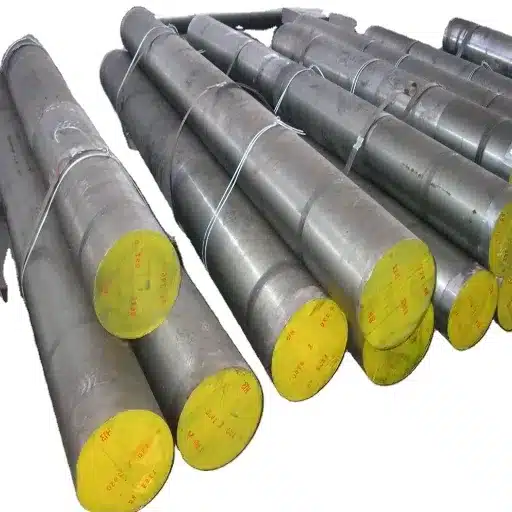
The first step to obtaining HY-80 steel is to find the best steel suppliers with a lot of experience in the field and whose quality control is certified by reputable organizations like ISO 9001 or the like. It is essential for the industries that use HY-80 steel like defense, shipbuilding, and renewable energy, to work with the manufacturers that provide documentation for traceability as well as reports for material test (MTRs) since it confirms meeting the stringent rules and regulations.
✓ Sourcing Checklist:
- Verify Certifications: Ensure suppliers have ISO 9001 or equivalent quality certifications
- Request Documentation: Obtain Material Test Reports (MTRs) and traceability records
- Check Service Offerings: Look for precision cutting, heat treatment, and custom fabrication
- Establish Global Network: Maintain multiple supplier relationships to avoid disruptions
- Evaluate Industry Experience: Prioritize suppliers with defense and maritime expertise
The current search data shows that there has been a rise in questions about the use of HY-80 steel in areas that endure high corrosion and stress conditions. To cater to these needs, sourcing from distributors who provide services such as precision cutting, heat treatment, or custom fabrication is recommended, as they will not only meet the demand but also improve workflow efficiency and shorten project lead times. Additionally, having a global supplier database can serve as a backup plan to avoid supply chain disruptions, especially in industries that highly rely on this specialized material.
Fabrication Techniques for Structural Integrity
If the goal is to attain the best structural integrity, then advanced fabrication techniques have to be employed that correspond to the material properties and requirements of the project. Laser cutting, CNC machining, and electron beam welding are among the techniques that most companies apply to create precise tolerances and to distort the material as little as possible. Laser cutting is ideal for creating delicate shapes and provides a smooth edge that diminishes the requirement for additional finishing treatments. CNC machining is unmatched in terms of precision and consistency, and hence it is the perfect choice for pieces that need to have complex shapes. Electron beam welding is, meanwhile, the process of choice in aerospace and automotive sectors, among others, as it is capable of making super strong joints through deep penetration.
| Fabrication Technique | Advantages | Best Applications |
|---|---|---|
| Laser Cutting | Precise tolerances, smooth edges, minimal finishing | Intricate shapes, complex geometries |
| CNC Machining | Exceptional precision, consistency, repeatability | Complex contours, tight tolerances |
| Electron Beam Welding | Deep penetration, strong joints, minimal distortion | Aerospace, automotive, critical structures |
| Heat Treatment | Stress relief, enhanced toughness and ductility | Post-fabrication optimization |
Besides, the post-fabrication heat treatment processes like annealing and tempering play a major role in eliminating the residual stresses and providing the material with its toughness and ductility. Such processes are highly controlled in order to retain the particular microstructural characteristics. The use of non-destructive testing (NDT) methods, which consist of ultrasonic testing and radiography, is also a way that guarantees the discovery of any possible flaws without endangering the component’s structural integrity. By mixing different fabrication techniques and strict quality control, the industries can produce reliable and high-performance structures even in the toughest operational environments.
Welding HY-80 Steel: Tips and Considerations
Welding HY-80 steel, a material that is high strength and low alloy, is mainly used in military and marine applications and it needs a very careful approach at the stage of welding to maintain its mechanical properties. The preheating and post-weld heat treatment processes which are necessary for the proper flow of residual stresses and preventing of weld defects are the direct result of its specific chemical composition and its heightened susceptibility to hydrogen-induced cracking. The preheating temperature varies from 250°F to 400°F per the thickness of the material in which the thermal gradient is reduced during welding.
🔥 Welding Best Practices:
- Preheat Temperature: Maintain 250°F to 400°F depending on material thickness
- Filler Materials: Use E10018 or E11018 electrodes for SMAW processes
- Welding Technique: Employ multi-pass welding to reduce internal stresses
- Hydrogen Control: Store electrodes in low-humidity or bake before use
- Shielding Gases: Use GMAW or FCAW with controlled shielding for low-hydrogen techniques
- Quality Testing: Conduct ultrasonic and magnetic particle inspection post-weld
Opting for the right filler materials is just as important a decision as other ones. The filler metals have to be at par with HY-80 steel in strength as well as toughness and, at the same time, be compatible with its low-alloy characteristics. For the manual metal arc welding (SMAW) process, electrodes like E10018 or E11018 are often suggested. Also, controlling the weld pool thickness and using multi-pass welding are practices that could considerably raise the strength of a welded joint since they lower the internal stresses.
To avoid the occurrence of hydrogen-induced cracking, it is essential that the electrodes are stored and handled correctly, thus staying in low-humidity or baked before use situations. It is recommended that the welders apply the low-hydrogen techniques like gas metal arc welding (GMAW) with stringent control over the shielding gases or flux-cored arc welding (FCAW) to minimize hydrogen that gets diffused into the weldment.
Non-destructive testing, which consists of ultrasonic and magnetic particle inspection, is always the case for determining the quality of HY-80 steel welds. It is by adhering to these considerations and employing stringent quality assurance measures that one can produce strong and trustworthy HY-80 steel structures.
Frequently Asked Questions (FAQ)
❓ What is HY-80 steel plate and why is it classified as military grade steel?
HY-80 is a maritime steel that yields superiorly and has a low-alloy composition. It was first made to be used in submarines and warships and thus, justifiably, can be called military grade steel due to its making and toughness properties which were militantly demanding in terms of·defense usage. The combination of alloying elements and controlled production has resulted in a duality of high yield strength and fracture toughness that is rare in most of the civilian structural steels. The military standards for HY-80 dictate the same mechanical characteristics to prevail over the plates meant for the most challenging marine locations. Heat treatment, quality control throughout the rolling and processing, and other factors of distinction altogether lead to those of HY-80 steel plates that are highly demanding when it comes to ensuring the submarines are both robust and fracture resistant.
❓ How does yield strength and toughness of HY-80 compare with other military grade steel options?
The steel named HY-80 features a very good combination of yield strength and toughness which is why it was specified as yielding steel with a yield strength of about 80 ksi still and at the same time, able to bear the most critical fracture. However, along with strong naval steels like HY-100 and HY-130, it is still worth noting that being a lower strength steel like HY-80, it becomes the material that melts, welds, and is the least crack susceptible. The simultaneous presence of yield and toughness is a very critical aspect in applications such as submarine hull plating, where fatigue and impact loading are the main issues. When the designer has to navigate through decision-making involving strength, toughness, and fabrication properties, then the HY-80 steel plate is the selected material. Mechanical characteristics are maintained during the entire construction process by conducting the correct thermal processing and welding procedures.
❓ What are the main welding and cutting conditions for HY-80 military steel?
Currently, hydrogen-induced cracking and toughness are two worries that accompany the fabrication and welding processes of HY-80 that are usually treated by practicing well control techniques in preheat, interpass and post-weld heat treatment. The definite low-alloy chemistries and very high-strength materials impose strict requirements on the quality of welding procedures and often call for the provision of matching or overmatching filler metals in the process. To guarantee the joint’s performance under conditions prevailing in the service area, welders have to comply with the military or navy standards for HY-80 steel plate. The control over the welding parameters and thermal cycles will suffice to grain coarsening not happening while at the same time the specified mechanical properties are maintained. Regular inspection, including non-destructive testing, is very often required to ascertain weld integrity.
❓ What impact does heat treatment have on the properties of HY-80 steel plate that is classified as military grade steel?
Heat treatment of HY-80 steel which includes controlled quenching and tempering takes the microstructure to the point of combining yield strength and toughness which are the properties of military grade steel that is desired. The hardness, ductility, and fracture resistance depend heavily on the specific thermal cycle; inadequate heat treatment can result in reduced toughness and thus increased risk of brittle fracture. For bigger plates, uniform heating and controlled cooling are vital in order to prevent the formation of residual stresses and distortion. Military specifications usually mentioned the heat treatment process and the acceptance criteria that are to be followed so as to guarantee the consistent performance of the product. Quality assurance testing done after heat treatment confirms that the plate is steel and meets the mechanical and toughness property requirements.
❓ What are the primary usages of HY-80 steel plate in military grade steel applicability?
The diameter and length of the application of the HY-80 steel plate, which is characterized by the highest yield strength and the best fracture toughness, has made it the most favored material in the construction of submarines and naval ship hulls, pressure vessels, and other marine structures. It has properties that allow it to be used in deep-submergence hulls that can withstand very high hydrostatic pressures and even possible impacts. Besides hulls, another area where the application of HY-80 steel may be used is the structural components of which the fatigue life and damage tolerance are critical. The good weldability of HY-80 steel and its proved performance in naval use are the factors that contribute to its selection in defense projects. Designers and engineers usually follow military standards to ensure that the right material grades and fabrication practices are applied.
❓ How does resistance to corrosion affect the choice of HY-80 as military grade steel for the marine environment?
HY-80 itself isn’t a corrosion-resistant alloy, so very much the entire base material is not alone in the challenge of corrosion resistance but also the design, coatings, cathodic protection, and maintenance are involved. In order to protect both uniform corrosion and localized pitting, which might weaken the structure, protective paints, and sealants are frequently applied to the HY-80 steel plate in ocean areas. Corrosion maintenance is extremely critical at welded joints and cut edges where protection may be compromised. The material decision would be made based on the corrosion mitigation strategies and the strength, toughness, and weldability, which are the qualities of military-grade steels like HY-80. Regular inspection and maintenance programs are definitely part of the assurance for a long life span of the HY-80 structural components.
Reference Sources
- Investigation of Heat-Affected Zone Cracking in Welded Joints of Modified HY-80 Steel
Naval Postgraduate School Repository
This study examines heat-affected zone cracking in welded joints of HY-80 steel, focusing on residual stress and welding techniques. - Fracture Toughness of Submerged Arc Welded HY-80 Steel
Naval Postgraduate School Repository
This research explores the fracture toughness and microstructure control of HY-80 steel in submerged arc welding applications. - Feasibility of Underwater Friction Stir Welding of HY-80 Steel
Naval Postgraduate School Repository
This paper investigates the feasibility of underwater friction stir welding for HY-80 steel, comparing it with other steel types.
Conclusion
HY-80 steel plate is an outstanding example of metallurgical engineering that covers all the bases, possessing extraordinary strength, toughness, and weldability; it is a new alloy for the most stringent military and industrial use. The use of HY-80 in its various applications from submarine building to pressure vessels and renewable energy infrastructure has proven the material’s worth in “no failure” zones. Besides, this military-grade steel continuously gets better and better while moving along with the technology and new applications. It has a foot in both worlds, i.e., the traditional defense needs and the emerging industrial challenges, and by adapting, it is able to provide equal excellence in both cases.