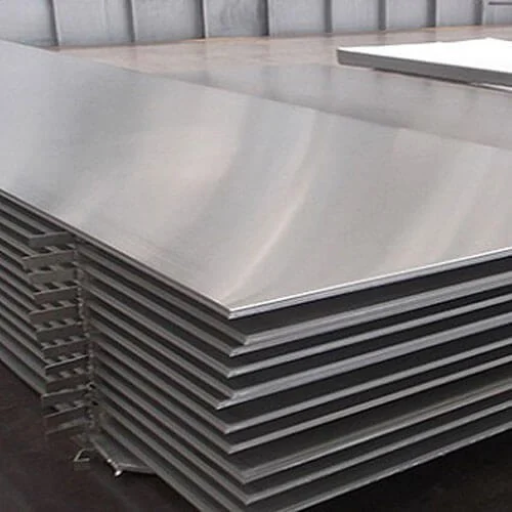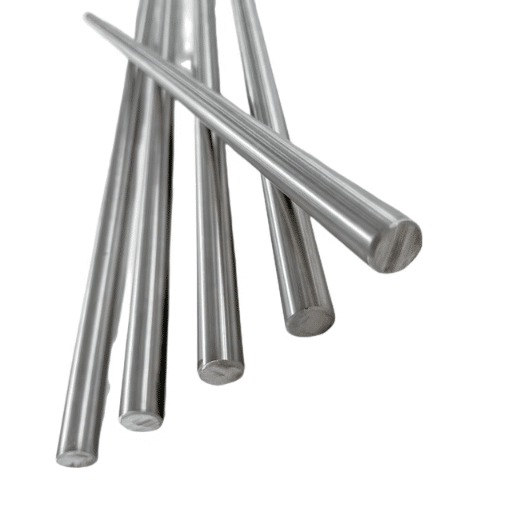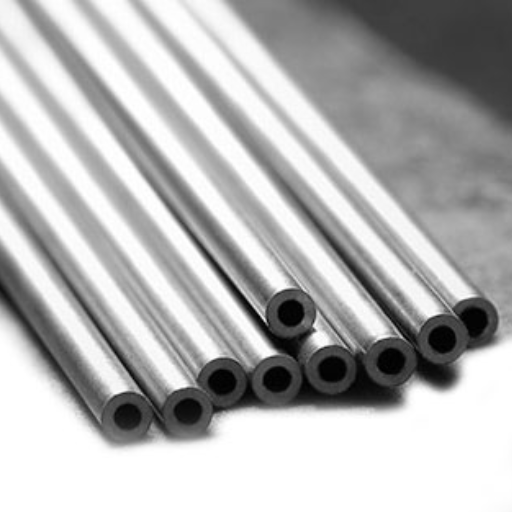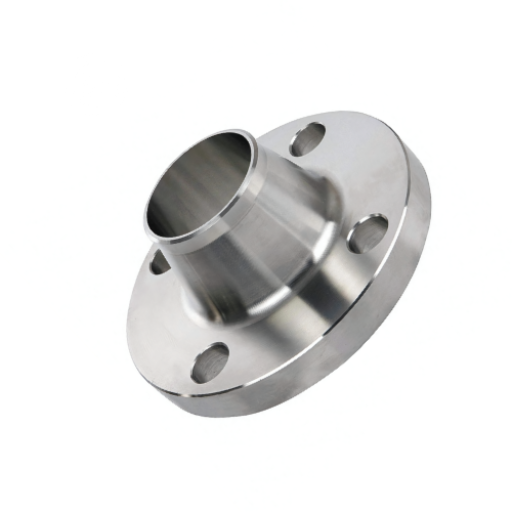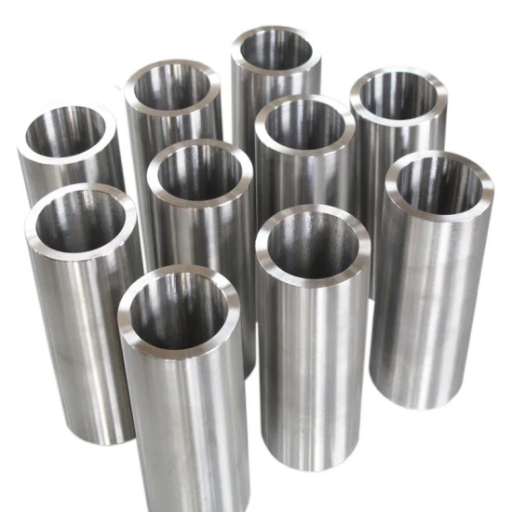
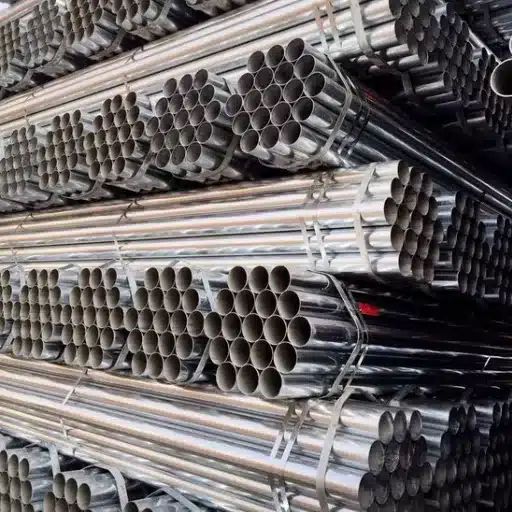
In the field of engineering, manufacturing, and construction, the knowledge of material’s basic properties is essential. Thermal conductivity among these properties is a major factor that determines performance, energy efficiency, and safety in a wide range of applications. Of the world’s most extensively used metals, steel and stainless steel are the most acclaimed ones due to their durability and flexibility. However, differences in thermal conductivity make them suitable for use in different industrial and commercial fields. This discourse goes into the core of thermal conductivity discussing not just its meaning, but also its variability between steel and stainless steel and the implications of these variances.
Introduction to Thermal Conductivity

Definition of Thermal Conductivity
Thermal conductivity is the feature of a substance that allows it to transfer heat. It quantifies the speed of heat energy flow through that substance as a result of a temperature difference. Generally, it is indicated by the symbols “k” or “λ” and is measured in watts per meter-kelvin (W/m·K).
Understanding Thermal Conductivity Values
- High Conductivity Materials: Metals like copper and aluminum show very high thermal conductivity, thus being great candidates for heat transfer applications like heat exchangers and cooling systems
- Low Conductivity Materials: Materials like wood or polystyrene have poor thermal conductivity hence making them good insulators
- Critical Selection Factor: It is vital to understand and choose the right materials with respect to their thermal conductivity in engineering, construction, and electronics where heat management is necessary for performance and efficiency
Importance of Thermal Conductivity in Engineering
Thermal conductivity is an important engineering property since it is directly related to the efficiency, safety, and practicality of different systems and constructions. In aerospace engineering, for example, materials with specific thermal conductivities are selected to control the extreme temperature fluctuations that occur during the flight. Likewise, in electronics, high thermal conductivity materials such as copper and aluminum are of utmost importance for component cooling which prevents device overheating. Conversely, low thermal conductivity materials are used for insulation in building structures or refrigeration systems to stop energy loss.
Modern Applications and Innovations
New creations and gathering of information showcase the major application of thermal conductivities and the possibilities of the engineering field, for instance, invention of nanomaterials with adjustable thermal properties. These encourage engineers to develop systems that are not only energy-efficient but also environmentally friendly.
Continuous research is done to perfect materials that can be used in renewable energy devices such as thermoelectric generators and advanced cooling systems, thus making thermal conductivity a key factor in modern engineering innovations.
Comparison of Thermal Conductivities in Metals
Thermal conductivity is an essential characteristic of metals, which determines the areas the metal can be used in, among them, the application sectors of electronics, construction, and energy systems. The thermal conductivity of metal is the parameter that dictates the heat transfer efficiency of the metal, and this is significant in applications that require tight thermal management.
| Metal | Thermal Conductivity (W/m·K) | Typical Applications |
|---|---|---|
| Silver | ~429 | High-performance thermal interfaces (limited by cost) |
| Copper | ~401 | Heat exchangers, electrical wiring |
| Gold | ~318 | High-performance electronics, corrosion-resistant applications |
| Aluminum | ~237 | Radiator fins, heat sinks, lightweight thermal solutions |
| Steel | 16-50 | Structural applications where heat transfer is secondary |
💡 Key Insight
The thermal performance of each metal allows engineers to get the right balance between cost, efficiency, and properties of the material for customized solutions. Silver and copper still are the top picks for the most demanding situations, whereas aluminum and steel are the ones that cater to the less demanding or cost-sensitive areas.
Thermal Conductivity of Steel
Overview of Steel Types
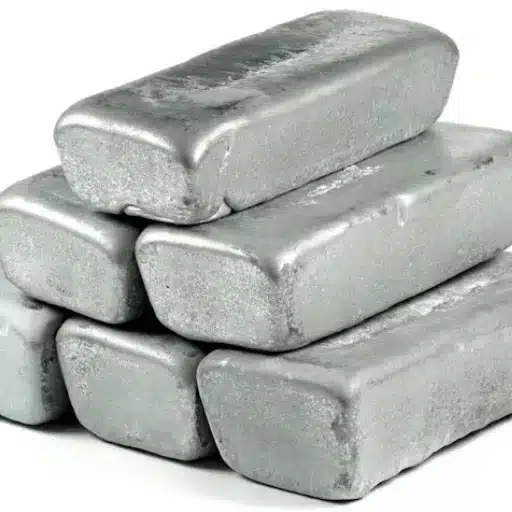
Steel, which is a flexible alloy mainly made up of iron and carbon, is classified according to its creation, its physical features, and what it is going to be used for. The main categories of steel that exist today are carbon steel, alloy steel, stainless steel, and tool steel. All the types have different properties which make them apt for certain uses.
1. Carbon Steel
The most frequently occurring steel type is this one, which is further divided into low, medium, and high carbon steel based on the amount of carbon present. Low carbon steel is very ductile and malleable, while high carbon steel is hard and has low ductility, and hence, finds its use in cutting tools and wires.
2. Alloy Steel
The main elements in alloy steel are chromium, nickel and molybdenum, and followed by the others to improve the metal’s characteristics such as strength, toughness and corrosion resistance. Automotive parts, power generators, and pipelines are examples of areas where this steel type is commonly applied.
3. Stainless Steel
Stainless steel, which has a significant amount of chromium (typically above 10.5%), is the metal that is most resistant to corrosion and staining. Among the metal used, the kitchenware, medical devices, and architectural applications are the main areas where it is used.
4. Tool Steel
Tool steel designed for durability and heat resistance, is used in manufacturing tools and dies. The steel is characterized by a combination of hardness and the ability to withstand high temperatures.
🌱 Sustainability Trends
Recent updates have brought to light the fact that there is a shift in focus towards the eco-friendly and the high-performance steel types, just like the advanced high-strength steels (AHSS) in automotive industries have, which are for instance, used to balance weight efficiency with safety. Further, the sustainability related demand for corrosion-resistant stainless steels is on the rise, demonstrating their role as an important factor in the infrastructure development that supports the environment.
Factors Affecting Thermal Conductivity of Steel
Thermal conductivity in steel is determined by a collection of essential factors such as its composition, temperature, and microstructure. Understanding these factors is critical for selecting the appropriate steel type for specific thermal applications.
Key Factors to Consider
- Composition and Alloying Elements: The heat conducted is largely reduced when the alloying elements carbon, chromium, and nickel are present. Stainless steels, which frequently have high chromium levels, usually have thermal conductivities lower than plain carbon steels because of their complex structure and alloying
- Temperature Effects: A temperature change will result in a change in the property that defines the steel, and the conductivity of thermal energy in steel reduces as the temperature increases. This is common in the case of most metals since the electron movement is slowed down at high thermal energies
- Microstructure: The microstructure of steel is responsible for either diminishing or enhancing heat transfer properties. The steels with fine grains are usually subjected to different thermal behavior by the increased scattering at the boundaries of the grains
Advances in steel production indicated by recent research are aimed at the complete optimization of thermal and mechanical properties. High-performance steels like martensitic and dual-phase steels are developed one above the other for not just the superior strength but also controlled thermal behavior, which is essential in industries such as automotive and industrial manufacturing.
Applications of Steel with High Thermal Conductivity
In steel with high thermal conductivity, the heat transfer property is the main reason this type of steel gets a place in many industrial applications. The trend is gradually moving towards innovative and diverse applications across multiple industries.
Industry Applications
- Automotive Sector: Maintaining temperature control is crucial for performance and safety in modern vehicles
- Power Generation: Heat exchangers working with high thermal conductivity steel enhance energy transfer and reliability in operations
- Renewable Energy Systems: Solar thermal plants and wind turbines benefit from energy-efficient traits of high thermal conductivity steel
- Electronics Manufacturing: High-conductivity steel is utilized in chassis and heat sinks for dispersing heat from sensitive components
Thermal Conductivity of Stainless Steel
Grades of Stainless Steel and Their Conductivities
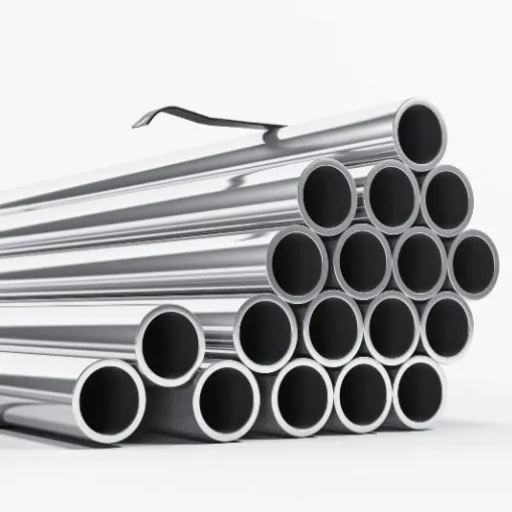
The grade of stainless steel has a direct impact on its thermal conductivity, as the composition of every grade is modified for different uses and the property requirements of different industries.
| Steel Grade | Type | Thermal Conductivity (W/m·K) | Common Applications |
|---|---|---|---|
| 304 & 316 | Austenitic | 16-18 | Thermal insulation, heat blocking applications |
| 430 | Ferritic | 23-25 | Heat exchangers, automotive exhaust systems |
| Duplex Steels | Duplex | 19-21 | Applications requiring balanced thermal and mechanical properties |
⚠️ Selection Tip
The thermal demands of your application must be thoroughly understood before you decide on the stainless steel grade. The performance will be at its best because the chosen material is properly utilized through the unique conductivity characteristics and other mechanical and thermal properties.
Comparing the Thermal Conductivity of Stainless Steel to Carbon Steel
In comparing the thermal conductivity of stainless steel and carbon steel, the differences are significant and have important implications for material selection in engineering applications.
| Property | Stainless Steel | Carbon Steel |
|---|---|---|
| Thermal Conductivity | 15-25 W/m·K (average range) | 45-60 W/m·K |
| Heat Transfer Efficiency | Restricted heat flow | Better heat transfer |
| Corrosion Resistance | Superior | Lower |
| Durability | Excellent long-term performance | Good but prone to corrosion |
| Best Applications | Corrosive environments, aesthetic applications | Heat exchangers, cooking equipment |
Heat flow is restricted in the case of stainless steel due to the presence of such alloying elements as chromium and nickel whereas, the simpler composition of carbon steel with a fewer number of alloying elements provides the opportunity for better heat transfer. Thus, carbon steel is a go-to material in applications where efficient heat dissipation is critical, such as in heat exchangers or cooking equipment. Nonetheless, lowest thermal conductivity of stainless steel is considered as a tradeoff in the context of its superior corrosion resistance, durability, and aesthetic appeal.
Benefits of Using Stainless Steel in Thermal Applications
Stainless steel comes up with many unique benefits within thermal applications which ensure its use in various industries. Despite its lower thermal conductivity compared to other metals, stainless steel offers compelling advantages that make it the material of choice for specific applications.
Key Advantages of Stainless Steel
- Exceptional Corrosion Resistance: Allows stainless steel to stay incomparably strong and working during moist, chemical, or hot conditions, making it preferred for heat exchangers, boilers, and industrial piping systems
- Long Service Life: Can easily deal physically and thermally with the accumulated stress over a long period without noticeable deterioration. Cycles of heating and cooling will break down other materials but not stainless steel
- Aesthetic Appeal: Maintains visual attractiveness over time, important for architectural installations and food-grade equipment
- Easy Maintenance: Simple cleaning and care requirements reduce long-term operational costs
- Versatile Workability: Can be easily formed and fabricated, with new design and manufacturing processes broadening its application areas even in systems with high thermal demand
Comparative Analysis of Thermal Conductivities

The Thermal Conductivity of Various Metals Compared
Thermal conductivity is indeed the very property that most usually decides if a material can do a good job transferring heat or not. Understanding these differences is essential for making informed material selection decisions.
| Metal | Thermal Conductivity (W/m·K) | Typical Use Cases |
|---|---|---|
| Silver | ~429 | Specialized applications requiring extreme heat transfer |
| Copper | 385-400 | Heat exchangers, electronic devices |
| Aluminum | 205-235 | Industrial applications, lightweight solutions |
| Titanium | ~22 | Aerospace, medical industries (heat impedance desired) |
| Stainless Steel | 14-17 | High strength, corrosion-resistant applications |
| Lead | ~35 | Thermal shielding, radiation protection |
Material Selection Guidelines
By taking these factors into consideration, the engineers and designers are able to pick the right material according to the given thermal performance requirements, and at the same time, within the limits of cost and the project specifications. Copper, of the metals in common use, is often the first option for heat exchangers or electronic devices due to its wonderful heat dissipation properties, while stainless steeloffers superior strength, corrosion resistance, and longevity despite lower thermal conductivity.
Identifying Poor Conductors of Heat Among Metals
When talking about metals with lower thermal conductivity, titanium, lead, and stainless steel among the most widely used materials stand out the most. Understanding which metals are poor conductors is equally important as knowing the good conductors, as these materials serve critical roles in specific applications.
Titanium (~22 W/m·K)
This property makes titanium a favorite in contexts where heat transfer is to be impeded, such as aerospace and medical industries. Significantly lower thermal conductivity compared to copper (400 W/m·K).
Lead (~35 W/m·K)
Lead’s heavier atomic structure and unique material properties assist in situations requiring thermal shielding such as radiation protection or soundproofing where low heat transfer is desired.
Stainless Steel (15-20 W/m·K)
Often used in industrial and kitchen contexts, it has relatively low thermal conductivity, which is a desirable feature in applications where slower heat transfer is necessary to maintain control over temperature.
In recent research, it has been emphasized that the selection of poor thermal conductors among metals is really just a case of weighing the thermal performance against the mechanical requirements (like strength, corrosion resistance, etc.) and then choosing a solution that is appropriate for the specific application. This situation empowers the engineers to experiment with new technologies and processes in the manufacturing sector.
Conductivity Comparison: Industrial Implications
One of the most significant consequences of the comparison of thermal conductivity is the fact that it impacts material selection across diverse industries and applications. Understanding these implications helps engineers and designers make informed decisions that balance multiple performance requirements.
Industry-Specific Applications
- Electronic Manufacturing: Low thermal conductivity materials can be used as insulators to avoid overheating and thereby prolong the life of devices
- Aerospace and Automotive: Industries that need materials which have a certain degree of conductivity effectiveness combined with structural integrity and lightness
- Composite Materials: Growing trend for materials that fuse the best properties of metals, polymers, and ceramics for optimized conductivity levels
- Renewable Energy: Advancements in material science enable creation of energy-efficient elements for renewable energy systems that can endure extreme environments
The practical understanding of the implications of conductivity comparisons becomes a driving force behind the industry’s continuous innovation of more sustainable, effective, and application-specific solutions.
Recent Research Findings
Innovations in Measuring Thermal Conductivity
The last few years have witnessed the combination of new methods and advanced technologies for measuring the thermal conductivity of materials more accurately and reliably than before. These innovations are revolutionizing how researchers and engineers characterize material properties.
Modern Measurement Techniques
- Laser Flash Analysis: A technique that determines thermal diffusivity and indirectly derives thermal conductivity without the need of steady-state conditions. This method cuts down time for experiments drastically while maintaining high levels of precision
- Nanotechnology Applications: Introduction of tiny measurement devices like scanning thermal microscopes that can perform thermal conductivity measurements at very small scales. These devices are essential for semiconductor, nanomaterials, and thermal interface materials manufacturing in modern electronics
- Machine Learning Integration: Real-time data processing algorithms developed using machine learning now enable researchers to predict thermal conductivity with great accuracy depending on the material characteristics and environmental conditions
The innovations not only favor the testing mode but also empower researchers to design substances with perfectly defined thermal profiles thus leading to more efficient products across the board.
Impact of Alloying Elements on Thermal Conductivity
Thermal conductivity of materials is a property greatly influenced by alloying elements through their microstructure and electron-phonon interactions changes. Understanding these impacts is crucial for developing optimized materials for specific applications.
Key Research Findings
Copper, aluminum, and silver are the elements regarded to have excellent thermal conductivity, but the addition of alloying elements can make this property weaker by raising impurity scattering or causing distortion of the lattice. For example, just a tiny fraction of nickel or zinc can cause a suppression of the thermal conductivity through the phonon or electron scattering.
On the contrary, this thermal conductivity reduction can sometimes lead to enhancements like improved mechanical strength, higher resistance to corrosion, thus promoting the use of alloyed materials in particular engineering applications. Researchers are starting to find the best way to optimize these trade-offs, which means that materials will be designed for both good thermal performance and structural integrity.
Future Trends in Steel Thermal Conductivity Research
Technological advancements will combine to bring a revolution in the research on thermal conductivity of steel. The future promises exciting developments that will transform how we understand and utilize steel’s thermal properties.
Emerging Research Directions
- AI-Driven Optimization: Machine learning together with AI-driven optimization will be the main tool in gaining deep insights into the relationship between microstructures in steel and thermal performance
- Predictive Modeling: Researchers are developing predictive models to simulate the effect of various alloying compositions and production processes on conductivity before actual testing is done
- Sustainability Focus: The push for sustainable ways of working is becoming more pronounced as the steel industry tries to cut down on environmental impact by increasing energy efficiency in the making and use of steel
- Advanced Materials: Future research will probably reveal new and exciting ways of producing steels that are high in thermal conductivity, long-lasting, and eco-friendly all at the same time, ensuring steel continues to be a material of choice in modern engineering and construction
Frequently Asked Questions
What is the relationship between electric and thermal conductivity in steel?
Heat dissipation and electrical conductivity in metals, including steel, are often associated due to electron mobility. The combination of electrical and thermal conductivity is mostly pronounced in the case of metals like copper and aluminum, which show good thermal conductivity besides high electrical conductivity. However, stainless steel has conductivity much lower than those of copper or aluminum, meaning its thermal conductivity is also lower. The interdependency of heat and electrical conductivities is described by the Wiedemann–Franz law qualitatively, but various factors such as alloying, impurities, and heat treatment can have a great impact on the resulting conductivity levels. Engineers working on systems for thermal energy storage must consider thermal conductance and heat loss from the building as key factors.
What is the thermal conductivity of metals and where does steel fit in?
Thermal conductivity of metals shows a broad spectrum: while copper and aluminum rank the highest in thermal conductivity, most steels have quite moderate to low values, thus strength is the main criterion for steel choice over heat transfer. Carbon steels have a thermal conductivity that usually amounts to about 40–60 W/m·K, while aluminum’s thermal performance is much higher as it has a conductivity near 200 W/m·K. Transient heat or thermal cycling modeling in components must take into account besides thermal conductivity major factors such as specific heat, density, and thermal expansion of the metals. In applications where the requirement is for transport of thermal energy to be done in an efficient manner, copper or aluminum may be the first choice material while steels are the option for structural integrity and thermal storage when moderate conductivity is sufficiently good.
How do the conductivities of metals impact design decisions regarding heat transfer in steel?
Knowledge of metal conductivities is essential for engineers to select steels or other materials based on demands related to heat transfer, transient heat response, and thermal storage. In case of lower thermal conductivity, which is the case with many stainless steels, the material yields reduced heat loss and hence may be an ideal fit for thermal energy storage or insulating applications while high thermal conductivity materials are selected for heat sinks in electronic devices. In practice, when a particular thermal conductivity is required for a specific application, designers must also factor in such parameters as density, specific heat, and thermal expansion so that thermal cycling and long-term performance of steel structures can be predicted. Heat transfer rate is dictated by the thermal conductivity of a component and its value is a major factor in deciding safety margins against overheating in transient conditions.
Conclusion
Understanding the thermal conductivities of steel and stainless steel is fundamental to making informed material selection decisions in engineering, manufacturing, and construction. While carbon steel offers better heat transfer capabilities with thermal conductivity ranging from 40-60 W/m·K, stainless steel provides superior corrosion resistance and durability despite its lower conductivity of 15-25 W/m·K.
The choice between these materials ultimately depends on the specific requirements of your application, balancing thermal performance against mechanical properties, environmental conditions, and long-term sustainability goals. As research continues to advance with AI-driven optimization and innovative measurement techniques, the future promises even more refined materials that optimize both thermal and structural performance.
Reference Sources
- Nature – Simplified Model of the Effective Thermal Conductivity of Steel: This paper presents a model for the effective thermal conductivity of steel, focusing on bundles of circular steel bars Simplified Model of the Effective Thermal Conductivity – Nature
- ResearchGate – The Role of the Thermal Conductivity of Steel: This research explores the role of steel’s thermal conductivity in quantitative elastohydrodynamic friction, providing insights into its applications in engineering The Role of the Thermal Conductivity of Steel – ResearchGate
- University of Georgia – Thermal Conductivity of Stainless Steel: This resource discusses the thermal conductivity of various grades of stainless steel, typically ranging between 15 and 25 W/m·K at room temperature Thermal Conductivity of Stainless Steel – University of Georgia