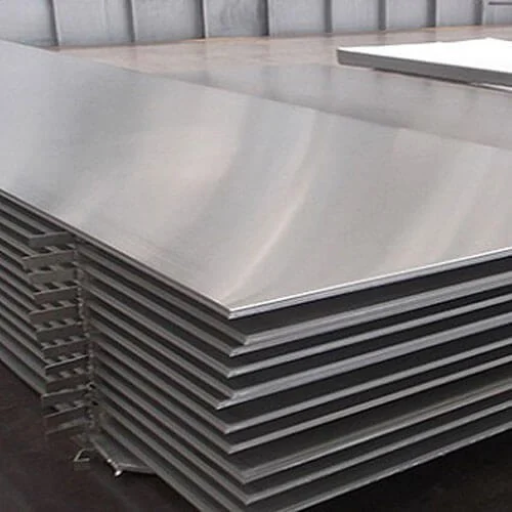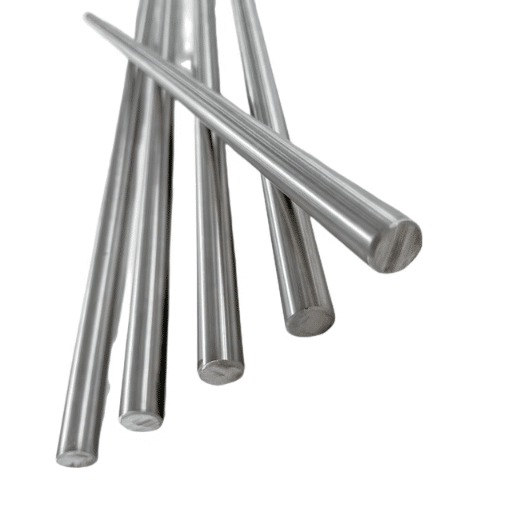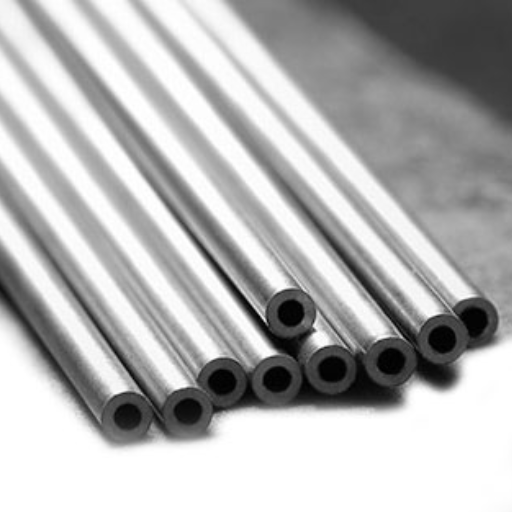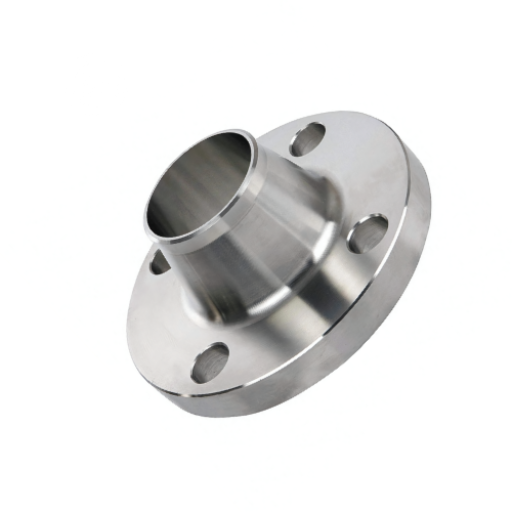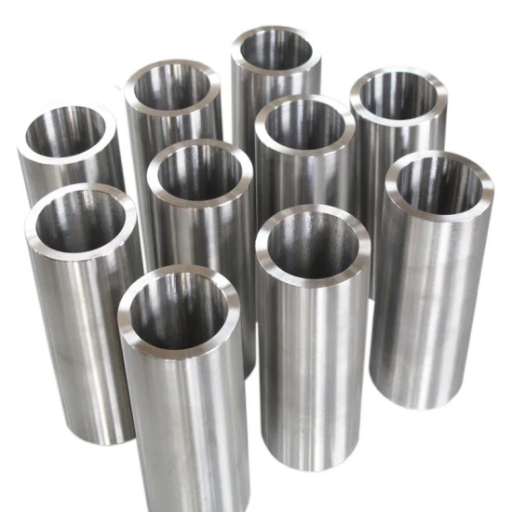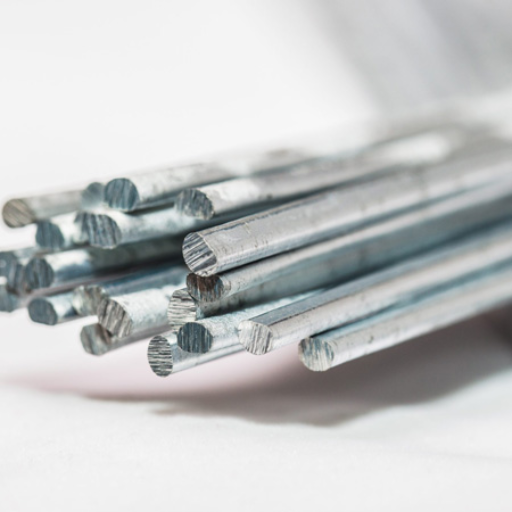
Titanium is frequently dubbed a “wonder metal,” and the main reason for that is its remarkable strength, lightness and resistance to corrosion at the same time. It is indeed the ninth most abundant chemical element in the Earth’s crust, but still, its price takes aback those who want to apply its fantastic properties. What leads to the situation where such a widespread material is still expensive? The answer is one of the complex extraction methods, energy-consuming production and great demand in several sectors, like aircraft, medical and luxury goods, coming together to form one big contradiction. We will reveal the intricate reasons behind the expensive price tag of titanium, letting you in on the economic and practical factors that make this element both priceless and costly at the same time.
Introduction to Titanium and Its Significance
Titanium’s Overview as a Metal
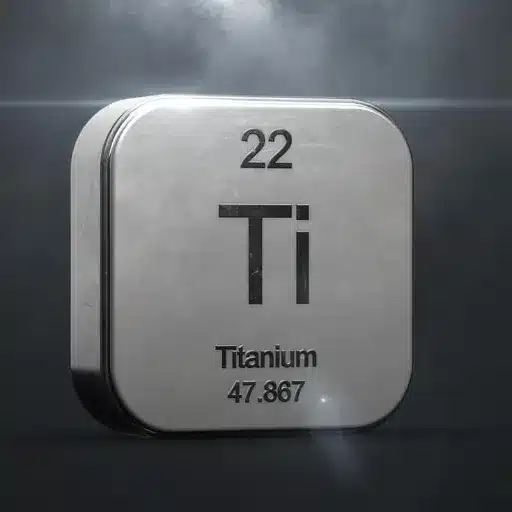
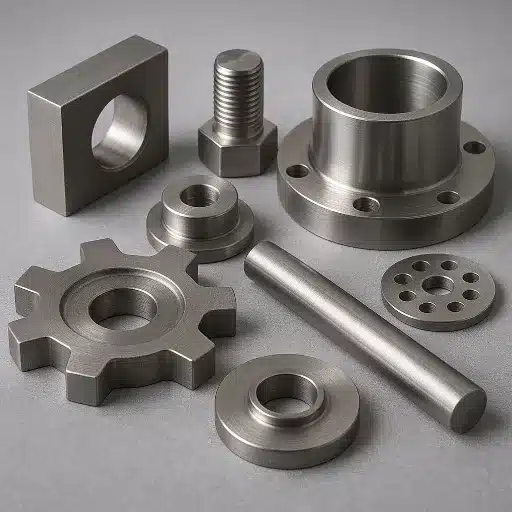
Titanium ranks as a very light but yet extremely strong metal because it retains an extremely high level of its purity as well as its high-quality metallic feeling. This element is a transition metal with an atomic number of 22 and a lustrous, silver-gray appearance. Titanium, in addition, is among the very few metals that present the highest strength-to-weight ratios therefore, it is much favored in all branches of industry that demand durable materials that do not weigh too much.
Key Properties of Titanium:
- Exceptional resistance to extremely hot and very corrosive environments
- Superior strength-to-weight ratio compared to most metals
- Outstanding biocompatibility with human tissue
- Lustrous silver-gray appearance with metallic properties
Industry Statistics: Current data has it that titanium metal production is roughly 200,000 metric tons a year, which is a clear sign of the metal’s versatility that spans across the very different sectors of aviation, health care, and luxury goods.
One of the main reasons for titanium’s wide use is its unique properties. The metal is able to resist extremely hot as well as very corrosive environments thus, it has been accepted in aerospace engineering, marine, and chemical processing industries as well as in many others. On top of that, the metal’s human-tissue-like compatibility has made it to be the primary choice material for participating in making medical implants like hip and knee replacements along with tooth implants.
Titanium’s cost is huge and that is because of the complicated extraction and purification process that is done through the Kroll process that requires many stages of energy-intensive operations. Even though the element is very abundant in the earth’s crust, the challenge of production costs makes it a premium material for specialized applications.
The Usefulness of Titanium in Modern Industries
Titanium’s top-notch strength-to-weight ratio, corrosion resistance, and biocompatibility have made it so crucial in modern industries that it can hardly be replaced. The best thing to illustrate this is the example of the aerospace sector where titanium is used to manufacture such aircraft components as engine, airframe, and landing gear because it can take not only very high temperatures but also very high pressure without giving up its lightweight nature.
🚀 Aerospace Industry
Used in engine components, airframes, and landing gear for its ability to withstand high temperatures and pressure while maintaining lightweight properties.
⚕️ Medical Field
The only material for producing strong and forever-lasting surgical implants like joint replacements, bone plates, and dental implants due to biocompatibility.
⚡ Energy Sector
Utilized in chemical industries and equipment exposed to harshest environments like desalination plants and offshore drilling platforms.
Market Outlook: Estimates show that the global aerospace titanium market has passed beyond just good times and is going to grow significantly, owing to the upcoming advancements in space exploration and the increase in commercial airplane travel.
Quite the same, in the medical field, titanium has reached the point of being the only material for producing strong and forever-lasting surgical implants like joint replacements, bone plates, and dental implants. The implant material’s biocompatibility lowers the chance of immune rejection and thus it becomes the most preferred material. All these applications show the versatility of titanium as well as its crucial role in the innovation of multiple sectors.
Aim of the Article
The article’s aim is to analyze titanium’s various applications and to point out its significant impact on different industries. Our study of the metal’s properties i.e., strength, corrosion resistance, and biocompatibility, will help us to present titanium as an indispensable material in modern technology and manufacturing. Thanks to the latest data from search engine analysis, we try to give answers to the most important questions concerning titanium’s ubiquity and possible future developments, thus endowing the readers with a well-rounded comprehension of its role as an innovator and a solver of up-to-date challenges.
Factors Influencing the Price of Titanium
The Pure Form Rarity of Titanium
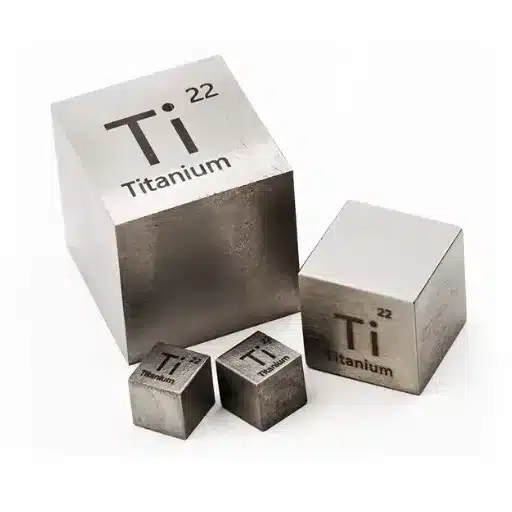
Among the main reasons for titanium’s high price, its rarity in pure form is one of the most significant. Even though it is the ninth most common element in the Earth’s crust, titanium is very rarely present in its pure metallic form. Generally, it is present in combination with other metals in ores like ilmenite and rutile. Pure titanium extraction is expensive, as it is a labor-intensive and time-consuming process that requires the use of energy-intensive methods like the Kroll process, among others.
Continuous improvements in extraction techniques are still being developed, according to the latest information from search engine analysis. Nevertheless, the difficulties in separating titanium from its ores combined with its demand in the aerospace, medical, and automotive industries make titanium a valuable and strategically important material.
The Extraction Process and Production of Titanium
The professional extraction and production of titanium mainly come from the energy-intensive processes that are needed to get titanium from natural ores, the likes of ilmenite and rutile, which are the primary sources of titanium. The Kroll process is indeed a good method and has gained popularity, but it is an expensive method and it has a negative impact on the environment since it is done at a high temperature and chlorine gas is used.
Emerging Extraction Technologies:
- Plasma Arc Melting: Advanced technique aimed at increasing efficacy while reducing environmental footprint
- Molten Salt Electrolysis: Innovative method being developed to improve production efficiency
- Enhanced Hydrometallurgical Processes: Research focused on decreasing required energy and simplifying production
- Direct Powder Production: New developments intended to reduce cost per unit
The high price of titanium is a result of the extractor processes that are very complex and require a lot of energy, the limited availability of high-grade ores, and the widespread use of titanium in the aerospace industry. It is strong and light, and its resistance to corrosion makes it indispensable. Titanium is still a premium material due to the challenges in production, and it remains strategically significant in global markets, especially in research aiming to improve its production and reduce its cost.
The Kroll Process Detailed
The Kroll Process is the main technique utilized for producing titanium metal from its natural ore. This process, developed in the 1940s by William J. Kroll, consists of transforming titanium ores, e.g., rutile or ilmenite, through chlorination, into titanium tetrachloride (TiCl₄). The TiCl₄ is then reduced to titanium sponge (a porous, metallic form of titanium) with either magnesium or sodium in a high-temperature, inert atmosphere. The sponge can then be melted and manufactured into the final product, metal.
Kroll Process Steps:
- Chlorination of titanium ores (rutile or ilmenite) into titanium tetrachloride (TiCl₄)
- Reduction with magnesium or sodium in high-temperature, inert atmosphere
- Formation of titanium sponge (porous, metallic form)
- Melting and manufacturing into final metal product
Challenges: Even though the Kroll Process is dependable and generates high-quality titanium, it is also energy-consuming, expensive, and slow. Researchers are trying to develop more efficient and eco-friendly methods; however, the Kroll Process is still the world’s standard due to its maturity and scalability.
Demand for Titanium in Specialized Applications
Aerospace Industry Requirements
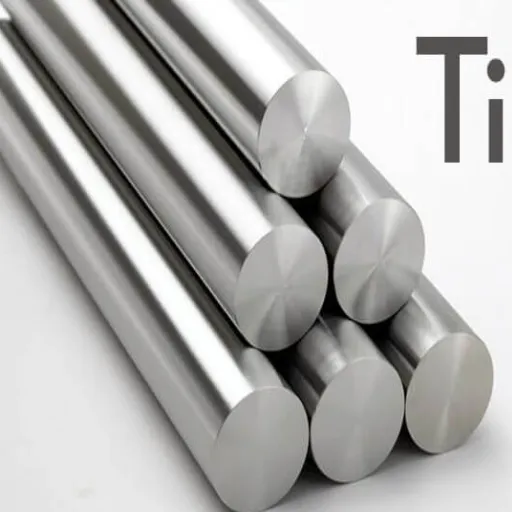
Titanium has a never-ending requirement in the aerospace trade because of its remarkable properties of high strength, low weight, and resists corrosion. These characteristics not only make titanium very appropriate but also very necessary in the creation of critical elements of the like, for example, engines, airframes, and landing gear of aircraft.
Aerospace Titanium Market Growth Drivers:
Rising Aircraft Supply
Eco-Friendly Aviation
Fuel Efficiency Needs
Weight Reduction Goals
Recent studies have revealed that the worldwide market for aerospace titanium is going to witness a substantial increase in the near future, all thanks to the rising supply of both civilian and military aircraft. The trend across aviation of being eco-friendly and more efficient in fuel consumption has thus far been falling, if at all, towards titanium since it reduces the weight of the entire aircraft which in turn leads to lower fuel consumption along with lower carbon emissions. Newer manufacturing processes like additive manufacturing (3D printing) are gradually able to make better use of titanium thus being in sync with the industry’s effort to innovate as well as save costs.
Medical Applications of Titanium
Titanium is an important element in medical science today, mainly in the area of medical implants, artificial limbs, and surgical instruments. Biocompatible titanium can be considered as immune to toxicity and gets integrated with human bones very well, which is called osseointegration. Aesthetic dental implants, joint replacements, and bone plates can think of titanium as the main material.
Medical Applications Overview:
| Application | Success Rate | Key Benefit |
|---|---|---|
| Dental Implants | >90% | Osseointegration |
| Joint Replacements | High | Biocompatibility |
| Bone Plates | Excellent | Corrosion Resistance |
Besides that, titanium’s outstanding ability to resist corrosion is a guarantee of its durability in the human body for a long time, even in rough situations like getting along with the body fluids. Recent statistics indicate that titanium implants have had more than 90% success in operations such as dental restorations, which is a clear proof of its dependability. New technologies like 3D printing are not only changing the traditional scenarios in the case of titanium but also making patient-specific designs possible and minimizing waste in the process of manufacturing. To some extent, this combination of innovation and practicality solidifying titanium’s status as a material that is vital in the medical sector.
Emerging Uses in Other Industries
The versatility of titanium does not stop at the medical field as it has been applying and reapplied anew in the aircraft, car, and energy industries. By the way, according to the last word in the data, the aviation industry is the biggest titanium market as it uses this metal for making parts like landing gear and fuselage that both need to be lightweight and resistant to corrosion.
🚗 Automotive Industry
The metal is doing its share in making performance cars lighter and more suitable by coming into play in exhaust systems and engine parts.
🌊 Energy Sector
Titanium usage mainly in renewable energy like wind energy on seas where titanium’s traits like resistance to the corrosive environment and durability come handy.
The string of advanced technologies alongside the demand rise for eco-friendly materials is a heavy root of the cause for titanium’s persistence and the continuous redefinition of its role in these industries.
Titanium Grades and Their Impact on Pricing
Various Grades of Titanium and Their Uses
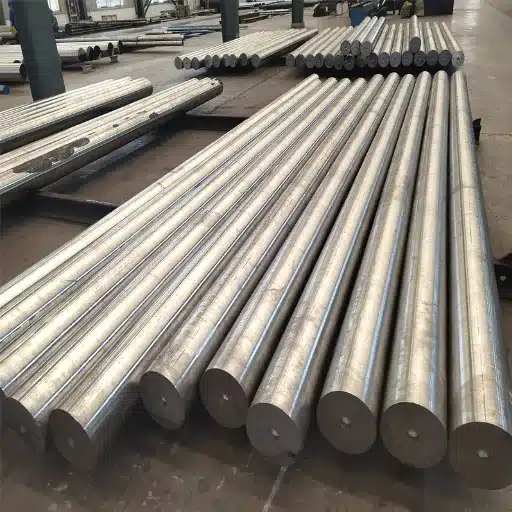
Titanium can be described in terms of its different grades, each of them customized according to the application area and possessing particular traits. The grades that are utilized most are as follows:
Pricing Principle: The price of each grade is determined by its composition, processing, and market demand. The alloyed grades, viz. Grade 5 and Grade 23, typically have a higher price than the commercially pure grades like Grade 1 and Grade 2. The decision on which titanium grade to use mostly revolves around the needed power, the environment, and the cost-effective balance that should be present, thus allowing different industries to gain the best outcomes for their applications.
How Grade Impacts Processing Costs
The titanium grade has a substantial impact on the processing costs since in most cases the higher grades are subjected to complex and costly manufacturing techniques. For example, the allure of the principal grades leads to the installation of extra steps for alloying element preparation, strict heat treatments, and thorough quality control measures. These features result in higher energy usage, longer production time, and more labor, thus increasing costs. In contrast, the commercially pure grades, such as Grade 1 and Grade 2, have less consumption of intensive processing, which ultimately leads to a reduction in overall costs.
Cost-Reducing Technological Advances:
- 3D Printing (Additive Manufacturing): Helping manufacturers to efficiently produce high-grade titanium while keeping costs down
- Improved Recycling Methods: Enhanced techniques for processing titanium scrap and closed-loop systems
- Environmental-Friendly Practices: New techniques being explored to cut down waste during processing across all grades
- Advanced Quality Control: Automated systems reducing labor costs and improving consistency
Recent trends, as highlighted by latest search data, reflect an increasing interest in less expensive solutions for industries dependent on titanium. The relationship between material grade and new technologies proves that the industry is trying hard to achieve a good balance between performance and cost-efficiency.
Demand for Certain Titanium Grades in the Market
The market demand for specific titanium grades is mainly determined by their usage in different industries. Grade 5 titanium, or Ti-6Al-4V, is still the most popular one because of its strong-to-weight ratio as well as resistance to corrosion—this makes it the first choice for the aerospace and medical fields. Conversely, grade two titanium is the most common metal used in chemical-processing and marine environments because of its superior resistance to corrosion in oxidizing and mildly reducing conditions.
Market Demand Trends:
Growing Sectors: New research shows that along with the gradual increase of these grades, especially in the aerospace and corrosion-resistant titanium applications, search trends have also uplifted, which means that there is a steep rise in peoples curiosity regarding these terms.
Green Energy Impact: The continuous growing interest in green energy and electric vehicles has also driven growth in the demand for grades that are suitable for lightweight and durable components, thereby reinforcing titanium’s market position in the global scenario that is rapidly changing.
Global Supply Chain and Market Dynamics
Challenges in Titanium Supply Chain
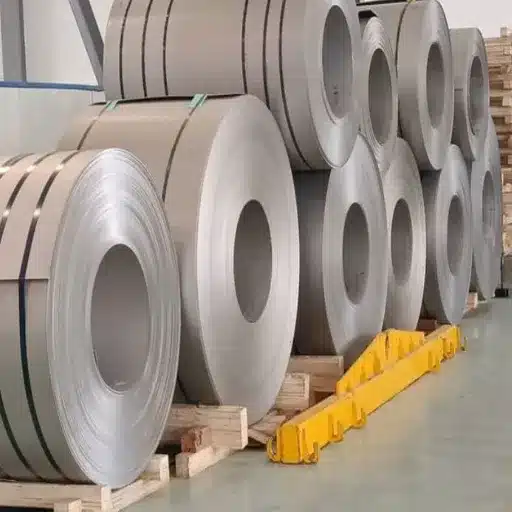
Limited access to a small group of raw material suppliers is one of the key problems in the titanium supply chain. The mining and processing of titanium ore are done in a few regions, which raises the chances of delays and makes the supply chain vulnerable to those regions. Also, changes in geopolitical stability and trade regulations can affect the supply of titanium, resulting in price fluctuations.
Supply Chain Challenges:
| Challenge | Impact | Industry Response |
|---|---|---|
| Limited Suppliers | Vulnerability to regional disruptions | Diversification strategies |
| Geopolitical Instability | Price fluctuations | Strategic stockpiling |
| Increasing Demand | Supply constraints | Recycling innovations |
| Trade Regulations | Supply chain delays | Material optimization |
Market Insight: Recent search trends data indicates that there is an uptick in searches for terms like “titanium alternatives” and “solutions to titanium shortage,” which indicates that people are becoming more concerned about the reliability of supply. The challenges of the supply chain are further compounded by the increasing use of titanium in industries like aerospace, healthcare, and electric vehicles. To these problems, the industry is placing a strong emphasis on innovations such as recycling and material optimization to ensure a more resilient and sustainable titanium supply in the future.
Market Fluctuations and Their Impact on Prices
The titanium market is very much affected by supply constraints, geopolitical tensions, and changing demand from key industries. Recent trends and data from searches indicate that, volatility has been the main characteristic of the global titanium market prices so far, and it has been mainly due to disruptions in the mining and refining operations. Moreover, changes in international trade policies and tariffs have also contributed to the instability of prices.
Supply Constraints
Mining and refining disruptions drive price volatility
Trade Policies
International regulations affect price stability
Industry Demand
EV manufacturing increases competition for supply
A case in point, the huge demand for titanium metal in the making of electric vehicles has led to a situation where buyers are willing to pay more for titanium metal, thus driving up prices. To deal with the market fluctuations, companies are relying more on predictive analytics and advanced procurement techniques with the goal of making their costs more stable and having their operations continue in a sustainable manner despite the uncertainties in the market.
Geopolitical Factors Affecting Titanium Production
Geopolitical conditions and government rules have been major factors in the past that determined the global titanium market. Such countries as Russia, Kazakhstan, and China with their large titanium ore deposits very often influence the market and of course, they are areas where the supplies can be cut off during international tension or there are trade disputes.
Major Titanium-Producing Regions and Their Impact:
- Russia: Sanctions due to geopolitical situations have affected manufacturers dependent on Russian titanium supplies
- China: Strict export controls and priority for local industries have restricted global supply
- Kazakhstan: Significant ore deposits influence market dynamics and supply availability
- Strategic Sectors: Increasing competition for titanium in aerospace and defense sectors viewed as strategically important
National Security Concern: Recent statistics indicate that among the reasons for the volatility of the market is the increasing competition for titanium in the aerospace and defense sectors which are viewed as very strategic. Many countries consider titanium to be one of the key resources for national security, which leads to government involvement in securing the domestic stockpiles. Transportation cost fluctuations and disruptions caused by the pandemic add on to the above-mentioned factors and they all point to the need for more diversification of sourcing strategies and cooperation among countries to ensure a stabilized titanium supply chain.
Frequently Asked Questions
Are the raw materials or the processing steps the main drivers of the high price?
Both raw materials and processing steps are the elements that lead to high titanium prices because making titanium sponge and converting it into pure titanium entails a number of energy-consuming phases. The titanium production method often demands inert gases and meticulous control to minimize the risk of contamination by nitrogen or oxygen as these may negatively affect the properties. The costs accrue from the use of special equipment, prolonged processing time, and the requirement of skilled labor to manufacture titanium alloys. Even the by-products like titanium dioxide and titanium carbide reflect the challenges of working with titanium. For many products, such as watches and jewelry, and aerospace components like titanium plates and bars, the combined unit costs are still higher than for equivalent aluminum and vanadium alloys.
What is titanium’s price compared to the price of other expensive metals?
Titanium is a price-wise expensive metal compared with steel and aluminum because its price is usually higher than that of common metals but lower than that of precious metals like gold. The price of titanium is driven by the rarity of processed titanium sponge, the expenses incurred in producing high-purity titanium, and the marketability of titanium alloy products. Compared to other very common earth elements, titanium has to be processed into commercially usable titanium powder or bars at a higher cost than steel or aluminum production, thus it is still considered a scarce and costly element. Titanium’s high prices influence the used titanium and titanium scrap markets, however, even recycled titanium may be expensive to reprocess. In general, the high cost results from both supply-side limitations and the peculiar qualities of the metal.
Why do the finished goods like titanium plates and jewelry have a high price tag?
The demand for titanium products such as plates, bars, and jewelry is high which is why they are sold at premium prices as they require special tools and techniques for machining and finishing pure titanium metal. The cutting tools are affected by titanium and can be hard to work with, thus manufacturers tend to use CNC processes and controlled atmospheres to avoid contamination by nitrogen or oxygen. The characteristics of titanium – high strength and lightness, corrosion resistance, and biocompatibility – make it very attractive for medical implants, aerospace parts, and luxury items such as watches and jewelry which in turn supports charging higher retail prices. The supply constraints such as limited quantity of available titanium sponge and high-purity titanium feedstock also contribute to the cost of each item. Even titanium alloy products that contain aluminum and vanadium involve material and processing complexities that result in a higher final price.
What are the technical reasons for the high price of titanium?
Titanium is very expensive mainly due to the very high energy-consuming technology in the production of titanium sponge and the necessity to carry out intricate processes for the production of pure titanium metal which is suitable for the most critical applications. The melting point of titanium is so high that specialized furnaces along with inert gas environments have to be used to prevent contamination, which also makes the process costly and limits the production scale. The production process does produce titanium dioxide and titanium carbide as by-products, but these by-products do not reduce the expenses of producing high-purity titanium or titanium powder for additive manufacturing. Production yields and recycling efficiency are lower when compared to metals like steel, hence, the costs per kilogram continue to be high. Moreover, the strong demand for high-performance titanium alloys from the aerospace and biomedical sectors is one factor that keeps prices high.
Will recycling or new methods reduce the high cost of titanium?
Today, titanium is expensive, but research into recycling titanium scrap and developing alternative methods to produce titanium sponge may lower its price in the future. The new developments such as enhanced hydrometallurgical processes or direct powder production which are intended to decrease the required energy and make the whole process of titanium production simpler have the potential to reduce the cost per unit. The use of a greater amount of scrap titanium and titanium from closed-loop systems can facilitate this transition, though there are still processing issues as in the case of the requirement of high-purity titanium or high-purity titanium powder. Some of the market participants such as Huaxiao Metal are already working on the large-scale implementation of such methods, but replacement of the traditional routes will still take a while. Eventually, it will be the clash between the demand for metals like steel or aluminum and the superior properties of titanium that will determine the rate at which prices come down.
Reference Sources
A New Time for Titanium – UC Berkeley
This article explains the high cost of titanium, focusing on the complex Kroll process used in its production.
Low Cost Titanium: Myth or Reality – UNT Digital Library
This paper discusses the specialized uses of titanium and the factors contributing to its high cost, such as its performance benefits in specific applications.
Why is Titanium So Desirable? – Purdue University
This historical article highlights the unique properties of titanium, such as its strength-to-weight ratio, and explains why these attributes justify its cost.