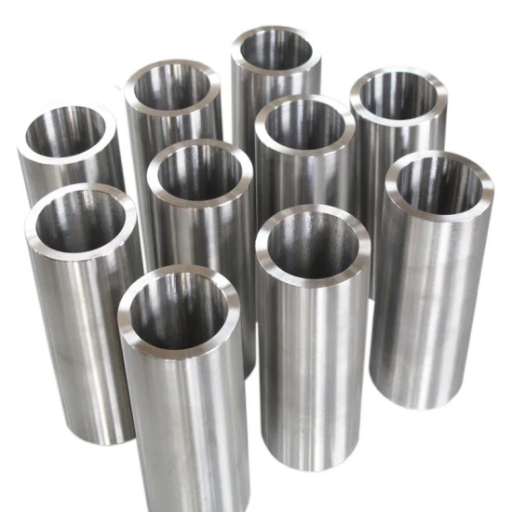
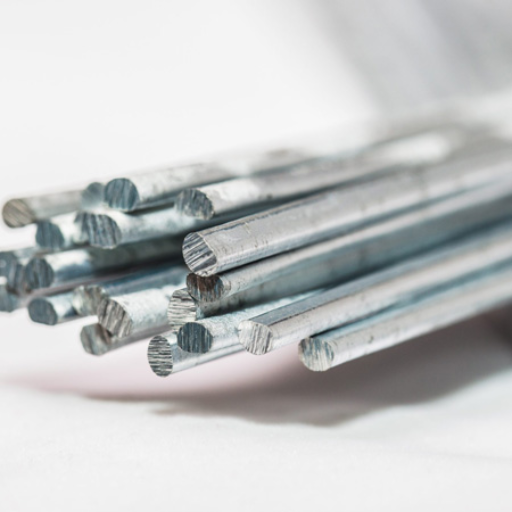
The choice of material for body piercings and implants is crucial for safety and comfort. Surgical steel and titanium are the most common alternatives and among the most favored choices as they are tough, biocompatible, and aesthetically appealing. This guide examines the advantages and disadvantages of both materials, enabling you to make an educated choice based on skin sensitivity, long-term care, and overall suitability for different types of piercings and implants.
Introduction to Surgical Steel and Titanium
What is Surgical Steel?
Surgical steel refers to a particular classification of stainless steel that is designated by the medical industry for body jewelry because of its remarkable properties like durability, corrosion resistance, and biocompatibility. The most common grades used in body jewelry manufacturing are 316L and 316LVM stainless steel. The low nickel content of these grades is beneficial for people with sensitive skin as it helps reduce the risk of allergic reactions.
Surgical steel undergoes stringent quality control that guarantees its compliance with requirements for human body contact. Its affordability, strength, and shiny appearance have made it a formidable choice not only for professionals but also for individuals seeking reliable and safe materials for piercings and implants.
Understanding Titanium
Titanium is a metal that is incredibly durable and lightweight, most often recognized for its unique combination of strength-to-weight ratio and exceptional resistance to corrosion. Titanium is commonly used in the medical field; due to its non-toxicity and biocompatibility, it is a perfect material for implants, prosthetics, and body jewelry.
One of its major advantages is that titanium is a hypoallergenic metal, which is particularly important for people with metal sensitivities because titanium does not irritate or cause allergic reactions. Titanium is frequently preferred over other metals like surgical steel in cases where a combination of strength, lightness, and long-term stability is especially needed. In aerospace engineering, titanium delivers excellent performance even in extreme conditions, whereas in medical procedures, it ensures safe, long-lasting solutions for patient care without discomfort. This versatility and reliability make titanium an extraordinary material in both industrial and personal applications.
Importance of Metal Choice in Body Piercings and Implants
The selection of metal for body piercings and implants plays a major role in safety and long-term comfort. Materials such as titanium and surgical stainless steel are often cited as the most recommended options. Titanium is frequently the material of choice because it is very light, biocompatible, and hypoallergenic, making it suitable for people with sensitive skin or metal allergies. Likewise, surgical stainless steel is a widely accepted option because of its high resistance to wear and corrosion; however, some people who are nickel-sensitive might need to avoid it.
⚠️ Important: Knowing which metals to avoid is crucial. Nickel or lower-quality steel alloys are often the culprits behind allergic reactions, continued irritation, and even the body’s rejection of the piercing or implant.
Inquiries about safe materials for piercings have been steadily increasing, reflecting the growing awareness of the importance of hypoallergenic and high-quality metal selection. Choosing the right material is not just a matter of style but rather a critical factor in user safety and comfort.
Fundamental Properties of Surgical Steel and Titanium
Chemical Composition and Structure
Surgical steel is an alloy mainly consisting of iron, nickel, and chromium. Chromium provides resistance to rust and corrosion, while nickel can attract sensitivity and allergic reactions in some individuals. Titanium, as a natural element, has a marvelous strength-to-weight ratio, is biocompatible, hypoallergenic, and nearly nickel-free, making it an excellent choice for metal-sensitive individuals.
Titanium is consistently the most searched and recommended option when prioritizing chemical stability and minimal skin irritation. While surgical steel remains a promising material because of its price and availability, users frequently inquire about the nickel content of this metal and the associated risks. The question becomes how to balance cost-effectiveness with health considerations, thereby positioning titanium as the better option for allergy-prone people.
Weight and Density Comparison
| Property | Titanium | Surgical Steel |
|---|---|---|
| Density | ~4.5 g/cm³ | 7.8-8.0 g/cm³ |
| Weight Comparison | 60% lighter | Baseline |
| Comfort Level | Superior for long wear | Good but heavier |
This significant contrast in weight makes titanium the go-to option for comfort-seeking individuals when it comes to durable materials, especially for long wear like jewelry or medical devices. Users are particularly curious about which material is lightest and most comfortable for daily use. Titanium is often regarded as the best option, particularly for those who want lightweight materials without losing strength. This quality makes titanium less problematic for applications such as earrings or body piercings where comfort is greatly influenced by weight.
Corrosion Resistance and Durability
When addressing corrosion resistance and durability, titanium is far ahead of other metals, including stainless steel. This incredible metal is resistant to corrosion and oxidation, even in extreme conditions like seawater or chlorine environments, which explains its widespread use in applications from aerospace to medical implants.
Stainless steel is indeed a tough material, but it rusts and corrodes faster than titanium under hazardous conditions. Consumer awareness regarding titanium’s corrosion resistance has grown significantly, reflecting universal acknowledgment of titanium’s ability to withstand hostile conditions while preserving structural integrity, making it the material of choice not only in industry but also in personal use.
Common Applications of Surgical Steel and Titanium

Body Piercings: Which Metal is Best?
In the matter of body piercings, both surgical steel and titanium have their merits, but titanium mostly stands at the top as the best option, particularly for new piercings or patients with sensitive skin. Public interest in titanium’s corrosion resistance and hypoallergenic properties has undergone a drastic rise as more people become aware of the advantages of titanium, including avoiding skin irritation and allergic reactions due to its nickel-free content.
Surgical steel is tough and economical but still leaches some nickel, though in very small quantities, which might be problematic for people who are sensitive to metals. The lightness of titanium makes it easy to wear all day long, and its incredible biocompatibility promotes rapid healing of fresh piercings. Overall, titanium remains the most popular metal and is regarded as the safest, most durable, and best for the skin when it comes to body jewelry.
Medical Implants: Joint Replacements and More
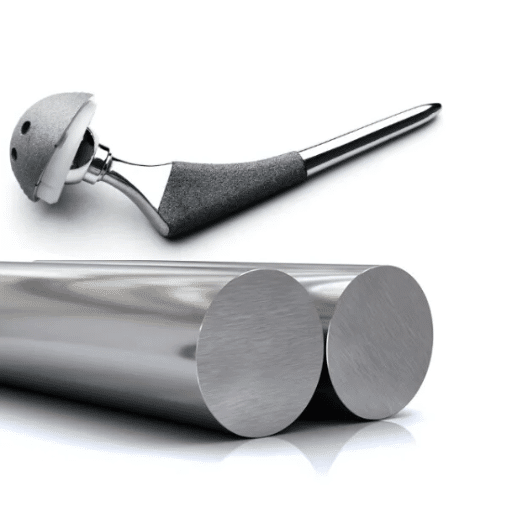
Joint replacement is one of the most important kinds of medical implants that has become the most effective solution for people with severe joint pain or degenerative conditions. Over the years, titanium and cobalt-chromium have been among the materials mainly responsible for the increased durability and success rates of these procedures.
💡 Key Insight:
Recent trends indicate growing interest in less invasive methods and patient-specific 3D-printed implant development. These innovations not only make recovery quicker but also much more accurate, lowering the probability of complications.
For people contemplating joint replacements or other types of implants, it is essential to seek guidance from healthcare professionals who can direct you toward the best and most suitable options, empowering you through the whole process and increasing the likelihood of achieving your desired quality of life.
Other Uses in Jewelry and Industries
Titanium, with all its incredible features, has gained the title of the ‘perfect material’ in different sectors like jewelry and manufacturing. The fact that it is very light but simultaneously very tough makes it ideal for designing modern, attractive, long-lasting jewelry items like rings, necklaces, and bracelets. Titanium is non-allergenic, making it suitable for people with delicate skin or those allergic to other metals.
Besides jewelry, titanium finds applications in the aerospace, medical, and sports equipment industries. In these areas, the material is valued for its high strength-to-weight ratio, resistance to corrosion, and ability to withstand extreme conditions. It is and will continue to be the go-to metal for making aircraft parts, surgical instruments, and performance-enhancing products. From luxurious ornaments to industrial applications, titanium has proved its versatility and importance time and again.
Pros and Cons of Surgical Steel and Titanium
Surgical Steel Advantages
- ✓ Durability: Known for exceptional strength and resistance to wear
- ✓ Corrosion Resistance: Holds up well against rust and degradation
- ✓ Cost-Effective: More affordable than titanium options
- ✓ Low Reactivity: Non-reactive features reduce allergic reactions compared to nickel-containing materials
- ✓ Easy Maintenance: Very hygienic, easy to clean and maintain
- ✓ Scratch Resistance: High strength and scratch resistance for high-stress applications
Surgical steel offers a perfect combination of performance and cost-effectiveness, hence its widespread use in both healthcare and consumer products.
Titanium Benefits
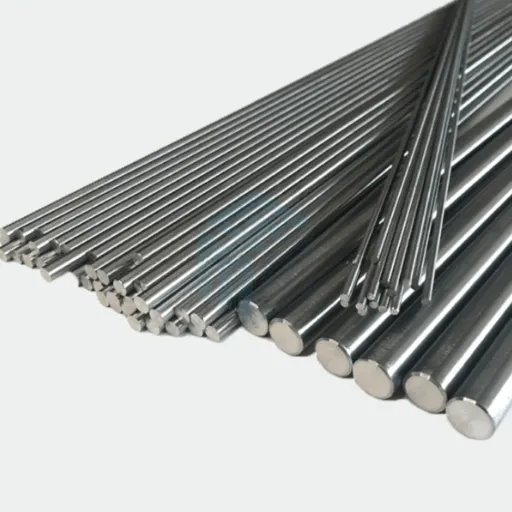
- ✓ Superior Strength-to-Weight Ratio: Highest in the industry for various applications
- ✓ Exceptional Corrosion Resistance: Resistant even in seawater or acidic conditions
- ✓ Biocompatibility: Non-toxic and osseointegrative, ideal for medical implants
- ✓ Lightweight: Enhances efficiency and reduces energy consumption
- ✓ High-Temperature Resistance: Suitable for high-performance applications
- ✓ Hypoallergenic: Nearly nickel-free, minimizing allergic reactions
- ✓ Sustainable: Available in large quantities and fully recyclable
Titanium is regarded as an irreplaceable material in advanced technologies, making it a sustainable and future-oriented choice.
Each Metal’s Possible Disadvantages
While both metals are important for engineering and technology innovations, they also have their drawbacks:
| Metal | Disadvantages |
|---|---|
| Surgical Steel | • Contains nickel which may cause allergic reactions • Vulnerable to rust in humid or marine environments without proper treatment • Traditional steel-making methods have high carbon footprint |
| Titanium | • Most expensive metal to process and extract • Complex and energy-intensive production phase • Hardness makes it difficult to machine, requiring specialized tooling • Higher manufacturing costs overall |
Understanding these drawbacks is important for determining the best applications for each metal, and it also highlights the need for developing environmentally sustainable practices, such as recycling and process innovation, to reduce their impact on nature.
Cost Comparison: Surgical Steel vs Titanium
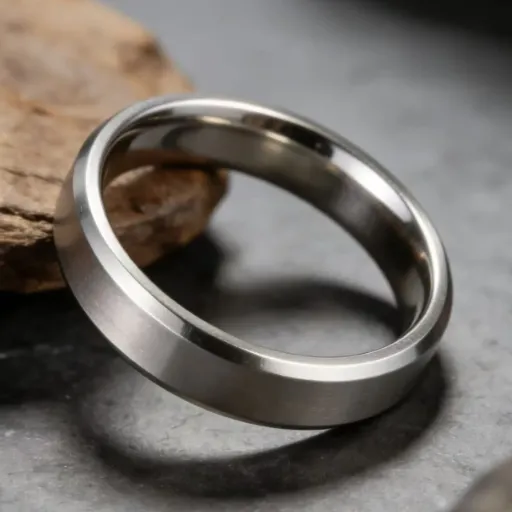
Pricing Overview for Body Jewelry
When examining body jewelry, the price difference between surgical steel and titanium is commonly determined by factors such as brand, design complexity, and material purity.
Surgical Steel
$5 – $15
Basic pieces price range
Easily available and less complex to machine
Titanium
$15 – $30+
Basic to custom designs
Unique or bespoke items can exceed $50
Titanium jewelry is considered an elite choice due to its non-allergenic and lightweight properties. The final decision between surgical steel and titanium depends on personal style, financial constraints, and specific requirements.
Cost Factors in Medical Implants
A range of factors influence the price of medical implants, including material selection, design complexity, and technological advancements. Titanium is among the materials used for medical implants but is on the pricey side due to its specific attributes such as biocompatibility, durability, and hypoallergenic properties.
💰 Average Medical Implant Costs
Common implants (hip or dental): $3,000 – $10,000
Note: This price increases when considering surgery costs, postoperative nursing, or bespoke patient-specific solutions.
Production methods or features that incorporate new design and technology often raise the price of implants. The selection and cost of medical implants depend on the personal needs of the patient, insurance coverage, and the need for specific technological advancements to secure a positive outcome.
Long-Term Value Considerations
In assessing the long-term value of medical implants, it is crucial to consider both initial costs and benefits over time. Implants generally elevate the standard of living by restoring mobility, function, or appearance, which positively influences both physical and mental well-being.
Key Long-Term Benefits:
- Implants can last up to 20 years with proper care
- Modern materials like titanium and zirconium offer improved wear resistance
- Lower replacement frequency reduces long-term costs
- Decreased complication rates compared to older implant varieties
- Enhanced life satisfaction and quality of living
The majority of people point to the longevity and strength of implants as the main reasons for their choice. While the money spent on a top-quality implant may initially appear high, the increased durability, lower chances of developing complications, and greater satisfaction with life often make it a worthwhile investment over the long term.
Frequently Asked Questions
Which one is better for new piercings: titanium jewelry or surgical steel jewelry?
For new piercings, implant-grade titanium is often suggested because of its exceptional biocompatibility and lesser likelihood of causing allergic reactions compared to many grades of surgical steel. Surgical steel jewelry like 316L is durable and economical, but it contains small amounts of nickel which can aggravate people with sensitive skin. Pure titanium or implant-grade titanium promotes faster healing due to its lightweight nature and tissue compatibility. Professional piercers usually recommend titanium or surgical steel based on your allergy history and the specific piercing location. Generally, if there’s concern about irritation, titanium is the better option; after healing has occurred, surgical steel jewelry becomes a popular choice.
What are the main differences between surgical steel and titanium jewelry?
Surgical steel and titanium differ significantly in composition, weight, and biocompatibility. Surgical steel (such as 316L) is an alloy, while titanium is a pure metal with high corrosion-resistance characteristics. Titanium’s lower density and superior strength-to-weight ratio make it a lighter metal, though in most cases titanium is stronger than surgical steel and offers better surface quality for certain styles. Titanium is more often chosen for long-lasting implants and implant-grade applications compared to steel. Price is always a consideration—titanium costs more than steel but provides benefits like reduced allergy risk. For body piercing jewelry and surgical instruments, the decision is usually based on balancing budget, appearance, and the healing process.
Which material is better for sensitive skin – Titanium or surgical steel?
Titanium is usually recommended for people with sensitive skin since it is a hypoallergenic material and less likely to cause allergic reactions compared to many grades of surgical steel. Surgical steel contains very small amounts of nickel that can irritate some people, although 316L surgical steel is generally well tolerated. If you have a history of metal allergies, implant-grade titanium or pure titanium jewelry is often the best fit and is chosen by piercers for initial jewelry. The healing process becomes less variable with titanium or implant-grade titanium because of its unique properties and biocompatibility. In summary, titanium is regarded as the most advantageous option for sensitive skin, although it costs more than surgical steel.
Are there various grades of surgical steel and implant grade titanium that apply to body piercings?
Absolutely! When it comes to jewelry for body piercings, different grades of surgical steel and implant grade titanium are significant in terms of their medical usage. Among the most common grades of surgical steel are 316L surgical steel and other stainless steel alloys that are usually referred to as surgical steel jewelry or surgical steel in the market. Implant grade titanium means the precise medical-grade alloys that are used for implants. Steel of 316L surgical grade is very durable, inexpensive and comes in nickel content and finish variations. Implants made from implant grade titanium are safe for dental and all medical implants as bone and tissue accept titanium very well. When selecting jewelry, talk to your piercer about the given grades to make sure it’s the best choice for both the piercing and the healing process.
Do titanium possess benefits over surgical steel in case of long-term wear?
The long-term durable qualities of titanium include outstanding corrosion resistance, an increase in safety through fewer allergic reactions, and a lesser weight that many consider more pleasant than steel jewelry. The metal has high strength and durability therefore it is an excellent option for those who want to wear piercing jewelry for a long time or for use in medical devices, such as implants. The contrast is that surgical steel is usually priced lower and offered in a wide range of finishes but nickel in surgical steel can cause some discomfort. To make it an implant grade in a medical use, titanium is considered implant grade, and its unique properties that assist osseointegration when used in dental implants or orthopedic hardware. In the end, if you give priority to biocompatibility and long-term comfort, then choose titanium, whereas if cost and hardness are the main concern, then go for surgical steel.
Reference Sources
-
LWW Journals – Comparative Study of Stainless Steel and Titanium Limited Internal Fixation: This study examines the mechanical properties and fixation outcomes of stainless steel and titanium plates in fracture treatment.
Comparative Study of Stainless Steel and Titanium – LWW Journals -
Oxford Academic – A Multicenter Study Comparing Stainless Steel and Titanium: This research compares the stiffness and mechanical properties of stainless steel and titanium in medical applications.
A Multicenter Study Comparing Stainless Steel and Titanium – Oxford Academic -
ResearchGate – Titanium vs Steel in Trauma Surgery: Mechanical Aspects: This study explores the mechanical differences between titanium and steel under load conditions, focusing on their applications in trauma surgery.
Titanium vs Steel in Trauma Surgery – ResearchGate -
ScienceDirect – Titanium Versus Stainless-Steel Plating in Surgical Applications: This article compares postoperative complications and plate removal rates between titanium and stainless steel in surgical plating.
Titanium Versus Stainless-Steel Plating – ScienceDirect