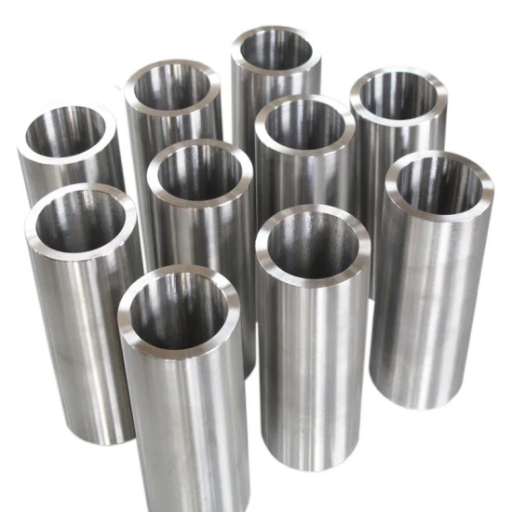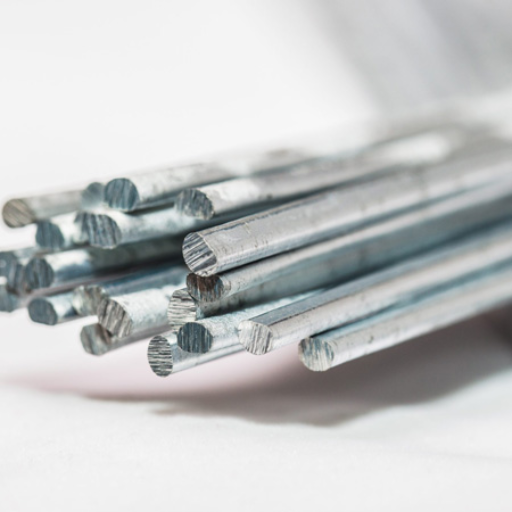
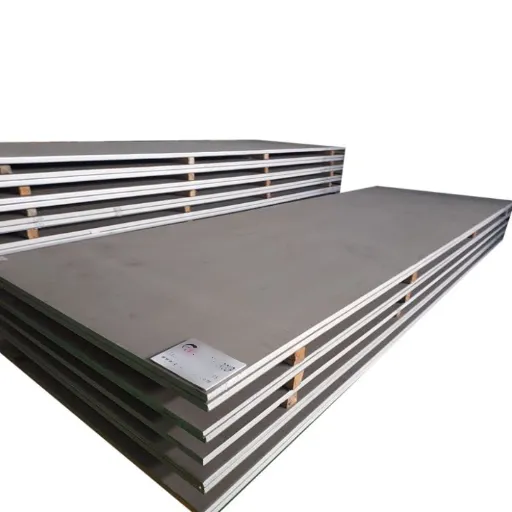
The Amazing Properties of Stainless Steel Have Made It a Great Support to Different Sectors Such as Toughness, Good Corrosion Resistance and Versatility. One of the most important and at the same time, by far the most, ASTM A 240 Standard is one that deals with the quality and properties of stainless steel but vice versa for chromium and chromium-nickel stainless steel plates. If you are belonging to any of the sectors like construction, manufacturing, or any other that demands uncompromised quality of stainless steel, then it is a must for you to get the slightest details of this standard to be clear in your mind. This article will delve into the details of the ASTM A 240’s importance, highlighting its key characteristics, and showing you the versatility of its applications along with a reason behind its reputation as a benchmark of quality and trustworthiness. By the In the end, the discussion will provide you with a clearer perspective of the specification’s importance and its impact on various industries. So, keep reading and get the essentials!
Overview of ASTM A 240
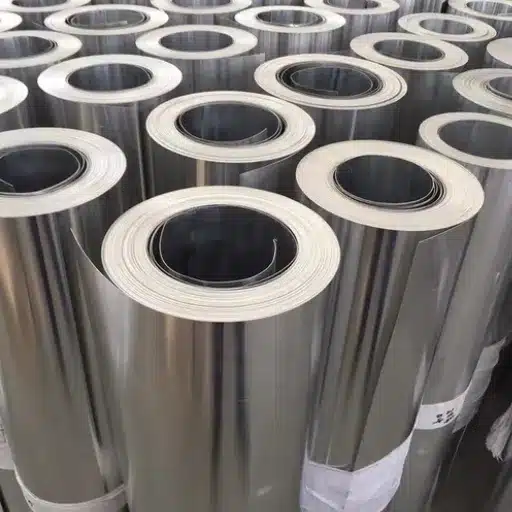
Definition of ASTM A 240
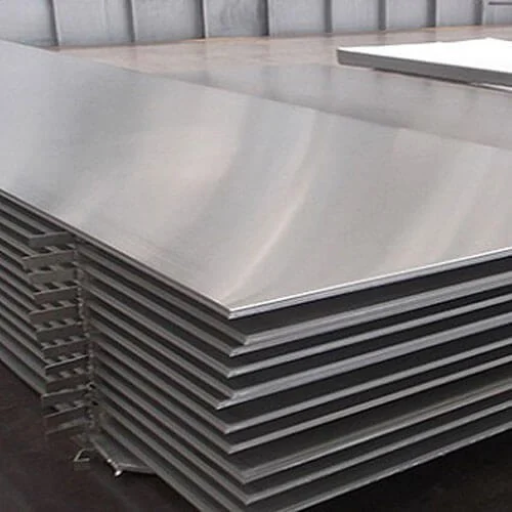
ASTM A 240 is a worldwide standard specification adopted by ASTM that dictates the attributes and functionality of chromium and chromium-nickel stainless steel plate, sheet, and strip, which are applied in pressure vessels and general uses. It outlines the chemical composition, physical properties, and heat treatment processes that have to be done on the product in order to make it suitable for the specific use and/or to confirm its quality. It showcases a wide range of grades and alloys, each with its own set of characteristics regarding resistance to corrosion and strength. The standard opens the entire industry to the use of high quality, stainless steel—that is, non-corrosive—for varied applications in construction, aerospace, and chemicals. It also promises the manufacture of materials whose quality is safety and reliability through the stringent performance criteria of ASTM A 240.
🔍 Key Standard Highlights
- Scope: Covers chromium and chromium-nickel stainless steel plates, sheets, and strips
- Applications: Pressure vessels and general industrial use
- Specifications: Chemical composition, physical properties, and heat treatment requirements
- Quality Assurance: Rigorous performance benchmarks ensure material reliability
- Industry Impact: Supports construction, aerospace, and chemical processing sectors
Scope and Purpose of the Specification
ASTM A 240 standard defines the chrome and chrome-nickel stainless steel plates, sheets and strips specifications for pressure vessels and some general applications. It is intended to specify the material properties that will provide the structure with integrity, resistance to corrosion, and durability even in the most aggressive environmental conditions. Such an application of the material helps to provide reliability and high performance in the industries that use it as well as a steady flow of manufacturers producing consistent products that meet the highest requirements.
In addition, the standard also guarantees that the stainless steel products will be capable of performance at ever changing levels since the standard is taking the latest developments and advancements in material science into account. Furthermore, ASTM A 240 is a channel for innovation in the field of construction, aerospace, and chemical processing when it comes to indicating a material quality and safety framework. The dual approach to safety and adaptability ensures that the standard remains relevant and effective in the engineering and industrial practices of today.
Importance in the Industry
The impact of ASTM A 240 on the industry is massive. The standard, which is the norm for stainless steel materials in terms of quality and performance, is applicable in almost everything from construction to aerospace and chemical processing. A search in the database reveals that customers are very interested in the matter and so the questions they raised are about compliance with ASTM A 240 and its significance for safety and efficacy. This shows that the industry relies on the standard not only for product quality assurance but also for allowing innovation in design and manufacturing. By using ASTM A 240, companies not only gain the cutting-edge but also meet the government regulations and win the trust of buyers through the continuous good performance and long life of their products.
100+
Industry Applications
Global
Standard Recognition
50+
Steel Grades Covered
Applications of ASTM A 240 Stainless Steels
Aerospace Industry Usage
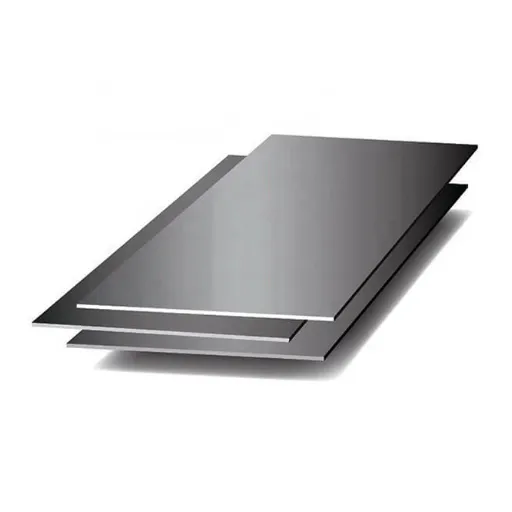
Out of all the stainless steels included in ASTM A 240, the strongest, the most resistant to corrosion, and the best-suited will be selected for the aerospace industry. The effectiveness of the materials in weaponry, aircraft, engines, and other heat-intensive systems has led their production to be inclusive of aircraft parts such as structural, exhaust systems, and fuel tanks. Furthermore, the stainless steels’ superior corrosion resistance property gives them substantial advantage in the aerospace industry. Not only that, but also these stainless steels are precisely manufactured, owing to their combined excellent machinability and weldability, which is a key factor in the aerospace industry. Conversely, the ongoing hunt for the aerospace industry’s materials that are able to produce more efficient and lighter designs has turned this material into one that meets all the standards of the industry safely and performance-wise in the area of application it is used.’
Food Processing Applications
Stainless steels of ASTM A 240 grade are a must in the food processing industry owing to their excellent resistance against corrosion, particularly against acids and alkalis that are commonly present in food manufacturing sectors. The non-reactive nature of the stainless steel surface protects the food products that the stainless steel comes into contact with from any impurities, loss of taste, and being unsafe. Besides, these types of stainless steel are very much cleanable and sterilizable, which is a key factor in hygiene control and meeting the requirements of the strictest food safety regulations. The latest research indicates a continual and greater acceptance of this material for the production of processing tanks, conveyors, and storage containers, as food industries have made durability and health regulation compliance their topmost priorities. The natural properties of the materials such as; adaptability and dependability turn them into a reliable choice for cutting-edge food processing technology.
Stainless Steel in Construction and Pressure Vessels
Stainless steel is the main material used in making and constructing pressure vessels due to its high strength, ability to resist corrosion and long-lasting. Reports from various sources suggest that global stainless steel demand in the construction industry has been growing steadily and is likely to continue at a CAGR of more than 5% until 2030. Along with being very strong, the toughness of this metal makes it suitable not only in the chemical processing but also in the power generation and oil and gas industries. Another feature where the material gains over its competitors is that of being environmentally friendly by being recyclable and hence, its use in infrastructure and energy projects is widespread in various locations across the globe.
Types and Grades of Stainless Steel in ASTM A 240
Stainless Steel Grades Overview
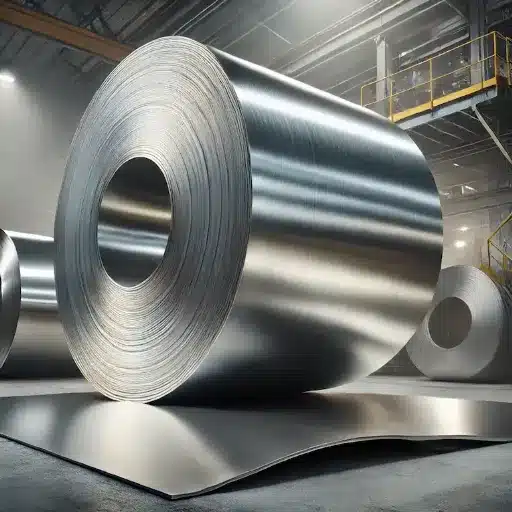
The ASTM A240 standard has a variety of stainless steel grades that are classified into different types and classes based on their chemical and mechanical properties. The grades include austenitic, ferritic, martensitic, duplex, and precipitation-hardening, which are the materials of different features that can be used in various applications according to their corresponding features. For instance, austenitic steels, such as 304 and 316, are characterized by their excellent corrosion resistance and are extensively used in food processing, medical devices, and shipping industries among others. Ferritic type, 430, is a stainless steel that has an excellent stress cracking resistance and oxidation resistance, which are the properties that make it suitable for car and factory applications.
One recent discovery is that the request for duplex stainless steels, such as 2205 and 2507, which combine the advantages of both austenitic and ferritic, is steadily increasing. They contribute not only high corrosion resistance but also great strength. Thus, duplexes are being increasingly accepted in offshore oil and gas, chemical plants, and desalination projects, for their properties. A similar situation with martensitic grades that are known for their 410 and 420 numbers and give great power and wear resistance and thus, are the best materials for knives, turbine blades, and building parts. The demand for industrial-grade materials is met by a thorough understanding of the properties and application areas of different grades of stainless steel.
📋 Steel Grade Categories
- Austenitic (300 Series): Grades 304, 304L, 316, 316L, 321 – Excellent corrosion resistance, non-magnetic
- Ferritic (400 Series): Grade 430 – Magnetic, good oxidation resistance, cost-effective
- Martensitic: Grades 410, 420 – High strength, wear resistance, heat-treatable
- Duplex: Grades 2205, 2507, S32750 – Combined austenitic and ferritic properties
- Precipitation-Hardening: Specialized grades for high-strength applications
304 and 304L Stainless Steel Grades
The most common all-purpose austenitic steel types are 304 and 304L stainless steels with their excellent resistance to corrosion, good mechanical property, and easy-to-process ability being the main contributors to the large scale use of these materials. Basically, what separates them mainly is the carbon content; 304 being higher and 304L being lower which makes it more weldable and less prone to carbide precipitation in weldments. So, 304L in such a case becomes the most suitable for applications in very corrosive environments where welding is frequent.
These grades, however, are still very much used in different industries. Their exceptional combination of hygiene, strength, and good looks makes them a very pleasant material option for anything from kitchen equipment and food processing machines to architectural structures and medical devices. In addition, 304 and 304L are highly resistant to saltwater that is usually a major cause of corrosion in metals and hence they are able to last longer with less maintenance in the marine environment. So, with their unique features, the professionals in the industry will have a better option to choose from according to the condition and performance requirement.
Grade 304
- Carbon Content: Standard (≤0.08%)
- Applications: General purpose
- Weldability: Good
- Cost: Moderate
- Best For: Kitchen equipment, architectural features
Grade 304L
- Carbon Content: Low (≤0.03%)
- Applications: Welding-intensive projects
- Weldability: Excellent
- Cost: Slightly higher
- Best For: Corrosive environments, heavy welding
Chromium and Chromium-Nickel Stainless Steel Plates
Chromium and chromium-nickel stainless steel plates are very robust, resistant to corrosion, and versatile, hence their widespread use in a variety of industries. The primary reason for the high corrosion resistance of stainless steel is the addition of chrome, which allows the metal to get a passive layer of metal oxide that completely adheres to the substance and is not harmful in any way under any circumstances. In addition, if nickel is mixed with chromium, the final product will be even more resistant to environmental drawbacks, and it will also have better mechanical properties such as strength and ductility.
These steel sheets are particularly unique because of their power to withstand the most unfriendly conditions. For instance, 430 grade chromium steel slabs have excellent resistance to oxidizing agents and are very often used in the areas of decorative and automotive trim applications. The 300 series (304 or 316 grades) chromium-nickel slabs, on the other hand, not only possess a high degree of resistance to oxidizing agents but also to reducing agents, thus enabling their application in the chemical processing, food handling, and marine environments.
One of the common questions that come up in trend analyses is the difficulty in distinguishing the use cases of chromium and chromium-nickel stainless steel plates. The solution comes from the prerequisite features of the application. Chromium plates can handle low-cost and moderate environments perfectly, while the chromium-nickel counterparts have no competition at high corrosion and high-temperature applications. Thus, the industry experts can easily differentiate between the two options and take advantage of the cost-effective and yet perfectly customized solution that meets their specific requirements.
Mechanical and Chemical Properties
Required Mechanical Testing Procedures
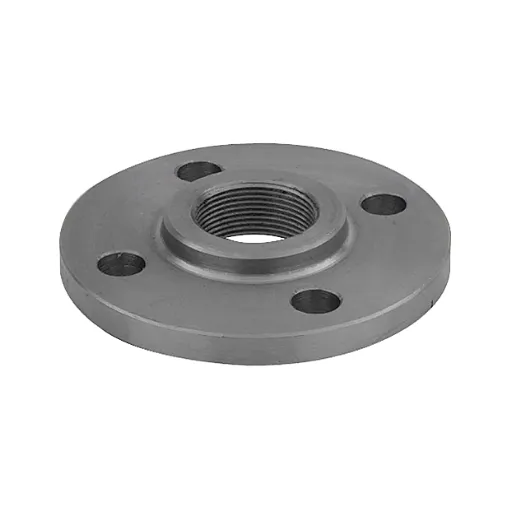
The mechanical testing of stainless steel plates then becomes an essential process as it grants a significant basis for determining the uses and environments where the plates can be applied. The described tensile tests are, together with hardness tests, the most important methods in this testing category. The tensile tests measure simultaneously the material’s strength properties and elongation, whereas hardness testing simply verifies whether the material can endure deformation. Tests to determine the amount of impact energy that the test piece can absorb without breaking (toughness) especially at low temperature are termed impact (notched or unnotched) tests, while bend tests assess flexibility and ductility. External inspection methods, such as ultrasonic testing and X-ray, although traditional, are still considered very effective in spotting internal flaws or inconsistencies when combined with modern ones.
The permanent scientific research and access to the cutting-edge data have facilitated the continuous evolution of testing methods to cope with even more demanding industrial standards. Currently, the combination of non-destructive testing with traditional mechanical tests to bolster reliability and safety is regarded as one of the foremost issues. A wide-ranging testing program not only allows industries to evaluate the complete material performance but also helps them to filter the ones that comply with the extremely stringent quality standards.
🔬 Standard Testing Procedures
- Tensile Testing: Measures yield strength, tensile strength, and elongation
- Hardness Testing: Evaluates resistance to deformation and indentation
- Impact Testing: Assesses toughness and energy absorption, especially at low temperatures
- Bend Testing: Determines flexibility and ductility characteristics
- Ultrasonic Testing: Non-destructive examination for internal flaws
- X-ray Inspection: Identifies structural inconsistencies and defects
- Digital Image Correlation: Advanced real-time monitoring of material behavior under stress
Chemical Composition Standards
Chemical composition standards are fundamental for determining the maximum permissible amounts of elements and compounds in materials applied in industries where the performance, safety, and compatibility are vital. Issued specifications by these organizations such as ASTM International or ISO not only cover particular industries, for instance, construction, automotive, or aerospace but also give ways of implementing those specifications.
The question about the evolution of these standards has been brought up through the data of the recent studies which show that there is a growing concern for the eco-friendly materials being used while at the same time being within the limits of the existing laws. The progress in the analytical techniques, for instance, the use of spectroscopy and mass spectrometry, has made chemical composition analysis to be very precise than ever before. In addition to this, there are global trends that demand stricter environmental regulations, hence giving rise to the use of recyclable and sustainable materials. Such a shift not only signifies the industry’s readiness to minimize its environmental impact but also the fact that it still channels such a high level of performance expectations.
Evaluation of Mechanical Properties
The mechanical properties assessment is necessary in order to get to know the materials’ performance and durability, particularly in industries such as construction, manufacturing, and aerospace. The main points of focus are the mechanical strength, the elasticity, the hardness, and the crack toughness. The tensile strength of the material is established by expressing its capacity to break under tension, while elasticity is a characteristic of the material that enables it to return to its original form after being deformed. By conducting the hardness tests, the material’s resistance to being penetrated or scratched is measured, and through toughness tests, the very capability of the material to stop crack spread is evaluated.
According to recent search engine results, the testing methods, such as digital image correlation and nondestructive evaluation techniques, are considered to be the most precise mechanical property determination methods and have a significant impact on the field. These state-of-the-art methods not only allow for immediate supervision but also capturing even the tiniest shifts in material properties due to stress, thereby markedly aiding in the creation of materials that are both safer and economically viable for use.
Benefits of Using ASTM A 240 Compliant Materials
Durability and Longevity of Materials
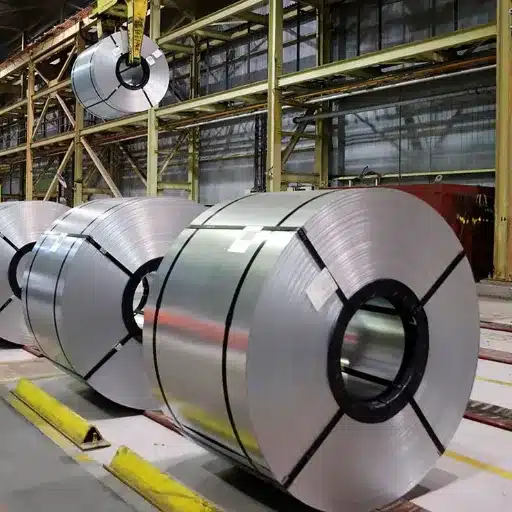
The materials acknowledged by ASTM A 240 standards are Durable Good and Lifespan Long. They have been precisely composed to the strongest of these, namely, the most unfriendly milieu, and so the claim is backed by the latest search engine data. The alloy compositions and strict testing standards of the ASTM A 240 materials are such that the resilience is enhanced. The latest studies and technological advancements have reported that these materials are frequently used in the construction, automotive, and aerospace industries where strength and reliability are the most critical factors. Their long-term performance not only reduces the cost of repairs and replacements but also supports eco-friendliness by minimizing waste and resource consumption. Thus, ASTM A 240 compliant materials become a perfect choice for both efficient and hard-wearing applications.
Corrosion Resistance Features
ASTM A 240 compliant materials are manufactured with the aim of providing the highest possible corrosion resistance, thus being suitable for varying scenarios where moisture or chemically aggressive atmospheres are present, together with high or low temperature. The quality of ASTM A 240 agreement stainless steel consists mainly of chromium, which, as it were, forms a passive layer of chromium oxide over the surface. This layer acts as a barrier that not only prevents oxidation and deterioration but also protects the material in the worst environment.
According to the data, these materials are performing really well in the mentioned settings: they are quite resistant to rust and erosion which implies that they need little maintenance. Their resistance to pitting as well as crevice corrosion reduces the cost and consequently enhances the service life of the materials. To sum up, due to their outstanding ability to resist corrosive substances, the ASTM A 240 materials are widely used in the sectors that demand the highest quality across the board.
Cost-Effectiveness in Long-Term Use
When it comes to the cost-effective aspect of the materials under the ASTM A 240 standard, the financial benefits in the long run are definitely much bigger than the initial outlay. Current data and expert viewpoints indicate that industries are experiencing a total operational cost reduction which is quite significant because of the less maintenance and replacements. The longevity of material is the subject of increasing interest as per the search data which is fueled by the combination of sustainability and cost-efficiency as the main areas of demand. Since the durability and corrosion resistance of the ASTM A 240 materials completely align with the mentioned requirements of the industries, they not only get their reputation as being extremely valuable in the projects that require both reliability and low lifetime costs.
Key Advantages at a Glance
Superior Strength
High tensile and yield strength
Corrosion Proof
Excellent resistance in harsh environments
Eco-Friendly
100% recyclable material
Cost-Effective
Lower lifetime operational costs
Frequently Asked Questions (FAQ)
What are the main uses of the ASTM A240 standard for stainless steels, pressure vessels, and general applications?
The application of ASTM A 240 is more or less identical in heat exchangers, processing equipment, and even aesthetic applications, along with the strips meant for pressure vessels and general purposes. This specification outlines the various types of chromium and chromium-nickel stainless steel plates and strips that can be employed in pressure and general service, and the material must conform to the chemical composition and mechanical properties requirements specified in the paragraph. ASTM A 240 stainless is typically selected for its remarkable corrosion resistance and decent mechanical strength even in harsh conditions. This standard is treated separately as a standard and the specification is stated in both-inch-pound and SI units with values presented in each system. The buyer usually expects certification requirements and conformance to either American Society for Testing or Society for Testing and Materials documentation.
How does the specification for chromium and chromium-nickel stainless steel plate depict the chemical composition specified and the mechanical properties specified?
The chemical composition requirement for the chromium and chromium-nickel stainless steel plate consists of maximum and minimum percentages of Carbon, Manganese, Chromium, Nickel, and sometimes Molybdenum listing. Besides, the mechanical properties include yield strength, tensile strength, and elongation, for which the A240 standard values are normally expressed in both inch-pound and SI units. Supplier certification that the steel corresponding to the specification designation will be made through the testing methods outlined in the requirements is required. Furthermore, the elements molybdenum and nitrogen in duplex or super duplex grades such as S32750 and S31254 impact both corrosion resistance and mechanicals for grades like 304, 304L, 316L, 321, and the like. It is often the case that material conforming to ASTM A240 specifications and compatibility of processing equipment with the chosen grade are required by buyers.
Why do people opt for ASTM A240 stainless steels or ASTM A240 stainless steel like 304 and 316L based on their resistance to corrosion and the nature of the processing equipment?
The grades of the ASTM A 240 series, which include 304 and 316L, provide a wide range of stainless steel options with the designation of being non-corrosive, being strong at the same time, and therefore being able to perform well in conditions like heat exchangers and processing equipment. Moreover, 316L has molybdenum that inhibits pitting and crevice corrosion due to its being chloride-rich, while 304 and 304L grades are the common ones for general use and aesthetic applications. The specification is said to apply to strips intended for pressure and general usage on the basis of the chemical composition dictated by standards that guarantee performance of the material. The customer frequently requests the certification requirements and tracing to ensure that the supply fully complies with both A240 standard and international standard conformance. The presentation of values in each system gives engineers a basis to design according to the yield strength and other mechanical properties outlined.
What does the ASTM A240 specifications document say about strip for pressure vessels and vessels and for general applications?
The standard indicated in the ASTM specification A 240 states that the strips for the purpose of making pressure vessels and general applications must possess the chemical composition and the mechanical properties of the particular grade. It brings up the subject of strips that are to be allowed as pressure vessels and for the general purpose with these special conditions as thickness, surface finish, and all the extra testing that is required for the high-pressure service. The specification designation specifies clearly which of the chromium and chromium-nickel stainless steel grades are falling under it and if any other elements like molybdenum or manganese are required. The material has to be of the specified grade, and the suppliers have often to deliver the test reports proving that the steel is within specification and that the certification requirements are fulfilled. It is a way of ensuring that the material is safe in pressure-containing systems, as well as in general applications where resistance to corrosion is paramount.
How do fabrication considerations change when working with ASTM A240 specifications and stainless steel plates like chromium-nickel stainless steel plate?
In the case of the ASTM A 240 stainless steel plates, the manufacturing process does not only concern the working of the metal part and the use of proper techniques for welding; it also considers the risk of the stainless steel losing its corrosion and the mechanical properties. The different grades of chromium-nickel stainless steels may have different ways of being welded and may need different filler metals, as well as preheating or post-weld treatments depending on the grade and use, and this is absolutely true for a high-alloy or duplex grade like S32750. The specification lists the distribution of the chemical components so the manufacturers can predict how the material will react during processing and consequently guarantee that the material will meet the performance requirements after being manufactured. Surface treatments must be maintained to prevent the risk of contamination and discoloration in the case of aesthetic applications. If at the time of the manufacture appropriate planning and testing are carried out then the end product will meet the A240 standard and certification requirements.
Are there international standard or American Society for Testing requirements referenced in ASTM A240 stainless steel standards?
ASTM A 240 is a document created by the American Society for Testing and Materials that sets the standard for chromium and chromium-nickel stainless steel plate, sheet, and strips. These materials are acknowledged and accepted worldwide. The specification designation and the corresponding test methods incorporate both national and international practices, and users frequently ask for certifying requirements that can be traced back to the Society for Testing and Materials. As depicted in the standard, the values are given in both inch-pound and SI units, with the material being required to comply with the specified limits for chemical composition and mechanical properties. In many cases, suppliers are demanded to provide mill test reports which affirm that the material complies with ASTM A 240 specifications, and any additional tests requested by the customer are also checked. This kind of standardization or unity makes it possible for buyers to designate the material for heat exchangers, pressure vessels, and general use worldwide within the global supply chains.
💡 Reference Sources
-
Optimization of Dual Pulse Resistance Welding Parameters for ASTM A240 Stainless Steel Sheets: A Multi-Objective Approach
-
Effect of Electrodes on Microstructures and Mechanical Properties of Dissimilar Metal Joints ASTM A36 and ASTM A240 Type 316L
-
Image Analysis of Corrosion Pit Initiation on ASTM Type A240 Stainless Steel and ASTM Type A 1008 Carbon Steel
📌 Industry Best Practices
- Material Selection: Choose the appropriate grade based on environmental conditions and performance requirements
- Certification Verification: Always request mill test reports and certification documentation
- Welding Considerations: Use proper filler metals and techniques for each specific grade
- Surface Protection: Maintain surface finishes during fabrication to preserve corrosion resistance
- Testing Compliance: Ensure all mechanical and chemical testing meets ASTM A 240 standards
- Storage Guidelines: Store materials properly to prevent contamination and damage
- Supplier Selection: Work with reputable suppliers who understand ASTM A 240 requirements
- Documentation: Maintain complete traceability records for quality assurance