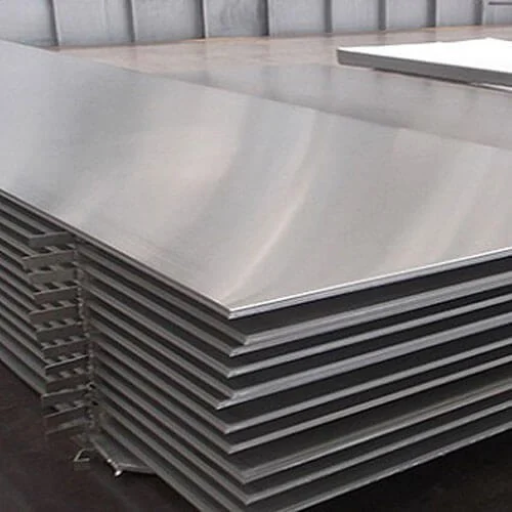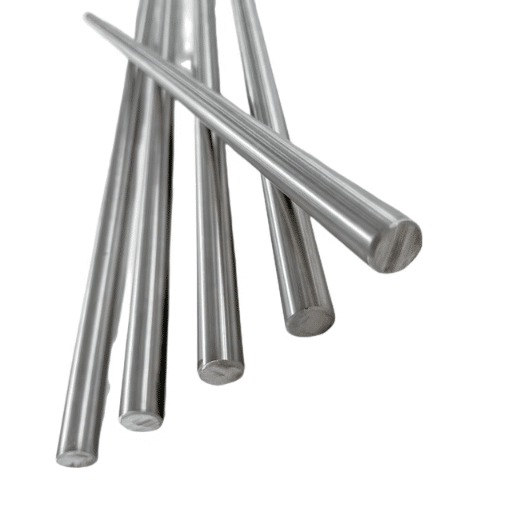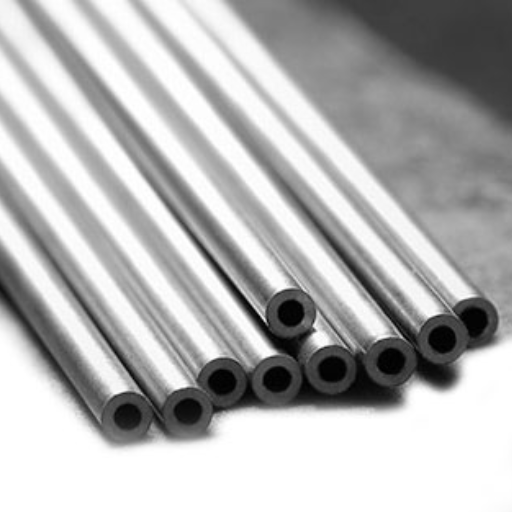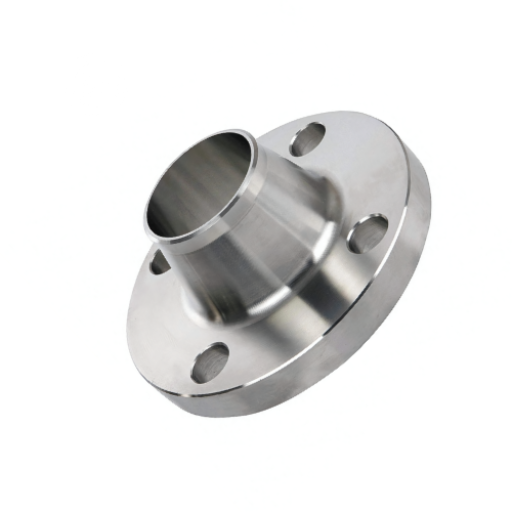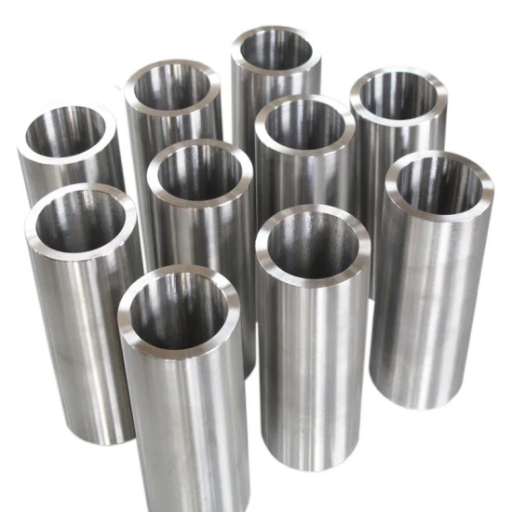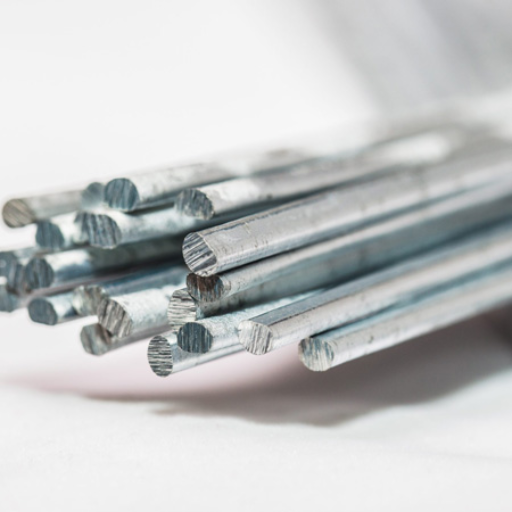
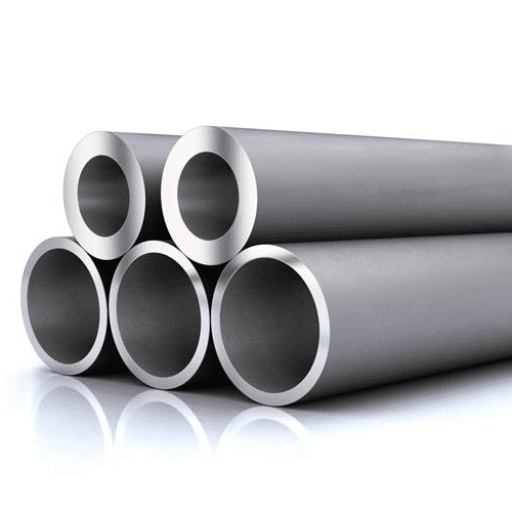
Surgical consumables like the 2507 stainless steel pipe as well washing its fiberglass is essential in divisions with the most aggressive fluids as well as one of the pressing loads. Alloys of the duplex and super-duplex series including 2507 exhibit a unique combination of strength properties and aggressive environment stability. As a result, their use is invaluable for construction in chemical, offshore gas, and oil as well as marine industries. The paper offers a detailed analysis regarding the welding and forming aspects with practical uses of PBX fiber optic cables cases with an emphasis on aclar tubes over the extensive range of applications that enjoy better service involving stainless steel than stainless steel. Whether you are an engineer veteran, a buyer of these supplies or just someone who fancies improving their understanding of fine alloys more than these general contents will enable one make better purchases.
Understanding 2507 and Its Properties
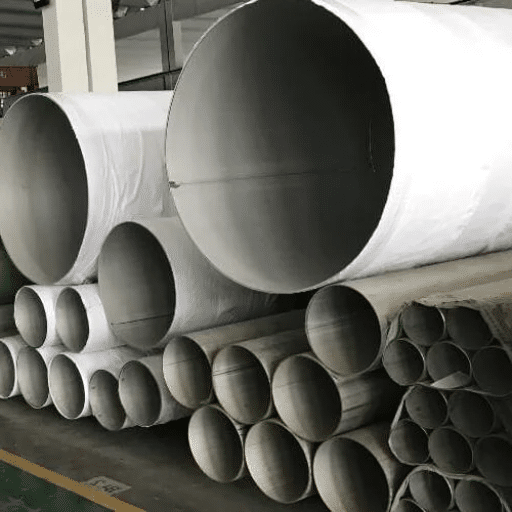
What is 2507 Stainless Steel?
The UNS S32750 grade is often referred to as 2507 super duplex stainless steel pipe thanks to its great anti-corrosion and superb mechanical characteristics. The composition of this steel is, on approximate, 25% chromium, 4% molybdenum, and 7% nickel amidst other important components like nitrogen. A balanced cocktail of this components makes it possible for grade 2507 to have a very high degree of immunity against pitting, crevice and chloride stress corrosion cracking even in such tough conditions like for example offshore or chemical processing.
Key Composition
- Chromium: 25%
- Molybdenum: 4%
- Nickel: 7%
- Nitrogen: Essential ingredient
2507 stainless steel pipe is made from the weld metals of duplex stainless steel which are metallurgically formed from a blend of austenitic and ferritic phases. Thus, the ductility of the material is considered to be at a high level. The limit for tensile strength is greater than 800 MPa, which is equal to or is about 116,000 p.s.i, and the material yields at a non–conventional plastic strain, which also contributes to controlling the dimensions of this material due to high thermal loads. Certain other features such as a reduced coefficient of expansion and thermal heat resistance also allow its use for some applications, such as heat exchangers, desalinisation facilities, and others.
It is a modern material, as it maintains reliability and economy because it has a longer service life with lower upkeep costs and does not fail with use in heavy application environments demanding high performance solutions.
Fundamental Features of Duplex 2507
1. High Corrosion Resistance and Strength
Mechanical strength of 2507 stainless steel pipe is very high; the tensile strength is about 550 – 800 mega Pascal. The microstructure of it (austenitic + ferritic) delivers outstanding resistance to pitting and crevice corrosion, as well as stress corrosion cracking stressing SCC higher than the existence of a concentrated chlorides such as seawater, or chemical process industries.
2. Great Stability in Terms of Temperature
Due to its low thermal expansion coefficient and thermal conductivity properties, it is employed in works that do not experience drastic changes in temperature. Also, it can beautifully work in extreme conditions, the least being low temperatures and the highest being 572°F which equates to 300°C.
3. Weldability is Better Than Ordinary Skill Level
The fabrication of 2507 stainless steel pipe needs to take into account the characteristics and conditions of service since it has good weldability compared to other grades of duplex stainless steels. Maintaining the strength and high resistance in a welded construction is the most important problem that can be addressed with high performance alloys.
4. Elongation of Services Life by Avoiding Wear and Tear
The operational lifespan of Duplex 2507 extends as a result of its resistance and low maintanance. This cuts down costs by decreasing replacement demand, thus, it is a very viable option for patients like the oil and gas industry, marine engineering and desalination.
5. Localized Corrosion Protection
Possessing a PREN above 40, duplex 2507 is extremely corrosion resistant to pitting and other forms of local attack, even in the presence of extremely aggressive chemicals.
Key Takeaway: These qualities of high performance allow the Duplex 2507 to stand out as ideal in demanding areas that require durability, prevent corrosion, and favor a cost-to-benefit ratio.
Contrasting These Alloys
Comparison of other regularly-utilized stainless steel alloys with Duplex 2507 shows its much better attributes, and especially in the heavy duty application in corrosive conditions. Case in point, while 316L stainless steel yield strength is within the norm, Duplex 2507 exceeds such standard by almost two times and at the same time has better pitting and crevice corrosion in the material due to the increased amounts of chromium, molybdenum, and nitrogen. Where 2507 stainless steel pipe is capable in high performance applications, 316L on the other hand, being a general purpose stainless steel does not perform well in high performance applications particularly those involving chlorides.
Furthermore, Super Duplex 2507 provides better strength characteristics in engineering and more competitively priced than Alloy 904L. This is not to dispute the fact that Alloy 904L possesses high corrosion resistance in environments possessing sulfuric acid, its structural integrity is still compromised when compared to Duplex 2507 thereby necessitating thicker features in design applications than Alloy 904L. Material costs and weights are therefore increased.
More so, when faced with super austenitic stainless steels, including grades such as Alloy 254 SMO, Duplex 2507 is still a better option given its optimized cost and performance. Although Alloy 254 SMO is not inferior in terms of corrosion resistance, the duplex microstructure of 2507 stainless steel pipe enhances fatigue and stress corrosion cracking resistance in hostile environments.
This paper discusses that Duplex 2507 is an ideal alloy for a variety of applications including chemical processing, desalination, and offshore oil and gas industries where the materials should be very strong. Its high mechanical strength, outstanding corrosion resistance as well as being cost-effective, makes it a candidate alloy as compared to other high performance nickel based alloys and more so with severe conditions where the different corrosive elements are present.
Super Duplex 2507: An Overview

Explaining 2507
Known as 2507, stainless steel is an advanced ferritic and austenitic steel alloy containing 25 percent chromium, 7 percent nickel, plus about 4 percent molybdenum along with small amount of nitrogen. This composition allows it to possess high strength and corrosion resistance even in extreme conditions. This material, which is very often referred to as a “super duplex” contains high chromium and high molybdenum duplex alloy with the intent to enhance mechanical and tough characteristics over standard stainless steels while considering aggressive environment.
Recent reports on the efficacy of Super Duplex 2507 reveal it is well suited for addressing the problem of pitting, crevice corrosion and stress corrosion cracking, occurring in environments for instance seawater and other offshore processes which are rich in chloride or saline respectively. Its two-phase microstructure provides a perfect balance of austenitic and ferritic phases, conferring high impact strength and resistance to abrasion or deformation even at elevated pressures. In this regard, it finds wide application in chemical engineering industries, desalination plants and in oil and gas, where efficiency in cost dimension and service duration is very much desired. Due to the competitiveness of the steel making industry and the need to provide value added services, the Super Duplex 2507 stainless steel pipe remains evocative in different applications.
Benefits of Super Duplex 2507
Advantages Summary
- Superior Corrosion Protection: Super Duplex 2507 is known for its excellent protection against many types of corrosion such as corrosion in stresses, pitting corrosion and crevice attack. This is due to the high percentage of chromium (25%), molybdenum (4%) and nitrogen in the material which enables it to withstand corrosion as well as fabricated materials. This makes the material appropriate mainly for the chemical, marine and even in the offshore platform.
- Improved Structural Integrity: As a result of the presence of two-phase structure which consists of austenite and ferrite in 2507, the strength and yield limit of this class of material is much higher than normal austenitic or ferritic stainless steel. As a result, it is applicable to situations where the pressure is high and deformation of materials can lead to fatalities.
- Cheaper Production Processes: Because of this high pressure condition per square mille, the tubular sections and components such as 2507 stainless steel pipe ama reach these conditions without risking a failure in the material. The high mechanical strength and corrosion inhibition properties of this referenced metal allow for longer operation time and decreased cost of operations as previously observed for stainless steels. Moreover, the possibility of buffer chamber usage in small gauges without reducing the quality of work allows for economy of materials considerable enhancing project costs.
- Stability at Elevated Temperatures: This composite material retains its internal structure along with resistance to temperature changes and high temperatures. These features make it a perfect solution for use in heat exchangers, in pressure vessels, or in condensers.
- Environmental Regulations of the World: The current long term trend of environmental protection covers the need to include Danfoss and its high range product – Duplex stainless steels Super 2507 stainless steel pipe within its confines, since the material is made of scrap, which is recyclable throughout the world. Their durability as well helps in environmental conservation as less frequent replacements which consume a lot of resources are undertaken.
2507 stainless steel pipe is widely used in the traditional industries, like oil and gas, power generation and chemicals. These industries are more and more keen to use Super Duplex 2507, especially as the current climate is challenging in terms of sustainable, resistant and economic materials. Its characteristics such as versatility and performance under harsh environments further enhance, ensure and support its importance as one of core components of contemporary engineering and industrial developments.
Applications and Use Cases
Owing to superlative chemical, physical and mechanical properties the super duplex stainless steel 2507 is intensively used in many adverse industrial applications. As per recent research data from search engines, major industries that are making use of the Super Duplex 2507 components in their specific applications are some of the following and they include voor oil and gas industry, the renewables, the chemical industry and even the construction of boats.
It only exists in some specific situations where the oil and gas industry concerns deep-sea installations, oil storage tanks, or heat exchangers which are industrial-equipment-exposed to adverse, aggressive environment. Its durability and resistance to salt water environments have enhanced its application in renewable energy systems such as offshore wind turbines. The chemical manufacturing sector relies on the material for fabricating reaction vessels, pipelines, and storage tanks coupled with the use of highly aggressive chemicals, which is a testimonial to its high mechanical strength. Further, the marine and shipbuilding sectors make use of 2507 stainless steel pipe in facilities where there is an expectation of unending omission, such as sea water rectification units and ship structures.
2507 stainless steel pipe is used extensively in several applications due to its unique properties, as evident in the research conducted on Trends and the increased sales charts. The materials constant development and its incorporation in different types of design make it a key component in solving today’s and tomorrow’s engineering problems.
Duplex 2507 and Its Applications

Sectors Using Duplex 2507
Sectors Using Duplex 2507 This steel material has numerous applications in industries that require excellent resistance to corrosion, ability to withstand applied force, and do not break. Information with a statistical foundation that is collected through search engines also points to the increased attention from the oil and gas, chemical processing, desalination plants, and marine engineering industries. These industries seek materials, which can endure with high levels of salinity, corrosion in sales and high pressure usage conditions. Further, 2507 stainless steel pipes Do you need to have up your head some fill factors. These are pressure resistant systems.
Industry Applications
- Oil and Gas: Subsea pipelines, heat exchangers, processing equipment in high-chloride environments
- Chemical Processing: Storage tanks and reactors handling corrosive substances (sulfuric acid, phosphoric acid)
- Desalination Plants: Seawater corrosion resistance in purification systems
- Marine Engineering: Ship construction and offshore structures requiring exceptional strength
For instance, in the oil and gas sector, especially in subsea pipelines, heat exchangers, and other processing equipment, Duplex 2507 is a common material since it can withstand pitting and stress corrosion cracking when subjected to environments that are high in chloride content. In a similar manner, the chemical process industry finds need for this alloy for storage tanks and reactors which deal with some of the most corrosive substances including sulfuric and phosphoric acids. The usage in desalination units is primarily derived from the fact that such plants are designed to explore and operate seawater induced corrosion and in marine engineering, it is mostly about the strength of the material, which is vital in the construction of ships and other structures that are made offshore.
The prolific increase in searches for “high-strength duplex stainless steels” and search queries containing “marine grade corrosion-resistant materials,” indicates the increased knowledge and, even more, the pragmatic use of the Duplex 2507 to these areas, justifying its status as one of the most commonly used elements in conventional industries.
Survival in Severe Conditions
A 2507 stainless steel pipe has the best productivity in harsh environment conditions due to its excellent resistance to pitting and crevice corrosion in chloride containing media. The mechanical strength of the material which mean increased toughness or good mechanical properties and inbuilt thermal stability at high levels of operation and sometimes hostile conditions is as a result of the revolutionary microstructure consisting of a combination of ferrite and austenite.
Trends data points out that there is a significant augmentation of interest for inquiries such as best materials for high-temperature corrosive environments and steel resistant to chloride stress corrosion cracks. The increased digital footprint around these keywords perfectly explains the popularity of Duplex 2507 in many applications like oil and gas transportation, seawater desalination plants, or chemical industries. It attests to the validation that no industry can afford not to employ this material due to the possible negative consequences of a material break down in almost any of these mentioned activities. Accordingly, for such high technological applications, correct usage of Duplex 2507 will enhance considerably on the choices of reliability maintenance and durability of the constructions in infrastructure.
What Areas Was 2507 Used In?
Case Study #1: Deep Sea Exploration and the Oil and Gas
A prom=find_rest_gllocation of duplex stainless steel is the deep offshore platforms. These platforms not only need to bear deformation but also withstand high temperatures and more aggressive environments. This is a way that, having a high resistance to Sea Water SSCC, has been used for pipes, risers, etc. seriously commited in a great reduction of risk of Sea Water SSCC when compared to one year service with austenetic stainless steel. It was for example applied in a critical pipeline system in the North Sea operations.
Results: Lifespan improvement by 35% and downtime reduction related to maintenance by 20 percent.
Case Study #2: Plants for the Desalination of Water
In the field of water resource management, especially in Middle East region where fresh water resources are limited, there are plants designed for purifying seawater and this is very excellent application of Duplex 2507 – is due to chloride stress corrosion cracking issues and ability to sustain higher levels of mechanical stress. An instance where use of Duplex 2507 was beneficial on a sea water reverse osmosis pumping system was provided from the desalinization collaboration in the Middle East.
Results: 50% lesser material wall thickness thus lessening the costs by 15% of the total weight of the system by lowering the thickness of the material to be used.
Case Study #3: Chemical Processing
The systems employed in chemical processing utilize Duplex 2507 for parts that have prolonged contact with aggressive chemicals. Essentially, a chemical factory in the United States that replaced Parts from its Sulphur lines to Duplex 2507 has given a data four times less on mass o Loss of metallic system through corrosion.
Results: Four times less metallic system loss through corrosion, reduced downtime, and improved operational efficiency.
The accomplishments chronicled in these particular cases demonstrate the superiority of Duplex 2507 in challenging environments. The property of combining high tensile strength properties with anti-corrosive efficacy and economic aspects has found a place in the world where efficiency and robustness are not willing to be compromised.
Super Duplex 2507 Pipe Specifications

Engineering Properties of the 2507 Stainless Steel Pipe
The composition of the 2507 stainless steel pipe includes a high percentage of chromium, nickel, molybdenum, and nitrogen among other materials. The combination of these elements enhances the product’s ability to resist pitting and crevice corrosion as well as chloride stress corrosion cracking.
Dimensions And Tolerances
These pipes are crafted with accurately controlled dimensional standards, to suit the very high industrial requirements. The sizes offered generally range from 0.5 inches to 24 inches in diameter for seamless sounds and up to 48 inches for welded sounds depending on the thicknesses from schedule 5S up to schedule XXS. There is equally compliance with tolerances as stipulated in ASTM and ASME specifications for straightness, ovality and wall thickness.
⚠️ Important Note on Tolerances
Wall thickness for seamless pipes often has a tolerance of ±12.5% of the chosen nominal width. Ensuring accuracy in the configuration of parts is important in order to achieve satisfactory engagement and function in such equipment as underwater pipes, pressure tanks, and chemical reactors where a minimal error would lead to reduced efficiency or pose a safety concern.
Standards and Certifications
The availability of standards and certifications is decisive in the enhancement of the industry in general—moreover, necessary compliance with such as those in the case of pipes, pressure vessels, or any intermediate structure elements. In connection with seamless pipes, ASME (the American Society of Mechanical Engineers) B36.10 M and ASTM (the American Society for Testing Materials) are well known standards which accommodates very tight dimensional and mechanical properties of the product and growth structures. Achievements can be demanding in the age of modernization where manufacturing operations can be verified to ISO 9001 standard in which Quality Management Systems take a center stage, and API 5L to indicate that such a product is safe to use in some special applications such as transporting gas or oil respectively. Compliance with such well established standards ensures low risk of control measures and reinforces the essentials of engineering reliability to the required performance of the equipment.
Future Trends in 2507 Stainless Steel Usage

Emerging Technologies and Developments
2507 stainless steel pipe utilization will expand cautiously with the development of every industry as it will be aided by new technologies. One of the main promising niches for development is additive manufacturing or 3D-printing, where this particular super-duplex alloy is gaining popularity due to its excellent mechanical and corrosion resistance properties. Sophisticated investigations on powder bed fusion as well as direct energy deposition methods are permitting the 2507 parts to be fabricated accurately and scientifically, overcoming the limitations of traditional manufacturing processes taking such small up the putting of a complex industrial system.
In addition, the usage of 2507 stainless steel pipe has enhanced concentrates in the renewable energy sector, particularly in offshore wind turbines and wave energy converters fabrication where such extreme environments under the seas prove challenging. Commendable eficiency in today’s available coating and reinforcements has improved its longevity significantly.
Information based prognosis emphasizes the growing interest to incorporate 2507 stainless steel in storage systems of hydrogen based fuels. Breakdown WILL TEND to disparage this prospect but that is a state that is commonly not expected now and manufacturers are creating such demands in order to counter others for effective fuel sources. the innovative nature of industries offers the positive attributes of 2507 for the new generation engineering changes that will come along us very soon.
Business Needs and the Growth Outlook
Market Growth Indicators
An examination of recent statistics in conjunction with a study of search inquiries indicate that the public interest in the likes of 2507 stainless steel is on the rise around the world. The phrase ‘super duplex stainless steel’ and ‘hydrogen fuel storage materials,’ for instance, have both been steadily growing in rank and search volume in the last five years, signifying a higher level of industrial uptake and awareness. The growing adoption of these types of advanced materials corresponds with the current general movement against the reliance on fossil-fuel derived energy sources. It is posited that with the needs of the industries being addressed through the growing emphasis on the use of green materials, the 2507 stainless steel used in liquid hydrogen storage, for example, is expected to have an accelerated and compounded growth rate.
Sustainability and Environmental Considerations
A good illustration where the usage of 2507 stainless steel pipe has been a breakthrough is its ceramics; this steel is 100% recyclable without any compromise in quality and performance of the finished product which is the reason why being considered the best materials for thermal treatment within scrap metal industry. Because of this 100% recyclability, most of the materials are reused in the long run which also reduces reliance on raw materials and also the cost of producing energy.
🌱 Environmental Benefits
- 100% recyclable without quality compromise
- Reduces reliance on raw materials
- Lower energy production costs
- Strict environmental safeguarding provisions
- 15% year-over-year increase in searches for ‘sustainable stainless steel’
In addition, it can be observed that the production of 2507 stainless steel pipe adheres to very strict provisions for the safeguarding of the environment, many of which stipulate the reduction of emissions. Technological advancements employed in the manufacture of this steel have significantly improved the process of its manufacture in terms of energy saving. From the collated information sourced from the web it is clear that there has been an increase in the demand for solutions such as steel 2507 which is friendly to the environment. There appears to be an increase of about 15% in the number of searches for ‘sustainable stainless steel’ and ‘material for sustainable engineering’ year on year, which means that there is an increasing consciousness of the need to take into account sustainable materials while choosing the substances used for certain engineering activities. This is also another factor that highlights the necessity of the development of industries and engineering technologies in an eco-friendly construing.
FAQ
Why alloy 2507 is particularly suitable for harsh environments in which extreme mechanical and chemical properties are required?
To satisfy applications such as these, a special family of stainless steels known as super duplex has been developed and alloy 2507 from this group is immensely resistant to chemicals such as halides and crevice corrosion more so ensuring high tensile strength of the steel. Due to its duplex nature, microstructures are very strong, corrosion resistant and have high fracture toughness which is suitable for structural applications where very high strength is in demand. The corrosion behaviour of the alloy is improved both because it is highly alloyed and the nickel content is limited which aids in chloride based solutions and in chloride stress corrosion cracking as well. Alloy 2507 is quite often solution-annealed to ensure that the structure is maintained, and the performance is enhanced in aggressive environments. In some petrochemical applications and other structures where the element must be used in strength and corrosion, the use of the 2507 stainless steel pipe is most appropriate.
Would it be appropriate to use 2507 stainless steel pipe when reheater tubes are being run through flue gas, or for that matter any other service containing chlorides?
If designed and installed properly, 2507 seamless and welded 2507 tubing, as under such conditions 2507 tubing in this case tends to have a good uniform corrosion resistants and excellent resistance to chloride pitting. The tubing form factor is specially preferred for heat exchanger and process piping installation where there are chloride containing areas and high temperatures. However, this application of 2507 stainless steel pipes depends on the environment. In all likelihood environmental acids such as formic and acetic acid or other such additives may not necessarily pose a problem. In cases of formic and acetic acid or where there is immersion in media where organic acids turn out to be the corrosive medium in question, test and correct material and design selection should be done. In the manufacturing industry and especially in the petrochemical industry, 2507 tubing is suitable for high strength and minimum corrosion metal working for applications which require high strength mechanical properties.
What is the impact on weld and arc welding with respect to the performance and corrosion resistance of 2507 stainless steel pipe?
The transformation of heat affected zone (WELD) affects the mechanical properties and other important qualities of weld joints. Therefore, care should be taken to use such jobs and methods which can help in maintaining corrosion resistance and prevent the occurring of intergranular attack. 2507 has a high welding potential if special methods and fillers are applied. There is a tendency to use post-welding annealing in re-establishing the void in the double system in all components to provide prolonged resistance against creamiteerne velow pitting and cavity ferous with respect to high chloride salts attack. Hence, welding without strict controls may lead to the formation of welds that are prone to severe pitting and crevice corrosion or enhanced susceptibility to chloride stress corrosion cracking. In more duty applications designed for wear applications which include very long term service, welding should employ qualified weld procedures with control preheat, interpass temperature and PTT Inter Pass Temperature is used. This alloy is suitable for several applications that require heavy alloy and high strength; however, because of these features and the need for corrosion resistance, the welding process should be done cautiously.
Is 2507 stainless steel resistant to either acetic or formic acid, and if so how does it determine application?
The material grade 2507 has outstanding chloride pit resistance, and also shows significant resistance towards uniform (dissimilation of material surrounding the entire shell due to water) corrosion of organic acids in varied conditions; nevertheless, there are certain organic acids, example formic acid or acetic acid etc there is an indication trend of corrosion in particular concentration, temperature and/or chloride content. In mild conditions at low temperatures advantage of 2507 towards acetic acid over many austenitic products can be observed, it becomes however impractical when the concentration increases or exposure to heat poses a challenge and this may necessitate and entail exposure testing. Because the alloy is applied in chemical engineering and process industries where it confronts corrosive media, such as petrolatum-chloride containing mixtures, and hence possibilities for pit or crevice corrosion due to chloride have to be considered. Although the combination of the duplex design with the high-carbon content in a single cast provides superior strength in 2507 stainless steel pipe, dangers of pitting or further penetration during organic acid applications should be confirmed first, and then recommend for usage or impose restrictions on the use of this material grade 2507. In cases where your use demands high strength, high corrosion resistant properties, think of the environmental conditions meaning the material age and the applied loading meaning whether it is solution annealed and whether some materials for that application can use solution annealed grades and correct methods of making it.