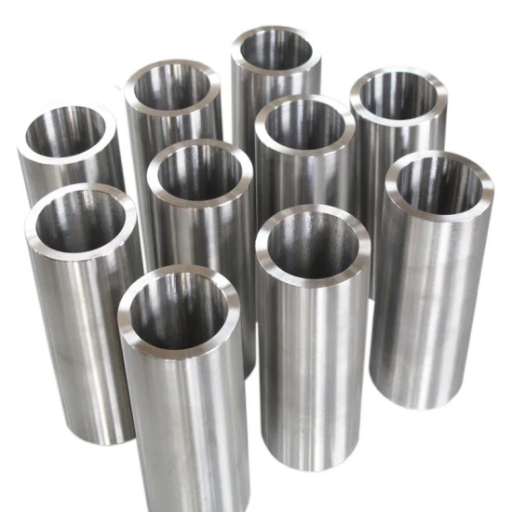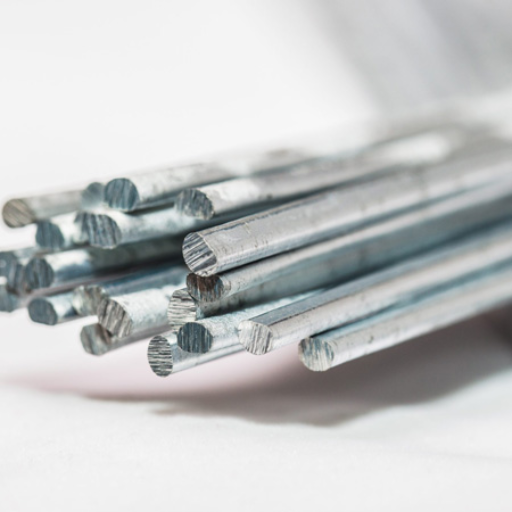
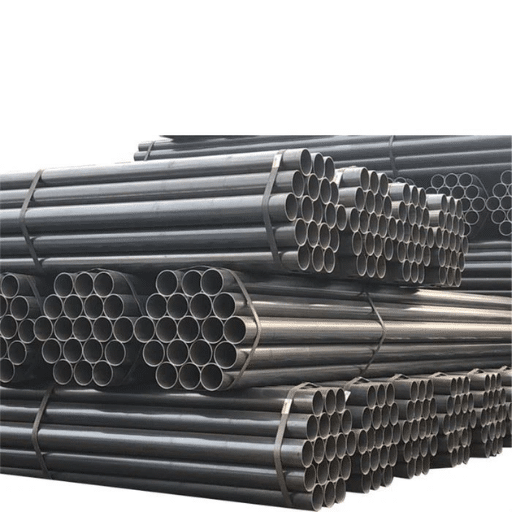
Seamless steel tubing is an important material used in many different industries such as construction, automotive, energy, and aerospace. Along with the demand’s increase, the need for working with reliable suppliers will be more and more essential. Nevertheless, at the same time, the choice of seamless steel tubing supplier runs into big difficulties due to the market’s wide variety of tube types, each one having its own standards and specifications.
Understanding Seamless Steel Tubing
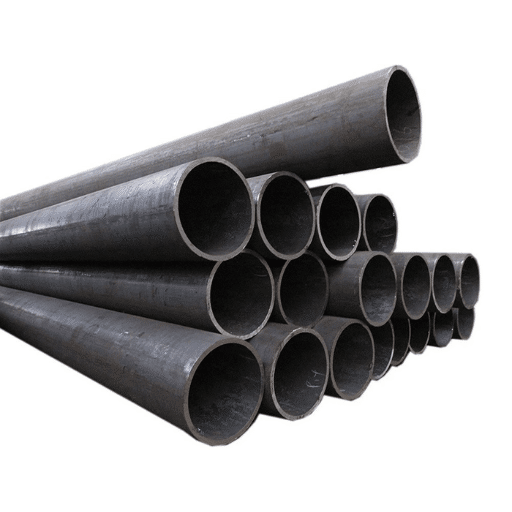
What is Seamless Tubing?
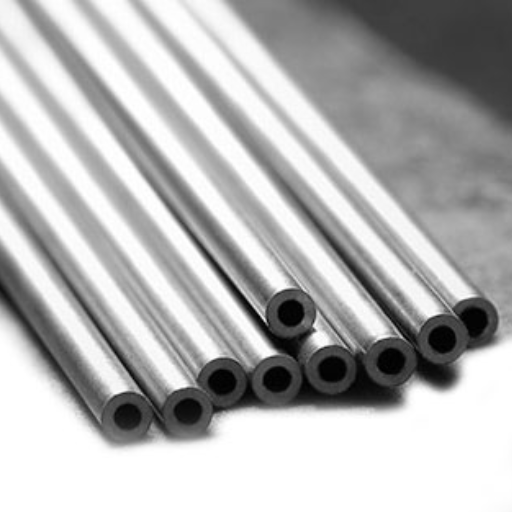
Seamless tubes are produced using the best steel and do not have any welded parts. The process involves either extruding or piercing a solid steel billet. A seamless pipe with a smooth and uniform strength surface, free from seams, is obtained.
This method of production helps to improve the quality of the tubing for hardening or toughening practices that need the particular mechanical property, thus making seamless tubes the most suitable for demanding applications such as high-pressure heating and cooling systems, aerospace components, and critical industrial processes where dependability is of utmost importance.
Seamless Tubing Types
Seamless tubes are categorized into various types determined by their chemical composition, manufacturing methods, and application requirements. The primary categories include:
1
Carbon Steel Seamless Tubing
Carbon steel tubing, mainly applied in high-strength-to-weight ratio demanded applications, gives outstanding durability and cost-effectiveness at the same time. It is the best alternative for structural and mechanical use such as construction and heavy machinery operation.
2
Alloy Steel Seamless Tubing
Alloy steel pipes are made by adding extra elements like chromium, molybdenum, and nickel, which significantly improve their properties to withstand heat, wear, and corrosion. The areas of application for this type of steel include power generation, oil and gas industries, and high-temperature environments.
3
Stainless Steel Seamless Tubing
Stainless steel tubing’s main benefit is its excellent resistance to corrosion which is mainly due to the high chromium content of the steel and is therefore the best choice for chemical, food, and beverage industries as well as medical device production, which are all critical for cleanliness and rust-free environments.
4
Precision Steel Tubing
Precision steel tubing produced under very strict tolerances is the major source of the automotive and aerospace industries for the manufacture of parts that need highly accurate measurements and uniform performance traits.
5
High-Pressure Seamless Tubing
This category which was specially engineered for extreme pressure environments is used in hydraulic systems, pipelines and pressure vessels. High-pressure seamless tubing ensures that mission-critical systems are long-lasting and reliable through safety.
Market Insight: Recent statistics indicate rapid growth in the market for stainless steel and high-pressure seamless tubing, particularly within renewable energy systems and advanced manufacturing sectors. Manufacturers continue refining these products to meet evolving performance standards driven by technological advances and increasingly rigorous industry requirements.
Seamless Tubing Applications

Seamless steel tubing serves irreplaceable functions across diverse industries due to its exceptional strength, corrosion resistance, and temperature tolerance. Recent data reveals that these tubes are particularly crucial in areas demanding extreme precision and reliability:
Aerospace and Defense
Seamless steel tubes play major roles in jet engines, hydraulic systems, and structural components, providing essential resistance to high pressure and temperature extremes.
Energy Sector
These tubes are utilized in solar thermal collectors and geothermal plants within renewable energy systems, maintaining performance under extreme conditions.
Oil and Gas
Seamless tubing forms the backbone of drilling equipment, pipelines, and well casings, with construction robust enough to withstand high-pressure environments.
Medical Equipment
The precision and hygienic compatibility of seamless steel tubing make it indispensable for producing surgical instruments and diagnostic equipment in medical facilities.
Automotive and Manufacturing
Advanced manufacturing technologies, particularly in electric vehicle production, increasingly utilize seamless steel tubing for battery systems and lightweight vehicle frameworks.
Growing dependence on seamless steel tubing reflects the rapid advancement of high-tech industries where performance, efficiency, and safety represent non-negotiable standards. These applications underscore the material’s versatility while reaffirming its critical function in enabling next-generation innovation.
Key Characteristics of Seamless Tubing

Material Specifications and ASTM Standards
Seamless steel tubes of high quality are made under strict material requirements and widely accepted standards that guarantee their functioning well even in the hardest of circumstances. The usual composition of the tubes is carbon, alloy, or stainless steel which is chosen for the required properties such as strength, durability against corrosion, or thermal tolerance for the given application.
The ASTM standards are the principal regulations that govern the manufacturing of seamless pipes. The reason behind this is that ASTM A106 is for high-temperature applications, ASTM A213 is for tubes that are used as heat exchangers, and ASTM A519 is for mechanical applications.
The use of advanced modern manufacturing technology has resulted in seamless tubes being produced with very accurate dimensions, excellent surface quality, and increased durability. The combination of coating technologies with seamless steel tubes has helped these tubes to pass the toughest industry tests in oil and gas, automotive, aerospace, and power sectors. Following ASTM standards ensures uniformity, compatibility, and safety which are the essential elements for performance-oriented engineering solutions.
Cold Drawn vs. Hot Finish Seamless Tubing
| Characteristic | Cold Drawn Tubing | Hot Finish Tubing |
|---|---|---|
| Manufacturing Process | Secondary forming at room temperature | Deformation above recrystallization temperature |
| Dimensional Tolerances | Tighter tolerances, superior precision | Looser tolerances |
| Surface Finish | Superior finish quality | Rougher surface due to high-temperature processing |
| Mechanical Properties | Enhanced tensile strength and hardness | Standard mechanical properties |
| Typical Applications | Hydraulic systems, automotive parts, instrumentation | Energy sector, heavy-duty pipelines, industrial equipment |
| Cost-Effectiveness | Higher cost, precision-focused | More economical, suitable for high-volume production |
Industry Insight: Recent industry analyses reveal that cold drawn tubing dominates sectors where high performance and precision are paramount, while hot finish tubing maintains significant market share due to cost-effectiveness and suitability for high-volume production. The selection between the two depends on specific operational requirements, including load bearing capacity, dimensional accuracy, and environmental conditions.
Tolerance and Quality Considerations
The choice of cold drawn versus hot finish tubing applications often boils down to tolerance and quality as the most important factors in this decision. The cold drawn tube usually has very tight tolerances, which means that it is dimensionally very accurate and has a very good surface finish. Therefore, it is the material of choice for such industries as aerospace, automotive, and medical devices where high precision is required.
On the other hand, hot finish tubing is less expensive but at the same time it may show up with more loose tolerances and rougher surfaces due to the high-temperature production methods.
Newly released data shows that there is a slow but steady change in the attitude of the manufacturing industry professionals towards tubing that is made of top-grade materials and comes with a good price-performance ratio. The most common search phrases such as “high-performance tubing for precision engineering” and “cost-effective hot finish tubing suppliers” reveal that customers are looking for solutions that cater to both the technical and financial sides of the issue.
In the end, the best option will be the one that is determined by the careful consideration of the different operational requirements such as load-bearing capacity, resistance to corrosion, and accuracy of dimensions, all this in the light of the financial constraints.
Choosing the Right Seamless Steel Tubing Supplier

Supplier Selection Criteria
Recent search data reveals key factors buyers prioritize when evaluating seamless steel tubing suppliers. These include:
Material Quality Consistency
Suppliers must demonstrate consistent provision of high-quality materials that meet or exceed industry specifications.
Regulatory Compliance
Adherence to regulatory standards including ASTM and ASME certifications ensures product reliability and legal compliance.
Customization Capabilities
Ability to adapt production for specialized requirements and unusual applications distinguishes superior suppliers.
Geographic Location & Delivery Reliability
Strategic supplier location combined with consistent on-time delivery has gained increasing importance in supply chain management.
Sustainability Practices
Environmental certifications such as ISO 14001 and eco-friendly manufacturing practices increasingly influence purchasing decisions.
An ideal supplier combines technical expertise with competitive pricing and customer-focused service. Companies should leverage these criteria when evaluating prospective partners, ensuring they meet both current industry requirements and long-term operational objectives.
Assessing Supplier Capabilities
Supplier capabilities assessment entails the use of data-driven insights as well as the consideration of current market trends to make informed decisions. Utilizing the latest search engine data aids in recognizing the important performance indicators (KPIs), certifications, and customer feedback that prove a supplier’s competence and reliability.
Using search trends and reputable sources as the basis, companies may find out suppliers who are always acknowledged for their adherence to strict requirements like ISO certifications or eco-friendly production methods. With the help of these insights, companies can draw up comparisons across the industry, thus making sure that the possible suppliers are not only capable in terms of operations but also support the long-term strategic objectives.
Significance of Certifications and Compliance
Supplier certifications and compliance are, without a doubt, important indicators that show a company’s adherence to the standards set by the industry and the regulation. The integration of up-to-date search engine data gives businesses varying and ever-changing views on the supplier’s reputation and their presence in the market.
Search volume trends can show if the industry is actively seeking or valuing certifications like ISO 9001 or LEED, which often goes hand in hand with consumer trust and operational excellence. Companies are able to spot not just the suppliers who satisfy the required standards but also those who keep getting the acknowledgment for their ethical practices and quality by combining compliance records with search insights, thus decreasing the risks associated with partnerships and improving the procurement choices at the same time.
Market Trends in Seamless Steel Tubing

Current IndustryInnovations
According to recent search engine data, companies are now looking more and more for links between the innovations of seamless steel tubing and market requirements that are changing. The use of advanced methods such as rotary piercing and plug mill rolling have taken seamless steel tubing to an extraordinary level where precision and dimensional accuracy have improved and surface quality has been better.
Increased consumer demand for eco-friendly products is one of the main reasons for innovations. Some of these innovations are the creation of new alloy compositions, implementation of energy-efficient and low-emission production processes, etc. Moreover, the increasing need for customized products especially in the aerospace and automotive industry, has shown the importance of production techniques that are flexible and adjustable. These advancements create technical specifications but at the same time allow suppliers to meet consumer demands for sustainability, low-cost, and reliable performance.
Demand and Supply Dynamics
There exist various factors that determine the interactions between the demand and the supply in the market, and the real-time data analytics give a very valuable understanding of these dynamics. Recent search engine data shows that there has been a very noticeable increase in the interest of the industry towards sustainable and energy-efficient solutions, which is actually revealed by the search terms closely related to “green manufacturing” and “low-carbon technologies.” This increased demand coincides with substantial changes in consumer as well as regulatory behavior that are moving towards the adoption of environmentally responsible practices.
At the same time, technology and renewable energy investments are being quickly made by manufacturers. Still, production power is curtailed by material shortages and geopolitical issues which are to be considered among the challenges. This gap points out the necessity of strong and flexible supply chains to be present in the market that can adapt to the changing needs.
Future Outlook for Seamless Steel Tubing
Through the adoption of new manufacturing technologies, to the rising needs of markets and eco-friendliness all over the globe, the journey of seamless steel tubing is going to a significant change. New studies confirm that oil and gas, automotive, and construction sectors continue to be the main fields for seamless steel tubing because of its excellent mechanical properties and the ability to withstand very high temperatures and pressures.
The searches people are making indicate that there is an increasing interest in the use of seamless steel tubing in the renewable energy sector, more specifically, geothermal energy and hydrogen transportation, which underlines the material’s importance in the switch to cleaner energy sources.
The market gains will be the result of the successful tackling of key issues such as irregularities in the supply of raw materials, the need to decrease the carbon footprint, and the intensification of global competition. Certain advancements like sophisticated heat treatment techniques, creation of new alloys, and quality control systems powered by AI are anticipated to give rise to a competitive edge.
Moreover, it is likely that the production of energy-saving and eco-friendly production methods will be fast-tracked through collaborations between manufacturers and universities. The industry’s future still looks bright; seamless steel tubing is regarded as a tech and infrastructural necessity but, more so, as a pillar in the uninterrupted flow of a very dynamic and fast-changing world.
Seamless Steel Tubing Manufacturing Processes
Technological Innovations in Manufacturing
Seamless steel tubing manufacturing involves sophisticated procedures ensuring production of high-quality, defect-free tubing for critical applications across energy, construction, and transportation sectors. The primary manufacturing processes include:
1. Hot Rolling and Piercing
This method begins with a solid cylindrical billet heated to extremely high temperatures. The billet is then pierced to form a hollow tube using a rotary piercing mill. The resulting hollow tube undergoes further elongation with dimensions refined through hot rolling.
2. Mandrel Mill Process
Following piercing, a mandrel is inserted into the hollow tube to maintain accurate internal dimensions. The tube proceeds through sequential rolling units that progressively reduce wall thickness and adjust outer diameters to required specifications.
3. Plug Mill Process
Similar to mandrel mill operations, this method utilizes a stationary plug or bar placed inside the hollow tube. The tube is rolled and stretched over the stationary plug to achieve uniform dimensions and superior surface finish.
4. Extrusion Process
The technique of extrusion is commonly applied for smaller diameter tubes having very strict tolerances. Hot steel is pushed through a die to make seamless tubing, thus ensuring accuracy in measurements and improved mechanical properties.
5. Cold Drawing
This secondary process enhances the dimensions of seamless tubes and their surface quality even more. The tubing is pulled through the dies and mandrels which are at room temperature, this results in the gain of strength, the perfection of tolerances, and the improvement of finish.
Innovation alert: the recent study shows that the use of digital monitoring and automation leads to a thousand-fold increase in the efficiency and accuracy of manufacturing processes. Machine learning-based monitoring, for instance, is already looking into production parameters like temperature, pressure, and material flow, thus causing the reduction of defects, speeding up production, and guaranteeing the meeting of even the highest quality standards. Plus, these advancements are making it easier for the manufacturers to provide the ever-growing demand for seamless steel tubing, as they have the required mechanical and dimensional integrity for all the industries that intend to use them.
Tube Cutting and Machinability
Tube cutting and machinability have gone through a significant change thanks to advanced precision engineering and automated technologies. The modern cutting operations such as laser cutting and rotary cutting not only provide but also produce very little waste. They cut the metal cleanly with no burrs left, and they are able to process tubes with different diameters and thicknesses at the same time.
The ability to be machinable is decided by such things as the material’s composition, hardness, and surface quality since they determine the difficulty of machining and the life of the tool. One of the latest innovations in this field involves the use of adaptive cutting algorithms equipped with artificial intelligence that can adjust the cutting parameters in real-time based on the material properties and the thermal imaging feedback.
Apart from all these, the systems facilitate and make more accurate production while also elongating the lifespan of the machines. Moreover, the incorporation of IoT devices into the manufacturing sector never ceases to amaze as it allows for constant monitoring, preventive maintenance, and quick adjustments thus giving birth to a production chain that is both seamless and scalable.
Quality Control in Manufacturing
Modern manufacturing quality control is based on high-tech machines and data analysis that make it possible to have consistent products and eliminate defects. The latest studies on the technological trends have come up with a new solution of the machine learning and computation processing used in quality assurance systems as the cutting-edge technology for the industry.
These machines not only check the production data but also monitor it in real-time and are so sensitive that they can detect even the smallest imperfections which a human inspector would never notice. The incorporation of cloud-based services in manufacturing plants that are spread across different locations has resulted in the standardization of processes, identification of customer segments, and quick implementation of corrective actions when defect occurs.
Such methods of producing can really reduce the amount of waste generated as they follow the set regulations, thus, final products are reliable, and customers are still trusting the company.
Frequently Asked Questions
What should I know regarding seamless tube selection and grades?
The process of selecting suitable seamless tubes starts with determining the right grade for your particular application, for instance, 1026, 321, or special nickel alloy grades like 625. The suppliers provide a list of tube sizes and specifications indicating if the products are seamless stainless or seamless stainless steel tubing, along with the outside diameter (OD) and inside diameter measurements. Don’t forget to look at tolerances and dimensional control requirements, especially in case of applications like die processing or cold drawn seamless mechanical tubing which are quite demanding. Additionally, the heat treatment history and whether the tubes are hot-finished seamless or cold drawn should be confirmed since such factors have a great influence on machinability and strength. Also, standard tube sizes and custom services for non-standard configurations should be inquired about.
How do stainless steel seamless tube suppliers manage cutting and sizing of round tubing?
Dependable suppliers not only provide accurate cutting services but also have the capacity to grind rounds to the desired tube sizes and tolerances, mainly relying on drawing techniques for cold drawn pieces or extrusion methods for larger diameters. They will give the outer diameter and inner diameter dimensions and will either offer cold drawn seamless mechanical tubing or hot finish seamless tubes based on the application’s need. In order to provide corrosion resistance, the common stainless steel seamless tube materials are grades 321, 316, duplex 2205, and duplex 2507. The suppliers usually state if the seamless tubing meets the AMS or ASTM specifications such as A519. When placing an order, ask for inspection reports, machinability data, and information about further finishing like heat treating or annealing.
Can I obtain stainless steel seamless tube alloys for corrosive environments?
Of course. Suppliers commonly provide a wide range of alloys, the like being 316, 321, AL6XN, ALLOY 20, C276, and 625 high-nickel materials which are all characterized by their excellent resistance to corrosion. Duplex 2205 and duplex 2507 are among the strongest and most resistant materials so their strength gets together with the resistance that is a must for harsh environments where stainless seamless tubes are often used for chemical or marine applications. Confirm grade compatibility and stainless steel seamless tubes are compliant with the specified standards and certifications. Most of the suppliers tell if the tubing is made by the seamless method and they also give details on the heat treatment or solution annealing. Besides, ask about the custom services concerning the product availability, standard or tailored components with precise tolerances.
What are the machinability differences between cold drawn and hot finish seamless tubing?
Cold drawn seamless tubing usually has tighter tolerances and better surface quality than hot finish seamless tubes, production method such as machining became easier and done less frequently therefore it resulted in lower costs. Hot finish seamless tubes, on the other hand, are more economical in general, especially for large sizes or situations in which dimensional precision is not so important. The die drawing technique responsible for seamless cold drawn mechanical tubing generates stronger material with superior surface conditions, although depending on alloy choice, it may be necessary to go through heat treatment or annealing processes. It is indispensable that suppliers give out information about tolerances, suggest machining practices, and provide heat treatment details. On top of that, ascertain whether your design calls for seamless stainless steel tubing or if it can be satisfied with other alloys that have both properties of resist corrosion and maintain strength.
Can suppliers provide ASTM A519 steel tube and other standards for structural or pressure applications?
Various vendors of seamless steel tubing carry ASTM A519 and comparable thicknesses under standard and even nonstandard applications for mechanical and structural purposes and assist in determining if A519 tubes or any other ASTM/AMS materials are appropriate for use in pressurized systems. Suppliers should be consulted for confirmation of tube’s adherence to the required tests such as NDT, hydrostatic tests, or certification of conformity. Such indications are regularly provided by suppliers about the nature of the products being weld or seamless tubes; typically for pressure-critical applications, seamless stainless or alloy tubes are suggested. Check the availability of seamless tubing sizes and also the tolerances for OD, ID, heat treating, and surface finishing requirements. When it comes to specific configurations, custom services like tube cutting, special end finishes, or dimensional runs to your specifications are available on demand.
How can I verify seamless tubing quality and what inspection information should suppliers provide?
For ensuring the quality of seamless tubing, mill test reports should be requested which contain the material grade, chemical analysis, mechanical properties, and heat treating records, since these are the necessary ones for stainless steel seamless tubes. The suppliers are to deliver the dimension inspection results showing outside diameter, inside diameter, wall thickness, and tolerances and marking if the products are cold drawn seamless mechanical tubing or hot finish seamless. More documents can be submitted like non-destructive testing, compliance certification with standards such as A519 or AMS, and alloy selection traceability like 800HT or C276. Confirm the then available custom services, machining support and the method of tubing die drawing or extrusion for the accuracy control. Finally, it is the best to ask for references or case studies that reflect a consistent supply of quality seamless tubing products.
Reference Sources
Reliability Analysis of Autonomous Measuring Equipment for Seamless Steel Pipes in Production Lines of a Steel Industry
Source: HAL Open Science
This study focuses on maintenance and reliability in seamless steel tube production lines, providing insights into quality assurance and process optimization.
A Knowledge-Based System for Process Planning in a Seamless Steel Tube Plant
Source: Aston University
This research explores process planning in seamless steel tube manufacturing, offering valuable information on production efficiency and decision-making.
Production of Seamless Steel Pipe for Oil and Gas Extraction in Challenging Conditions
Source: Springer
This article examines seamless steel pipe production for oil and gas applications, emphasizing corrosion resistance and compliance with industry standards.