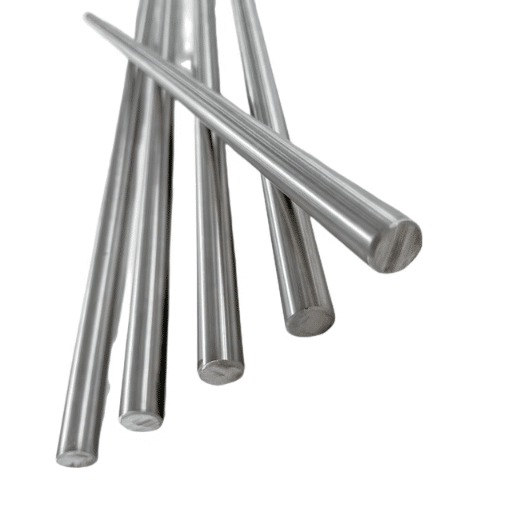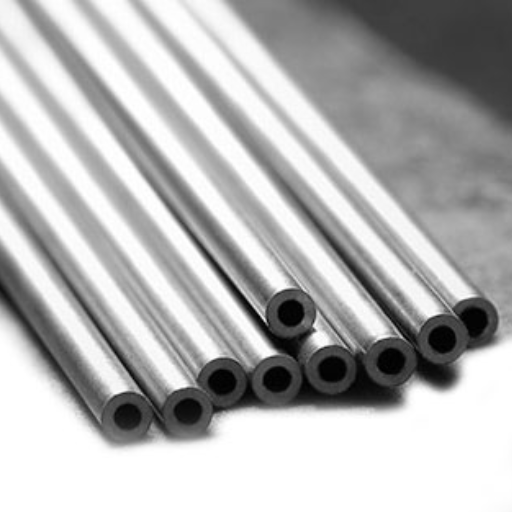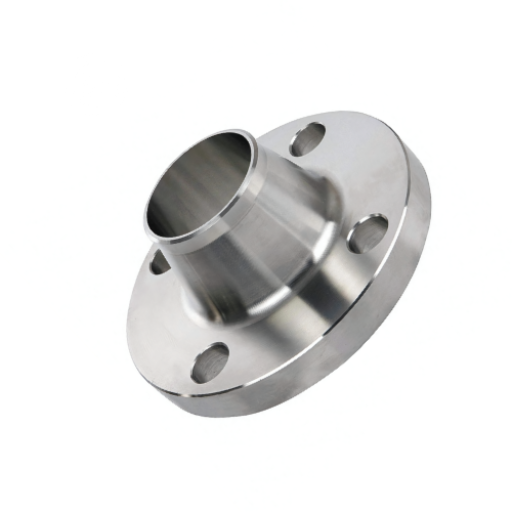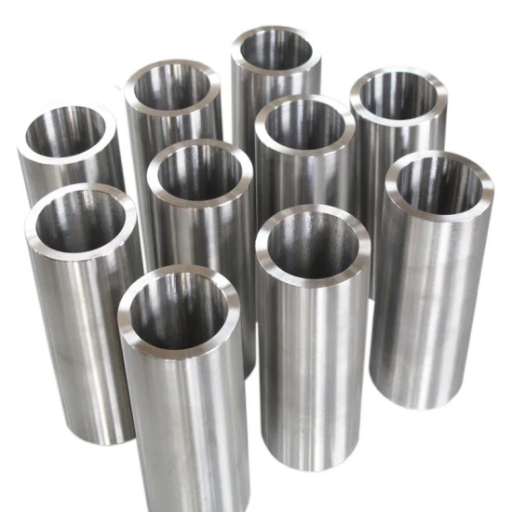
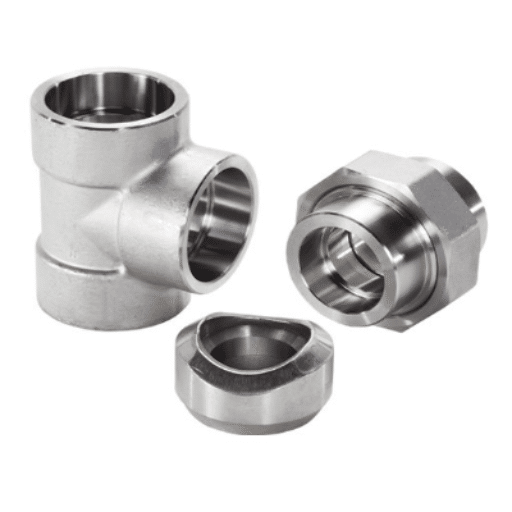
Industrial operations that need high-pressure leak-proof piping systems depend on stainless steel socket weld fittings as their vital component. Socket weld fittings provide strong connections that deliver exceptional performance under extreme conditions which include petrochemical plants and power generation facilities and marine systems.
This guide serves as a detailed resource for understanding the function, types, benefits, and applications of these critical fittings. The guide provides complete information for industry professionals who want to improve their piping systems and for decision-makers who need to find trustworthy material options. The engineering benefits and selection criteria of stainless steel socket weld fittings will be explained through technical details which help you select the best solution for your particular requirements.
Introduction to Socket Weld Fittings

What are Socket Weld Fittings?
Socket weld fittings function as permanent high-strength connectors between pipes and other piping components. The design of their construction allows them to function safely in high-pressure systems because any leakage will create dangerous safety threats. The term “socket weld” refers to the pipe’s insertion into a recessed area or “socket” within the fitting, where welding is applied to ensure a secure and leak-resistant joint.
Key Construction Materials
Stainless Steel
Built to withstand extreme temperature fluctuations and corrosive material contacts
Carbon Steel
High-pressure environments with superior strength properties
Forged Alloys
Enhanced structural integrity for critical applications
According to the latest data, industries that include oil and gas and petrochemicals and power generation prefer socket weld fittings because of their strength and durability. The system offers multiple component options which include elbows and tees and couplings and reducers that each serve distinct functions within the complex piping network.
Primary Advantages
- ▸
Decreases alignment mistakes during installation through precise socket placement - ▸
Ensures leak-resistant joints in high-pressure systems - ▸
Meets international standards including ASTM and ASME - ▸
Provides dependable safety features for critical applications
Overview of Stainless Steel Materials
Stainless steel represents a corrosion-resistant alloy which consists mainly of iron and chromium together with carbon and nickel and other materials. The high chromium content (minimum 10.5%) establishes the material’s main characteristic which develops a passive chromium oxide layer that protects against rust while increasing material strength.
| Grade Type | Characteristics | Common Applications |
|---|---|---|
| Austenitic (304, 316) | Superior corrosion resistance, non-magnetic | Medical instruments, marine environments |
| Ferritic | Magnetic, moderate corrosion resistance | Automotive exhaust systems |
| Martensitic | High hardness and strength | Cutting tools, bearings |
| Duplex | High strength, excellent corrosion resistance | Chemical processing, offshore platforms |
According to recent findings stainless steel has become a standard material used in construction automotive aerospace and healthcare industries because it possesses high strength-to-weight ratio and recyclable sustainability and extreme temperature resistance properties. The answer to the question “Why is stainless steel so widely used?” indicates that stainless steel provides superior mechanical performance together with visual attraction and lower long-term expenses.
Emerging Trends: According to latest query trends, there is a marked increase in interest in its use for green energy projects, such as components for wind turbines and hydrogen storage tanks, further solidifying its role in shaping the future of material sciences.
Importance of Weld Fittings in Industrial Applications
Weld fittings serve as crucial elements within industrial systems because they provide essential methods for connecting pipes and enabling the movement of liquids and gases through different system operational states. The fittings prove essential because they create connections which prevent leaks and maintain structural strength while working in high-pressure and high-temperature conditions.
Chemical Processing
Leak-proof connections for hazardous material handling
Oil & Gas
High-pressure pipeline systems and refineries
Renewable Energy
Hydrogen pipelines and geothermal systems
Power Generation
Steam systems and cooling circuits
Types of Stainless Steel Socket Weld Fittings

Full Couplings
Full couplings function as essential elements for piping systems because they create pipe connections which enable liquids and gases to flow through pipes without interruption. The fittings used in this application are constructed from high-grade stainless steel which provides both strength and resistance to corrosion and enables long-term performance under extreme temperature and pressure conditions.
The latest search engine trends show that full couplings have become the top choice for petrochemical and oil and gas and renewable energy industries which require equipment that delivers both durability and precise performance. The systems achieve their critical function because they create a secure connection which prevents any leaks, making them essential for high-integrity systems.
Enable connection between pipes of different diameters, maintaining system integrity while transitioning between varying flow requirements.
Provide permanent or temporary sealing of pipe ends, ensuring system containment and preventing contamination.
Elbows and Couplings
The combination of search engine trends with industry insights demonstrates that elbows and couplings operate as essential parts for various specialized uses. Elbows serve as devices that change the path of fluids within piping systems by using their standard 45-degree and 90-degree angles for directional changes.
| Fitting Type | Function | Common Angles/Sizes |
|---|---|---|
| Elbows | Change fluid flow direction | 45°, 90° |
| Couplings | Connect two pipe sections | Various inch sizes |
| Tees | Branch flow in three directions | Equal and reducing |
| Reducers | Transition between pipe diameters | Concentric, eccentric |
Couplings serve the purpose of creating a secure connection between two pipe sections which prevents any leakage during operation under conditions of high pressure or high temperature. The petrochemical and renewable energy industries depend on these components because they help maintain their operational runtime.
Adapters and Outlets
The latest search engine data shows that the need for adapters and outlets has been increasing especially in areas which are developing new technologies and improving their existing infrastructure. Adapters function as required components because they enable two different systems to connect with each other while maintaining operational capabilities.
Modern Adapter Solutions
Smart Outlets
Energy-efficient solutions with integrated monitoring capabilities
Universal Adapters
Future-ready systems optimizing convenience and performance
Multi-System Integration
Compatible across household, business, and industrial settings
Manufacturing Processes of Stainless Steel Socket Weld Fittings

Forging vs. Casting Methods
Data analysis of recent search trends shows that people increasingly want to know which method between forging and casting produces better results for stainless steel socket weld fittings. The forging process uses mechanical forces to shape metal through high-pressure deformation which results in materials that exhibit better structural properties.
Manufacturing Process Comparison
The development of simulation technologies now offers factories a way to improve their manufacturing processes through material optimization which meets market demand for products that offer high quality and efficiency.
Quality Standards in Manufacturing
Manufacturing quality standards exist through strict framework rules which maintain operational uniformity and production effectiveness while ensuring industry compliance. ISO 9001 establishes a global standard which organizations must follow to develop quality management systems that meet customer and regulatory requirements.
ISO 9001
Global quality management system standard ensuring customer and regulatory compliance
ASTM Standards
Material specifications and testing procedures for socket weld fittings
ASME B16.11
Dimensional standards for forged fittings and socket weld connections
Industry Innovation: The latest data indicates that automated quality control systems have achieved better compliance rates because their enhancements reduce human errors and their improvements increase production accuracy. Organizations are increasingly adopting machine learning and AI technologies to create predictive models which optimize operational processes while decreasing material waste.
Inventory Management for Socket Weld Fittings
The successful management of socket weld fitting inventory requires three essential elements which include accurate tracking methods and demand estimation techniques and inventory restocking management. Search data indicates that businesses increasingly adopt digital solutions which include inventory management software and IoT-enabled devices.
Modern Inventory Solutions
Applications of Stainless Steel Socket Weld Fittings

Common Industries Utilizing Socket Weld Fittings
Many industrial sectors use stainless steel socket weld fittings because they provide long-lasting performance with a design that prevents leaks and can tolerate extreme pressure and temperature conditions. The oil and gas industry depends on socket weld fittings which provide essential support for pipeline systems and processing facilities because these systems require continuous operational dependability and structural soundness.
Key Industry Sectors
- ▸
Oil & Gas: Pipeline systems and processing facilities requiring operational dependability - ▸
Chemical & Petrochemical: Handling dangerous liquids with secure protection - ▸
Water Treatment: Distribution networks with corrosion-resistant requirements - ▸
Power Generation: Fossil fuel and nuclear plants with critical system connections - ▸
Food & Beverage: Hygienic processing facilities meeting strict health regulations - ▸
Pharmaceuticals: Sterile production areas following GMP requirements
Specific Use Cases and Projects
The stainless steel fittings provide multiple functional advantages that apply to different work situations and specific project needs. Stainless steel fittings remain essential for large infrastructure projects which include water treatment plants because these fittings offer long-lasting performance together with their ability to handle high-pressure systems while resisting corrosion.
Project-Specific Applications
Water Treatment Plants
Long-lasting performance in high-pressure distribution systems with corrosion protection
Renewable Energy
Solar and wind facilities securing critical components against extreme environmental conditions
Pharmaceutical Manufacturing
Sterilized production areas maintaining GMP compliance and contamination control
Benefits of Using Stainless Steel in Applications
Stainless steel provides different beneficial properties which make it suitable for many different application areas. The material demonstrates its primary advantage through exceptional corrosion protection which results from chromium content creating a secure oxide protection layer.
Key Material Benefits
Choosing the Right Socket Weld Fittings

Factors to Consider: Material and Size
The selection of socket weld fittings requires users to choose both material and size because these two factors determine which combination will deliver the best results for their specific needs. The industry selects stainless steel as their main material because it provides outstanding strength and resistance to corrosion and ability to handle extreme temperature conditions.
| Selection Factor | Considerations | Impact |
|---|---|---|
| Material Grade | 304 vs. 316 stainless steel | Corrosion resistance level |
| Size Selection | Flow requirements and available space | System efficiency and costs |
| Pressure Rating | 3000 psi or Class 150 equivalents | Safety and reliability |
| Temperature Range | Operating temperature extremes | Material integrity maintenance |
The use of oversized fittings creates operational problems because it increases expenses, but undersized fittings create pressure drops and restrict flow. The selection process must follow engineering standards and specifications because they define technical needs and indicate materials which match the intended application.
Tips for Selecting Socket Weld Fittings for Projects
The selection of socket weld fittings for a project needs current industry information and trends to help make better choices. The search data and technical documentation reveal essential requirements which organizations should prioritize:
1
Material Compatibility
Select socket weld fitting materials which fulfill both chemical requirements and thermal requirements of your system. Stainless steel serves as the preferred material for petrochemical and food processing industries because it provides exceptional corrosion resistance and maintains operational efficiency under high-temperature conditions.
2
Pressure and Temperature Ratings
The pressure and temperature ratings of fittings must be tested. The technical specifications ensure that the selected fitting functions correctly within the system boundaries while maintaining safe operation and optimal performance.
3
Industry Standards and Compliance
The organization must follow ASME B16.11 and ASTM specifications because these standards create binding requirements which must be followed. The standards create a system which guarantees that projects will deliver both constant quality and proper safety protections.
4
Application-Specific Requirements
The fitting design should match the requirements of the application. Socket weld fittings provide the best solution for small-diameter piping systems which need to establish permanent leak-proof connections for high-pressure steam.
5
Ease of Installation and Maintenance
The assessment needs to focus on installation convenience for systems which demand accurate calibration because welding errors lead to expensive repair costs. Evaluate how materials will affect maintenance work during their lifespan.
6
Supplier Reputation
Fittings should only be obtained from manufacturers or suppliers who have built a trustworthy reputation. Research shows that trustworthy suppliers deliver superior components which undergo extensive quality checks, decreasing project interruptions.
Common Mistakes to Avoid
The selection process of socket weld fittings contains several errors which lead to the failure of systems and decrease their efficiency. The most common mistake occurs when people do not check whether the fitting materials will work with the substances present in the pipeline.
Critical Mistakes to Avoid
- ✗
Failing to verify chemical and mechanical compatibility between materials - ✗
Not following proper welding protocols leading to leaks and structural weaknesses - ✗
Incorrect fitting sizing creating alignment issues and performance problems - ✗
Insufficient quality assessments during the purchasing process - ✗
Purchasing from unestablished suppliers not maintaining quality standards
Frequently Asked Questions
What is the description of stainless steel socket weld fittings?
The description of stainless steel socket weld fittings defines their function as pressure-rated components which establish pipe connections through pipe insertion into a recessed hub which undergoes fillet welding to create a secure joint that maintains proper pipe positioning. The description typically includes material grade, pressure class (for example 3000 psi or Class 150 equivalents), and dimensions in inch or metric units. The fittings function effectivelywith stainless steel pipe when a small connection space is required.
What impact does 304 stainless steel have on the operational effectiveness of socket weld fittings?
The austenitic grade 304 stainless steel serves multiple applications as the standard material for socket weld fittings because it combines excellent corrosion resistance with versatile shaping capabilities. The 304 grade of stainless steel serves general service applications but 316 stainless steel is preferred in environments that require protection against pitting corrosion. The 304 fittings work with stainless steel piping systems and come in standard sizes that feature inch increments and typical socket options.
What information should I know about carbon socket weld fittings and what is their availability?
Carbon socket weld fittings, presented as forged carbon steel products, operate in systems that need carbon equipment where cost savings take priority. The forged carbon steel fittings provide excellent strength properties which make them suitable for use in high-pressure steam systems and oil and gas systems because they can handle operating pressures of 3000 psi and Class 150 specifications. The parts need proper protective coatings to stop outside corrosion, which differs from stainless steel fittings that naturally resist rusting.
What product options exist for stainless steel forged fittings in socket weld style?
Stainless steel forged fittings are produced through the process of heating alloy material which gets shaped under extreme pressure. Product options include elbows, tees, reducers, and caps which manufacturers produce in standard inch sizes and two pressure rating categories of 150 psi and 3000 psi equivalent. Compared to cast materials, forged stainless steel components deliver stronger mechanical capabilities and better size stability. Manufacturers maintain extensive stocks enabling quick delivery for piping installation needs.
What is the relationship between thread specifications and the choice between socket weld fittings and threaded fittings?
Thread specifications define the male or female connection geometry which becomes critical for assembling threaded parts with socket weld systems. Socket weld pipe fittings require welding to secure the pipe inside a socket but multiple systems need threaded connections for valves and caps which requires matching thread types. Common thread types and sizes are expressed in inch-based designations and must match the mating male threads on valves or pipe nipples. The system requires sealing methods like thread sealant when both socket weld and threaded components exist.
What specification documents should I request for stainless steel fittings?
The complete specification document request guarantees that the stainless steel fittings will satisfy both project requirements and code requirements. Standard documents include material certificates and dimensional drawings and pressure-temperature ratings and heat treatment records. The specifications must include applicable standards which include ASTM or ASME standards while they must specify the material grade (304 or 316) and fitting type and size measurements in inch or metric units. You need to check for certifications and verify testing methods which track materials until 3000 psi or the service pressure requirements.
Reference Sources
- •
Diffusion Bonding of 316L Stainless Steel Tube-to-Tube Sheet Joints for Coil Tube Gas Heaterss – Discusses press fitting and diffusion bonding techniques for stainless steel. - •
FDOT Procedures for Welding, Testing, and Fabricating Weathering Stainless Steel for Bridge Applications – Covers welding and testing procedures for stainless steel in structural applications. - •
Weld Tests Conducted by the Idaho National Laboratory – Examines socket fittings and welding techniques for stainless steel tubing.