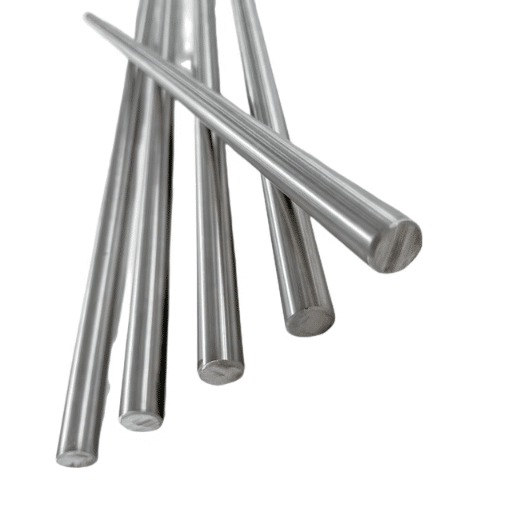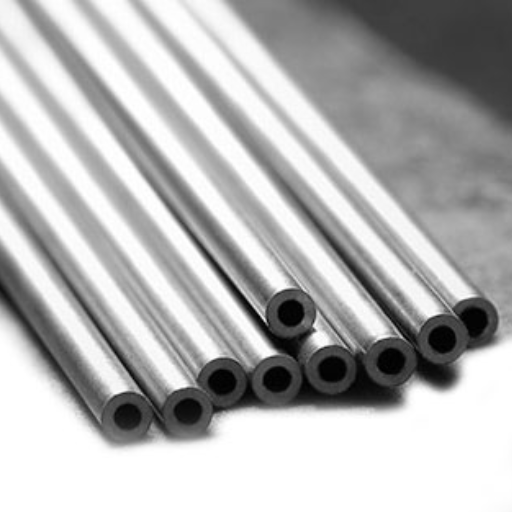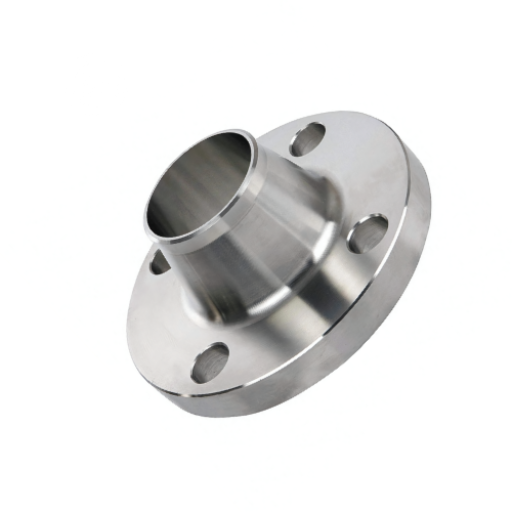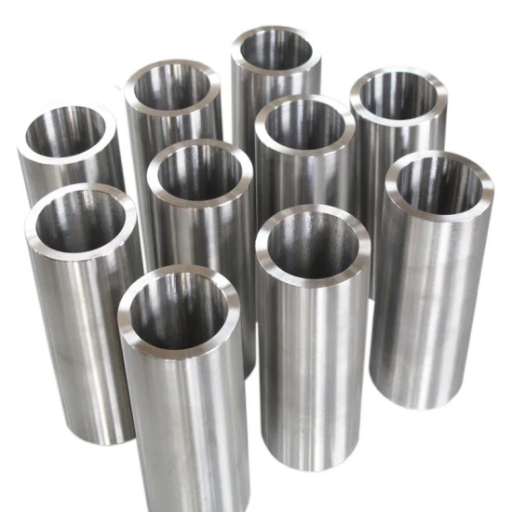
Stainless steel welded tubes serve essential functions across multiple sectors including construction, automotive, food processing, and pharmaceutical industries. The materials provide outstanding strength and durability together with corrosion resistance which makes them suitable for applications that demand reliable performance. This guide delivers a complete examination of manufacturing techniques and tests various industrial applications while it shows through material analysis that stainless steel welded tubes exceed other materials in performance across different conditions.
Introduction to Stainless Steel Welded Tubes

What is a Stainless Steel Welded Tube?
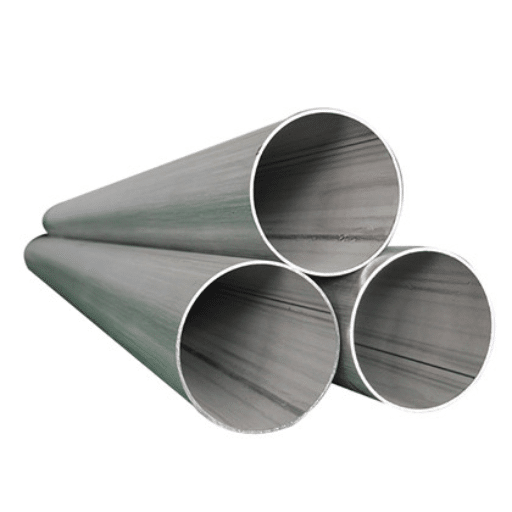
A stainless steel welded tube is a cylindrical or tubular structure that results from welding together stainless steel sheets or strips through a seam which follows either a straight or curved pattern. The process produces a tube which maintains airtightness and exhibits a uniform design that serves various purposes. The construction industry, automotive sector, energy sector, and food processing industry all utilize these tubes because stainless steel provides high resistance to corrosion, strong mechanical properties, and extended product life.
The recent data shows that welded tubes have become more popular than seamless tubes because welded tubes provide lower costs, flexible size options, and adequate performance for medium to high-pressure systems. The welded seam receives treatment to reach strength and finish standards matching the tube’s overall quality, thereby improving its ability to handle both structural and fluid movement functions.
Key Features of Stainless Steel Tubing
The industry holds stainless steel tubing in high esteem because it provides an unmatched combination of durability, corrosion resistance, and multiple application possibilities. Current search trend information shows that demand for stainless steel tubing has increased as industries seek materials capable of serving diverse purposes.
Corrosion Resistance
The properties of stainless steel make it suitable for use in environments that experience moisture and chemicals and extreme temperature conditions because chromium in stainless steel produces a protective oxide layer which prevents rust and corrosion.
High Strength-to-Weight Ratio
Stainless steel pipes are suitable for structural applications because these pipes are of lightweight design and are extremely strong.
Hygienic Properties
The non-porous surface of stainless steel tubing prevents bacteria from growing which makes it an essential material for all industries that require high standards of hygiene in food and beverage and pharmaceutical production.
Thermal and Pressure Resistance
The stainless steel tubing operates at optimal performance because it can withstand both high temperature and extreme pressure environments, which makes it appropriate for use in boilers and heat exchangers and industrial piping systems.
Sustainability
The recycling process for stainless steel enables complete material recovery which maintains the original quality of the metal. The product’s environmental friendliness supports the growing demand for sustainable engineering and manufacturing methods.
Customization and Versatility
Stainless steel tubing exists in multiple manufacturing methods as it provides both seamless and welded options which can be produced with custom wall thicknesses and diameters to meet specific application needs.
Industry Insight: Query data reveals rising interest in stainless steel tubing for renewable energy applications, such as solar thermal systems and biofuel production, showcasing its importance in advancing green technologies.
Importance of Quality in Fabrication
The manufacturing process of stainless steel tubing needs to uphold high-quality standards which determine its operational capacity and reliability during critical usage for extended time periods. The fabrication process has a direct link to the product’s ability to withstand structural pressure, prevent corrosion, and determine overall durability—vital requirements for sectors such as aerospace, healthcare and renewable energy. Subpar fabrication leads to microstructural defects which cause improperly welded joints to develop vulnerabilities under operational stresses.
Search data shows that people have started looking for information about “high-quality stainless steel tubing” and “fabrication standards” as they search for trustworthy production methods. The current market situation requires precise stainless steel tubing for hydrogen fuel systems which need high-quality components that maintain performance. Manufacturers use advanced technologies like laser welding and non-destructive testing and rigorous quality control systems to fulfill market requirements and follow international standards. Quality control serves as an essential element which helps maintain crucial systems throughout various locations around the world.
Manufacturing Processes of Stainless Steel Welded Tubes

Overview of the Welding Process
The stainless steel tube welding process requires multiple exact procedures that create durable welded joints maintaining structural strength while meeting established industry requirements.
Manufacturing Process Steps:
- Material Preparation: The process begins with thorough cleaning of stainless steel strip material to eliminate all contaminants that would negatively affect the weld joint.
- Forming: The strip after cleaning transforms into a tube shape through the application of advanced forming rolls or dies.
- Welding: High-frequency induction welding or laser welding techniques create a secure and seamless weld seam by connecting the strip edges. These methods are preferred because they generate clean, strong bonds experiencing less thermal shrinkage during the welding process.
- Quality Testing: The tube undergoes non-destructive testing (NDT) through multiple testing methods including ultrasonic and eddy current testing for evaluation of weld defects.
- Finishing: The annealing process improves the tube’s mechanical performance through heat treatment followed by pickling or passivation which restores its ability to resist corrosion.
Technical Advantage: Recent data shows that people prefer laser welding because it provides faster processing speeds, better accuracy, and decreases the need for after-welding work when compared with traditional welding methods.
Drawn vs. Welded Tubing Techniques
The evaluation of drawn versus welded tubing techniques requires comparison of their different operational procedures, resulting material characteristics, and specific usage situations.
| Characteristic | Drawn Tubing | Welded Tubing |
|---|---|---|
| Manufacturing Process | Tube pulled through a die for exact dimensions and polished exterior | Flat sheet/strip formed into cylindrical shape and sealed with longitudinal weld |
| Structure | Seamless, pressure-resistant with exceptional tensile strength | Contains weld seam; reliability improved with modern laser welding |
| Cost Efficiency | Higher production costs due to resource-intensive process | Lower production costs; cost-efficient for large diameter applications |
| Typical Applications | Aerospace, medical devices, high-performance hydraulic systems | Automotive exhaust systems, decorative architectural elements, structural applications |
| Pressure Capability | Superior for extreme pressure applications | Suitable for medium to high-pressure systems |
Latest search data reveals that potential users must select between drawn and welded tubing based on their specific application requirements. The industry shows increasing demand for drawn tubing because it meets the needs of precision-focused industries requiring strong and accurate tubing solutions. Welded tubing provides benefits to projects with limited budgets or requiring larger pipes. The balance between these two technologies demonstrates that companies must choose materials based on both product needs and budget capabilities.
Quality Control Standards (ASTM)
The American Society for Testing and Materials (ASTM) standards provide essential guidelines establishing dependable performance of drawn and welded tubing shared between industrial entities.
Drawn Tubing Standards
- ASTM A179
- ASTM A519
- Focus: Dimensional accuracy, mechanical strength, chemical composition
Welded Tubing Standards
- ASTM A554
- ASTM A249
- Focus: Weld strength, corrosion resistance, larger diameter production
Latest search engine data shows that aerospace and medical fields requiring precise dimensional control prefer drawn tubing because it meets specific ASTM accuracy standards. Industries focusing on budget-friendly solutions and needing various sizes prefer welded tubing because ASTM standards fit their production needs and material usage requirements. This demonstrates how ASTM standards function as essential tools for businesses to select materials meeting their particular operational needs and current market trends.
Applications of Stainless Steel Welded Tubes

Construction and Structural Applications
The construction and structural fields rely on stainless steel welded tubes because these tubes deliver superior mechanical performance along with protection against corrosion and extended lifespan. Latest search engine data shows that construction professionals now prioritize stainless steel materials for use in building frameworks, bridge supports, handrails, and architectural facades.
Key Construction Benefits:
- Ability to endure extreme weather conditions and chemical exposure
- High recycling rate and minimal environmental effects support sustainability demands
- Aesthetic appeal enables modern building designs while preserving structural support
Automotive Industry Uses
The automotive industry requires stainless steel tubes because they provide outstanding strength and corrosion protection and their lightweight nature. The materials find extensive application in exhaust systems, fuel lines, and structural components, guaranteeing safety and durability during demanding work operations.
Emerging Trend: Search data from recent times shows people increasingly search for “stainless steel tubes for electric vehicles” (EVs). The manufacturing process of lightweight electric vehicle components requires stainless steel which serves as the primary material for battery casings and thermal management systems that demand weight reduction and thermal stability.
Hydroforming advanced manufacturing technique enables stainless steel tubes to create intricate shapes which maintain precise dimensions that satisfy automotive design requirements and sustainability targets and performance requirements.
Food Processing and Medical Devices
The food processing and medical device industries rely on stainless steel because it provides exceptional durability, corrosion resistance, and hygienic characteristics. Recent data shows that demand for stainless steel in these industries is rising because of strict regulatory requirements and the need for specialized engineering solutions.
Food Processing Industry
Depends on stainless steel to produce essential equipment including mixers, conveyors, and storage tanks because these machines guarantee contamination-free operations while complying with FDA and European food safety regulations.
Key Advantage: Surfaces can be easily cleaned and maintain effectiveness in extreme temperature conditions.
Medical Field
Uses stainless steel to produce surgical instruments, implants, and diagnostic tools. The material’s biocompatibility combined with its strength and resistance to pitting or wear supports its use in these critical applications.
Key Advantage: Development of stainless steel alloys has enhanced antimicrobial properties meeting dual requirements for safety and extended product lifespan.
Comparative Analysis of Stainless Steel Grades

304 Stainless Steel vs. Other Grades
304 stainless steel serves as a fundamental austenitic alloy which manufacturers choose because of its exceptional strength, ability to resist corrosion, and economical price. Understanding how it compares to other grades is essential for proper material selection.
| Grade | Key Characteristics | Typical Applications | Magnetic Properties |
|---|---|---|---|
| 304 | Excellent general-purpose corrosion resistance, good fabricability, economical | Kitchen equipment, architectural structures, industrial parts | Non-magnetic |
| 316 | Contains molybdenum; superior protection against chlorides and marine environments | Chemical processing, saltwater applications, extreme environments | Non-magnetic |
| 430 | Ferritic grade; lower cost, moderate corrosion resistance | Decorative elements, budget-conscious projects | Magnetic |
| Duplex | Dual-phase microstructure; superior strength and corrosion resistance | Oil & gas, chemical processing, marine environments | Slightly magnetic |
Selection Principle: The selection process for 304 stainless steel versus other stainless steel grades needs to focus on the environmental conditions, mechanical requirements, and financial limits of the specific application.
Properties of Duplex Stainless Steel
Duplex stainless steels contain a distinct dual-phase microstructure which combines austenitic and ferritic elements to create material properties that exceed the performance capabilities of standard 304 and 316 grades.
Advanced Performance Characteristics
Mechanical Strength
Two times the yield strength of standard austenitic grades
Corrosion Resistance
Outstanding protection against chloride stress corrosion cracking
Chemical Composition
High chromium (19-28%), molybdenum (up to 5%), and nitrogen content
Weldability
Excellent weldability while maintaining mechanical strength across temperature ranges
⚠ Important Note: Handling duplex grades requires specialized methods because improper heat treatment will cause phase imbalances that result in brittleness and decreased corrosion protection.
Cost-Effectiveness and Performance in Demanding Applications
Duplex stainless steel achieves its optimal cost performance with maximum operational efficiency because the material reduces all operational expenses while providing outstanding structural strength for demanding operational conditions.
Economic Advantages:
- Reduced Material Costs: The dual-phase microstructure of the material enables production with less material because it provides greater strength.
- Lower Maintenance: The system needs less maintenance because it provides protection against both corrosion and stress corrosion cracking.
- Extended Lifespan: The materials reach their end of life at a later date than regular stainless steels which leads to less frequent material replacements.
- Minimized Downtime: The system maintains operational capacity because of its high reliability which supports essential functions.
Recent sources show that the material has become more common in oil and gas operations, chemical processing facilities, and marine sectors because those industries require both cost control and dependable function. The alloy provides safety to subsea pipeline systems because it can handle extreme pressure and chemical attacks guaranteeing operations continue without frequent system replacements. The higher initial investment in duplex stainless steel gets offset by savings in manufacturing and maintenance costs and equipment downtime, proving that duplex stainless steel stands out as the most cost-effective and technically advanced material for high-end engineering projects.
Understanding Tube Specifications

Diameter and Wall Thickness Considerations
The procedure for determining tube specifications requires that engineers select appropriate diameter and wall thickness measurements because these measurements directly affect both the structural integrity and operational capabilities of the tube.
Smaller Diameter / Thin Wall
Industries: Automotive, Aerospace
Benefits: Decreased weight while maintaining operational capabilities; improved system performance and material efficiency
Larger Diameter / Thick Wall
Industries: High-pressure, High-temperature applications
Benefits: Withstands extreme internal pressures and external forces; protection against mechanical and thermal stress
Industry Trend: Current research findings demonstrate increasing demand to develop better tube specifications serving renewable energy technologies and modern manufacturing methods, emphasizing materials and designs achieving maximum strength and operational efficiency while maintaining environmental sustainability.
Standard Tubing Sizes and Their Applications
Current search engine data shows a distinct pattern of increasing public interest in standard tubing sizes which industrial users need to fulfill operational requirements.
| Tubing Size | Primary Applications | Key Features |
|---|---|---|
| 1/4-inch | Medical devices, instrumentation | Small size with high corrosion resistance |
| 1/2-inch | Renewable energy systems, solar panels | Structural integrity during pressure changes |
| 1-inch | Geothermal heating systems, industrial piping | Thermal resistance and mechanical stress tolerance |
Search data indicates that people now prefer stainless steel and composite alloys because these materials deliver better thermal resistance while enduring mechanical stress. The manufacturing sector uses these materials for their advantages in high-performance production environments supporting industry demand for efficient production and sustainable practices. Proper selection of tubing size, material type, and application brings multiple benefits meeting both performance targets and current engineering standards.
Mechanical Properties and Corrosion Resistance
The material selection process for multiple industrial applications depends on two essential criteria: mechanical properties and corrosion resistance.
Mechanical Properties
Physical strength properties include tensile strength, yield strength, and hardness which determine capacity to endure external pressures while maintaining structural form across different climate situations. The demanding electricity sector relies on stainless steel because it delivers both strength and ductility perfect for handling severe operational conditions.
Corrosion Resistance
Corrosion resistance becomes critical for industries needing materials to function in extreme working conditions of chemical processing, marine, and oil and gas operations. Titanium and certain stainless steel grades achieve superior corrosion protection through engineered design creating passive oxide layers. These protective layers stop corrosive materials from entering the material through its surface, enabling materials to maintain operational ability throughout time.
Material science has advanced through recent technological developments producing new surface coatings and alloy compositions that enhance manufacturing operations according to current industrial requirements. The selection process for materials combining mechanical properties with corrosion resistance represents a critical design element for engineering projects requiring secure and effective operation in vital systems.
Frequently Asked Questions
What are the common stainless steel tube sizes and OD for welded and drawn tubing?
The welded tubes and drawn tubes of stainless steel offer various tubing sizes which meet different requirements for multiple applications. The standard tube size range begins with small instrument outer diameter dimensions serving instrumentation and laboratory work and extends to large steel pipes supporting structural projects. The available diameter and wall thickness options for 304 stainless steel tubing depend on mill specifications and their operational capabilities. The comparison between drawn stainless seamless tubing and welded tubing exists because drawn stainless and seamless tubing provide exact measurements and extended straight sections while welded tubing delivers better value for particular dimensions. The final product outer diameter and length selection process needs assessment of both fittings and installation requirements.
What impact do welding and fabrication methods have on material resistance to corrosion and mechanical strength?
The weld process affects the welded tube and welded and drawn products because it delivers heat input and post-weld treatments to the materials. The stainless steel fabrication process requires specific methods which include polishing and passivation and special testing procedures to restore stainless steel corrosion resistance for both stainless steel pipe and duplex alloy materials. The mechanical properties of seamless tubes and seamless tubing remain constant while proper manufacturing and heat treatment processes enable drawn tubing and welded tube to achieve high standards. The selection of wall thickness and alloy type determines which products will maintain strength and reliability during use in extreme conditions. Medical devices and instrumentation systems require additional polishing and A269 specifications because those two factors guarantee maximum precision and cleanliness.
Can a welded stainless steel tube meet aerospace and medical devices application requirements?
Welded stainless steel tube serves both aerospace and medical device applications because it complies with safety standards that authorities established for testing and material testing and size requirements and testing methods. The aerospace and medical fields mandate precise measurements of outer diameter together with wall thickness which testing facilities use to assess system performance during extreme operational conditions while seam control procedures ensure accurate testing outcomes. Industries that need critical functions tend to prefer seamless tubing as their primary selection whereas proper quality management enables drawn stainless and welded and drawn tubes to achieve equivalent performance capabilities. The selection of materials—duplex stainless steel and certain stainless steel alloys together with 304 stainless steel tubing—occurs based on their capacity to resist corrosion and maintain strength at specific weight levels. The tube meets specific application requirements because manufacturers deliver straight lengths together with mill certificates and compliance to standards such as ASTM and A269.
What are the advantages of a welded tube compared to a seamless one, and how does cost-effective manufacturing factor in?
The welded tube provides advantages for operations because manufacturers can produce it at a lower cost compared to seamless tubing. The production process of welded tube enables lower production expenses than seamless tubing because it operates better with big pipes and standard tube sizes that need quick production. The seamless stainless steel products maintain uniform quality throughout their entire length, but their manufacturing process requires additional resources which leads to higher product expenses. The welded and drawn processes produce better surface and dimensional accuracy which results in outcomes that reach the standards of seamless tube performance across various applications. The combination of welded tube with stainless steel welded tubing provides a strong yet budget-friendly solution which meets industry requirements for structural applications and general industrial purposes. The choice also depends on specific requirements which include alloy tubing selection, specialty testing, and the need for either fittings or straight lengths.
What impact do material grade and alloy selection have on wall thickness requirements and durability performance of stainless steel tubes?
The choice of stainless tube grade and alloy determination impacts needed wall thickness requirements while determining the material’s ability to resist corrosion and maintain performance throughout its lifespan. The construction industry uses 304 stainless steel pipe because it provides common corrosion protection making it suitable for general use, but duplex and other high-alloy materials deliver better strength and chloride resistance for harsh environments. The specification documents determine wall thickness requirements which depend on pressure levels and mechanical loads and safety factors that apply to specific use cases. The manufacturing process of drawn tubing with welded and drawn products results in precise dimensional tolerances for their essential critical diameters and wall thicknesses which make them suitable for instrumentation and laboratory and medical device applications. The selection of high-grade alloy materials and special testing procedures protects tubing performance under environmental exposure and demanding operational conditions.
What fabrication, fitting, and finishing options are available for stainless steel welded tubing?
Stainless steel welded tubing provides multiple fabrication methods through its ability to be cut into straight sections, bent, welded, and fitted with additional components which enable usage in industrial environments and instrumentation systems. Laboratory and medical device applications benefit from surface finishes including polish and passivation because these finishes improve corrosion protection and cleanliness, while specialty testing and mill certification enable companies to achieve strict quality standards. Accessories and fittings need to match the outer diameter and wall thickness of the tube, while both fittings should undergo testing to determine their suitability with 304 stainless steel tubing and other alloys to avoid galvanic corrosion problems. Critical applications require drawn stainless tubing together with welded and drawn products which provide precise control over their dimensional specifications and different surface finishing methods. Manufacturers provide various economical yet premium solutions for tube fabrication which allow them to produce customized tubes that meet their operational requirements.
Reference Sources
- Applicability of Cold Metal Transfer for Repair of Dissimilar Metal Welds in Stainless Steel Piping – Investigates advanced welding methods for stainless steel piping in nuclear power plants.
- Diffusion Bonding of 316L Stainless Steel Tube-to-Tube Sheet Joints for Coil Tube Gas Heaters – Examines diffusion bonding techniques for stainless steel tube joints.
- University Microfilms, Inc., Ann Arbor, Michigan – Studies changes in as-welded stainless steel tube properties.