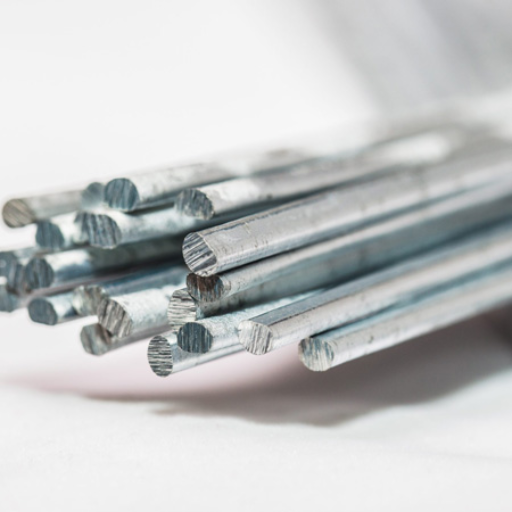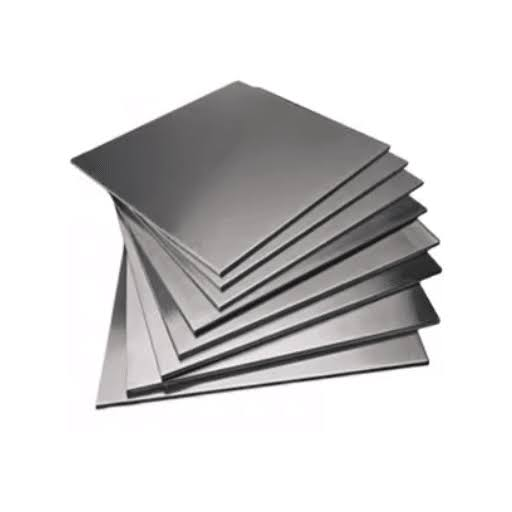
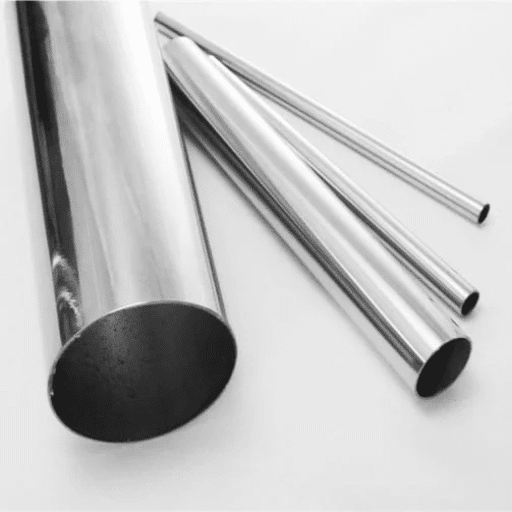
Stainless steel tubing serves as a vital part for various industries which need precise measurements together with durable materials that resist corrosion. The manufacturing and performance standards for these components include multiple regulations, but ASTM A269 serves as the main specification for general-purpose seamless and welded stainless steel tubing. The complete guide will show design engineers and procurement specialists and industry professionals the main elements and required materials and testing procedures which ASTM A269 specifies to help them achieve compliance while attaining optimal results in various applications.
Understanding ASTM A269
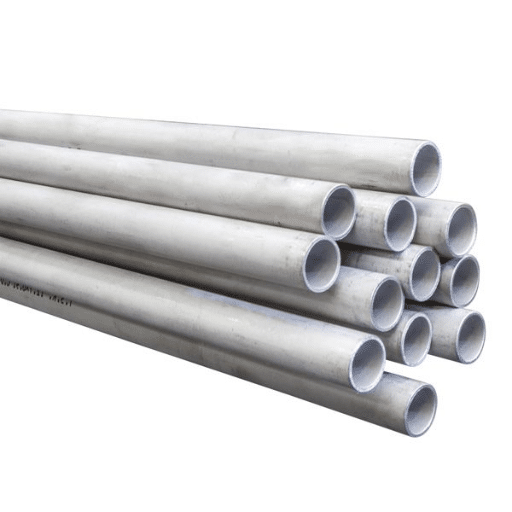
Overview of ASTM Standards
ASTM International, which used to be called the American Society for Testing and Materials, creates and distributes technical standards that apply to various materials, products, systems, and services. These standards provide industrial and commercial sectors with requirements that guarantee their operations will meet standards for safety, dependability, and operational efficiency. ASTM standards, including ASTM A269, receive worldwide recognition because their testing methods and complete testing procedures create scientifically valid standards.
The standard of ASTM A269 applies to seamless and welded austenitic stainless steel tubing which manufacturers use in applications requiring general corrosion resistance. The standard defines requirements for dimensions, material composition, heat treatment, and mechanical properties which manufacturers must follow to achieve their performance specifications. The standards which use current manufacturing process developments and material evaluation methods provide various industries with a complete method to achieve their durability and safety requirements in chemical processing, aerospace, and pharmaceutical operations. Organizations that follow ASTM standards can improve their operational efficiency while preserving their ability to meet legal requirements.
What is ASTM A269?
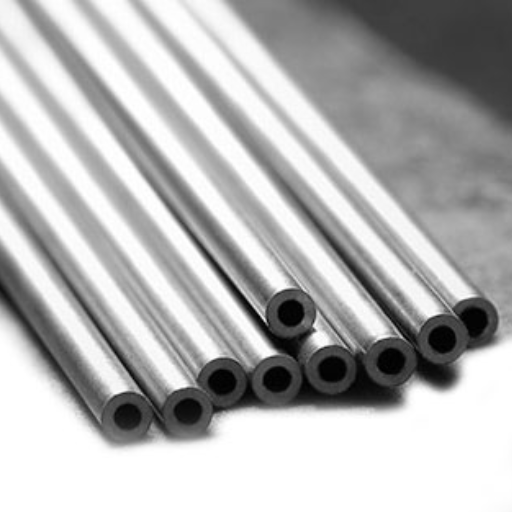
Definition: ASTM A269 is a specification established by ASTM International that covers seamless and welded austenitic stainless steel tubing used for general corrosion-resisting and low- or high-temperature service.
The specification outlines all required chemical elements and tensile strength standards and heat treatment methods and dimensional tolerance requirements which must be followed to achieve optimal performance of stainless steel tubing in extreme operational conditions.
The tubing specified under ASTM A269 is commonly utilized in industries such as chemical processing power generation and fluid transportation and medical applications where resistance to corrosion and environmental stresses is crucial. The standard of ASTM A269 requires manufacturers to perform hydrostatic tests and nondestructive eddy-current testing as part of their tubing integrity assessment process.
The standard establishes acceptable limits for variations in wall thickness, diameter, and length which must be maintained to achieve standardization and production excellence. The implementation of ASTM A269 standards by manufacturers and end-users secures dependable and extended operational capacity for stainless steel tubing in vital industrial environments.
Key Specifications and Material Requirements
The standard of ASTM A269 requires stainless steel tubes used in industrial applications to have complete control over their material composition and mechanical properties which must meet specific standards for reliable performance. The standard applies to seamless and welded austenitic stainless steel tubing which requires corrosion resistance to handle extreme environmental conditions and hazardous material handling.
Chemical Composition
The specific composition range determines the required amounts of carbon and chromium and nickel and molybdenum. The chromium content needs to reach between 16% and 18% of the total weight to achieve enhanced corrosion protection.
Tensile Strength
The material needs to reach minimum tensile strength of 75,000 psi and minimum yield strength of 30,000 psi. The material needs these requirements to withstand the mechanical stresses that occur during operations.
Dimensional Tolerances
Outside diameter tolerances for smaller tube sizes reach ±0.005 inches, enabling precise manufacturing for industrial applications.
Required Testing Protocols:
- Hydrostatic testing to determine pressure resistance
- Nondestructive eddy-current testing to identify surface and subsurface defects
Technical Specifications of ASTM A269 Tubing

Seamless vs. Welded Tubing
The two distinct manufacturing processes defined by ASTM A269 produce seamless tubing and welded tubing which serve their specialized purposes through different performance characteristics and operational conditions.
| Characteristic | Seamless Tubing | Welded Tubing |
|---|---|---|
| Manufacturing Process | Extrusion of solid billets creating hollow tube with uniform strength | Flat-rolled strips transformed into cylindrical forms using longitudinal welding |
| Structural Integrity | No weak points due to absence of weld seams | Advanced welding technologies with ASTM-approved post-production heat treatment |
| Pressure Capability | High-pressure systems requiring exceptional strength | Medium-pressure environments |
| Cost Efficiency | Higher production costs | Economical option with cost-efficient manufacturing |
| Typical Applications | Aerospace, hydraulic applications requiring cyclic load reliability | Chemical material protection, food-grade substance handling |
Selection Guidance: The selection between the two items depends on user requirements according to recent data from industry sources and search analytics. Aerospace industries prefer seamless tubing for exceptional strength and cyclic load reliability and resistance to corrosion. Businesses needing affordable solutions which require no special customization and use standard diameter products should choose welded tubing as their preferred solution.
Austenitic Stainless Steel Characteristics
The alloy family of austenitic stainless steels contains over 50 different alloy types which all demonstrate outstanding corrosion protection, high ductility, and non-magnetic behavior after undergoing annealing. Stainless steels in this group which include 304 and 316 grades contain high chromium content between 16% and 26% and nickel content of 6% to 22% together with trace elements like molybdenum, nitrogen, and manganese which improve particular performance characteristics.
Key Performance Characteristics
Crystal Structure
Face-centered cubic (FCC) configuration stabilized through nickel or nitrogen introduction
Temperature Performance
Maintains mechanical properties at cryogenic temperatures, ideal for chemical storage tanks
Fabrication Capability
Superior welding and forming capabilities for complex structural designs
Enhanced Protection
Grade 316 provides enhanced protection against pitting and crevice corrosion in chloride-rich environments
Testing Procedures for Compliance
The industry needs testing methods which require thorough testing procedures to prove stainless steel alloys meet the defined standards that determine their permitted applications.
Comprehensive Testing Methods:
- Chemical Composition Analysis: Spectrometry examination establishes element distribution between chromium and nickel and molybdenum through precise testing methods
- Mechanical Testing: The process evaluates material performance through dedicated testing which assesses tensile strength yield strength and hardness across different load scenarios
- Corrosion Resistance Testing: The tests use salt spray testing and electrochemical analysis to find out whether materials can withstand chloride-rich environments and extreme environmental conditions
- Non-Destructive Testing (NDT): Ultrasonic and radiographic tests evaluating internal defects while maintaining material integrity
- Standards Compliance: Following ASTM (American Society for Testing and Materials) and ISO (International Organization for Standardization) standards as foundation for proving adherence to international requirements
Applications of ASTM A269 in Various Industries

Chemical Processing Applications
The chemical processing industry needs ASTM A269 tubing because it provides exceptional corrosion protection and endures high-temperature conditions while maintaining its mechanical properties. The stainless steel tubes are used to move highly corrosive chemicals, acids, and gases which enable safe and effective material handling between reactors, heat exchangers, and distillation systems.
Industry Trend: Research studies demonstrate that the demand for ASTM A269-compliant tubing has grown because of the increasing global need for high-quality petrochemical products and environmentally friendly chemical production methods. The combination of seamless manufacturing technology and rigorous standard compliance enables ASTM A269 materials to deliver dependable performance in extreme operational environments.
Food and Beverage Production
Food and beverage companies increasingly adopt ASTM A269-compliant tubing because it delivers better corrosion protection and meets hygiene requirements that safeguard product safety and quality. Recent search data shows rising interest in “stainless steel tubing for food production” and “hygienic tubing standards” according to industry research, demonstrating how important reliable sanitary standards have become for the industry.
Key Industry Requirements:
- Materials that can handle strong cleaning methods while keeping their original shape
- Prevention of contamination in processing systems
- High cleanliness standards for dairy, beverages, and other sensitive food products
Oil and Gas Industry Requirements
The oil and gas industry requires tubing solutions which can withstand extreme pressure conditions and thermal variations and exposure to hazardous substances. The industry commonly uses ASTM A213 and ASTM A335 alloy and stainless steel tubes because these materials offer high tensile strength, exceptional corrosion protection, and outstanding thermal performance.
Performance Requirements
Essential requirements for maintaining system safety and operational efficiency during exploration, drilling, and refining operations
Compliance Standards
Tube manufacturers must comply with strict standards including API specifications to build reliable products for critical operational areas
Material Innovation
Material science progress prompts shift towards developing more robust and affordable tubing solutions enhancing operational efficiency
Comparative Analysis of ASTM A269 and Similar Standards

Differences Between ASTM A269 and ASTM A312
ASTM A269 and ASTM A312 establish different requirements for stainless steel tubing and piping systems which they both define as standard specifications.
| Specification Aspect | ASTM A269 | ASTM A312 |
|---|---|---|
| Primary Application | Seamless and welded stainless steel tubing for general corrosion resistance and temperature service | Stainless steel pipes for high-temperature and high-pressure operational conditions |
| Duty Classification | Light-duty tubing with specific dimensional standards and high-quality surfaces | Heavy-duty applications in high-stress conditions |
| Testing Requirements | Hydrostatic testing and nondestructive eddy-current testing | Hydrostatic testing, non-destructive testing, and heat treatment verification |
| Size Range | Smaller pipe systems with lighter dimensions | Larger pipe diameters and thicker wall sections for pipeline systems |
| Typical Industries | Chemical processing, food processing, instrumentation | Power plants, petroleum refineries, heat exchangers |
Selection Principle: The differences between the two standards illustrate why organizations must choose the appropriate standard according to their specific operational needs. ASTM A269 serves as an optimal solution for situations requiring precise operations at moderate stress levels while ASTM A312 functions as an operational solution for facilities which need to maintain their structural integrity at high performance levels.
When to Choose ASTM A269 Over Other Standards
The application requires ASTM A269 because it delivers the essential precision and corrosion resistance needs together with its ability to manage moderate pressure levels. This standard focuses exclusively on the design of seamless and welded stainless steel tubing which serves general service needs.
Ideal Applications for ASTM A269:
- Chemical processing requiring corrosion resistance and precision
- Food and beverage production needing sanitary-grade equipment
- Equipment instrumentation with high operational effectiveness requirements
- Control system and transfer line assembly applications
- Environments with corrosive materials requiring strict material requirements
- Projects needing basic operational strength without extreme heat-resistance features
Cost Consideration: The standard offers cost savings to organizations that need basic operational strength but lack the operational requirements which necessitate ASTM A312 strength and heat-resistance features. ASTM A269 provides an appropriate combination of precision and moderate stress requirements which remain economically viable.
Industry Preferences and Compliance Considerations
The operational requirements which exist in any sector together with its applicable regulatory requirements determine the specific standards which industries use to select either ASTM A269 or ASTM A312.
ASTM A269 Preference
Sectors: Food and beverage, pharmaceutical, chemical processing
Requirements: Hygiene, corrosion resistance, superior surface finish, cleaning efficiency
ASTM A312 Preference
Sectors: Oil and gas, power generation
Requirements: High-pressure environments, high-temperature environments, strength, heat-resistance capacity
Search Trend Analysis:
Search trends demonstrate that stainless steel tubing specifications maintain high demand within the industry. Keywords including “corrosion-resistant tubing,” “hygienic stainless steel standards,” and “high-temperature resistant tubing” indicate that while ASTM A269 sees dominant association with precision-focused applications, ASTM A312 maintains strong presence in contexts requiring structural durability.
The Importance of Compliance with ASTM A269

Safety and Performance Evaluation
ASTM A269 establishes strict standards which manufacturers must follow when producing seamless and welded stainless steel tubing required for essential functions in multiple industrial fields including chemical processing, automotive, and food production. The standards require products to comply with strict mechanical, chemical, and dimensional requirements which protect their operational performance and their safety for users.
Risk Reduction
Manufacturers reduce material failure risks through standard adherence, protecting operations from both financial harm and safety incidents
Quality Assurance
Procurement processes establish ASTM A269 adherence as vital quality control standard granting stakeholders assurance about product reliability
Advanced Monitoring
Real-time compliance monitoring tools with advanced inspection methods achieve ASTM A269 requirements while maintaining dedication to safety
Service Reliability Assessment
Component reliability and performance in operational settings depend on compliance with ASTM A269 specifications. Components constructed according to these standards exhibit better durability because of their consistent material properties including corrosion resistance, tensile strength, and dimensional accuracy.
Industry Demand: According to recent search trends analyzed from data, there is notable increase in demand for ASTM-compliant tubing particularly in industries such as oil and gas, pharmaceuticals, and automotive engineering. The increased use of standardized materials has become recognized as essential for both product reliability and optimal product performance throughout its lifespan.
The use of precise inspection methods together with real-time monitoring systems enables organizations to detect and address operational variations which boosts their capacity to maintain dependable performance over extended periods.
Compliance Advantages that Last for Extended Time Periods
Organizations that follow ASTM standards gain multiple long-term benefits which become especially valuable as current technologies and operational methods continue to improve.
Strategic Compliance Benefits:
- Better efficiency through standardized materials and processes
- Decreased operational interruptions and enhanced safety performance
- Improved product quality meeting global supply chain requirements
- Innovation enablement through implementation of advanced technologies including predictive maintenance and digital twin frameworks
- Sustainable growth through expense control while maintaining high-performance standards
Market Awareness: Search engine analytics show that users now conduct more searches which focus on how ASTM-compliant materials help reduce costs and improve performance. The industrial sector has become more aware of how compliance benefits their operations because of this increased focus on standardization.
Frequently Asked Questions
Is ASTM A269 seamless tubing suitable for high-temperature or low-temperature service?
The ASTM A269 standard defines seamless tubing which has suitability for various temperature applications. ASTM A269 defines austenitic stainless steel tubing which industrial users employ for protecting against corrosion and for general purposes, but its main application lies in heat-treated or annealed austenitic steel that functions under standard temperature conditions. The specific alloy and heat-treated condition need to be confirmed for low temperature service since different grades have different performance capabilities at cryogenic temperatures requiring additional heat treatment and post-weld processing for certain grades. The application needs to evaluate alternative specifications when it approaches boiler or high-temperature operations, while ASME SA 269 equivalency should be consulted for pressure applications. Performance and suitability will be affected by nominal dimensions existing in millimeters and required straight lengths or coil form. The tube needs clear identification of polish together with all specific custom finish requirements and post-fabrication straightening needs necessary for fulfilling project requirements.
What are the differences between ASME SA 269 and ASTM A269 tube specifications in their respective standards?
ASME SA 269 serves as the Code designation which corresponds to ASTM A269, and both designations are used interchangeably in reference to ASTM A269 stainless steel tube for pressure applications and general usage. The two systems require identical technical specifications which include chemical composition and heat treatment and dimensional tolerances, but work on certified boiler and pressure vessels needs ASME stamping. The order process requires customers to specify their ASME SA 269 certification requirements together with their chosen nominal size which should be provided in both millimeters and inches and their preferred polishing finish. The specifications describe both seamless and welded construction methods which include welded tube and seamless tubing based on particular usage needs. Suppliers must deliver proof of their capability to supply both straight-run pipe and custom coil lengths while providing weld and heat-treat records for traceability purposes.
What are the differences between welded tubes and seamless 269 tubes regarding their suitability for sanitary and polished applications?
Welded tube meets sanitary and polished surface requirements because proper welding grinding creates the necessary surface and the interior receives required polishing. The mill provides a seamless tubing solution which delivers a smooth internal surface. Applications requiring high polish and needing to avoid crevices for cleanliness purposes should define the required polish level and the need for tube electropolishing or mechanical finishing. The ASTM A269 standard provides austenitic steel grades existing in both welded and seamless forms, enabling users to select based on their budget and available instances involving heat-treated or heat-treated steel. The assembly process requires providing both nominal dimensions and choice of coils or straight lengths. Customers must state all custom fabrication needs, including requested special weld procedures and intended use of low-temperature service, to guarantee proper order fulfillment.
What nominal sizes and mm tolerances are typical under the 269 tube specification?
The ASTM A269 standard establishes size requirements for nominal tube dimensions and wall thickness specifications which manufacturers show as their product diameter measurements in both inch and millimeter formats to meet engineering specifications. Acceptable tolerances for products depend on whether they consist of seamless tubing or welded tube and which wall thickness class applies, so you should consult the standard or vendor data sheets before purchasing. Accurate pipe and tube dimensions are essential for boiler and piping system applications, and you can request certification for both millimeter measurements and straightness measurements. Manufacturers provide coil and straight-length products while offering custom cut-to-length solutions matching project requirements. Needed pipe dimensions become critical for flanges and fittings when users must confirm whether the tube completed either cold-drawing or heat treatment processes to reach final dimensions.
Does ASTM A269 stainless steel tube require heat-treatment or post-weld heat treatment?
ASTM A269 standard requires austenitic stainless steel tubing to be delivered in its heat treated annealed state, but post-weld heat treatment becomes unnecessary for these grades because austenitic steels maintain their toughness after welding. Specific applications require specific heat treatment procedures which will eliminate residual stresses or produce materials for special service conditions, therefore you should provide your heat treatment needs when you place your order. ASME SA 269 combined with project codes should be used to evaluate pressure and boiler service welded tube assemblies for their additional processing needs. The mill requires all heat treatment and testing parameters to be specified which should include exact low temperature performance requirements. Establishment of treatment and certification requirements must occur before the start of project work because untreated requests will result in project delays.
How do I specify finish, polish, and straight or coil delivery for ASTM 269 tubing?
The customer needs to specify their required tubing finish between mill finish mechanical polish and electropolish together with their need for interior sanitary polish or exterior appearance polish. The suppliers offer piping products in two options which include coil tubing for downstream production and straight tubing for boiler and piping assemblies; customers must specify their preference between coil and straight while stating their minimum straight length needs. Customers must specify in their order which weld seam treatment they prefer, and they should request sample reports or photos when needed. Customers must provide both nominal dimensions in millimeters or inches and wall thickness requirements along with their decision about heat treatment or new mill annealed delivery. The product will require written confirmation to demonstrate its compliance with ASTM and ASME standards and specific project welding and polishing requirements for custom finishes and tolerance specifications.
Reference Sources
- CE 431-102: Constructional Materials Laboratory – Discusses ASTM specifications and their application in construction materials.
- Evaluation & Design of a Power Conduit for a Heart Assist Device – Explores the use of ASTM standards in medical device applications.
- Early-Stage Quantitative Risk Assessment for Hydrogen Vehicle Fueling – Highlights the use of ASTM A269 seamless stainless steel tubing in hydrogen fueling systems.