Stainless steel buttweld fittings function as essential components which provide industrial systems their capacity for permanent durability, resistance to corrosion, and their ability to connect with piping systems. This comprehensive guide provides professionals with complete information about choosing, welding, and using these fittings. The article delivers technical expertise and practical knowledge which engineers and contractors need to design high-performance pipeline systems and complete their installation work. The following sections will cover essential factors that help improve operational performance and maintain equipment durability in extreme work conditions through material grade understanding and correct welding procedures.
Introduction to Stainless Steel Buttweld Fittings
What are Stainless Steel Buttweld Fittings?
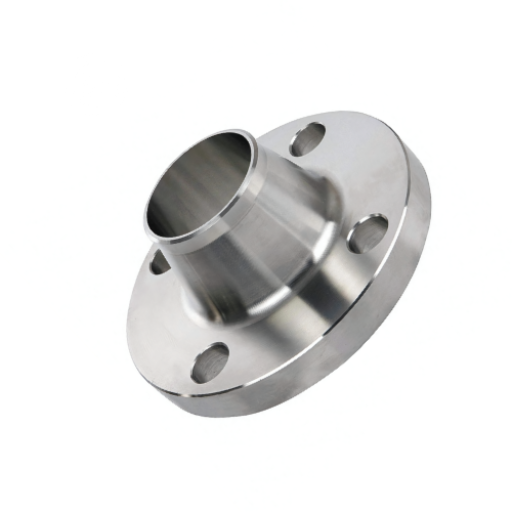
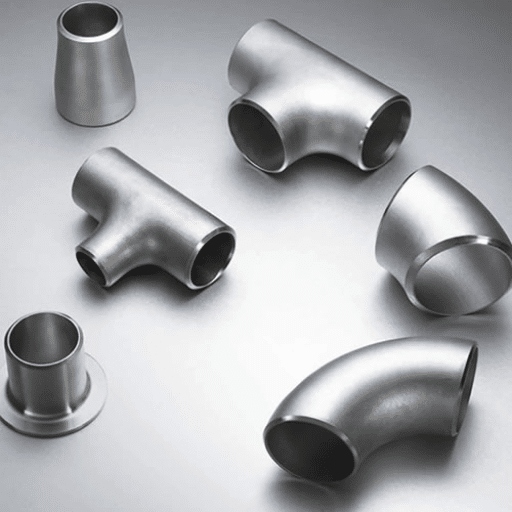
Stainless steel buttweld fittings serve as vital elements for pipeline systems because these fittings enable pipelines to change direction, create new branches, and decrease their pipe diameter. The manufacturing process of these fittings involves shaping stainless steel into required shapes through either hot or cold metalworking techniques which are followed by seam welding to achieve better strength and operational performance.
Oil & Gas
The pipe couplings we manufacture are essential for high-pressure, high-temperature pipeline systems and are built on the promise of strength and corrosive resilience.
Petrochemical
Critical for chemical processing environments demanding structural integrity under extreme conditions
Pharmaceutical
Vital for sanitary systems requiring contamination-free operations and regulatory compliance
Food Processing
Important for hygienic food-grade piping systems maintaining product safety and quality standards
Common Fitting Types
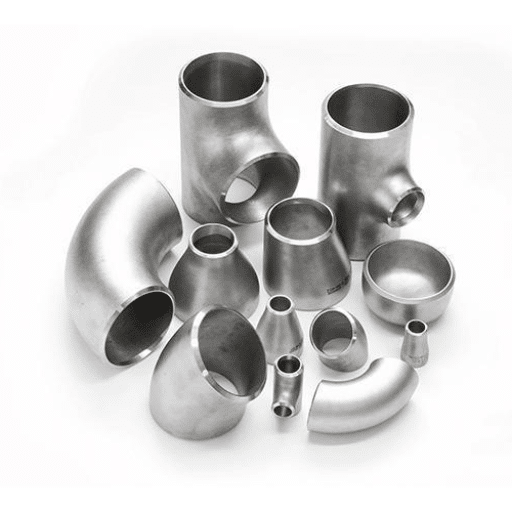
The common types of this product line include elbows, tees, reducers, and caps which engineers use to design systems that match specific flow patterns and system operational needs.
Industry Trend: According to recent industry data, demand for stainless steel buttweld fittings is rising due to their longevity, ease of installation, and compliance with international standards such as ASME B16.9. The seamless connection of these components establishes an unobstructed passage which leads to decreased turbulence and reduced cracking risk.
Key Features of Butt Weld Fittings
The essential characteristics of butt weld fittings serve as their main purpose for use in modern piping systems.
Primary Performance Features:
- Leak-Proof Construction: Establishes strong link between pipes preventing both leaks and stress failures
- Flow Optimization: Smooth interior surfaces reduce pressure drop and turbulence during operations
- Structural Integrity: Maintains performance during high pressure and temperature conditions essential for vital functions
- Standards Compliance: Meets global standards with ASME B16.9 offering longer operational life
- Corrosion Resistance: Stainless steel alloys provide excellent performance in harsh operating conditions
Importance of Material Selection
Industrial applications, particularly piping and pipeline systems, require material selection because it determines functionality, efficiency, and operational lifespan. The choice of material directly impacts the system’s ability to withstand pressure, temperature fluctuations, corrosion, and overall mechanical stress.
| Material Grade | Key Properties | Typical Applications |
|---|---|---|
| 304 Stainless Steel | Superior corrosion resistance, excellent durability | Chemical processing, marine environments |
| 316 Stainless Steel | Enhanced corrosion resistance, marine-grade performance | Offshore applications, pharmaceutical systems |
| Carbon Steel | Cost efficiency, thermal stability | High-temperature settings, general industrial use |
Sustainability Focus: Search engine data shows that people are becoming more interested in sustainable material solutions because they frequently search for “corrosion-resistant materials,” “eco-friendly pipeline materials,” and “best alloys for high-pressure pipelines.” Modern industries select materials that improve operational performance while decreasing environmental damage and extending infrastructure component lifespan.
Manufacturing Process of Stainless Steel Buttweld Fittings

Overview of Butt Weld Fitting Production
The production of stainless steel buttweld fittings consists of complex processes which ensure that products reach both industrial structural requirements and operational performance specifications.
Manufacturing Process Flow:
- Material Selection: Selection of high-grade stainless steel material meeting specific standards for corrosion resistance, tensile strength, and durability
- Cutting and Heating: Cutting of stainless steel pipes into designated lengths followed by heating to specific temperatures for malleability
- Forming: Use of hydraulic presses, mandrels, and dies for bending heated metal into required fitting shapes
- Precision Machining: CNC-assisted machining for final product finishing ensuring strict dimensional specifications
- Post-Production Treatment: Pickling and passivation processes improving corrosion resistance of fittings
Environmental Initiative: Customers showing growing interest in sustainability are driving factories to adopt processes which minimize waste during machining operations while using environmentally friendly cutting coolant. The production process uses contemporary tools and methods to develop products satisfying industrial standards and supporting worldwide sustainability initiatives.
Standards and Specifications (ASTM A403, MSS SP-43)
The production and application of stainless steel buttweld fittings are rigorously guided by established standards such as ASTM A403 and MSS SP-43.
ASTM A403
Scope: Wrought austenitic stainless steel fittings
Requirements: Chemical composition, mechanical properties, production methods
Applications: High-pressure and corrosive environments
MSS SP-43
Scope: Lightweight corrosion-resistant piping fittings
Requirements: Dimensions, tolerances, marking systems
Applications: Low-pressure settings with corrosion resistance needs
Quality Control Measures in Production
The production process requires multiple quality control methods which protect product quality by verifying that components satisfy demanding requirements from their respective industries.
Advanced Quality Control Technologies
Automated Inspection
Advanced systems with machine learning algorithms for finding defects and improving production output
Real-Time Monitoring
Data analysis during production enabling instant process corrections ensuring standards compliance
ISO 9001 Compliance
Standards implementation with statistical process control (SPC) and thorough final product testing
Types of Stainless Steel Buttweld Fittings

Stainless Steel Elbows: Types and Applications
Stainless steel elbows serve as essential elements within piping systems which enable industrial and commercial systems to redirect flow. Different types of fittings exist which serve different operational needs.
| Elbow Type | Configuration | Primary Benefits | Typical Applications |
|---|---|---|---|
| 45-Degree Elbow | Moderate flow change angle | Maintains consistent fluid/gas movement, decreased energy consumption | General industrial piping, HVAC systems |
| 90-Degree Elbow | Right-angle direction change | Precise direction shifts requiring minimal space | Chemical facilities, food production areas |
| 180-Degree Elbow | U-turn configuration | Complete flow direction reversal in confined spaces | Heat exchangers, close-loop piping systems |
Performance Standards: The choice of stainless steel for these elbows ensures corrosion resistance, longevity, and the ability to withstand high-pressure and temperature conditions. Industries use these fittings to achieve compliance with stringent industry standards including ASTM and ASME specifications.
Tees and Crosses: Understanding Their Uses
Tees and crosses function as essential elements in piping systems which allow multiple pipelines to connect while maintaining efficient flow distribution.
Tee Fittings
Configuration: T-shaped design
Function: Redirects fluid/gas at 90-degree angle
Applications: Residential plumbing, HVAC systems, pipeline branching
Cross Fittings
Configuration: Four-way connector
Function: Enables pipeline intersection with multi-channel distribution
Applications: Chemical processing, irrigation systems, industrial-scale operations
Reducers and Caps: Functionality and Design
The essential functions of reducers and caps in gas and fluid transport systems include system maintenance and operational adaptability.
Component Functions:
Reducers
- Connect pipes of differing diameters ensuring seamless flow transition
- Maintain consistent system pressure throughout pipeline
- Available in concentric and eccentric designs for precise flow management
- Used in water treatment, oil refining, and industrial applications
Caps
- Function as pipe end seals stopping leaks
- Safeguard system against outside contaminants
- Critical for system maintenance and insulation purposes
- Used during scheduled maintenance requiring pipeline sealing
Applications of Stainless Steel Buttweld Fittings Across Industries

Utilization in Industrial Piping Systems
Stainless steel buttweld fittings serve as essential components for industrial piping systems because these fittings create secure, strong, and durable pipe connections. The fittings find their main use within the oil and gas industry and petrochemicals and power generation and chemical processing sectors.
Performance Capabilities
Withstand extreme temperatures, high pressures, and corrosive elements in challenging operational conditions
Flow Efficiency
Smooth internal surfaces reduce turbulence while decreasing pressure loss throughout system operations
Regulatory Compliance
Meet stringent industry standards ensuring safety and operational reliability across applications
Food & Beverage Applications: The food and beverage industry uses stainless steel buttweld fittings to maintain sanitary conditions while preventing contamination which allows them to meet FDA regulations. The cross-industry adoption shows that these systems can work in various environments while enhancing both operational efficiency and safety.
Role in Chemical Processing and Oil & Gas Industries
The chemical processing and oil and gas industries depend on stainless steel buttweld fittings because the fittings provide superior protection against high-pressure, extreme-temperature, and corrosive conditions.
Critical Industry Requirements:
- Transport aggressive chemicals, hydrocarbons, and volatile substances maintaining operational efficiency
- Seamless construction minimizes leakage risk when handling hazardous materials
- Advanced welding techniques enable high reliability and long-lasting durability
- Growing demand for duplex and super duplex stainless steel for offshore platforms
- Extended system lifetime delivering substantial maintenance expense savings
Applications in HVAC and Plumbing Systems
The operational performance and structural resilience of HVAC (Heating, Ventilation, and Air Conditioning) and plumbing systems benefit from the implementation of modern piping systems which combine advanced piping fittings with specialty materials.
Market Trends:
The demand for these components has increased sharply in commercial buildings and high-rise residential buildings because these structures require complete system protection. Precision-engineered fittings create leak-free connections which protect systems from failures while providing dependable operation for extended periods.
Benefits of Using Stainless Steel Buttweld Fittings

Durability and Corrosion Resistance
The exceptional durability of stainless steel buttweld fittings enables their application in extreme operational and environmental conditions. The robust structure demonstrates ability to endure high-pressure situations, mechanical forces, and temperature changes.
Primary Benefits Overview:
Corrosion Protection
Chromium oxide protective layer prevents oxidation and rusting in extreme marine and chemical environments
Extended Lifespan
Materials extending product life while decreasing upkeep needs for operational efficiency
Equipment Reliability
Reduced downtime from equipment failure delivering cost benefits and environmental protection
Ease of Installation and Maintenance
The installation process for stainless steel buttweld fittings becomes simpler because they require less time and effort for maintenance tasks. Their design achieves precise engineering which allows them to work perfectly with existing pipelines while reducing the need for special equipment during installation.
Installation & Maintenance Advantages:
- Precise engineering enables perfect compatibility with existing pipeline systems
- Reduced need for special equipment during installation process
- Corrosion resistance preserves structural integrity over time
- Decreased inspection and repair requirements throughout lifespan
Cost-Effectiveness in the Long Run
The assessment of stainless steel buttweld fittings cost-effectiveness needs to include both initial costs and total costs throughout their operational period.
Long-Term Economic Benefits:
- Reduced Maintenance: Lower maintenance requirements compared to alternative materials resulting in decreased labor and material expenses
- Fewer Breakdowns: Corrosion resistance and high tensile strength minimize breakdowns affecting vital operations
- Operational Efficiency: Extreme thermal and pressure condition capability ensures continuous performance
- Total Ownership Cost: Cost-effective solution decreasing ownership expenses while meeting performance and environmental requirements
Frequently Asked Questions
Do I need stainless steel butt weld pipe fittings for industrial piping systems?
Industrial piping systems require stainless steel butt weld pipe fittings because these fittings provide both corrosion resistance and structural strength to withstand severe environmental conditions. The fittings which include elbows, tees, reducers, and caps create permanent welding connections which reduce the risk of leakage that occurs with mechanical joints. The general recommendation for most projects requires the selection of both schedule and material grade specifications which include 304 and other alloys to match process requirements and wall thickness specifications. When choosing fittings you should first inspect your shop inventory before placing an order for short radius or short style elbows because of existing space limitations.
What are the correct size and schedule specifications to choose for butt weld fittings?
The correct size and schedule selection process requires matching the pipe outer diameter and wall thickness to the appropriate schedule which includes sch 80 and other schedules that fulfill the system pressure requirements. To achieve correct weld end fit-up and permanent connection the fitting end and weld profile must match the pipe schedule requirements. The allowable stresses of carbon and stainless steel and alloy materials determine the required safety schedule which results from material selection. Refer to MSS SP-43 or ASTM A403 specifications to obtain industry standards for dimensional tolerances and standard size specifications.
What are the differences between short radius and standard elbows for stainless steel buttweld fittings?
Short radius elbows have a center-to-end radius equal to one times the pipe nominal diameter, while standard elbows use a 1.5D radius, which affects flow and space usage. Short radius elbows save shop floor space and are preferred when design constraints force tight routing but they can create higher pressure drop and potential for increased erosion in some metal service conditions. Short or short radius fittings work best for compact design needs while standard elbows deliver more efficient hydraulic performance with smoother flow movement. The design of high-pressure systems requires you to confirm the schedule and wall thickness specifications which should match the sch 80 and other required ratings.
Can I use butt weld fittings with different materials like carbon and alloy in the same system?
The system allows for carbon and stainless steel and alloy butt weld fittings to be combined. However, the system needs metallurgical and corrosion analysis to prevent galvanic corrosion and differential corrosion rates. Dissimilar metal combinations need transition pieces or welding procedures which require compatible welding end preparations and filler materials. The project specifications specify which materials can be used while they cite standards such as ASTM A403 for stainless steel components. The shop establishes a standard practice which requires all welds to be documented and the cleaning of weld areas to prevent contamination that would harm stainless steel surfaces.
What should I check when inspecting butt weld fittings upon delivery?
The delivery needs an inspection of each fitting which must confirm its correct dimensions and schedule and material grade and project specifications and ASTM standards compliance. The weld end condition requires verification while the weld bevel damage assessment needs to confirm wall thickness according to ordered specifications. The inventory needs proper marking and documentation to verify its match with purchase orders and to allow future maintenance tracing of items. The installation area needs cleaning because all fittings must be stored in a dry location which prevents contamination and corrosion until their installation. The project requires immediate contact with the supplier when any piece becomes damaged or specifications fail to match.
How are stainless steel buttweld fittings cleaned and prepared before welding?
Welding requires cleaning fittings by removing all oils dirt and protective coatings because this process creates a clean weld zone which prevents stainless metal contamination. The weld area requires workers to remove both oxide and mill scale through mechanical methods while they use cleaners which leave no remaining residues. The passivation process restores stainless steel corrosion resistance through an extra step which follows welding for critical systems. The shop needs to verify that fittings match the correct style and size and that short radius fittings and other special fittings meet project requirements. The welding procedure specification provides the necessary guidelines to create a permanent butt weld joint which achieves high quality standards.
Reference Sources
- Design of Stainless-Steel and Aluminum Slide Gates – Discusses the design and application of stainless steel components, including gates and fittings.
- Strength of Bolted and Welded Connections in Stainless Steel – Explores the strength and performance of welded connections, including buttweld specimens.
- Design Basis Document for Nitrate Salt Systems in CSP Projects – Includes technical specifications for stainless steel buttweld fittings in industrial applications.