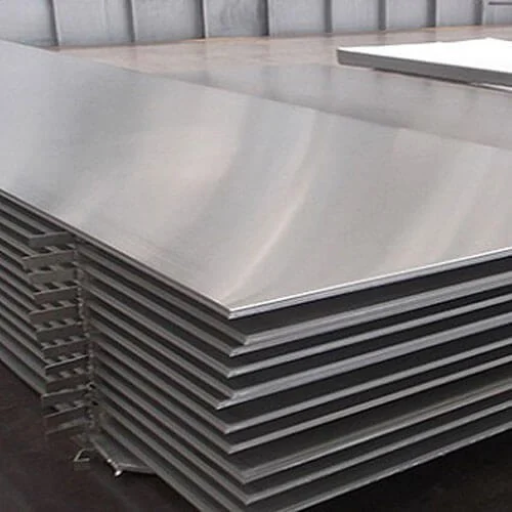
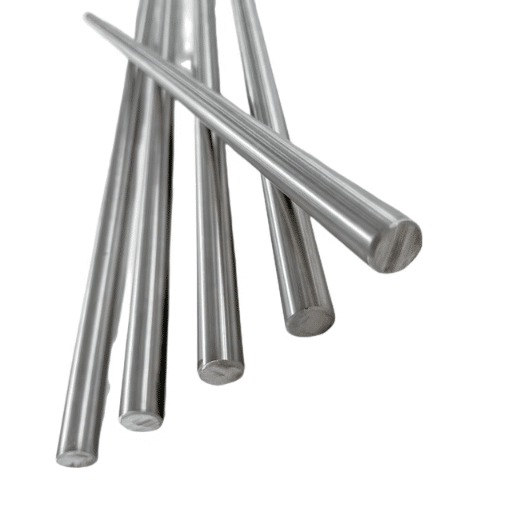
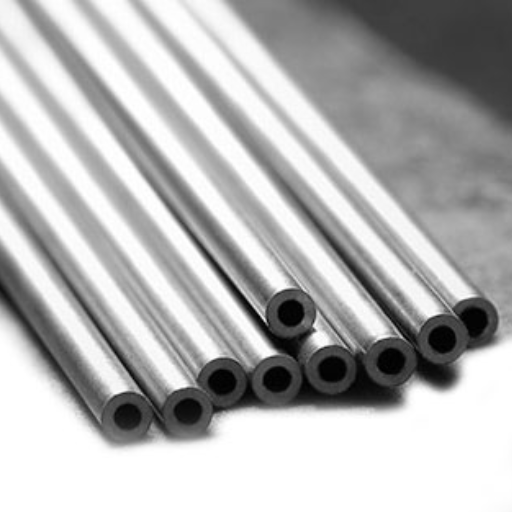
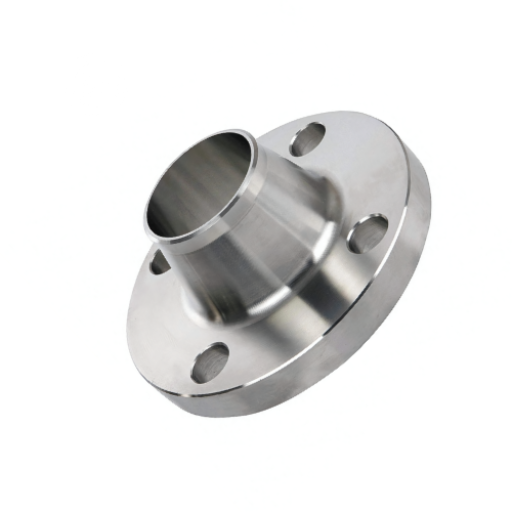
This article presents the main uses, technical details, and advantages of SS 304 seamless pipes, demonstrating their significance in construction and chemical processing industries. This guide will help you understand SS 304 seamless pipes which serve as industry standards, offering essential information to both professionals who need dependable materials and people who want to learn about stainless steel.
Introduction to Stainless Steel and Seamless Pipes

What is Stainless Steel?
Stainless steel exists as a flexible metal alloy which exhibits resistance to corrosion and contains iron as its main component together with carbon and chromium which always exceeds 10.5% of the total alloy weight.
Key Stainless Steel Characteristics
- Chromium Content: Exceeds 10.5%, creates protective oxide layer preventing rust and corrosion
- Nickel and molybdenum and manganese serve to enhance the material’s strength and heat resistance and durability.
- The surface oxide layer presents a self-sustaining protection system which delivers high-level defense against corrosion.
- The material finds extensive use across the construction and manufacturing and transportation and healthcare sectors.
- The product maintains its original appearance while requiring only basic cleaning because of its durable design and attractive look.
Overview of Seamless Pipes
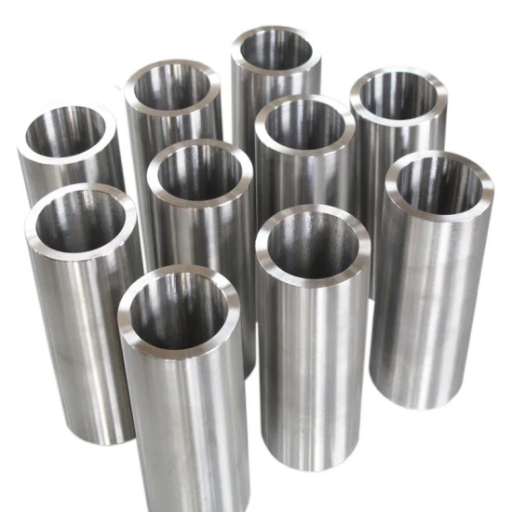
Seamless pipes exist as a pipe type which does not include any welded seams or joints, enabling these pipes to maintain high durability while they operate in high-pressure conditions. The pipe manufacturing process begins with an extrusion method which uses a solid billet of metal to create a hollow tube after workers pierce and stretch the metal.
Seamless Pipe Advantages
🔧 Superior Strength
Complete structure contains no weak points, suitable for demanding applications
💪 High-Pressure Capability
Ideal for oil and gas, power generation, automotive, and aerospace operations
🛡️ Enhanced Reliability
Better strength, corrosion resistance, and extreme temperature resistance than welded pipes
Recent data shows seamless pipe demand is growing because these pipes provide better strength, corrosion resistance, and extreme temperature resistance. Critical applications requiring high safety and reliability standards usually prefer these pipes over welded pipes.
Importance of 304 Stainless Steel
The exceptional properties of 304 stainless steel have established it as a main material used throughout different industrial sectors. The industry uses 304 stainless steel because it provides excellent durability, corrosion resistance, and easy manufacturing.
🍴 Food Processing
Hygienic properties ideal for food-grade equipment and facilities
🏛️ Architecture
Attractive appearance with oxidation and moisture damage protection
🏥 Healthcare
Chromium-nickel content suitable for sterile hospital environments
♻️ Sustainability
Recyclable material meeting modern environmental sustainability goals
Specifications of SS 304 Seamless Pipe

ASTM A312 Standards
The ASTM A312 standards provide specifications describing both seamless and welded austenitic stainless steel pipes which manufacturers designed for use in high-temperature applications and environments with corrosive substances.
ASTM A312 Key Requirements
Chemical Components
Defines essential criteria specifying needed chemical composition for austenitic stainless steel.
Mechanical Characteristics
Establishes required tensile strength, yield strength, and elongation properties.
Testing Methods
Specifies procedures to achieve dependable and robust results for key operational functions in oil and gas, petrochemical, and pharmaceutical sectors.
Industry Recognition: Recent search trends show increased interest in ASTM A312 standards because people want to learn about certified materials including SS 304 pipes. The standard guarantees that pipelines achieve operational requirements protecting users from hazards while providing effective operation in spaces demanding exactness and dependable performance.
ASME SA312 Compliance
The ASME SA312 standard mandates compliance helping maintain proper quality control standards for stainless steel pipes across multiple industrial sectors. Latest search trend data shows people now search for “ASME SA312 standards” more frequently because they want to understand these strict compliance requirements.
ASME SA312 Compliance Benefits
- Corrosion Resistance: Meets requirements for chemical processing plants and oil refineries
- Tensile Strength: Adequate mechanical properties for high-pressure systems
- Temperature Tolerance: Suitable for demanding temperature conditions
- Operational Safety: Enhanced through industry-grade material certification
- International Standards: Helps companies reach international safety standards
Dimensions and Schedules (Schedule 40, etc.)
Pipe dimensions and schedules—including Schedule 40, Schedule 80, and additional schedules—establish pipe wall thickness and strength properties which help evaluate the pipe’s capacity to handle different pressure and temperature conditions.
| Schedule Type | Wall Thickness (2″ NPS) | Pressure Rating | Common Applications |
|---|---|---|---|
| Schedule 40 | ~0.154 inches | Moderate pressure | Plumbing, light industrial work |
| Schedule 80 | ~0.218 inches | Higher pressure | Chemical processing, oil & gas |
Experts must evaluate all operational pressure conditions, fluid types, and environmental factors to choose the correct schedule for each application. The selection of proper dimensions and schedule enables businesses to maintain operational standards while achieving both safety and efficiency.
Applications of 304 Stainless Steel Seamless Pipe

Industrial Uses
Various industries make extensive use of 304 stainless steel seamless pipes because this material delivers exceptional resistance to corrosion together with its ability to withstand high temperatures and its overall strength.
Key Industrial Applications
- Petrochemical Industry: Transport systems handling dangerous chemicals and steam
- Pharmaceutical Industry: Sanitary material transport requiring absolute purity
- Food Processing Industry: Hygienic transport of food-grade materials
- Seamless Design Advantage: Complete protection against leaks for critical functions
- Growing Demand: Search engine data shows increasing demand due to improved manufacturing processes
Construction and Engineering
The growing demand for 304 stainless steel seamless pipes can be attributed to their exceptional properties and versatility in construction and engineering projects.
Why SS 304 Seamless Pipes Are Vital in Modern Construction
🏗️ Harsh Environment Durability
Ability to endure harsh environments while ensuring leak-proof performance
💧 Infrastructure Applications
Particularly valuable in pipelines, water supply systems, and high-pressure applications
✅ Core Benefits
Better corrosion protection, longer lifespan, and budget-friendly solution for projects requiring reliability, sustainability, and precision
Oil and Gas Applications
The oil and gas sector depends on 304 stainless steel seamless pipes because this material offers outstanding strength and protection against extreme operational conditions. The pipes serve as the primary method to move oil, gas, and other hydrocarbons because they maintain operational capabilities when exposed to extreme pressure and temperature conditions.
Industry Search Trends: Latest data shows people use search terms about “corrosion-resistant materials for oil and gas” because they need materials protecting against both corrosive elements and extreme operational conditions. The seamless structure of 304 stainless steel pipes ensures leak-proof design making them suitable for use in pipelines and wellhead assemblies. Their adaptability and reliability allow organizations to cut down on maintenance expenses while enhancing safety and operational efficiency in this vital industry.
Benefits of Using SS 304 Seamless Pipes

Corrosion Resistance
SS 304 seamless pipes show strong protection against corrosion which allows their use in all types of environments that include damp conditions and acid exposure and chemical contact.
Corrosion Resistance Features
- Chromium Protection: High chromium content creates protective oxide layer defending against oxidizing agents
- Extended Durability: Maintains structural strength during harsh situations
- Harsh Environments: Suitable for offshore platforms and chemical processing plants
- Safety Impact: Corrosion resistance directly impacts both operational safety and productivity
High Strength and Durability
Stainless Steel 304 is a popular material choice for industrial and commercial applications because it provides both exceptional strength and long-lasting durability.
💪 Mechanical Properties
- Tensile strength: ~515 MPa (75,000 psi)
- Strong impact resistance
- Endures heavy mechanical stress
- Maintains structural integrity
🔨 Performance Characteristics
- Outstanding wear resistance
- Deformation resistance
- High temperature tolerance
- Heavy load capacity
Market Recognition: Latest search engine data shows SS 304 stands as one of most frequently searched materials when people need materials providing strength, corrosion protection, and affordable pricing. Industries ranging from construction to food processing heavily rely on SS 304 for its cost-effective balance of versatile properties.
Versatility in Various Environments
SS 304 shows outstanding flexibility which makes it the most suitable material for various applications that require operation in different environments. The material shows exceptional corrosion resistance which allows it to perform its best in settings that experience water contact and chemical exposure and temperature fluctuations.
Environmental Versatility
- Outdoor Applications: Maintains structural strength and visual attractiveness throughout lifespan
- Indoor Spaces: Ideal for kitchen equipment and controlled environments
- Construction Projects: Primary selection for building and infrastructure
- Food Processing: Hygienic properties meet strict industry standards
- Medical Equipment: Dependable performance in sterile environments
Processing and Manufacturing of 304 Seamless Pipes

Manufacturing Techniques
The production process for 304 seamless pipes uses advanced techniques focusing on achieving exacting standards of precision and product excellence.
Primary Manufacturing Methods
Extrusion Process
Seamless tube creation through extrusion enables stainless steel to be formed without requiring any welding which creates potential weak spots. Produces pipes with constant circular dimensions and polished pipe surfaces.
Rotary Piercing
Creates hollow tubes through unique rolling technique transforming solid steel billets into empty metal tubes. Ensures superior structural integrity and can handle high-pressure applications effectively.
According to latest search engine data, these methods are frequently chosen because they ensure superior structural integrity and can handle high-pressure applications effectively. 304 seamless pipes serve as perfect materials for industries needing high-performance products along with dependable operation in energy, automotive, and aerospace industries.
Quality Control Measures
The combination of quality control procedures for 304 seamless pipes enables pipes to attain strict performance requirements used in their respective industries.
Quality Assurance Procedures
- Non-Destructive Testing (NDT): Ultrasonic testing and eddy-current testing identify internal and surface defects
- Dimensional Checks: Ensure products meet precise tolerances for proper fitting and operation
- Chemical Composition Analysis: Confirms materials meet industry standards and specifications
- Standards Compliance Testing: ISO and ASTM compliance evaluation establishes dependable performance capabilities
- Periodic Evaluation: Regular quality assessments guarantee required strength and durability standards
Surface Finishes Available
The available surface finishes for 304 seamless pipes provide customers with multiple options matching their operational needs and design preferences.
| Finish Type | Designation | Characteristics | Common Applications |
|---|---|---|---|
| Mill Finish | #1 | Raw, unrefined surface texture | Industrial applications, appearance not critical |
| Brushed Finish | #4 | Smooth satin-like surface | Architectural and decorative applications |
| Mirror Finish | #8 | Highly polished, extreme reflectivity | Sophisticated appearance, enhanced rust protection |
| Electropolished | Custom | Smooth, bright, maximum cleanliness | Food processing, pharmaceutical, semiconductor |
| Pickled Finish | Custom | Chemically-treated matte surface | Chemical and marine environments |
Frequently Asked Questions
Which sizes of welded and seamless tubes are produced for 304 stainless steel piping?
SS 304 seamless and welded pipes are delivered to customers in a complete range of sizes that includes small tubing diameters and extends to larger outside diameter (OD) sizes which reach up to 24 inches. Standard charts and size tables list both nominal pipe size and outside diameter so you can match fittings and tubing correctly. Manufacturers provide custom orders by cutting products to required lengths and delivering specific outside diameter tolerances while offering sealing and anneal treatments upon customer request. You can choose between seamless stainless steel and SS 304 ERW based on application needs and budget. The selection process for welded and seamless tube construction requires strength and corrosion resistance to be evaluated as fundamental criteria for choosing between these two construction methods.
What impacts the cost per foot of stainless steel seamless pipe when its length changes and its cutting methods are modified?
The process of cutting and the length of material determine the base price because custom cutting work together with short length requirements leads to increased processing charges when compared with standard length processing. Suppliers commonly quote a per foot price for standard lengths but will adjust pricing for cutting fees, special strip or length requirements, or when anneal and finishing services are requested. The actual cost per foot decreases when more steel tubes are ordered because the need for handling and cutting operations decreases with longer continuous runs. The final cost of your product will depend on which certifications you need to obtain for your hydraulic and high temperature operation requirements. Always request a chart or quote that itemizes base material cutting charges and any post-processing to compare options clearly.
Can I use SS 304 ERW for my stainless steel piping needs which require high temperature and hydraulic service?
For moderate high temperature and hydraulic applications SS 304 ERW provides acceptable performance but seamless stainless steel pipe delivers better mechanical strength and reduced weld failure risks in demanding conditions. The assessment needs to include material strength and corrosion resistance which needs to establish whether the required performance can be achieved through annealing or additional heat treatment methods. Seamless pipe is the preferred option for applications that require high-temperature resistance and pressure cycling while ERW delivers cost benefits for most typical applications. Verify the tubing specification such as ASTM A312 for seamless stainless pipe and confirm testing and certification for your service. The correct choice for your system will become available through consultation with the supplier about fittings and strip condition and custom processing requirements.
What specifications, chart references, and processing should I check for stainless steel seamless 304 pipe?
The testing procedure for stainless steel seamless pipe requires measurement of essential testing requirements according to ASTM A312 which defines exact measurement standards and allowable tolerance limits and essential mechanical properties that must be verified through a size chart. The evaluation process needs to assess cutting and anneal processing methods together with their surface finishes because these factors determine how well materials resist corrosion and how easily they can be welded to fittings and other steel tubes. Suppliers will provide a chart displaying available sizes from 1 inch to 24 inches which they will use to conduct electric and hydraulic testing for integrity assessment. Customers who need precision assembly requirements should contact the company to learn about tubing strip quality and available polishing and passivation services. The material certificate needs to match both the required specifications and the intended operational environment.
How do outside diameter (OD) and fitting compatibility influence the selection of 304 seamless stainless steel tubing?
The outside diameter and wall thickness of stainless steel tubing determine which fittings and connectors will work with your stainless steel tubing because accurate OD measurement is required to prevent leaks and mechanical failures. Fittings for seamless tubing need to meet OD requirements because suppliers usually provide appropriate fittings and they can guide customers to suitable options that work with hydraulic and electric systems. Customers who want custom OD dimensions or special tolerance requirements should request cutting and machining services while checking if they need anneal or other post-processing procedures for performance maintenance. The size chart contains measurements which enable conversion from inches to both 24-inch ranges and smaller tubing sizes in metric and imperial measurement systems. Proper selection ensures reliable strength and corrosion resistance in the intended application.
Reference Sources
- Residual-Stress Measurement in SS304 Seamless Tube – A study analyzing residual stresses in non-welded SS304 seamless tubes.
- Numerical Simulation on Residual Stresses of Stainless Steel SS-304 Thin Welded Pipe – Research focusing on stress analysis in SS304 pipes using finite element modeling.
- Metallurgical Failure Analysis: A Case Study of Observing a Leak in a Stainless Steel SS304 Pipe – A case study investigating the root cause of a leak in SS304 pipe material.