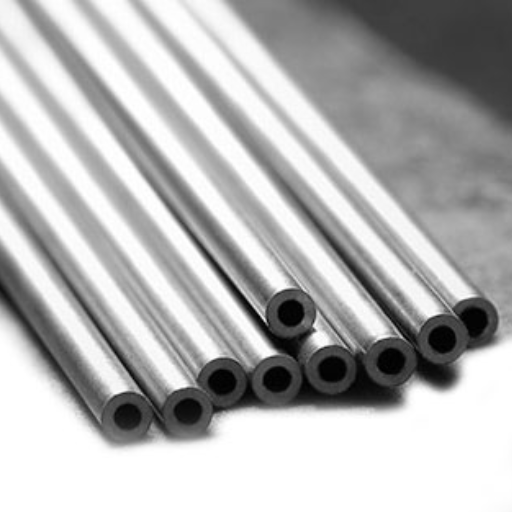
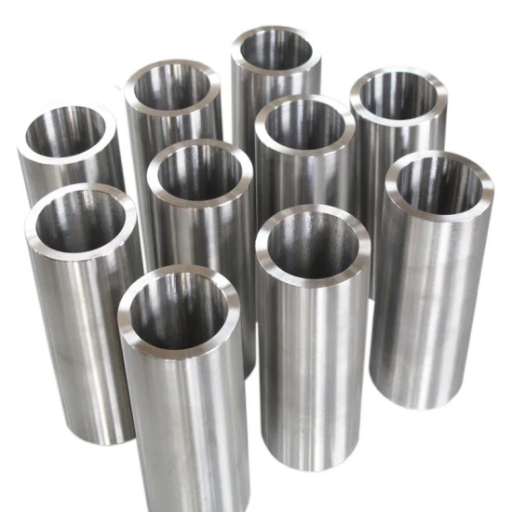
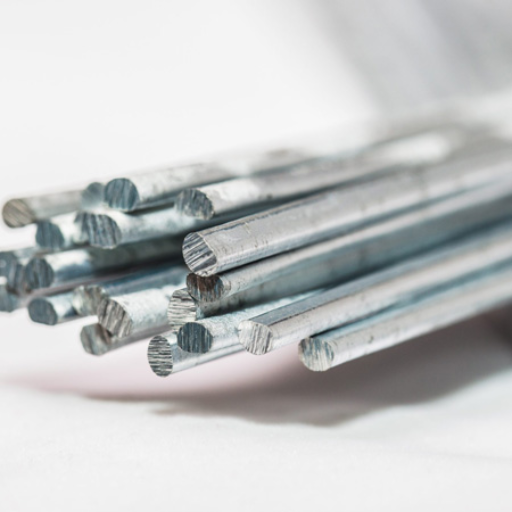
Stainless seamless tubing has become an essential material used throughout various industries because it provides superior durability and resistance to corrosion while enabling multiple applications. The industrial manufacturing sector and medical fields depend on these premium stainless steel tubes because they support essential infrastructure needs which must function reliably under extreme operational conditions. The construction and healthcare and energy production fields both benefit from stainless seamless tubing because its essential function helps develop advanced sustainable solutions.
Understanding Seamless Tubing

What is Seamless Tubing?
Seamless tubing is a type of pipe that manufacturing produces without any welded or jointed sections which results in a pipe that maintains uniform strength for its entire length. The manufacturing process starts with a solid metal billet which workers use to create a hollow tubing through extrusion.
Key Advantages
- ▪
Superior strength and durability compared to welded tubing - ▪
Ability to handle high pressure without welded seam weaknesses - ▪
Continuous internal surface for precise fluid or gas control - ▪
Wide applications across oil and gas, aerospace, automotive, and construction
Key Characteristics of Stainless Steel Seamless Tubing
Exceptional Strength
Unparalleled strength with enhanced structural integrity from the absence of welded seams, suitable for demanding high-pressure and extreme conditions.
Corrosion Resistance
Highly resistant to corrosion, withstanding saltwater exposure, chemical contact, and temperature fluctuations in severe environmental conditions.
Smooth Surface
The specialized design which features a consistent internal surface throughout its entirety provides medical and food processing and petrochemical facilities with an exact and reliable method for fluid and gas transportation.
Temperature Tolerance
Designed to operate in extreme temperature and pressure conditions, this equipment serves as the primary solution for oil and gas operations as well as power generation and aerospace applications.
Versatile Options
Multiple size and grade options suitable for different industrial applications, with extended lifespan and minor upkeep requirements for cost savings.
By combining these features with the latest advancements in material science and manufacturing techniques, stainless steel seamless tubing continues to outperform other alternatives, offering reliability and efficiency across multiple industries.
Differences Between Seamless and Welded Tubing
| Aspect | Seamless Tubing | Welded Tubing |
|---|---|---|
| Manufacturing Process | Extrusion of solid metal billets into hollow cylindrical shape | Rolling flat metal sheet and welding edges together |
| Structural Integrity | Enhanced strength with no weak seams | Reduced strength due to weld seam presence |
| Pressure Resistance | Strong pressure resistance for high-performance applications | Lower pressure resistance capabilities |
| Cost | Higher initial cost | More economical solution |
| Size Range | Limited to smaller diameters | Can produce larger diameters |
| Common Applications | Oil and gas, aerospace, pharmaceutical industries | Construction, automotive, decorative purposes |
The selection of either seamless or welded tubing depends on which specific application requirements demand assessment of pressure levels and strength requirements and expenses and environmental factors.
Manufacturing Processes of Stainless Steel Tubing

Overview of the Manufacturing Process
The production process for stainless steel tubing needs to go through various essential stages which will establish product quality together with material strength and accurate specifications.
Raw Material Selection
Selection of stainless steel sheets or billets based on required grade and alloy specifications
Hot or Cold Rolling
Materials undergo rolling process to establish targeted dimensions and material characteristics
Tube Formation
Seamless: Extrusion or rotary piercing to create hollow tube without welding. Welded: Rolling and welding sheet edges together
Heat Treatment & Finishing
Heat treatment to improve properties, descaling or pickling to remove contaminants, precision sizing
Surface Finishing & Quality Control
Polishing or surface finishing for aesthetics and corrosion protection, with continuous quality assessment
Modern Innovation: The latest research findings demonstrate that modern technology now combines automated systems with continuous quality assessment throughout manufacturing processes. AI systems together with advanced sensors now function as defect detection mechanisms which help maintain product standards while boosting output efficiency.
ASTM Standards for Stainless Seamless Tubing
The ASTM standards established by the American Society for Testing and Materials function as the central guidelines which determine the quality standards of seamless stainless steel tubing together with its safety requirements and performance capabilities.
Key ASTM Standards
ASTM A213
Seamless ferritic and austenitic alloy tubing for high-temperature and corrosive environments
ASTM A269
Seamless and welded tubing for applications requiring general corrosion protection
The current data indicates that modern industries prioritize a complete understanding of ASTM standards to achieve their essential operational targets. The combination of advanced automation technologies with these standards enables manufacturers to produce stainless seamless tubing which fulfills both industrial standards and the higher demands of contemporary usage.
Importance of Annealing in Tubing Production
The process of producing stainless seamless tubing requires the application of annealing as a vital production method. The process of heat treatment involves heating tubing until engineers reach a specific temperature and then cooling it down through controlled cooling methods.
Annealing Benefits
Applications of Stainless Seamless Tubing

Industries Utilizing Seamless Tubing
Stainless seamless tubing possesses multiple industrial applications because of its durable structure and resistance to corrosion and extreme temperature and pressure conditions.
Oil & Gas
Drilling activities and oil/natural gas transportation systems requiring exceptional performance in extreme environments
Chemical Processing
Protection of highly reactive fluids and gases during transportation through corrosion-resistant tubing
Aerospace
Hydraulic systems, fuel lines, and structural components leveraging superior strength-to-weight ratio
Medical
Precision instruments, implants, and surgical devices requiring maximum cleanliness and material security
Automotive
High-performance components and systems demanding durability and precision engineering
Construction
Structural applications requiring long-term durability and resistance to environmental factors
Specific Applications in Aerospace and Oil and Gas
| Industry | Applications | Key Requirements |
|---|---|---|
| Aerospace | Hydraulic systems, fuel lines, structural components | Superior strength-to-weight ratio, safety, efficiency |
| Oil & Gas | Drilling operations, pipeline systems, high-pressure operations | Deep-sea drilling capability, corrosive material resistance |
Instrumentation and Custom Applications
Seamless tubing serves as a vital component in both instrumentation systems and custom applications which span across different industrial sectors.
Instrumentation Applications
- Pressure Gauges – Exact dimensions and robust strength for accurate measurements
- Flow Meters – Exceptional pressure resistance for reliable performance
- Temperature Sensors – High-grade tubing for accurate and dependable results
- Medical Devices – Surgical instruments, catheters, and diagnostic equipment requiring cleanliness
Benefits of Stainless Steel Seamless Tubing

Corrosion Resistance and Durability
Stainless steel seamless tubing serves as an ideal material for moisture and chemical and extreme temperature environments because it provides outstanding protection against corrosion. The protective oxide layer forms on the surface of stainless steel because its chromium content creates a shield that prevents rust while extending the material’s lifespan.
Durability Advantages
High Strength and Mechanical Properties
Stainless steel seamless tubing provides outstanding strength together with mechanical properties which make it suitable for use in tough industrial applications. The latest data shows that these tubes demonstrate extensive usage across aerospace and automotive and construction sectors because they can withstand high pressure together with extreme environmental conditions.
Industry Trend: The search trends for stainless steel seamless tubing demonstrate continuous innovation and increasing demand because industrial applications require both high strength and superior performance.
Formability and Custom Lengths
Stainless steel seamless tubing provides excellent formability which enables its transformation into customized shapes that fulfill industrial requirements while maintaining material strength. Modern manufacturing technology enables factories to create tubes which meet specific requirements through exact custom length and shape production methods.
Customization Capabilities
Choosing the Right Stainless Steel Tubing

Understanding Different Grades: 304 vs 316
When selecting between stainless steel grades 304 and 316, you must first evaluate your application requirements. The two austenitic stainless steels exhibit similar corrosion resistance and durability traits, but their material makeup and functional characteristics show marked differences.
| Characteristic | Grade 304 | Grade 316 |
|---|---|---|
| Composition | 18% chromium, 8% nickel | 18% chromium, 10% nickel, 2-3% molybdenum |
| Corrosion Resistance | Good in most environments | Superior resistance to chlorides and harsh chemicals |
| Cost | More affordable, economical | Higher cost due to molybdenum content |
| Best Applications | Kitchen equipment, automotive parts, architectural structures | Marine environments, chemical processing, high-salt exposure |
| Chemical Exposure | Standard environments with low chemical exposure | Extreme conditions with saltwater and industrial waste |
| Recommended For | General-purpose applications, cost-sensitive projects | Long-term durability in harsh environments |
Selection Guide: Your application needs to handle extreme conditions, which makes grade 316 stainless steel the better choice for long-term durability. For standard environments that have low chemical exposure, grade 304 gives the best combination of effective operation and economical value.
Factors Influencing Wall Thickness and OD
The process of choosing wall thickness and outer diameter (OD) for stainless steel tubing requires assessment of various essential elements.
Critical Factors to Consider
- Operating Pressure – Higher pressures demand thicker walls for protection against failures
- Media Type – Chemical makeup affects material choice and wall thickness requirements
- Environmental Conditions – Corrosive environments need thicker walls and upgraded materials
- Industry Requirements – Different sectors have specific wall thickness and OD standards
- Budget Constraints – Balance between performance needs and cost considerations
Custom Fabrication Options for Specialized Needs
The industry needs custom fabrication because it delivers specialized solutions that meet particular needs of multiple fields. Manufacturers use advanced technology together with data insights to deliver custom solutions through their precision laser cutting and CNC machining and advanced welding methods.
Advanced Fabrication Techniques
Precision Laser Cutting
Exact cutting for complex shapes and specifications
CNC Machining
Computer-controlled precision for custom dimensions
Advanced Welding
Specialized welding methods for custom assemblies