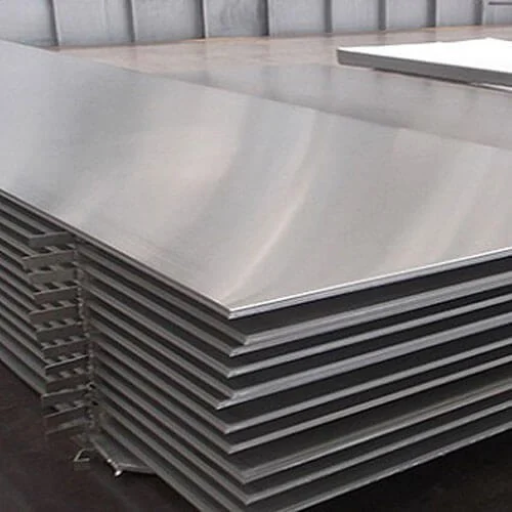
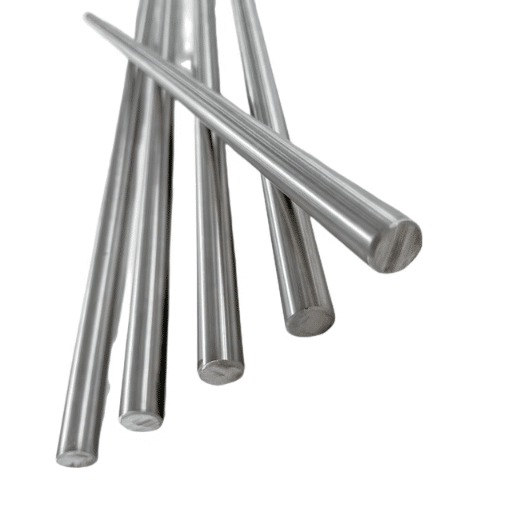
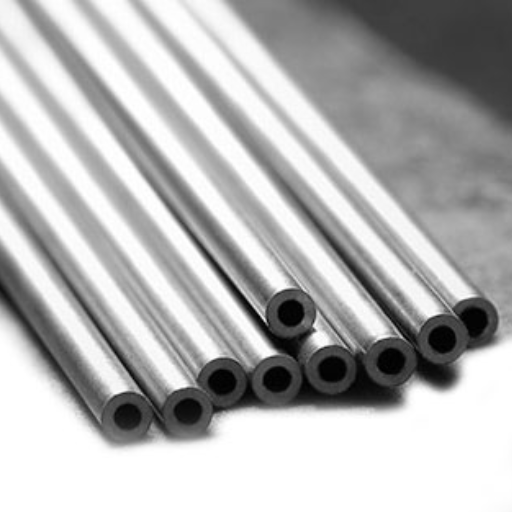
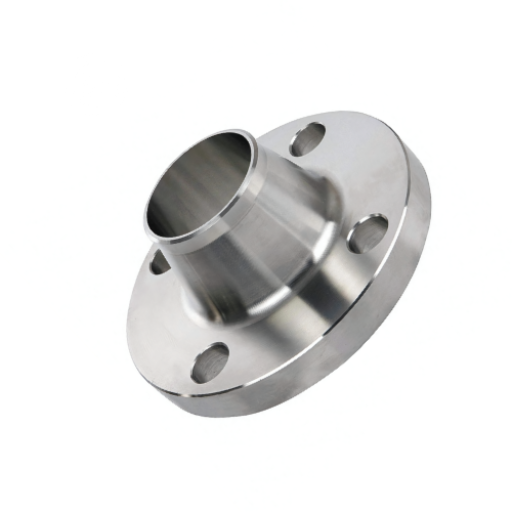
Seamless 316 stainless steel tubing functions as an adaptable and long-lasting material which delivers outstanding results throughout multiple industrial applications. This material provides exceptional strength and corrosion protection and dependable performance for use in chemical processing and marine operations and medical equipment manufacturing. The article will identify the main characteristics which differentiate 316 stainless steel tubing from other materials and show its typical usage patterns and present critical information which should be assessed before selecting this material for various projects. The study will investigate the reasons engineers and manufacturers worldwide keep choosing seamless 316 stainless steel tubing as their preferred material.
Understanding Seamless Tubing

What is Seamless Tubing?
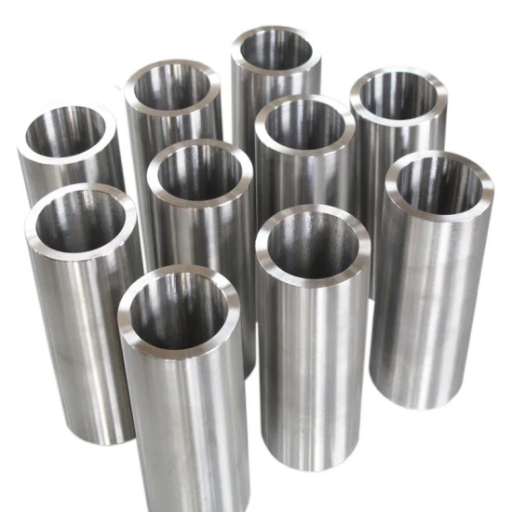
Seamless tubing is a type of pipe or tube which manufacturers create as a single piece without welded seams. The tube achieves better mechanical strength and corrosion resistance because it lacks a welded joint which creates consistent material distribution throughout the entire tube.
Manufacturing Methods:
- Extrusion Process: Material forced through a die to create continuous tube
- Rotary Piercing: Creates hollow shell from solid billets
- Material Options: Stainless steel, carbon steel, and alloy steel variations
Industries Using Seamless Tubing:
- ► Aerospace industry for high-pressure applications
- ► Automotive industry for fuel and hydraulic systems
- ► Petrochemical industry for process equipment
- ► Medical engineering for precision instruments
Key Advantage: The complete elimination of weld seam weaknesses enables seamless tubing to deliver exceptional structural strength and operational capabilities in high pressure situations.
Key Properties of 316 Stainless Steel
316 stainless steel serves as a material for applications which require protection against extreme corrosive conditions because of its unmatched resistance to corrosion. The alloy includes molybdenum, which enhances its ability to resist pitting and crevice corrosion in chloride-heavy settings such as marine or chemical industries.
| Property | Characteristic | Application Benefit |
|---|---|---|
| Corrosion Resistance | Enhanced with molybdenum | Ideal for marine and chemical environments |
| Strength & Durability | Maintains integrity at high temperatures | Suitable for extreme operational conditions |
| Weldability | Excellent formability | Easy to shape and join without property loss |
| Hygienic Surface | Non-reactive, easy to clean | Perfect for medical and food processing |
Differences Between 316 and 316L Stainless Steel
The two stainless steel alloys 316 and 316L share multiple common traits, yet their fundamental distinctions make each alloy appropriate for particular uses. The primary difference between the two materials relates to their carbon content.
Carbon Content Comparison:
316 Stainless Steel
Carbon Content: Approximately 0.08%
Advantage: Higher tensile and yield strength for applications demanding mechanical strength
316L Stainless Steel
Carbon Content: Limited to 0.03%
Advantage: Superior resistance to sensitization and intergranular corrosion during welding
- 316L Best For: Welded applications, high chloride environments, minimizing intergranular corrosion
- 316 Best For: Applications requiring maximum mechanical strength and tensile properties
- Common Industries: Marine, chemical processing, and construction sectors use both variants
Specifications of 316 Stainless Steel Tubing

Wall Thickness and Dimensions
316 stainless steel tubing exists in multiple wall thicknesses and dimensional sizes which fulfill the requirements of different industrial applications. The system maintains precise dimensional controls which help establish proper fitting and dependable operation in vital systems used in chemical processing and medical engineering fields.
| Specification Type | Range | Application Context |
|---|---|---|
| Wall Thickness | 0.035″ (0.89mm) to 0.120″ (3.05mm) | Standard range; custom thicknesses available |
| Diameter Size | 1/16″ (1.59mm) to 12″+ (304.8mm) | Precision needs to large construction |
| Dimensional Control | Precision tolerances | Ensures proper fitting in critical systems |
Industry Standards: The 316 tubing dimensions use current industry knowledge to establish ASTM standards which prove their dependability for purposes that require both strength and durability.
Outer Diameter (OD) Variations
316 tubing contains multiple Outer Diameter (OD) variations which manufacturers developed to fulfill requirements from different industrial sectors. The manufacturers create their tubes with exact engineering methods which comply with ASTM standards to attain both required dimensions and operational performance standards.
OD Range and Applications:
- Minimum OD: 1/16 inch (1.59 mm) for specialized precision applications
- Maximum OD: Multiple inches for industrial-scale operations
- Key Industries: Aerospace, food processing, and pharmaceuticals
- Performance Impact: Consistent OD measurements enable equipment to perform at highest capacity
ASTM Standards for Stainless Steel Tubing
ASTM International creates thorough standards which govern stainless steel tubing to guarantee industrial quality and performance United Nations safety requirements across numerous sectors.
Primary ASTM Standards for 316 Tubing:
ASTM A213
Describes high-temperature seamless and welded tube specifications for boiler, superheater, and heat-exchanger applications
ASTM A269
Defines general use tube requirements, covering material composition, mechanical properties, heat treatment processes, and dimensional tolerances
Compliance Benefits: The ASTM standards provide stainless steel tubing with consistent performance which makes it appropriate for use in critical industries such as pharmaceuticals, aerospace, and chemical processing.
Applications of Seamless 316 Stainless Steel Tubing

Industrial Uses and Environments
Industrial facilities throughout the world employ seamless 316 stainless steel tubing because it delivers outstanding strength and resists corrosion while maintaining performance in extreme temperature conditions.
Industry-Specific Applications:
Chemical Processing Industry
Transports hazardous materials requiring complete protection from environmental contact
Pharmaceutical Sector
Non-reactive continuous surface provides clean conditions for contamination-free fluid movement
Aerospace Applications
Lightweight yet strong construction ideal for high-stress components under varying temperatures
Oil and Gas Operations
Piping systems endure severe environmental conditions and high chloride levels
Instrumentation and High-Pressure Systems
The needs of high-pressure systems and instrumentation systems require accurate results and lasting equipment. Stainless steel tubing serves these purposes because it provides solid strength while protecting against risky environments that involve extreme pressure and aggressive chemicals.
Key Application Areas:
- ► Chemical processing companies requiring precise measurements
- ► Energy production facilities with demanding operational requirements
- ► Systems operating under extreme pressure and aggressive chemicals
- ► Applications requiring accurate instrumentation and safe operation
Industry Trends: Recent search results show increasing interest in new stainless steel developments which enable the metal to endure higher pressure levels without losing material structure.
Marine and Chemical Processing Applications
Marine operations and chemical processing environments depend on stainless steel tubing because it provides exceptional corrosion resistance and long-lasting performance during extreme environmental conditions. The latest search data shows that users are currently looking for information about materials which can withstand dangerous saltwater conditions and high-pressure chemical reactions.
Dual Environment Advantages:
- Marine Protection: Rust and corrosion resistance in harsh saltwater environments
- Chemical Safety: Safe transportation of reactive substances and high-temperature materials
- Cost Reduction: Reduced maintenance costs throughout operational lifespan
- Operational Efficiency: Maintains capabilities while achieving safety and efficiency goals
Benefits of Using 316 Stainless Steel Tubing

Corrosion Resistance and Durability
The exceptional corrosion resistance and durability of 316 stainless steel tubing make it a highly valued material. The material contains molybdenum, which improves its resistance against chloride environments by reducing pitting and crevice corrosion risks.
Corrosion Resistance Benefits:
- ✓ Molybdenum content enhances protection in chloride-heavy environments
- ✓ Maintains structural integrity during saltwater contact and acidic exposure
- ✓ Extended equipment life reduces replacement frequency
- ✓ Decreased total maintenance expenses over operational lifetime
- ✓ Ideal for projects demanding protection against severe climate and chemical threats
High-Quality Performance in Harsh Conditions
The 316 stainless steel tubing material delivers exceptional performance capabilities which make it suitable for usage in extreme environmental conditions across various industrial applications. The frequently asked questions address whether 316 stainless steel can withstand continuous exposure to environmental conditions which include industrial chemical processes and marine applications that generate high levels of corrosive substances. The answer is a resounding yes.
Performance Characteristics:
- Molybdenum Content: Provides excellent protection against pitting and crevice corrosion in chloride-rich or acidic environments
- Strength & Flexibility: Ideal for precision-engineered components requiring dependable performance
- Extended Operations: Maintains performance throughout lengthy operational periods
- Primary Choice: Preferred for industrial applications demanding durable and dependable solutions
Cost-Effectiveness Over Time
The evaluation of 316 stainless steel tubing cost-effectiveness requires an assessment of its initial costs combined with its multiple long-term advantages. The current industrial data and insights show that 316 stainless steel becomes the more economical option over time even though it costs more upfront than standard materials.
| Cost Factor | Initial Investment | Long-Term Benefit |
|---|---|---|
| Material Cost | Higher upfront expense | Extended operational life reduces replacement frequency |
| Maintenance | Standard installation | Decreased maintenance needs create major financial savings |
| Downtime | Minimal disruption | Dependable performance decreases equipment downtime |
| Productivity | Standard operations | Better operational productivity through reliable performance |
Business Value: The combination of these factors makes 316 stainless steel tubing the preferred material for businesses which seek to obtain long-term value and sustainable operations.
Considerations for Purchasing Stainless Steel Tubing

Choosing the Right Length and Cut
The selection of suitable length and cut dimensions for stainless steel tubing requires assessment of your application requirements. Your decision should be based on three factors which include the tubing’s intended usage, required flow capacity, and the installation limitations.
Decision Factors for Length Selection:
- Assess tubing’s intended usage and operational requirements
- Calculate required flow capacity for optimal system performance
- Evaluate installation limitations and spatial constraints
- Consider pre-cut tubing options for time savings and waste reduction
- Utilize precision cutting services for exact tolerances in critical applications
Efficiency Tip: Custom-cut tubing solutions enable projects to function more efficiently while decreasing material expenses through the elimination of unnecessary waste.
Understanding Wall Thickness Options
The process of choosing wall thickness for tubing requires assessment of multiple factors which depend on the specific application and operational use cases. The strength and flexibility of tubing depends on wall thickness because it controls both aspects while weight reduction needs to be optimized at the same time.
Wall Thickness Application Guide:
Thicker Walls (Best For)
- High-pressure systems in hydraulic applications
- Industrial piping systems under operational stress
- Protection against material breakdown and failure
Thinner Walls (Best For)
- Weight-critical aerospace applications
- Lightweight medical devices
- Applications requiring durability with minimal weight
Selection Process: The correct wall thickness selection requires matching application needs with operational capabilities and industry regulations. Modern manufacturing enables custom wall thicknesses through precision techniques.
Finding Reputable Suppliers
The search for reputable suppliers becomes easier when businesses use the newest search engine data. Start the process by entering specific keywords which describe your required industry and material specifications.
Supplier Evaluation Checklist:
- Search Rankings: High search rankings indicate industry visibility
- Customer Reviews: Confirm reputation through verified customer feedback
- Certifications: Verify possession of industry certifications and standards compliance
- Industry Experience: Assess years of operation and specialized expertise
- Verification Resources: Check business directories, industry forums, and review platforms
- Communication: Evaluate transparency in pricing and customer service quality
Frequently Asked Questions
Which tube dimensions and external diameter measurements does seamless 316 stainless steel tubing provide to customers?
The seamless stainless tubing provides multiple outside diameter and inside diameter (ID) dimension options which customers can use to select between standard round tubing and various other piping sizes. The standard dimensions range from the smallest gauges 0.020 and 0.035 to the largest diameters which manufacturers display in inches and feet while some suppliers show their products in 0.049 and 0.065 increments. The manufacturers supply ISO and other certification documents together with dimensional charts to demonstrate their ability to meet specific ID tolerance needs required for critical applications. The industry offers both cut-to-length and cut lengths services which help customers minimize onsite machining work while decreasing material waste. The supplier handles all length inquiries and shipping estimates when you specify your required outside diameter.
What strength and pressure capabilities does this product have when compared to welded tubing?
Seamless stainless steel tubing provides better pressure resistance than welded tubing because its design eliminates seams which function as stress concentrators thus making it ideal for applications requiring high pressure. When projects require both corrosion protection and pressure capacity, 316 ss and 316L stainless-steel tubing serve as the common material choice. The seamless tubing maintains consistent material characteristics throughout its length which provides better performance than some welded options for industrial hose and compression fittings. The welded tubing together with stainless commercial tubing remains appropriate for applications that require lower pressure or have tight budget constraints. The safety-critical system requirements need verification through manufacturer pressure charts and testing records.
Can I request cut-to-length 316L stainless-steel tubing while also receiving length inquiries and shipping estimates from you?
Most suppliers offer cut-to-length services which let you obtain exact project lengths and bundle quantities according to your needs because their pricing system charges by the foot or for complete 200-foot bundles during bulk orders. The quote request must contain required lengths together with the desired grade which should include 316L or 304L and both outside diameter and inside diameter specifications and all finishing requests such as deburring. The suppliers provide both length inquiries and shipping estimates while they can send products worldwide; confirm their shipping methods which use either crates or bundles or pallets to ensure quality complete during transit. The supplier will provide information about minimum order quantities which apply to cut-to-length orders when you require nonstandard lengths or small quantities. The delivery time depends on whether the desired seamless tubing exists in stock or if it needs to be restocked.
Is 316 stainless different from 304 or 304L for commercial or food industry uses?
Molybdenum presence in 316 stainless steel enhances its corrosion resistance which enables the metal to serve multiple commercial and food industry needs through its ability to endure chloride environments. The low-carbon form of 304 known as 304L stainless steel serves as a post-weld protection option against corrosion yet 316 and 316L stainless steel tubing proves to be the better choice in areas with high levels of corrosion or marine conditions. The evaluation of critical applications requires both ISO certification and material mill test reports to confirm that seamless tubing meets all necessary regulatory standards, which include grade and quality assessment. The stainless commercial tubing used with compression fittings or hoses should have matching material grades because this will prevent galvanic corrosion from occurring. Engineers should make grade decisions based on service conditions and cleaning protocols according to executive standards.
What fittings and compression options are compatible with seamless 316 stainless steel tubing?
The standard compression fittings and ferrules and the specially designed ss fittings which match the outer tube diameter of the seamless stainless tubing provide leak-proof connections. The hydraulic systems and instrumentation systems and hose assemblies require fittings which match the same grade and pressure class as their system components. Many suppliers offer compatible fittings and advise on whether a welded or mechanical connection is best for your application; welded joints may be used where permanent, smooth flow is needed. The proper ID and OD measurements must be verified while using hoses or compression assemblies because this ensures correct seating and prevents tube wall over-compression. The polished interior finishes and certified fittings provide recommendations for sanitary applications and food service environments.
How does thickness like 0.020, 0.049, or 0.065 affect performance and applications?
Material strength together with weight and pressure capacity will increase when wall thickness increases because 0.020 thickness creates lightweight materials which suit low-pressure applications and decorative uses while 0.049 and 0.065 thicknesses produce materials with greater structural strength and ability to withstand pressure. Round tubing exhibits improved structural performance because thicker walls reduce deflection and extend fatigue life which is essential for high-pressure applications. Users who want to calculate maximum allowable pressure and fitting selection must provide specific wall thickness and grade information because these elements control the engineering formulas. To help you choose the appropriate thickness, please provide the supplier with details about your planned service conditions which include pressure and temperature and environmental factors.