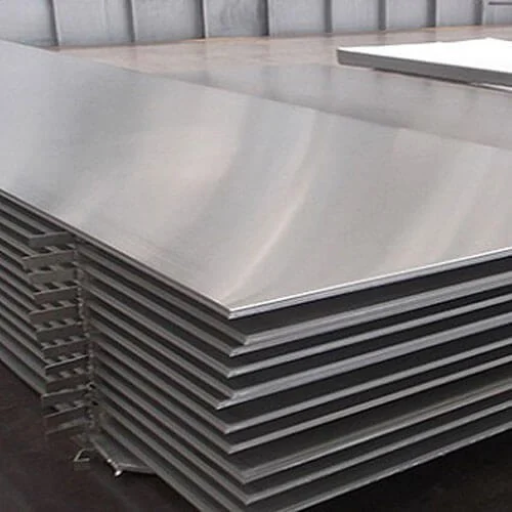
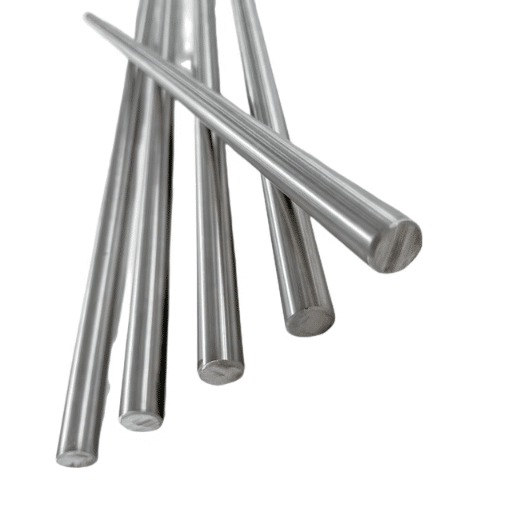
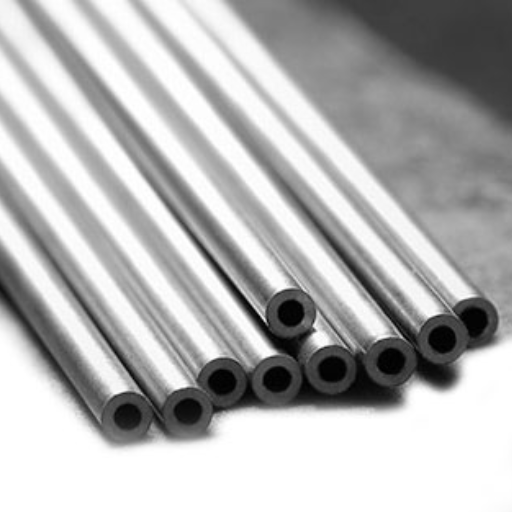
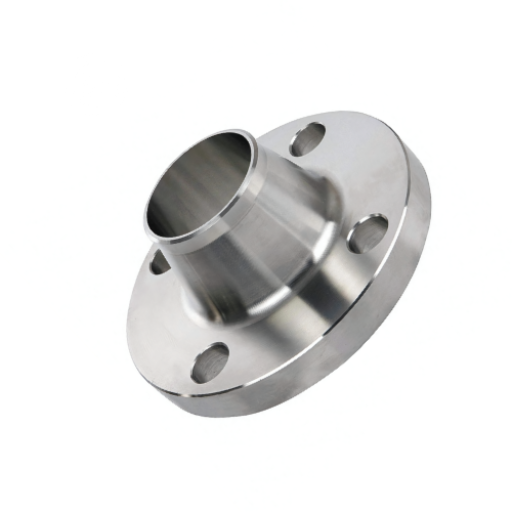
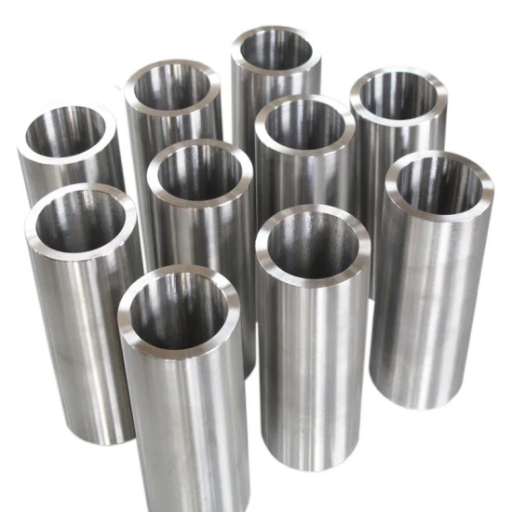
The exceptional durability and corrosion resistance of stainless steel seamless tubes make them essential components for multiple industrial applications because these tubes possess a continuous structure. The tubes provide reliable performance through extreme conditions which occur in power plants, chemical processing, and medical equipment applications. This comprehensive guide explores the fascinating world of stainless steel seamless tubes through examination of their manufacturing process, various applications, and special advantages which distinguish them from other products.
Manufacturing Process of Stainless Steel Seamless Tubes

Raw Material Selection and Preparation
The manufacturing process of stainless steel seamless tubes begins with the careful selection of raw materials, primarily stainless steel billets or solid steel bars. The selection of billets occurs through evaluation of their compositional integrity together with the required grade of stainless steel, which guarantees that the material will perform optimally in its designated function.
Advanced Alloy Selection
Research together with modern advancements demonstrates that the use of superior alloys which provide better corrosion resistance—including 316L and duplex stainless steel materials—delivers substantial improvements for product durability.
Quality Assurance: The selected billets undergo comprehensive inspection which checks for defects together with impurities in the material before proceeding to the heating phase.
Preparation Standards
- ●
Temperature Control: Material undergoes heating process to maximum temperature for optimal processing - ●
Structural Consistency: Precise temperature control produces consistent material structure throughout processing - ●
Sustainability Integration: Implementation of recycled steel in production processes meets international environmental regulations - ●
Quality Standards: Manufacturers establish raw material standards combining quality evaluation with sustainability requirements
Step-by-Step Manufacturing Process
The production of stainless steel seamless tubes involves a comprehensive sequence of precisely controlled stages that ensure optimal quality and performance characteristics.
Complete Manufacturing Workflow
① Raw Material Acquisition
Initially, iron ore, coal, and limestone are collected in order to begin production. Nowadays, some producers include recycled steel scrap in their charge materials for minimizing the amount of waste produced and in response to the call for sustainability.
② Material Processing
③ Smelting and Refinement
The unprocessed materials are put in the furnace furnace during heating at high temperatures. Keeping the materials to the proper temperature range reduces the damage on the structure of the material. The automation system enhances the effectiveness of the operations by helping and highly efficient sensor technology.
④ Casting and Shaping
The molten material after smelting enters molds or rolling mills, which produce sheets, bars, and other particular shapes. Implementation of automated systems together with robotic technologies has raised operational precision levels for this stage of work.
⑤ Heat Treatment and Cooling
Post-shaping heat treatments are applied to the material and include such processes as annealing and tempering to obtain the required mechanical properties. The process of controlled cooling allows for reaching the required strength and durability of the products.
⑥ Final Inspection and Quality Assurance
Products undergo thorough testing procedures which establish their compliance with industry standards before distribution. The process employs non-destructive testing methods using ultrasonic and X-ray inspections to detect both internal and surface defects.
Manufacturing Innovation: Manufacturers have improved their production methods through the combination of traditional production techniques together with new technological advancements, which enable them to achieve better product quality while reducing environmental damage.
Quality Control and Standard Compliance
The steel manufacturing industry depends on quality control measures and compliance with industry standards to establish product reliability, which builds customer confidence.
AI-Based Quality Control Transformation
- Real-Time Analysis: Machine learning algorithms provide real-time analysis of steel properties with extremely high precision
- Defect Detection: Advanced systems detect inconsistencies and defects with unprecedented accuracy
- ISO 9001 Compliance: Innovations enable international standard compliance while decreasing human errors
- Production Efficiency: Technology reduces production losses together with business expenses
- Performance Metrics: AI improvements have resulted in a 30% reduction of waste and energy usage
Applications of Seamless Stainless Steel Tubes

Construction Industry Use Cases
The construction industry depends on seamless stainless steel tubes because these tubes provide strong strength combined with high resistance to corrosion and long-lasting durability.
| Application Type | Primary Uses | Key Benefits |
|---|---|---|
| Structural Applications | Building frameworks, bridge construction | Dependable materials lasting through time |
| Plumbing Solutions | Permanent piping systems | Minimal maintenance requirements |
| Architectural Design | Contemporary building facades, decorative elements | Clean polished finish, visual appeal |
| Green Building | Sustainable construction projects | Energy-efficient solutions meeting green criteria |
Aerospace Applications
Seamless stainless steel tubes function as essential materials in the aerospace industry because they deliver unmatched strength and corrosion resistance while enduring extreme temperature conditions.
Aerospace Component Applications
- ▸
Hydraulic Components: Essential system requirements for aircraft operations - ▸
Fuel Lines: Safe and reliable fuel transportation systems - ▸
Structural Framework Elements: Critical support components - ▸
Lightweight Properties: Increased fuel efficiency and enhanced aircraft performance - ▸
Precision Manufacturing: Seamless tubes with exact measurements for aerospace engineering standards
Automotive Industry Requirements
The automotive industry needs materials which achieve three objectives: performance, durability, and environmental sustainability. Automotive manufacturers use stainless steel seamless tubes because these tubes resist corrosion and maintain high tensile strength while enduring extreme temperatures.
Automotive Applications
| Component | Function | Performance Benefit |
|---|---|---|
| Exhaust Systems | Emission control and heat management | High temperature resistance, durability |
| Fuel Lines | Fuel delivery systems | Corrosion resistance, safety |
| Structural Elements | Vehicle framework support | Lightweight design, fuel efficiency |
The combination of strong materials and lightweight designs enhances vehicle performance while driving fuel efficiency, which results in fewer emissions. This practice supports the automotive industry, which increasingly focuses on building environmentally sustainable systems.
Energy Sector Utilization (Oil, Gas, and Renewables)
Precision tubing serves as a vital element which brings full durability and performance capabilities to all energy applications of oil, gas, and renewable energy sources.
Oil and Gas Industry
- ▸
Pipeline systems - ▸
Drilling activities - ▸
Refinery operations - ▸
Extreme pressure endurance - ▸
Hazardous material transport
Renewable Energy
- ▸
Wind turbine systems - ▸
Solar panel structures - ▸
Geothermal systems - ▸
Lightweight yet strong design - ▸
Substantial growth demand
Market Trend: Recent data indicates that the demand for precision tubes within the renewable sector will experience substantial growth due to the global shift towards cleaner energy sources. The materials maintain their importance because they advance energy infrastructure development across different industries through their flexible and durable properties.
Benefits of Using Stainless Steel Seamless Tubes

Corrosion Resistance and Durability
The superior ability of stainless steel seamless tubes to resist corrosion makes them perfect for use in locations that experience permanent contact with water, chemical substances, and extreme temperature conditions.
Durability Advantages
- ①
Extended Integrity: Tubes maintain their integrity for extended periods without rust and failure - ②
Multiple Applications: Suitable for renewable energy systems and industrial operations - ③
Market Growth: Worldwide market for corrosion-resistant materials shows rapid growth - ④
Sustainable Infrastructure: Essential value to building sustainable infrastructure systems
Mechanical Properties and Strength
The mechanical characteristics of materials such as stainless steel function as basic elements that enable their application in both industrial and infrastructure projects.
| Mechanical Property | Description | Industry Benefit |
|---|---|---|
| Tensile Strength | Superior strength under stress | Durability in challenging conditions |
| Ductility | Flexibility without fracture | Adaptability to various applications |
| Wear Resistance | Protection against degradation | Extended product lifecycle |
| Fatigue Resistance | Endurance under repeated stress | Reliability in continuous operations |
Sustainability Impact: Robust materials provide extended product lifecycles with reduced maintenance needs, which directly supports sustainable development goals through mechanical strength benefits. The properties of materials that enhance operational efficiency through reduced failure and repair needs create resource savings which help build sustainable infrastructure worldwide.
Comparative Analysis with Welded Tubes
The analysis of seamless tubes against welded tubes shows multiple critical factors that emerge from recent data and industry insights.
| Comparison Factor | Seamless Tubes | Welded Tubes |
|---|---|---|
| Structural Uniformity | Uniform structure, no welded seams | Welded seams present |
| Pressure Resistance | Withstand high-pressure situations | Lower pressure tolerance |
| Manufacturing Time | Longer production process | Shorter manufacturing times |
| Cost | Higher initial investment | Cost-effective option |
| Best Applications | Oil/gas pipelines, automotive, high-pressure | Less demanding applications |
| Failure Risk | Minimal failure points | Seam failures under stress and corrosion |
Selection Guidance: To decide on one of the two options, three factors are important: performance requirements, cost constraints and usage of the materials. By choosing the right materials for their projects, businesses can have better efficiency and sustainable impacts from the operations carried out. Recent searches reveal that engineers tend to opt for ss seamless tube whenever the project entails utmost operational capability.elevation at adverse conditions.
Industry Standards and Certifications

Overview of ASTM, ASME, and ISO Standards
The organizations ASTM, ASME, and ISO establish worldwide standards which different industries use to maintain product safety, quality, and interoperability.
Major Standards Organizations
| Organization | Focus Areas | Key Standards |
|---|---|---|
| ASTM | Testing methods, material specifications, system requirements | Construction, manufacturing, materials science |
| ASME | Mechanical systems and equipment standards | Boiler and Pressure Vessel Code (BPVC) |
| ISO | International standards across multiple fields | ISO 9001 (quality), ISO 14001 (environmental) |
Current search data indicates that industries increasingly adopt these standards to address their emerging needs which include sustainable manufacturing, advanced material innovation, and worldwide trade operations. Industries are developing digital tools to comply with these standards because they need to meet Industry 4.0 requirements while enabling current technologies to support their documentation, reporting, and design work.
Importance of Material Certification
Material certification functions as an essential building block which supports product safety, quality, and sustainability across multiple industries.
Certification Benefits
- Documentations: It helps to demonstrate the performance and environmental requirements in line with the standards prescribed by ASTM and ISO.
- Reliability: It helps to place materials in products which meet quality standards as plausible.
- Confidence in Stakeholders: Allowed the manufacturers and users to have faith in the market or authority structures.
- Digitized: Enhances groundwork capabilities and aids in carrying out any developments or changes in the materials science.
- In-depth Analysis: This refers to the organizations’ ability to address the introduction of new standards, materials or regulatory bodies.
- Championing the Sector: Adapting future-oriented clean technologies in green and antisustainable operations.
- The clients include additive manufacturers and oil and gas industries, with capacity to manufacture ss seamless tube.
Compliance in Different Industries
Different industries present unique challenges that require specific compliance requirements which vary across their respective sectors.
| Industry | Primary Compliance Requirements | Purpose |
|---|---|---|
| Healthcare | HIPAA data privacy controls | Patient information protection |
| Financial | AML and KYC rules | Combat fraud and illegal operations |
| Manufacturing | Materials certification, environmental standards | Product safety and sustainable practices |
| All Sectors | Cybersecurity compliance | Digital transformation protection |
Considerations for Selecting High-Quality Seamless Tubes

Essential Product Characteristics for Evaluation
The selection process for seamless tubes requires you to assess essential attributes which determine whether the product fulfills your needs and conforms to industry specifications.
Quality Assessment Checklist
- Durability: Primary buying factor across different industries according to recent market research
- Premium Materials: Outstanding corrosion resistance and high temperature protection capabilities
- Precision Dimensions: Essential for aerospace and automotive applications requiring exact measurements
- ISO Certification: Testing results demonstrating compliance with international standards
- Sustainable Manufacturing: Eco-friendly methods achieving environmental targets while providing high-quality results
Supplier and Manufacturer Assessment Process
The evaluation process for suppliers and manufacturers benefits from the combination of standard assessment techniques with information obtained through current search engine data.
Strategic Assessment Framework
- Online Reviews and Ratings: Gauge reliability and performance through customer feedback
- Search Trend Analysis: Trusted manufacturers appear in search trends through innovation and regulatory compliance
- Sustainability Initiatives: Eco-friendly practices now essential requirements in supplier selection
- Industry Recognition: Positive market recognition from product development and standards compliance
- Multiple Data Sources: Comprehensive approach enabling selection of suppliers meeting quality standards and sustainable practices
Understanding Wall Thickness and Dimensions
The total durability and product performance depend on the actual wall thickness and dimension measurements of a product.
Wall Thickness Critical Factors
- ▸
Uniform Thickness: Prevents manufacturing defects such as warping, shrinkage, and strength loss - ▸
Optimal Specifications: Benefits construction, packaging, and automotive design applications - ▸
Thermal Insulation: Wall thickness effects on insulation properties require careful consideration - ▸
Customer Satisfaction: Measurements determine product performance throughout its lifespan
Frequently Asked Questions
What are the common grades and characteristics of stainless steel seamless tubing suitable for aerospace and instrumentation?
The common grades used in stainless seamless tubing for aerospace and instrumentation activities include 304, 321, and duplex alloys. 304 stainless steel tubing provides general corrosion resistance which makes it suitable for many applications. By selecting 321 stainless steel users gain access to better high-temperature performance and stability. The mechanical strength and nickel alloy options of duplex materials provide superior protection against extreme conditions when compared to other available materials. The critical specification elements for wall thickness OD and tensile strength need to be defined for selecting tubing which will serve their purpose in aerospace and instrumentation projects. The technical data sheets which suppliers provide contain draw extrude and mechanical properties information to assist users in selecting products which meet industry standards.
How does wall thickness and 0.035 measurement affect the mechanical performance of seamless tubing?
The mechanical performance of a seamless tube together with its pressure rating and stiffness properties depend on its wall thickness which people express through gauges or decimal inches that include 0.035 measurement. The thicker wall construction provides better burst protection and collapse defense capabilities while extending the operational life of mechanical systems. The combination of outer diameter and wall thickness determines cross-sectional area which affects load capacity in both fabrication and structural work. The selection of stainless steel seamless tubing requires consideration of both nominal outer diameter and actual wall thickness tolerance because these factors affect fitting compatibility and welding parameters. Tubing suppliers provide size and tolerance charts to assist users in selecting appropriate wall thickness for their specific application needs.
What custom length, OD and cutting services are available from seamless tubing suppliers for project delivery?
Most suppliers of seamless tubing offer custom cutting services which enable customers to select their desired tubing length and outside diameter. Seamless tubing suppliers provide customers with two distinct cutting choices while using their custom services. The custom services, which include deburring, end finishing, and testing, prepare the stainless tube or seamless stainless steel tubing for immediate fabrication or installation. Delivery timelines require supplier evaluation because they depend on stock availability, with some suppliers providing expedited delivery for essential projects while others offer standard supply chain delivery for bulk purchases. When ordering custom lengths, you must specify required tolerances, surface finish, and special markings to prevent delivery delays. The suppliers provide customers with certification and material test reports, which enable both traceability and quality assurance.
How do corrosion-resistant and high-quality alloy selections impact fabrication and welding of seamless tubes?
The manufacturing and welding methods of seamless tube production depend on the selection of corrosion-resistant high-quality alloys. The manufacturing process requires specific welding parameters together with material selection and post-weld treatment procedures when choosing 304 stainless steel or duplex stainless steel or a specific nickel alloy as a corrosion-resistant high-quality alloy. Proper welding techniques need to be applied on 304 stainless steel seamless tubes to safeguard their corrosion protection because sensitization causes permanent damage in areas which contain high chloride levels. The fabrication process requires assessment of preheating requirements, interpass temperature needs, and potential solution annealing for duplex grades to restore their corrosion protection. The fabricator needs to work together with the project team to confirm connection points and welding techniques and nondestructive testing methods which will lead to better project outcomes. The correct selection of alloys together with the understanding of alloy properties will decrease rework requirements while maintaining mechanical strength through manufacturing processes.
What are the typical applications and industry standards for seamless stainless steel tubing in shipbuilding and aerospace projects?
Seamless stainless steel tubing serves the shipbuilding and aerospace industries in systems that require high strength, corrosion resistance, and predictable mechanical behavior which includes hydraulic lines, instrumentation tubing, and structural components. The industry standards require material grades, dimensional tolerances, together with testing protocols to guarantee safety and performance in demanding environments. The shipbuilding industry uses corrosion-resistant stainless steel tubes to protect against seawater exposure while the aerospace industry selects materials based on lightweight design, high strength, and thermal stability. Tubing suppliers and manufacturers provide certified test reports and compliance documentation which suppliers use to meet project specifications and regulatory requirements. The correct specifications of OD, wall thickness, and material grade enable fittings compatibility and ensure product durability throughout its operational life.
How do supply delivery and high-quality testing ensure seamless tubing meets project and fabrication needs?
The combination of dependable supply and prompt delivery creates essential support needed to sustain manufacturing operations while trustworthy suppliers maintain available stock of standard dimensions and metal grades which includes 304 stainless steel tubing for immediate shipment. The testing process consists of three separate tests which include material certification and dimensional inspection and corrosion testing to confirm that the seamless tubing meets project specifications and performance requirements. Essential projects demand complete supply documentation which needs to include all mandatory testing procedures that consist of hydrostatic tests and non-destructive testing methods. Your project schedule requires you to provide information about needed fittings and instruments so that delivery times can be scheduled without creating delays. The procurement process becomes easier when you select established tubing suppliers who provide technical assistance because it decreases the chances of fabrication problems.
Reference Sources
- Residual-Stress Measurement in SS304 Seamless Tube
Discusses residual stress analysis in 304 stainless steel seamless tubes, providing insights into material performance. - Optimization of Roll Configuration in Stainless Steel Seamless Tubes
Focuses on the forming process and optimization for 304 stainless steel seamless tubes. - Analysis of Failure Causes in Duplex Stainless Steel Seamless Tubes
Examines crack defects in 2205 duplex stainless steel seamless pipes during flattening tests.