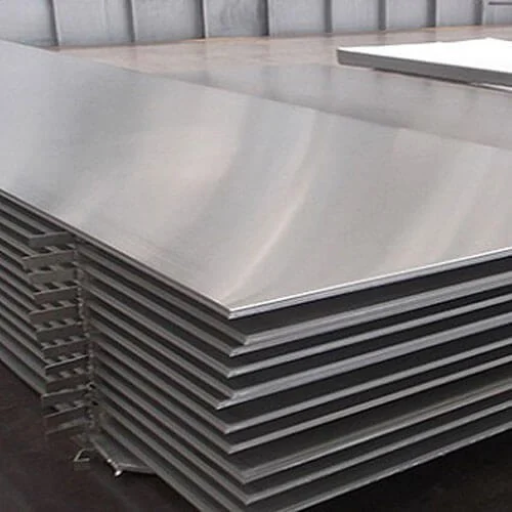
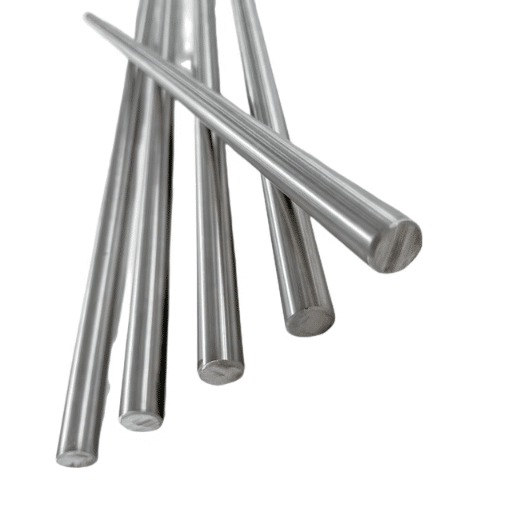
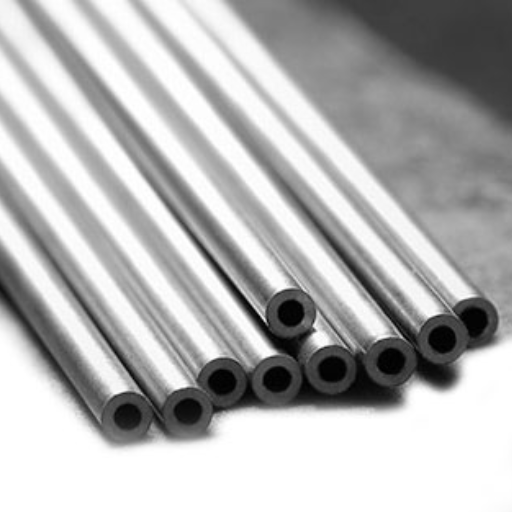
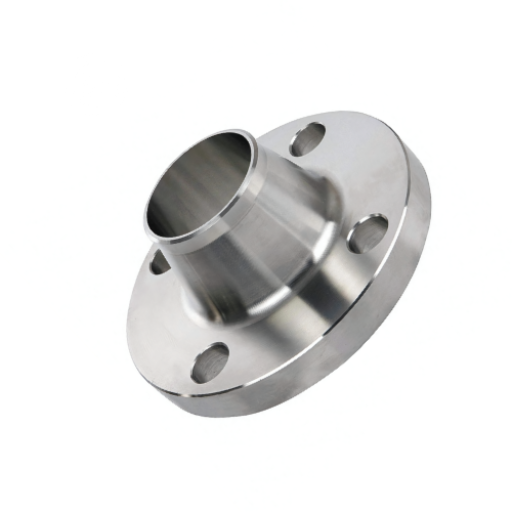
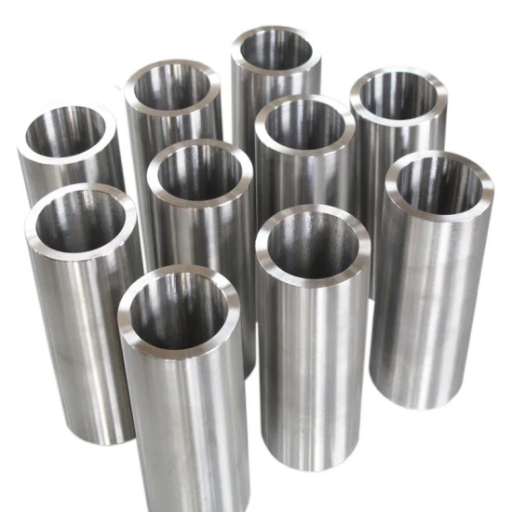
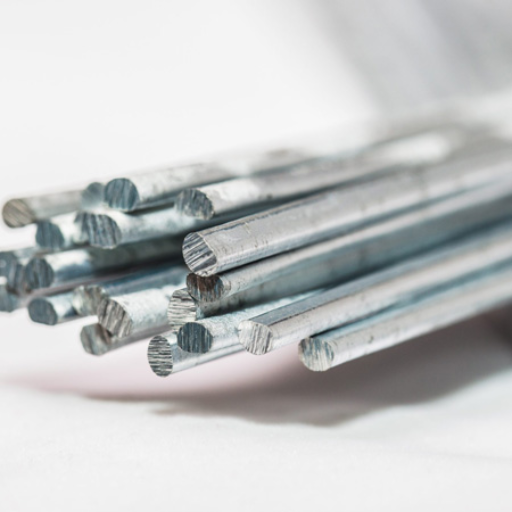
Steel with stainless properties is one of the most durable forms of steel that has been produced thus far because it does not crack or corrode, which makes the product very useful and significant in the industrial sector. Considering many available types of stainless steel, and the various standards that govern them- the ASTM A312 is a class of steel that depicts a better level of quality and efficiency. The manufactured pipes are made from such materials as to withstand the highest pressures across different applications be it on chemical factories, gas or oil installations, or for construction furniture. In this article, the complete details regarding ASTM A312 Stainless steel Pipe will be discussed, including what the standards are, what the pipe is used for, and the processes of manufacturing it.
Introduction to ASTM A312 Stainless Steel Pipe
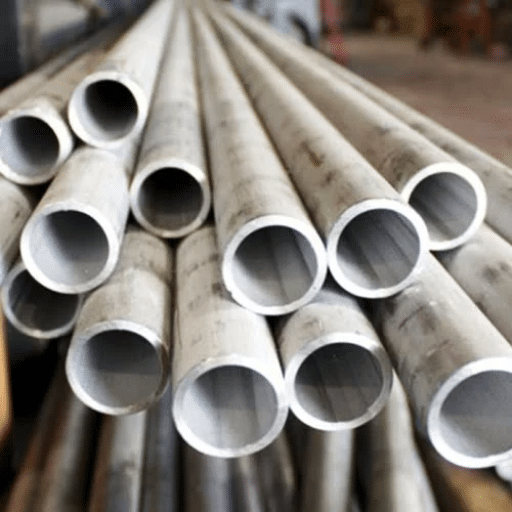
Purpose and Application of ASTM A312 Standard
ASTM A312 prescribes steel pipe made from austenitic stainless steel which has been manufactured either by welding or by seamless drawing for proficient use in corrosive conditions and at elevated temperatures. This specification includes straight seam pipe as well as spiral welded pipe that is subject to rigorous tests of quality and performance.
Manufacturing Requirements
Pipes are manufactured in strictly controlled environments to meet special requirements for composition and mechanical properties such as tensile strength, yield strength, and elongation.
Common Grades: This specification is applicable to some of the most commonly used grades—304, 316, and 317—stainless steels known for their excellent corrosion resistance and durability.
Industry Applications
- ●
Petrochemical Industry: Critical applications requiring corrosion resistance - ●
Power Generation: Heat generation and high-temperature service - ●
Food Processing: Hygienic and contamination-free environments - ●
Quality Assurance: Extensive testing including hydrotesting, nondestructive electrical testing, and intergranular corrosion testing
The Role of Stainless Steel in Pipe Technology
Manufacturing pipes from stainless steel is of tremendous importance and not without reason. This material provides properties that make it useful in numerous applications across diverse industries.
| Property | Benefit | Application Impact |
|---|---|---|
| Corrosion Resistance | Works efficiently in extreme conditions | Chemical plants, offshore oil platforms |
| High Strength | Prevents crimping under high pressures | Pressurized fluid and gas transport |
| Low Maintenance | Minimal upkeep during lifespan | Economic benefits, reduced downtime |
| Recyclability | 100% recyclable material | Environmental sustainability |
Market Trend: For example, demand for the production of astm a312 stainless steel pipe has been appreciating for decades. Prolific utilization has been noted in construction, energy, water treatment and many other areas. Moreover, continuous improvement has rendered stainless steel pipes, more useful than ever, especially in cases where duplex and super duplex grades are needed to ensure, strength, safety, or durability.
Classification of Stainless Steel Pipes
As diverse as the range of applications for stainless steel pipes are, so too is the number of types available. Certain types can only be utilized effectively in specific applications due to their properties and functionalities.
Primary Pipe Classifications
Seamless Pipes
Made from a single piece of metal, free from welds, making them stronger and more capable of withstanding pressure. Specifically suited for high-pressure environments like oil and gas, chemicals, and power generation.
Welded Pipes
Often more cost-effective and typically used in simpler purposes like water conveyance, structural applications, and low-pressure vessels.
Duplex Stainless Steel Pipes
Combine properties offering high resistance to different kinds of corrosion, especially those due to chlorides. Major uses include marine, industrial chemical, and oil field applications.
ERW (Electric Resistance Welded) Pipes
Manufactured by high-frequency welding process for low to moderate pressure applications such as water and oil pipelines.
Hygienic Pipes
Intended for hygienic technological processes in food processing, pharmaceuticals, and related industries. Feature very smooth surfaces to minimize biological and chemical fouling.
Heat Exchanger Tubes
Designed for high-temperature stress and heat transfer applications in boilers, heat exchangers, and similar equipment.
Market Analysis: Seamless stainless and duplex stainless pipes continue to dominate search trends. High-pressure and high-temperature applications drive enhanced popularity of these materials due to their ability to withstand extreme conditions.
Specifications of ASTM A312 Stainless Steel Pipe
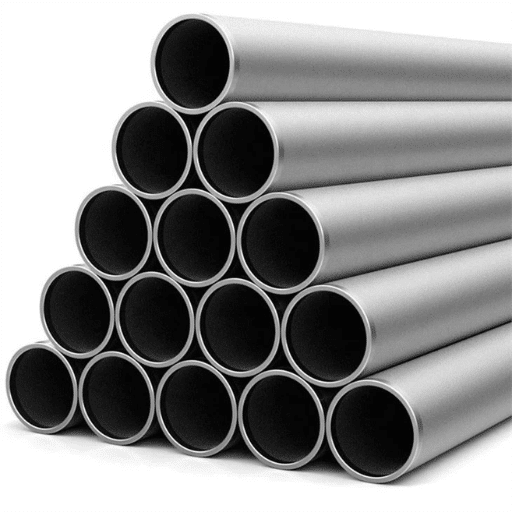
Specification for Pipes: Welded and Seamless
The production of both seamless and welded pipes manufactured from ASTM A312 grade is done in such a manner that they meet the highest quality standards.
| Type | Manufacturing Method | Characteristics | Best Applications |
|---|---|---|---|
| Seamless | No seam, single piece construction | Superior strength, high-pressure capability | Oil and gas, automotive, critical systems |
| Welded | Sheet or strip welded together | Cost-effective, readily available | Construction, standard pressure applications |
Both types exist in TP304, TP316, and TP321 grades and offer varied advantages such as increased corrosion resistance and high weldability. Recent search engine information shows increasing comparison trends between seamless and welded stainless steel pipes and their respective markets and applications. The question “Which is better for pipes in sensitive sectors?” remains prevalent, though each application calls for different piping materials.
Pipe Sizes and Wall Thickness Options
Pipes come in many different sizes and wall thicknesses for various applications such as construction and fluid transport.
Dimension Specifications
- Pipe Size Measurements: Often termed diameter or nominal inside diameter (such as 2-inch pipe, 4-inch pipe), ranging from micro bore pipes for millimeter accuracy applications to large bore for robust industrial uses
- Wall Thickness: Referred to as schedule (Sch 40, Sch 80, Sch 160) or pressure ratings (PSIG), indicating the pipe’s ability to withstand system pressure
- Modern Technology: Cutting-edge machinery enables production of pipe dimensions in different specifications that suit even the most stringent customer needs
- Global Trends: Growing demand drives changes in sustainable features and better engineering across piping sizes and thickness worldwide
ASTM A312 TP304 and Other Grades
One of the most common grades of stainless steel utilized with ASTM A312 stainless steel pipe is TP304, which offers a perfect balance of corrosion resistance, ductility, and fabrication capabilities.
Grade Comparison
| Grade | Composition | Key Properties | Primary Uses |
|---|---|---|---|
| TP304 | Chromium and nickel | Excellent corrosion resistance, oxidation resistance | Food, chemical, pharmaceutical industries |
| TP316 | Molybdenum-enriched | Superior resistance to chlorides and aggressive chemicals | Marine environments, acidic applications |
| TP321 | Titanium-stabilized | High operating temperatures, extreme thermal stability | Aviation, power gas turbines |
These ratings, which are as specified by astm a312 stainless steel pipe types, are assured of top quality and efficient functioning mostly and essentially in industries very particular about safety. These grades of metals find a variety of usage thus forming some of the engineering standards that are currently in use.
Manufacturing Processes of Stainless Steel Pipes
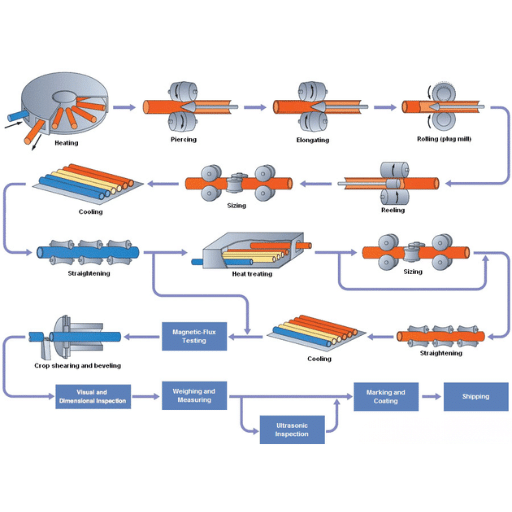
Fabrication Methods for Seamless Pipes
There is a variety of fabrication techniques for seamless pipes which have been developed systematically to achieve pipes that are strong and efficient in service.
Primary Manufacturing Techniques
Extrusion Method
A solid piece is subjected to heating and then pressed using a die that forms a hole inside, creating seamless tube structure.
Rotary Piercing
Hot-working of a billet in which the pipe is formed as the billet is pierced using cone-shaped rolls on opposite sides.
Technological Advancements
- Precision Control: Automation helps maintain uniformity of wall thickness
- Surface Quality: Advanced process control improves surface finish
- Laser Inspection: Technologies play significant role in producing pipes with dimensional correctness and defect minimization
- Application Suitability: New practices make pipes attractive for hostile environments in petrochemical, oil and gas, and high-pressure applications
Welded Austenitic Stainless Steel Pipes Production
The production of welded austenitic stainless steel pipes has considerably improved owing to new production methods and technologies.
Welded Pipe Manufacturing Process
- Forming: Stainless steel plates or strips are formed into cylindrical shape
- Welding: Edges are welded together using techniques such as Tungsten Inert Gas (TIG) or Plasma Arc Welding (PAW)
- Quality Enhancement: Automated welding systems and process protection support systems enhance weld quality in terms of accuracy and smoothness
- Post-Welding Treatment: Processes include annealing and surface hardening to strengthen pipe materials from corrosion
- Certification: Certified materials and quality management systems ensure compliance with industry standards
These pipes are produced for industrial purposes, chemical industries, residential construction, and beverage plants, with both certified materials and adequate quality management systems ensuring their use in industries with severe operational conditions.
Quality Control and Pipeline Fabrication
An integral aspect of fitness for purpose and assurance of reliability in engineered products—particularly in application-intensive environments—is quality control techniques during manufacture of pipes.
| Inspection Method | Purpose | Detection Capability |
|---|---|---|
| Robotic Ultrasound Testing | Locate internal defects | Cracks, voids, inclusions |
| X-Ray Inspection | Internal structure analysis | Weld quality, porosity |
| Eddy Current Testing | Surface and near-surface defects | Cracks, corrosion, wall thinning |
| Dimensional Measurement | Verify specifications | Diameter, wall thickness, length |
Quality Standards: Conformance to recognized ISO quality systems and ASTM standards ensures compliance with defined material characteristics. Manufacturers apply Statistical Process Control (SPC) measures in production processes to take needed measures when parameter trends may result in quality compromise.
Performance Assurance: This system aims at reducing defects such that pipes withstand loads exceeding 500 bars, temperatures above 300°C, and aggressive environments.
Applications of ASTM A312 Stainless Steel Pipes
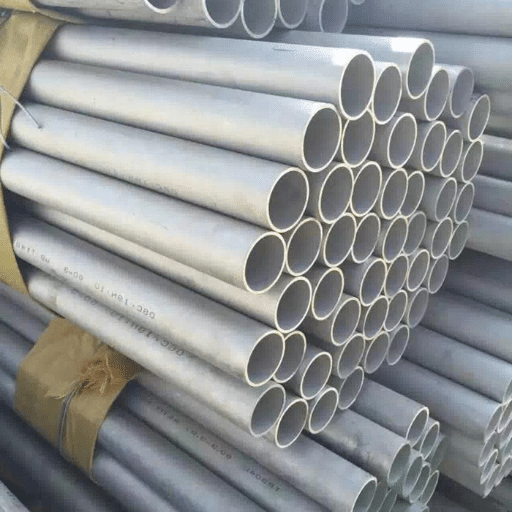
Industrial Uses of Seamless and Welded Tubes
In numerous manufacturing processes, both seamless and welded stainless forms prove advantageous due to the excellent properties of stainless steel, such as durability and versatility.
Seamless Tubes
- ▸
Oil and gas (offshore installations) - ▸
Petroleum refineries - ▸
Chemical and process plants - ▸
High-pressure space construction - ▸
Aerospace and automotive parts
Welded Tubes
- ▸
Water purification systems - ▸
Construction industries - ▸
Food and beverage processing - ▸
Cost-effective applications - ▸
Renewable energy installations
Emerging Trends: Recent data indicates that utilization of ASTM A312 stainless steel pipe is increasingly being redirected towards non-conventional energy generation, through incorporation in geothermal and solar installations. These pipes are particularly relevant in aerospace and automotive industries for parts requiring higher accuracy and exhaust systems.
Use in Construction and Infrastructure
In numerous construction and infrastructural projects carried out in modern times, stainless steel pipes are used owing to their advantageous properties such as corrosion resistance, ability to endure severe weather conditions, and longer lifespan.
Construction Applications
- ①
Structural Framework: Skyscrapers, bridges, and enduring structures - ②
Plumbing Works: Water distribution systems with long-term reliability - ③
Firefighting Systems: Critical safety infrastructure - ④
HVAC Units: Air conditioning and ventilation systems - ⑤
Eco-Friendly Projects: Noted increase in requests for green building and sustainable development
Role in Chemical and Petrochemical Sectors
The chemical and petrochemical sectors consider the availability of stainless steel piping particularly important because it is not attacked by aggressive or elevated-temperature operating fluids.
| Sector Requirement | Pipe Performance | Business Impact |
|---|---|---|
| Chemical Transport | Safe transport of hazardous commodities | Safety and effectiveness |
| Gas Handling | Pressure and temperature resistance | System reliability |
| Maintenance | Long life and durability | Minimized downtime |
Industry Trends: Recent search engine data indicates significant increase in interest for specially designed stainless steel pipes used by these industries. This trend results from the industry’s growing reliance on achievement of high safety standards and performance. Increasing searches for “chemicals and ASTM A312 stainless steel pipe” and “high heat resistant pipes” show movement towards advanced materials with more sophisticated production and environmental safety standards.
Compliance and Standards for ASTM A312 Pipes
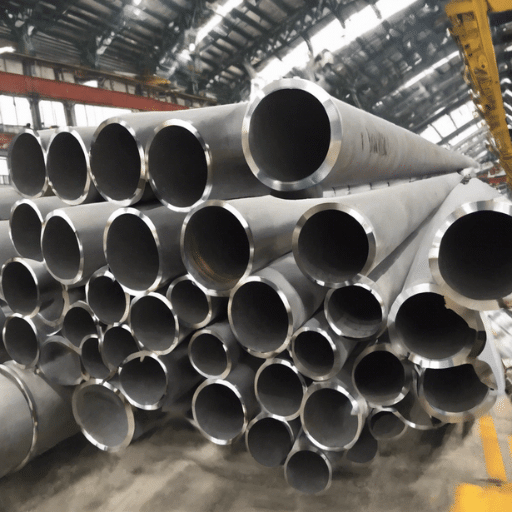
ASME SA312 Pipe Attributes
The characteristics required of the pipes made out of this standard conforms to the mechanical as well as chemical properties that the ASME has determined. Such characteristics include enhanced corrosion and heat resistance along with proper strength to weight ratio.
Key Performance Attributes
- Corrosion Resistance: Superior performance in adverse chemical environments
- Temperature Performance: Withstand extreme temperature variations
- High Pressure Capability: Engineered for demanding pressure conditions
- Application Suitability: Chemical processing, oil and gas, power plants
- Reliability Standards: ASTM A312 specification ensures pipes withstand temperature change, high pressure, and certain chemicals
Testing and International Quality Standards
When evaluating the safeness of ASME SA312 pipes in harsh service conditions, it must be taken into account that these pipes are produced to pass through stringent quality management and testing systems.
Comprehensive Testing Protocol
- Tensile Strength Tests: Verify material strength under stress
- Hydrostatic Pressure Tests: Ensure pressure containment capability
- Corrosion Resistance Tests: Validate performance in aggressive environments
- Ultrasonic Testing: Nondestructive technique to find defects and internal cavities
- Radiographic Testing: X-ray inspection for internal structure analysis
- Certification Compliance: All testing conditions keep users assured of operational capability
These assurances in conjunction with thorough preparation augment the safety and effectiveness of products in the harshest conditions, including petroleum, petrochemical, and power generating industries.
Significance of Certification while Procuring Pipes
Certifications are pivotal in confirming the qualitative performance of pipes that can be applied in a variety of industries.
| Certification Body | Standards Covered | Industry Value |
|---|---|---|
| ASME | Mechanical engineering standards, pressure vessels | Safety and longevity assurance |
| ASTM | Testing and materials specifications | International rules compliance |
| ISO | Quality management systems | Global standardization |
Procurement Benefits: When pipes are available with required certifications, there is guarantee of manufacturing excellence and operational reliability, thus reducing possibility of failure and downtime. Certification is important for traceability as it provides proof of material origin and test requirements met. This ensures the procurement process follows standard practice, creating confidence among stakeholders and providing assurance of endurance for critical supply chains.
Frequently Asked Questions
What are the pipes covered by stainless steel according to ASTM A312 standard?
The astm a312 stainless steel pipe standard applies to manufactured and seamless welded stainless pipes made in austenitic varieties for both high temperature and general resistance to corrosion. This specification includes 304 stainless steel and other grades of the 300 series including allowances for the thickness of the wall, minimum strength of the tensile, minimum strength of the yield and the conditions under which it is heat treated. The required dimensions of weld or seamless pipes are indicated in the standard in both inch-pound and SI units and the measurements of the pipe and tubes respectively. The table of material weights includes all weld condition where cold work has been carried out. It includes heat treated weld condition of the austenitic steels. The standard covers stainless steel pipes seamless or welded manufactured to ASME SA312 standards.
What is the difference between ASTM A312 seamless and welded pipe, and what processes are used in manufacturing them?
Seamless pipes are manufactured through seamless manufacturing technology where a solid round or billet is heated for forming a pipe, whereas for a welded pipe, the plate or strip are bent up on the inside diameter to the desired diameter and the edges are welded with each other. The standard criteria of ASTM A312 includes not only weldable, but also the seamless stainless steel products, tested to ensure that the pipe requirements of now above level requirements would be not filled with pipes made either method. This means that, for the fabrication of welded or seamless steel grade pipes, the wall thickness and the nominal diameter can be achieved through the pipe schedule limits and specifications. Some of the product forms include cold stretched austenitic welded pipes having higher modulus and rated stiffness but when increase in the yield stress and fracture stress does occur these pipes are usually heat treated either through annealing or heating. The question remains, however, whether plain steel which is either seamless or welded would be most appropriate under the circumstances of performance in higher temperatures, high corrosion services, or economic services and grade utilization of that particular stainless steel pipe alloy for manufacturing pipes.
ASME SA312 specifications stress material traceability—how can one necessarily trace distinct materials used for pipes?
When ASTM A312 materials qualify as relevant according to the ASME Boiler and Pressure Vessel Code, it is termed as ASME SA312. This designation refers to the materials engineering practice of assuring history of the material and manufacturing process. A recognized stainless steel pipe standard is specified which focuses on seamless as well as welded stainless steel pipes, governing requirements such as maximum acceptable concentration of constituent elements like carbon and nickel among other chemical elements in austenitic stainless steel grades. Tracing control system includes the temperatures above and below which heat treatment procedures occur, heat numbers, and the strength of the material (yield and ultimate). There is a record for the nominal size and thickness values in accordance with shell ends, pipeline, and any other where thickness values’ relevance is required. Clients ordering TP304 or ASTM A312 stainless steel pipe grades under ASME provides assurance that relevant tests have been carried out and reports generated for the conditions in which it will be utilized.
Is ASTM A312 TP304 fit for normal corrosive service? What are the properties of 304 steel pipes?
The material in reference ASTM A312 TP 304 and simply TP304 is austenitic stainless steel classified as one of the stainless steel pipes in the 300 series; it is used for piping systems in which erosion or corrosion is minimal. The pipe components made of 304 stainless steel have very many benefits: the material is resistant to corrosion and can powerfully withstand even severe mechanical treatment. It is a cold working grade steel because the seamless piping is made up of this steel and in some cases stainless steel pipes are welded depending on the use of the statement stainless steel material. It includes the product layout, a wall thickness referred to as nominal wall, and the mechanical characteristics of the stainless steel although consideration of the application and tests (like anneal) html user and other tensile tests is also required. Although, some alloys or grades contain more nickel, hence they offer useful characteristics for high temperature service and high corrosion whatsoever lifespan. There are instances where tubes or pipes that need a lot of precision and heat treatment is facilitated and ensured for the production of such tubing and pipes. Nonetheless, further details are advised and as provided in the specification.
In what way are the pipe schedules, nominal wall or wall thickness prescribed within the ASTM A312 grade of pipe?
As per ASTM A312, pipe schedules and nominal wall thickness established on the foundation of nominal pipe size are implemented to ensure dimensional uniformity and sufficiency for connection of fittings and flanges. Specific pipe sizes aside from standard or nominal pipe sizes according to the specification could be supplied subject to agreement between the buyer and the supplier, although in most cases, the standardized dimensions of either seam-welded or seamless pipes are requested. While the seamless or welded process for manufacturing pipes may vary, pipe wall thickness remains an essential feature ensuring that a fabricated pipe has the necessary pressure load performance and mechanical characteristics. Information of whether pipe is sold in cold-worked or annealed state is also documented by manufacturers as they know that cold-worked pipes are likely to have increased tensile strength and different levels of hardness. In order pipes are correctly delivered for the intended applications, specifiers should incorporate pipe schedules and nominal pipe sizes in orders to keep within the parameters of stainless steel pipes or tubes.
Which chemical and mechanical properties should be considered while working with ASTM A312 stainless steel pipe and tubing?
This Specification introduces the user to the chemical and macrostructure of the alloy series of. This will help determine if such ranges are likely to provide sufficient bond strength characteristics of the pipe, while in the services involved include, heat treatment and annealing. This Specification provides for the performance requirements of the given welded and seamless pipes manufactured out of stainless steel that may be put in service either as hydrostatic test or without. For people who are going to perform work involving higher temperature and corrosive, proper lists of series including stainless grades and the special stainless alloys are provided. The records shall indicate such a standard being met and the material certificates as well as the respective inspection reports.
Reference Sources
- Leak Failure at the TP316L Welds of a Water Pipe Caused by Microbiologically Influenced Corrosion
Investigates the root cause of leaks in ASTM A312 TP316L stainless steel pipes. - Failure Analysis of Wet Solvent Stainless Steel Pipe
Examines compliance of 304L stainless steel pipes with ASTM A312 standards. - 316L Stainless Steel Tubes Corrosion Influenced by SRB in Sea Water
Discusses corrosion behavior of ASTM A312 TP316L stainless steel tubes in seawater.