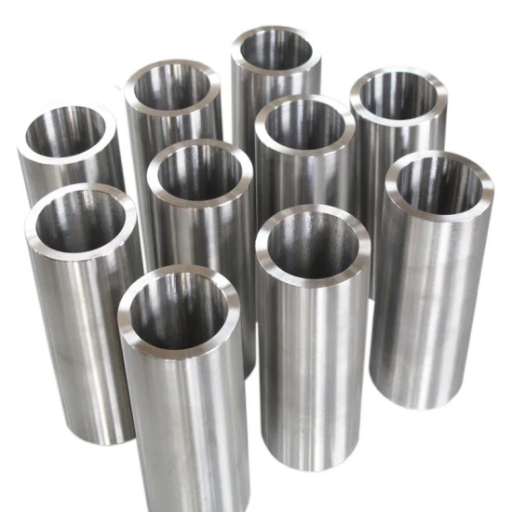
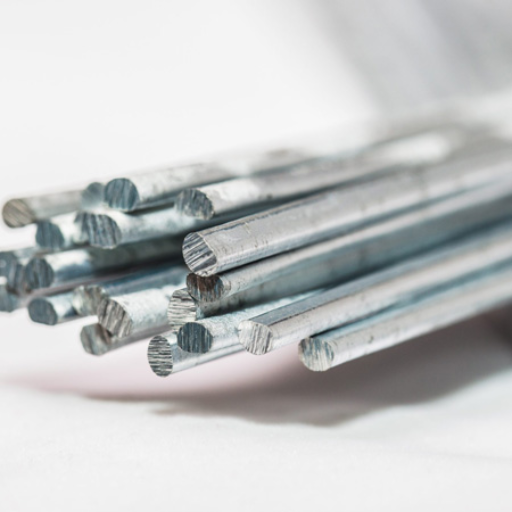
Steel seamless tubes serve as essential elements across various industries because of their capacity to endure demanding conditions while maintaining their strength and flexible applications. Seamless tubes function differently than welded tubes because they form without any seams, which results in greater strength capacity to endure extreme pressure and temperature conditions. This comprehensive guide investigates steel seamless tubes by demonstrating their unique advantages, multiple uses, and detailed manufacturing procedure which creates their dependable performance.
Introduction to Steel Seamless Tubing

Definition of Seamless Tube
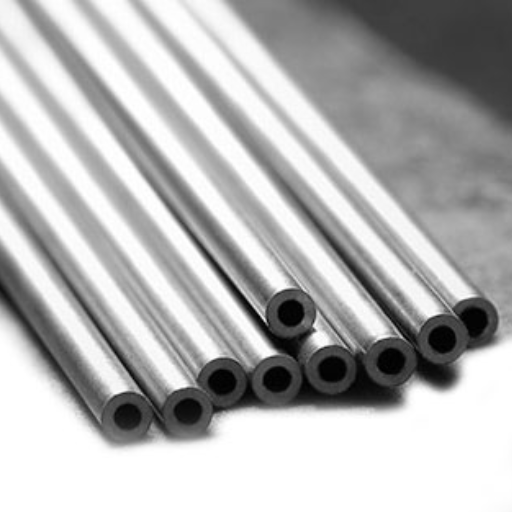
A seamless tube is a cylindrical shape made of metal, primarily steel, created using a manufacturing process that does not involve any welding or joints. Seamless tubes differ from welded tubes because their production process begins with a solid metal billet which workers use to create a hollow tube through stretching.
The tube delivers constant strength and structural stability from one end to the other which enables it to operate safely in environments with high pressure and extreme conditions. The latest research demonstrates that seamless tubes serve as vital components for the oil and gas and automotive and aerospace and construction sectors because they deliver exceptional protection against corrosion and high tensile strength and extreme temperature defense.
Types of Steel Seamless Tubes
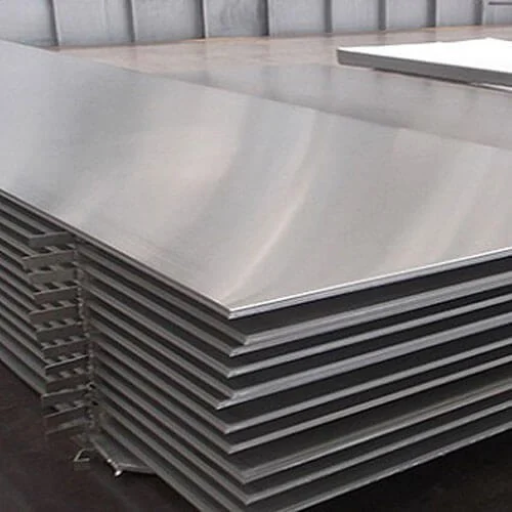
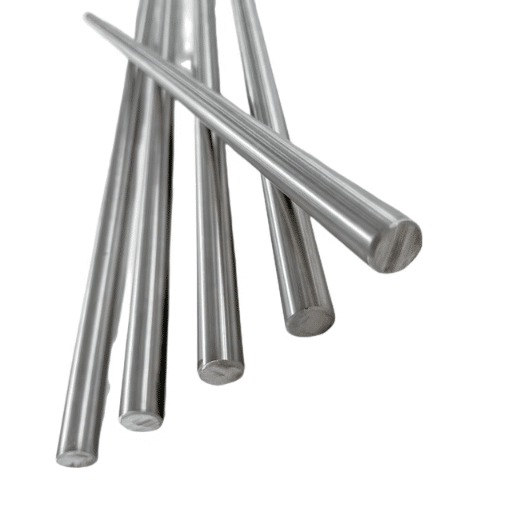
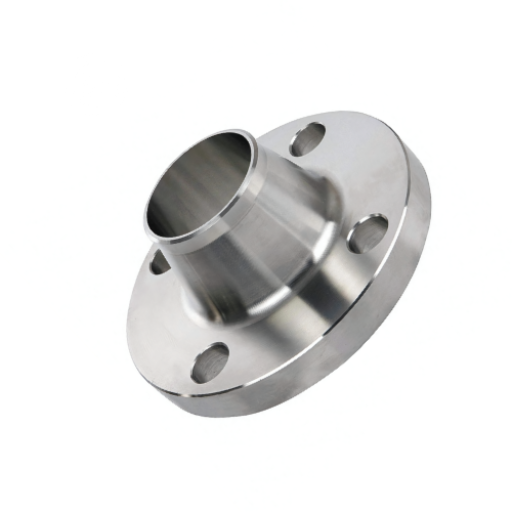
The different types of steel seamless tubes provide solutions for various industrial needs while meeting specific production standards. The most common types according to current industry data are:
Importance of Wall Thickness and Diameter
The strength and durability of seamless tubes depend on their wall thickness and diameter which determines their operational capabilities. The wall thickness directly influences the tube’s ability to handle internal pressure which ensures safe fluid and gas transportation in high-pressure environments. A thicker wall generally provides greater strength and resistance to external forces or potential damage.
Critical Design Factors:
- ▸ Wall Thickness: Determines pressure handling capacity and structural strength
- ▸ Diameter: Establishes flow capacity—larger for volume, smaller for precision
- ▸ Optimal Material Usage: Improves efficiency while decreasing energy requirements
- ▸ System Failure Prevention: Proper calibration reduces risk across operations
According to recent data, industries such as oil and gas and automotive and construction now require high-precision seamless tubes that have specific wall thickness and diameters to operate their advanced machinery.
Manufacturing Process of Seamless Tubes

Overview of Manufacturing Methods
Seamless tube production requires multiple advanced manufacturing methods which produce high-quality and accurate results. The rotary piercing process represents a standard technique which requires operators to heat a solid billet and use rotating rollers to create a hollow tube through piercing.
Primary Manufacturing Techniques:
- Rotary Piercing: Heated billet pierced with rotating rollers to create hollow tube
- Elongation and Sizing: Initial tube undergoes stretching and dimensional refinement
- Extrusion Process: Heated billets pushed through die for consistent material attributes
- Advanced Technologies: CAD integration and real-time monitoring for precision
Current manufacturing methods combine traditional practices with modern technology which includes computer-aided design (CAD) and real-time monitoring systems. The manufacturing innovations enable businesses to achieve precise production standards which improve their operational efficiency while satisfying the needs of aerospace, automotive, and energy sectors.
Key Steps in Production
The production of seamless tubes requires highly specialized procedures which create products that meet strict quality standards:
Production Workflow:
- Raw Material Selection: Steel billets chosen and heated to extremely high temperatures
- Piercing Process: Billet transformed into hollow tube structure
- Dimensional Refinement: Tube achieves targeted size with consistent dimensions
- Heat Treatment: Improves mechanical capabilities and material properties
- Surface Finishing: Enhances corrosion resistance and aesthetic quality
- Quality Verification: Comprehensive testing throughout all production stages
Quality Control and Specifications
The manufacturing process of seamless tubes depends on quality control which ensures that the finished products meet both required specifications and established industry standards. The quality control systems at present utilize modern technologies which consist of ultrasonic testing, eddy current testing, and radiographic inspection to detect faults and defects within the tubes.
Industry Standards Compliance: Manufacturers of seamless tubes follow worldwide standards which include ASTM and ASME and ISO as their primary specifications for product development. The oil and gas industry requires tubes which possess both high corrosion resistance and strength, while the automotive sector demands lightweight materials which offer durability
The team conducts thorough measurements of wall thickness, diameter, and length to comply with both customer specifications and regulatory standards.
Applications of Steel Seamless Tubing

Industrial Uses of Seamless Tubes
Seamless tubes made of steel provide essential benefits to multiple industrial applications because of their exceptional strength and their consistent performance and their dependable nature. The oil and gas industry and power plants and chemical processing facilities use seamless tubing to operate their systems at both high pressure and high temperature conditions.
Core Industrial Applications:
- High-pressure and high-temperature system operations
- Corrosion-resistant material requirements for extreme environments
- Enhanced durability for critical industrial processes
- Superior resistance to pressure variances and corrosion
Automotive and Aerospace Applications
The automotive and aerospace sectors show increased interest in seamless tubes and corrosion-resistant materials. These sectors demand high-performance materials that can endure extreme conditions, including fluctuating temperatures, high pressure, and exposure to corrosive elements.
| Industry Sector | Key Requirements | Seamless Tube Benefits |
|---|---|---|
| Automotive | Lightweight, high durability, fuel efficiency | Enhanced strength, reduced failure risk, improved performance |
| Aerospace | Extreme temperature resistance, pressure tolerance | Safe, effective operations with superior durability |
Oil and Gas Industry Requirements
The oil and gas industry requires materials which can endure extreme environmental conditions including high-pressure situations and corrosive materials and temperature variations. Seamless tubes have become the most common selection because they fulfill the strict requirements which must be satisfied.
Critical Performance Features:
- ✓ Outstanding strength characteristics for demanding operations
- ✓ Crack defense during drilling and pipeline construction
- ✓ Anti-corrosion features for offshore exploration
- ✓ Operational safety guarantee for essential activities
Comparison of Seamless Tubes and Welded Tubes

Strength and Durability Differences
Seamless tubes and welded tubes show substantial strength and durability differences which create their main distinction. Seamless tubes which manufacturers produce without a weld seam create an equal structural distribution throughout their material:
Cost Analysis of Seamless vs. Welded Tubes
The selection process between seamless and welded tubes requires assessment of all associated costs to identify the most appropriate solution for each distinct application. The manufacturing process of seamless tubes needs specialized equipment and advanced techniques which results in higher initial expenses for these products.
Cost Comparison Factors:
- Seamless Tubes: Higher upfront costs, but extended lifespan and lower maintenance create long-term savings
- Welded Tubes: More affordable initially due to simpler production methods
- Industry Justification: Aerospace and energy sectors justify seamless costs through safety and performance requirements
- Project Selection: Welded tubes preferred for cost-controlled projects with moderate operational demands
When to Choose Seamless Tubing
Seamless tubing serves as the best option when projects require materials with maximum strength and dependability and capacity to withstand extreme temperature and pressure conditions. The aerospace and automotive and energy industries depend on seamless tubes for hydraulic systems and heat exchangers and structural components because this design eliminates welds which would weaken the material under stress.
Performance Recommendation: Recent findings demonstrate that seamless tubes achieve their best operational performance in critical environments which experience both corrosive chemical exposure and extreme operational conditions. Seamless tubing provides the best solution for high-performance applications which require both extended lifespans and enhanced safety.
Current Trends in the Seamless Tube Industry

Innovations in Manufacturing Technology
The seamless tube industry experiences improved production efficiency and product quality because recent manufacturing technology advancements introduced better production methods. The development of rotary piercing and pilgering techniques now enables the production of seamless tubes which meet more precise dimensional requirements and deliver better surface quality.
Technology Advancements:
- The use of automated systems that combine artificial intelligence to power all stages of production process.
- The process of selecting raw materials together with quality control systems leads to increased operational efficiency for organizations.
- The process of waste elimination together with better operational performance leads to increased efficiency for organizations.
- Manufacturing operations use environmentally sustainable methods.
- The field of advanced materials research includes both titanium alloys and specialized coatings.
Sustainability and Environmental Impact
The seamless tubing industry has achieved significant advancements in sustainability during recent years because of contemporary manufacturing techniques and increased environmental awareness among people. The data and trends show that businesses now seek industrial processes which generate less waste and produce smaller carbon emissions than before.
Sustainability Initiatives:
- Cleaner Technologies: Energy-efficient heating systems and reduced emission processes
- Material Recyclability: Steel and titanium lifecycle extension reduces raw material extraction
- Circular Economy Support: Sustainable life cycle decreases environmental harm
- Performance and Ecology: Manufacturing methods achieve both performance goals and sustainability
Market Demand and Future Projections
The market demand for seamless tubing has been steadily increasing because the material demonstrates its ability to meet various needs in aerospace and automotive and energy and construction industries. According to the latest data trends the searches for “sustainable tubing materials” and “high-performance tubing solutions” have increased because both industries and consumers show interest in modern performance and environmentally friendly practices.
Future Outlook: The upcoming years will show strong growth patterns because renewable energy and electric vehicles will keep increasing their market share. The use of seamless tubing in heat exchangers and advanced manufacturing systems shows how companies accept new technological developments. The production technique advancements and the rising demand for decarbonization solutions will generate substantial need for this material.
Frequently Asked Questions
What tubing options exist for steel seamless tube products?
Steel seamless tube products offer multiple tubing options which include carbon steel, alloy steel, and stainless steel grades that are designed to withstand various environmental conditions and internal pressure requirements. Manufacturers provide different OD options which include outside diameter and wall thickness and shape variations to create products that match their particular needs. DOM round tubing is produced to factory specifications for use in high-demand environments which include hydraulic systems and structural projects. Buyers should review the specification sheets for mechanical properties like tensile strength and yield to confirm suitability.
How do tube dimensions, together with their size range, impact operational efficiency?
The dimensions and dimensions of a tube determine its ability to transport fluid and withstand pressure and its mechanical characteristics during operation. The smaller OD with thicker wall thickness provides better pressure resistance capabilities, while larger sizes should be used for applications that need increased flow and deeper structural strength. Industries ranging from instrumentation through heavy machinery use DOM round tubing which manufacturers produce in multiple size ranges. The proper size selection needs to find an optimal weight and cost combination that achieves performance goals for your specific use case.
What are common seamless tubing specifications I should request?
Common seamless tubing specifications require material grade selection between stainless steel and alloy materials together with specific requirements for outer diameter and wall thickness and heat treatment procedures and mechanical testing requirements which include tensile strength and elongation measurements. The specification details together with inspection criteria for delivery and certification processes are typically defined by industry standards which include ASTM, EN, and JIS. Non-destructive testing together with PMI testing should be requested for critical applications because these methods will confirm the actual alloy composition.
When is a stainless steel seamless tube preferred over carbon or alloy?
Stainless steel seamless tube is required for food processing and chemical plant operations and medical equipment manufacturing because these applications need both corrosion resistance and hygienic properties and attractive appearance. Stainless grades provide good mechanical properties which enable users to choose appropriate grades for different temperature and corrosion conditions. For applications that need higher strength requirements alloy seamless tubes offer better performance than carbon steel which provides cost advantages for general structural applications.
How do wall thickness and thickness tolerance impact selection?
The selection process is influenced by the combination of wall thickness and thickness tolerance. The pressure rating and stiffness of a seamless tube depend on its wall thickness because thicker walls provide greater strength and reduced deformation resistance to external pressures. The thickness tolerances determine how components will fit and function in precision applications which require strict tolerances for weld-prep and forming processes. Excessive wall thickness results in extra weight and cost while insufficient wall thickness results in pressure failure risks.
What delivery and lead time considerations apply to precision seamless tubing?
The delivery and lead time for seamless precision tubing depend on three factors which include the material grade and required sizes and special processing needs and additional testing or certification requirements. Production time increases when customers request custom sizes or tight tolerance orders but stocked items can be shipped immediately. While DOM round tubing comes in standard sizes and precision variants customers who want custom products must accept longer delivery times. The party needs to communicate required specifications and delivery dates early to prevent any delays.