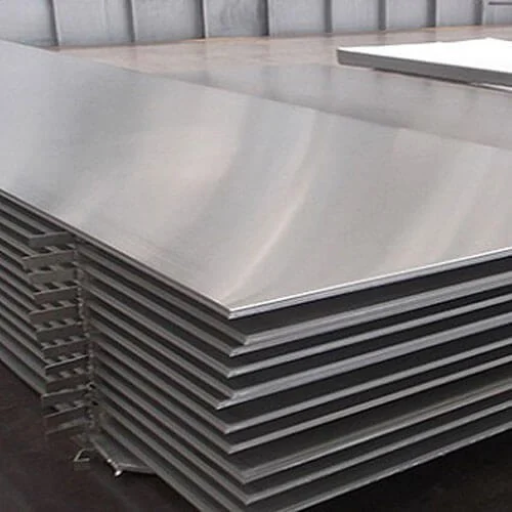
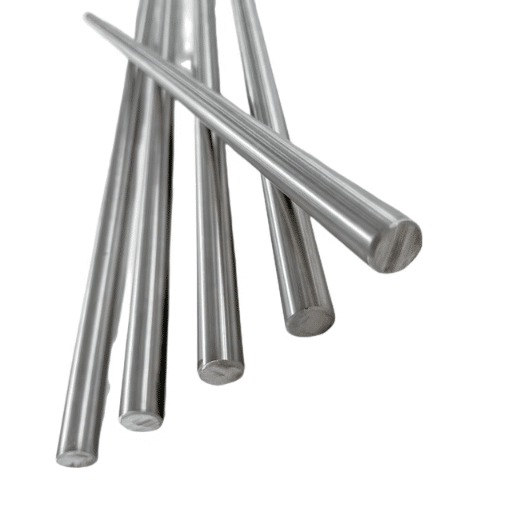
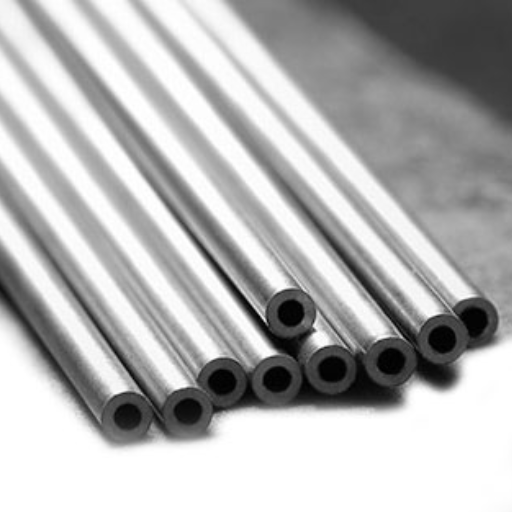
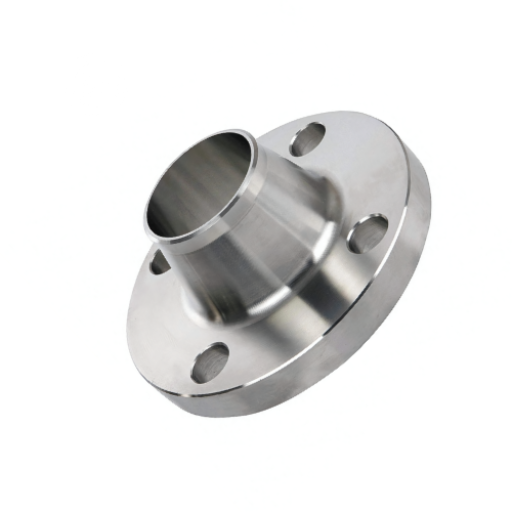
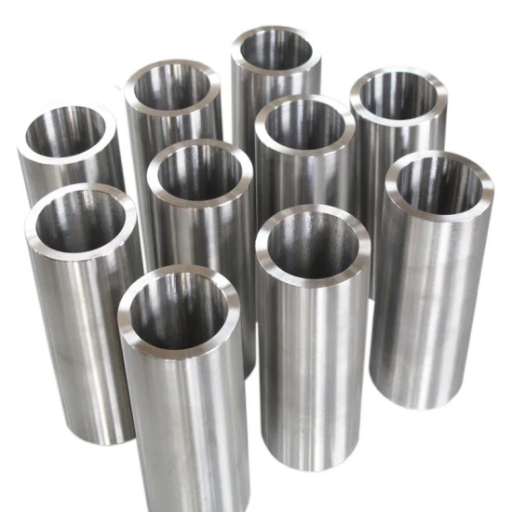
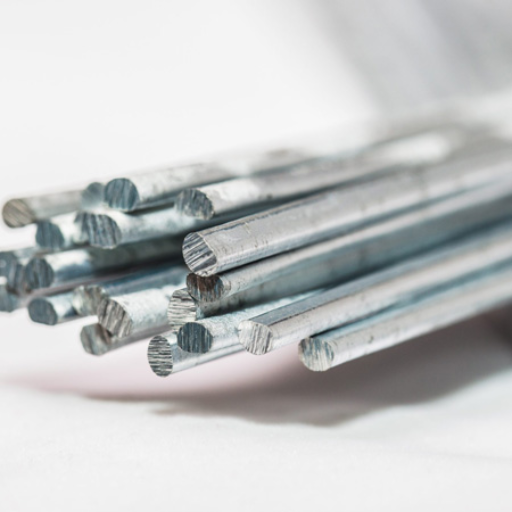
Industrial piping systems utilize stainless steel butt weld fittings to provide the required strength and flexible operation and leak-proof performance which industrial environments need. These fittings function as vital connection parts which preserve system integrity when exposed to high pressure and extreme temperature and chemical exposure conditions in petrochemical plants and pharmaceutical facilities and food processing operations and renewable energy infrastructure. The guide examines stainless steel butt weld fittings through detailed study which discusses fitting types and their industrial applications and advantages over other connection methods and selection criteria and industry standards for their specification and installation.
5+
Core Fitting Types
ASME
B16.9 Dimensional Standard
ASTM
A403 Material Standard
304
Primary Stainless Alloy Grade
Introduction to Stainless Steel Weld Fittings

Definition and Basic Function of Weld Fittings
Stainless steel weld fittings serve as essential components that connect industrial piping systems which allow liquids and gases and other materials to flow through complex process networks without interruption. The fittings are capable of handling extreme pressure and temperature conditions because they were built to resist corrosion which makes them ideal for use in oil and gas operations and chemical processing and water treatment and pharmaceutical and food processing facilities. The main purpose of these devices is to establish permanent pipe connections which create leak-proof seals that preserve system structural integrity throughout the entire operational period of the system. Modern stainless steel weld fittings have achieved longer operational life and better energy efficiency through advances in precision engineering and material science because they fulfill industry standards for safer and more environmentally friendly piping systems.
Types of Stainless Steel Butt Weld Fittings
The Pipe and Pipe Fitting Overview
The modern infrastructure systems we use today depend on pipe systems and their connecting parts which enable safe and efficient transportation of liquids and gases and other materials through various industrial facilities. The main pipe categories span metal pipes — stainless steel, copper, aluminum — and plastic pipes including PVC, CPVC, and PEX, as well as concrete and ceramic pipes. The selection process for materials requires an assessment of their performance in pressure environments and their ability to withstand chemical substances and their cost-effectiveness for specific operational needs.
Market Context
The current market is driven by growth in construction, renewable energy, and water management sectors. Residential plumbing favors PVC and PEX for cost-effectiveness and simple installation, while stainless steel fittings have become essential components for critical systems — including renewable energy pipelines — because they withstand severe working conditions. The development of sustainable infrastructure and green energy projects continues to create growing demand for advanced pipe and fitting solutions that help build efficient, environmentally protective systems.
Applications of Stainless Steel Butt Weld Fittings

Advantages of Stainless Steel Butt Weld Fittings Over Other Types

Butt Weld vs. Threaded vs. Flanged — Side-by-Side
Advantage 01
vs. Threaded Fittings
The installation and replacement process of threaded fittings becomes easier to manage, yet these fittings experience leakage problems which develop as time passes, especially in systems that operate at both high pressure and high temperature. The process of thermal cycling results in thread loosening, which creates a risk of system malfunction. The usage of butt weld fittings completely removes this risk because they create permanent bonds which join two pipe sections into one unified structure. Their seamless interior pathway reduces turbulence and pressure loss, delivering superior flow efficiency. The use of butt weld alternatives in large-diameter piping systems which cannot accommodate threaded fittings delivers reliable performance while decreasing total operational expenses throughout the entire equipment lifespan.
Advantage 02
vs. Flanged Fittings
Butt weld fittings create permanent seals that withstand high pressure and temperature without relying on gaskets and bolted connections which represent the primary failure points of flanged systems. The compact design keeps components flush with the main pipe structure which prevents the corrosion that often develops at external connection joints. This configuration reduces total system weight which decreases costs for transportation and installation in large-scale construction projects. Oil and gas operators increasingly prefer butt weld solutions above flanged alternatives because they enable safer operations and better efficiency in challenging work settings.
Advantage 03
Durability & Corrosion Resistance
Butt weld fittings achieve exceptional performance through their seamless welded connections and the inherent properties of high-performance stainless alloys. Advances in material science have developed new high-performance alloys that further improve durability under extreme environmental conditions — creating a protective barrier against chemical exposure, extreme temperatures, and moisture-driven degradation. Offshore drilling and chemical processing industries increasingly specify butt weld fittings because they maintain structural integrity under the most challenging industrial circumstances, delivering dependable performance throughout their service life while minimizing maintenance requirements and accumulating long-term financial benefits.
Selecting the Right Stainless Steel Butt Weld Fittings

Understanding Schedules and Sizes
Understanding pipe sizes and fitting schedules is essential to ensuring correct fit and functional performance. Pipe schedules refer to wall thickness — schedule numbers directly correlate to pressure capacity, with higher schedules indicating thicker walls capable of handling elevated pressure requirements.
Schedule 40
The most popular choice for general-purpose applications — provides sufficient strength at reasonable cost. Suitable for standard pressure and temperature conditions across a wide range of industrial processes.
Schedule 80
Required for higher pressure resistance — essential for high-temperature steam applications and aggressive chemical processing environments where standard wall thickness is insufficient.
Schedule 120+
The materials are specified for extreme-pressure usage in petrochemical operations and offshore drilling activities and high-pressure fluid handling systems. The welding procedure requires both schedule and pipe size to match the specific pipe specifications.
Choosing Between Elbow, Tee, and Reducer
The selection process for elbow, tee, and reducer fittings requires a clear assessment of their unique functions and designated roles within the piping network. Elbow fittings direct flow through system changes of direction, available in 45° and 90° angles as well as short-radius (SR) and long-radius (LR) options — with LR elbows producing lower pressure loss than SR equivalents. Tee fittings function as distribution points that divide or combine flow streams across three connections. Reducers establish transitions between pipe sizes — concentric reducers maintain aligned centerlines for vertical runs, while eccentric reducers create an offset that prevents fluid pooling in horizontal lines.
Material Considerations & Alloy Choices
- 1
Transported Medium Compatibility
Chemical industries require corrosion-resistant alloys to maintain material integrity across aggressive process environments. Stainless steel shows particular suitability for moisture and chemical-exposure applications. - 2
Operating Temperature & Pressure
The combination of operating temperature and pressure determines the performance of materials. The Inconel and Hastelloy high-performance alloys include special metal compositions which protect against extreme temperatures because they exceed the thermal resistance capabilities of standard stainless steel grades. - 3
Standard Compliance Requirements
The ASME B16.9 standard defines both the dimensional specifications and tolerance limits for factory-produced wrought buttweld fittings. The ASTM A403 standard defines both material requirements and testing methods which need to be verified during the procurement process for essential service needs. - 4
Sustainability & Environmental Criteria
The demand for environmentally sustainable materials has increased which has led to the adoption of low-lead alloys and recyclable materials. Organizations use advanced alloys to operate efficiently while they achieve environmental sustainability and regulatory compliance.
Future Trends and Industry Standards

Summary of Key Benefits
The fundamental benefits which modern industrial systems need are provided by stainless steel butt weld fittings. Their outstanding corrosion resistance maintains operational efficiency throughout their lifespan while decreasing maintenance expenses. The material exhibits high strength which enables reliable operation across chemical processing, oil and gas, and water treatment facilities. The system achieves optimal efficiency because its internal surfaces maintain smoothness which minimizes pressure loss. The complete recyclability of the product enables businesses to achieve sustainability goals while fulfilling the rising worldwide need for eco-friendly industrial solutions.
Future Trends in Weld Fitting Technology
Future weld fitting technology development will depend on three main factors which are better material properties and smart manufacturing techniques and complete digital process systems. The development of automated welding systems which incorporate AI technology enables users to achieve exact welding results while predicting their maintenance needs which leads to decreased downtime and increased structural strength. New coatings and surface treatments which result from nanotechnology advancements deliver enhanced corrosion protection and longer product lifespan under extreme conditions. Sustainable construction practices are creating increased demand for fittings which use recycled materials and environmentally friendly manufacturing methods.
Industry Standards That Govern These Fittings
The multiple sectors of the industry need to follow established standards which ensure their organizations maintain necessary quality and safety standards while delivering consistent operational performance. The basic standards for stainless steel butt weld fittings start from ASME B16.9 which establishes both dimensional requirements and tolerances for factory-made wrought buttweld fittings and ASTM A403 which defines material requirements and testing standards and certification requirements for stainless steel pipe fittings. The standards establish butt weld fittings dimensions through their defined specifications and material grades and testing procedures which enable product performance evaluation and compatibility testing between different manufacturers and suppliers.
Online search activity shows that both consumers and businesses are increasingly interested in sustainable practices and methods for meeting environmental regulations. Companies can achieve market success through the adoption of advanced technologies together with eco-friendly materials because their operations meet all mandatory industry requirements while solving climate change and resource conservation issues.
Frequently Asked Questions
Reference Sources
Source 01
Fitting Analysis and Optimization of MIG Welding Current for Stainless Steel
Explores the MIG welding process for austenitic stainless steel with a focus on current optimization for consistent weld quality and joint performance.
Source 02
Fillet Weld Design for Rectangular HSS Connections
Discusses design philosophies and formulas for effective weld lengths in hollow structural section (HSS) to HSS welded connections.
Source 03
Experimental Data Assessment and Fatigue Design Recommendation for Stainless-Steel Welded Joints
Provides fatigue strength data and design recommendations for stainless steel welded joints, informing long-term structural reliability assessment.