logo
WhatsApp:

+8615057563345

Phone

+8615057563345

Understanding Duplex Stainless Steel: UNS S31803 and S32750 Applications

Facebook
Twitter
Reddit
LinkedIn

The use of duplex stainless steels especially UNS S31803 and S32750 has transformed industrial materials selection process for applications that require high-strength materials which can endure long periods while resisting corrosion. The alloys offer exceptional performancebecause they combine the optimal characteristics of austenitic stainless steel and ferritic stainless steel into one single microstructure. The guide presents a complete examination of UNS S31803 and S32750 which includes their unique features and their respective benefits and industrial uses. This reference presents the complete technical information which industry professionals and engineers need to make informed decisions about modern alloys.

50/50

Ferrite / Austenite Microstructure

>40

PREN Value — S32750

1000 MPa

Max Tensile Strength — S32750

$3.5–4.5K

Per Metric Ton Price Range

Introduction to Duplex Stainless Steel

Introduction to Duplex Stainless Steel

Definition and Overview

Duplex stainless steels form a distinct group of stainless steel alloys which manufacturers developed to achieve a microstructure that contains equal portions of ferrite and austenite. The material derives its name duplex from its two-phase structure which produces a unique combination of material properties. The superior strength and stress corrosion cracking resistance of duplex grades combined with their improved weldability make these alloys suitable for demanding applications which require exceptional performance. The oil and gas industry and chemical processing industry and desalination industry all increasingly adopt duplex stainless steels because these materials provide protection against pitting and crevice corrosion in environments with high chloride levels. Research proves that duplex grades demonstrate high cost efficiency because they require fewer materials to deliver equivalent performance compared to other stainless steels while providing a combination of strength and corrosion resistance and economic benefits which form a fundamental material category.

Importance of UNS S31803 and S32750

Grade 01

UNS S31803 — Duplex 2205

Provides a combination of properties that makes it suitable for multiple applications — tensile strength ranging from 620 to 795 MPa combined with effective protection against pitting and crevice corrosion in chloride environments. It serves as an economical solution for moderate-to-demanding industrial conditions, including heat exchangers, pressure vessels, and subsea piping systems across worldwide infrastructure initiatives.

Grade 02

UNS S32750 — Super Duplex 2507

Provides superior corrosion protection through its elevated chromium, molybdenum, and nitrogen content — achieving a PREN value that exceeds 40. This grade delivers the highest performance tier among duplex steels, providing dependable service in conditions which include high temperatures, high pressures, and highly aggressive chemical exposure, where standard duplex grades cannot meet the operational requirements.

Industrial Applications Overview

Duplex stainless steels have found multiple expanding industrial applications driven by technological innovation and material performance requirements. Their primary applications include heat exchangers and pressure vessels because these systems need both corrosion protection and high mechanical load capacity and their subsea piping systems need to maintain their structural integrity under extreme deep water pressure and saltwater conditions. Industries are increasingly prioritizing lifecycle costs and duplex stainless steels provide both extended product life and lower maintenance needs which makes them vital for achieving precise environmental and operational engineering solutions.

Properties of UNS S31803 (Duplex 2205)

Properties of UNS S31803 (Duplex 2205)

Chemical Composition

The performance of UNS S31803 (Duplex 2205) stainless steel results from its specific combination of chromium at 22 to 23 percent and molybdenum at 3 to 3.5 percent and nickel at 4.5 to 6.5 percent which becomes stronger through the addition of manganese and nitrogen and silicon. The specific composition of this material results in a duplex structure which combines ferritic and austenitic phases to achieve superior strength and complete protection against pitting and crevice corrosion in environments containing chlorine. The special chemical makeup of Duplex 2205 provides better resistance against extreme weather and physical stress while reducing both expenses and required material thickness to achieve sustainability standards and operational performance goals.

Element Content Range Primary Contribution
Chromium (Cr) 22–23% Passive oxide layer formation; corrosion protection baseline
Molybdenum (Mo) 3–3.5% Enhanced resistance to pitting and crevice corrosion
Nickel (Ni) 4.5–6.5% Austenite phase stabilization; ductility improvement
Nitrogen (N) 0.08–0.20% Yield strength increase; pitting resistance enhancement
Manganese (Mn) / Silicon (Si) Controlled additions Microstructure refinement and processing performance

Physical and Mechanical Properties

Physical Properties

Tensile Strength: 620–850 MPa

Nearly double the strength of regular austenitic stainless steels such as 304 and 316. This enhanced strength allows the material to endure high-pressure conditions while decreasing the requirement for additional wall thickness — directly reducing material cost without sacrificing structural performance.

Corrosion Profile: Outstanding resistance to localized pitting and crevice corrosion due to 22% Cr and 3% Mo content.

Mechanical Properties

Yield Strength: ~2× That of 304 / 316

The ferritic-austenitic microstructure enables thinner cross-sections in structural designs while sustaining structural components under load. The alloy exhibits outstanding resistance against three types of corrosion — enabling reliable operation in essential environments including operations with high chloride concentrations where austenitic steels are prone to stress corrosion cracking (SCC).

Key Benefit: Extended operational life, reduced waste, and lower environmental impact compared to standard austenitic alternatives.

SCC Resistance

Superior Stress Corrosion Cracking Resistance

The duplex microstructure provides outstanding protection against stress corrosion cracking (SCC) which frequently occurs in environments containing chloride. These properties support sustainable practices because they decrease the need for equipment repairs and maintenance activities — resulting in longer operational periods and better system performance in process-critical settings.

Heat Treatment: Solution annealing at 1020–1100°C followed by immediate quenching maintains optimal duplex microstructure.

Properties of UNS S32750 (Super Duplex 2507)

Properties of UNS S32750 (Super Duplex 2507)

Chemical Composition

UNS S32750 (Super Duplex 2507) has its chemical composition designed for specific purposes which create a material that delivers better corrosion protection and higher strength than regular duplex materials. The primary industrial components of the system consist of 25% chromium (Cr) and 7% nickel (Ni) and 4% molybdenum (Mo) which together produce exceptional defense against pitting and crevice corrosion and chloride stress corrosion cracking that occurs in extremely difficult environments. Nitrogen (N) enhances steel structural strength because it increases both yield strength and fatigue resistance. The production process needs precise management of manganese (Mn) and silicon (Si) and phosphorus (P) because these elements directly impact product performance while they create specific challenges during the manufacturing process. The chemical ratios need to stay within specific limits because these ratios determine how UNS S32750 operates under extreme pressure and high temperature and strong chemical exposure conditions.

Element Content Range Primary Contribution
Chromium (Cr) 24–26% Elevated passive protection; superior pitting resistance baseline
Nickel (Ni) 6–8% Austenite phase stability; ductility and impact toughness
Molybdenum (Mo) 3–5% Critical pitting resistance in chloride and seawater environments
Nitrogen (N) 0.24–0.32% Yield strength reinforcement; fatigue resistance improvement
Mn / Si / P Precisely controlled Production performance and final microstructure quality control

Physical and Mechanical Properties

Physical Properties

Tensile Strength: 800–1000 MPa

The material demonstrates a yield strength of 550 MPa. The thermal conductivity value at 20°C reaches 13 W/(m·K) which enables effective heat transfer during high-temperature operations. The material exhibits a low thermal expansion coefficient of 13 µm/m·K which enables structural integrity maintenance during temperature fluctuations that are vital for heat exchanger and reactor systems requiring dimensional stability.

Applications: Oil and gas extraction, desalination plants, chemical processing equipment.

Mechanical Properties

Tensile >1000 MPa / Elongation up to 20%

The material achieves high tensile strength above 1000 MPa while permitting elongation up to 20% which provides the essential ductility needed for structural fabrication. The hardness properties reach above 300 HV to provide protection against wear and mechanical damage which occurs during exposure to high-pressure conditions. The material can endure operational stress for long periods because advanced heat treatments improve its fatigue life which allows it to withstand cyclic stress without sustaining structural damage.

Advantage: Maintains mechanical properties across environments featuring high thermal gradients, corrosive media, and variable mechanical stress.

Key Differences Between UNS S31803 and S32750

Key Differences Between UNS S31803 and S32750

Side-by-Side Comparison

Property UNS S31803 (Duplex 2205) UNS S32750 (Super Duplex 2507)
Chromium Content 22–23% 24–26% — elevated for superior passive protection
Molybdenum Content 3–3.5% 3–5% — higher for extreme chloride environments
PREN Value ~35 — effective in moderate chloride conditions >40 — optimal for severe chloride service
Tensile Strength 620–850 MPa 800–1000+ MPa
Critical Pitting Temp. Moderate — suitable for standard industrial chloride exposure >50°C (122°F) — suited for aggressive seawater and chemical environments
SCC Resistance Strong — effective for majority of industrial chloride service Superior — optimal for offshore, subsea, and highly corrosive conditions
Typical Cost Lower than S32750 — cost-effective for broad industrial deployment Higher — justified by superior performance in extreme conditions
Best Use Scenario Chemical processing, moderate marine, pressure vessels, desalination Offshore platforms, subsea piping, aggressive chemical service, seawater systems

Comparison 01

Corrosion Resistance

The higher chromium and molybdenum and nitrogen content of UNS S32750 establishes better pitting and crevice corrosion protection in chloride environments which include seawater and chemical processing facilities. The material protects against aggressive chloride exposure because its Critical Pitting Temperature (CPT) exceeds 50°C (122°F). UNS S31803 protects against corrosion at a high level which suits moderate corrosive environments, thus enabling industrial operations to run with reduced expenses while still achieving dependable protection.

Comparison 02

Strength and Durability

Both grades achieve their exceptional mechanical strength and durability through their dual-phase austenite-ferrite microstructure. UNS S32750 achieves a tensile strength range of 795–1000 MPa, exceeding standard austenitic grades such as 316L. The material strength allows construction to use thinner parts which results in both financial and material savings. The durability assessment shows that UNS S32750 outperforms S31803 in all three categories of stress corrosion cracking resistance and fatigue failure resistance and wear resistance which researchers and industrial testing confirmed through their testing process in offshore and chemical processing environments.

Comparison 03

Cost and Availability

Duplex stainless steel prices range approximately from $3,500 to $4,500 per metric ton, varying by grade and supplier. The cost-to-performance ratio of duplex grades is favorable compared to traditional austenitic grades because they use less nickel and their production methods are more efficient. Major global producers including Outokumpu Sandvik and Alleima maintain continuous supply chains which operate throughout Europe North America and Asia. Custom alloy compositions or specialized certification requirements will increase lead times which makes supplier evaluation and advanced planning essential for cost-efficient procurement.

Common Applications of Duplex Stainless Steel UNS S31803

Common Applications of Duplex Stainless Steel UNS S31803

Application 01

Oil & Gas Industry

Duplex stainless steel UNS S31803 is widely employed in the oil and gas sector because it has exceptional chloride stress corrosion cracking resistance combined with high mechanical strength. The material serves essential functions in three primary areas: pipelines, subsea equipment, and pressure vessels — because these areas frequently experience direct contact with highly corrosive seawater and aggressive chemical substances. Operators who use UNS S31803 decrease equipment failure risks while boosting operational efficiency through optimized maintenance practices, which extend equipment lifespan and reduce operational costs in this demanding industry.

  • High-pressure pipelines and subsea transmission systems
  • Pressure vessels and process separators in upstream operations
  • Wellhead equipment and manifolds exposed to corrosive fluids

Application 02

Marine Applications

UNS S31803 provides superior mechanical strength combined with corrosion resistance protection for demanding marine environments. Its dual-phase microstructure produces excellent protection against pitting, crevice corrosion, and stress corrosion cracking in high-chloride environments. The material serves as an essential solution for critical marine functions because it protects subsea pipelines, structural components, and equipment in contact with seawater. Marine operations using UNS S31803 meet industry standards while enhancing operational efficiency and decreasing material loss in environments which contain highly corrosive substances.

  • Subsea pipelines and structural support components
  • Offshore platform structural members and seawater systems
  • Desalination plant intake and brine discharge piping

Application 03

Chemical Processing

The chemical processing sector is increasingly adopting UNS S31803 duplex stainless steel for its superior ability to resist multiple corrosive materials which include acids and alkalis and chlorides. The material displays its best performance in operational environments which subject equipment to severe chemical exposure while maintaining variable temperature conditions. The material demonstrates excellent performance when it operates under high-pressure and high-temperature reactor systems because it combines high strength-to-weight ratio with exceptional thermal stability that enables it to endure high operational pressures while protecting against thermal fatigue. Industry research and practical field testing have proven the material’s ability to function in these extreme conditions which establish its status as an essential component for chemical processing systems.

  • High-pressure reactors and process vessels in acid service
  • Heat exchangers and cooling systems in aggressive chemical environments
  • Scrubbers, columns, and storage tanks in chemical plants

Application 04

Heat Exchangers & Infrastructure

All worldwide infrastructure projects now give their main focus to sustainable materials which deliver enduring performance capabilities. UNS S31803 and S32750 both function as common materials for heat exchangers and pressure vessels because they provide exceptional protection against corrosion while withstanding extreme mechanical forces. Industries now show more interest in lifecycle cost assessment which duplex stainless steel materials deliver through their extended lifespan and lower upkeep needs. The material serves as an essential component in contemporary infrastructure development efforts because it can withstand both high temperature and high pressure extreme weather conditions while maintaining strength across extensive operational periods.

  • Shell-and-tube and plate heat exchangers in process industries
  • Pressure vessels and storage systems in power and energy sectors
  • Water treatment and desalination infrastructure globally

Frequently Asked Questions

What are the primary applications of UNS S31803 duplex stainless steel?

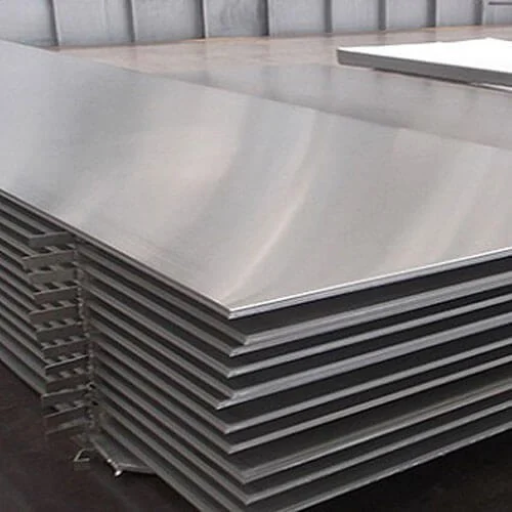
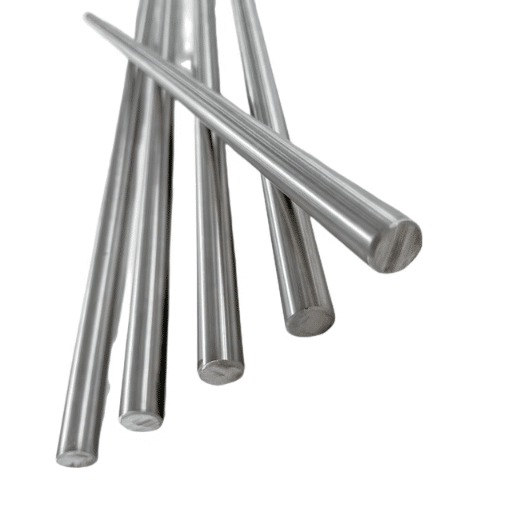
Industries that need high-strength metal and corrosion-resistant material properties extensively use UNS S31803 material throughout their operations. The grade which engineers specify as duplex 2205 or 1.4462 provides effective protection against chloride pitting and crevice corrosion in industrial applications. The ferritic-austenitic microstructure of this duplex stainless steel delivers users balanced mechanical and corrosion properties which standard austenitic grades fail to provide. Stockists and distributors supply this material in a wide range of sizes and product forms to meet fabrication needs. The material serves as an economical alternative to higher-alloyed stainless steels for applications which must perform under challenging operational conditions.

How does UNS S31803 compare to other stainless grades in chemical and physical properties?

The combination of 22% chromium and 5-6% nickel plus molybdenum and nitrogen in duplex UNS S31803 creates a material with better corrosion resistance than standard austenitic steels. The material achieves superior yield strength which generally reaches twice the strength of 304 and 316 stainless steel, making it suitable for designs that need to minimize weight without sacrificing structural integrity. The material protects against sulfide stress corrosion cracking and chloride pitting which makes it essential for applications in marine and chemical industrial environments. The different environmental performance characteristics of UNS S31803 and S32750 stem from their separate compositional variations despite both materials exhibiting strong strength and corrosion protection. Stockist availability and ASTM specification compliance control the selection process for these duplex options.

What are the corrosion resistance characteristics of 2205 duplex stainless steel?

The alloy 2205 duplex stainless steel — identified as UNS S31803 and 1.4462 — achieves exceptional protection against general corrosion and chloride pitting and crevice corrosion in environments containing chloride ions. The combination of duplex microstructure and molybdenum content provides better defense against chloride pitting and crevice corrosion compared to most austenitic steel grades. The steel demonstrates excellent performance in environments that pose sulfide stress corrosion dangers, making it appropriate for use in both oil and gas operations and pulp and paper manufacturing processes. The operators need to avoid extended periods in the temperature range which results in sigma phase development because proper fabrication and heat treatment methods protect corrosion resistance. Users should acquire 2205 from reliable stockists or distributors who can confirm products meet high quality standards and applicable specifications.

Can UNS S31803 be welded easily, and what should fabricators consider?

Duplex steel S31803 can be welded with common techniques such as TIG, MIG, and SMAW — but operators must control heat input during welding to achieve proper ferrite-austenite balance and prevent sigma phase development. Welders must be qualified according to applicable ASTM standards and must understand how to select suitable filler metals; proper welding parameters generally eliminate any need for pre-weld and post-weld heat treatments. The use of compatible duplex filler metals enables maintenance of corrosion resistance and mechanical properties through the entire joint structure. Fabrication shops should also consider potential distortion and select appropriate sizes and annealed condition material from a trusted stockist. The combination of proper inspection methods and non-destructive testing leads to the creation of high-quality welds which meet standards for pressure equipment and structural components.

What is the recommended heat treatment and anneal practice for duplex UNS S31803?

The standard supply condition of duplex UNS S31803 includes an annealed state — achieved through solution annealing at 1020–1100°C followed by immediate quenching. This thermal treatment restores the duplex microstructure and reduces the presence of sigma intermetallic phases that create toughness deficiencies and corrosion protection failures. Operators must protect parts from heat treatment damage through proper handling methods which prevent material sensitization and stop exposure to temperatures that cause brittle phase precipitation. The welding process requires operators to control localized heating across large manufactured components — resulting in material degradation concerns that create the need for post-weld heating management or repair work. Many fabricators rely on material certifications from a stockist or distributor confirming annealed condition and compliance with ASTM specifications before proceeding with fabrication.

What mechanical properties does duplex S31803 offer for structural applications?

Duplex S31803 displays superior mechanical strength because its yield strength achieves 400 MPa and reaches 550 MPa while its tensile strength meets 700 MPa. The high-strength profile enables designers to create structural and pressure vessel components through thinner sections which result in products that maintain their impact resistance across the correct heat treatment conditions. The combined ferritic and austenitic microstructure provides adequate fatigue resistance under repetitive stress conditions. Engineers consider this duplex grade as the ideal choice for projects which require both extensive temperature control and advanced strength and corrosion protection. Stockists provide material availability in multiple sizes which enables designers to develop a range of fabrication configurations that meet specific project requirements.

Reference Sources

Source 01

Influence of Microstructure on the Corrosion Resistance of the Duplex Stainless Steel UNS S31803

Explores how microstructure directly affects the pitting potential of UNS S31803 in chloride solutions — foundational reference for material selection and performance prediction.

Source 02

Development and Microstructure Characterization of Single and Duplex Nitriding of UNS S31803

Discusses advanced surface treatment techniques designed to enhance the performance of UNS S31803 in demanding service conditions, including wear resistance and surface hardness optimization.

Source 03

Corrosion Study on Duplex Stainless Steel UNS S31803 in Chloride Solutions

Investigates the corrosion behavior of UNS S31803 in environments containing chloride ions, providing data critical for specifying this grade in marine and chemical processing applications.
Our Products
Recently Posted
Contact Form Demo
Scroll to Top
Get in touch with us
Leave a message
Contact Form Demo