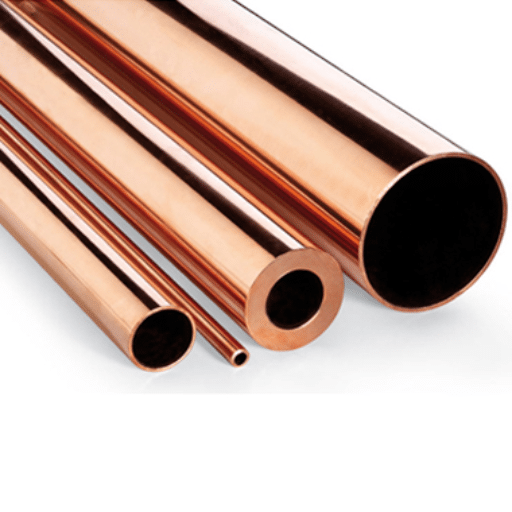
This article explains all details about ASTM A269 specifications and requirements while showing how this tubing system performs better than other options and how stainless steel seamless tubing benefits your construction work. The advantages of ASTM A269 tubing help you make industrial machinery and chemical processing and high-pressure system material selection decisions with confidence and knowledge.
Overview of ASTM A269 Tubing
What is ASTM A269 Tubing?
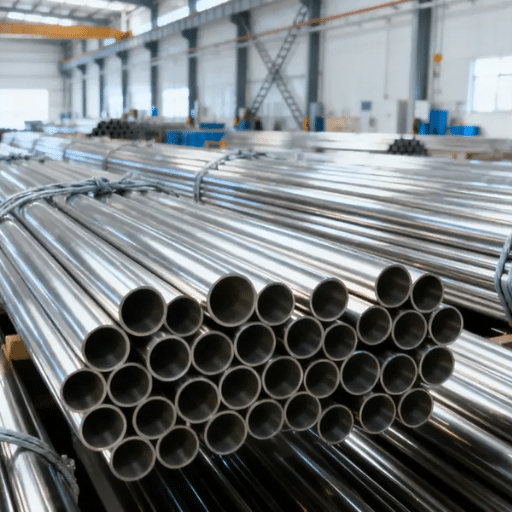
The ASTM A269 tubing standardizes the production of stainless steel tubing which can be either seamless or welded according to the ASTM International standard A269. The specification defines requirements for producing seamless and welded austenitic stainless steel tubing which will serve customers who need equipment that can resist corrosion at all temperature ranges.
Common Grades in ASTM A269 Applications:
304
Standard Grade
304L
Low-Carbon
316
Enhanced Corrosion
316L
Low-Carbon Enhanced
The tubes find widespread use in chemical processing and food and beverage production and instrumentation because they can endure extreme conditions while preserving their ability to withstand high internal pressures.
Key Specifications and Standards
The manufacturing process for ASTM A269 tubes creates products which meet strict quality requirements and performance standards to ensure they function properly in essential environments. The tubes need to meet ASTM requirements which include specific dimensional limits and defined chemical makeup and established strength characteristics.
Main Features:
Dimensional Precision
Precise outer diameter and wall thickness uniformity
Surface Finish
Smooth internal surface for clean fluid transportation
Testing Standards
Pressure, corrosion, and tensile strength evaluation
Quality Assurance: The standards which ASTM A269 established require nondestructive testing methods such as eddy current testing to identify defects which improves safety and compliance. The comprehensive specifications together with the established standards make this product the preferred option which multiple industries use in their operations including oil and gas extraction and medical device production and aerospace engineering.
Differences Between Seamless and Welded Tubing
The manufacturing methods used for seamless and welded tubing create different performance characteristics which determine their application areas and their production expenses.
| Feature | Seamless Tubing | Welded Tubing |
|---|---|---|
| Manufacturing Process | Metal extrusion from solid billet | Metal strip rolled and welded |
| Strength | Superior strength and uniformity | Good strength with modern welding |
| Applications | High-pressure, critical applications | Moderate pressure, lower stress |
| Cost | Higher production cost | More economical option |
| Ideal For | Aerospace, oil & gas, chemical processing | Moderate applications with budget constraints |
Material Composition of ASTM A269 Tubing

Common Stainless Steel Grades: TP304 and TP316L
The manufacturing of ASTM A269 tubing employs two stainless steel grades TP304 and TP316L which possess different properties for various applications.
Understanding Austenitic Stainless Steel Tubing
People consider austenitic stainless steel tubing as the best material because it resists corrosion and provides high strength and multiple application possibilities. The alloy consists mainly of iron and chromium and nickel which combine to create a material that resists oxidation and pitting. Aesthetic stainless steel tubing represents an essential material for chemical processing and medical technology and food production industry applications because it maintains its structural integrity under both high-temperature and corrosive environmental conditions.
Sustainability Advantages
Recent research shows that people are increasingly searching for sustainable materials which conserve energy and protect the environment because they want to understand the benefits of austenitic stainless steel. The material’s durability and wear resistance extend its lifespan which decreases the need for replacements and helps save resources.
The material has complete recyclability which supports global initiatives to decrease environmental damage. The combination of durability and reliability plus eco-friendliness properties make austenitic stainless steel tubing an essential material for many present-day applications.
Impact of Material Composition on Performance
The performance and efficiency of a product alongside its longevity all depend on its material composition. The corrosion resistance and strength of austenitic stainless steel tubing increases through the addition of chromium and nickel and molybdenum to its composition.
Manufacturing Processes for ASTM A269 Tubing

Cold Drawing vs. Seamless Production
The comparison of Cold Drawing and Seamless Production for ASTM A269 tubing presents distinct benefits which match different industrial needs.
Process Comparison:
Cold Drawing
Pulling steel tube through a die to achieve precise dimensions and enhanced surface finish. Beneficial for aerospace and automotive applications.
Seamless Production
Single billet process producing strong, high-pressure resistant pipes without welding. Essential for oil and gas sector.
Welding Techniques for ASTM A269 Tubes
Welding ASTM A269 tubes requires precision and adherence to specific methods to ensure the integrity and durability of the material. Stainless steel tubes benefit from TIG welding because it creates clean and exact welds which avoid contamination.
Quality Control and Annealing Processes
Quality control is an essential step in the production of ASTM A269 tubes, ensuring that they meet stringent industry standards for durability, corrosion resistance, and performance.
Non-Destructive Testing Methods:
- Ultrasonic testing for internal defect detection
- Eddy current testing for surface and subsurface flaws
- Verification of cracks, porosity, and wall thickness variations
Annealing Process Benefits
The heat treatment process of annealing serves as an important step for enhancing the mechanical properties of ASTM A269 tubes. Manufacturers achieve internal stress relief through tube heating and controlled cooling which results in improved ductility and refined grain structure.
The process improves material performance while extending its operational lifespan through demanding conditions in chemical processing, automotive, and aerospace operations.
Applications of ASTM A269 Tubing

General Service Applications in Various Industries
The exceptional mechanical qualities and its capability to block all forms of corrosion make ASTM A269 tubing a preferred choice for various industrial applications.
Chemical Processing
Materials find use in chemical processing plants where they need to move fluids and gases because those plants require materials that can endure extreme conditions and resist chemical damage
Automotive Industry
Used for exhaust systems and fuel lines because they can handle extreme temperatures and high pressure conditions
Aerospace Industry
Used to create hydraulic systems and structural elements because it provides lightweight materials and strong strength properties
Food & Beverage
The tubes fulfill hygiene requirements through their use in food and beverage processing lines which need to maintain sanitary conditions
Use in Chemical and Petrochemical Industries
The petrochemical and chemical industries depend on ASTM A269 tubing because it provides them with effective protection against corrosion and maintains its strength under high temperature and high pressure conditions. The tubes function as safe transportation systems that move aggressive materials including acids and alkalis and other corrosive substances.
Safety Feature: The seamless design of the product provides an essential safety feature because it prevents leaks which could endanger people who work in areas with volatile materials. The tubing serves as a preferred option for chemical processing plants refineries and production facilities because it meets all required industry standards.
ASTM A269 Tubing in Food and Beverage Sector
The food and beverage industry depends on ASTM A269 tubing because it provides superior durability and hygienic features and performs well under extreme temperature conditions. The stainless steel tubes find extensive use in dairy production and beverage manufacturing and food processing because those processes require strict contamination control and complete cleanliness.
Comparative Analysis of ASTM A269 Tubing

Carbon Steel and Duplex Tubing
The contrast between ASTM A269 tubing and carbon steel and duplex tubing reveals distinct differences between their material characteristics and operational capabilities and their particular use cases.
| Characteristic | ASTM A269 | Carbon Steel | Duplex |
|---|---|---|---|
| Corrosion Resistance | Exceptional | Limited | Superior |
| Cost | Moderate | Low | High |
| Strength | High | Moderate | Very High |
| Best Applications | Food, pharma, chemical | Structural, mechanical | Marine, high chloride |
| Hygienic Properties | Excellent | Poor | Good |
Performance and Durability Comparisons
The performance and durability assessment of ASTM A269 tubing needs to be tested through multiple essential factors which must be compared against both carbon steel and duplex tubing materials. The stainless steel composition of ASTM A269 tubing provides exceptional corrosion resistance for environments that encounter chemical exposure and high humidity levels and extreme temperature conditions. This material stands as the primary selection for pharmaceutical, food and beverage, and chemical processing industries because these sectors depend on extended product life and unbroken product quality.
Industry Preference Trends
Recent insights suggest a growing preference for ASTM A269 tubing in applications where cleanability, low maintenance, and long-term reliability are paramount. The selection process for an appropriate material depends on understanding both operational requirements and environmental factors that exist in the specific situation.
Compliance with Industry Regulations
Organizations need to possess thorough knowledge about existing regulations and their implementation methods to achieve regulatory compliance with industrial standards. The manufacturers who select materials like ASTM A269 tubing must follow the standards established by organizations such as ASTM International, ASME, and ISO.
Regulatory Requirements:
- Chemical composition standards
- Mechanical characteristics verification
- Testing methods for material safety
- Hygiene and cleanliness requirements for food processing, pharmaceuticals, and healthcare
Frequently Asked Questions
Is ASTM A269 seamless tubing suitable for general corrosion-resisting applications?
The ASTM A269 standard establishes seamless piping systems as appropriate materials for applications that require protection against corrosion. The standard defines multiple sizes and wall thickness options which include nominal diameter measurements and thickness tolerances that exceed 0.020. Many applications require stainless steel tubes which exist in both coil and straight lengths, yet you need to specify operational conditions that include both low temperature and boiler service requirements. The evaluation process requires both heat treatment and solution annealing to establish hardness and quenching characteristics, while testing through reverse flattening assessments needs to be done. Please include your requirements for electric testing and flare testing in your purchasing document.
Can a welded tube under ASME SA 269 meet the same standards as seamless tubing?
The ASME SA 269 standard and ASTM A269 standard both apply to welded and seamless pipes which manufacturers can produce according to these two standards. Manufacturers can create welded tubing with either a polished appearance or a raw mill appearance according to their production needs. Manufacturers need to specify their product dimensions together with the required wall thickness and length and their need for electric testing and reverse flattening testing of the welds. The supplier needs to be consulted for critical services when using welded tubes which require specific flange or flare fittings because these tubes have different mechanical properties than seamless tubes. The best choice for applications that demand maximum purity and toughness at low temperatures is seamless tubing, but welded tube provides an economical option.
What are the differences between ASTM A269 TP304L and ASTM A269 TP304 for their use in tubing applications?
The austenitic steel grades of ASTM A269 TP304 and TP304L exist as closely related materials which contain different carbon levels that prevent weld and heat treatment sensitization of TP304L. The process of selecting materials needs to define both solution annealing procedures and quenching requirements and hardness objectives and possible cold working methods which include reverse flattening assessment. The astm a269 stainless and astm a269 stainless steel tube specification needs users to specify their choice between tp304 and tp304l and additional special finish requirements which include polish and coil supply. The assembly process will be affected by diameter measurements which include sizes that start from the specified diameter and extend to 0.020 measurements. The material TP304L provides better performance than other materials during extreme boiler operations and low temperature conditions because it decreases the chance of intergranular corrosion.
Which ASTM A269 stainless steel tube sizes and wall thicknesses and millimeter measurements exist for selection?
The standard outlines the dimensions and wall thicknesses of seamless and welded tubes that meet ASTM A269 requirements as manufacturers maintain standard stock of common sizes which include both nominal and metric measurements while offering custom coil and cut length services to meet customer specifications. You must identify your required finish level between polished surface and all required treatment methods which include solution annealing and heat treatment for hardness and mechanical property development. You must define your necessary tolerances by providing acceptable diameter deviations which should start from the base diameter and extend up to 0.020. You need to specify your requirement for either electric testing or reverse flattening testing certification when you place your order.
Which tests must ASTM A269 tubing undergo including electric testing and reverse flattening testing plus hardness testing?
The ASTM A269 standard permits buyers to select from various destructive and nondestructive testing methods which include electric testing and reverse flattening testing to verify the welded tube’s strength and ductility according to their requirements. The performance criteria for pressure-retaining applications which include boiler service require proof through hardness tests and quench tests and solution annealing or heat treatment cycle documentation. You must specify the required tests and hardness and elongation limits when you select TP316, TP316L, TP304, or duplex grades as your material. The standard includes multiple elements but requires purchasers to list their desired tests and certification suffix codes. The mill will produce the correct product when you include flare acceptance and polish level and coil supply terms in your purchase order.
How does tubular performance of TP316 and TP316L compare to 316 and duplex stainless steel tubing under ASTM A269 standard?
TP316 and TP316L are austenitic steels with molybdenum content which provide better protection against pitting and crevice corrosion than 304/304L while being suitable for highly aggressive environments and 316L because of its low carbon content provides better welding performance. Duplex stainless steels deliver superior strength and resistance to chloride stress corrosion cracking yet their availability under ASTM A269 requires confirmation from the supplier about their designation as duplex under ASTM A269 or another standard. When you select steel tubing for general purpose corrosion protection needs, please specify your choice between astm a269 seamless stainless and welded tube and provide your size requirements in millimeters or inches along with needed solution annealing and polishing processes. The procedure requires you to provide both the approval of flare and reverse flattening tests and the decision of whether electric testing is necessary. The manufacturer needs to verify the hardness level and quench history and capabilities for low temperature applications before you switch from 316 to duplex.
Reference Sources
- Stainless Steel Corrosion in Instrumentation Pipe
A study on the reliability of stainless steel tubing in severe environments, referencing ASTM A269 standards. - Failure Analysis of Air Tube Inlets in a High-Speed Power Turbine
Research analyzing material failures in air tubes, ensuring compliance with ASTM A269 specifications. - Design of the UTSA High-Enthalpy Shock Tube Facility
A technical paper discussing the use of ASTM A269 tubing in high-pressure and high-temperature applications.