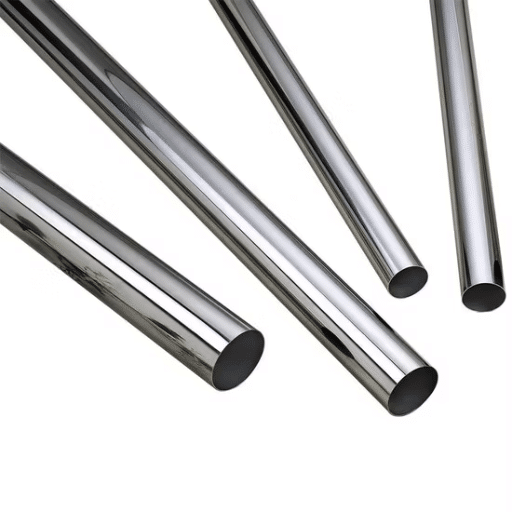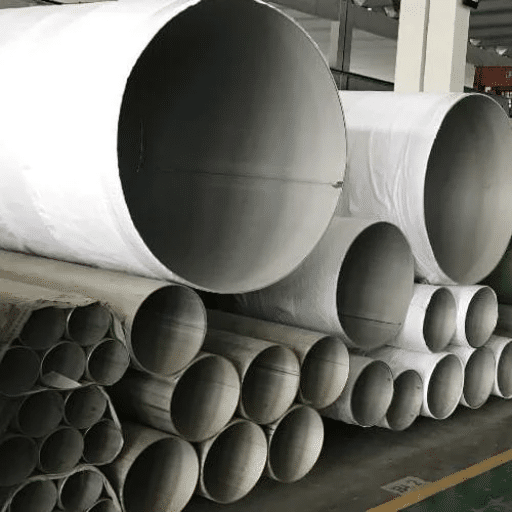

Corrosion resistance alongside durability and a firm structure of stainless steel pipes makes them applicable in countless industries ranging from power mills to petrochemical facilities. In streamlined quality stainless steel pipes that do not need any joints between the segments and that are characterized by high resistance to chemical corrosive agents, the ASTM A312 is the major worldwide standard.
This paper aims to provide a comprehensive review of the ASTM A312 by outlining its contents, purposes, and how it helps in avoiding the failure of pipelines. Irrespective of whether you are an experienced engineer, working in the purchase department or have just stepped into the industry; this guide will help you comprehend in detail how the standard ASTM A312 affects the industry during production of A-grade steel pipes.
Overview of ASTM A312
What is ASTM A312?
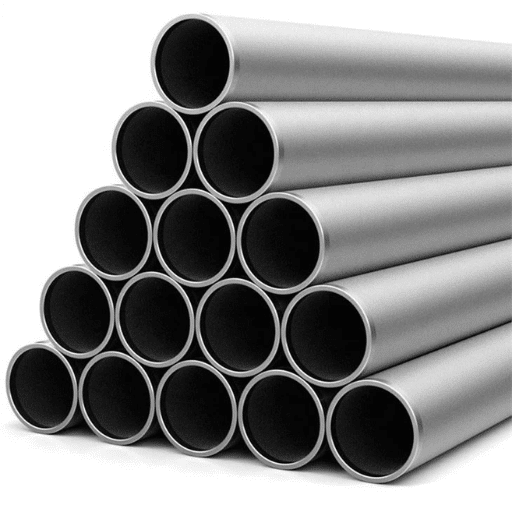
ASTM A312 is a specification created by ASTM International, that specifies the requirements for seamless, straight-seam and heavily cold worked austenitic stainless steel pipes. This is mainly used for applications involving elevated temperatures or normal corrosion, and is particularly pertinent in petrochemical, power, food and similar industries.
ASTM A312 Key Specifications
Chemical Composition
Defines specific chemical composition restrictions including chromium, nickel, and molybdenum content
Mechanical Properties
Specifies tensile strength, yield strength, and elongation requirements for optimal performance
Quality Control
Prescribes hydrotesting and non-destructive inspection methods to ensure system reliability
It defines chemical limitations and restrictions on tensile strength and throughput characteristics towards all material contents as of the currently existing version of ASTM A312 standards. Moreover, this document introduces very strict hydrostatic tests and non-destructive testing techniques to avoid damage to the installation to understand the suitability of the environment in which the systems are installed. Indeed, this standard plays quite an important role in the protection of the materials that are used in important purposes to keep them in working condition for a long duration without any problem.
Significance of ASTM Standards
The presence of ASTM guidelines is very effective in enhancing and maintaining uniformity as well as standardization in many fields and areas of solutions. These give the approved methods and protocols ensuring that arising problems of destruction of materials, or variations, or hazards are minimized. The current direction taken indicates that such sectors like, but not limited to, building, aviation, health, and energy which are within the scope of astm a312 are getting more and more attention.
Benefits of ASTM Compliance
- ▸
Ensures consistency and quality across manufacturing processes - ▸
Reduces material breakdown and non-uniformity issues - ▸
Enables global regulation and improves production efficiency - ▸
Facilitates international business and cross-border trade - ▸
Supports technological development and innovation
Category of Stainless Steel Tubes
Classification of stainless steel pipes depends on the material, utility and the process of their making. There are majorly the following types:
These are the most utilized types due to beneficial characteristics such as resistance to corrosion, high plasticity, and absence of magnetism. Grades 304 or 316 are used in the food industry and chemical industry when there is need to keep away from corrosive fluids and corrosive media.
Unlike the austenitic type, this is the cheaper stainless steel with fair resistance to corrosion and naturally magnetic in nature. Uses include exhaust systems of vehicles, ornamentation and appliances. Grades 409 and 430 represent the more common examples.
These pipes are characterized by high hardness and strength, making them ideal for applications requiring durability and wear resistance, such as turbine parts and surgical instruments. However, they have lower corrosion resistance compared to other types.
Duplex combines the best of two worlds, austenitic and ferritic steel properties such as, and this results in producing a material that is stronger and more resistant to corrosion, especially when it comes to stress corrosion cracking due to chlorides. In this sense, grade 2205, for example, is widely applied in chemical, off shore and oil and gas pipelines industries.
Material like astm a312 seamless steel tube contain these high-performance steels, which have been developed for more demanding strength, hardness, wear and corrosion resistance in aerospace and high-pressure applications. For example, 17-4 PH.
Specifications of ASTM A312

Seamless Pipe Standard Specification
The ASTM A312 standard describes seamless, welded, and heavily cold worked austenitic stainless steel pipes for use in heavy duty and high-temperature environments as well as corrosive service. The specification includes a limited number of grades of stainless steel in which oxidation and scaling are the most common forms of corrosion even at very extreme temperatures.
| Requirement Type | Description | Purpose |
|---|---|---|
| Physical Requirements | Mechanical properties and chemical composition | Ensure structural integrity |
| Dimensional Tolerances | Thickness, diameter, and geometric limits | Maintain precision standards |
| Hydrostatic Testing | Pressure resistance verification | Validate leak-free performance |
| Non-Destructive Testing | Electrical and ultrasonic inspection | Detect internal defects |
| Tensile Tests | Strength and elongation measurements | Verify mechanical characteristics |
Grades such as TP304, TP316, TP321 which fall under this specification are found in most chemical plants, power plants, and oil and gas installations. Following these standards is one of the ways in which these tubes are able to perform excellently for a prolonged period of time in tough infrastructures.
Austenitic Welded Stainless Steel Pipes
Produced stainless steel pipes that are made from austenitic steels are welded longitudinally or helically in accordance with the standards ASTM A312/A358. These pipes undergo testing protocols such as radiographic or ultrasonic testing. Critical grades as TP304L, TP316L, TP317L among others show an enhanced resistance to corrosion and mechanical properties and are hence very well utilized within pharmaceutical, food processing and petrochemical sectors among several other industries.
Can Welded Pipes Match Seamless Performance?
One inquiry that comes up frequently is if stainless steel pipes welded can be used in high pressure areas similar to seamless pipes. There is evidence to suggest that due to developments in welding practice and management, it is indeed possible for contemporary constructed joints to deliver comparable mechanical strength and tolerance to pressure within given limits.
Key Requirements: Close welding diagnostics, specific performance materials, and post weld heat treatment (PWHT) ensure welded pipes meet stringent criteria for high-pressure and high-temperature services.
Grades and Classifications of ASTM A312
Astm A312 describes the seamless and welded austenitic stainless steel tubing which is mainly used for these two types of applications – high temperature and corrosive resonances. It consists of numerous different grades, each adapted for respective application and work structures therein. The commonly used grades includes: TP304, TP304L, TP316, TP316L, and TP321.
| Grade | Key Characteristics | Primary Applications |
|---|---|---|
| TP304 / TP304L | Excellent oxidation resistance, easy fabrication | General purpose, food processing |
| TP316 / TP316L | Enhanced molybdenum content, superior pitting resistance | Marine, chloride-rich environments |
| TP321 / TP321H | Titanium stabilization, prevents grain pitting | High-temperature thermal applications |
| TP317L | Higher molybdenum, low carbon content | Pharmaceutical, petrochemical |
| TP347 | Niobium stabilization for high temperatures | Furnace parts, heat exchangers |
A minimum mechanical qualification specific to each grade shall include tensile strength, percentage elongation, and hardness, as per the ASTM A312 standard and dimensional requirements considerations. The reason for such attention is that the pipes have very high-performance expectations; for instance, they are used in oil and gas industries, crude oil refineries and power plants.
Composition and Mechanical Properties

Composition Analysis of Austenitic Stainless Steel Tubes
The astm a312 pipes primarily consist of iron, chromium, nickel, apart from the usual metallic components which include carbon, manganese, silicon, and at times other components as well. Chromium content is generally found to range between 16% and 26%, thus making the steel highly resistant to corrosion and overheating. On the other hand, the amount of nickel is between 8% and 14%, which is useful for increasing the ductility and toughness of the material especially at low temperatures.
| Element | Typical Range | Function |
|---|---|---|
| Chromium (Cr) | 16% – 26% | Corrosion and oxidation resistance |
| Nickel (Ni) | 8% – 14% | Ductility and low-temperature toughness |
| Carbon (C) | < 0.08% | Controlled for optimal strength without compromising corrosion resistance |
| Molybdenum (Mo) | 1% – 3% | Enhanced chloride pitting resistance |
| Manganese (Mn) | ≤ 2% | Improves hot working properties |
As for the carbon content in austenitic stainless steel, it has to be regulated and kept at those levels where hardness and strength does not compromise its corrosion resistance. Moreover, constituents such as molybdenum (typically in the range of 1% – 3%) also come into play in offshore operations to augment protection against chloride pitting. The modern research has shown that those designed compositions comply with sectoral requirements for use in harsh conditions.
Mechanical Properties and Performance
Engineered alloys intended for production such as oil platforms and chemical processing equipment have special mechanical characteristics in order to function under harsh conditions. The specimens usually exhibit considerable tensile and elastic properties which make them fatigue resistant when pressure and temperature changes reach extreme values.
Typical Mechanical Properties
Further proving statements gathered from credible sources is that with the development of modern heat treatment and alloying methods, properties such as fatigue strength and hardness have been improved. This is especially important for use cases that involve cyclic loading and abrasive conditions. Advanced modeling and testing methods allow researchers to improve these materials to the extent that they meet industry standards by default.
Difference Between Cold Worked and Heavily Cold Worked
The extent of plastic deformation below the recrystallization temperature is the basic difference between cold worked and heavily cold worked pipes. Cold working is a strategic method of enhancing strength and hardness of a material by slightly raising its strain hardening ability. It is mainly done through forming processes such as drawing and rolling.
Cold Worked vs. Heavily Cold Worked
In light of recent statistics, there is an increasing inclination towards the application and adoption of heavily cold worked pipes, particularly in the petrochemical and energy industries. Utilizing developments in finite element analysis (FEA) and non-destructive testing (NDT), manufacturers are maximizing the performance of these processes and reducing their cost.
Applications of ASTM A312 Pipes

Use in Construction
Due to their effective anti-corrosion properties, mechanical strength and compatibility, ASTM A312 pipes are preferred in construction of different structures. All of the above makes such pipes indispensable for very demanding needs including frameworks, lightly loaded basins and pipes with high internal pressure.
Green Building
The purpose and benefits of using ASTM A312 Steel pipes for sustainable construction have become the focus in the market with searches for the internet about stainless steel pipes doubling drastically in numbers.
Advanced Joining
Automatic welding and mechanical grooving systems reduce installation time and labor costs significantly
Structural Integrity
Essential for frameworks, high-pressure piping systems, and load-bearing applications
Applications in Oil and Gas Industry
The significance of ASTM A312 pipes in the oil and gas industry cannot be overemphasized, considering the hostile environment or reliability of operation that this sector demands. These steel tubes transport various harsh fluids and gases without sacrificing mechanical strength at severe temperatures and pressure levels.
Oil & Gas Applications
- ▸
Off-shore platforms exposed to high salinity levels - ▸
Refineries handling aggressive chemicals - ▸
Pipeline systems subjected to extreme pressures - ▸
Sustainability initiatives reducing leakage risks - ▸
Critical facilities demanding enhanced safety and efficiency
Such corrosion resistance is vital in allowing the pipes to endure years of service in offshore platforms, refineries and pipes that are subjected to high salinity levels or aggressive chemicals. According to statistical sources, the level of adaptation of these pipes is constantly increasing in respective industries where they are preferred especially in important facilities to make them safer and more efficient.
Role in Petrochemicals and Power Generation
Because they are abuse-resistant to corrosion, heat, and pressure, petrochemical and power plant-based projects would not exist without astm a312 stainless steel tubing. This is because these types of industries require piping distribution systems for hydrocarbons and chemicals, which carry such substances in manufactured materials containing metals.
Power Generation Applications
Geothermal Power
Working under elevated temperatures and pressures, handling hot steam effectively
Nuclear Power
Sensitive applications including heat exchangers and heat removal systems
Clean Energy
Environmental and sustainable energy projects with stringent safety requirements
Market Growth Projection: The global petrochemical and power industries are expected to grow at a CAGR of more than 6% in terms of consumption of high-performance pipes, creating the need for more investments in superior materials such as ASTM A312 until 2030. This trend is indicative of a culture focused on building sustainable and safer infrastructure with the highest operational standards.
Benefits of Using ASTM A312 Stainless Steel Pipes

Resistant to Corrosion
Stainless steel pipes classified as ASTM A312 are recognized for their remarkable resistance to corrosion particularly in industries where such aspects are critical. This property facilitates usage under extreme chemical conditions without undergoing oxidation and chemical degradation, made possible by significant elements chromium and nickel that develop an impermeable passivity film on the metallic surface.
Petrochemical
Withstands aggressive chemicals and volatile compounds without degradation
Desalination
Resists saltwater corrosion in marine environments
Power Production
Handles high-temperature gases and acidic conditions
Long Service Life
Guarantees extended equipment operation without excessive maintenance costs
Toughness and Hardness
In case of harsh operating conditions, users need materials that are quite strong and long-lasting. According to research, the number of searches on the internet associated with corrosion-resistant alloys has been on the rise highlighting the need to get metals capable of both chemical and mechanical support over time. ASTM A312 steel grade has excellent advantages where its austenitic content enhances tensile and shear strength as well as the ability to work at high temperatures and loads without failure.
Strength Characteristics
Adaptable to Several Functions
The superior mechanical and corrosion-resistant capabilities of the ASTM A312 stainless steel pipes, together with their ability to operate in numerous environments, make them one of the most adaptive pipes in the business. These properties show that these pipes are most commonly used in all kinds of construction, chemical processing, transporting oil and related products, and food products.
Versatile Applications
Frequently Asked Questions
Which ASTM specification governs the supply of seamless stainless pipes?
The standard guideline for application in the event of high temperature corrosion resistance, is considered ASTMA312 which relates to the austenitic stainless steel pipe, both in seamless as well as in welded versions. The specification includes such seamless, straight-seam welded and extensively cold worked austenitic stainless steel pipe similar to TP304/304L, TP316/316L and TP321/TP321H among others. Values such as the equivalent inch-pound units or the SI standard units should not be given in combination.
How do they test the austenitic stainless steel pipes and what is this additional level of testing?
Astm A312 is applicable in cases where the ordinary tests necessitate stricter conditions. Supplementary tests may be added into the purchase agreement. Under the present provisions, pipes can be subjected to additional destructive, hydrostatic, or mechanical testing. However, this remains true for all the types of pipes that such additional tests have been performed on. They are commonly accepted due to the tests assessing their chemical compositions, for example, carbon concentrations, and mechanical properties, for instance, tensile strength, among others.
Is it possible to supply austenitic stainless steel pipes that are welded or cold worked under this specification?
What’s contained in this specification are pipes that have been both welded and seamless. The specification further dictates instances when cold worked or heavily cold worked pipes may be supplied within this specification. Alternatives are possible, provided the new supplies meet all the chemical, mechanical and test requirements contained in the order. Values stated in each system become the standard in each of them separately.
How does this specification differentiate between TP321 and TP321H grade in the specification provided for ASTM A312 seamless pipe?
In compliance with the specification of the standard astm a312, the chemical compositions of both TP321 and TP321H are stabilized and are members of the austenitic class. The TP321H steel variation is the high carbon version of TP321 with allows for the design temperature higher than allowed for TP321. Both steel grades are resistant to sensitize corrosion as they are titanium-alloyed; 321H however does not need to have as high strength requirements at room temperature as 321 does but is rather stronger at high temperatures than 321 konkretizes.
How can units, dimensionless designator NPS, and values in the two systems be represented in the specification?
According to the specifications set forth in ASTM A312, each unit, whether specified as inch-pounds or SI, is to be determined separately and treated independently. Mixing values from the two ranges most of the time leads to failure to conform. A dimensionless designator NPS (nominal pipe size) is central to sizing whereby it comes after the wall thickness and schedule. Units shall be inch-pound unless otherwise stated on the order.
Is ASTM A312 mentioned in any codes, are there any restrictions on the service temperature, and are they specified?
ASTM A312 defines a standard for austenitic stainless steel pipe and is usually adopted by ASME pressure codes and other regulations. The standards provide recommendations on low service temperatures and explain cases when steel grades are allowed for cryogenic or high temperature applications. In cases where specialized service conditions are expected by the purchaser, these should be specified to ensure the ordered pipe meets all applicable conditions.
Reference Sources
- •
Helium Purification by Gas Adsorption Method Using Coconut Shell Activated Charcoal – Discusses the use of ASTM A312 TP304L pipes in gas velocity applications. - •
The Mira 2 Rocket Engine: Applying Lessons Learned for an Improved Iteration – Explores engineering applications and material specifications, including ASTM standards. - •
Evaluation & Design of a Power Conduit for a Heart Assist Device – Focuses on material design and research, referencing ASTM standards.