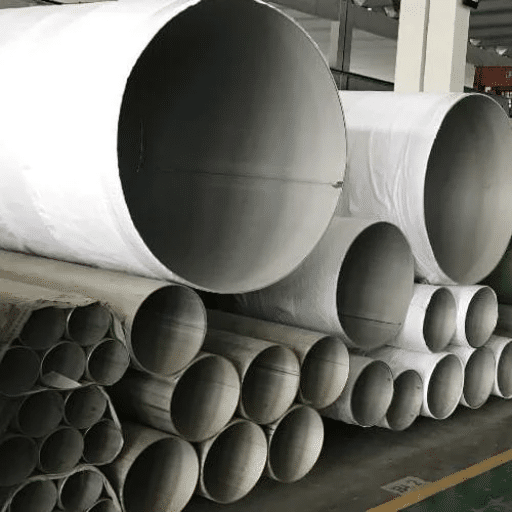
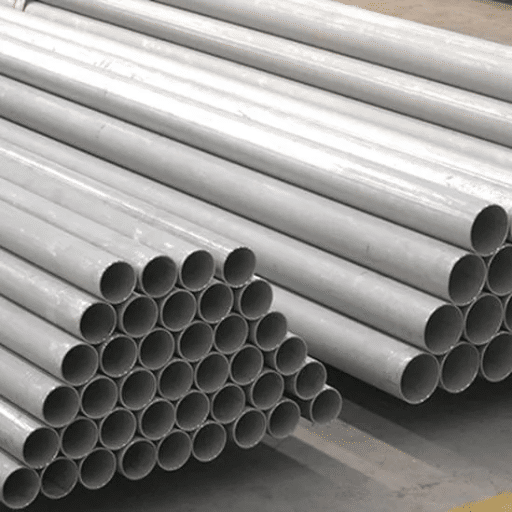
In the field where stainless steel pipes are applied industrially, the ASTM A312 formulation can serve as an indispensable yardstick to assess quality and performance levels. When working in industries like oil and gas, petrochemical, power or construction industry, it is vital to understand the applicable specifications for the ASTM A312 pipes which is to be compliant operationally and regulatorily.
This comprehensive guide will provide an overview of the two types of stainless steel seamless and welded pipes within the ASTM A312 specification, highlighting all temperature characteristics, production processes, their applications, and which industries they should be used with. After reading this article, you will understand the benefits of using ASTM A312 in piped systems and the technical details explaining why these pipes are readily applicable in quite a number of industries.
Introduction to ASTM A312
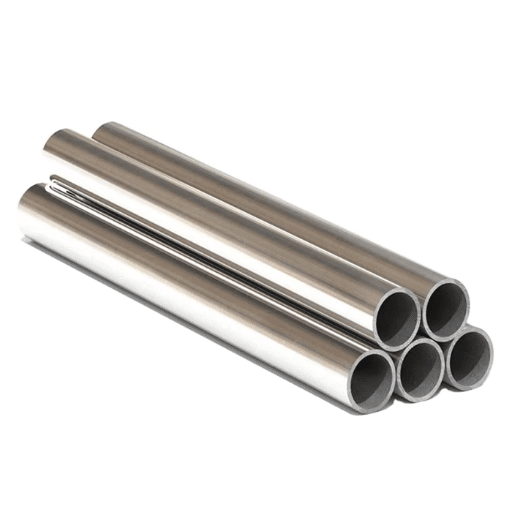
ASTM A312 Specification Brief
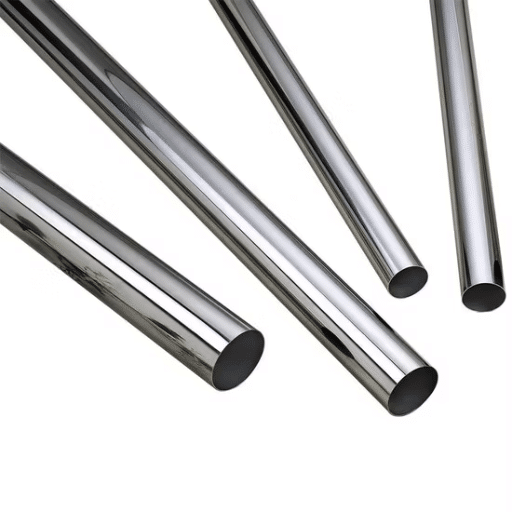
ASTM A312 is a standard specification that includes seamless and welded austenitic stainless steel pipes. These pipes are intended mainly for high temperature and general corrosive service. Several essential aspects regarding size, chemical composition of the material, mechanical characteristics and test methods are incorporated into the specification to ensure consistency and quality of products.
Common Austenitic Grades
TP304 / TP304L
Excellent general corrosion resistance and oxidation protection for minimal multi-service environments
TP316 / TP316L
Enhanced molybdenum content for superior performance in aggressive and severe corrosive media
TP321 / TP347
Stabilized grades for high-temperature applications with titanium or niobium additions
Austenitic stainless steel is a broad class of steels that includes 304, 304L, 316, and 316L grades, which happen to be the commonest steels utilized in manufacture of ASTM A312 pipes. These grades pose excellent corrosion resistance, strength and flexibility for piping in areas exposed to chemical, temperature or normal wear and tear stresses.
Major Characteristics of ASTM A312 Pipes
- ▸
Compliance with dimensional standards for consistency - ▸
Hydraulic testing for measuring pressure capacity - ▸
Flaw detection using non-destructive testing methods - ▸
Efficient performance in harsh environments for extended periods
The pipes are usually utilized in chemical service, oil and gas industries, power plants or even food processing industries because of their efficient performance in harsh environment in quite a long period. As per the fresh statistics, this market contains rapid growth of ASTM A312 pipe as industrialization has led to increased preference for stainless steel in construction of bridges and other socially essential structures.
The Need for Implementing ASTM Norms in Industrial Sector
ASTM standards serve a major purpose in industry as it ensures there is consistency, safety and quality across the various sectors. These standards are designed to contain and detail material functionalities, including the testing and operation of these materials, which forms the crux of the industries’ growth and development.
Market Trend Analysis: A fresh report demonstrates there is an uptrend for certain common terms such as “ASTM compliance importance” as well as “ASTM pipe specifications” revealing that businesses are in dire need of strong considerations that might help reduce risks as well as improve performance. This increase in traffic reassures that ASTM standards operate not simply within the technical boundaries but as tools that facilitate and allow decision-making processes across projects.
Stainless Steel Pipe Varieties in Accordance With ASTM A312 Specifications
Seamless pipes, straight-seam welded pipes, along with heavily cold-worked welded pipes that are stainless steel and are used in general corrosion and high-temperature applications are all part of ASTM A312 specifications. Such pipes are variously divided according to the method of manufacture and material type due to the wide range of applications.
Manufactured without welding seams, offering superior strength and integrity. Ideal for high-pressure, high-temperature applications where reliability is critical.
Produced with longitudinal welding seams, providing cost-effective solutions for general service applications with proper quality control.
Undergo significant plastic deformation for enhanced strength properties. Often require annealing to restore ductility and corrosion resistance.
Market Insights
Current examinations of web browsing patterns highlight the significant popularity of the TP316 type stainless steel tube, clearly indicating that its demand has notably increased across sectors such as the chemical industry, maritime related industries, and even the power sector. This alludes to the vital need of this material where there is a requirement to prevent pitting and crevice corrosion. There is also considerable interest in TP304L and TP316L, which are meant to ameliorate the effects of welding by suppressing intergranular corrosion at normal operational temperatures.
Technical Specifications of ASTM A312 Pipes

Materials Used in ASTM A312 Pipes
In manufacturers, many of the ASTM A312 pipe uses austenitic stainless steel grades because they possess a good balance of wear and corrosion resistance, strength, and toughness. Common materials include stainless steel grades TP304, TP304L, TP316, and TP316L.
| Grade | Key Features | Primary Applications |
|---|---|---|
| TP304 | General oxidation and corrosion resistance | Food processing, general industrial use |
| TP304L | Low carbon content, prevents intergranular corrosion | Welded applications, elevated temperatures |
| TP316 | Molybdenum addition, enhanced chloride resistance | Chemical production, marine environments |
| TP316L | Low carbon with molybdenum, superior weldability | Pharmaceutical, petrochemical industries |
| Duplex Steels | Superior mechanical properties and SCC resistance | Oil & gas, offshore applications |
Low carbon grades such as TP304L and TP316L are used to avoid excessive intergranular corrosion that is usually seen when working at elevated temperatures. The carbon content of the steel is further compromised to reduce the chances of carbide precipitation surrounding the weldment, improving the pipe’s corrosion behavior with respect to time.
Standard Sizes and Dimensional Tolerances
When using ASTM A312 pipes in the construction of chemical process equipment, or for any purpose where metal pipes are to be employed, the designated size and tolerance should be regarded as integral for performance consistency. Typically, these pipes are available in conventional sizes of NPS (nominal pipe size), starting from 1/8 inch to 30 inches in diameter and are further subgrouped according to wall thickness of Schedule 5S, 10S, 40S and 80S.
Dimensional Tolerances
Such precision tolerances allow the pipes to cope with high temperatures and pressures without compromising their integrity. This is very important in industries such as oil and gas in the sense that efficiency is enhanced by the increasingly accurate operation of machinery combined with maintenance and repair in a safe operating environment.
Mechanical Properties for High Performance Pipelines
The mechanical properties of materials for high performance pipelines are essential components that determine the ability to withstand operational performances. Some of the key parameters include tensile strength, yield strength and impact resistance.
Tensile Strength
Maximum stress or load the material can withstand when subjected to elongation stress
Yield Strength
Stress beyond which the material produces irreversible deformation
Impact Resistance
Ability to withstand sudden energy or thrust due to impact
Industry Advancement: According to statistics, improvement in material science and engineering has reached significant levels. Many new pipelines installed in the oil & gas industry are made from HSLA steels which increase the strength-to-weight ratio and limit corrosion. Non-destructive methods such as hydro-testing and ultrasonic testing are employed to ensure compliance with performance levels dictated by standards such as ASTM or API.
Applications of ASTM A312 Pipes

Applications of Seamless Pipes Made Out of Stainless Steel in Business
A number of rigid industries use seamless pipes, in particular ASTM A312 pipes, which are made of stainless steel because of the greater properties in tension, capacity to resist chemical attacks and various applications. In the chemistry industry, there is widespread application of these pipes in production lines where they handle converter feeding mediums of very aggressive nature but do not interfere with the system in terms of its lifetime protection against corrosive action.
Key Industry Applications
Chemical Processing
Handling aggressive converter feeding mediums with lifetime corrosive protection
Oil & Gas
Offshore drilling and refinement under enhanced temperature and pressure conditions
Food & Beverage
Hygienic, non-contaminating pipelines for aseptic conditioning
Power Generation
Steam and gas turbine manufacturing for effective heat transfer
Clean Energy
Geothermal and solar energy systems for severe service piping
Oil and Gas Industry Usages
Every oil and gas company will confirm that without stainless steel seamless pipes, they can’t operate efficiently as these pipes are known for their high pressure resisting capability, ability to operate at high temperatures, and resistance to chemical corrosion. Seamless pipes have been applied in the oil business for a long time and at different stages of the stream, such as the upstream, midstream, and the downstream stages.
Specific Oil & Gas Applications
- ▸
Offshore drilling platform riser systems - ▸
Subsea pipelines in oceanic saltwater environments - ▸
Refinery crude oil and hydrocarbon transportation - ▸
Liquefied natural gas (LNG) infrastructure - ▸
Duplex and super duplex steel pipelines for critical operations
Current statistics obtained from analytical data helps to explain that the desire to get seamless stainless steel pipes is increasing, due to the fact that more and more natural gas infrastructure is being developed globally and many people are seeking cleaner sources of fuel, such as liquefied natural gas (LNG). In most recent technological changes, duplex and super duplex stainless steel grades have become trendy among users because of their superior strength in addition to corrosion resistant properties.
Utility in Chemical Process Industries
The industrial sector, especially chemical processing, has experienced a substantial increase in demand for specialized materials which includes duplex and super duplex stainless steels. The materials possess distinctive mechanical and chemical characteristics that enable their application in extreme environments which contain high levels of corrosive substances.
Chemical Processing Advantages
Advantages of Using ASTM A312 Pipes

Durability and Corrosion Resistance
It is well-known that ASTM A312 pipes, especially stainless steel pipes and tubes made from duplex and austenitic alloys, are designed for enhanced corrosion resistance and durability in applications where distortion is a major concern. This is because these alloys contain very large amounts of alloying elements such as nickel, chromium or molybdenum that bring great level protection from pitting, intergranular corrosion as well as stress corrosion cracking.
Temperature Stability
Maintains structural integrity at elevated temperatures
Chemical Resistance
Withstands strong acids and seawater exposure
Pressure Tolerance
Retains mechanical characteristics under extreme pressure
Long-Term Reliability
Decreases operational expenditures over extended periods
The Long-Term Cost-Benefit Effects
When assessing the long-term cost-benefit of utilizing ASTM A312 pipes, there are several factors that help reinforce its applicability. The pipes are designed to offer longer service life and to withstand corrosion in environments where chemicals are present.
Cost-Benefit Analysis
Market Dynamics: From the study of market dynamics and forecasting, demand for ecologically aware materials is on the rise. This is especially true for ASTM A312 pipes as they contain only a low proportion of replacements thanks to their high-tensile integrated finish. Consequently, there is growing acceptance of the concept and practice of using them in high cost, efficient, and critical applications.
Creating And Building Efficiently
The versatility of the new materials in terms of designs, materials and assembly allows engineers to come up with effective solutions with minimum constraints. Taking advantage of properties like flexibility, durability and modifiability, manufacturers are able to bring out shapes, include impossible functions and employ techniques like additive manufacturing.
Design & Fabrication Trends
It is per the recent search engine reviews’ insights that there has been a marked increase in searches for “custom material fabrication” and “efficient design solutions” which is an indicator that more and more people are embracing the concept of custom made materials in different industries. This clearly shows that economical materials offer numerous opportunities and capabilities when it comes to coping with specific industrial limitations and requirements.
Industry Standards and Compliance

Summary of Compliance with ASME and ASTM Standards
The American Society of Mechanical Engineers (ASME) as well as American Society for Testing and Materials (ASTM) are two particular institutions that provide the steel industries with relevant standards regarding the various quality levels, dependability and safety of materials utilized as well as engineering practices and implemented processes.
| Organization | Primary Focus | Key Benefits |
|---|---|---|
| ASME | Structural requirements for equipment and systems | Ensures safety in pressure vessels and piping systems |
| ASTM | Material quality, testing design and evaluation | Comprehensive material selection and usage standards |
| ISO 9001 | Quality management systems | Consistent quality assurance processes |
| API | Petroleum and natural gas industries | Specialized oil & gas sector compliance |
By adhering to ASME standards, structural requirements for equipment and systems are met hence the designing and construction of application units such as pressure vessels or piping systems does not compromise safety. In the same spirit, the ASTM standards contain detailed specifications on materials quality, test design and evaluation, serving as a great tool for ensuring that all aspects of material selection and usage are addressed.
Quality Control Measures for ASTM A312 Pipes
Quality control measures, in particular when supplemented with current trends, enable manufacturers to easily discern the emerging trends and best practices in any given industry. Such data analytics helps in proactive management of changes in compliance, better updating of structures, as well as benchmarking with the leaders in the industry.
Quality Control Best Practices
- ●
Regular hydrostatic testing to verify pressure capacity - ●
Non-destructive testing including ultrasonic examination - ●
Chemical composition verification through spectroscopy - ●
Mechanical property testing including tensile and hardness - ●
Dimensional verification against tolerance specifications - ●
Complete documentation and test certificates for traceability
The Effects of Application of International Standards in Production Process
Manufacturers equipped with the capacity to combine allowable standards and actual data can optimize processes and ensure that operations run smoothly and in compliance at any one point in time. These patterns may illustrate new concerns such as sustainability practices or new regulatory requirements about ISO 14000 and ASTM A312 pipe rules.
Emerging Compliance Trends
Frequently Asked Questions
How is stainless steel seamless piping, ASTM A312, different from other stainless steels and what is the need of annealing?
In almost all cases, ASTM A312 is the industry standard for stainless steel pipe and tube for high temperature and general corrosion service, and as such, annealing is a normal heat treatment where stresses are removed. The specification specifies both welded and seamless stainless steel dimensions and sizes. Annealing of seamless stainless steel pipe allows for better ductility and helps in production within tolerance levels of nominal wall and nominal pipe size. For heavily plastic worked austenitic stainless steel, annealing steps may be performed to regain toughness and resistance to corrosion.
How do seamless and annealing pipe affect the properties of the pipe for high temperature applications?
Nominal wall seamless pipes manufactured using the seamless technique, as opposed to welded connections, are preferred in high temperature applications for purposes of controlled welding temperatures and better microstructures. Standard steel pipe intended for high temperatures specifies grades like TP347 and other austenitic grades. Annealing will ease problems caused by highly cold worked austenitic stainless steel. ASTM A312 being an internationally accepted standard, both welded and seamless products are consistent in dimensions regardless of whether it is inch-pound or SI unit.
Is it possible to anneal severely cold worked welded austenitic stainless steel and still comply with ASTM A312?
Indeed, annealing is often performed to soften cold worked welded austenitic stainless steel components to meet the piping strength limits given in ASTM A312 standards. Cold worked welded austenitic components are said to be fairly higher in strength; however, these components tend to have reduced ductility. Therefore, the process of annealing ensures that the components are returned to a serviceable condition. The standard includes advisory notes for both cases, and when there is need for greater toughness, annealing temperatures may be set to meet the design purpose of the pipe.
What are the considerations for the dimensional aspect and thickness control especially for anneal treated seamless stainless pipe?
The pipe dimensions such as the nominal wall, the nominal pipe size and other important aspects of the welded and seamless pipe dimensions are provided in the ASTM A312 and related standards and these are not affected by the annealing. When pipes of different dimensions are provided, buyers have to state the tolerances. Because the properties of metal pipes change during annealing, the external dimensions remain untouched. The document involves both inch-pound units and SI units. For fabrication, the tolerances differ depending on whether the pipe was produced by the seamless method or was harshly cold worked and then annealed.
How does annealing affect corrosion resistance of stainless steel pipe grades such as TP347?
The process of annealing can improve the corrosion performance of seamless austenitic stainless steel pipe grades like TP347 by removing precipitates and re-establishing the uniform austenitic microstructure. For seamless pipes, the annealing process alleviates stress reduction due to shaping and cold work, which otherwise can facilitate stress-induced localized corrosion in hostile environments. The ASTM A312 pipe standard encourages application with annealing steps if necessary. Even austenitic stainless steel which has been subjected to severe cold working can be annealed to enhance corrosion resistance and toughness.
Do stainless steel pipes and tubes have additional testing and stamping requirements after annealing?
Mechanical tests such as tension tests, composition verification tests may make ASTM A312 pipe design more straightforward by ensuring the tested steel adheres to system requirements. Pipes involve grades, heat numbers, weld direction (seamless or other), and how much the pipe underwent heat treatment or cold work in most cases. The provision of guidelines is included in standards to help buyers procure pipes manufactured through seamless pipes with adherence to documents and test certificates. Tensile and hardness testing may also be conducted to verify if the annealed cold worked austenitic stainless steel is in its acceptable state.
Reference Sources
- •
Modeling of Piping System with Dynamic Vibration Absorber – Discusses methodologies for reducing pipe displacement, referencing ASTM standards. - •
Analytical Evaluation of Preliminary Drop Tests for DOE Spent Nuclear Fuel Canister – Evaluates the strength and design of piping systems, including ASTM A312 specifications. - •
EBR-II Radioactive Sodium Chemistry Loop (RSCL) – Examines piping systems designed with ASTM A312 and other standards for radioactive applications.