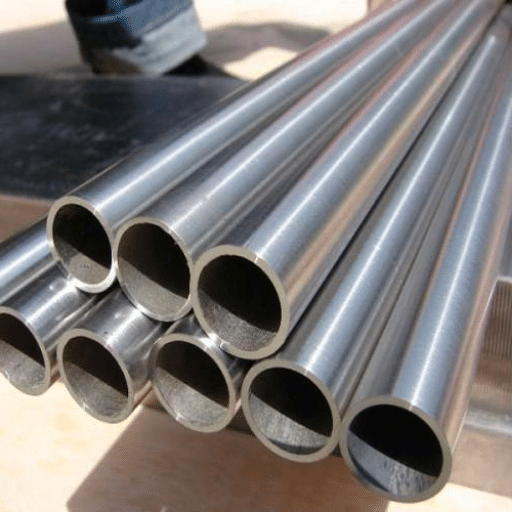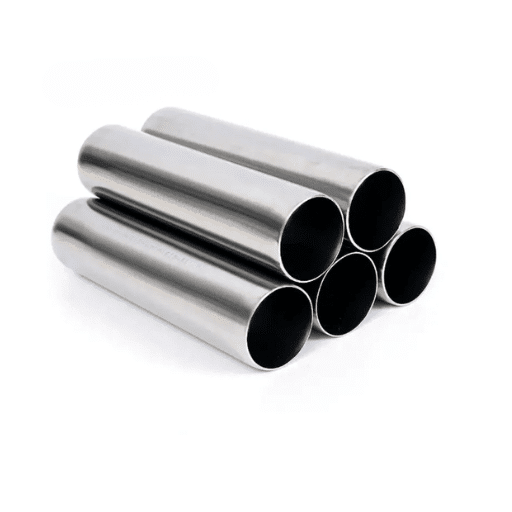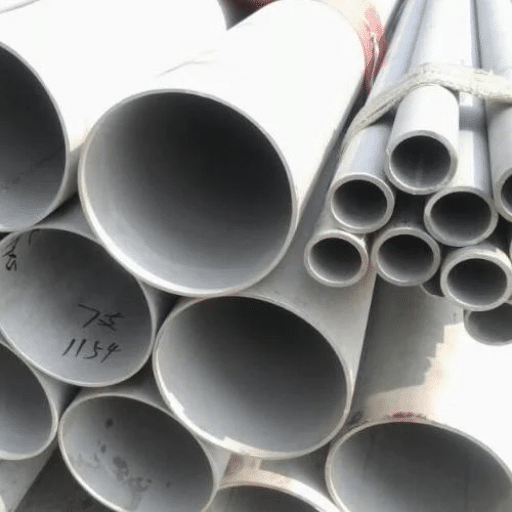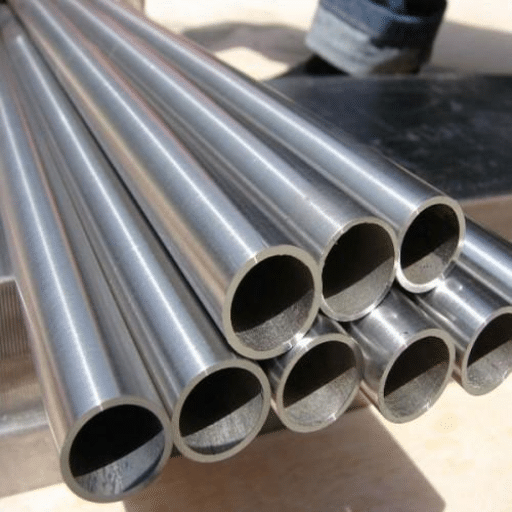
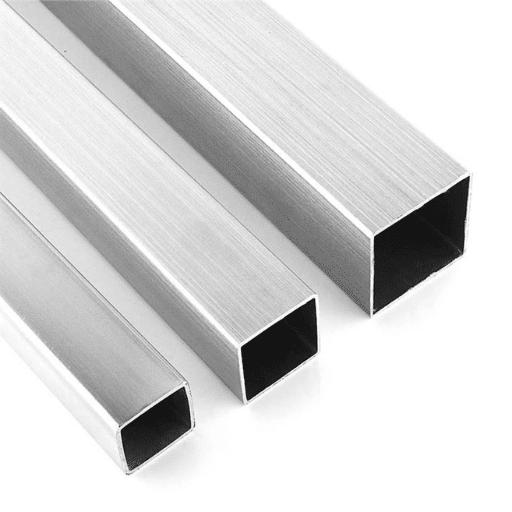
Stainless steel tubing serves as an essential element throughout various industrial and architectural functions because it combines multiple useful properties with strong structural integrity and attractive design qualities. The most popular standard for decorative and structural and mechanical purposes of welded stainless steel tubes comes from ASTM A554 which functions as a widely used specification. The guide delivers a comprehensive explanation to engineers and architects and procurement specialists about the advantages of using ASTM A554 tubing for their demanding project requirements.
Introduction to ASTM A554 Stainless Steel Tubing

Definition and Overview
The ASTM A554 standard establishes specifications for welded mechanical tubes which manufacturers produce using austenitic or ferritic or duplex stainless steel. The stainless steel tubes serve industrial purposes which demand both high strength and ability to resist corrosion and they need to maintain their visual appearance.
The standard describes the required elements which include chemical makeup and physical characteristics and measurement limits and complete product excellence. The standard provides standardized procedures which enable companies to use it effectively in their essential business operations.
The most recent data indicates that ASTM A554 tubing has become the main material used in architectural design and transportation systems and food processing plants and facilities that produce medical devices because it has smooth surfaces which can be specially designed.
The material becomes essential for projects which need high cleanliness standards and long-lasting performance and design alternatives. The material proves suitable for demanding work environments because it supports multiple manufacturing methods which include piping and metal joining operations.
Primary Uses of ASTM A554 Tubing
The utilization of ASTM A554 tubing occurs in fields which require components that maintain both aesthetic value and their ability to resist corrosion. Industry data shows the following primary industrial applications of the product:
Architecture & Construction
Building facade systems with strong construction properties and polished surfaces for modern appearance while providing structural support.
Transportation
Aerospace and automotive components requiring low weight and high strength to withstand changing operating conditions.
Food & Beverage Equipment
Hygienic solutions for processing equipment and storage systems with smooth, non-porous surfaces supporting cleanliness.
Medical Applications
Precise measurements and biocompatibility for surgical tools, hospital beds, and diagnostic frameworks.
Key Benefits of Stainless Steel Tubing
Stainless steel tubing provides multiple benefits which have established it as a crucial material for industrial operations and architectural projects and mechanical systems. The main advantages of this product include the following:
Core Performance Advantages
- ✓ Corrosion Resistance: Excellent protection against oxidation, rust, and corrosive substances due to chromium content
- ✓ High Strength-to-Weight Ratio: Exceptional mechanical strength combined with lightweight design
- ✓ Durability and Longevity: Extended service life withstanding wear, impact, and extreme conditions
- ✓ Hygiene and Cleanability: Smooth surface prevents bacterial growth and allows easy cleaning
- ✓ Temperature & Pressure Resistance: Maintains structural integrity under extreme conditions
- ✓ Ease of Fabrication: Allows cutting, welding, and shaping for custom designs
- ✓ Recyclability & Sustainability: 100% recyclable material minimizing ecological damage
Types of ASTM A554 Stainless Steel Tubing

Different Grades of Stainless Steel Tubing
ASTM A554 stainless steel tubing exists in multiple grades which manufacturers develop to meet precise application requirements and performance needs. The most commonly utilized grades include 304, 304L, 316, and 316L, among others.
| Grade | Key Characteristics | Best Applications |
|---|---|---|
| 304 | Excellent corrosion resistance, most popular choice | Indoor/outdoor environments, general purpose |
| 304L | Low carbon, improved weld resistance | Welded applications, intergranular corrosion prevention |
| 316 | Contains molybdenum, superior corrosion resistance | Marine environments, chemical exposure |
| 316L | Low carbon 316 variant, enhanced weldability | Food processing, pharmaceutical equipment |
American Iron and Steel Institute number 304 is the most commonly used stainless steel because it is quite resistant to corrosion and can be ideally used for both indoor and outdoor loads. Unlike grade 304, the 316 grade steel is known for its resistance to chemical and marine environments with the addition of molybdenum making it much effective to offer more protection and longevity to projects.
The “L” versions, such as 304L and 316L, are low-carbon grades that are special grades found within the standards, which avoid the precipitation of carbides during welding, and ensure that the ASTM A554 stainless steel tubing can not corrode, especially around the joints.
Finishes and Aesthetic Options
ASTM A554 stainless steel tubing provides multiple finishing options which fulfill particular aesthetic requirements and functional needs. The common finishes include polished and brushed and mirror-like surfaces which designers use to create different visual effects through various levels of surface texture.
#4 Brushed Finish
Satin-like appearance, scratch-resistant for architectural use
Mirror Finish
High-gloss, luxurious look for interior design and fixtures
Custom Patterns
Matte, textured, and color-tinted options for contemporary designs
The recent data shows that people increasingly search for stainless steel finishes which include matte and textured options because contemporary and subtle designs have become more popular among consumers. Finishing technologies have made progress which now enables designers to create custom patterns and color-tinted finishes while maintaining durability and protection against corrosion.
Shapes: Square, Rectangular, and Ornamental Tubing
Square rectangular and ornamental tubing serve as flexible solutions which various industries use because these materials combine structural strength with design flexibility. The recent data trends reveal that users show increasing interest in these tubing shapes which people use for construction and architectural design and custom manufacturing projects.
Shape Applications
Square and Rectangular Tubing: Provides strong load-bearing capacity for construction projects and structural applications.
Ornamental Tubing: Used for decorative purposes in railings, fences, and furniture design combining practical use with attractive aesthetics.
Technical Specifications of ASTM A554 Tubing

Mechanical Properties and Standards
The excellent mechanical properties of ASTM A554 tubing, which include its high tensile strength and durability and deformation resistance, have made it a widely used material. The tubes, which manufacturers produce from austenitic and ferritic stainless steel grades, meet engineering standards that guarantee their performance across various applications.
| Property | Specification | Notes |
|---|---|---|
| Tensile Strength | 515-865 MPa | Varies by grade (304, 316, etc.) |
| Yield Strength | Impressive values | Maintained across applications |
| Corrosion Resistance | Excellent | Functions in different environments |
The standards governing ASTM A554 specifications, which include dimensional tolerances and wall thicknesses together with finish requirements, guarantee that these tubes meet both functional and aesthetic expectations. The tubing meets all requirements from the stringent criteria, which makes it suitable for critical applications that include structural frameworks and automotive components and high-end architectural designs.
Dimensions and Length Variations
The manufacturer produces ASTM A554 tubing in multiple dimensions and length variations to provide options for different application requirements.
Standard Dimensions
- → Outside Diameter (OD): 3/8 inch to 6 inches
- → Wall Thickness: 0.018 inch to 0.120 inch (including 0.020 for thin-wall applications)
- → Standard Lengths: 20 feet (custom lengths available)
The use of modern production equipment and techniques, coupled with improved quality procedures, ensures the accuracy of the dimension control system. This is a prerequisite for the maintenance of consistency in the quality of products to the ASTM standards. ASTM A554 tubing has found numerous applications in building, transport, and machineries due to its flexible yet hard-wearing nature.
Comparison of 304 and 316 Stainless Steel Tubing
The robustness of 304 and 316 stainless steel tubing in preventing corrosion and in strength, together with the aesthetic appeal found in such materials makes them useful for various industries. The grades contain essential variances that explain their recommended applications.
| Comparison Factor | 304 Stainless Steel | 316 Stainless Steel |
|---|---|---|
| Composition | 18% chromium, 8% nickel | 16% chromium, 10% nickel, 2-3% molybdenum |
| Corrosion Resistance | Resistant to oxidation and general rusting | Superior resistance to pitting and crevice corrosion |
| Best Applications | Food processing, architectural elements, basic machinery | Chemical plants, coastal structures, medical equipment |
| Cost | More economical | Higher due to molybdenum content |
| Durability | Excellent in moderate environments | Extended lifespan in aggressive environments |
Selection Summary: When an application needs to resist saltwater exposure and chemical contact together with extreme corrosive elements, the preferred material choice is 316 stainless steel tubing. The use of 304 tubing offers a dependable and cost-effective solution, which serves general applications in environments that require lower protection standards.
Industry Applications of ASTM A554 Stainless Steel Tubing

Construction and Architectural Uses
In the field of building and architecture, ASTM A554 stainless steel tubing is utilized because it is more resistant to corrosion, retains its structural properties, and is also visually appealing. According to the latest statistics, 304 and 316 stainless steel tubing is used in a more significant percentage of contemporary infrastructure projects.
Architectural Applications
The furniture’s structure and finishing enhance the capabilities of the material so that it can easily be used in architectural work that involves installation of railings and handrails including supporting the columns. The use of astm a554 stainless steel tubing whose exterior has been highly refined boosts the aesthetics, and thus, it is preferred in architectural designs that are meant to attract attention.
The substance complies to such weather changes to ensure its frame does not break which is a positive factor, when considering how long building infrastructure can last without repairs, since its maintenance is minimal.
Automotive Industry Applications
The automotive industry relies on ASTM A554 stainless steel tubing because it delivers outstanding strength and protection against corrosion and multiple application possibilities. The material serves essential functions in producing exhaust systems and chassis components while also functioning as decorative trim because it needs to withstand demanding operational conditions.
Performance Benefits
Lightweight design combined with capacity to maintain essential structural strength helps achieve sustainability and operational efficiency goals.
Market Trends
Rising need for materials offering lightweight and strong properties to enhance fuel efficiency and decrease emissions.
Furniture and Ornamental Design
Stainless steel has become essential for furniture and ornamental uses because it combines high strength with attractive design and long-lasting durability. The latest data shows that users increasingly search for modern stainless steel furniture and decorative metal finishes which reflects their interest in durable designs that look good.
The demand for this product exists because stainless steel resists corrosion while maintaining its shine and matches modern and minimalist design styles. The system enables manufacturers to create unique designs which fulfill different customer needs while maintaining safe structural design and easy upkeep.
Choosing the Right ASTM A554 Tubing

Factors to Consider: Load Requirements and Environmental Factors
The selection process for ASTM A554 tubing requires knowledge about how load requirements interact with environmental conditions to achieve maximum equipment performance and service life.
Critical Selection Factors
- → Load Requirements: Static and dynamic weight loads, deformation limits during operations
- → Environmental Conditions: Moisture contact, extreme temperatures, corrosive materials, UV radiation
- → Material Compatibility: Grade selection (304 vs 316) based on environmental hazards
- → ASTM Compliance: Meeting specifications to optimize safety and cost-efficiency
Budget Considerations and Cost Effectiveness
The evaluation process for budget considerations together with cost-effectiveness will gain valuable insights through data integration which shows current market trends and material selection patterns. The data demonstrates an increasing requirement for affordable materials which provide both low initial costs and durable performance throughout industrial and structural projects.
Cost-Effectiveness Strategy
Organizations achieve resource allocation optimization while gaining competitive advantages through material selection that meets budget limits and supports their long-term maintenance needs and operational efficiency requirements. Materials which comply with ASTM A554 standards show greater durability because they provide better performance in harsh working conditions.
Practical Tips for Selection
Best Practices Checklist
1. Evaluate Material Performance Metrics
The assessment of vital material characteristics which include tensile strength and corrosion resistance and thermal stability must be conducted through current data together with established industry standards.
2. Leverage Data-Driven Tools
Material popularity and actual usage can be measured through modern analytical tools. The combination of data with technical specifications enables you to make informed decisions which meet current market requirements.
3. Consider Lifecycle Costs Over Initial Price
The material selection process requires you to select materials that produce lower maintenance expenses throughout their entire lifespan when compared to their initial costs. People now prioritize sustainable materials which deliver better long-term value.
4. Stay Updated on Regulatory Changes
The safety regulations and material certification requirements for your industry need regular monitoring to stay current with developments and compliance requirements.
Frequently Asked Questions
What is ASTM A554 stainless steel tubing and its specification?
The standard ASTM A554 describes a specification which includes welded stainless steel mechanical tubing used for general service purposes. The specification defines chemical composition, dimensional tolerances, and required workmanship to ensure consistent performance across applications. The specification supplies two common grades which include 304 and 304L to deliver a combination of strength and formability. The design team needs to verify which wall thicknesses (0.020 and up) are accessible before proceeding with their tube selection process.
How do the mechanical properties of A554 stainless steel tubing compare with those of grade 304 and 304L?
Grade 304 and 304L within ASTM A554 share similar corrosion resistance but differ slightly in mechanical properties due to carbon content; 304L has lower carbon to minimize carbide precipitation during welding. 304L provides better performance during welded applications because the material development process has created a product which avoids sensitization problems. Both grades serve as suitable options for architectural and general-purpose mechanical tubing applications which require proper formability and surface finish characteristics.
Can stainless steel square tubing and rectangular tube be used for architectural applications?
Architectural applications use stainless steel square and rectangular tubes because these materials provide a clean aesthetic and long-lasting durability and protection against corrosion. The square tube products which meet ASTM A554 standards provide consistent surface finishes which are suitable for use in exposed structures and handrails and decorative elements. The square tube and rectangular profiles enable simple fabrication and welding processes while sustaining sufficient mechanical strength to support various architectural loads.
What dimensions and lengths are available for stainless steel square tubing under A554 standards?
ASTM A554 provides various square tube sizes which include multiple shapes throughout the standard length range that mills and suppliers use to deliver products. Common square tube dimensions include widths from small sections suitable for furniture to larger sizes for structural and architectural use. The customer can choose their desired lengths because mills offer standard lengths that help reduce both waste and expenses. Many suppliers can supply tubes with thin wall options which have wall thicknesses starting from 0.020 for lightweight precise designs.
How does A554 stainless steel square tube fulfill mechanical tubing standards?
The ASTM A554 square tube standards establish dimensional requirements and welding standards and surface quality specifications which power mechanical and structural uses of the material. The standard requires tubes to maintain constant cross-sectional shape while maintaining sufficient weld strength to support operational loads and manufacturing stresses. The A554 square tubing system enables assembly taskswhich require precise size specifications and continuous functioning performance. The available thin-wall mechanical tubing options include wall thicknesses of 0.020 which customers can use to meet their design needs.
What are the common grades offered under the A554 specification, and when to use 304 vs 304L?
The standard grades of ASTM A554 include 304 and 304L stainless steel, which provides general-purpose usage through its austenitic stainless steel properties and superior corrosion protection and formability. 304L becomes the optimal selection for applications requiring multiple welding procedures because it prevents sensitization and intergranular corrosion through its lower carbon content. The two grades provide matching mechanical performance through their availability in round, square, and rectangular tube forms, which architects and industrial users can use for their respective projects. The specifications for thin-wall applications include available options that contain wall thicknesses of 0.020, which users can select for lightweight construction or trim components.
Reference Sources
- ffect of Process Parameters on Surface Roughness and Porosity of Direct Metal Laser Sintered Metals – Research on stainless steel properties, including 316L, relevant to ASTM standards.
- Uranium Prototype Glovebox and Furnace Design and Build (SPC-2954) – Discusses the use of ASTM A554 stainless steel tubing in specialized fabrication.
- NEET Micro-Pocket Fission Detector – FY 2013 Status Report – Highlights applications of stainless steel tubing in advanced construction methods.