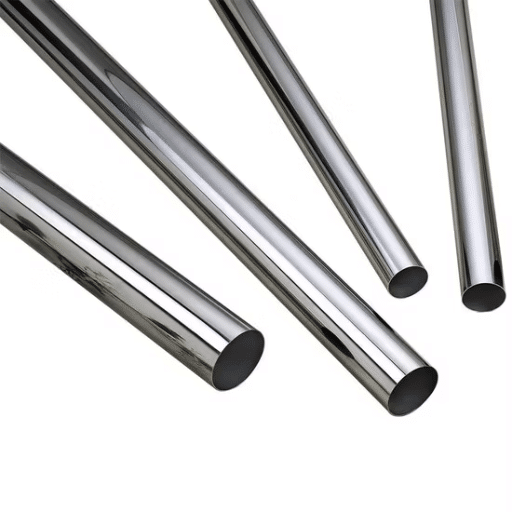
Stainless steel pipes serve critical functions in industrial applications which require materials that deliver both durability and resistance to corrosion and high-performance capabilities. The primary standard used for these applications is ASTM A790 which establishes production requirements for seamless and welded duplex and super duplex stainless steel pipes. This article will provide a comprehensive examination of the ASTM A790 standard which includes its essential requirements and the advanced material properties it offers. This post will provide you with complete knowledge about ASTM A790 because it serves as the standard reference point for stainless steel piping solutions used in various applications.
Definition and Scope of ASTM A790
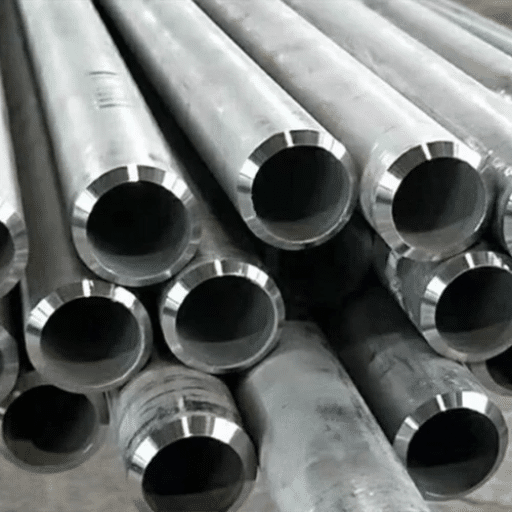
Overview of ASTM A790
The standard specification of ASTM A790 establishes requirements for creating seamless and welded ferritic/austenitic stainless steel pipe which industry experts commonly call duplex stainless steel. This specification is widely utilized in industries that require materials with optimal strength and corrosion resistance to support their chemical processing, oil and gas, and marine operations.
Core Requirements
The main requirement of ASTM A790 demands precise control of chemical elements and physical characteristics which enables products to achieve:
- Exceptional durability in various environmental conditions
- Resistance to stress corrosion cracking
- Superior welding performance
- Specific dimensional tolerances verified through hydrostatic and nondestructive electric tests
Industry Significance
Recent updates and developments highlight the essential role of ASTM A790 in contemporary engineering solutions. The rising awareness of sustainable practices plus extended lifetimes of components have made this standard important. The dual-phase microstructure of ASTM A790 pipes which consists of ferritic and austenitic components provides an effective solution for systems that need to function at very low temperatures and very high pressures according to requirements of modern industrial operations.
Importance in Industrial Applications
The ASTM A790 pipes provide both dependable and flexible performance which makes them essential for various industrial sectors that need reliable equipment to operate in extreme weather conditions.
Key Industrial Applications
- Oil and Gas Industries: Corrosion protection provides essential protection which delivers high strength requirements needed for drilling work and extraction work.
- Chemical Processing Plants: The system can endure extreme chemical exposure while its structural components remain intact.
- Desalination Systems: The system operates better in environments that contain high levels of chloride.
- Offshore Platforms: The system preserves its structural integrity when it experiences both extreme temperature variations and long-term exposure to dangerous substances.
- Heat Exchangers: The system operates consistently during thermal cycling tests and within environments that contain corrosive materials.
Current Industry Trends
Recent data reveals an increasing demand for such materials as industries push for higher efficiency and durability in their operations. Current search patterns show that people now show more interest in “duplex stainless steel for high-pressure systems” and “ASTM A790 for corrosion prevention,” reflecting the growing recognition of these materials’ critical role in mission-critical systems.
Different Types of Stainless Steels Covered
The ASTM A790 specification includes different types of duplex and super duplex stainless steels which provide a combination of strength and corrosion resistance and durable performance under extreme usage conditions.
| Grade Designation | Key Properties | Primary Applications |
|---|---|---|
| UNS S31803 (Duplex 2205) |
Outstanding resistance against chloride stress corrosion cracking with exceptional mechanical strength | Chemical processing facilities, desalination plants, maritime operations |
| UNS S32750 (Super Duplex 2507) |
Higher strength and better resistance than normal duplex grades for extreme conditions | Subsea pipelines, petrochemical plants, high-pressure systems |
| UNS S32760 (Super Duplex Zeron 100) |
Outstanding protection against pitting and crevice corrosion in extremely corrosive settings | Seawater applications, acidic environments, offshore structures |
| UNS S32205 | Similar to S31803 with better corrosion protection for slightly more severe conditions | Enhanced corrosion resistance applications, marine environments |
Metallurgical Advantage: The unique metallurgical characteristics of these stainless steels arise from their dual-phase microstructure which merges the optimal features of austenitic and ferritic stainless steels. The industrial application of this technology allows for extended operational life and decreased maintenance expenses while improving system dependability in environments that combine stress and high temperatures and corrosive materials.
Key Specifications of ASTM A790

Dimensions of Welded and Seamless Pipes
ASTM A790 standards govern the production of pipes which require strict measurement specifications to achieve their industrial operational suitability. The pipe system provides both welded and seamless pipe options which meet ASME and ANSI standard size requirements through B36.19M and B36.10M measurements.
Seamless Pipes
| Outside Diameter (OD) | 0.25 inches (6.35 mm) to 24 inches (609.6 mm) |
| Wall Thickness (WT) | SCH 5, SCH 10, SCH 40 through SCH XXS for extreme strength requirements |
Welded Pipes
| Outside Diameter (OD) | 0.50 inches (12.7 mm) to 48 inches (1219.2 mm) depending on manufacturing process |
| Wall Thickness (WT) | SCH 5 to SCH XXS, with thinner wall sections used more frequently |
The dimensions of the product enable it to match multiple pressure standards which lets the product operate in advanced systems used for chemical processing, oil and gas pipelines, and marine environments. The exact application requirements drive manufacturers to create custom pipe products which meet the specific needs of their critical specifications.
Material Grades and UNS Designations
The production process for seamless stainless steel pipes generates multiple material grades which manufacturers identify through their Unified Numbering System (UNS) designations. The grades define material properties through their chemical composition and mechanical characteristics and corrosion resistance which determine suitability for particular industrial use cases.
304/304L (UNS S30400/S30403)
The material provides superior protection against corrosion while allowing easy welding, making it suitable for dairy, food processing, and pharmaceutical applications.
316/316L (UNS S31600/S31603)
The product offers superior protection against pitting and crevice corrosion through molybdenum addition, making it suitable for marine and highly acidic applications.
321 (UNS S32100)
The titanium stabilization process improves the material’s capacity to resist intergranular corrosion at high temperatures.
347/347H (UNS S34700/S34709)
The material contains niobium which provides strength and stability at high temperatures for use in heat exchangers and boilers.
Duplex Stainless Steels (UNS S32205, UNS S31803)
The material combination provides both high strength and excellent resistance to stress corrosion cracking, making it suitable for use on offshore oil platforms.
Certification Requirements: The certification process requires manufacturers to use international standards (ASTM A312, ASME SA312, etc.) with traceable certification to prove compliance with these grade requirements. The operating conditions range from temperature to pressure and medium composition must match with grade selection to reach maximum performance duration.
Mechanical Property Requirements
The mechanical properties of materials determine their ability to withstand different forces, which determines their proper use for particular needs. The critical properties for stainless steel grades applicable in extreme work environments include tensile strength, yield strength, elongation, and hardness.
| Material Type | Tensile Strength | Yield Strength | Elongation |
|---|---|---|---|
| Austenitic Stainless Steels | 515-750 MPa | 205 MPa minimum | 35% minimum |
| Duplex & Super Duplex | Higher than austenitic | 450-550 MPa | Application-dependent |
Performance Advantages
Extreme condition applications need materials that display improved performance according to current industry information. Duplex and super duplex stainless steels with yield strength ranges between 450 MPa and 550 MPa provide better results than standard austenitic grades. The enhanced material characteristics establish better defense against mechanical impacts and environmental factors which include chloride-induced stress corrosion cracking.
Manufacturing Processes for ASTM A790 Pipes

Seamless Pipe Production
The production of seamless pipes creates pipes which lack welded joints because this design maintains consistent strength and structural integrity throughout the entire pipe.
1
Raw Material Selection
The process begins with the selection of high-quality raw materials, typically solid steel billets, ensuring optimal chemical composition.
2
Heating and Piercing
The process of creating hollow tubes begins with heating the billets to a specific temperature, followed by using a mandrel to pierce the material.
3
Advanced Processing
The pipe manufacturing process uses advanced rotary piercing techniques together with rolling and stretching operations to achieve precise dimensional and surface finishing results.
4
Quality Control
Advanced automated systems provide precise control of thickness and diameter, enabling construction of products that meet strict ASTM A790 tolerance requirements. Product reliability improvement now requires focus on heat treatment and non-destructive testing (NDT) phases.
Market Demand: Current market research indicates that industries including oil and gas, petrochemical, and desalination sectors show strong demand for ASTM A790-compliant seamless pipes because these pipes provide superior performance under extreme temperature and pressure conditions.
Welding Techniques for ASTM A790
Welding ASTM A790 stainless steel pipes and tubes requires exact techniques for maintaining both structural integrity and corrosion protection properties of the material.
- GTAW/TIG Welding: The industry establishes Gas Tungsten Arc Welding as the preferred welding method because it delivers accurate results through its ability to create flawless high-grade welds.
- GMAW/MIG Welding: The system allows for specific applications that require fast operation but demands strict control of process parameters to prevent defects like porosity and undercutting.
- Pre-weld Preparations: Critical surface preparation ensures that all materials become free from contaminants which include oil and grease and oxides.
- Heat Input Control: The process requires operators to control both heat input and interpass temperature during all stages of the operation.
- Post-Weld Heat Treatment (PWHT): The process delivers fundamental advantages which include decreased residual stresses and better mechanical characteristics of the welding zone.
- Filler Material Compatibility: The process requires users to select filler materials which can work with ASTM A790 alloys while maintaining or exceeding the original metal attributes.
- Non-Destructive Testing: The testing process uses ultrasonic or radiographic methods to evaluate weld integrity according to strict industrial standards.
Heat Treatment Processes
Heat treatment processes use thermal methods to modify the physical and mechanical attributes of metals, which results in improved performance for particular uses. The industrial sector relies on several essential processes which include annealing, quenching, tempering, normalizing, and case hardening.
Critical Heat Treatment Benefits
- Microstructure Development: The process allows metal components to sustain extreme operational conditions without experiencing any failures.
- Annealing: The procedure reduces internal stress through stress relief which enhances the ability to machine materials and maintains their structural integrity.
- Quenching and Tempering: The process boosts the strength and toughness of components which proves necessary for their use in high-stress applications that involve gears and crankshafts.
- Advanced Techniques: The aerospace and automotive and energy sectors use vacuum treatment and induction hardening to develop their high-performance material requirements.
- Precise Control: The system achieves accurate control of material properties through its connection with control systems which also decreases power consumption.
Compliance Standards and Testing

Hydrostatic Testing Procedures
Hydrostatic testing serves as an essential procedure which tests the safety and structural soundness of pressure vessels, pipelines, and other high-pressure systems. The procedure requires the test object to be filled with water which is then pressurized above its standard operating pressure until leaks, weaknesses, or defects become visible.
Modern Testing Procedures
- Test Preparation: Test object gets all openings sealed while chosen liquid fills entire space to remove any existing air
- Pressure Application: System reaches operational state after personnel complete tasks using system until reaching testing period
- Monitoring and Analysis: Analysis examines every pressure decrease during test period to identify leakage sources and structural defects
- Verification Methods: Results confirmed through non-destructive evaluation (NDE) methods including ultrasonic testing and radiographic testing
- Digital Integration: Advanced pressure monitoring equipment with automated data collection systems enhance measurement accuracy
Industry Compliance: System requirements get fulfilled through integrated systems which match industry standards including ASME Section VIII and API 570 regulations for pressure vessels and pipeline systems. By combining stringent procedures with cutting-edge technologies, hydrostatic testing guarantees the reliability of critical infrastructure while contributing to operational safety and regulatory compliance.
Nondestructive Electric Testing
Nondestructive Electric Testing (NDET) includes a collection of methods which test the operational capacity and structural soundness of electrical systems and their components without creating any damage.
NDET Methodologies
- Partial Discharge (PD) Testing: This method detects electrical system faults and insulation failures.
- Thermographic Inspections: The process finds thermal patterns which show electrical system faults.
- Time Domain Reflectometry (TDR): This technology finds faults and breaks in electrical systems.
- Machine Learning Integration: The system achieves high precision when real-time monitoring systems work together with machine learning.
- Predictive Maintenance Support: The system minimizes equipment downtime while increasing equipment operational lifespan.
Quality Assurance Measures
To enhance reliability and precision, quality assurance protocols should integrate current search engine data insights into their frameworks. The analysis of real-time search trends together with industry-specific keywords enables organizations to detect emerging problems while developing solutions to current technological advancements which will improve their testing standards.
Integrated Quality Framework
The combination of data insights and NDET techniques enables the detection of fault patterns and the identification of anomalies which occur before systems experience critical failures. This proactive approach not only meets international ISO 9001 standards but also improves system accuracy through its testing method which measures exacting performance benchmarks. The collection of verifiable data sources demonstrates how essential continuous improvement is because it helps create operational workflows which remain resilient.
Common Applications of ASTM A790

Use in the Oil and Gas Industry
The oil and gas industry uses ASTM A790 as a standard to define seamless and welded ferritic/austenitic stainless steel pipes because this material delivers better protection against corrosion and improved mechanical properties.
Critical Oil & Gas Applications
- Offshore Drilling Platforms: Best performance in locations where chloride levels exceed normal limits, protecting against stress corrosion cracking
- Subsea Systems: Withstand extreme pressure and temperature variations during operations
- Hydrocarbon Transportation: Safe transport through upstream, midstream, and downstream operations
- Chemical Injectants: Handle process fluids during extended periods of service
- Duplex Structure Advantage: Unique combination of strength and ductility enabling high-pressure tolerance
Applications in Chemical Processing
The chemical processing sector uses ASTM A790 Duplex Stainless Steel piping systems because they provide better corrosion resistance together with higher mechanical strength and lower costs when compared to traditional materials.
Chemical Processing Advantages
- Aggressive Chemical Handling: The solution provides excellent protection against both acidic and caustic environments.
- Chloride Resistance: The material demonstrates outstanding protection against pitting and crevice corrosion when used in brine handling and hydrochloric acid production.
- Reduced Downtime: Companies using duplex stainless steel increase their operational time while reducing equipment shutdowns.
- High Yield Strength: The material enables the construction of thinner pipe walls which sustain their structural strength by using less weight and material.
- Temperature & Pressure Performance: The system maintains its reliable operation during extreme temperature and pressure changes.
Role in Marine and Offshore Structures
Saline and aggressive environments with high corrosive power create the primary reason for using the alloy in marine and offshore structures. Marine structures, including oil platforms, subsea pipelines, and ship hulls, are constantly exposed to chloride-rich seawater, which accelerates material degradation.
| Performance Category | Benefit |
|---|---|
| Corrosion Resistance | High resistance to pitting, crevice corrosion, and stress corrosion cracking ensuring long-term operational reliability |
| Mechanical Strength | High tensile strength and fatigue resistance suitable for components subjected to dynamic loads from wave motion |
| Service Life Extension | Advanced alloys increase service life by more than 20% while reducing maintenance requirements and associated costs |
| Structural Integrity | Maintains integrity while meeting safety and environmental standards for contemporary marine engineering projects |
Frequently Asked Questions
What is ASTM A790 duplex stainless steel pipe and stainless steel seamless?
ASTM A790 specifies the standards for duplex stainless steel and stainless steel seamless and welded pipe which is designed to handle general corrosive environments while delivering both ferritic and austenitic properties that create strength and protection against corrosion. The specification designation shows both the dimensions of welded and seamless products and the required materials and steel heats which must be used. This specification includes both seamless and straight-seam welded pipe which serves as the main steel pipe solution for general corrosive applications that require special protection against chloride stress corrosion cracking. The pipe must be produced through either the seamless method or automatic welding method which allows for adding filler metal during the welding process when necessary. The testing procedure requires tension tests to evaluate all specified percentages and material properties which are documented in the order.
How does the ASTM A790 specification address welded and seamless stainless steel pipe, and covers seamless and straight-seam welded options?
The ASTM A790 specification covers welded and seamless stainless steel pipe which includes specific requirements for both seamless and straight-seam welded construction. The specification lists the dimensions of welded pipe and specifies nominal pipe size and other dimensional requirements including inch-pound units when specified in the order. The specification describes the welding process for welded pipe which includes both automatic welding and manual welding that requires filler metal. The document establishes the testing requirements which include both hydrostatic tests and nondestructive electric examinations for pipe material testing. The specification requirements apply to pipe which serves general corrosive environments while requiring specific protection against embrittlement that occurs during long-term high-temperature exposure.
What are the dimensions of welded and seamless stainless steel pipe and how does the specification list the dimensions?
The specification details both the nominal pipe size and wall thicknesses of welded and seamless pipe dimensions, along with the dimensioning method that must be used for order specifications. The dimensions of welded pipe and seamless stainless steel pipe are defined in ASTM A790 to provide compatibility between different piping system components. The specification allows for both seamless and straight-seam welded designs while providing order-unit guidance through inch-pound specifications. Pipe must achieve both testing standards and dimensional accuracy which requires tests to determine alloying element percentages and mechanical characteristics. The production process allows customers to choose between focusing on continuous furnace heat treatment or assessing individual heats which may undergo water quenching or rapid cooling.
Are super duplex stainless steel, S32760, and A790 duplex stainless steel pipes included and what makes super duplex stainless special?
The standard ASTM A790 which includes dual standard duplex grades as specified in the contract contains super duplex stainless steel S32760 as its included piping material. Super duplex stainless steel contains triple metal components which include high chromium, molybdenum, and nitrogen to deliver stronger materials which resist pitting, crevice corrosion, and chloride stress corrosion cracking better than standard duplex and austenitic grades. The specification identifies pipe materials which serve general corrosive purposes and establishes chemical composition boundaries that enable the calculation of alloying element percentages. Super duplex pipes need specific heat treatment methods which include continuous furnace processing or individual quenching to obtain their desired microstructure and material characteristics. The pipes serve as a standard energy solution for industries which face extended periods of high temperatures and strong corrosive conditions since those conditions would normally lead to material failure through embrittlement.
What welding, filler metal, and heat treatment practices are required for welded pipe and heat treatment considerations under ASTM A790?
The automatic welding method together with other welding methods according to ASTM A790 together with the welding methods according to the standard create welded pipe production methods. The specification requires welders to add filler metal into their welding procedures when they need it to create effective welds. The welding process requires filler metal which must match the base stainless steel material to prevent any unwanted microstructural changes which could decrease corrosion resistance. The specification allows for heat treatment through continuous furnace operation or water quenching or rapid cooling to achieve microstructural control, and it needs to confirm whether material can be individually quenched to match its specifications. The fabrication process needs tests which include nondestructive electric examination and hydrostatic testing to check weld strength and identify potential flaws. The combination of proper steel heating control with correct post-weld heat treatment processes will stop materials from becoming embrittled during extended high-temperature use.
What inspection and testing (hydrostatic, nondestructive electric, tension tests) apply to seamless and welded ferritic and duplex stainless steels?
The standard ASTM A790 requires testing to identify alloying element quantities together with testing to measure mechanical properties such as tensile strength through tension tests which both apply to seamless and welded ferritic or duplex stainless steels. Hydrostatic testing may be specified to verify pressure integrity, and nondestructive electric examination is commonly used to detect weld defects or discontinuities in welded pipe. The specification outlines how testing requirements must be conducted according to the specified methods in the order which particular testing procedures need to follow while testing for particular failure modes. The tests require pipe materials which serve general corrosive purposes to undergo testing, and the test results need to be included in the delivery package. The testing process together with the inspection process confirms whether pipes will perform according to their expected operation and whether the specification can serve in environments with corrosive materials or high-stress conditions.
Reference Sources
Design of Tire Changer – Discusses the use of ASTM A790 material in engineering applications, demonstrating practical implementation in mechanical systems.
Cracking Susceptibility of Duplex Stainless Steel in H2S-Containing Environments – Explores the application of ASTM A790-compliant materials in corrosive environments, providing insights into material performance under extreme conditions.
Technical Challenges in Using Super Duplex Stainless Steel – Examines the technical requirements and testing standards, including ASTM A790, for advanced metallurgical applications.