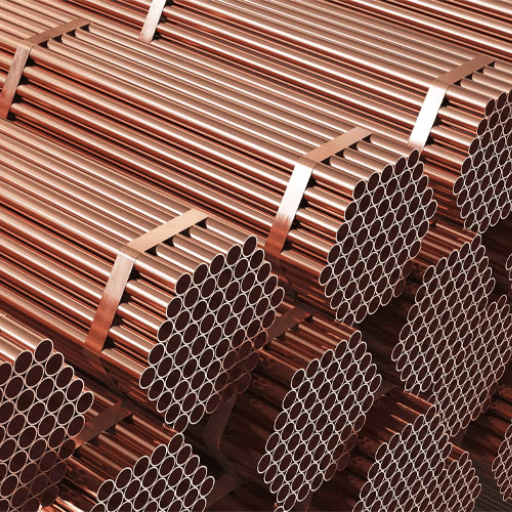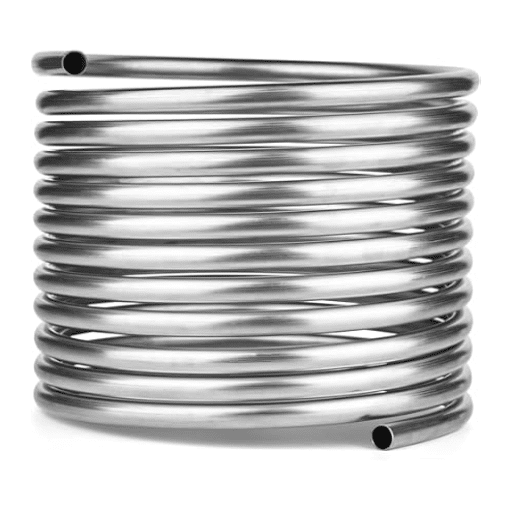

In the matter of metal jewelry or accessories, the selection predominantly narrows down to two highly favored ones: sterling silver and stainless steel. Both metals come with their individual characteristics, which are a combination of good looks, resistance to wear, and practical usage. If one is to go to luxurious events or just be in the comfort of home, silver and steel have their separate merits. The following guide dives into the greatest differences between the two in terms of structure, look, maintenance, and use—thereby assisting you in deciding, which option is compatible with your requirement and living style.
Composition of Sterling Silver and Stainless Steel
Sterling Silver Composition Overview
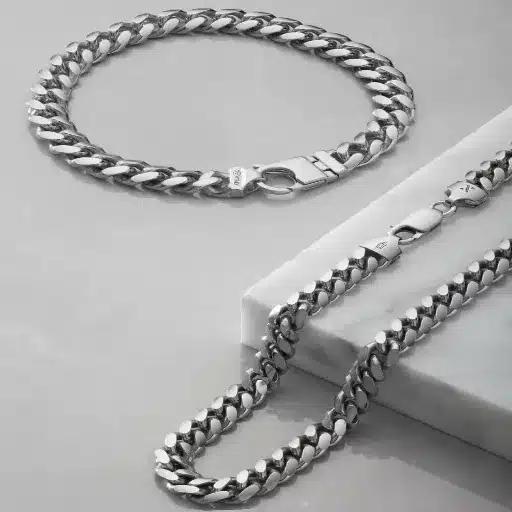
Sterling silver is an alloy made from 92.5% pure silver and 7.5% other metals which are mainly copper. This composition gives rise to jewelry and artistic decorations. The main purpose of these alloys is to make silver more durable and at the same time protect it. By this alloying of metals, sterling silver acquires two properties which are essential for its application: luster and hardness.
Sterling silver gets its aesthetic and functional characteristics from this combination and thus becomes an outstanding option for gifting in the form of jewelry, tableware, and other decorative pieces. Due to the presence of copper in sterling silver, it will gradually turn black in color when exposed to air. However, if the silver is cleaned properly, the formation of the black layer is not a problem at all.
Stainless Steel Composition Overview
Stainless steel, as its name implies, does not rust and is forever shiny and polished. Steel is an alloy, combining iron, carbon, and some other elements. One of the most important of those is chromium, which has to be at least 10.5% of the total mass of the alloy for it to qualify as stainless steel.
The presence of chromium provides a quality called passivation, which is the development of an oxide layer over the surface of the metal that is impervious to rust and corrosion. The necessity of wear resistance in this function calls for very little maintenance. Today, the stainless steel has already taken over the market of metals with its broad range of modern applications due to its resistance to rust and its great appearance as well.
Key Composition Comparison
| Material | Primary Components | Key Properties |
|---|---|---|
| Sterling Silver | 92.5% silver, 7.5% copper | Bright luster, malleable, prone to tarnishing |
| Stainless Steel | Iron, carbon, chromium (10.5%+) | Corrosion-resistant, durable, low maintenance |
Alloy Comparison in Their Application
Alloys are crucial for changing the characteristics of materials. The most common example of this is stainless steel, which is composed mainly of iron, chromium, and different levels of nickel and molybdenum, with the latter two being optional. The corrosion resistance that the stainless steel has is due to the presence of chromium. Various alloys like carbon steel depend heavily on precise control of the carbon content to increase the strength and hardness of the steel. On the other hand, aluminum alloys can consist of copper, magnesium, and silicon that give them the properties of being light and good at conducting heat.
The most recent evidence indicates that aluminum alloys are the best choice for applications that necessitate low weight and high corrosion resistance, such as in the aerospace and automotive sectors. On the other hand, the case is different with stainless steel, which is the material of choice for high-temperature or corrosive environments that are typical in construction, medical devices, and marine applications. Each material comes with its unique properties for the specific application, thereby providing the best results according to the environment. The choice of materials varies with factors like durability, exposure to the environment, and cost effectiveness.
Durability: Sterling Silver vs Stainless Steel
Wear and Tear Resistance
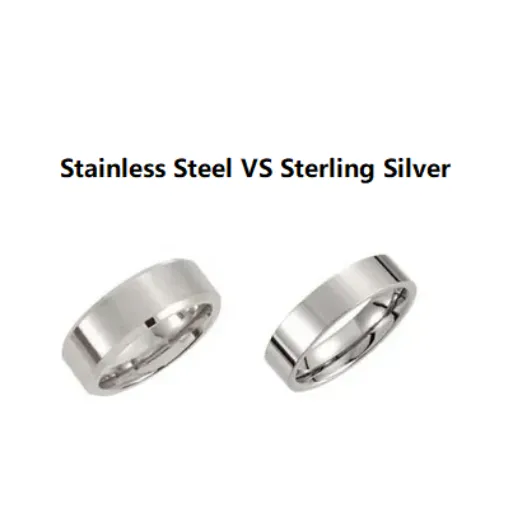
The things that different metals are made of, sterling silver and stainless steel, when subjected to the same wear and tear, show totally different results in this aspect. Sterling silver is very soft and, thus, the scratches, dents, and general deformation are unavoidable for the metal in day-to-day usage or harsh environments. On the contrary, the flexural strength of stainless steel is primarily due to its high hardness and toughness levels, which together make it extremely resistant to scratching, tarnishing, or sudden rough impacts. Hence, it is very much suitable for the people who frequently handle their items or work in rough places.
Analysis of the recent data has led to the conclusion that there is a growing preference for stainless steel in such materials as watches, jewelry, and cutlery, which are associated with durability. The consumers are also doing a search for “long-lasting material for accessories” and “scratch-resistant metals”, which means they are trying to find materials that will assure very long life. However, the general public prefers to go for silver when the case has more of aesthetic appeal or finesse; it always goes along with luxury and tradition. When it comes to the choice, the reason contains the usage and the utility.
Scratch Resistance and Long Life
Stainless steel trumps sterling silver permanently whether it is about scratch resistance and durability, and this is the case when items are subjected to heavy wear. The data from the search indicates that people’s interest in “most durable metals for everyday use” and “scratch resistant materials” is mainly directed towards stainless steel because of the metal’s property of being able to suffer severe abuse and still remain visually appealing.
Silver has always been the metal of kings and queens and that is why it is always great-looking but soft, therefore, it is prone to scratches and will lose its luster very quickly. When it comes to the utilization and the life span of the product, stainless steel is usually the one that’s recommended without fail, although for the ones with a taste for rare beauty and intricate designs sterling silver is the selection.
⚡ Durability Quick Facts
- Sterling Silver: Soft and malleable, prone to scratches and dents in daily use
- Stainless Steel: High hardness and toughness, extremely resistant to scratching
- Best for Active Lifestyles: Stainless steel wins for durability in rough environments
- Best for Aesthetic Appeal: Sterling silver preferred for luxury and traditional designs
Tarnishing and Maintenance Over Time
Tarnishing of sterling silver is a process that occurs with time and depending on an individual’s habits and maintaining, the tarnishing process might take longer or shorter but still, tarnishing can appear fairly soon with exposure to air, humidity, and sulfur compounds.
Sterling silver, if neglected, will undergo tarnishing, thus, a proper cleaning routine must be followed. It may be a good idea to first use a polishing cloth on the necklace followed by an anti-tarnish solution. Moreover, it must be placed in an airtight or an anti-tarnish bag for safe storage after each use. The peak interest in “how to clean sterling silver at home” is a clear indication of the necessity for protection against tarnishing. Silver jewelry may be considered as a magnificent legacy from the past, but at the same time it is one of the highest maintenance choices, as it requires constant and very careful attention, unlike stainless steel which is very easy to maintain.
Appearance of Sterling Silver and Stainless Steel
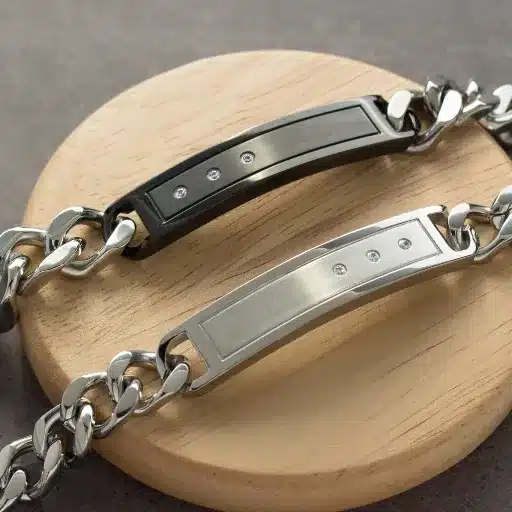
Enchanting Finishing Variations
Sterling silver is recognized for its shining brilliance that mirrors light, thus, giving it a luxurious look. On the other hand, cleanliness is always an issue with objects that have to be polished frequently due to the tarnishing which starts as soon as the metal gets in contact with air and moisture.
Whilst Stainless steel’s less glamorous appearance turns up with a very little sparkle, nevertheless it suffers no decay as it is stain-resistant and immune to rust. Most recent searches show a lot of people seeking for the ways to maintain the brilliance of silver, with queries like “best silver cleaning products” and “how to keep silver shiny” emerging among them. This trend indicates a persistence in liking for the shining effect that silver gives even if it requires regular maintenance and at the same time, stainless steel has its strong point of being the durable and easy-to-maintain option which loses shine resemblance.
Aesthetic Appeal of Each Material
The selection of either sterling silver or stainless steel is decided according to one’s personal preference. It is largely determined by the style and taste of the user. From being a naturally elegant and shiny metal, sterling silver is most likely to be used for statement and heirloom jewelry for those who like the beauty of the traditional.
Stainless steel, however, is more accepted for its modern, subtle look and being resistant to tarnishing. The dull and the partly polished finish of the stainless steel makes the jewelry very suitable for daily wear and appeals to those who want practicality and a modern, fresh view of the jewelry. Search queries mostly contain words like strength and low maintenance, which indicates that a lot of people opt for stainless steel as the material which is durable, less-maintenance, and strong. These trends imply that the two materials cater to different aesthetic preferences—elegance versus simplicity.
✨ Aesthetic Comparison
| Feature | Sterling Silver | Stainless Steel |
|---|---|---|
| Finish | Bright, reflective luster | Muted, polished sheen |
| Style | Classic, elegant, aristocratic | Contemporary, modern, understated |
| Best For | Statement pieces, heirlooms | Everyday wear, practical designs |
| Maintenance | Requires regular polishing | Stays shiny with minimal care |
Finalizing Your Jewelry Collections on the Basis of Image
One of the most surprising things about silver and stainless steel is that they have been placed together in terms of wearing them, which is a mixed-metal look. It is a concept that attracts the person who loves the classic beauty of silver but at the same time wants the practicality and looks of stainless steel.
The wearer can go for a silver necklace along with a stainless-steel bracelet or playing with the jewelry of both materials and make a striking element of personal or trendy look. Looking for this pairing could be the solution for your case where acceptance among different tastes is needed as it combines both worlds in a beautiful way.
Cost Considerations: Sterling Silver vs Stainless Steel
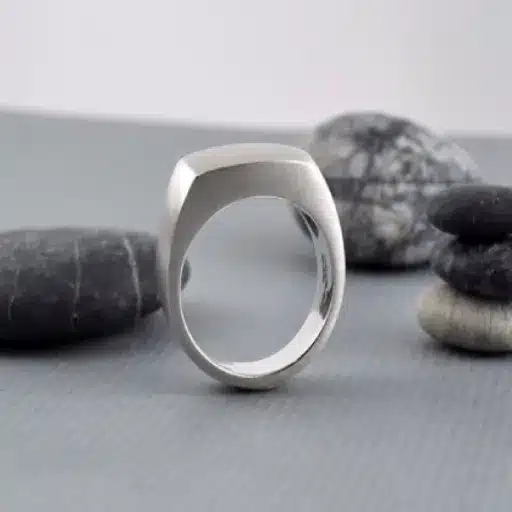
Investment Value and Long-term Considerations
In the consideration of the lengthier and more permanent value concepts, sterling silver, along with the other metals, holds its ground as a store of value during the ups and downs of the market or even in the worst times of the economy. The inherent worth disclosed in the price of the sterling silver at the sale moment generally alienates it from other substances. Still, those pieces sold at such low prices that they cannot even make up for the silver content, particularly in case of very detailed stone settings or craftsmanship, may not turn into good investments.
Evaluating Long-term Value
Based on the latest consumer trends, a lot of people are curious about the question “Is stainless steel jewelry a good long-term investment?”. Stainless steel differs from the other metals because it not only possesses low price but also durability and universal attractiveness as its attractive points. At the low price segment, no other metal can equal steel’s resistance to discoloration, rusting, and wearing.
Stainless steel’s ability to withstand all these causes of its being considered costly yet worth buying. To be able to present the purchase of a stainless steel jewelry piece as justifiable for a long time, the buyer must first consider reliable, tasteful and timeless ornaments that require little to no care. The lasting physical characteristics of stainless steel jewelry can cater to the demand of cost-conscious customers.
The Price of Maintenance and Care
Stainless steel has many great features, low maintenance being the most significant one, and that has a saying in the selection of lots of consumers. The data from the searches suggest that terms like “how to clean stainless steel jewelry” have been continuously popular, generally with the material maintenance being very easy to understand.
The maintenance routine involves using warm water and mild soap for dirt removal or a soft cloth for residue wiping. The plus point of being not just expensive but also low-maintenance makes stainless steel a cost-effective option. It is not very high-priced but at the same time, it does not need any regular professional care, thus it becomes a choice for the practical and straightforward purchases for everyday use that people want to make.
💰 Cost Analysis Summary
| Factor | Sterling Silver | Stainless Steel |
|---|---|---|
| Initial Cost | Higher (precious metal) | Lower (affordable) |
| Resale Value | Retains intrinsic value | Low resale value |
| Maintenance Cost | Higher (cleaning products, polishing) | Minimal (soap and water) |
| Long-term Value | Investment potential | Practical durability |
Maintenance and Care Tips
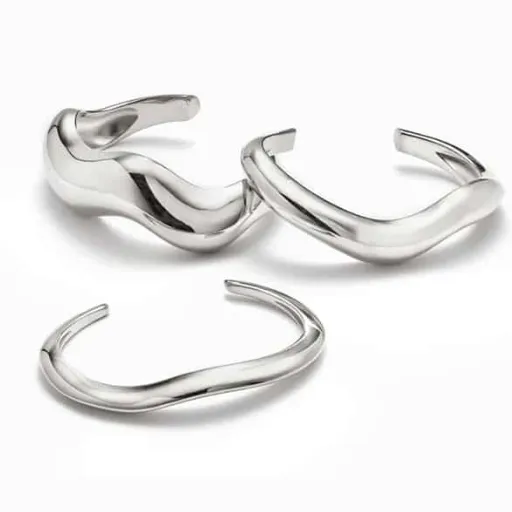
Cleaning and Caring for Sterling Silver Jewelry
At times, sterling silver jewelry needs gentle treatment for gloss renewal and tarnish prevention due to air, moisture, and everyday usage. To clean your sterling silver, mix warm water with a few drops of liquid dish-washing soap, soak your soft jewelry cloth or sponge, and delicately work on the entire piece. This method guarantees that there wouldn’t be any deep scratches left on the fragile surface.
For setting stones or hard-to-reach places, apply a toothbrush with soft fibers. Subsequently, warm water is the best for rinsing sterling silver, and then a clean lint-free cloth is the best for drying it.
🧼 Sterling Silver Cleaning Checklist
- Regular Cleaning: Use warm water with mild dish soap and a soft cloth
- Detailed Areas: Clean intricate designs with a soft-bristled brush
- Rinse Thoroughly: Remove all soap residue with warm water
- Dry Completely: Pat dry with a lint-free cloth to prevent water spots
- Storage: Keep in airtight bags or tarnish-proof pouches
- Moisture Control: Add silica gel packets to remove extra moisture
- Heavy Tarnish: Use a silver polish cloth or professional silver cleaner
To avoid tarnishing, after cleaning always put sterling silver in airtight bags or tarnish-proof pouches. There are also silica gel packets that absorb excessive moisture which could lead to tarnishing. If there is a lot of tarnishing, use a silver polish cloth, which is available at jewelers, or buy silver cleaner to regain the lost shine.
Important Precautions: Silver jewelry should never be allowed near harsh chemicals under no circumstances. Chlorinated water, sunscreen, or household cleaners will only hasten the process of tarnishing and oxidation of the metal. It is a good habit to take off the rings and earrings during swimming, exercising, or doing anything that would usually scratch or wear off the metals. With appropriate maintenance, sterling silver jewelry will acquire a nice shine of its own after years.
Caring for Stainless Steel Jewelry
Stainless steel jewelry generally is the most durable, the least harmed by oxidation, and the most perfect in its exterior that can be effectively calculated. Apply the soft soap and the warm water in the right amounts if you want to clean the stainless steel jewelry the right way. Take a soft cloth or a toothbrush and rub very gently in tiny circular motions on the piece of jewelry to get rid of dirt and grime. Then, rinse it and dry with a clean cloth that does not leave any lint.
No metals, not even stainless steel, should ever be exposed to harsh chemical agents like bleach or chlorine because they can lead to fading of the metal. When you need to make the rings look new, use a paste made of baking soda or a high-quality stainless steel jewelry cleaner. Store these in cool, dry places when not wearing them or put in soft pouches to prevent scratches for years. Stainless steel will keep on shining from the time of its making for a really long time, being the classic and chic jewelry that requires almost no care even after years of wearing.
💡 Universal Jewelry Care Tips
- Gentle Cleaning: Always use delicate detergents and soft materials
- Chemical Avoidance: Never expose jewelry to perfumes, creams, or harsh chemical products
- Activity Removal: Avoid wearing jewelry during swimming, bathing, or high-intensity activities
- Proper Storage: Store in small compartments or soft bags to avoid tangling or scratching
- Oxidation Prevention: Use storage items that help reduce natural oxidation, especially for silver
- Regular Inspection: Check clasps, settings, and overall condition periodically
Essential Maintenance Practices
Your precious jewelry can be made to last a long time by implementing several effective maintenance practices. It is widely claimed that proper cleaning with gentle detergents will be a more effective way of preserving it. Jewelry should never come into contact with strong chemicals in perfumes, creams, and beauty products because these chemicals will eventually either remove the fine finish or dull the metals.
Don’t wear your jewelry when doing activities that involve high-intensity, swimming, or bathing because water and sweat can cause some materials, especially plated metals, to wear down. The latest scientific studies draw attention to the necessity of proper storage. To prevent tangling or scratching of fragile or precious pieces, place them in small compartments or soft bags. Store the materials in containers that slow down natural oxidation, just like silver. By following these simple guidelines, your jewelry will be secured, and its life will be extended, thus allowing you to wear the pieces that have remained stunning for many years.
Frequently Asked Questions (FAQ)
How do sterling silver jewelry and stainless steel jewelry stand up when it comes to wear and care?
Sterling silver, as a metal, usually needs to be cleaned regularly because it develops a dull layer when it comes into contact with air or chemical substances, while on the contrary, stainless steel is always shiny, as it is immune to rust and tarnish. The care of stainless steel is really simpler— usually, a regular wash with soap and water can make this piece of jewelry shine like new. Sterling silver jewelry is often perceived as being the neatest thing and the most traditional one to go for, hence, being a luster that’s highly appreciated by the collectors. On the contrary, stainless steel, when worn consistently, will give the wearer a sense of being heavy and luxurious without the need for the labor of maintenance. When it comes to lifestyle comparison and everyday practicality, stainless steel is the winner in terms of convenience.
What are better types of earring materials: sterling silver or stainless steel?
People who like sterling silver jewelry usually wonder which one has more silver content and at the same time is more resistant to allergies, but in some cases, stainless steel might be an option to avoid copper alloy reactions. For example, a lot of people with copper allergy prefer either stainless steel or sterling silver as a result of this problem. Surgical stainless steel is very suitable for people who have metal reactions. On the other hand, sterling silver would be more suitable for lightweight earring designs where comfort is a priority, as it is a softer metal, while stainless steel would be the best choice for heavy designs and hoop styles since it is more durable. The aging process of stainless steel has significantly less tarnishing through daily wear, and it is also easier to care for than silver. In cases where quality and design are different, it is better to wear steel earrings that will last longer and be able to take rough conditions than sterling silver.
Does stainless steel have pros and cons concerning longevity and value?
Stainless steel, among its many advantages, boasts high durability and resistance to rust, thus making it perfect for active people and daily wearing of jewelry. On the other hand, the negatives of stainless steel jewelry are only a low resale value and lack of luxury compared to precious metal types including silver. In the current market, stainless steel jewelry has less demand than sterling silver specifically for any jewelry collection; however, it takes a great deal of care because the metal’s main disadvantages are its tarnishing and softness when compared with stainless steel. In most cases, stainless steel has a higher density than silver and is definitely harder than silver, thus marking it as a good candidate for heavy-duty jewelry. So one option is: Would you rather have the precious metal silver which will not only look great with your aesthetic preference but also gain value in the long run; or would you rather take the hard, durable road of stainless?
Can stainless steel and sterling silver be combined in a single piece of jewelry or in an ornament set?
Steel and sterling silver jewelry is often a great combination that creates dramatic and opposing effects. The stainless-steel and sterling-silver mixture gives the designers durability and shine with great contrasts in their works. Some pieces are distinguished by stainless-steel bases with beefy accents, while others contain silver to help with wear. Silver needs handling and care in accordance with its composition; otherwise, silver would tarnish much faster than polished steel. Steel and silver items should be combined in a way that accentuates the beautifully calibrated jewels. Think about the stainless fittings paired with the strength and decoration that silver provides. If you have jewelry pieces with both metals, then follow the storage and cleansing specifics for each, as the upkeep of stainless steel looks very different from that of sterling silver. When mixing materials, the possibility of daily or special occasion wear is the most important factor.
What are the negatives with using stainless steel for very delicate bracelet designs?
Of all the metals used in jewelry making, stainless steel has the strongest properties but it is also the least malleable. A design with utmost delicacy, for example, is nearly impossible to produce in stainless steel, which does not have the malleability that is typical of sterling silver. Steel does not allow the creation of very fine and intricate forms like filigree and ultra-light chains that could be done with the precious silver. On the other hand, stainless jewelry will always outlive sterling jewelry when exposed to harsh conditions but may be heavier and colder than the warmth of a sterling piece. For the finest ends, silver gives the artist a softer metal to work with, but he will need to put more emphasis on maintenance as sterling tarnishes easily. The decision will to some extent depend on the flexibility of sterling silver against the endurance of stainless steel when it comes to bracelet design.
How do 925 purity marks affect the comparison of sterling silver vs stainless steel?
The 925 stamp designates the oxiness of sterling silver—92.5% pure silver—which makes it a class apart from silver-plated or lower-grade silver items. The purity being related to many factors, such as care requirements, the most important effect of purity still remains the value of the piece. It is understood that, normally, stainless steel does not present such purity marks; rather, it is evaluated or classified depending on the amount of chromium and steel to determine the characteristics of the alloy in terms of resistance to corrosion and hypoallergenicity. Occasionally, people spell confusion between pure silver and sterling silver, therefore it is crucial to understand which numbers can help or not in making your choice between silver and steel, thus the choice for sterling silver for value. Value is a factor to consider: sterling has the intrinsic value of the metal, on the other hand, stainless steel has the practicality of low cost and a shorter life cycle. The buyers, when purchasing, should ensure any markings and seek clarification from sellers about steel and sterling silver jewelry so as to be fully aware of what is being bought in the end.
Reference Sources
- An Investigation into the Practical Application of New Sterling Silver Alloys
This study explores the properties and applications of new sterling silver alloys, comparing them with traditional materials like stainless steel.
Read the study here - Exploring the Creative Possibilities of Argentium™ Sterling Silver
This research delves into the differences between traditional sterling silver and Argentium™ sterling silver, highlighting its unique properties and applications.
Read the study here - Tarnish-Proof Sterling Silver: Understanding the Limitations
This paper examines the tarnish resistance of sterling silver and compares its corrosion resistance mechanisms to those of stainless steel.
Read the study here