One has to be quite knowledgeable about steel types in order to decide on the right kind of steel for a project or product. The two widely used alloys are carbon steel and stainless steel; besides their differences, they each have their own merits and demerits. A big concern for many is the environmental impact of such materials, mainly moisture and air exposure—specifically, the question of whether carbon steel oxidizes, and if yes, what the rate of its oxidation is compared to the corrosion resistance of stainless steel?
Understanding Carbon Steel
Carbon Steel Properties
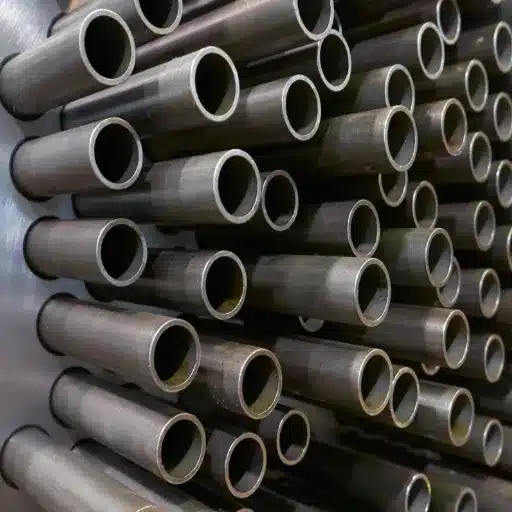
The predominant elements in carbon steel are iron and carbon, where carbon is brought into the alloy up to a maximum of 2.1% wt. The mentioned steel has hardness and strength as well as hardenability, which are the main attributes of this category. However, the higher percentage of carbon results in lower ductility and poor weldability because the steel is more brittle and less tolerant for working.
⚠️ Important Note: One important feature of carbon steel is its susceptibility to rusting. In contrast to stainless steel, carbon steel does not possess the necessary chromium content that would allow the formation of a protective oxide layer, hence, corrosion is not prevented. When in contact with moisture and air, carbon steel rusts by the oxidation process, and consequently, rust will form after some time.
The excellent mechanical characteristics of carbon steels render them to be the foremost material in the eyes of professionals and industry alike whenever applications call for materials of high strength or tools and price is also a factor. In cases where corrosion resistance is the utmost requirement, either stainless steel or additional surface treatments will lose their suitability and become a more expensive option to consider.
Carbon Steel Composition
Carbon steel basically consists of iron and carbon as the primary elements and carbon is normally supplied in the range 0.05% to 2.0% by weight. The varying characteristics of the carbon steel are mainly dependent on the amount of carbon present in the steel. For instance, low-carbon steel with less than 0.3% carbon content is soft and ductile making it possible to easily do forming operations and thus it is employed in the production of beams and automobile body parts. Medium-carbon steel with 0.3 to 0.6% carbon is tough enough and still ductile for making gears and other mechanical components. In contrast, high-carbon steel (0.6%-2.0% carbon) is extremely strong but it is also very brittle; thus it is recommended for manufacturing of strong tools and cutting devices.
Additional Alloying Elements
Besides carbon, a few other elements like manganese, silicon, and occasionally even sulfur and phosphorus are found in minor proportions in carbon steel. Manganese is employed for enhancing the steel’s power and tenacity, whereas silicon is utilized for making it harder. Sulfur and phosphorus are generally considered as impurities; nevertheless, their presence in limited amounts can enhance the machinability factor in a positive way. The mixture of these elements, together with heat treatment and manufacturing processes, gives rise to various carbon steel grades that are intended for particular industrial and commercial uses.
Carbon Steel Types
According to the carbon content and specific applications, carbon steel is usually classified into four main types:
| Type | Carbon Content | Characteristics | Common Applications |
|---|---|---|---|
| Low-Carbon Steel (Mild Steel) | 0.05%-0.25% | Very versatile with high ductility and malleability | Structural parts, car bodywork, pipes |
| Medium-Carbon Steel | 0.3%-0.6% | Balance of strength and ductility | Machine parts, axles, railway wheels |
| High-Carbon Steel | 0.6%-1.0% | Exceptional hardness and strength | Cutting tools, blades, high-strength wires |
| Ultra-High-Carbon Steel | Above 1.0% | Very hard but not very ductile | Special knives, axles, high-load applications |
Rust and Corrosion in Carbon Steel
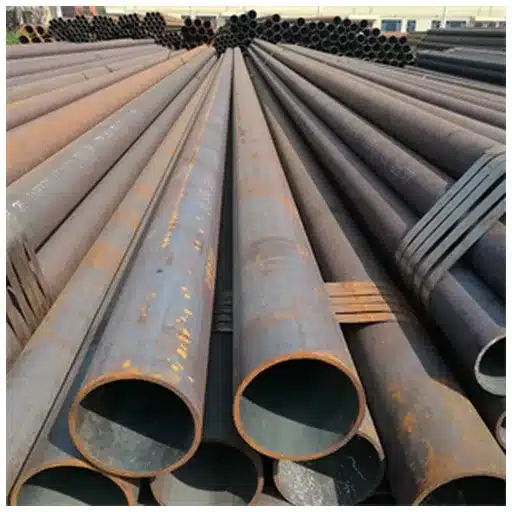
Does Carbon Steel Rust?
Answer: YES. Due to the presence of iron in its composition, carbon steel is very much prone to rusting and corrosion. The reaction of iron with water and air gives rise to iron oxide (rust). It is precisely this inability to resist corrosion that characterizes carbon steel; the existence of chromium provides corrosion resistance to stainless steel. Thus, carbon steel is susceptible to rust in wet and moist places.
Coatings such as paint, oil, or galvanization can treat carbon steel to prevent or minimize rust. Moreover, proper storage in dry conditions and regular maintenance can prolong the lifespan and functionality of carbon steel.
Factors that Affect Rust in Carbon Steel
The rusting process in carbon steel is influenced by several factors:
🌡️ Environmental Conditions
Humidity, temperature, and exposure to water or salt. High humidity and warm temperatures accelerate oxidation. Coastal areas with salt water are particularly corrosive due to chloride ions.
⚙️ Steel Composition
High carbon content can cause the steel to be brittle and quick to corrode in the absence of protective measures.
🔍 Surface Finish
The presence of scratches or imperfections leaves the material more vulnerable to corrosion.
Recent industry trends show that advanced coatings, vapor corrosion inhibitors (VCIs), and improved alloy designs are being adopted to effectively control rust in various operational conditions.
Preventive Measures Against Rust
✅ Best Practices for Rust Prevention
- Apply Protective Coatings: Use high-quality epoxy or polyurethane paints that act as a shield preventing moisture and oxygen from penetrating.
- Regular Maintenance: Conduct cleaning and inspections to ensure corrosive agents like salt and dirt don’t accumulate on surfaces.
- Use Rust-Proof Alloys: Consider alloys with more chromium content for enhanced corrosion resistance.
- Employ Vapor Corrosion Inhibitors (VCIs): Increasingly used in closed systems for protecting machinery, vehicles, and shipping containers.
- Proper Storage: Store in dry, ventilated environments to minimize exposure to moisture.
Comparing Carbon Steel and Stainless Steel
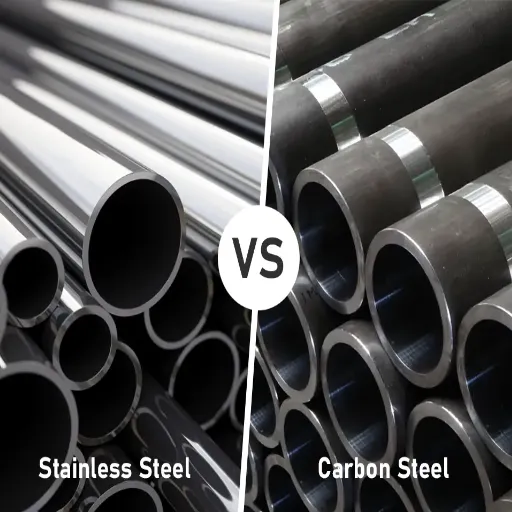
Main Distinctions Between Carbon Steel and Stainless Steel
The primary difference between carbon steel and stainless steel lies in their composition, properties, and application. Carbon steel is almost pure iron with a minor incorporation of carbon which gives the metal great strength and hardness; however, its poor resistance to rust is a major drawback. In contrast, stainless steel consists of iron and other metals with a very high proportion of chromium— at least 10.5% in most cases— that the oxide layer formed on the surface is so thin that it provides excellent corrosion resistance.
| Feature | Carbon Steel | Stainless Steel |
|---|---|---|
| Composition | Iron + Carbon (up to 2.1%) | Iron + Chromium (min 10.5%) + Nickel |
| Corrosion Resistance | Low – prone to rust | High – naturally rust-resistant |
| Strength | Very high | Moderate to high |
| Cost | Lower | Higher |
| Maintenance | Requires coatings/protection | Low maintenance |
| Aesthetics | Functional appearance | Sleek, modern look |
Durability and Corrosion Resistance
When it comes to durability and resistance to corrosion, stainless steel is a very good choice because it is the best material for resisting rust and environmental wear for the long term. This is due mainly to the chromium content which forms an oxide layer on the surface and thus prevents corrosion. Carbon steel, which is nearly twice as strong as stainless steel, will be less susceptible to corrosion, but this is only so if the surface is treated or coated properly.
Industry Insight: As per the recent reports, the industries that require reliability for a long time and very low maintenance are increasingly converting to stainless steel. The areas like marine engineering, medical devices manufacturing, and food processing all share the same opinion regarding stainless steel as the best material since it can withstand the toughest conditions. Carbon steel is still used in the production of tools and parts not subjected to corrosion because of its low price and good mechanical properties.
Typical Applications of Carbon Steel and Stainless Steel
⚫ Carbon Steel Applications
- Building and construction (beams, bridges)
- Oil and gas pipelines
- Automotive manufacturing
- Heavy equipment (cranes, excavators)
- Tools and cutting operations
- Machine parts
⚪ Stainless Steel Applications
- Medical devices and surgical instruments
- Food processing equipment
- Kitchen appliances
- Modern architectural buildings
- Solar panel frames
- Wind turbine components
Choosing the Right Type of Steel

When to Use Carbon Steel
✓ Choose Carbon Steel When:
- Strength is the priority: Applications requiring high load-bearing capacity such as beams, bridges, and buildings
- Budget is a constraint: Carbon steel offers excellent value for cost-sensitive projects
- Precision parts are needed: Automotive manufacturing and complex component production
- Tool durability is essential: Making hammers, screwdrivers, drills, and cutting tools
- Protective coatings can be applied: When you can maintain and protect the steel from moisture
When to Use Stainless Steel
✓ Choose Stainless Steel When:
- Corrosion resistance is critical: Exposure to moisture, chemicals, or high temperatures
- Hygiene is important: Food processing, healthcare, and medical equipment requiring non-porous surfaces
- Appearance matters: Modern buildings and consumer products where aesthetics are valued
- Low maintenance is desired: Long-term installations without regular upkeep
- Sustainability is a priority: High recyclability and long lifespan reduce environmental impact
Decision-Making Summary
When it comes to the direct comparison between carbon steel and stainless steel, the choice is often based on application, durability, and environment. The latest insights indicate that among the different types of steels carbon steel still holds the greatest share of the market due to its impressive strength and low price, thus making it suitable for use in construction, tool making, and automotive parts. Nevertheless, the lower chromium content in carbon steel leads to its being more rust prone if not properly maintained.
The primary reason for the demand of stainless steel is its non-corrosive property along with its stylish outlook. It is mainly the industries with high cleanliness and sanitation standards like food and medical industries that the material is preferred. The high-temperature and chemical resistant nature of stainless steel also adds to its acceptance in heavy-duty industries. In the end, it will always be the combination of performance criteria, price, and environmental factors that decides the choice.
Frequently Asked Questions
❓ Does carbon steel rust more easily?
Absolutely, carbon steel is an iron-carbon alloy without any chromium, which makes it rustier than stainless steel. Stainless steel is a corrosion resistant metal because of its chromium oxide layer which is unbreakable. Carbon steel, on the other hand, is not covered with such a layer so it is prone to rust and corrosion more in the humid or wet areas than stainless steel. Carbon content does affect the mechanical properties of the steel; high-carbon and medium-carbon steels can be difficult to work with, be more prone to rust and corrosion in the same environments as the less expensive stainless steels. Nevertheless, carbon steel is cheaper than stainless steel for all such applications that require trimming of the cost but at the same time, it will need coatings or maintenance to prevent rust and corrosion.
❓ What are the main differences between carbon and stainless steel?
The principal disparities occur in composition, resistance to corrosion, and mechanical properties. The carbon steel is rated according to its carbon content whereas certain grades of stainless steel include chromium and often nickel as well. Carbon content leads to the production of steel with different degrees of hardness and strength (high carbon steel is strong but less ductile than low carbon steel), on the contrary in the case of stainless steel, part of the strength is given up for the sake of corrosion resistance and cosmetic appeal. Different grades of carbon steel and stainless steel are obtainable for specific applications. Different grades of steel and steel alloys have been standardized by the American Iron and Steel Institute.
❓ How do the corrosion properties of stainless steel compare to those of carbon steel?
Stainless steel quality is primarily determined by its chromium content and excellent corrosion resistance. The top grades of stainless steel are specifically intended for areas where rusting and corrosion are major concerns. The hallmark of stainless steel is its great resistance to oxidation and staining compared to carbon steel, which is the main reason that this metal has found a place in kitchens, medical devices, and marine applications. Among different grades of stainless steel, austenitic is the preferred one because of its high toughness and non-magnetic property while the other grades have different combinations of strength and corrosion resistance. When making a decision between carbon steel and stainless steel, pay attention particularly to the buyers’ long-term maintenance costs and the expected environment of use.
❓ Is carbon steel stronger than stainless?
Despite the fact that the carbon content increases the strength and hardness, in some cases, carbon steel can surpass the strength of certain grades of stainless steel. Steel with medium and high carbon content is ideally suited for applications that require hardness and edge retention. However, strength is determined by the alloy and the heat treatment—a few stainless steels and alloys are made strong and at the same time resistant to corrosion. While making a choice of materials for applications such as structural components or blades, one should take into account, not only the physical properties of the materials but also their toughness, wear resistance, and corrosion behavior.
❓ When should carbon steel be selected instead of stainless?
If the main consideration is price, then carbon steel is the material to be chosen and hardening through heat treatment is the option to be taken. Carbon steel would probably be cheaper than stainless steel and its hardness could be increased with heat treatment. Carbon steel can be used in tools, springs, etc., with corrosion-resistant coatings, painting, or controlled atmosphere as the case might be. The knife industry has a special regard for high carbon steel because of its edge retention properties. It is to be noted that the total life cycle of steel products, the aesthetic aspect if the look of stainless steel is a preference, and the possibility of applying protective finishes that can be used on carbon steel to reduce rust and corrosion are all important factors to consider in making a decision.
❓ Is it true that high carbon steel rusts quicker than low carbon?
No, high carbon steel does not, because of its carbon content alone, rusts for a shorter time than low carbon steel; the main cause of rusting is alloying minerals not having protective ones like chromium and moisture and oxygen being the main cause. The higher carbon content does give the steel more hardness but it also decreases the steel’s ductility, which is precisely why high carbon steel is used for cutting tools and blades. Both high carbon and low carbon steels will still require surface protection to prevent corrosion and rust in comparison with stainless steel. When it comes to choosing between carbon steel or stainless steel for such items as a carbon steel knife, the user typically accepts more maintenance for the sake of edge performance.
❓ When connecting stainless steel to carbon steel, are there any additional considerations?
When fusing together stainless steel and carbon steel, one must consider the differences in thermal expansion, corrosion behavior, and metallurgical compatibility. This might mean implying dissimilar welding methods or filler materials so as to obviate galvanic corrosion and intermetallic compounds that are brittle. Generally, special filler alloys with similar corrosion resistance to that of the weld zone are mandatory for stainless steel and sometimes, even, post-weld treatments are performed solely for restoring the protective oxide layer of the stainless steel. During welding of certain grades, precipitation of carbide on the electrode may occur; hence, making a choice of the correct stainless grades and setting proper welding parameters is vital—particularly with austenitic stainless types. Engineers have no other option but to rely on standards from the American Iron and Steel Institute when selecting the right stainless steel grades or transition pieces to avoid issues. Joint designs and surface finishes that are good will obviate corrosion and rust during the service life of the parts.
❓ What are the main factors that influence rust behavior in different types of steel and grades?
There is a great difference in the performance of different types of steel and different grades of stainless steel as regards to corrosion—stainless steel grades with higher chromium and nickel are the ones that are rust resistant while plain carbon steels are the ones that lack such protection. Elements (chromium, nickel, molybdenum) are added to change the composition of steel alloys for the purpose of improving corrosion resistance, toughness, or machinability, and this is then followed by a comparison of stainless steel versus carbon steel influenced by the said compositional differences. The amount of carbon in the steel determines its mechanical properties: low carbon steels are very ductile and can be welded easily, medium carbon steels give the combination of high strength and ductility, and high carbon steels are hard but more brittle. In situations where corrosion and rust are problems, the correct types of stainless steel along with maintenance or coatings for carbon steel should be chosen. Familiarity with the properties of stainless steel and the environment where they are going to be used will tell if one can go for stainless steel or has to resort to carbon steel with protective measures.
📚 Reference Sources
- Metal Dusting Corrosion of Carbon Steel – Academic paper discussing various types of corrosion, including the rusting of carbon steel Read the paper here
- American Iron and Steel Institute Research – Research exploring the conditions under which carbon steel corrodes, focusing on relative humidity and oxidation rates Access the research here
- Virginia’s First Corrosion-Resistant ASTM A1010 Steel Plate Girder Bridge – Study examining the use of carbon steel in construction and its susceptibility to rust under specific conditions View the study here
🎯 Key Takeaways
✓ Carbon Steel DOES Rust
Without chromium protection, carbon steel oxidizes when exposed to moisture and air, requiring protective coatings.
✓ Strength vs. Corrosion
Carbon steel offers superior strength at lower cost, while stainless steel provides excellent corrosion resistance.
✓ Application Matters
Choose based on environment: carbon steel for dry, protected applications; stainless for moisture exposure.
✓ Protection is Essential
Modern coatings, VCIs, and proper maintenance significantly extend carbon steel’s lifespan and performance.