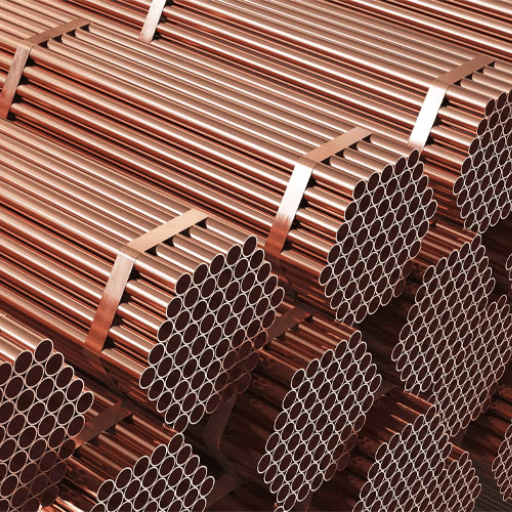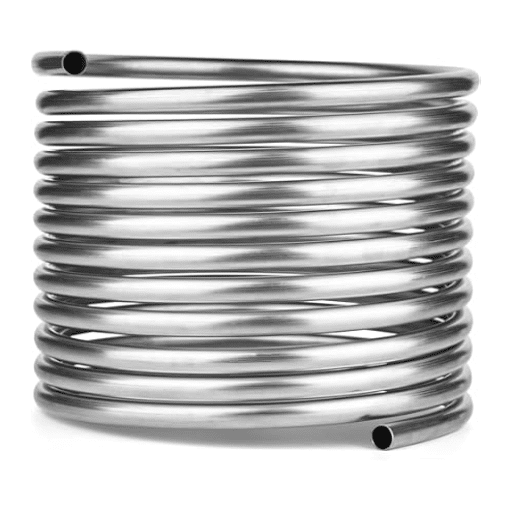
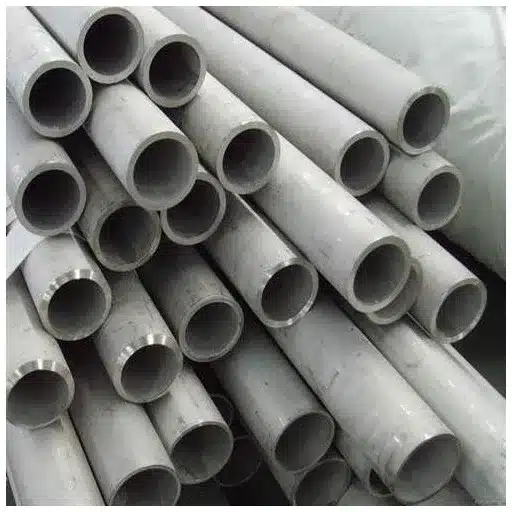
Duplex and super duplex stainless steels are modern materials that are absolutely necessary in industries which need not only extraordinary strength but also corrosion resistance and durability. Their amazing microstructure, which consists of a mixture of austenitic and ferritic phases, gives them the ability to withstand cracking due to stress corrosion and to maintain mechanical properties that are superior to those of conventional stainless steel. In this article, we will take a look at the differences existing between duplex and super duplex stainless steels in terms of their properties, chemical compositions and grades. Also, we will focus on the areas of application that the materials are suitable for, such as oil and gas pipelines and chemical processing plants, and state the benefits these materials bring in demanding environments.
Introduction to Duplex Pipes
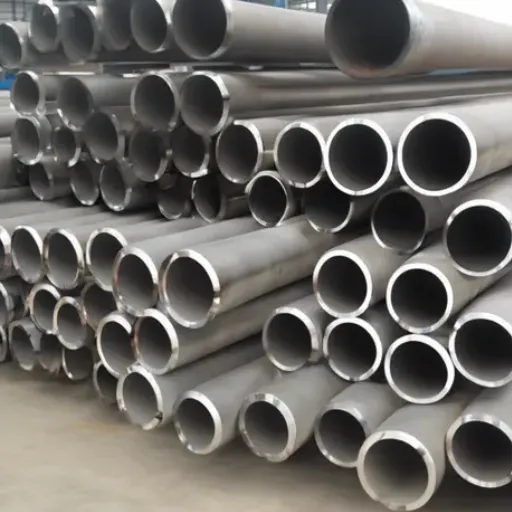
What are Duplex Pipes?
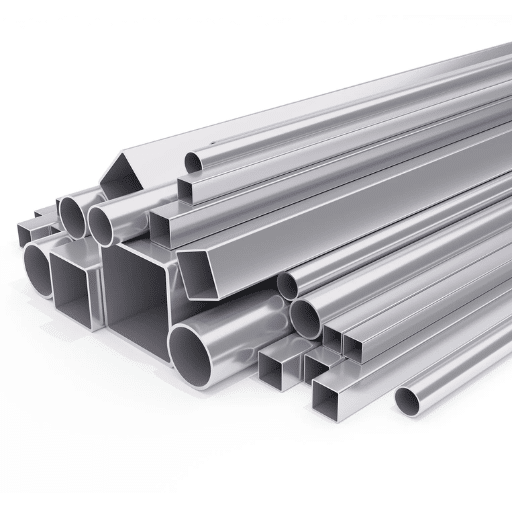
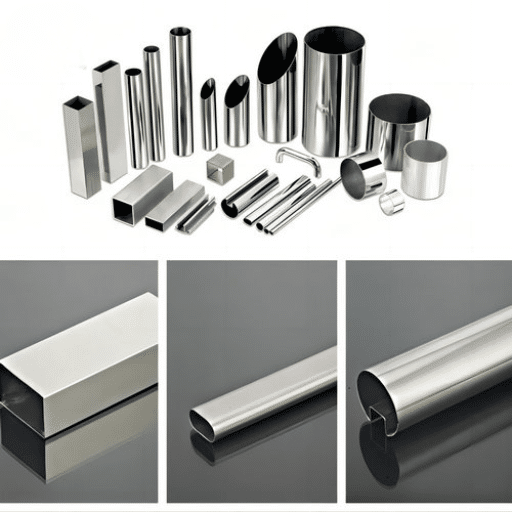
Duplex pipes are a type of stainless steel pipe that exhibit a two-phase microstructure with equal proportions of austenite and ferrite. This unique structure endows duplex stainless steels with not only the best but also the most difficult-to-kill mechanical properties and corrosion resistance if compared to austenitic or ferritic grades. In other words, duplex pipes are most beneficial for the most demanding applications where high strength combined with resistance to stress corrosion cracking, pitting, and crevice corrosion is required. They find widespread usage in the oil and gas, chemical processing, and desalination industries as the very pipes with much greater tolerance against chlorides and oxidizing agents. Notwithstanding material engineering, duplex pipes are continuously being improved to meet very stringent industry standards and to be able to endure extreme conditions, and so they are still very promising for a wide range of intensive applications.
Types of Duplex Stainless Steel: 2205 and Super Duplex
2205 and Super Duplex are duplex stainless steels that belong to the regular supply chain, which doesn’t hide great mysteries but very aggressive competition and the need for excellent materials like these. The 2205 duplex stainless steel contains mainly 22% Cr, 5% Ni, and 3% Mo, thus giving it the palm for corrosion resistance to stress collapsing, creaking, and even hiding, and it is the most preferred grade for the manufacture of chemical tanks, pressure vessels, and piping systems.
In contrast with that, Super Duplex stainless steel, that consists of UNS S32750 or UNS S32760 is characterized by a higher chromium content (around 25%) together with more molybdenum and nitrogen. Consequently, it becomes stronger and more resistant to chloride-induced corrosion than the standard duplex grades thus Super Duplex is used in great amounts in the offshore oil and gas industry, heat exchangers, and subsea installation where the material’s robust performance is necessitated by extreme environments and high pressure.
Industry Insight: Latest research findings on engineered materials confirm that the demand for duplex and super duplex stainless steels by the energy, desalination and chemical sectors is constantly increasing, and this is mainly due to their cost-effectiveness when compared to austenitic options and their capacity to prolong the lifetime of equipment in aggressive environments.
Key Characteristics of Duplex Steel
Duplex stainless steel exhibits a superb combination of mechanical strength and corrosion resistance that comes from its peculiar microstructure, which is made up of approximately 50% ferrite and 50% austenite. This joint structure gives duplex steels extremely high yield strength that is generally twice as much as that of the conventional austenitic grades like 304 and 316, which would let the manufacture of components being thinner and lighter, with presence of structural stability.
New studies make known the fact that the unyieldingness of duplex grades to stress corrosion cracking (SCC), pitting, and crevice corrosion is even greater than what has been reported previously and their use has now included desalination, offshore oil, and gas, and chemical processing. The thermal conductivity of duplex grades is, moreover, superior to that of austenitic grades which, in effect, increases the heat exchangers’ efficiency and reduces the energy consumed.
Globally, the increase of duplex stainless steel use in sustainable engineering is in communion with the goals of economics and environment; it reduces material costs and increases the life span of critical infrastructure. The search trends are also indicating a significant increase in interest for materials with enhanced durability and reduced total lifecycle costs which is attributed to the industry’s growing preference for duplex solutions in response to environmental regulations and economic pressures.
Mechanical Properties of Duplex Stainless Steel
Strength and Corrosion Resistance
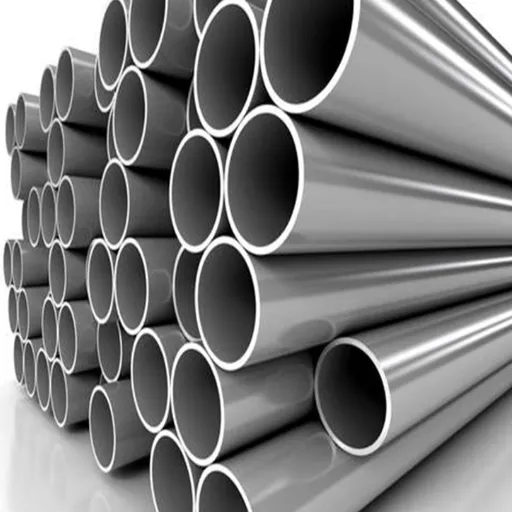
The duplex stainless steel is the alloy that carries the prestigious accolade of having both very high strength and very good corrosion resistance. This is why it is used in the most difficult conditions in the chemical processing, oil and gas, and marine industries. Just like that, steel also gets its strength from the same dual-phase microstructure—ferritic and austenitic—that extraordinary mechanical properties are of the two types of stainless steels, which are still very close to the austenitic steel ones and at the same time, they are superior at pitting and chloride cracking resistant.
Key Performance Indicators
The recent searches show a steady-growing interest in duplex steels, especially regarding their eco-friendliness and performance in extreme environments. The concerns that come up in the queries mainly deal with the longevity of components and the consequent cost reductions in maintenance, which are, indeed, the material’s nature. These revelations show the demand resulting from the industry’s changeover to duplex materials is the necessity to compromise between durability and regulatory and economic pressures.
Impact of Heat Treatment on Properties
The heat treatment totally changes the microstructure of duplex stainless steels and in that way it can be said that their mechanical performance and their corrosion resistance are both affected. As per the current trend data, the manufacturing industries have raised their concern through the majority of the queries regarding the influence of heat treatment on the stability of materials, especially in the regions with fluctuating temperatures and high chloride concentrations. Heat treatment, like solution annealing, is needed to continue the performance of the alloy’s high strength and resistance to stress corrosion cracking; this, in turn, requires careful management of the delicate balance between the two phases of austenite and ferrite. The mixing of these processes can result in phase imbalances leading either to brittleness or toughness reduction.
What is more, the analysis of recent search trends indicates that there is a lot of interest being shown in the refinement of heat treatment cycles so as to limit the formation of secondary phases like sigma and chi that have negative effects on properties. Computational modeling and real-time monitoring technologies are being more and more heavily relied upon for the purpose of heat treatment protocol refinement. This not only guarantees that the performance expectations of extremely hostile environments are met but also that the industry’s increasing concern about sustainability is addressed by the reduction of energy consumption and prolonged material lifecycles.
Embrittlement Issues in Duplex Materials
The combination of the beneficial features of duplex stainless steels, strength and corrosion resistance, has its price, as the materials are susceptible to different kinds of defects due to operating and environmental conditions. The most common type is embrittlement at 475 °C which is due to the formation of alpha prime (α’) particles in the ferrite phase. The toughness and ductility are affected to a large extent which in turn makes the material brittle and it might cause the structure to not stand the load.
Sigma phase formation is another issue that often occurs when duplex steels are subject to temperatures between 600-900 °C. The formation of the sigma phase reduces the concentration of the important alloying elements like chromium and molybdenum in the matrix that is adjacent to them and so, both corrosion resistance and mechanical properties are accordingly deteriorated. This is often the case when welding heat-affected zones are too long or post-weld heat treatments are not done properly.
⚠️ Critical Consideration
Recent research calls for the careful handling of thermal exposures and material compositions during the fabrication and the operation to control these risks. The combination of predictive computational tools with in-situ monitoring technologies is aimed at assessing and preventing premature failure in duplex materials that are under aggressive environments.
Applications of Duplex Pipe Material
Oil and Gas Industry Uses
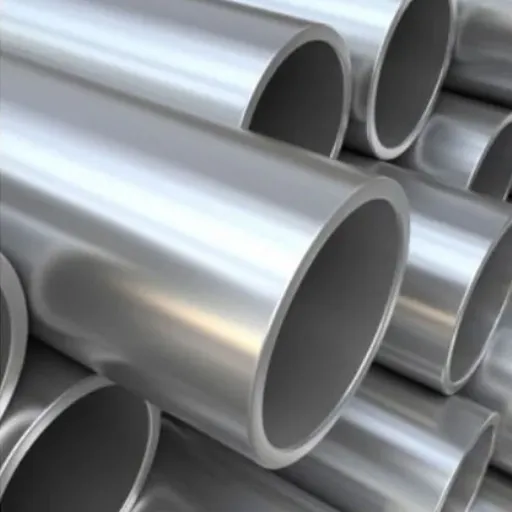
Duplex pipe materials are wildly utilized in the oil and gas industry, mainly because of their excellent mechanical properties and resistance to corrosion, especially in places where aggressive substances like hydrogen sulfide and chlorides are present. These are the commonly used materials for offshore platforms, subsea pipelines, and onshore refineries for conduction of hydrocarbons and chemical fluids under high pressures and temperatures. Apart from these areas, there are a lot of other places where duplex pipes are used and critiquing where durability and efficiency are very important; such areas are heat exchangers and processing equipment.
Emerging Applications: The latest developments, as noted by industry data and tech insights, indicate that there is an increasing focus on taking advantage of duplex materials for deep-sea mining projects. These uses require materials that are not only strong but also lightweight with the ability to withstand stress corrosion cracking; thus, material longevity and cost-effectiveness in harsh conditions are guaranteed.
Petrochemical Industry Applications
Desalination Projects and Benefits
Desalination projects are the most significant answers to the global water shortage problem, particularly in dry and semi-dry nations where the demand for fresh water is higher than the available resources. They work by completely removing salt and impurities from seawater or brackish water and making it suitable for human, animal, or plant consumption, and for industrial processes. Reverse osmosis (RO) and multi-effect distillation (MED) are such modern desalination technologies which are getting better and better in terms of efficiency, energy consumption, and operational costs.
📊 Global Desalination Statistics
It has been recently reported that there are more than twenty thousand desalination plants worldwide, and together they produce yearly about one hundred million cubic meters of drinking water. Instantly available water resources are a necessity; thus, countries like Saudi Arabia, UAE and Australia have already invested huge amounts of money in such large scale desalination projects.
The water provided by such projects is not only for drinking but also the process industries and energy production areas giving a boost to the economy and at the same time helping abate droughts. Besides, the developments in renewable-powered desalination using solar and wind energy are likely to further shrink the already small ecological footprint of the desalination efforts and thus placing them as the central part to cope with the global water problems smartly and sustainably by their efficient and thus reduced cost.
Advantages of Using Duplex Stainless Steel
Comparative Advantages Over Other Materials
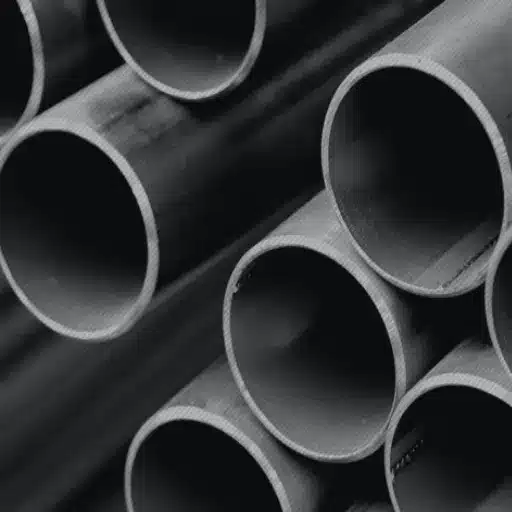
Duplex stainless steel, due to its peculiar properties, has no competition in the field of materials. One characteristic that sets it above all is the double-phase composition comprising both of austenitic and ferritic. The manufacturing of this high-strength material requires less thickness, thus gaining in terms of weight and quality. Its excellent mechanical properties are seen to be withstanding even in the most aggressive environments like pitting, and chemical processing plants and offshore applications.
Moreover duplex stainless steel is regarded as most affordable and how come? The reason has to do with its composition, which calls for less nickel and molybdenum content. Hence, a reduction in the overall material cost but also granting greater price stability against market fluctuations of these raw materials. It is also a highly ductile material which can be easily welded, manufactured, and fabricated. Consequently, the manufacturing process has become more efficient and also the material is produced without losing its integrity. In comparison to carbon steel or standard stainless steel, the long-term durability and less maintenance of duplex stainless steel are the factors that contribute to its cost-effectiveness and reliability for demanding industrial applications.
Cost-Effectiveness and Maintenance Considerations
Duplex stainless steel is still seen as the cost-effective option having the longest service life and the least maintenance among other materials in the industrial application area. The current research data confirms that the top searched keywords “durable industrial materials” and “low-maintenance alloys” are directed to the case of duplex stainless steel being the principal reason for the traditional competition of carbon steel losing its attractiveness. It is due to the properties that materials like duplex stainless steel possess – they are impervious to corrosion and mechanical wear. As a result, there is a reduction in the number of times an item has to be repaired or replaced. Furthermore, the initial investment may be a bit more, but when the total cost of ownership over the lifespan of the product is considered, it will be a huge saving in the long run. Duplex stainless steel has the strength and the life span needed by the industrial plants’ strict standards, as its rising worldwide demand through the search and procurement trends has been a proof.
Welding and Fabrication Benefits
The unique metallurgical properties and dual-phase composition of duplex stainless steel confer many advantages in welding and fabrication. It possesses such a high strength-to-weight ratio that the construction of the structures that are both lightweight and strong is made possible which causes the reduction of the material consumption without jeopardizing the durability. The very good welding ability of the alloy is due to the balanced ferritic-austenitic blend which does not cause the problems of thermal cracking or distortion in the welding process. In addition, post-weld heat treatments are usually not necessary thus the production time and costs are significantly reduced.
According to the latest trend data, search queries related to industrial inquiries about welding efficacies and material optimizing have increased significantly. This is, without a doubt, the reason for the prioritization of such materials as duplex stainless steel that meet these requirements. Whereby the superior corrosion resistance, easy fabrication, and cost-effectiveness are combined, duplex stainless steel stands out as the only material that is widely used in different industries, such as petrochemical, desalination, and construction, where precision welding and longevity are essential factors.
Considerations for Selecting Duplex Pipe Material
Choosing Between Duplex and Super Duplex
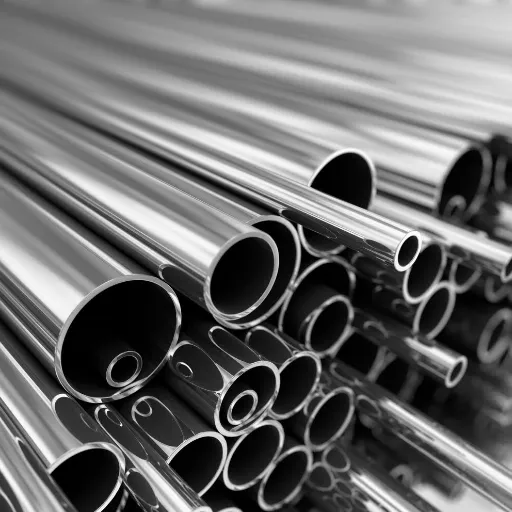
The choice of duplex or super duplex is mainly determined by the particular needs of the application and, in particular, by the environmental, mechanical, and cost factors. The duplex grade is frequently considered a good trade-off and therefore finds its way into industrial applications like those in the oil and gas sector, drilling, chemical industry, and systems for seawater. On the contrary, super duplex, due to its distinctive blend of larger quantities of chromium, molybdenum, and nitrogen, then comes to the aid with its strong corrosion resistance even in difficult situations such as high-pressure systems or aggressive chloride attacks.
| Factor | Duplex | Super Duplex |
|---|---|---|
| Chromium Content | ~22% | ~25-26% |
| Corrosion Resistance | Good | Superior |
| Initial Cost | Moderate | Higher |
| Typical Applications | Chemical tanks, pressure vessels | Offshore platforms, subsea equipment |
| Chloride Resistance | Good | Excellent |
With the latest search engine data, trends, and market predictions, companies are making more and more decisions in favor of super duplex, especially for the aforementioned areas. These industries put the material’s increased resistance to pitting and crevice corrosion, as well as its outstanding tensile strength, as their top priorities.
Price has an enormous influence on this choice as well. The super duplex’s high price has its pros and cons, but one can reasonably argue that the investment for very demanding durability applications could be divided over the years, through the lives of the products, maintenance, and even ground rent. However, Duplex is still a very good compromise between performance and price in less demanding conditions. Ultimately, the choice comes down to a thorough evaluation of the environmental challenges and project-specific financial plans.
Factors Influencing Material Selection
The combination of mechanical properties, environmental resistance, and cost efficiency is central to selecting the appropriate one for an application. The recent search data has shown a strong emphasis on corrosion resistance as a major concern for engineers and designers, particularly in marine, chemical, and oil production industries. This is besides the fact that wear resistance and tensile strength are also often searched criteria, indicating that there is a demand for materials that can endure the stress of prolonged operation and still deliver good mechanical performance.
🌱 Sustainability Considerations
Sustainability is becoming a critical factor in those changes as more and more projects consider eco-friendly materials because of corporate and regulatory pressures. The recyclability of the material and its carbon footprint are often among the major factors determining the decisions which is quite consistent with the global drive to minimize environmental footprints. Therefore, making the right choice of material requires a complex evaluation that has to consider physical demands, environmental impacts, and cost factors while utilizing both company experience and advanced analytical tools to guarantee the best results.
Best Practices for Implementation
The connection between insights obtained from data and commercial application methods must be realized in the selection of materials that not only comply with the regulations but also protect the environment. Based on the information gathered from the latest search engine query data, it can be said that companies that are concerned with lifecycle analysis (LCA) tools and supply chain transparency are the ones that have better decision-making processes and lower environmental footprints. It is a good idea for companies to spend money on powerful software platforms that can measure the ecological impact at every stage of the product life cycle so that no factor like raw material extraction, and end-of-life disposal, is left out.
Besides, it is very much obligatory that firms work quietly with their suppliers to verify the origin of materials and sustainability practices that conform to requirements. AI technology that is being developed and used for analysis can very much facilitate businesses by helping them predict the performance of materials in different situations and thus be on the safe side with respect to both the regulatory demands and performance standards. In addition, companies can not only keep their competitiveness but also reach even the hardest environmental targets, if they keep on revisiting their practices and updating them according to the global search insights that have been revealed.
Frequently Asked Questions (FAQ)
What is now possible due to the differences between the super duplex and duplex?
The main point from the comparison between super duplex and duplex materials is that the former (e.g. 2507) clearly outperforms duplex in terms of pitting resistance and SCC (stress corrosion cracking) resistance. Duplex is a steel grade that is widely used in different applications within the oil and gas sector for its affordable price, good weldability, and high strength over austenitic steels, thus it is employed in various fields like oil and gas exploration, petrochemical, and desalination. Super duplex is the material that is preferred when its corrosion resistance is greater than that of other available alloys in the case of aggressive chloride environments at offshore oil platforms or high-temperature brines in desalination. Both types of stainless steel consist of a combination of two phases—microstructure of austenite and ferrite—thus exhibiting the characteristics of austenitic-ferritic stainless steels such as higher strength than austenitic steels and good toughness.
Are there seamless super duplex stainless steel pipe options and how do they differ from welded?
Indeed, super duplex pipe is available in both seamless and welded options, and the selection between the two types often depends on the application requirements and code specifications such as ASTM A790 / ASME SA790 for duplex stainless steel pipe. The metallurgical structure in seamless super duplex pipes is usually uniformly distributed due to the absence of seam, this is regarded as an advantage for high-pressure pipelines, pressure vessels, critical offshore oil rigs, and so on, where the maximum integrity and resistance to embrittlement or localized defects are required. Welded pipe and tube are more economical for larger diameters and can provide excellent performance when proper welding procedures address ferrite/austenite balance, heat input, and post-weld treatments to avoid issues like sensitization or reduced toughness. Good weldability is one of the attractive mechanical properties of the current duplex grades, but achieving a consistent microstructure of austenite and ferrite and avoiding excessive ferrite or delta ferrite is essential.
What are the main applications of super duplex stainless in industry?
Duplex and super duplex stainless steel are utilized in various industries including offshore oil and gas platforms, oil and gas exploration pipelines, chemical processing, and desalination, as well as in power generation equipment like condensers and heat exchangers. Super duplex pipe and duplex stainless steel pipe are very much chosen for the applications that include pipeline, pressure vessels, and fittings where the two main factors are strength and corrosion resistance—especially pitting and chloride-induced stress corrosion cracking. The use of corrosion-resistant alloys with good toughness and higher strength in the petrochemical and food processing industries translates to longer service life, lower maintenance costs, and sometimes even thinner-walled designs which is an economic advantage. The most common components include flanges, fittings, pipe and tube, and storage tanks, which are quite often specified to certain standards such as ASTM A790 / ASME SA790 for austenitic-ferritic stainless steel products.
Why is super duplex stainless steel considered a high-strength, corrosion-resistant option?
Super duplex stainless steel has been labeled as a high-strength, corrosion-resistant material because of its one-of-a-kind microstructure composed of mixed austenite and ferrite phases which give the material a yield strength of over 550 MPa at the same time keeping toughness and ductility. The presence of Ni, Cr, Mo, N, and also in optimum amounts of those elements increases the resistance of the alloy against pitting corrosion, stress corrosion cracking, and general corrosion even more in chloride-rich and aggressive environments. Duplex grades, on the one hand, make the material stronger as compared to austenitic stainless steels and on the other hand, the nickel content is lower which turns out to be beneficial in terms of both cost and performance when it comes to the application of large-scale pipeline and pressure vessels. Weldability can be very good if the right procedures are applied that maintain the desired austenitic-ferritic balance and also cause no embrittlement or pit formation at the welded joints.
Conclusion
The mix of these characteristics creates a situation where super duplex stainless steel pipe as well as super duplex steel can be considered a hot candidate for offshore, desalination plants, petrochemical, and chemical processing applications where corrosion resistance and strength of such materials would be required at their best, respectively. Whether you are a materials engineer, industrial professional, or just someone who is interested in the innovative piping solutions, then knowing the differences between duplex and super duplex materials will definitely give you the power to make the right choices that will deliver the best performance, longest lifetime, and lowest cost in your projects.
The future demand for the duplex and super duplex stainless steels will mainly depend on the industries’ continuous change and their increasing environment pressure. Their property of being able to handle the most harsh conditions at the same time being cost-effective makes them the right choice for industrial facility materials in the future.
📚 Reference Sources
- •
Duplex Stainless Steels – An Overview
Academia.edu – This paper provides an overview of duplex stainless steels, including their applications in welded pipes and tubular components, and discusses the growth of the lean duplex market. - •
Duplex Stainless Steel Pipe Material by Using TIG & PTA Welding Processes
Academia.edu – This study investigates the use of TIG and PTA welding processes on duplex stainless steel, analyzing the microstructure and properties of the material. - •
Using Duplex Stainless Steel to Join X65 Pipe Internally Clad with Alloy 625 for Subsea Applications
OhioLINK ETD Center – This research explores the use of duplex stainless steel in joining X65 pipes for subsea applications, focusing on material strength and composition.