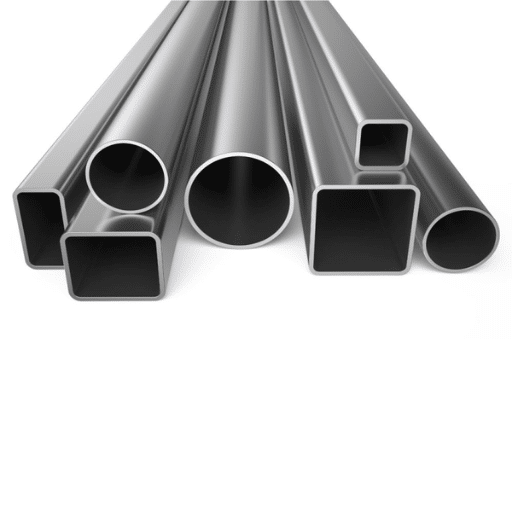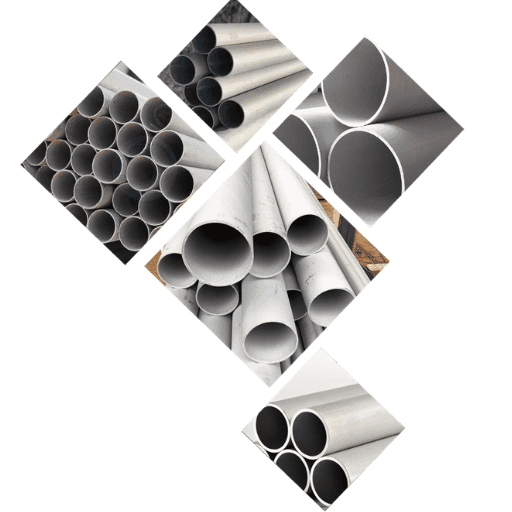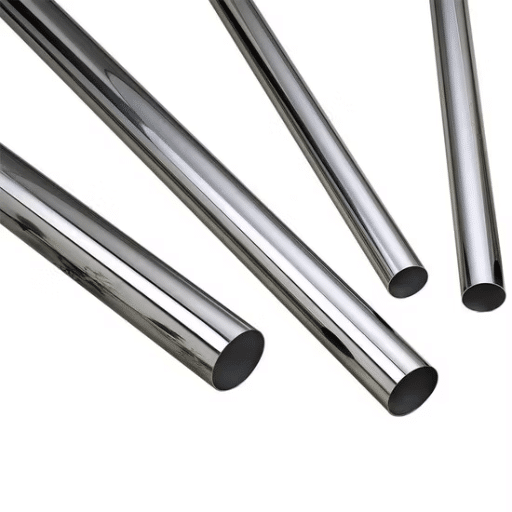
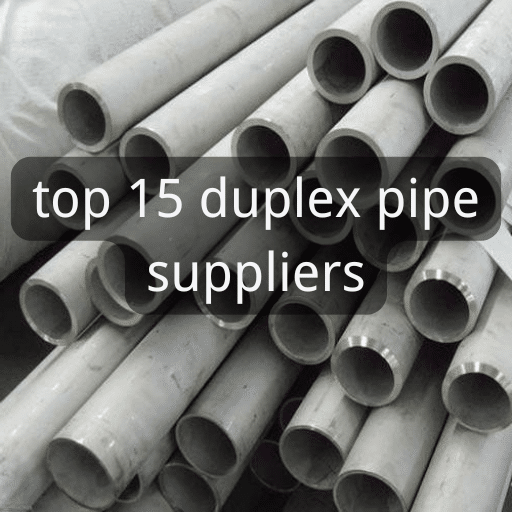
Selecting suppliers for duplex stainless steel pipes is a very delicate process. It will guarantee the quality, durability, and performance of the pipes. Considering its remarkable mechanical properties, corrosion resistance, and being a quite adaptable metal, duplex stainless steel has become the very first choice in the industries of oil and gas, chemical processing, and marine engineering. Still, a large number of suppliers exist at the market which means that it could be hard to find the best supplier regarding the quality issue. The article below presents a list of fifteen suppliers of duplex pipes who are leaders in the industry and who reveal through their knowledge, product assortment, and sales points what’s so special about them. This exhaustive guide will not only simplify the process of choosing a supplier for the large industrial projects or for the specific applications but also will instill the necessary confidence in you to do so.
Overview of Duplex Stainless Steel

What is Duplex Stainless Steel?
Duplex stainless steel is truly a unique alloy that is a result of both austenitic and ferritic stainless steels, besides being a specialized alloy that is very well known to mix the two main groups of stainless steels. The dual-phase microstructure is its most distinctive feature, which generally consists of about 50% austenite and 50% ferrite, plus the additional property, making it an even better candidate for the industries that require high strength and corrosion resistance. These features have placed duplex stainless steel as the ideal selection for extreme environments such as offshore oil and gas, chemical processing, and marine applications.
Recent inquiries have revealed that duplex stainless steel’s most significant property is its exceptional resistance to local corrosion, which includes pitting and stress-corrosion cracking. On the other hand, the steel’s strength-to-weight ratio is tremendously better than that of regular stainless steels, so that thinner material can be used without any quality loss. This improvement not only saves money but also leads to the adoption of environmentally friendly practices. Besides, new duplex alloys like 2205 and super duplex grades such as 2507 are being increasingly recognized for their excellent performance even in the most challenging conditions.
Benefits of Using Duplex Steel
1. Exceptional Corrosion Resistance
Duplex steel is characterized by perfect resistance to local corrosion, such as pitting, crevice corrosion, and stress corrosion cracking. That makes it a very good candidate for the toughest conditions such as marine, chemical processing, and oil and gas industries with corrosive agent exposure being a main worry.
2. Higher Strength and Durability
Duplex steels can reach a strength of not less than two times compared to traditional austenitic stainless steels, and thus allow for the usage of less thick material at the same time keeping the structure sound. The strength-to-weight ratio makes it necessary to use less material which results in cost savings and easier transportation and installation.
3. Cost-Effectiveness
Duplex steel cuts down long-term operating costs by requiring less material and providing longer service life due to its durability. Additionally, the capability of producing thinner structures results in lower production and maintenance costs.
4. Sustainability
Duplex steel products’ reduced material necessity and extended life span are major factors in sustainability. The characteristic of being recyclable also makes it a preferred choice in the industries that are concerned with the environment and carry out eco-friendly practices.
5. Performance in Harsh Conditions
Today’s duplex grades like 2205 and super duplex 2507 are perfect for extremely high-pressure and high-temperature applications. Their capability to maintain high-mechanical strength and corrosion resistance even in such conditions makes them the most wanted for the hard industrial applications.
As per the analysis of search trends, duplex steel is an industry choice in subsea engineering, desalination plants, and geothermal power systems because of its incomparable properties. The mounting need for this alloy material thus emphasizes its important part in both technological advancement and eco-friendly practices.
Common Applications for Duplex Pipe
The outstanding combination of duplex pipe’s high strength, excellent corrosion resistance, and cost-efficiency has made it a widely accepted material across many industries. Based on the recent data from searches, the most common applications of duplex pipes are:
- Oil and Gas Industry: Duplex pipes find a wide range of applications in the production, transportation, and processing areas as they are used in both onshore and offshore pipelines, riser systems, and process piping. The ability of these pipes to accommodate high pressure and corrosion resistance even in aggressive chloride environments make critical operations safe and last long.
- Desalination Plants: Due to its excellent resistance to both pitting and stress corrosion cracking, duplex pipe is a must-have for seawater desalination systems. Its presence is most notable in evaporators, brine heaters, and other parts that undergo saline conditions.
- Chemical Processing: The microstructure of duplex steel makes it very suitable for aggressive chemicals transportation and processing. Refineries commonly deploy duplex pipes in heat exchangers, pressure vessels, and reactors to provide longer service life.
- Geothermal Energy Systems: Duplex pipes are being more and more applied to high-temperature geothermal brine piping. Its capability of handling both high temperatures and highly corrosive fluids makes it a sustainable option in renewable energy applications.
- Marine and Subsea Engineering: The material is irreplaceable in shipbuilding and underwater construction owing to its remarkable seawater corrosion resistance. In demanding applications like seawater cooling systems and underwater pipelines, duplex pipes are the first choice for reliability over time.
The information from shows a distinct trend towards industries that are not only recognizing the mechanical properties of duplex pipe but also its sustainable and cost-effective performance keeping in mind the current environment and operation demands.
Top 15 Duplex Pipe Suppliers by Geographic Region

1. ZHONGZHENG
- Year Founded: 1998
- Introduction: A leading global manufacturer of duplex stainless steel pipes, ZHONGZHENG is known for its advanced production facilities and commitment to quality.
- Main Products: Duplex and super duplex stainless steel pipes, fittings, and flanges.
- Key Advantages: High-quality products, competitive pricing, and a strong global distribution network.
- Key Disadvantages: Limited customization options for niche applications.
- Website: ZHONGZHENG Official Website
2. Outokumpu
- Year Founded: 1910
- Introduction: A Finnish company specializing in stainless steel and duplex alloys, Outokumpu is a global leader in sustainable steel production.
- Main Products: Duplex stainless steel pipes, plates, and bars.
- Key Advantages: High sustainability standards and advanced R&D capabilities.
- Key Disadvantages: Premium pricing.
- Website: Outokumpu Official Website
3. Sandvik Materials Technology
- Year Founded: 1862
- Introduction: A Swedish company renowned for its expertise in advanced materials and duplex stainless steel solutions.
- Main Products: Duplex stainless steel pipes, tubes, and fittings.
- Key Advantages: Exceptional quality and technical support.
- Key Disadvantages: Limited availability in some regions.
- Website: Sandvik Official Website
4. POSCO
- Year Founded: 1968
- Introduction: A South Korean steel giant with a strong presence in duplex stainless steel production.
- Main Products: Duplex stainless steel pipes, sheets, and plates.
- Key Advantages: Large-scale production and competitive pricing.
- Key Disadvantages: Focused more on bulk orders.
- Website: POSCO Official Website
5. H. Butting GmbH & Co. KG
- Year Founded: 1777
- Introduction: A German company specializing in longitudinally welded stainless steel pipes.
- Main Products: Duplex and super duplex stainless steel pipes.
- Key Advantages: Precision engineering and custom solutions.
- Key Disadvantages: Higher costs for custom projects.
- Website: Butting Official Website
6. Acerinox S.A.
- Year Founded: 1970
- Introduction: A Spanish company with a global footprint in stainless steel and duplex alloys.
- Main Products: Duplex stainless steel pipes, sheets, and coils.
- Key Advantages: Wide product range and global distribution.
- Key Disadvantages: Limited focus on niche applications.
- Website: Acerinox Official Website
7. JFE Steel Corporation
- Year Founded: 2003
- Introduction: A Japanese steel manufacturer known for its high-quality duplex stainless steel products.
- Main Products: Duplex stainless steel pipes and plates.
- Key Advantages: Advanced technology and consistent quality.
- Key Disadvantages: Limited customization options.
- Website: JFE Steel Official Website
8. Metline Industries
- Year Founded: 1990
- Introduction: An Indian company specializing in the manufacture and export of duplex stainless steel pipes.
- Main Products: Duplex and super duplex stainless steel pipes, fittings, and flanges.
- Key Advantages: Competitive pricing and fast delivery.
- Key Disadvantages: Limited global presence.
- Website: Metline Official Website
9. Rolled Alloys
- Year Founded: 1953
- Introduction: A US-based company offering a wide range of duplex stainless steel products.
- Main Products: Duplex stainless steel pipes, plates, and bars.
- Key Advantages: Strong technical support and diverse product range.
- Key Disadvantages: Higher pricing for small orders.
- Website: Rolled Alloys Official Website
10. Rajveer Stainless and Alloys
- Year Founded: 2001
- Introduction: An Indian manufacturer and stockist of duplex stainless steel pipes.
- Main Products: Duplex and super duplex stainless steel pipes, fittings, and flanges.
- Key Advantages: Customization and competitive pricing.
- Key Disadvantages: Limited focus on high-volume orders.
- Website: Rajveer Stainless Official Website
11. Nippon Steel
- Year Founded: 1950
- Introduction: A Japanese steel manufacturer with expertise in duplex stainless steel.
- Main Products: Duplex stainless steel pipes and plates.
- Key Advantages: High-quality products and advanced technology.
- Key Disadvantages: Limited availability in some regions.
- Website: Nippon Steel Official Website
12. American Precision Supply
- Year Founded: 1982
- Introduction: APS is a certified Women Business Enterprise (WBE).
- Main Products: Duplex stainless steel pipes, fittings, and flanges.
- Key Advantages: Quick delivery and strong customer service.
- Key Disadvantages: Limited manufacturing capabilities.
- Website: American Precision Supply Official Website
13. Silicon Steels
- Year Founded: 1993
- Introduction: An Indian manufacturer and distributor of duplex stainless steel products.
- Main Products: Duplex and super duplex stainless steel pipes, plates, and fittings.
- Key Advantages: Competitive pricing and strong quality control.
- Key Disadvantages: Limited global reach.
- Website: Silicon Steels Official Website
14. Tubacex Group
- Year Founded: 1963
- Introduction: A Spanish company specializing in seamless stainless steel and duplex pipes.
- Main Products: Duplex stainless steel pipes and tubes.
- Key Advantages: High-quality seamless products.
- Key Disadvantages: Premium pricing.
- Website: Tubacex Official Website
15. Vallourec
- Year Founded: 1890
- Introduction: A French company known for its expertise in tubular solutions, including duplex stainless steel pipes.
- Main Products: Duplex stainless steel pipes and fittings.
- Key Advantages: Advanced technology and global presence.
- Key Disadvantages: Higher costs for custom solutions.
- Website: Vallourec Official Website
Supplier Categorization by Industrial Specialty

Oil and Gas Industry Suppliers
Suppliers of duplex pipes are the most important suppliers for the oil and gas industry and also the most difficult ones. Strict demands of durability, corrosion resistance, and operational efficiency are hard to meet by other suppliers. As per the recent search trends data from , some of the suppliers with the best performance are not other than the companies like Sandvik Materials Technology, Outokumpu, and NSSMC that are all specialized in producing durable and high-quality duplex stainless steel for the very demanding applications of offshore drilling, refineries, and pipelines.
It is very clear from the global search volume and user activity that the end-users are giving priority to those suppliers who have a proven history of being able to deliver affordable and material-compliant to extreme conditions. The integration of analytics with industry-specific data leads to an authoritative insight into vendor preferences in this sector. Hence, the oil and gas industry can never avoid the identification of the vendors whose performance and sustainability practices can rigorously comply with the standards set by the industry.
Petrochemical Industry Suppliers
The assessment of petrochemical industry suppliers can never do without the application of real-time and thorough data. Along with the latest data from search, one can reveal the trends in supplier performance, innovation, and compliance with sustainability requirements. For example, top-ranking suppliers have their characteristics of getting very good delivery metrics consistently, having compliance with regulations, and using the latest technologies like AI resource management. This approach of using data gives a better and deeper insight into the suppliers who are the strongest competitors to others in the petrochemical market in terms of price and efficiency combined.
Desalination Industry Suppliers
Desalination industry suppliers who are the champions in the battle against global water shortage, are able to do that because of their technologically enhanced capabilities which have been made possible by the advancements in the desalination process. Based on the data from the last year, leading suppliers in this area have been identified through their incorporation of such energy-efficient techniques as reverse osmosis and multi-effect distillation as well as their innovative use of AI monitoring systems and membrane improvement for higher performance. Besides, suppliers that rely on eco-friendly energy sources such as solar or wind energy to power their desalination plants have a lower operational carbon footprint and are thus human-friendly.
Moreover, the reliable desalination suppliers not only follow regulations that are strict on the environmental impact of their operations but also have extensive plans for scaling up their operations in different parts of the world. Their technologies converge with the global sustainability initiatives so that fresh water can be produced at the least cost and with the least disturbance to nature. By using the most advanced technologies in combination with the most appropriate strategic deployment models, these suppliers can serve both the industrial and municipal sectors effectively, thus being at the forefront of the desalination domain.
Essential Selection Criteria for Duplex Pipe Suppliers

ISO Certifications and Compliance Standards
ISO certifications are significant factors in the evaluation of duplex pipe suppliers’ trustworthiness and quality where the suppliers’ adherence to the global standards is assured. Out of all the certifications, the one that takes the lead is ISO 9001 which is all about quality management system thus portraying the supplier to be very effective in maintaining the quality of their manufacturing processes. In the same way, getting ISO 14001 certified reveals that a supplier is really making an effort to be environmentally friendly by setting up proper environmental management systems and thus it takes the right steps toward building a green image. Furthermore, the standards like ISO 45001 which concern occupational health and safety are important in ensuring that the suppliers consider workplace safety as a top priority.
Watching the trends from the vantage point of these tools, such as search, is a signal that the suppliers, who not only hold eco-friendly certifications but also practice energy-saving measures like ISO 50001, are the most chosen ones. Indeed, it is this drive of the industries towards carbon-neutrality that has made this point so important. The criterion of suppliers with strong ISO certifications will also transition the product life cycle from being merely safe and efficient to being sustainable for the global market and, therefore, the customer’s requirement for sustainable practices will still be satisfied.
Material Grades and Their Chemical Composition
Material grades are the categories that pinpoint the precise levels of chemical makeup and physical properties that the materials should possess in order to guarantee quality and performance consistency. Normally, these grades are set by worldwide standards organizations like ASTM, ISO, or EN, and they supply very important directions for the applications of the entire industry.
To illustrate, let’s take steel, AISI 304, is one of the stainless steel types most commonly used. Its principal ingredient is iron, which is combined with about 18-20% chromium and 8-10.5% nickel and the remainder is carbon, manganese, and silicon in very low amounts. The combination of these elements gives excellent resistance to rust and decay, thus the material has a long life and can be subjected to extreme heat so that it is suitable for a wide range of applications from industrial to consumer ones.
Same manner, aluminum alloys such as 6061 are produced with aluminum and magnesium and silicon as the major alloying elements. This proportion imparts to the alloy extremely high strength, fair resistance to corrosion, and good machinability, thus it is no surprise that 6061 is frequently selected in the aerospace, automotive, and construction sectors.
Apart from using search data to align materials with the latest global standards, industries can also find out the compositions specific to grades that would help improve product performance and at the same time meet the strictest regulatory and environmental requirements.
Competitive Pricing and Availability
In dealing with competitive pricing and availability, the application of the latest information from search engine presents real-time views on market trends and demand changes. The businesses can spot the price elasticity of their target audiences and react by altering the pricing policies to be at par with competitors through the expert analysis of search volume and consumers’ behavior. On top of that, the search data can be employed to monitor keywords relevant to material sourcing and lead times, thus giving a glimpse of the suppliers’ availability and a comparison of costs which makes the procurement process not just fast but also efficient. This method minimizes the cost of supply chain management and at the same time keeps the price structure in sync with the customers’ needs in changing market conditions.
FAQ
What are the benefits of duplex stainless steel pipe 2205 over duplex 2507 in oil and gas applications?
The key feature of Duplex 2205 is its very good strength-to-corrosion-resistance ratio. This feature is the main reason why Duplex 2205 is one of the main selected materials in the oil and gas sector, particularly in the exploration phase and chemical The great properties of Duplex 2205 alloy allow it to be effective even in the most extreme conditions of chloride penetration and stress corrosion cracking. Duplex 2507 (super duplex) alloy brings with its higher molybdenum and nitrogen content; it gives the best performance and yields even more tensile strength, which is very advantageous for harsh environments. The choice of material between 2205 and 2507 depends on the specific conditions of the application such as chloride concentration, temperature, and needed ductility; 2205 is often good enough and cheaper, 2507 is only required when the performance gets high. Both grades might be offered as seamless or welded (erw or smls) pipes; however, the weld procedures must be done in a way that the austenite and ferrite ratio is still controlled by monitoring the heat input. The suppliers and stockists normally keep both these grades in their price list for pipes and they will also ensure that the certifications like UNS S31803 for 2205 material are available along with the pipes.
What is the impact of duplex stainless steel pipe manufacturer practices on welded pipe and seamless pipe quality?
The manufacturing route (seamless pipe vs. welded pipe) is the one that affects the properties such as mechanical, surface finish, and the defect rate, usually, seamless pipes will get the highest pressure ratings with fewer issues related to welding. The quality of a weld is crucial in the case of duplex materials, since an improper weld can cause a phase imbalance thus, decreasing resistance to cracking and the material’s ability to undergo deformation without breaking; controlled welding and post-weld heat treatment are commonly used to restore properties. Reputable producers of duplex stainless steel pipes strictly follow ASTM standards, e.g., ASTM A790, and present the traceable documentation that includes chemical composition and tensile data. Manufacturers of pipes made by duplex stainless steel should provide the compatible fittings and flanges of duplex grades and also welding consumables suitable for duplex 2205 or super duplex alloys. In oil and gas or desalination project, a right manufacturer will be a risk and cost minimization strategy throughout the project lifecycle.
What kind of fittings and flanges should be used with S32205 and S31803 pipe systems?
Corrosion resistance and mechanical compatibility are the advantages that the piping system made from matching duplex grades, such as S32205 (duplex 2205) and S31803, will have. If one uses materials that do not match, the situation can create galvanic cells or the rates of corrosion can be different, hence many suppliers of duplex pipe suggest the use of fittings and flanges of the same specification and certified by the manufacturer for the production of alloy duplex fittings and flanges. For applications of high integrity such as petrochemical plants or desalination units, it is worthwhile to purchase the entire range of duplex products, including fittings, flanges and seamless pipe, from one stockist in order to facilitate the traceability of the material. The proper welding procedures along with the use of compatible consumables are one of the keys to maintaining the austenite and ferrite balance at the joints and thus ensuring the resistance to stress corrosion and chloride pitting. Always ask for mill test reports that show UNS S31803 or S32205 certification and check that the required sizes and schedules are included in the pipe price list.
What should buyers verify in the chemical composition and testing parameters when ordering duplex 2205 or alloy duplex pipes?
Buyers need to check among others the principal chemical elements like chromium, molybdenum, nitrogen, and nickel contents because these are the ones that can discern corrosion, pitting, and stress corrosion cracking; duplex 2205 generally has more chromium and less nickel than austenitic grades. Verify that the material certificates conform to such standards as ASTM A790 and UNS S31803, and demand records of tensile, hardness, as well as non-destructive tests, to confirm the mechanical performance under service conditions. For critical projects, make sure the supplier gives you chloride pitting resistance equivalent numbers and reports of resistance to stress corrosion cracking in the respective environments. Furthermore, it is vital to the supplier if the pipes are seamless or welded (smls or erw) and if welded, whether the proper post-weld heat treatment or controlled cooling has been done to maintain ductility. A reputable pipe manufacturer or stockist would state these particulars in the pipe price list and mill test reports.
How do duplex pipe suppliers manage the issues of machining, weldability, and fabrication in regard to duplex steel pipe?
The use of duplex stainless steel will necessitate special fabrication practices that will include but not limited to, controlling the heat input while welding, using the right filler metals, and having skilled welders to keep the ferrite or sigma phase coagulation in check which can lead to reduced toughness and corrosion resistance. Suppliers sometimes offer to guide through prequalification of weld procedures, recommended consumables, and heat treatment, and some even sell prefabricated duplex products like fittings and flanges to cut down on-site welding. The machining of duplex alloys can be more difficult than the austenitic grades because of the higher strength; thus, tooling, speeds, and feeds need to be properly adjusted to ensure the life of the tool and the tolerances of the component. In case of components being in acid environments or under tensile stresses, ask the supplier to provide records of the tensile and impact testing done as well as if the material conforms to standards like ASTM A790. Early engagement with the pipe manufacturer will help to control costs reflected in the pipe price list and avoid delays in oil and gas or chemical composition-sensitive applications.
Reference Sources
-
Duplex Stainless Steels—Alloys for the 21st Century
MDPI
This paper discusses the properties and applications of duplex stainless steels, including their use in piping systems, and highlights the importance of manufacturer qualifications. -
Quality & Operational Performance Review of Duplex Stainless Steel Products—An End User’s Perspective
OnePetro
This study reviews the quality and operational performance of duplex stainless steel products, focusing on supply chain practices and end-user experiences. -
Duplex—A New Generation of Stainless Steels for Desalination Plants
ScienceDirect
This article explores the use of duplex stainless steels in desalination plants, emphasizing their advantages in harsh environments.