Forged carbon steel is a classic symbol of strength, durability, and versatility, and thus it is a great choice for various industries. The use of forged carbon steel in heavy-duty tools, automotive components along with construction and aerospace applications has made it a trusted material for harsh environments. But then again, what are the things that truly differentiate forged carbon steel? The blog post delves into its distinct features, showcases its broad spectrum of applications, and points out the advantages that make it irreplaceable in today’s engineering and design. It does not matter if you are a professional in the field or just curious; this guide will give you valuable insights to help you understand forged carbon steel better.
Manufacturing Process of Forged Carbon Steel

Heating Techniques in Carbon Steel Forging
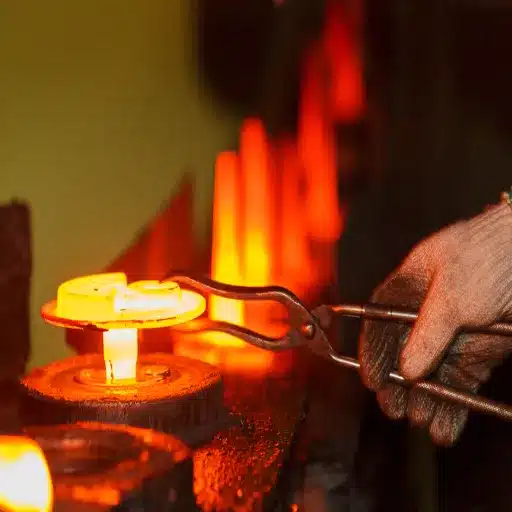
The heating techniques in carbon steel forging are very important for getting the mechanical properties that are wanted, and also for the material’s strength and durability. Usually, the process consists of heating carbon steel to certain temperatures that are usually between 1,200 °F and 2,300 °F (650 °C to 1,260 °C), and the exact temperature depends on the steel grade and the application.
Modern Heating Methods:
Induction Heating
- Shortened processing time
- Accurate temperature control
- Reduced energy usage
- Uses electromagnetic fields for even heating
- Eliminates uneven heating problems
Traditional Methods
- Furnace heating
- Open flame techniques
- Ideal for large-scale production
- High volume handling capacity
- Requires constant supervision
Important Note: These methods require constant supervision to prevent overheating of the steel, as high temperatures can weaken the material. By using a mix of new and old heating methods, producers can make the forging process specifically for different industries, from automotive to aerospace.
Shaping and Forming Methods
Shaping and forming of steel are actually several processes that serve different industries. The methods mostly employed are rolling, extrusion, and stamping, which let the manufacturers reach their precise sizes and designs.
By taking the latest information into consideration, like the advancements disclosed by thorough search trends, it is clear that manufacturers are increasingly opting for automation along with AI-assisted machines to boost the precision and efficiency of these methods. This technology adoption not only cuts down the time for production but also guarantees uniform quality, which is very important for sensitive sectors like aerospace and construction. One of the key aspects of these modern shaping methods that make them particularly advantageous is their capacity to cut down on material wastage, which is in line with the increased environmental awareness and sustainability targets.
Cooling Processes and Their Importance
Cooling processes are a must in the industrial and manufacturing sector to maintain the material and get the product with the right qualities. Most of these processes involve a monitored temperature drop of the workpiece, component, or system to avoid overheating or burning due to thermal damage. High-intensity operations such as welding, forging, or machining can be performed by applying advanced cooling techniques like cryogenic cooling or air-based systems.
Critical Importance of Cooling Processes:
- Operational Safety: Prevents overheating and thermal damage to equipment and workers
- Equipment Longevity: Extends the lifespan of machinery and tools
- Product Quality: Ensures proper material properties and dimensional stability
- Structural Integrity: Prevents tensile stresses and deformation in metal fabrication
- Environmental Compliance: Meets sustainability standards through efficient cooling technologies
Search data has indicated that the importance of cooling processes stems from their ability to boost operational safety, extend equipment life, and guarantee product quality. For instance, in metal fabrication, improper cooling can create tensile stresses or lead to deformation with consequent loss of structural stability. Likewise, in the case of electronics, if the cooling solutions are poor, overheating might occur which can either slow down the performance or lead to the failure of the system. Employing advanced cooling technologies allows industries to effectively reduce risks, improve production results, and meet environmental standards, thus underscoring the role of such technologies in the sustainability of industrial practices.
Key Properties of Forged Carbon Steel
Strength and Durability
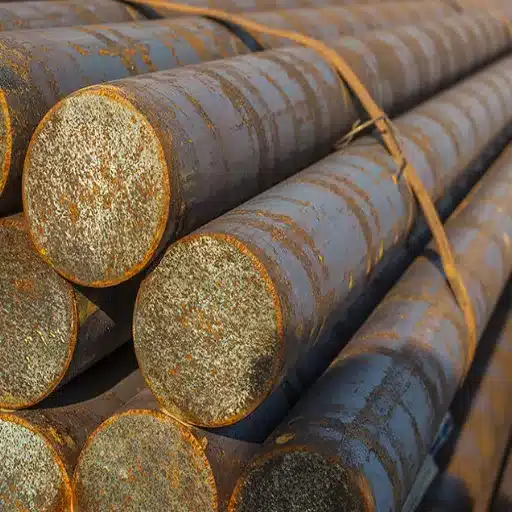
Forged carbon steel is an amazing and extremely strong material that has the longest lifetime, thus making it a great resource in various industrial sectors like construction, automotive, and manufacturing. Its strength is a result of the forging process that shapes the steel using very high pressure, aligns the grain structure, and removes internal voids. All this results in super mechanical properties like very good impact resistance and heavy load resilience.
High Pressure Shaping
Aligns grain structure for superior strength
Internal Void Removal
Eliminates defects for better performance
Impact Resistance
Withstands heavy loads and harsh conditions
Recent data suggest that the “strength of forged carbon steel” has been the most searched term in steel-related searches, and often references its higher strength and yield as compared to other sorts of steel therefore proving its reliability in challenging applications. The strength and durability combination guarantees that forged carbon steel will never give up its performance even in the worst conditions—it will always be a basic material in industrial improvements.
Resistance to Wear and Tear
Forged carbon steel is still the top choice when it comes to materials that resist wear and tear. Recent trends along with search engine data have confirmed growing interest in its capability to endure extended operation in the roughest and highest friction surroundings.
Factors Contributing to Wear Resistance:
- Very high toughness and hardness
- Extended lifespan in demanding applications
- Ideal for heavy-duty machinery parts and tools
- Improved grain structure through forging process
- More uniform composition with fewer imperfections
- Natural hardness maintains reliability under tough operations
Also, due to the rigorous forging process, the steel’s grain structure gets better and more uniform while unaware of fewer imperfections. This, plus natural hardness, the material is still reliable even under the toughest operations. Henceforth, forged carbon steel is a material of choice for industries demanding both wear resistance and service life.
Unique Composition and Steel Grades
The strength of forged carbon steel is primarily due to its unique composition and the skills of the manufacturers in perfectly balancing the elements. Generally, it has different amounts of carbon, manganese, sulfur, phosphorus, and silicon. The percentages of these elements are changed according to the mechanical and chemical properties needed.
Popular Steel Grade:
ASTM A105: Very popular in piping and flanges because they offer better durability and are less susceptible to corrosion. Modern improvements in metallurgy have created special grades of steel that can meet the needs of a changing world, including proprietary grades developed with performance characteristics suited to niche sectors such as aerospace or cutting-edge manufacturing.
The use of new production techniques, precision engineering, and continuous upgrading of forged carbon steel’s adaptability, keeps on cementing its position in the most critical industrial applications.
Applications of Forged Carbon Steel
Forged Carbon Steel in Construction
Forged carbon steel is a key material in construction due to its exceptional properties like strength, durability, and cost-effectiveness. This nature of the material helps in making structural elements such as beams, columns, and load-bearing supports that are capable of withstanding the high pressure and very unfavorable environmental conditions.
Construction Applications:
- Structural Beams: Load-bearing elements for buildings and bridges
- Columns: Vertical support structures
- Load-Bearing Supports: Critical components withstanding high pressure
- Modern Sculptures: Precision-crafted architectural features
- Green Building Components: Recyclable materials for eco-friendly construction
The recent developments in the forging process have made the carbon steel stronger thus making it possible to create modern sculptures with great precision. Besides, its non-toxic nature makes the metal very marketable in the coming eras of building practices that are not only eco-friendly but also recyclable, giving rise to the green building concept of waste minimization and lowering of the environmental impact. Quality data suggest that the demand for the metal keeps going up parallel to the urbanization and infrastructure development that is happening around the world.
Automotive Industry Usage
One might say that forged carbon steel is a major player in the auto manufacturing industry, especially for the production of the necessary parts like the skeleton, cogs, and engine. Its incredible ratio of strength to weight helps to keep the parts lasting longer and safe while the manufacturers can also lighten the weight of the whole car, thus we get the double benefit of fuel efficiency and power performance.
Key Automotive Components
Chassis & Frame
Gears & Cogs
Engine Components
EV Battery Enclosures
And not to mention the forging process whose advancements have allowed greater precision so that the parts fit the very high requirements of modern automobiles. On the basis of the latest search data, the topic “forged carbon steel in electric vehicles” has gained quite a considerable amount of interest that corresponds to the auto industry’s gradual transition towards the green energy and eco-friendly transportation solutions. This is the manufacturing material’s non-stop relevance showing through as the carmakers are using more creative and less harmful to the environment ways to come up with their designs and production processes.
Aerospace Applications
Carbon steel that is forged is becoming an important material used in the fabrication of aircraft due to its great strength and the fact that it still is light. These characteristics are necessary for the manufacturer of planes that are safe as per the strictest regulations but also consume less fuel at the same time. Analyzing the most recent search tendencies, the term “forged carbon steel in aerospace engineering” comes up as more and more people are becoming intrigued regarding the advancements in this field.
Critical Aerospace Components:
- Landing gears – High-strength structural support
- Turbine blades – Heat and stress resistance
- Airframe parts – Lightweight yet durable construction
- Structural fasteners – Reliable connection points
The versatility of the material enables it to be utilized for making critical components. In the case of the aerospace sector where the sustainability and innovation drive the industry forwards, forged carbon doesn’t only come along but is also an essential contributor to environmental-friendly and technologically advanced aviation practice.
Benefits of Using Forged Carbon Steel
Cost-Effectiveness and Performance
Forged carbon steel is what everyone dreams of in terms of an ideal and economically feasible material to use in various industries including aerospace, and it has gained such popularity due to the already mentioned traits that ease up the production process even further compared to other methods that result in the wasting of the raw material and thus increasing the cost directly.
Cost Benefits
- Reduced material waste
- Lower production costs
- Long-term durability
- Minimal maintenance needs
Performance Advantages
- High tensile strength
- Excellent durability
- Reliable under extreme conditions
- Superior mechanical properties
High-quality steel with robust mechanical properties such as high tensile strength and durability is the other side of the coin that ensured the reliability ofperformance even under the most extreme conditions. Reportedly, as per the latest statistics, the term “forged carbon steel benefits” has been highly searched by people around the globe, which is a clear indicator of increasing enlightenment regarding its worth in processes where both economic viability and solid performance are requisites. The material in question is still an important element in both the development of new technology and the improvement of the old.
Adaptability to Custom Designs
The custom design-friendly feature of forged carbon steel makes it the go-to option for the industry that focuses on precision and personalization. The steel can be processed into complicated forms without losing its performance and integrity, which is very important in the automotive, aerospace, and construction industries.
Industry Trend:
Recent search trend data suggests that “forged carbon steel custom applications” is a way to know the demand for materials that exactly match the engineering requirements. This flexibility gives forged carbon steel the power to keep pace with modern industries that are constantly changing, thus providing high performance without the need to sacrifice the cost-effectiveness aspect.
Quality Steel and Hand-Forged Products
A critical question, “What are the reasons for quality steel and hand-forged products to be the best choice in modern industry?” can be answered significantly by the latest data obtained from search engine analysis. The hand-forged steel products’ strength, durability, and versatility are the features that are still relied upon by the automotive, aerospace, and construction industries. Thanks to the skilled artisans, these products are made with utmost care, so they perfectly match the requirements of the most demanding applications.
At the same time, the ability to customize is one of the factors pointed out in the search trends for “forged carbon steel custom applications,” which also emphasizes the worthiness of hand-forging techniques in securing both top performance and cost saving. This case serves as a reinforcement of the steady demand for high-grade materials as per the specific requirements of the engineering challenge.
Comparison of Forged Carbon Steel with Alternative Materials
Forged Carbon Steel and Cast Steel
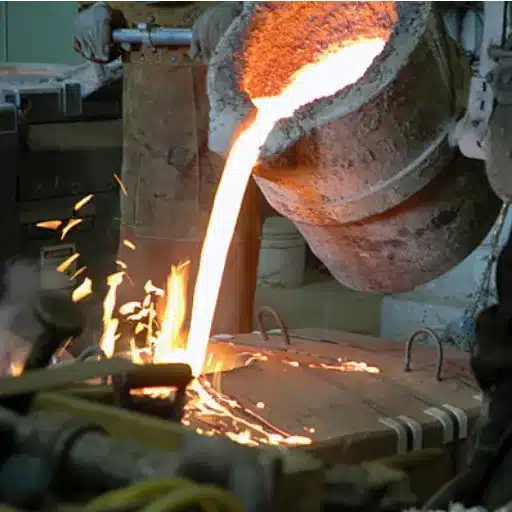
To start with, the processes through which these two materials were made have a heavy impact on their performance and durability. The creation of forged carbon steel involved heating and repeatedly pressuring steel, giving it a refined grain structure and much better mechanical properties such as stronger tensile and less brittle than before. Cast steel, on the other hand, is made through a method where melted steel is poured into molds, which results in less uniform grain structure and overall lower strength compared to forged carbon steel but allows for more complicated shapes.
A growing trend for “forged carbon steel” in searches suggests that the industries mainly consider strength, reliability, and longevity in harsh applications. Thus, steel forgings are able to withstand and resist extreme stress in those sectors where they are used, making it their choice. So, even though cast steel is still the better option for non-strenuous applications due to its low production cost, it is still less able to meet the needs for superior mechanical properties.
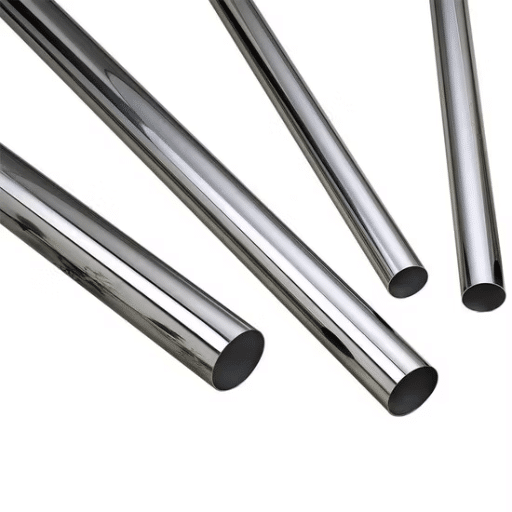
Forged Carbon Steel and Stainless Steel
Now, when comparing forged carbon steel with stainless steel, the selection is primarily based on the application’s requirement and the performance to be given. Forged carbon steel’s excellent strength, toughness, and fatigue resistance have allowed it to gain popularity for heavy-duty applications, i.e., construction equipment, industrial tools, and high-stress components, making it a perfect fit for heavy-duty applications. Its power to bear very high mechanical stress and not lose its integrity under pressure gives it an edge in such tough environments.
Material Comparison: Key Differences
Forged Carbon Steel
Strengths:
- Superior strength and toughness
- Excellent fatigue resistance
- Cost-effective
- Heavy-duty applications
Limitations:
- Lower corrosion resistance
- Requires protective coatings
Stainless Steel
Strengths:
- Excellent corrosion resistance
- Polished appearance
- Low maintenance needs
- Durable finish
Limitations:
- Lower tensile strength
- Higher initial cost
On the flip side, stainless steel has a hard time competing with the corrosion resistance that it offers, thus becoming the option for those applications that are constantly exposed to moisture, chemicals, or harsh weather conditions. Alongside its initial appearance, durability and low maintenance needs contribute to a wide usage of stainless steel in kitchenware, medical instruments, and architectural features. Taking into consideration the data trends and search engine insights, forged carbon steel is becoming a more popular option in those industries that prioritize raw performance and durability at a lower cost. Nevertheless, stainless steel still holds the strongest position as a material for the long-lasting resistance to corrosion and the polished look that is required for the application.
Forged Carbon Steel and Aluminum
Comparing forged carbon steel with aluminum, the decision can’t help but depend heavily on the application and performance needs. Forged carbon steel is equipped with the qualities of being much stronger, having better resistance to impacts, and higher capacity to bear the load; thus, these properties make it suitable for heavy-duty applications among others like automotive, industrial machine parts, and construction tools. Opposed to this, aluminum is characterized by being light, having excellent corrosion resistance and high thermal conductivity, thus giving it a wide range of use in aerospace, consumer electronics, and applications where a decrease of weight is a major criterion.
Forthcoming searches show that there is more and more interest in aluminum as a result of its sustainable features, which include the ability to be fully recycled and the fact that it is not very energy-consuming in the manufacturing process. Yet at the same time, forged carbon steel still rules over the searches connected to the requirements for high-strength and cost-effective durability. Therefore, the options of where to use them get clearer, as for the applications that need maximum strength and toughness under extreme conditions, forged carbon steel is the material of choice. On the other, if saving weight and resistance to corrosion are the foremost concerns then aluminum is usually the winner. It is the specific needs of the project, budget limitations and environmental factors that can eventually decide which material is the most suitable.
Industry Trends in Forging Technologies
Innovations in Forging Techniques
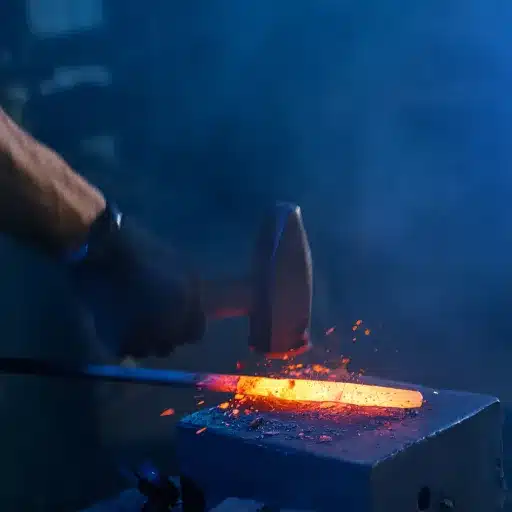
The remarkable innovations in forging techniques have thoroughly reshaped the industry leading to better performance, reduced consumption, and more eco-friendly operations. One of the developments giving the most effect is the switching over of the automatic forging processes that are driven by Artificial Intelligence and machine learning. These kinds of technologies are introducing the level of precision that drastically cuts down material waste while making sure that there is uniformity in the quality of the output.
Key Technological Innovations:
- AI and Machine Learning Integration: Automatic forging processes with precision control and reduced material waste
- 3D Printing with Forging: Production of preforms with intricate shapes, reducing machining needs and fast tracking production cycles
- Energy-Saving Induction Heating: Eco-friendly forging technology minimizing environmental impact
- Scrap Recycling Systems: Reduction of waste and resource conservation
- Digital Simulation Tools: Engineers improve die designs and forecast material reactions, cutting down trial-and-error periods
Moreover, when the application of 3D printing is combined with forging it allows the production of preforms that have intricate shapes thus reducing the machining needs and fast tracking the production cycles. Another major evolution is the change to more eco-friendly forging technologies, among which are the use of energy-saving induction heating systems and the recycling of scraps, which aim at the minimization of the environmental impact. In summary, the merging of the traditional forging skills with the new technology creates an answer to the industry’s increasing demand for top quality, sustainability, and cost-effectiveness. This remarkable combination makes sure that forging will still be one of the major manufacturing processes in various fields like automotive, aeronautics, and construction.
Sustainability Practices in Forging
Manufacturers in the forging sector regard sustainability as a major concern. They consider it a necessity as industries want to cut down on their environmental impact by means of adopting green manufacturing techniques. The manufacturers are using eco-friendly technologies so that energy utilization gets reduced during the forging process.
Sustainable Forging Practices
Energy Efficiency
Induction heating with precise focus reduces energy waste significantly
Material Recycling
Recycling and reusing scrap metal lowers raw material consumption and CO2 emissions
Alternative Energy
Switching to wind and solar power for production facilities
Water Conservation
Closed-loop cooling systems eliminate water waste
Smart Manufacturing
Data-driven analytics enhance efficiency and reduce waste
For instance, induction heating has gotten very precise and is able to focus on the exact area, which means that the amount of energy that goes to waste is decreased significantly. Besides, companies have been able to lower their raw material consumption and carbon dioxide emissions through the practices of recycling and reusing scrap metal. Businesses can not only cut down on waste but also avoid unwarranted production phases, thereby enhancing overall efficiency if they join forces with data-driven analytics and smart manufacturing technologies. These measures are in line with the global projects that aim for sustainability while granting the forging sector the capability to grow in a strong and responsible manner.
Market Evolution of Forged Carbon Steel
The past decade has been a decade of considerable change for the forged carbon steel market, and it has been changed mainly by technological advancements, changing industrial requirements, and sustainability being put on the top of the list. Judging by the recent statistics, forged carbon steel has been and still is the main material in the automotive, aerospace, construction, and also the energy sectors as it boasts the best combination of strength, durability, and cost.
Market Drivers and Trends:
- Lightweight, High-Performance Materials: Increased demand leading to innovative manufacturing approaches
- Additive Manufacturing: Better alloy compositions producing stronger, corrosion-resistant components
- Renewable Energy Demand: Applications in wind turbines, battery housings, and EV chassis components
- Environmental Concerns: Closed-loop recycling systems and energy-efficient forging technologies
- R&D Commitment: Ongoing adaptation to changing industry needs while maintaining core engineering solutions
An increased demand for materials that are not only lightweight but also high-performance has been observed and this has led the manufacturers to come up with new ways of doing things in the forged carbon steel arena. The way these technologies like additive manufacturing and better alloy compositions have been utilized in producing stronger and at the same time corrosion-resistant components that are now even application-specific is quite amazing. Besides, the increase in demand for renewable energy and the gradual shift towards electric cars are opening up areas for the use of welded steel in manufacturing wind turbines, battery housings, and chassis components. If there is still an ongoing commitment to the decision of not allocating resources to the research and development of forged carbon steel, the material will still be able to adapt to the changes while retaining its fundamental role in providing the modern engineering and manufacturing solutions.
Frequently Asked Questions
Is forged carbon steel good for cookware?
The use of forged carbon steel in making cookware is common because the process of forging not only strengthens the steel but also gives the resulting product a fine grain structure which is good for retaining and distributing heat. A lot of the forged pans are either hand forged or made by hand and then undergo heat treatment so that their durability can be improved, thus making them long-lasting and great for use over an indefinite period of time. The carbon steel pans typically have a higher carbon content than low carbon steel, allowing them to resist wear and tear effectively and thereby becoming suitable for heavy usage in commercial kitchens. Seasoning and routine maintenance done properly will prevent the occurrence of rust and will also keep the surface of the pan in good condition, meanwhile the plasticity of the material allows it to be made into thin and more responsive cookware. Summarizing, forged carbon steel cookware is a top-tier product prized for its performance and durability.
How do alloy elements like chromium, nickel, and manganese affect forged carbon steel?
The alloying elements in forged carbon steel, namely chromium, nickel, manganese, tungsten, and titanium, are responsible for those characteristics that make the steel different from others like corrosion resistant, strong, hardenable, etc. among others. In particular, chromium resistance to rust and wear is up and nickel enhances tough Martensite and ductility, while manganese adds to the whole and gives it that hardenability. The combination of tungsten and titanium adds high temperature performance and structural integrity under stress. These ions have an effect on the melting point and the way the steel is subjected to heat adjusting process slightly. When choosing forged materials, a supplier or forging company will set the carbon steel grades and alloy composition for the product’s and application’s requirements.
What are the advantages and drawbacks of high carbon in forged carbon steel?
Both high carbon and medium carbon steels yield a hardness and strength increase, with high carbon steel experiencing after heat treatment and quenching the best hardness but at the cost of ductility. High carbon content increases both wear resistance and edge retention in tools and blades, at the same time making the material harder to work with and crack-prone if not properly tempered or if it gets impacted. The forging process can mitigate internal air pockets and crystallization of the material, so the resulting toughness is surprisingly good even for higher carbon contents. For such instances where heat or heavy loads are a concern, a combination of lower carbon and higher chromium or nickel alloy additions are often the specifications. Correct heat treatment and tempering after forging will give material the required strength and at the same time keep it ductile enough for use.
How does forged carbon steel compare to other steel alloys for structural uses?
When forged carbon steel is compared with alloy steel in general, it still offers that great combination of high strength and good ductility that is needed for many structural and load-bearing applications. While alloy steels can be tailored with elements that bestow them with enhanced resistance to corrosion or high temperature performance, forged carbon steel still claims the upper hand in terms of cost-effectiveness and ease of machining for the medium and high carbon grades. The process of forging not only increases the strength but also removes most of the defects related to casting, thus leading to better structural integrity and lower internal voids. Custom forgings, together with open-die or die forging practices, allow components to be precisely tailored to the intended specifications and stress profiles. In the end, the decision will depend on the carbon steel grades, required mechanical properties, and the intended products and applications.
What are the reasons behind some manufacturer’s choice of high carbon steel for tools and knives?
Usually, manufacturers go for high carbon steel in the making of tools and knives since it can be hardened more than other steels, thus giving them the ability to keep their edges sharp for a long time and at the same time imparting to the steel good wear resistance which is necessary for cutting and forming operations. The materials for forging and the process of forging both increase the strength and refine the grain, leading to better performance when compared to either cast iron or untreated steel. High carbon steel, in order to avoid brittleness and still possess toughness, will have to go through proper heat treatment and tempering, and many hand forged or hand made blades even undergo additional finishing so as to get their properties optimized. A high carbon content also means that the products may require more maintenance and protection from corrosion due to the absence of alloying with chromium or coating. Nonetheless, for high-performance blades, high carbon steel remains a primary option when quality and durability are the leading factors.
What is the procedure to determine the right carbon steel grades specification for a project?
The choice of carbon steel grades and specification will be guided by the application, the mechanical properties required, and the processing method, such as forging or heat-treat. Low carbon steel is the easiest to machine and form, while medium and high carbon steels are stronger and more resistant to wear but may require more careful heat treatment cycles. The supplier or forging company will be better able to help you decide on the right mix of ductility and hardness if you talk to them about carbon content, manganese content, and possible alloy additions. The forging process strengthens and improves the fine grain structure compared to casting, making it less likely for defects and air bubbles that are typical of cast iron to occur. A good product specification will stipulate the necessary testing, melting point ranges, and post-forge treatments to ensure that the required structural integrity for the application is met.
What specification details should be included for custom forgings?
Custom forgings specification must be complete with details like the selected forging materials, grades of carbon steel, necessary mechanical properties (tensile strength and ductility), and heat treat or surface treatments. It must also indicate if die forging, open-die, or open die forging is the preferred method, and provide tolerances as well as dimensional drawings for directing the forging company or blacksmith. Information regarding alloying elements such as chromium, nickel, tungsten, or titanium, as well as acceptable ranges for carbon and manganese should be provided to ensure the final product meets your expectations. Testing requirements such as nondestructive inspection for air bubbles or destructive mechanical testing must be included to ensure product quality and structural integrity. Along with the planned products and applications, mentioning whether the part is supposed to carry heavy loads, helps the supplier engineer the forging process to make a tough, long-lived component.
What are the primary benefits of forged carbon steel?
Forged carbon steel comes with a number of advantages over cast components that include higher strength, finer tight grain structure, fewer internal defects, and better resistance to fatigue. The forging technique not only raises the strength to the maximum level but also directs the grain flow in such a way as to provide a better resistance to stresses, which ultimately helps the parts last longer even in the most demanding applications. Good wear resistance along with proper heat treatment leads to the situation where forged parts are more ductile than high-hardness cast pieces. The applications and products for forged carbon steel range widely from hand forged cookware to heavy industrial components, and custom forgings allow for specific optimization. Summing up, forged carbon steel is a solution that provides a quality product with a long-lasting and proven performance.
How do custom forgings impact product performance?
Custom forgings let designers determine the forging materials, carbon steel grades, and exact geometries, thereby creating components that are conditioned for the strength of the material and envisioned load paths. Tailored forgings minimize the amount of machining and, in so doing, keep the grain flow intact while also reducing the occurrence of casting defects like air bubbles. An alliance with a trustworthy supplier or forging company guarantees the right combination of alloying elements, heat treatment, and finishing processes is applied to obtain the desired mechanical properties. Custom forgings are often used in applications that require high strength or heat resistance, where the products must bear heavy loads and endure many cycles. The resulting component is a quality product that can last long if properly specified and manufactured.
Reference Sources
Mississippi State University – High Carbon Steel in Additive Manufacturing
This academic resource explores the historical and modern applications of carbon steel, providing insights into its properties and uses. High Carbon Steel in Additive Manufacturing – Mississippi State University
ResearchGate – Hot Forging Behaviour of Medium Carbon and Microalloyed Steel
This study compares the effects of forging variables on the mechanical properties of different grades of steel, offering valuable technical insights. Hot Forging Behaviour of Medium Carbon and Microalloyed Steel – ResearchGate
PubMed Central – Mechanical Properties of High Carbon Low-Density Steels
This paper discusses the heat treatment and mechanical properties of high-carbon steels, particularly for structural applications. Mechanical Properties of High Carbon Low-Density Steels – PubMed Central