Durability and resilience are usually the main factors considered when deciding upon materials for construction, manufacturing, or everyday use. Galvanized aluminum stands out as a major material, offering outstanding performance even in the most difficult conditions. This comprehensive guide will reveal the major differences between galvanized aluminum and other metal options, discuss its numerous benefits, and explore why it has become a favored choice in various industries around the globe. Whether you’re involved in a large-scale project or simply curious about this versatile material, you’ll gain valuable insights into its exceptional properties and practical applications.
What is Galvanized Aluminum?
Definition of Galvanized Aluminum
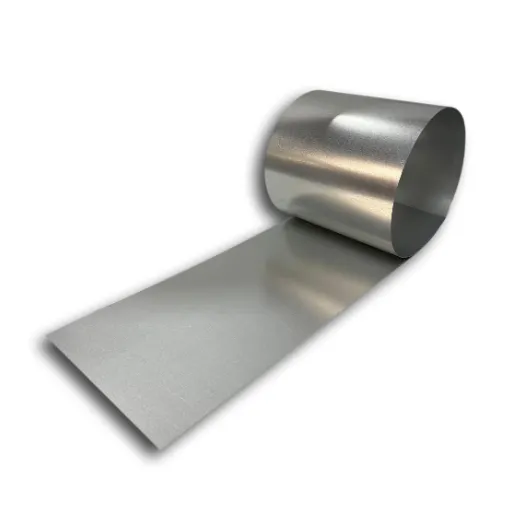
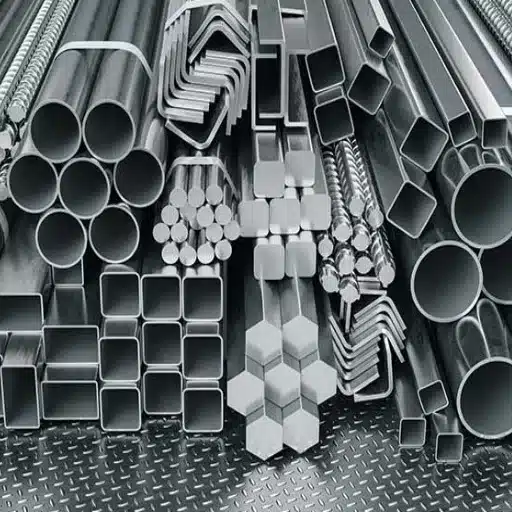
Galvanized aluminum is a type of metal that has undergone a specialized process where it is coated with zinc to make it rust-proof and better able to withstand environmental elements. The exact term for this process is galvanization, which builds a very strong barrier around the aluminum that prevents rust and various types of environmental damage from penetrating through.
Why Galvanized Aluminum Matters
The combination of aluminum’s inherent properties—being lightweight and easy to work with—mixed together with the corrosion resistance granted by the zinc layer makes galvanized aluminum a highly suitable material across multiple industries:
- Construction projects
- Automotive manufacturing
- Outdoor structures and installations
This material excels in terms of longevity, cost-effectiveness, and maintaining structural integrity even in extreme weather conditions.
Process of Galvanization
The process of galvanization consists of applying a coating of zinc to base metals such as steel or aluminum to protect these metals from corrosion and extend their lifespan. The hot-dip galvanization method is the most widely used approach, where the base metal is first subjected to cleaning to remove rust, grease, or any other impurities before being immersed in a pot of molten zinc. The zinc forms an alloy layer that is very strongly bonded to the metal, creating a durable surface that resists corrosion.
Hot-Dip Galvanization
The most common method where base metal is cleaned and then immersed in molten zinc, creating a strong alloy layer with excellent corrosion resistance.
Electro-Galvanization
Uses electrical current to deposit a thin layer of zinc onto the metal surface, providing a smoother finish suitable for specific applications.
In recent times, galvanization processes have incorporated advanced pre-treatment techniques and automated quality control systems to ensure consistent coating and minimize defects. These innovations and strict standards have made galvanization a major player in industries ranging from construction to renewable energy, as it improves both the durability and sustainability of key components.
Comparison with Galvanized Steel
Galvanized steel is an extensively used metal, well known for its excellent resistance to corrosion and long service life. The product results from coating the base metal (steel) with a zinc layer through processes including hot-dip galvanization and electro-galvanization. When compared to other protective methods, galvanized steel offers a cost-effective solution while still providing substantial advantages in tough environments.
However, current industry statistics indicate that different sectors are gradually moving towards using composite materials or advanced coatings capable of meeting changing requirements. While galvanized steel effectively prevents rust and wear in regular use cases, new developments like zinc-aluminum-magnesium coatings provide much longer service lifespans, particularly in extreme conditions such as coastal or industrial areas with high salt concentration or heavy pollution.
Industry Trend: Galvanized materials are increasingly being integrated with technologies like predictive maintenance systems to ensure longevity and performance optimization. This evolution shows the material’s continuing importance while revealing the need for creative adaptations that make it fit for future applications.
Benefits of Using Galvanized Aluminum

Corrosion Resistance
Galvanized aluminum demonstrates exceptional resistance to corrosion, which explains its high demand in industries where moisture, chemicals, or extreme temperatures are present. Recent search data reveals that the longevity of galvanized aluminum is largely attributed to the zinc coating, which acts as a protective barrier preventing rust and oxidation.
✓ Corrosion Resistance Benefits
- Extended Material Lifespan: The zinc barrier significantly increases the material’s service life
- Reduced Maintenance Costs: Lower frequency of repairs and replacements saves money long-term
- Enhanced Performance: Modern application methods have further augmented resistance to corrosive agents
- Versatile Applications: Highly regarded in construction, automotive, and marine applications
Durability and Longevity
Galvanized aluminum remains a reliable material, proving to be a top choice for long-term applications. Recent information shows significant increases in searches for “corrosion-resistant materials” and “long-lasting construction materials,” indicating rising interest in durable options.
📊 Key Statistics on Durability
Lifespan: Galvanized aluminum often exceeds 50 years under ideal conditions
This combination of durability with less environmental impact makes it an excellent choice for companies that want to reduce costs and care about the environment, as well as industries prepared to invest in safety, functionality, and sustainability for the long run.
Weight and Strength Advantages
Galvanized aluminum offers a unique combination of lightweight properties with considerable strength, making it an ideal choice for industries from construction to automotive where such attributes are essential. Recent search engine data shows that the topic of “lightweight durable metals” has drawn considerable attention, indicating people’s preference for materials that possess both lightness and high strength.
💡 Performance Advantages
- Reduces load on structural components
- Speeds up transportation and installation processes
- Makes handling more efficient throughout the project lifecycle
- Encourages cost-effective and eco-friendly applications
These factors contribute to producing a highly adaptable material capable of meeting the requirements of contemporary engineering.
Applications of Galvanized Aluminum
Construction and Roofing
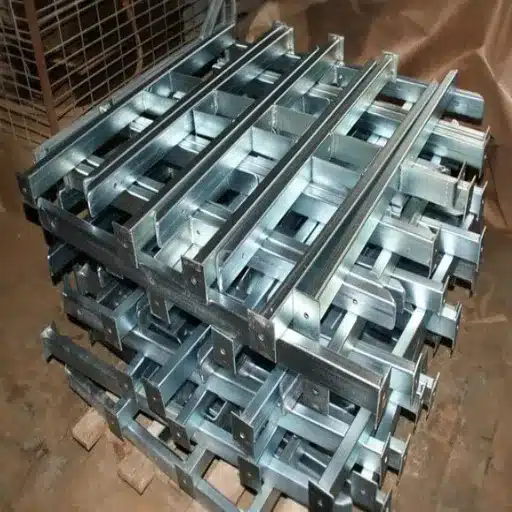
Galvanized aluminum is one of the preferred materials in the construction and roofing industry because of its high durability, low weight, and strong resistance to corrosion. Search trend data suggests that demand for galvanized aluminum roofing has increased, with users frequently searching for phrases such as “long-lasting roofing materials” and “cost-effective construction metals.”
This situation perfectly aligns with the evolving trend that favors modern approaches which are both eco-friendly and able to withstand the harshest treatment while simultaneously cutting down on maintenance costs significantly. Additionally, its reflective nature is said to increase energy efficiency inside buildings, making it an excellent choice for both residential and commercial projects.
Construction Industry Benefits
- Superior durability in harsh weather conditions
- Lightweight properties reduce structural load requirements
- Strong corrosion resistance extends service life
- Reflective surface improves energy efficiency
- Minimal maintenance requirements
Automotive Industry
The usage of galvanized aluminum has been the lifeblood of the automobile industry, mainly as manufacturers have been relentless in their search for more durable and lighter materials that can enhance both vehicle fuel efficiency and performance. Latest information from search engine trends reveals that many people are inquiring about the relationship between galvanized aluminum and vehicle longevity.
The primary reason is its exceptionally strong resistance to corrosion, which safeguards important parts such as body panels and undercarriages from being harmed by rust and wear. This practice not only extends the longevity of vehicles but also lowers consumers’ maintenance costs, making it a car designer’s preferred choice. The recyclability of this material provides additional support for the industry’s commitment to sustainable practices, fitting well with growing concerns for eco-friendly production methods.
Manufacturing of Aluminum Parts
Manufacturing aluminum parts involves a sequence of precise and highly technical operations that enable a wide range of applications, including the automotive industry. Initially, aluminum is extracted from bauxite ore, then refined to alumina, and finally to pure aluminum through an electrolytic process. From this point, methods like casting, extrusion, forging, and machining are adopted according to the part’s design and function.
| Manufacturing Process | Description | Applications |
|---|---|---|
| Casting | Molten aluminum poured into molds to create shapes | Engine blocks, transmission housings |
| Extrusion | Aluminum forced through dies to create profiles | Window frames, structural components |
| Forging | Aluminum shaped using compressive forces | High-strength automotive parts |
| CNC Machining | Computer-controlled cutting and shaping | Precision components, prototypes |
Modern manufacturing techniques make use of the latest technology, such as Computer Numerical Control (CNC) machining and 3D printing, that enhance precision and productivity. Additionally, advanced methods like friction stir welding are employed to join aluminum parts while keeping their strength intact.
The application of robotics and AI in production teams has not only increased output quality but also minimized waste, making processes environmentally friendly and precise while meeting industry standards. With such continuous innovation, the production of aluminum parts remains a crucial and vibrant sector of industrial development.
Galvanized Steel vs. Galvanized Aluminum
Key Differences in Composition
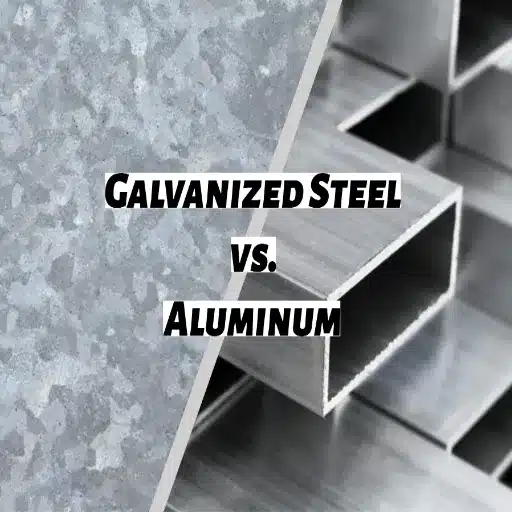
The main difference between galvanized steel and galvanized aluminum lies in their base materials as well as the method of galvanization. Galvanized steel is made by taking carbon steel and applying a layer of zinc on top to prevent corrosion. This zinc layer can be added using methods such as hot-dip or electro-galvanization.
Galvanized aluminum, however, involves an aluminum alloy substrate that is mostly coated with either a zinc-aluminum alloy or pure zinc, providing similar protection against corrosion. The different natural characteristics of the base metals account for this fundamental distinction.
| Characteristic | Galvanized Steel | Galvanized Aluminum |
|---|---|---|
| Weight | Heavier, denser material | Lightweight, easier to handle |
| Strength | Generally stronger, higher tensile strength | Good strength-to-weight ratio |
| Corrosion Resistance | Excellent with zinc coating | Superior natural oxidation resistance |
| Coating Adhesion | Strong zinc layer bond | Stronger bond due to natural oxide layer |
| Best Applications | High tensile strength requirements | Weight-sensitive applications |
Steel, though heavier, is generally stronger than aluminum, making it suitable for applications with high tensile strength requirements. However, aluminum is lighter and, with its natural oxidation resistance, offers significant advantages in cases where weight and longevity are main considerations. Moreover, the coating in galvanized aluminum has a stronger bond because of aluminum’s natural oxide layer, which contributes to long-term service in certain environments. This distinction significantly affects material usage from the construction industry to automotive manufacturing across various applications.
Performance in Various Environments
Aluminum and steel are two materials that are frequently compared and interchanged under different conditions, where one excels over the other. When it comes to steel, high tensile strength is the characteristic that favors its use as the primary material for structural applications, particularly in construction and industrial uses where load-bearing is the main criterion. Nonetheless, it is susceptible to corrosion, meaning that in humid or coastal areas, steel must be adequately protected, otherwise it becomes less suitable.
In contrast to exposed steel, aluminum’s corrosion resistance and lightweight properties enable it to perform exceptionally well in marine and aerospace applications, plus wherever reducing material weight is important. Recent trends show increased usage of aluminum in sustainable and energy-efficient designs, such as electric vehicles and green construction. This shift demonstrates that manufacturers and customers are already gravitating toward materials that provide long-lasting environmental benefits while preserving functional integrity.
Cost Considerations
When evaluating the costs of aluminum, the initial outlay must be weighed alongside long-term returns for a thorough assessment. One reason aluminum is initially more expensive than steel is the higher cost of its raw materials. However, it costs less to maintain, can be recycled, and its lightweight nature leads to reduced production costs through the lower lifecycle cost principle.
💰 Economic Analysis
Initial Investment
Aluminum typically requires higher upfront costs due to raw material pricing, but this investment pays dividends over time.
Long-Term Savings
- Lower maintenance requirements
- Recyclability reduces replacement costs
- Lightweight properties decrease transportation expenses
- Energy efficiency in buildings (reduced cooling costs)
Industry Example
In green construction, the initial expense of using aluminum is offset by subsequent energy savings, making it an economically viable option in the long run. Manufacturing innovations and growing demand have been constantly narrowing the price gap between aluminum and conventional materials, further strengthening aluminum’s economic viability.
Frequently Asked Questions (FAQ)
Material Selection Guide
📋 Checklist: Choosing Between Galvanized Steel and Aluminum
☐ Assess Your Environment
- Will the material be exposed to saltwater or coastal conditions?
- Are extreme temperatures a concern?
- Is the area prone to acid rain or industrial pollution?
- What are the typical humidity levels?
☐ Evaluate Structural Requirements
- What are the load-bearing requirements?
- Is weight reduction a priority?
- Does the application require high tensile strength?
- Will the material face impact or abrasion?
☐ Calculate Total Cost of Ownership
- What is your initial budget?
- What are expected maintenance costs over the lifecycle?
- Will transportation costs be significant (weight factor)?
- Are there energy efficiency considerations?
☐ Consider Long-Term Factors
- What is the expected service life?
- Are there sustainability or recyclability requirements?
- Will different metals be used together (galvanic corrosion risk)?
- What are the aesthetic requirements?
Best Practices for Working with Galvanized Aluminum
✓ Proper Storage
Store galvanized aluminum in dry, well-ventilated areas to prevent moisture accumulation. Keep materials elevated off the ground and covered to protect from environmental exposure.
✓ Avoid Galvanic Corrosion
When using aluminum with other metals, use insulating materials between dissimilar metals or apply protective coatings to prevent galvanic corrosion in the presence of electrolytes.
✓ Regular Inspection
Conduct periodic inspections, especially in harsh environments. Look for signs of coating damage, corrosion, or structural issues to address problems before they become severe.
✓ Proper Installation
Follow manufacturer guidelines for installation. Use appropriate fasteners and techniques to avoid damaging the protective coating during assembly.
✓ Cleaning and Maintenance
Clean galvanized aluminum with mild detergents and water. Avoid harsh chemicals or abrasive materials that could damage the protective coating.
✓ Environmental Considerations
Consider the specific environmental challenges of your location—coastal areas, industrial zones, and high-humidity regions each require different protective strategies.
Advantages and Disadvantages Comparison
✓ Advantages of Galvanized Aluminum
- Exceptional Corrosion Resistance: Natural oxide layer combined with zinc coating provides superior protection
- Lightweight Properties: Significantly lighter than steel, reducing transportation and installation costs
- High Strength-to-Weight Ratio: Offers good structural performance while minimizing weight
- Longevity: Can exceed 50 years of service life under ideal conditions
- Low Maintenance: Requires minimal upkeep compared to other materials
- Recyclability: Highly recyclable, supporting sustainable construction practices
- Energy Efficiency: Reflective properties can reduce cooling costs in buildings
- Aesthetic Versatility: Can be finished in various ways to meet design requirements
✗ Disadvantages of Galvanized Aluminum
- Higher Initial Cost: More expensive upfront investment compared to galvanized steel
- Lower Tensile Strength: Not suitable for applications requiring maximum strength
- Galvanic Corrosion Risk: Must be carefully isolated when used with other metals
- Thermal Expansion: Higher coefficient of thermal expansion than steel requires careful design consideration
- Impact Resistance: Less resistant to impact and abrasion than galvanized steel
- Chloride Sensitivity: Can experience pitting in extremely chloride-rich environments
- Specialized Installation: May require specific fasteners and installation techniques
Industry Applications Summary
| Industry | Primary Applications | Key Benefits |
|---|---|---|
| Construction | Roofing, siding, structural components, gutters, facades | Durability, energy efficiency, low maintenance |
| Automotive | Body panels, undercarriages, trim, structural parts | Weight reduction, corrosion resistance, fuel efficiency |
| Marine | Boat components, docks, coastal structures | Saltwater resistance, lightweight, longevity |
| Aerospace | Aircraft components, structural elements | Strength-to-weight ratio, corrosion protection |
| Manufacturing | Equipment housings, conveyor systems, machinery parts | Durability, ease of fabrication, cost-effectiveness |
| Infrastructure | Bridges, signs, guardrails, outdoor furniture | Weather resistance, minimal maintenance, longevity |
Conclusion
Galvanized aluminum stands as a testament to modern material engineering, offering an exceptional combination of durability, corrosion resistance, and lightweight properties that make it invaluable across numerous industries. From construction and roofing to automotive manufacturing and aerospace applications, this versatile material continues to prove its worth in demanding environments.
While the initial investment may be higher than traditional materials like galvanized steel, the long-term benefits—including reduced maintenance costs, extended service life, enhanced energy efficiency, and superior environmental performance—make galvanized aluminum an economically sound choice for forward-thinking projects. The material’s ability to maintain structural integrity for over 50 years in ideal conditions, combined with its recyclability and sustainability credentials, positions it perfectly for modern construction and manufacturing practices.
As industries continue to prioritize sustainability, efficiency, and longevity, galvanized aluminum’s role will only expand. Whether you’re planning a commercial construction project, designing automotive components, or developing infrastructure that needs to withstand harsh environmental conditions, understanding the properties, benefits, and proper applications of galvanized aluminum will help you make informed decisions that balance performance, cost, and environmental responsibility. The key is carefully evaluating your specific requirements—environmental conditions, structural needs, budget constraints, and long-term goals—to determine whether galvanized aluminum is the right choice for your project.
📚 Reference Sources
- Harvard University – Characterization of Joints Between Aluminum and Zinc-Based Alloys: This study investigates the metallurgical properties of aluminum and zinc-based alloys, providing insights into galvanization processes.
Characterization of Joints Between Aluminum and Zinc-Based Alloys – Harvard - University of Chemical Technology and Metallurgy – Influence of Aluminum Ions on Corrosion: This paper examines the corrosion behavior of galvanized steel and aluminum in various environments, providing valuable data for industrial applications.
Influence of Aluminum Ions on Corrosion – UCTM - Virginia Tech – Fundamentals of Galvanization and Powder Sintering: This resource explains the galvanization process for aluminum and other metals, focusing on its role in preventing rust and corrosion.
Fundamentals of Galvanization – Virginia Tech