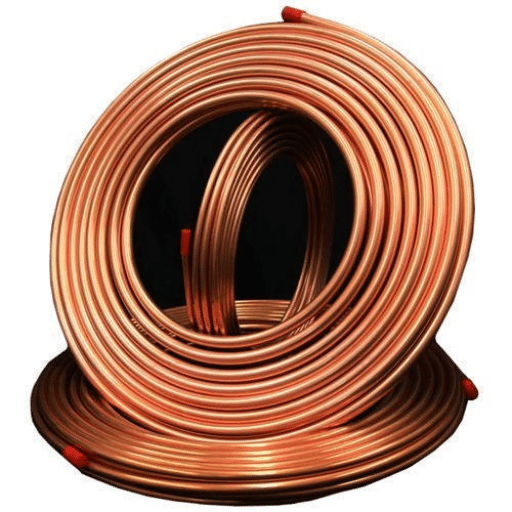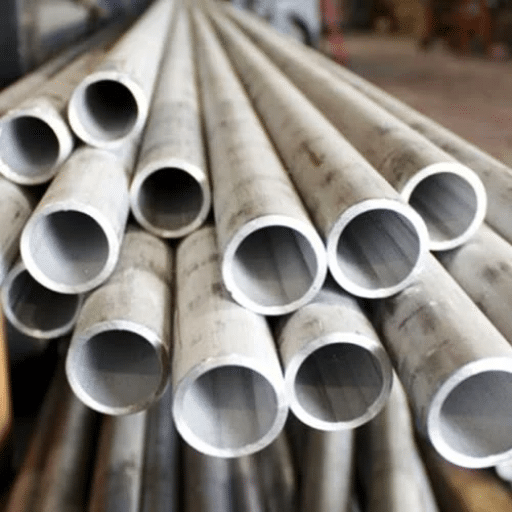
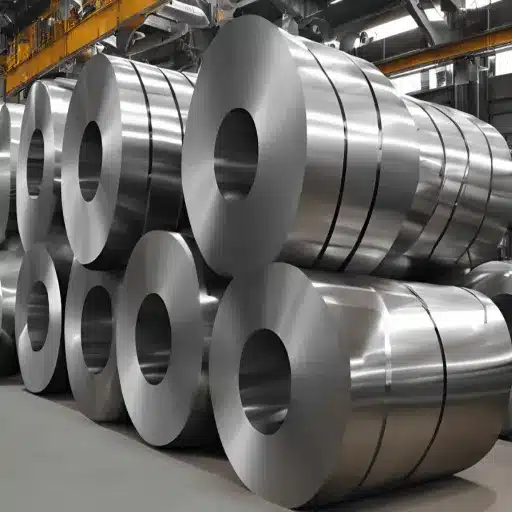
When it comes to high-performance materials, Inconel and titanium have always been the choice of the industry, each recognized for its unique properties and multiple applications. If you are working on aerospace engineering requirements, facing medical technology challenges, or dealing with the harsh conditions of chemical processing, the choice of these two alloys can be a game-changer.
This blog post will compare Inconel and titanium in terms of pros, cons, and ideal applications, giving a thorough and clear-cut comparison. Upon completion of this article, you will not only be more aware of the two strong materials but also have the insights needed to determine the one that suits your specific requirements the best. Let’s go into the enchanting world of high-tech alloys together!
Overview of Inconel
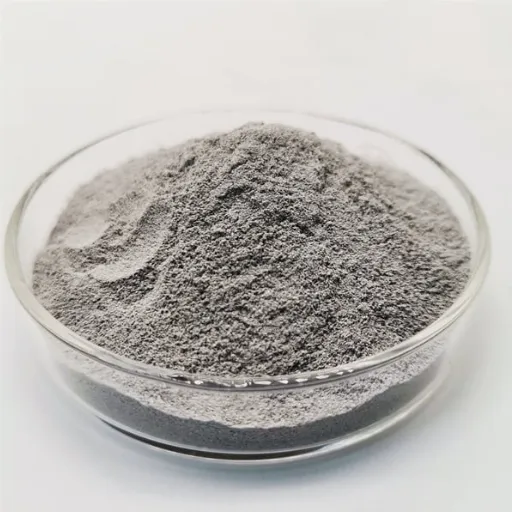
Inconel: A Major Development in Materials Science
Inconel is a family of nickel-based superalloys which have superb properties such as being extremely resistant to heat, oxidation, and corrosion. Because of these excellent properties, it is extensively used in the sectors of aerospace, marine, and chemical processing.
Nickel is the main component of the alloy, along with a varying amount of iron, chromium, molybdenum, and other elements. Inconel retains its strength and stability even under the most extreme heat. The superalloy’s capacity to withstand the most extreme environments, such as those within jet engines and gas turbines, is largely attributed to its feature of forming a protective layer on the surface upon heating, thus inhibiting any further decline in quality.
Key Characteristics of Inconel Alloys
Exceptional Heat Resistance
Inconel alloys are the only materials that can endure extreme heat without compromising their mechanical and structural properties. This is the very reason why they are characterized as ideal for the manufacturing of jet engine, gas turbine, and exhaust system components.
Corrosion Resistance
The intrinsic capacity of the Inconel alloys to form a stable oxide layer on their surfaces gives them the exceptional resistance to oxidation and corrosion. This property is most advantageous in marine, chemical, and aerospace industries, where the environment is frequently harsh.
High Strength and Durability
The remarkable tensile strength, wear and tear resistance, and the ability to resist changes in shape even at the highest stress levels are the main properties of these alloys. This quality opens the door for them to operate under mechanical loads or environmental conditions that are highly variable without breaking down.
Versatility in Extreme Environments
The Inconel alloys with their remarkable properties of strength and resilience are able to perform in extreme conditions such as very high temperatures, very high pressures, and aggressive chemically. Their further application in cryogenic systems is a clear sign of their versatility.
Ease of Fabrication
The fact that some grades of Inconel are strong yet still easy to machine, weld, and fabricate at the same time, make them very useful and suitable for a wide range of industrial and research applications.
Industry Impact: The industries taking advantage of these characteristics are like that of aerospace, chemical processing, marine engineering, and energy generation that heavily rely on the superior qualities of this alloy to ensure operational reliability and longevity of their components.
Common Applications of Inconel
✈️ Aerospace Industry
Inconel finds its major application in the aerospace industry as it can bear the extreme temperatures and thermal creep deformation. It is mostly used in jet engines, turbine blades, exhaust ducts, and afterburners, where materials are subjected to heat and pressure that are very high.
🧪 Chemical Processing
The Corrosion resistant property of Inconel makes it suitable for the chemical industry that has to deal with highly aggressive chemicals and extreme conditions. Its major usage is in heat exchangers, reactors, evaporators, and piping systems, which must endure acidic or alkaline environments.
⚓ Marine Engineering
Due to its extraordinary resistance to both saltwater corrosion and biofouling, Inconel is indispensable in marine applications. It is very often the material selected for the seawater cooling systems, propeller blades, and deepwater drilling rigs, among others.
⚡ Energy Generation
Nuclear, fossil fuel, and renewable energy power plants all reap the advantages of Inconel’s strength and durability. Its contractors are gas, steam, and furnace; and they all demand reliability and efficiency under extreme operation conditions.
🚗 Automotive Industry
Especially, high-performance and luxury vehicles have made use of Inconel for their exhaust systems, turbocharger components, and heat shields. Its ability to handle extreme heat makes it a perfect candidate for improving vehicle efficiency and performance.
🏥 Medical Devices
Biocompatibility and resistance to oxidation of certain grades of Inconel make them appropriate for medical instruments, implants, and surgical tools, particularly in places that require high hygiene and material endurance.
By perfectly interweaving strength, environmental resistance, and versatility; Inconel is still an important material for advanced industrial technologies among others.
Overview of Titanium
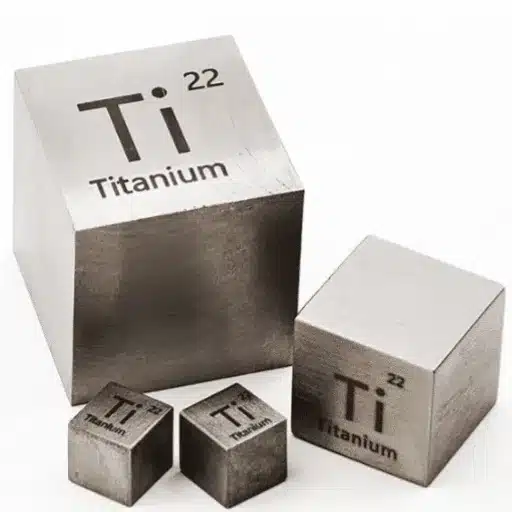
What is Titanium?
Titanium, which is represented by the symbol Ti and has the atomic number 22, is a chemical element. Other than titanium’s lightweight and strong ratio, its remarkable resistance to rust and non-toxic property to the human body make it a common element of usage in different sectors.
The same time, however, the silvery-gray metal was very light in weight and strong. Therefore, it found its way into the aforementioned applications plus a number of others like, for example, aerospace, medical, and industrial equipment. Besides, titanium is a naturally occurring metal which is mainly present in the two mentioned minerals used to extract pure titanium by means of further processing. One of the reasons why titanium is still needed in the modern technology development is its ability to endure severe conditions without losing its quality, thus becoming a necessity.
Key Characteristics of Titanium Alloys
- ✓
Superior Strength-to-Weight Ratio: Titanium alloy materials show a very significant strength-to-weight ratio, which characterizes them as being both light and exceptionally strong. - ✓
Excellent Corrosion Resistance: The alloys possess superb resistance to corrosion even in extreme environments like seawater or acidic conditions; this characteristic makes them last for a much longer period. - ✓
Outstanding Biocompatibility: Titanium alloys exhibit excellent biocompatibility which means they are very well suited for medical uses such as implants and prosthetics. - ✓
Wide Temperature Range Performance: They retain their mechanical properties over a large temperature range thus making them applicable in extreme environments like jet engines, spacecraft and power plants.
This continues to evolve with the help of new processing techniques that enhance their versatility even more, thus firmly establishing them as indispensable materials in today’s engineering and design.
Common Applications of Titanium
The outstanding strength-to-weight ratio, corrosion resistance, and biocompatibility of titanium have made it the material of choice in a variety of industries. The following are the most common uses:
Future Outlook: Titanium is still widening its scope due to material science and engineering progress, and it is thus going to be the source of creativity in areas like healthcare and renewable energy.
Inconel vs Titanium: A Detailed Comparison
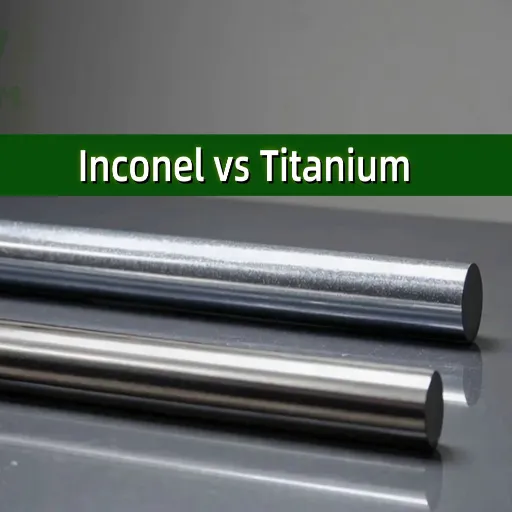
Physical Properties: Density and Melting Point
⚖️ Titanium
Density: ~4.5 g/cm³
Melting Point: ~1,668°C (3,034°F)
Much lighter than most metals in its category, making it popular in aerospace and sporting goods industries.
⚙️ Inconel
Density: ~8.4 g/cm³
Melting Point: 1,350-1,400°C (2,462-2,552°F)
Greater density provides strength and durability to withstand high-pressure and high-temperature environments.
Both materials have their respective advantages, with titanium being the top choice for light and high-temperature applications and Inconel being the one with the most strength and resilience even in the harshest conditions. The decision to use one over the other is typically made based on the exact requirements of the project or the operating environment.
Chemical Properties and Corrosion Resistance
| Property | Titanium | Inconel |
|---|---|---|
| Corrosion Mechanism | Forms passive oxide layer when oxidized | High nickel and chromium content |
| Best Performance | Seawater, strong acids, biomedical environments | High temperatures with chemical agents (chlorine, sulfur) |
| Resistance Type | Pitting and crevice corrosion resistance | Oxidation and high-temperature corrosion resistance |
| Ideal Applications | Marine and biomedical industries | Chemical processing plants and high-heat areas |
⚡ Selection Criteria:
Choose Titanium: For aggressive aqueous environments or weight-sensitive applications
Choose Inconel: For extreme heat and chemical exposure like aerospace or industrial gas turbines
Mechanical Performance: Tensile Strength and Durability
🏋️ Titanium Performance
- High strength-to-weight ratio – major application in medical implants and aerospace
- Tensile strength: 30,000 to 200,000 psi (varies by alloy and treatment)
- Retains lightweight properties while being corrosion resistant
- Best choice where weight reduction is critical
⚙️ Inconel Performance
- Maintains tensile strength over 100,000 psi at extreme temperatures
- Tensile strength can reach 180,000 psi in harsh conditions
- Ideal for jet engines and high-heat chemical processing equipment
- Superior ability to hold up against stress without deformation
Decision Factor: Choosing between titanium and Inconel regarding tensile strength and durability depends entirely on the specific needs such as working temperature, atmospheric conditions, and weight limits. Inconel, without a doubt, has a strong advantage in high-temperature apps like gas turbines or exhaust systems. However, if we consider other situations where a strong but light material and excellent tolerance to normal environments are required, titanium will still have the upper hand.
Welding and Fabrication

Welding Inconel: Methods and Problems
Inconel welding, which is a nickel-chromium superalloy, poses various difficulties because of its strength and heat resistance. The main methods are TIG (Tungsten Inert Gas) or MIG (Metal Inert Gas) welding, of which TIG is the most accurate and the one usually chosen.
🔧 Inconel Welding Techniques
Filler Materials: Selectable filler materials such as Inconel 625 or equivalent alloys aid in preventing cracking of the weld
Heat Treatment: Generally, preheating is not applied to thick sections but depending on the application post-weld heat treatment may be necessary to relieve the stress
Shielding Gas: Keeping the welding area under good atmosphere with the right amount of shielding gas such as argon or helium can help prohibit contamination
⚠️ Main Challenges:
- Quick work-hardening tendency
- High cracking tendency if not managed correctly
- Risk of carbide precipitation or oxidation
- Requires strict quality controls for optimal strength and performance
Welding Titanium: Techniques and Challenges
Titanium’s exceptional characteristics indeed made it a highly sought-after material in a variety of sectors such as aerospace, healthcare, and chemical processing. However, its welding still requires expert knowledge to fully realize such benefits as being extremely strong for its weight, highly corrosion resistant, and biocompatible.
🛠️ Titanium Welding Techniques
Gas Tungsten Arc Welding (GTAW): Extensively applied to improve accuracy and reduce defects
Laser Welding: Advanced process for high precision applications
Automated Systems: Employment of automated systems and real-time monitoring guarantee constant quality and lower the risk of errors
🔍 Critical Challenge:
Contamination during the welding process is one of the major issues and titanium’s high-temperature reactivity makes it a problem. A very effective shielding environment is always required and sometimes this accomplished by working with inert gases, such as argon. Titanium can even lose ductility due to the slightest presence of oxygen, nitrogen, or hydrogen.
Comparison of Welding Processes for Inconel and Titanium
| Aspect | Inconel | Titanium |
|---|---|---|
| Primary Challenge | Heat control to prevent cracking | Contamination prevention |
| Preferred Methods | GTAW, Laser welding | GTAW, Plasma Arc Welding (PAW) |
| Heat Treatment | Post-weld heat treatment often needed | Proper heat input control to avoid warping |
| Environmental Control | Argon or helium shielding gas | Entirely inert environment required |
| Modern Advancement | Robotic automation for precision | Automated systems with real-time monitoring |
Recent Developments: Hybrid welding approaches that combine both laser and arc welding are considered by manufacturing sectors as the best way to go since at least one process’s advantage can be coupled with the other’s. The two materials still pose challenges to welding, understanding their individual strengths and weaknesses coupled with the right techniques will ultimately lead to the engineers giving the best results for their chosen applications.
Advantages and Limitations
Advantages of Inconel
✅ Outstanding Heat Resistance
Top-quality metal that handles extreme conditions in aerospace, chemical processing, and marine segments
✅ Exceptional Corrosion Resistance
Resistance to pitting and crevice corrosion in demanding conditions reinforces its use in critical applications
✅ Superior Stability
Capable in many thermal and mechanical stresses with excellent stability
✅ Additive Manufacturing Compatibility
New improvements highlight the alloy’s excellent capability for additive manufacturing methods
Advantages of Titanium
✅ Incredible Strength-to-Weight Ratio
Same strength as steel but 45% lighter – main reason for use in aerospace, automotive, and sports applications
✅ Superior Corrosion Resistance
Very resistant to corrosion in extreme environments like seawater or chemical exposure
✅ Excellent Biocompatibility
Best choice for human implants and prosthesis – most biocompatible material
✅ High-Temperature Performance
Maintains structural integrity under high temperatures and pressures in aerospace applications
Limitations of Inconel and Titanium
| Limitation | Inconel | Titanium |
|---|---|---|
| Cost | High cost of production and raw materials | High cost of production and raw materials |
| Weight | Heavy and dense – not suitable for lightweight applications | N/A – lightweight is an advantage |
| Wear Concerns | N/A | Subject to galling and wear – may require surface treatments |
| Manufacturing | Specialized machining methods lead to longer delivery times | Needs shielding from oxygen to prevent contamination |
| Recycling | Labor-intensive and costly recycling process | Labor-intensive and costly recycling process |
Note: While the advancements in technology are responsible for the reduction of production costs, innovations in recycling and reprocessing of these metals still present technical challenges that need addressing for sustainable adoption.
Cost and Availability
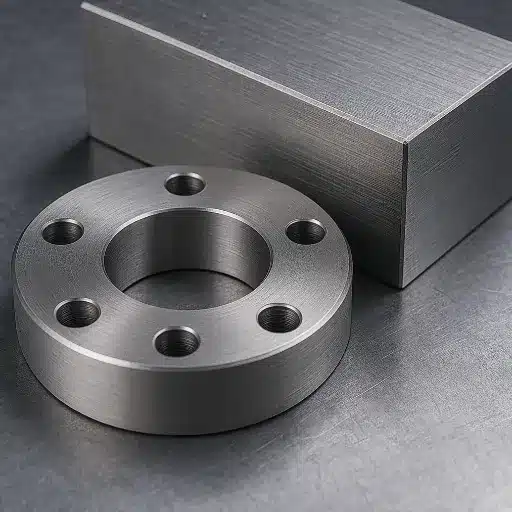
Cost Comparison of Inconel vs Titanium
When it comes to judging the price tag between Inconel and titanium, it’s necessary to take into account not just the prices of raw materials but also the extra costs that come with machining and fabrication.
💰 Titanium Pricing
$8 – $12
per pound
Influenced by grade and type. May have higher processing costs due to reactivity and specialized handling requirements.
💰 Inconel Pricing
$15 – $25
per pound
Higher cost due to complexities in composition and high-temperature performance capabilities. Usually doesn’t need as much reworking in extreme conditions.
Important Consideration: Ultimately, the selection between these two materials often relies on the particular use-case criteria being considered like the environment they will be operating in, the mechanical properties, and the overall lifecycle costs.
Availability in the Market
📊 Stainless Steel Availability
Occupies an important position as one of the most used metals with many grades and product forms available from numerous global suppliers. Frequently less difficult to get locally due to high demand across various sectors such as building, automotive, and household goods.
📊 Inconel Availability
More likely to come from specialized manufacturers since it is used for high-performance applications like aerospace, chemical processing, and power generation. Acquiring special grades may necessitate contacting niche suppliers or experiencing longer lead times.
Factors Influencing Prices
- Supply Chain Dynamics: Relative abundance and established supply chains for stainless steel keep prices more competitive
- Manufacturing Complexity: Inconel production involves complex processes with high nickel and chromium content, elevating costs
- Supplier Competition: Limited number of Inconel specialists results in less competition and higher pricing
- Application Specificity: Inconel’s use in niche areas like aerospace and chemical processing contributes to higher prices
- Raw Material Costs: High costs of raw materials like nickel affect market prices for both materials
Frequently Asked Questions (FAQ)
Conclusion
Inconel and titanium are two heavyweight champions in the world of materials engineering, each one dominating in their own respective fields that are dictated by the peculiarities of their properties. Inconel barely holds the title when it comes to extreme conditions of high-temperature, chemical processing and even oxidation resistance, thus it is the one classic material that empowers the engine of the aerospace turbines, the gas processing and the marine engineering all at once. One could argue that the asset of Inconel in these extreme situations of thermal and chemical stresses justifies its high price.
On the other hand, the converse can be said about titanium, since it is suitable for applications with the most prominent strength-to-weight ratio. The lot of advantages that titanium has, like its surprisingly low density, high tensile strength, excellent corrosion resistance, and good biocompatibility make it the best choice for use in aerospace structures, medical implants, marine equipments and high-performance automotive parts. The choice between these two amazing alloys eventually boils down to your particular application requirements: you have to consider the operating temperature, environmental conditions, weight limitations, corrosion exposure, and budget constraints. With a proper grasp of both materials’ strengths, weaknesses, and ideal applications, engineers and designers can turn to informed decisions that guarantee the best performance, desired longevity and acceptable cost for their projects.
Reference Sources
SpringerLink – A Comparative Study of High-Speed Machining
This article examines the cutting and feed forces involved in machining Inconel 718 and Ti–6Al–4V, highlighting differences in their behavior. High-Speed Machining Study – SpringerLink
Scientific Research Publishing (SCIRP) – Titanium Carbide Effects
This paper explores the effects of titanium carbide on the fracture behavior of Inconel 100, providing insights into its microstructural properties. Titanium Carbide Effects on Inconel 100 – SCIRP
Defense Acquisition University (DAU) – Electrochemical Evaluation
This study evaluates the electrochemical characteristics of Ti-6Al-4V and Inconel 625, focusing on their performance in marine applications. Electrochemical Evaluation of Alloys – DAU