It is often the case that those individuals who possess sensitive skin view jewelry and accessories as a hassle rather than a form of self-expression. The query regarding the hypoallergenicity of various metals, stainless steel included, continues to be a major concern of the people who want to be stylish as well as comfortable. This article gives an in-depth analysis of stainless steel’s distinctive properties, straightens out the confusions surrounding skin allergies, and also gives useful hints about how this flexible metal interacts with sensitive skin.
This guide will not only help you to make informed decisions if you are looking for jewelry, thinking about a medical implant, or just wanting to know the science of metals, but it will also educate you about the position of stainless steel among hypoallergenic materials.
What Does Hypoallergenic Mean?

Definition of Hypoallergenic
The term hypoallergenic refers to materials or products that have a lower chance of causing skin allergies. Commonly, these materials or products do not entirely eliminate the risks of allergic reactions but rather indicate that the specific materials or products have been created or chosen with the consideration of reducing irritants and allergens.
📊 Current Trends
The latest reports show that the `hypoallergenic` tag is slowly but surely being adopted by some specific stainless steel grades that are utilized in the manufacture of jewelry, cosmetics, and medical equipment. These products are designed for those with sensitive skin or allergies, and they do not contain common allergens like nickel that usually irritate the skin. Knowing the hypoallergenic properties of stainless steel can help consumers make safer and more informed choices when selecting products, particularly for use on sensitive skin.
Importance of Hypoallergenic Materials
Hypoallergenic materials are the major factor that improves significantly the quality of life of people suffering from allergies or having sensitive skin. Continuous search trend to hypoallergenic products especially in the personal jewelry, skincare, and medical equipment sectors indicates growing awareness and demand.
🛡️ Health Protection
Prevents allergic reactions and eliminates discomfort from irritation
✨ Comfort & Safety
Provides a safer zone for prolonged wear of jewelry and accessories
🌱 Sustainability
Supports emerging markets based on sustainable and healthy lifestyles
It is of utmost importance to steer clear of frequent allergens such as nickel or some chemical preservatives not just to avoid irritation and lengthening skin diseases but also to gain the full hypoallergenic advantages. Consequently, opting for hypoallergenic fabrics is thus a health-promoting act and an ethical stance that backs enlightened consumer choices.
Common Myths About Hypoallergenic Products
⚠️ Debunking Common Misconceptions
Myth #1: Hypoallergenic Means Allergen-Free
Reality: The term “hypoallergenic” merely indicates products are designed to lessen the probability of allergic reactions. Potentially irritating substances may still be present in very small quantities, but chances of causing irritation are noticeably lower. Always read ingredient labels carefully, even on hypoallergenic items.
Myth #2: Hypoallergenic Products Work for Everyone
Reality: Though these products reduce the chance of allergies, they aren’t guaranteed to meet everybody’s needs. Allergies are highly personal, and what suits one person may not suit another. Always perform a patch test before applying any new product to ensure skin compatibility.
Myth #3: Hypoallergenic Is a Regulated Term
Reality: “Hypoallergenic” is not a strictly regulated term in most parts of the world, including the United States. Manufacturers can use the label without following specific standards or certification processes. Always choose brands that are transparent about their testing methods and have positive customer reviews.
Recently available information indicates that questions like “are hypoallergenic products completely safe?” and “do hypoallergenic items cause zero irritation?” are signs of growing consumer interest in these myths. Improved labeling and consumer awareness would be helpful in removing these misconceptions and in forming a proper understanding of hypoallergenic products.
Understanding Stainless Steel
What is Stainless Steel?
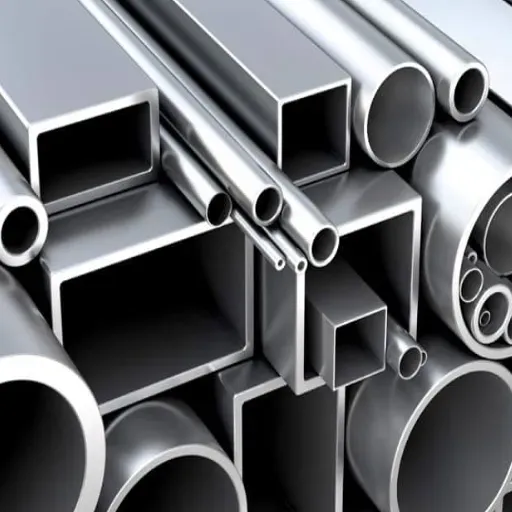
Stainless steel is indeed a powerful and versatile metal that is mainly made of iron and then mixed with chromium, nickel, and carbon. Its foremost characteristic is the resistance to corrosion and rust, which is a result of the addition of chromium in more than 10.5% that creates a barrier against the oxygen and thus no further oxidation occurs.
🔬 Key Characteristics
- Corrosion Resistance: Due to chromium content, forms protective oxide layer
- Strength: Excellent durability for long-term performance
- Aesthetic Appeal: Maintains attractive appearance over time
- Versatility: Suitable for construction, healthcare, and food-grade applications
- Non-Reactive Properties: Ideal for food preparation and medical uses
In search trends, questions such as “Is stainless steel completely rust-proof?” and “Why is stainless steel suitable for food-grade applications?” come up often, showing that people’s curiosity about the characteristics of the material is growing. Although stainless steel is very resistant to rust, it is not that way in extreme conditions or when not treated properly. Its non-reactivity and cleanliness are the very reasons why it is the perfect option for food preparation, thus the consumer interest is driven, and the applications are increased.
Grades of Stainless Steel
Different grades of stainless steel are available, each offering specific properties to satisfy various needs and applications. Among the most commonly used grades are 304 and 316.
Recent search trends that include questions such as “What is the best grade of stainless steel?” indicate that consumers are interested in the differences. The answer is different based on the application. For the food application, both 304 and 316 are great, although 316 is more tolerant in the presence of acids or salts. It is important to select the grade that best fits the environmental exposure and the requirements of the application.
316L Stainless Steel: The Best Choice for Sensitive Skin
The latest search trends indicate that the consumers’ rising interest in safe and skin-friendly materials is revealed by questions like “Is 316L stainless steel hypoallergenic?” and “Best metals for sensitive skin?”.
⭐ Why 316L Stainless Steel Stands Out
- Low Carbon Content: Reduces sensitivity and improves skin compatibility
- Remarkable Corrosion Resistance: Maintains integrity in various environments
- Minimal Nickel Release: Less likely to trigger allergic reactions compared to other grades
- Non-Reactive Properties: Safe for prolonged skin contact
- Smooth Surface: Provides comfort without irritation
- Durability: Ideal for jewelry, watches, and medical devices requiring long-term wear
In comparison to other stainless steel grades, 316L is significantly safer for people with sensitive skin or nickel allergies, making it the material of choice for those seeking both style and comfort.
Stainless Steel and Sensitive Skin
Why Stainless Steel is Considered Hypoallergenic
The classification of stainless steel as hypoallergenic is primarily due to its low likelihood of causing allergic reactions in most people. Grade 316L, with its minimal nickel content, particularly supports this classification.
🔍 Scientific Explanation
Nickel allergies rank among the foremost causes of contact dermatitis. However, stainless steel 316L keeps nickel release to a minimum in the skin area due to its unique composition and structure.
Additional Protective Features:
- Non-porous surface prevents dirt and bacteria entrapment
- Rust-resistant properties prevent irritant accumulation
- Smooth finish enables longer wear without irritation
- Strength makes it reliable for jewelry and medical implants
How Stainless Steel Jewelry Affects Skin
Stainless steel jewelry is gaining ground mostly due to its unique features and composition as a hypoallergenic alternative for sensitive skin. The latest research shows that the demand for hypoallergenic jewelry is rising, with stainless steel being the most frequently and mainly mentioned safe replacement for nickel or plated metals.
💎 Surgical Steel Benefits
Type 316L stainless steel, often called surgical steel, is especially known for having the least possibility of allergic reactions due to:
- Very low nickel content
- Highly non-reactive surface
- Resistance to tarnishing or corrosion
- No skin discoloration or harmful chemical release
- Proven compatibility with sensitive skin for long-lasting, skin-friendly accessories
Common Reactions to Non-Hypoallergenic Metals
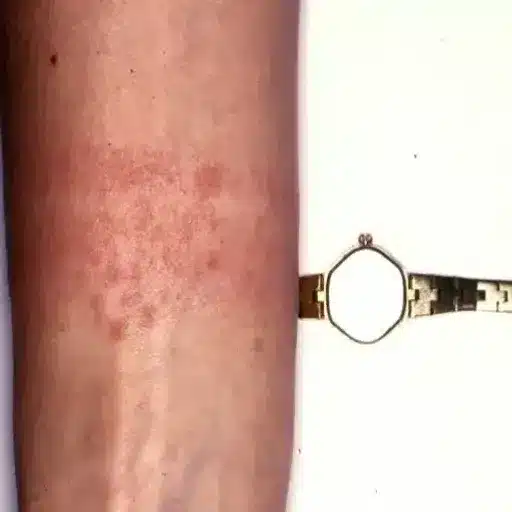
Nickel, cobalt, and copper, which are generally regarded as the most common non-hypoallergenic metals, are the main culprits of sensitization in individuals who have fragile skin. According to recent findings, these skin allergies predominantly result in contact dermatitis characterized by redness and inflammation.
| Metal | Common Sources | Typical Reactions |
|---|---|---|
| Nickel | Jewelry, watches, clothing fasteners | Itching, redness, swelling, blistering |
| Cobalt | Costume jewelry, metal alloys | Skin inflammation, rash, dermatitis |
| Copper | Lower-quality jewelry, brass items | Green discoloration, irritation, itching |
Consumers looking to identify and steer clear of metal alloys responsible for skin troubles is the main reason behind the growing use of non-reactive materials such as stainless steel or titanium according to a 2023 search trend analysis. This validates the concept that opting for skin-friendly substitutes in daily wear won’t just reduce irritation but will also remove the chances of skin damage in the long run.
Comparing Stainless Steel to Other Metals

Nickel and Metal Allergies
Nickel has a reputation of being the most common allergen, or metal moreover, with a steady increase in prevalence all over the world. Recent results reveal that there is a growing number of searches for phrases such as “nickel-free jewelry” and “hypoallergenic metals,” which suggests that buyers are becoming conscious of the adverse effects that nickel skin contact can cause such as itchiness, redness, and swelling.
⚠️ Rising Awareness
Search trends indicate a growing demand for alternatives such as titanium, platinum, and stainless steel, which is all the more reason to consider hypoallergenic metals and skin-friendly materials. Metal labeling improvement and consumer education are the joint efforts of educators and manufacturers in helping people make informed choices.
Hypoallergenic Metals vs. Non-Hypoallergenic Metals
The trends in search engines are indicating a rise in the knowledge of hypoallergenic metals such as titanium, platinum, and stainless steel and one of them having a preference for them. These metals are considered to be safe because they hardly ever cause allergic reactions; thus, they are widely accepted in the applications of jewelry, medical implants, and common items.
✅ Hypoallergenic Metals
- Titanium
- Platinum
- 316L Stainless Steel
- Niobium
- High-karat gold (18k+)
Benefits: Durable, corrosion-resistant, body-compatible
❌ Non-Hypoallergenic Metals
- Nickel
- Cobalt
- Copper
- Low-grade alloys
- Plated metals (prone to wearing)
Risks: Skin irritation, allergic reactions, contact dermatitis
The search pattern confirms a definite transition in buying habits of consumers who prefer health and comfort to low prices. It also points to a great jump in the inquiries about hypoallergenic products suitable for sensitive skin. All these changes indicate the trend of society moving towards health and consequently, there will be a greater demand for cleanliness of the metal composition and knowledge about it.
Alternatives to Stainless Steel for Jewelry
If one is looking for alternatives to stainless steel in jewelry, there are a few metals that have the same hypoallergenic properties and are pleasing to the eye. Research points to increasing market demand for hypoallergenic materials that are not only visually attractive but also comfortable to wear.
💍 Top Hypoallergenic Jewelry Alternatives
Titanium
Lightweight, great strength, and hypoallergenic characteristics. Hard and highly resistant to oxidation and corrosion—perfect for people with delicate skin or active lifestyles.
Platinum
Luxury metal characterized by shining beauty and natural hypoallergenic properties. Dense and durable, jewelry made from it lasts long, though prices are typically higher.
Gold Alloys (Yellow, White, or Rose Gold)
Widely preferred, but choosing alloys without nickel is crucial. Look for high-karat options like 18k gold for better skin compatibility and reduced irritation risk.
Sterling Silver
92.5% silver mixed with 7.5% other metals (usually copper). While not fully hypoallergenic, Argentium silver or other nickel-free varieties are gaining popularity as skin-friendly alternatives.
Niobium
Less well-known but highly effective—naturally hypoallergenic and unaffected by corrosion. Can be anodized into different colors, making it versatile and creative for unique jewelry designs.
The comforts of the materials have been highlighted by the data as the main factor for consumers’ choices, while sustainability and aesthetics are ranked next in the order of importance. By getting a grip on these alternatives, the jewelry producers can at once attract to their brand the health-conscious consumers and significantly the fashion-forward through their skilled creations.
Choosing Hypoallergenic Jewelry

Things to Consider When Jewelry Shopping
When purchasing hypoallergenic jewelry, there are multiple factors to take into account, with the choice of material being the main one. Picking metals that are less reactive and do not cause allergies, such as platinum, titanium, or stainless steel, gives great alternatives.
✓ Shopping Checklist
- Material Selection: Choose platinum, titanium, or 316L stainless steel
- Nickel-Free Verification: Check labels confirming nickel-free composition
- Style Versatility: Select designs that mix and match with your collection
- Quality Certification: Look for reputable brands with transparent testing methods
- Sustainability: Consider eco-friendly and ethically sourced options
- Customer Reviews: Research feedback from others with sensitive skin
According to the latest statistics, hypoallergenic jewelry is becoming increasingly popular among consumers, with “nickel-free earrings” and “skin-safe necklace materials” among the top searches. This indicates that the customers are looking for options that are not only hypoallergenic but also stylish and eco-friendly. Taking into account the materials, along with the style trends and sustainability, will allow the buyers to make proper and suitable choices that will not only reflect their values and priorities but also avoid skin irritations or discomfort.
Discovering Hypoallergenic Options
It is vital to focus on hypoallergenic materials that are invariably mild on sensitive skin while looking for hypoallergenic jewelry solutions. Based on current trends, buyers often look for phrases such as “medical-grade stainless steel” or “nickel-free,” since these materials do not irritate the skin and are therefore favored by people with allergies.
🔍 What to Look For
- Medical-Grade Stainless Steel: Specifically 316L or surgical steel
- Titanium: Lightweight and naturally hypoallergenic
- Platinum: Premium option with natural hypoallergenic properties
- Sterling Silver: 92.5% purity or above (preferably Argentium or nickel-free)
- Clear Labeling: Jewelry explicitly stated as “hypoallergenic” or “for sensitive skin”
- Product descriptions with detailed material composition information
A good practice is to always check labels and product descriptions, with the case of jewelry that is hypoallergenic or for sensitive skin being the best example. This data-approach not only meets the needs of consumers, but also delivers irritation-free, fashionable and comfortable accessories without any compromise.
Benefits of Using Hypoallergenic Jewelry
Hypoallergenic jewelry provides numerous benefits, especially for people with sensitive skin. Trends suggest increasing interest in materials and products designed to minimize skin irritation.
🛡️ Health Benefits
- Eliminates risk of allergic reactions
- Reverses effects of nickel exposure
- Prevents discomfort and swelling
- Suitable for prolonged daily wear
💎 Quality Benefits
- Made from durable, top-quality materials
- Maintains attractive appearance
- Long-lasting investment pieces
- Resistant to tarnishing and wear
🌍 Lifestyle Benefits
- Aligns with sustainable values
- Supports health-conscious choices
- Combines safety with style
- Enables confident fashion expression
Consumers are increasingly placing a higher value on health and sustainability, and one of the factors contributing to this shift is the use of hypoallergenic metals in jewelry making. Along with non-toxic, eco-friendly production methods and longer life, hypoallergenic jewelry has become a must-have, especially for those who want to mix fashion with comfort without compromising on safety and style.
Frequently Asked Questions
Can hypoallergenic properties be guaranteed with stainless steel?
Hypoallergenic traits are not a guarantee for no allergic reactions at all—the hypoallergenicity of stainless steel is determined by its specific grade and nickel content. 316L stainless steel and surgical stainless steel, for example, are less likely to cause irritation in contact with skin since their nickel release is low and the composition of austenitic stainless is stable. However, some stainless steels can still have nickel in them and thus promote allergies in persons who are very sensitive to nickel. Whenever you purchase jewelry, make sure that you check for labels that indicate 316L stainless steel or surgical stainless steel so that you can reduce the risk. For patients with metal allergy, titanium or niobium are the most recommended options as the metals with true hypoallergenicity properties.
Can wearing an earring made of stainless steel trigger an allergic reaction?
Definitely, a sensitive person would most probably have an allergic reaction triggered by an earring made of inferior stainless steel or by a poorly finished metallic jewel. In particular, those allergic to nickel would suffer the most if the nickel present in the stainless steel got leached out, although top-grade 316L stainless steel usually releases such minute amounts of nickel that it is considered hypoallergenic by most people.
Jewelry that is often referred to as surgical stainless steel or surgical-grade stainless steel is the one with the least tendency to release nickel, and thus it is the best option for pierced ears and body jewelry. However, human skin reactions vary from person to person, so it is better to test a small piece or to opt for nickel-free metals.
Warning signs: If redness, itching, or swelling occurs around the earring site, stop wearing the piece immediately and consult a dermatologist about metal allergies.
Are there truly hypoallergenic metals, or do some metals still irritate skin?
Some metals fall into the hypoallergenic category, while others are frequent skin irritants—nickel and low-quality plated metals being the principal offenders.
Hypoallergenic metals include:
- Surgical stainless steel grades like 316L stainless steel
- Titanium
- Niobium
- Platinum
- High-karat gold with negligible alloys
Sterling silver and less-alloyed fine jewelry could be considered safe for a large part of the consumer base, but still, sterling silver might be the cause of discomfort for individuals with certain metal allergies. On the other hand, costume jewelry and products containing nickel or low-quality alloys are more likely to provoke allergic contact dermatitis.
High-quality metals should be avoided and proper labeling should be ensured as these will help people with sensitive skin find safe jewelry options.
What makes a piece of stainless steel jewelry hypoallergenic?
The hypoallergenic property of stainless steel jewelry largely depends on the metal’s composition, finish, and quality. Receiving the 316L stainless steel and surgical stainless steel grades, the metals are treated through various processes to achieve almost zero nickel release. The aim is to restrict the corrosion property of the metal and to prevent skin irritation through the application of correct finishing, passivation, or low nickel exposure.
The top-notch stainless steel jewelry that is made for low nickel counts and properly labeled is the least likely to contribute to nickel allergy or dermatitis. However, people with very high nickel sensitivities may still experience a reaction, so really hypoallergenic metals like titanium could be safer bets.
Key recommendation: Stainless steel from reputable sources is quite dependable in most cases. Insist on buying high-quality stainless jewelry created using best practices and with proper certifications for nickel and other impurities scrutiny.
Why would jewelry labeled hypoallergenic still cause allergic reactions in some people?
In general, a hypoallergenic label suggests that the product will cause fewer allergic reactions in most people. However, the use of hypoallergenic labels is still mainly unregulated until it is standardized or recognized by an authority. The hypoallergenic jewelry may contain nickel combined with other alloying elements, which is the case for most pieces that are made with 304 stainless steel or lower grades that may have varying nickel release.
The individual thresholds of reactions are very different among people. So, what could be safe for one might cause skin reactions for another. The 316L stainless steel or surgical-grade options greatly reduce the risk, but studies reveal that nickel-free metals known might be even better for those with extreme nickel allergy.
Protection strategy: Look for stainless jewelry from credible designers with certificates or clear labels. This shields you from potential issues and ensures you’re getting genuinely hypoallergenic products designed for sensitive skin.
📚 Reference Sources
Hypoallergenic, Nickel-Free Surgical Cast Stainless Steel
This study examines nickel ion release in stainless steel dental implants, highlighting the potential for nickel exposure despite protective oxide layers and providing valuable insights for understanding allergenic risks.
Corrosion Susceptibility and Allergy Potential of Austenitic Stainless Steels
This research evaluates the sensitivity and corrosion behavior of austenitic stainless steels, which are known for their high nickel content, offering critical information about their potential allergenic properties.
Release of Nickel and Chromium in Common Foods During Cooking in 18/10 (Grade 316) Stainless Steel Pots
This study investigates the release of nickel and chromium from grade 316 stainless steel cookware during cooking, providing valuable insights into potential allergenic risks and material safety considerations.
Conclusion
Stainless steel, and particularly the 316L surgical-grade stainless-steel, gets the recognition as a superb hypoallergenic alternative for users with delicate skin due to its being the only one in its class. Its unusual mix of elements, comprised of low carbon, minimal nickel, and high corrosion resistance, makes it thus, able to stay in contact with the skin in such instances as in jewelry, watches, and medical devices.
Hypoallergenic is a term, but the possibility of an allergic reaction is still there. If you know the differences among the grades of steel, then you are a lucky consumer that can protect yourself from spending your money on the wrong thing. The awareness of metal allergies, and nickel sensitivity in particular, has been the driving forces behind the searches for safer materials and increased quality in product labeling.
In case of failures, materials such as titanium, platinum, niobium, and high-karat gold can provide other non-allergic options for the customer where to find the perfect match in terms of safety and fashion. Understanding the composition of the jewel, giving the required quality certifications priority, and choosing a trusted manufacturer that unveils the metal content of their products are the three things that make up the way of picking suitable jewelry.
The outlook for the market of hypoallergenic jewelry is bright as the consumers become more conscious and the manufacturers respond with better labeling and product development. Just consider stainless steel—especially 316L grade—instead of silver, gold, or diamonds if your skin is sensitive to common materials or if you wish only to avoid potential allergens. It is still the case that it is a comfortable, elegant, and cheap choice that does not sacrifice either on comfort or aesthetics.