Titanium and stainless steel are often considered as the first choices when it comes to materials for casual items like beauty jewelry, watches, or even professional tools. Both have their own uniqueness in aspects of amazing strength, long life periods, and elegant looks. Still, they have significant differences in composition, physical and chemical properties, and varied uses that make them perfect choices for certain applications only.
This comprehensive guide will clarify any confusion for those who think these metals are the same, exploring their specific features and indicating which one might be the best option depending on your requirements. Whether selecting a material for beauty, practical use, or lasting performance, understanding the essential differences between these two metals will empower you to make the right decision.
Introduction
The Core Question: Is Titanium Stainless Steel?
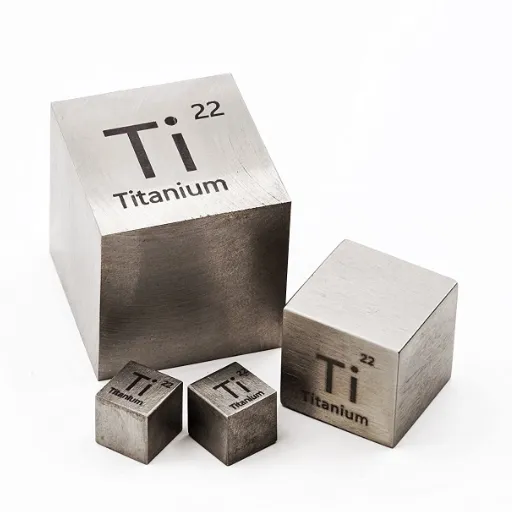
Titanium is not stainless steel by any means. Though both metals are strong and tough, making them favorites in many fields, they differ greatly in their makeup and characteristics. Titanium is a pure metal (abbreviation Ti, atomic number 22), while stainless steel is an alloy composed mainly of iron, carbon, and chromium, quite often mixed with other elements.
Key Distinction
Titanium is highly praised for its remarkable strength-to-weight ratio, resistance to corrosion, and compatibility with living tissues, making it frequently used in the aerospace sector, medical sphere, and high-tech product design. Meanwhile, stainless steel is chosen for its longevity, versatility, and non-corroding character, making it applicable in construction as well as homeware.
Recent search patterns indicating users’ preference for clarifications on this matter clearly signal the increasing interest in, and the exceptional benefits of, these two widely used materials.
Overview of Titanium and Stainless Steel
According to recent figures from search activity, many people want to find out which one between titanium and stainless steel has the specific characteristics that suit their needs best. Titanium captures the market with its extraordinary strength-to-weight ratio—it is very light but still very durable. This quality is especially needed in the aerospace and medical fields, where there is a requirement for high performance and low weight. Moreover, titanium is conducive to end use in implants and prosthetics as it is safe when in contact with human tissues.
On the contrary, stainless steel is more appropriate in applications where its properties of toughness and malleability are needed and where cost is also a consideration. The fact that stainless steel has naturally high resistance to corrosion and rust has made it an inexpensive and therefore widely used material in the construction, kitchenware, and industrial tools sectors. However, stainless steel is heavier than titanium, which makes it suitable for applications where weight is not a concern.
💡 Choosing the Right Material
What will guide the choice between titanium and stainless steel will be the area of application. If a project needs to be very strong but lightweight and where medical considerations are important, then titanium alloys will be the obvious choice. But when it comes to everyday consumer goods that need to be affordable, durable, and resistant to deterioration, stainless steel is always the best choice.
Importance of Understanding Their Differences
Understanding titanium and stainless steel differences is essential to making informed decisions both in industry and personal applications. Recent search patterns reflect that many users are curious to know, given specific contexts like aerospace, medical, or household applications, which one of the two materials would be better. The increasing attention on this issue bears witness to the need for material selection clarifications.
The lightweight, non-corrosive, and human-friendly characteristics of titanium give it monopoly over certain industries; however, it comes with a high price. Whereas, since stainless steel is tough and long-lasting yet less expensive, it becomes the go-to material for day-to-day applications. A well-informed decision passes through the avenues of performance requirements, cost, and place of use or application, thereby preventing waste either in terms of money or performance.
Properties of Titanium and Stainless Steel
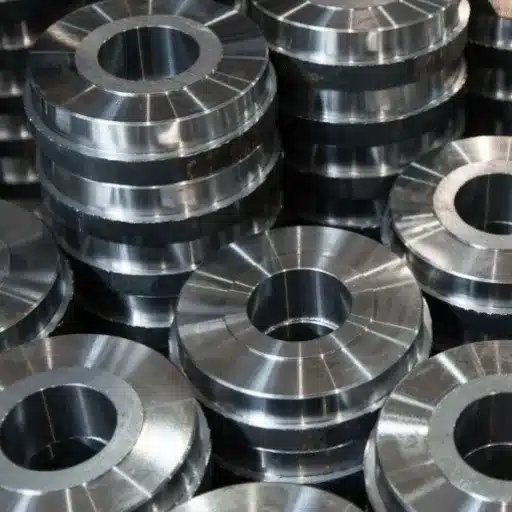
Chemical Composition of Titanium vs Stainless Steel
| Material | Primary Composition | Additional Elements |
|---|---|---|
| Titanium | Pure titanium (Ti, atomic number 22) | Aluminum, vanadium (in commercial alloys) |
| Stainless Steel | Iron (Fe), chromium (minimum 10.5%) | Nickel, carbon, molybdenum, manganese |
Titanium’s main element is titanium (Ti) along with aluminum and vanadium, which are trace elements used in commercial alloys. These additions make titanium stronger, more resistant to corrosion and extreme temperatures, and very useful in the aerospace and biomedical industries. Pure titanium is non-toxic to living tissue, which is a plus for medical implants.
Stainless steel contains primary iron (Fe), chrome (minimum 10.5%), nickel, carbon, and minor amounts of molybdenum and manganese. Chromium is the most important element that ensures corrosion resistance by forming a thin oxide layer. Different grades of stainless steel are made by changing the composition, which results in different levels of strength, toughness, and corrosion resistance.
The most noticeable difference between titanium and stainless steel is their composition. Titanium is very light but extremely high strength and very resistant to the harshest conditions. Stainless steel has a price advantage and is often the material of choice for everyday applications owing to its density.
Corrosion Resistance: Titanium and Stainless Steel
🏆 Corrosion Resistance Winner: Titanium
Considering corrosion resistance, titanium is the clear winner. The exceptional corrosion resistance of titanium results from its ability to generate a stable and protective oxide layer on its surface, even in really aggressive environments such as salty water or acid. This makes it an excellent pick for the aerospace, marine, and biomedical sectors.
Stainless steel also has a fair degree of corrosion resistance, but it is more vulnerable to pitting and crevice corrosion, particularly in chloride-rich surroundings. The addition of chromium to stainless steel increases its rust-preventing ability, but it cannot compete with the durability of titanium in chemically aggressive conditions. The current trend in industry is to rely on titanium because of its unbeatable ability to offer both desired resistance and life expectancy, even in harsh environments.
Weight Comparison: Titanium vs Stainless Steel
When comparing weights, titanium is significantly lighter. Titanium has earned its reputation as a metal with great strength-to-weight ratio, being approximately 60% lighter than stainless steel.
| Material | Density | Weight Advantage |
|---|---|---|
| Titanium | ~4.5 g/cm³ | 60% lighter than stainless steel |
| Stainless Steel | 7.5 – 8.0 g/cm³ | Heavier but more cost-effective |
This weight difference is so significant that titanium becomes a go-to material wherever weight saving is fundamental, including aerospace, automotive, and medical areas. Stainless steel, besides being tough and cheap, is no match for titanium when it comes to the combination of light nature and strength, thus performance-critical industries continue using titanium for its unmatched versatility.
Durability and Strength
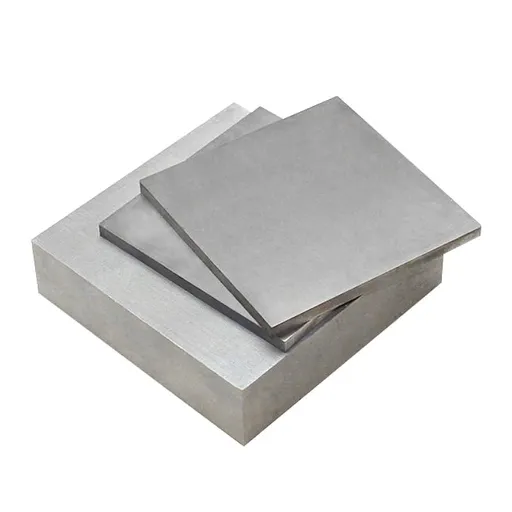
Durability Comparison of Titanium with Stainless Steel
When examining the durability aspect, titanium and stainless steel have different characteristics that depend on the specific application. Titanium is most often attributed to an excellent balance of strength and weight; thus, it can withstand a huge amount of mechanical stress while being lighter. Moreover, titanium has huge resistance to corrosion compared to stainless steel, and its use in extreme conditions such as marine or chemical processing industries is one reason why its resistance to rust and degradation is natural. Long service life in the case of titanium gives a reduced requirement for replacements or maintenance, thus impacting the overall cost of the end product.
Stainless steel is known for being tough and possessing very good wear resistance under normal conditions. Stainless steel can take physical abrasion and impact, making it the preferred material for structural components that need to be highly durable. The benefits accrued from stainless steel’s affordability and ease of fabrication are also significant, especially for instances where weight is not a critical factor or the resistance to chemicals is not as important.
⚖️ Application-Based Selection
Both materials have a high level of durability, but the titanium vs stainless steel debate has more to do with specific environmental factors and performance criteria that determine the choice. For example, the aerospace or medical implant industry may consider the lightweight and corrosion-resistant properties of titanium as most important, whereas the construction or tooling industries might prefer the durability and cost that stainless steel offers.
Titanium and Stainless Steel Strength Characteristics
In terms of strength characteristics, it is necessary to take into account their tensile strength and strength-to-weight ratio. Titanium, due to its high strength-to-weight ratio, is a choice for applications where reducing weight is critical without compromising on durability. Conversely, stainless steel has higher overall tensile strength, especially in certain alloys, which makes it appropriate for heavy-duty applications where absolute strength is required rather than weight being a consideration.
📊 Key Statistics
- Stainless Steel: Can reach tensile strengths of up to 2000 MPa in some high-strength grades
- Titanium Alloys: Usually have about 1000 MPa tensile strength
- Titanium Density: Around 4.5 g/cm³
- Stainless Steel Density: Around 8.0 g/cm³
Titanium’s considerably lower density means it has an advantage in applications that demand strongest with lightest. Therefore, the final decision is made based on the exact requirements—whether weight or raw strength gets priority.
Titanium Alloys vs Stainless Steel Alloys: The Battle of Alloys
On account of their varying characteristics, titanium alloys and stainless steel alloys find different applications. The aerospace, medical, and marine industries attract reliance on titanium alloys because of the latter’s great strength-to-weight ratio, biocompatibility, and corrosion resistance. Recent reports point out that investments into the titanium production process have resulted in a reduction in production costs, thereby making these alloys accessible even for wider industrial utilization.
Stainless steel alloys are mostly used in structural applications, consumer goods, and construction because of their great toughness, low cost, and minimal application limitations. Recent statistics show that in the case of industrial piping or building frameworks, stainless steel is still the most common choice in cost-sensitive projects or areas requiring high durability.
In the end, the choice between titanium and stainless steel alloys is determined by the specific requirements of the application. If the application issues are predominantly about weight and performance in extreme conditions, titanium is the better option. When applications are not very demanding and price and strength are key factors, stainless steel remains the best choice.
Cost Analysis
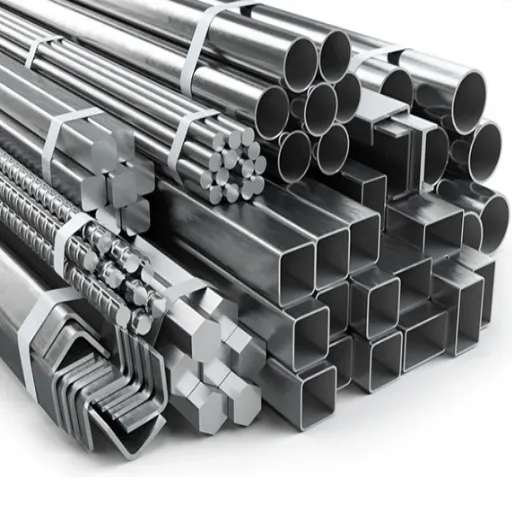
Price Comparison: Titanium vs Stainless Steel
The price difference between titanium and stainless steel is striking, primarily because of titanium’s scarcity and the way it is extracted. The cost of titanium is significantly higher than that of stainless steel.
| Material | Price Range (per pound) | Cost Factor |
|---|---|---|
| Titanium | $10 – $30 | Premium pricing |
| Stainless Steel | $1 – $5 | Budget-friendly |
The higher titanium price embodies its distinct characteristics such as its marvelous power-to-weight ratio and its ability not to rust. Stainless steel, even though cheaper, is still highly durable and versatile, hence a more cost-effective choice for many applications. Eventually, for projects with a limited budget or where there is a need to use large quantities of material, stainless steel is the choice. However, for demanding applications requiring supreme performance and lesser weight, the high cost of titanium becomes justified.
Factors Affecting the Cost of Each Metal
Titanium Cost Factors
- Complex extraction and refining processes
- Energy-intensive separation from rutile or ilmenite ore
- Lower availability compared to iron
- Specialized processing requirements
Stainless Steel Cost Factors
- Availability and cost of iron, nickel, and chromium
- Nickel price fluctuations impacting overall cost
- Large-scale production methods
- Recycling capabilities keeping costs lower
Global trade rules, such as taxation and shifts in energy prices, are also very important in determining the cost of both metals. For example, if energy prices were to go up, production costs for titanium might increase significantly since titanium processing is very energy-consuming. Similarly, changes in demand from the aerospace, construction, and automotive industries can lead to price fluctuations. Analyzing the latest data from market trends, it is evident that these external economic and industrial factors have a significant impact on cost evolution for both materials.
Long-term Value: Investment in Titanium vs Stainless Steel
In analyzing long-term value, besides durability, market demand and cost trends should also be taken into account. Wherever conditions apply, titanium dominates the market in areas requiring high strength-to-weight ratio and resistance to corrosion in extreme conditions; hence, considerable reliance has been placed on titanium in aerospace and medical applications. The premium nature justified by such applications has firmly rooted titanium in the market while incurring higher up-front costs, though it gradually offsets the initial investment due to the product’s performance and minimal maintenance over time.
A low-cost and versatile material like stainless steel still prevails in widely used areas of construction, household items, and heavy machines. Although stainless steel doesn’t meet titanium’s lightness, it does come with great durability and rust-resistance at a fraction of the cost, making it appealing for budget-constrained projects where material needs are not very taxing.
📈 Market Trends
Combining insights from search trends and industry reports:
- Titanium: Gradually attracting attention in tech and cutting-edge industries, thanks to innovations in aerospace and biomedical technology
- Stainless Steel: Remains the leader in markets where manufacturing and construction are major players
The choice between the two materials is often determined by application and economic limitations, with titanium providing long-lasting performance in specific niches and stainless steel being a reliable value provider in broader and less demanding contexts.
Common Applications
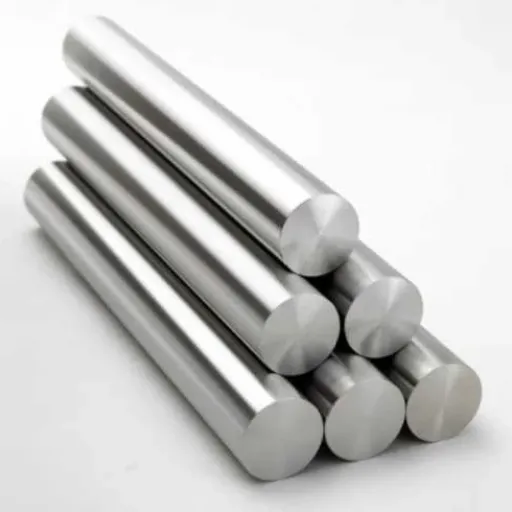
Where Does Titanium Find Its Place?
Titanium is mainly applied in sectors where high weight-bearing power, perfect anti-corrosion properties, and the capability of surviving very high and low temperatures are the hottest requisites.
Primary Applications of Titanium
✈️ Aerospace Industry
Jet engines, airframes, and spacecraft where durability and lightness are simultaneously required
⚕️ Medical Sphere
Hip implants, dental implants, and surgical instruments due to biocompatibility and resistance to body corrosion
🚗 Automotive Sector
High-performing vehicles where weight reduction is crucial
🌊 Marine Areas
Materials directly under saltwater exposure
👓 Consumer Goods
Premium watches, glasses, and sporting equipment owing to quality strength and aesthetic features
♻️ Renewable Energy
Wind turbine and solar panel structures—newly gathered information points to rising titanium use in this sector
Stainless Steel’s Applications
Stainless steel is a strong, tough, and non-corrosive material, hence it is a common and large-scale use metal in various fields of industry.
Primary Applications of Stainless Steel
🏗️ Construction and Architecture
Facades, railings, and structural elements due to ability to endure bad weather while maintaining aesthetic quality
🏥 Medical Sector
Surgical tools, implants, and hospital equipment benefiting from cleanliness and ease of sterilization attributes
🍽️ Food and Beverage Industries
Processing and manufacturing plants, storage tanks, and utensils—best material to keep food safety by preventing contaminants
♻️ Sustainability Applications
Wind turbine components and geothermal plants increasingly using stainless steel due to its ability to withstand very hard conditions
🏠 Household and Consumer Products
Kitchenware, appliances, and decorative items valued for durability and appearance
Stainless steel’s versatility and reliability make it a must-have material in various industries—one that is the driving force of innovation and efficiency in both traditional and emerging markets.
Comparing Uses: Titanium and Stainless Steel in Cookware
When deciding between titanium and stainless steel cookware, it is essential to take into account their individual characteristics and how these features correspond to your culinary requirements.
| Feature | Titanium Cookware | Stainless Steel Cookware |
|---|---|---|
| Weight | Extremely lightweight—ideal for camping/outdoor use | Heavier but provides stability |
| Heat Distribution | Lacks even heat distribution | Excellent with aluminum or copper core |
| Reactivity | Non-reactive with acidic/alkaline foods | Neutral surface—doesn’t affect flavor |
| Durability | Incredibly tough and resistant to wear | Very durable and scratch resistant |
| Best For | Portable situations, outdoor cooking | Daily use, professional kitchens |
| Maintenance | Easy to care for | Easy to clean with regular care |
One thing is sure; people love titanium cookware due to its light weight that allows it to be used in very portable situations like camping or outdoor trips. Additionally, it is incredibly tough and inert so that it will not convey the flavor of food prepared with acidic or alkaline ingredients. Nevertheless, titanium cookware mostly lacks the property of heat distribution which is a quality of heavier metals.
Stainless steel cookware, on the contrary, has the benefit of being an excellent heat conductor, especially if aluminum or copper is placed inside. This quality makes it a favorite with professional cooks who need accurate cooking for their exact recipes. Moreover, stainless steel is very durable, scratch resistant, and easy to care for, making it a long-term investment even for home kitchens. Even though it is heavier than titanium, stainless steel cookware offers better heat distribution control which is needed for the success of complex culinary tasks.
🍳 Cookware Selection Guide
In the end, deciding between titanium and stainless steel cookware is highly context-dependent. Titanium shines in portability and toughness in outdoor or minimalist cooking, while stainless steel gives a trustworthy and delicate option for daily and professional culinary needs. Both materials exhibit their own unique pros and cons, meaning there will be a perfect solution for any cooking setting.
Advantages and Disadvantages
Titanium: Advantages and Disadvantages
✅ Advantages of Titanium
- Very Light and Easy to Carry: Titanium cookware comes first when you talk about weight, fitting well with camping, backpacking, and other outdoor activities where weight saving is of utmost importance.
- Anti-Corrosion: Titanium’s resistance to rust and corrosion is so high that it lasts even in areas with high humidity and outdoor exposure.
- Lightweight but Strong: Exceptional strength-to-weight ratio means it can take wear and impact while remaining light.
- Non-Toxic and Safe: Biocompatible and does not interact with food, meaning it doesn’t release toxic chemicals, thus ensuring safer cooking.
- Energy Efficient Heat Retention: Heats up very quickly, thereby saving both energy and time during meal preparation.
❌ Disadvantages of Titanium
- Lack of Heat Distribution: With quick heating, titanium still does not allow for even heat distribution, which may lead to hot spots and uneven cooking.
- Material with High Cost: Titanium cookware has a much higher price than less expensive materials like aluminum or stainless steel, which is a disincentive for budget-conscious buyers.
- No Nonstick Surface: Pure titanium has almost no nonstick properties; hence coatings are needed most times to avoid sticking.
- Not Suitable for Heavy Duty Cooking: Because of being very light in weight, titanium may not perform well in high volume or complex cooking situations.
The fact that titanium’s attributes balance out each other is one reason why it is often the material of choice in outdoor applications while other materials are more suited for everyday kitchen use. It is a material that is both flexible and specific, thus meeting the needs of a certain group of users.
Stainless Steel: Pros and Cons
Stainless steel is a very popular material in kitchens and cookware due to multiple reasons, but there are also disadvantages to its use.
✅ Pros of Stainless Steel
- Long Life: Very long-lasting and does not crack, warp, or give in to impact. Holds its shape even with intensive use, perfect for cooking and kitchen applications.
- Corrosion Resistance: Due to chromium presence, naturally resistant to rust and stains, shining in humid situations or when frequently exposed to water.
- All-purpose: Can be used in all sorts of applications from pots and pans to countertops and utensils due to robust nature and high temperature endurance.
- Neutral Surface: Does not react with acidic or alkaline foods, thus flavor of dishes remains the same during prep.
- No Hassle in Maintenance: Easy to clean and if cared for regularly, the surface keeps its shine, making it a favorite in both professional and home kitchens.
❌ Cons of Stainless Steel
- Not Good Heat Conducting Material: Stainless steel alone is not the best heat conductor. However, manufacturers nowadays usually layer it with aluminum or copper cores to improve heat distribution.
- Heavy and Costly: High-quality stainless steel products are heavy and pricey when compared to aluminum or non-stick coated pots and pans.
- Scratching: The surface can be scratched over time even though highly durable, especially without the right cleaning technique, such as avoiding abrasive scrubbers.
- Lack of Skill: Using stainless steel for cooking can be challenging as food usually sticks if the pan is not properly preheated or greased.
Stainless steel is no doubt the most durable and aesthetically pleasing option which brings a professional look even to the simplest kitchens. However, it is important to understand its properties and practice its usage in order to fully benefit from its advantages.
Selecting the Right Metal for Specific Situations
When it comes to selecting the correct metal for a particular application, the decision is primarily based on the intended use and the user’s priorities. The most recent results from search insights indicate that stainless steel is the most preferred option for its superior durability, resistance to rust and corrosion, and low maintenance, so it is suitable for cookware, medical equipment, and outdoor structures. At the same time, aluminum is known for being light and superb at conducting heat, thus making it a top choice for aircraft, lightweight vehicles, and portable cookware production.
🎯 Selection Criteria
- For Strength and Professional Look: Choose stainless steel
- For Cost-effectiveness and Portability: Consider titanium or aluminum depending on specific needs
- For Extreme Environments: Titanium is increasingly preferred
- For Budget-Conscious Projects: Stainless steel offers best value
Each metal has its own attributes and can be selected depending on specific functional and aesthetic needs. It is necessary to conduct research and evaluate material properties with respect to the task in order to make the best choice.
Frequently Asked Questions (FAQ)
❓ Is titanium the same as stainless steel and what are the major differences between them?
No, titanium is not stainless steel. Titanium is a pure element and a certain type of metal, while stainless steel is a mixed metal made mainly of iron with chromium and perhaps other alloy elements. Their distinction is not only based on the metal they comprise but also on differences in density, melting point, thermal conductivity, and resistance to corrosion, with titanium forming a protective layer of titanium oxide. Stainless steel is resistant to corrosion mainly due to its chromium content and exists in several types such as austenitic and martensitic stainless steel. Titanium’s low density makes it only half as heavy as steel for the same volume. Cost is another important factor: titanium is more expensive than stainless steel in many applications.
❓ What is the comparison of strength and weight of stainless steel and titanium?
The strength of titanium and stainless steel can be similar based on the grade, but titanium usually provides such strength at a much lower weight, as titanium is only half the weight of steel when both have the same volume based on density. For instance, grade 5 titanium (Ti-6Al-4V) is considerably stronger than pure titanium and can reach or even surpass the strength of some 300 series stainless steels. Stainless steel is an alloy that has types like 304 and 316 stainless steel that provide good toughness and corrosion resistance in different environments. While titanium is stronger than steel in terms of strength compared to weight, the decision between steel or titanium is more about the required level of strength in the specific part. Thermal conductivity and fabrication costs also play a role in metal selection.
❓ What type of stainless steel is used for surgical grade stainless steel versus titanium?
Surgical grade stainless steel usually points to 316 stainless steel or high-grade 300 series stainless which are selected for their biocompatibility and corrosion resistance in medical use. However, titanium grade 2 and grade 5 titanium are also used in implants as titanium is biocompatible and forms a stable titanium oxide that is well tolerated by the body. The type of stainless steel will determine its response to sterilization, welding, and long-term exposure to bodily fluids compared to titanium. Duplex stainless steels and austenitic stainless steel variants offer different combinations of strength and corrosion resistance, while martensitic stainless steels are used where hardness is required. Ultimately, both materials find application in medical devices, but titanium is the material of choice where low weight or excellent biocompatibility is needed.
❓ Can titanium be welded, and if so, how does this process compare to welding stainless steel?
Yes, titanium can be welded, but it needs very careful control of oxygen contamination and often inert gas shielding because titanium reacts readily when hot and can form brittle compounds. The welding of stainless steel vs titanium is not the same: standard techniques are used for welding 304 and 316 stainless steels, even though duplex stainless steel may require careful treatment to preserve strength and corrosion resistance. The presence of alloying elements (chromium, nickel) in stainless steel affects weldability and final corrosion properties, while titanium welding must be done with protection until the weld is completely finished and the workpiece has cooled to prevent embrittlement. The welding of martensitic stainless steels may require pre- and post-heat treatments, whereas austenitic stainless steels may not need as much care. For critical applications, specialized welding procedures and qualified welders are required for both materials.
❓ Is titanium more corrosion resistant compared with 316 stainless steel or duplex stainless steel?
Titanium is very resistant to corrosion in most scenarios due to the layer of stable titanium oxide on its surface, and it often beats stainless steel in tough environments such as seawater and chloride exposure. 316 stainless has higher resistance to oxidation than 304 stainless due to the presence of molybdenum, while duplex stainless has better resistance to corrosion and is stronger than standard austenitic grades. Nevertheless, stainless steel has good corrosion resistance for many applications and might also be cheaper; stainless steel is an alloy created to resist rust and staining. Both titanium and steel resist corrosion, though the exact alloy or grade determines performance—for example, grade 2 titanium and grade 5 titanium differ in their behavior, as do 300 series stainless options. The choice made will depend on the media, temperature, and cost trade-offs since titanium is usually pricier than stainless steel.
Reference Sources
- University of California, Berkeley – A New Time for Titanium:
This article discusses the cost and applications of titanium compared to stainless steel, highlighting their differences and specific uses. A New Time for Titanium - University of South Florida – Ductility and Use of Titanium Alloy and Stainless Steel:
A thesis investigating the ductility and applications of titanium alloys and stainless steel, particularly in aerospace fasteners. Ductility and Use of Titanium Alloy and Stainless Steel - Colorado School of Mines – Solid-State Joining of Titanium Alloy to Stainless Steel:
Research on joining titanium alloys and stainless steel using advanced welding techniques, exploring their industrial applications. Solid-State Joining of Titanium Alloy to Stainless Steel