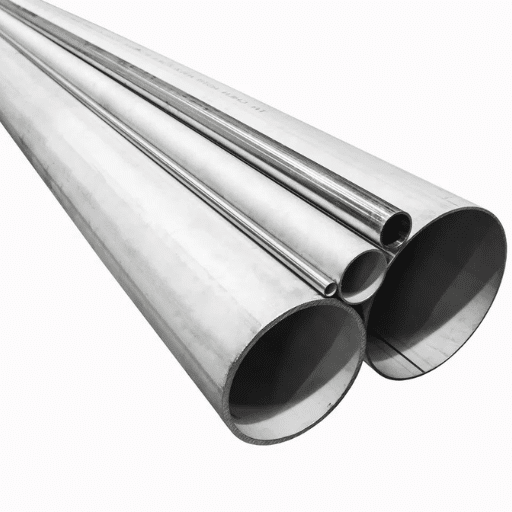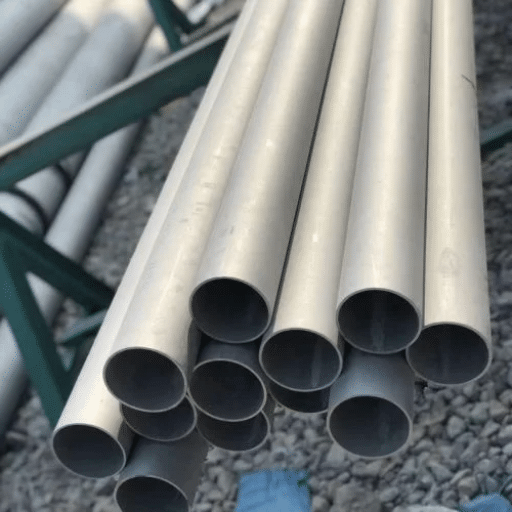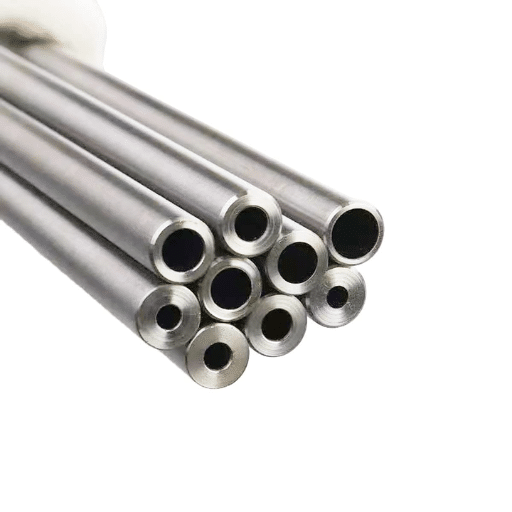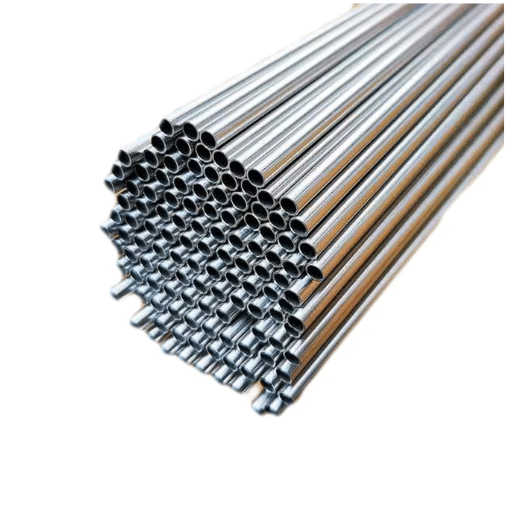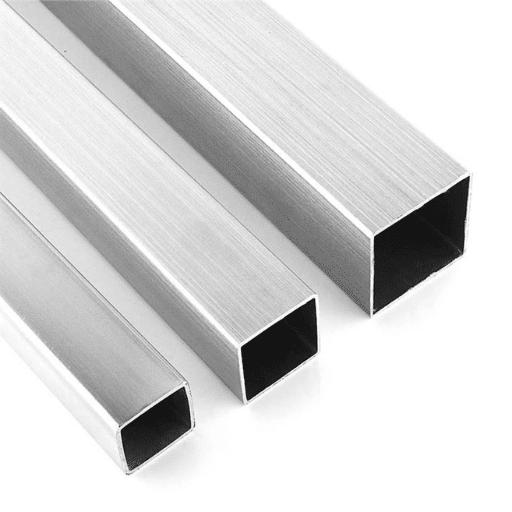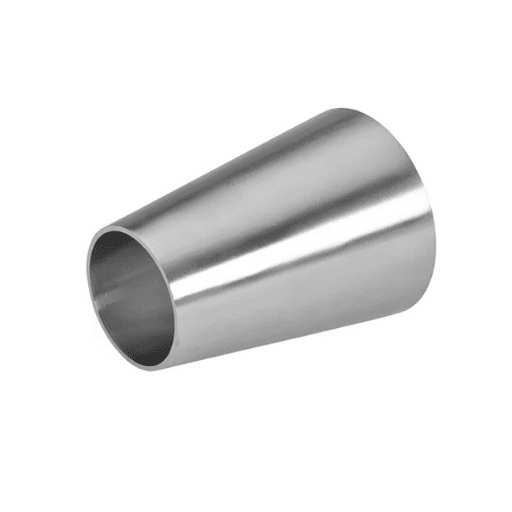
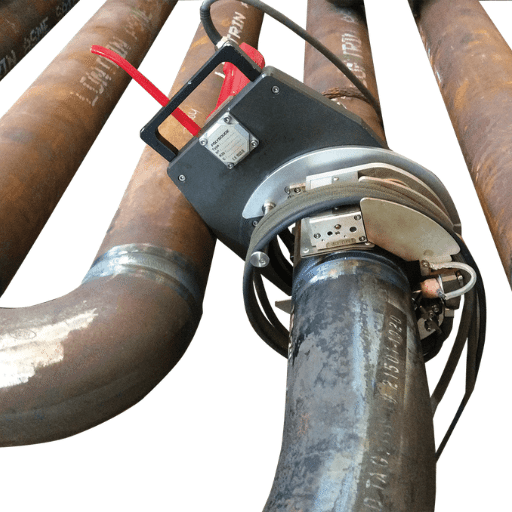
Welding stainless steel pipes together through this process serves vital functions across multiple industries which include aerospace and pharmaceutical sectors that require precise welds which create long-lasting operational capacity and effective performance. Orbital welding has established itself as a revolutionary welding method because it produces superior results through its reliable operation and exceptional quality. What exactly defines orbital welding as the primary technique employed for stainless steel pipe installation projects? The guide presents an in-depth examination of orbital weld technology which assesses its advantages and practical uses and optimal operating procedures. The article provides essential knowledge for both experienced experts and beginners who want to use orbital welding technology in their business operations.
Introduction to Orbital Welding
What is Orbital Welding?
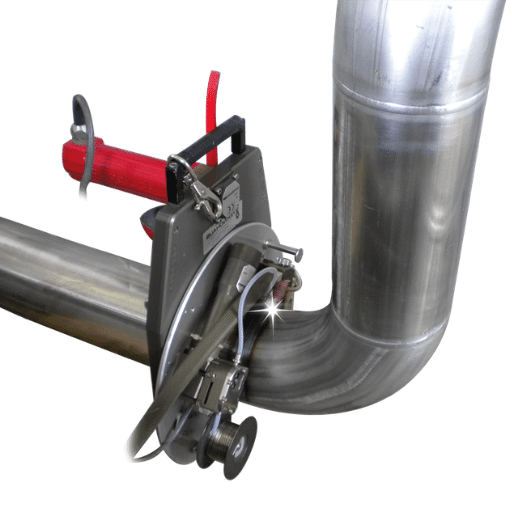
Orbital welding stands as an automatic welding technique which needs a special machine to perform a welding arc that moves in a circle around a stationary pipe or tube. The method produces perfect welds which maintain their quality throughout time because it produces repeatable results which human welders cannot achieve in difficult situations. The aerospace industry developed orbital welding during the 1960s but now various sectors use it, including food and beverage, pharmaceutical, semiconductor, and energy production industries. Advanced orbital welding equipment eliminates the variability of manual techniques which makes it suitable for welding stainless steel piping and other materials that need to maintain supreme cleanliness and strength. The method produces welds that maintain quality across different project environments which makes it a common choice for projects that require dependable bonding solutions.
Importance of Stainless Steel in Welding
Stainless steel has become an essential material for modern welding because its special properties protect against corrosion and provide exceptional strength and durability. The material finds application in multiple industries which include automotive production and construction work and food processing and medical equipment manufacturing. The chromium content in stainless steel forms a protective oxide layer which makes the material suitable for use in environments that experience moisture and chemical exposure and extreme temperature conditions.
The most recent research demonstrates that stainless steel demand has grown for green energy projects which include hydrogen production and solar panel frame construction because of its ability to be recycled and its extended operational lifespan. The material maintains its cleanliness in pharmaceutical and food-grade piping systems because its non-reactive properties prevent any kind of contamination. Stainless steel enables advanced welding methods to create exceptional performance which establishes its vital role in essential and groundbreaking projects worldwide.
Applications of Orbital Welding in Industries
Orbital welding has changed multiple industrial fields through its ability to provide precise and efficient and dependable methods for joining pipes and tubing materials. The automated welding method becomes essential in industrial sectors which require both exact measurements and uniform production processes. Pharmaceutical and food processing industries need dedicated orbital welding equipment which guarantees contaminant-free sterile welds that comply with their strict hygiene regulations. The aerospace sector uses this technology to produce secure connections which maintain complete integrity for both fuel lines and hydraulic systems. The oil and gas industry utilizes orbital welding because it enables safe operation of high-pressure and high-temperature pipelines with decreased need for worker safety. Current industry developments demonstrate a growing trend toward using renewable energy solutions which include hydrogen pipeline construction and development of solar and wind power system components. Technological progress allows orbital welding to create new solutions which help different industries achieve higher efficiency and reduced operational expenses.
Understanding Stainless Steel Pipe Welding

Types of Stainless Steel Pipes
Stainless steel pipes are categorized into three groups which include their chemical makeup, their physical attributes and their industrial use. The most common types include:
- Austenitic Stainless Steel Pipes
Austenitic stainless steel pipes show exceptional corrosion resistance together with high ductility which enables their application in chemical processing and food production operations. The two grades 304 and 316 exist as the most commonly used materials because 316 provides additional protection against chloride exposure. - Ferritic Stainless Steel Pipes
These pipes provide magnetic properties at low costs while enabling users to handle materials with basic resistance against corrosion. The materials get used in automotive parts and decorative items because they provide better welding capabilities than austenitic materials which need better ductility. - Martensitic Stainless Steel Pipes
Martensitic pipes contain high carbon content which results in better strength and hardness properties that suit applications requiring protection against wear for turbine blades and medical instruments. - Duplex Stainless Steel Pipes
Duplex stainless steel material combines two structures which exhibit great strength to withstand corrosion damage. These pipes find growing usage in oil and gas operations particularly in areas that experience high saltwater exposure. - Precipitation-Hardening Stainless Steel Pipes
These pipes deliver outstanding mechanical power which meets the demands of aerospace and advanced equipment applications. The material achieves its hardness through a process which uses heating to strengthen its structure.
Stainless steel pipes receive design modifications which create unique products that enable multiple uses in different industries. The latest breakthroughs in materials science allow manufacturers to develop stainless steel compositions which show better durability and lower production costs while delivering superior performance in both traditional and modern industries.
Key Properties of Stainless Steel for Welding
Stainless steel is highly valued in industrial applications because it possesses exceptional welding properties. The material maintains its functionality in extreme conditions because of its exceptional capacity to withstand corrosion which persists even after welding. The material demonstrates high strength-to-weight ratios which enable the creation of strong welds without increasing the total weight of the structure.
Welding operations depend on stainless steel thermal conductivity which serves as an essential factor. The material’s lower conductivity compared to other metals prevents heat distortion while preserving the welded joint’s structural integrity. Stainless steel becomes more attractive for industrial applications because it supports advanced welding techniques which include TIG (Tungsten Inert Gas) and MIG (Metal Inert Gas) welding. The combination of these methods with appropriate welding preparation and post-weld treatment delivers outstanding results which create a visually appealing final product.
Manufacturers can meet various welding demands through different stainless steel grades which provide solutions for both automotive parts and chemical processing equipment. The combination of this flexibility with new welding technology developments establishes stainless steel as a dependable material for international welding projects.
Challenges in Welding Stainless Steel Pipes
The process of welding stainless steel pipes presents multiple difficulties because the material requires specific conditions to achieve proper welding results. The main challenge of this process stems from the need to manage the amount of heat which workers use during their welding operations. The application of excessive heating causes metal components to experience distortion and warping which creates brittle zones including the heat-affected zone (HAZ) that make the weld vulnerable to cracking and structural failure.
Contamination presents another obstacle which must be overcome. Contaminants can easily enter stainless steel because carbon steel tools and airborne particles are both common sources of contamination which lead to long-term corrosion damage. Welders need to operate their tasks by utilizing clean equipment which should only serve their specific welding tasks in an environment that they must keep under their control.
The welding process requires operators to achieve uniform weld quality because chemical processing and food-grade piping applications demand high purity standards to avoid performance degradation. The process requires workers who have achieved high competence levels to operate TIG (Tungsten Inert Gas) welding machines together with strict monitoring of welding parameters and application of passivation at post-weld treatment stage for surface protection.
Welding technology continues to develop through advancements in automated systems and new filler materials which help address existing welding problems. Successful stainless steel pipe welding expenses depend on workers’ capacity to receive actual training and complete their welding preparation work while they follow established welding practices.
Orbital Welding Technology Explained

How Orbital Welding Works
The automated welding process of Orbital welding applies to pipe and tube cylindrical objects through its advanced welding method. The procedure uses a welding arc which moves around the structural element in 360-degree patterns to create an even and accurate weld. The process begins when technicians fasten the pipe or tube to the welding fixture which allows the welding head to move around the workpiece through its designed path.
Modern orbital welding systems use computerized controls to manage essential welding parameters, which include weld speed and arc current and electrode positioning. The system provides precise control capabilities that result in consistent production of high-quality welds which require only minimal operator intervention. Orbital welding serves various industries which include aerospace and pharmaceutical and food processing and semiconductor manufacturing since these fields require accurate and hygienic operations. Orbital welding combines automation and advanced technology to achieve two benefits which include improved operational efficiency and better joint reliability and durability.
Components of an Orbital Welding System
An orbital welding system consists of several key components that work together to deliver precise and automated welding results.
- Orbital Welding Power Supply
The power supply functions as the system’s main control center because it delivers electrical power and welding operation settings. Modern power supplies feature programmable controls which enable operators to achieve consistent results through their repeating work processes. - Weld Head
The weld head functions as an essential part of the welding process which secures the electrode while forming a circular shield around the pipe or tube. The system enables automatic rotation around the workpiece to create a consistent weld bead. Different weld heads are designed to accommodate various pipe sizes and applications. - Tungsten Electrode
A tungsten electrode is used in orbital welding because it can endure extreme heat while its material properties remain intact. The Tungsten Inert Gas (TIG) welding process which uses orbital welding techniques depends on the electrode as its essential component. - Shielding Gas System
The system delivers shielding gas which consists of argon and a combination of inert gases to create a protective barrier around the weld pool that prevents atmospheric contamination. The shielding gas system ensures a controlled flow of gas to maintain weld quality. - Cooling System
Many orbital welding setups include a cooling system to prevent overheating of both the weld head and the power supply during prolonged use. This system helps equipment preserve its operational lifespan while maintaining performance standards. - Fixture or Clamping System
The system maintains pipe or tube positions while delivering exact alignment which remains unchanged throughout the welding operation. The proper implementation of clamping systems prevents workpiece movement during welding because this step remains crucial for producing superior welds.
The components of an orbital welding system work together to create a streamlined welding process which achieves precise and dependable results that can be duplicated in multiple industrial settings. Software and automation advancements continue to improve systems which make operational platforms more effective.
Orbital Welding Power Supply: Function and Importance
The orbital welding power supply functions as the primary system which delivers required electrical power to the welding head while maintaining welding precision through its operational control. The system maintains optimal welding conditions by controlling the three essential parameters which include current and voltage and gas flow. The power supply systems of today use advanced microprocessor controls which enable operators to create and save specific welding programs that match different materials and joint designs. The system enhances welding operations through better productivity and consistent operational performance.
Modern power supplies use technological progress which includes real-time monitoring and data logging to improve their traceability and diagnostic capabilities. This requirement holds particular importance in industries such as aerospace and pharmaceuticals and semiconductors because these fields demand precise measurements and high-quality standards. The software and connectivity systems of these platforms evolve rapidly which allows them to meet the requirements of smart manufacturing while maintaining orbital welding as an essential industrial tool.
Advantages of Orbital Welding

Precision and Consistency in Welds
Orbital welding achieves superior welding precision and consistent results which make it different from manual welding methods. The automated welding system of orbital welding technology creates consistent welds through its automated process which reduces human mistakes while delivering high-quality results during repetitive work. Sensitive materials and industries with precise requirements need this precision which aerospace and pharmaceuticals and food processing industries demand. The process receives enhanced capabilities through advanced technologies that include real-time monitoring systems and machine learning algorithms which enable predictive adjustments and better quality control. Modern industrial applications require this reliability because it serves as a technical benefit for organizations that need to comply with regulations and maintain operational efficiency.
Automation in Orbital Welding
The automation of orbital welding processes has brought substantial improvements to industries that need both exact results and fast working methods. The automated systems for orbital welding create uniform weld results because they monitor welding operations with their built-in sensors and machine learning technology. The systems achieve higher operational efficiency because they eliminate most manual work tasks which result in improved workplace safety and reduced risk of human errors. The latest insights show that the oil and gas and aerospace and power generation industries now use these technologies to complete complex projects while following strict regulatory requirements. The systems use predictive analytics to identify potential problems while they optimize welding settings and decrease operational interruptions. The implementation of orbital welding automation creates a new manufacturing revolution that establishes new standard requirements through its combination of advanced technological solutions and proven operational methods.
Cost-Effectiveness in Large Scale Manufacturing
Advanced technologies which include automation and digital analytics drive cost-effectiveness in large-scale manufacturing operations. Manufacturers achieve substantial labor cost reductions through automated systems which include orbital welding technology while they maintain consistent product quality. Predictive analytics identifies operational inefficiencies which allow organizations to optimize their processes while using resources. Organizations benefit from AI and machine learning advancements because these technologies help them to operate their systems more efficiently, experience less operational downtime, and produce more goods with reduced expenses. The combination of automation and data-driven insights increases productivity while organizations maintain better control over their resources, which results in improved economic sustainability for large-scale manufacturing operations in active competitive markets.
Best Practices for Orbital Welding Stainless Steel Pipes

Setting Up the Orbital Welder
Proper setup of an orbital welder is essential to ensure high-quality welds on stainless steel pipes. Start the process by examining all parts of the orbital welding equipment which includes checking the power supply and weld heads and control units for their proper operational state. The weld joint area needs complete pipe cleaning because contaminants must be removed to protect stainless steel from oxidation that results in weld defects. The welding process needs accurate pipe alignment because it ensures that both pipes will create a uniform weld joint.
The equipment manual provides essential information for proper welder configuration settings according to its specifications. Operators need to modify amperage and travel speed and shielding gas flow settings according to the thickness and material grade of the pipe. To achieve the best results in weld protection high-purity argon should be used as shielding gas because it prevents weld discoloration and porosity. A properly configured orbital welder system will use data-driven guidelines together with industry standards and advanced search tools to deliver increased operational efficiency and accuracy during stainless steel welding work.
Preparation of Stainless Steel Pipe for Welding
Stainless steel pipes require correct preparation methods in order to create high-quality welding results. The key steps of the process require complete cleaning of pipe surfaces to eliminate all contaminants which include oil and grease and dirt because these contaminants will undermine the weld performance. The oxide layer on stainless steel should also be removed using mechanical or chemical methods, such as stainless steel wire brushing or pickling paste, to ensure a clean surface for welding. The pipe cutting process needs to identify exact cutting points, while the beveling process must create matching edges which will enable proper alignment for welding to achieve unified penetration and reduced weld defects. The use of contemporary preparation equipment, which includes orbital pipe cutters and bevelling machines, ensures exact pipe preparation while decreasing both physical work and operating mistakes. The combination of these procedures with online data-driven methods demonstrates that preparation work plays a vital role in creating welds which will remain strong through time and show no defects.
Post-Weld Inspection and Quality Control
The post-weld inspection process together with quality control procedures functions as essential measures which verify that welds comply with established requirements while remaining defect-free. Inspectors use visual examination together with advanced non-destructive testing (NDT) methods which include ultrasonic testing and radiography and dye penetrant testing to find hidden defects such as cracks and porosity and incomplete fusion. The most recent data available through search engine shows that industry standards include ASME Section IX and AWS D1.1 which provide detailed guidelines for weld inspection processes. The combination of these standards with active monitoring systems provides a method to confirm that welds meet both safety and operational performance standards. Engineers use post-weld evaluation procedures to evaluate the structural integrity of materials while also assessing their potential service failures during present and future operational periods.
FAQ
How does orbital welding stainless pipe improve the quality of a weld?
The process of orbital welding stainless pipe enables precise control over both welding current and arc length, which results in better orbital weld performance through reduced weld defects. The automatic process of orbital welding uses orbital tig (GTAW) technology to deliver consistent welding durations and predictable heat distribution throughout the joint area. The process requires consistent control because the thin wall thickness and sch 10 tubing require protection from distortion. Using dedicated pipe orbital welding equipment or orbitalum-style welding machines delivers more consistent results than operators achieve with manual arc welding. High pressure systems and welded sanitary applications achieve better consistency because stainless pipes and stainless steel tubes require specific cleanliness standards.
What is orbital tube welding and how does it differ from manual tig welding?
Orbital tube welding functions as an automated TIG welding method which enables weld creation through tube rotation around its axis. Orbital tube welding uses automated torch movement to complete welds, which results in shorter welding times, while manual tig welding requires operators to control weld productivity based on their individual proficiency. The process works effectively for tube fittings and sanitary lines and water treatment systems because these applications require both repeatable results and maintained cleanliness. The machines that use orbital welding technology create consistent welding results because they regulate welding current and wire feed and weld prep profiles. The automation system decreases work time while it enhances orbital weld quality for essential base metal connections.
Can orbital weld automation handle different tubing outer diameters (OD) and wall thicknesses?
Automatic orbital systems can handle multiple outer diameter sizes and various wall thicknesses because they use welding current and arc length and travel speed adjustments to match base material and joint configuration needs. Proper weld prep and correct selection of welding parameters ensure you can get a root and then a cover pass even on square butt joint configurations. For thin wall sanitary tubing or sch 10 stainless pipe you will often use lower heat input and shorter weld time to avoid burn-through. Some orbital welding systems include interchangeable clamps and collars to fit different OD sizes and maintain precise alignment. Operators who lack knowledge about orbital welding can achieve consistent results by using manufacturer setup guides together with weld procedure specifications.
Are orbital TIG and GTAW identical to orbital tube welding used for stainless steel tube?
Orbital TIG commonly refers to orbital GTAW (gas tungsten arc welding) where the GTAW process is applied in an automated orbital welding process for stainless steel tube. Both terms describe the use of a non-consumable tungsten electrode to create a stable arc and precise weld pool, which is essential for high-quality stainless pipe and tubing. Orbital TIG produces clean and repeatable welds which make it suitable for sanitary and water treatment applications that require contamination control. Most pipe orbital welding operations use orbital GTAW as their standard welding method because it provides better control and adaptable welding capabilities than laser welding which some industries use. The welding process achieves its objective through orbital tig and GTAW and orbital tube welding which produces welds of consistent quality and maintains welding parameters of time and heat output.
How do welding machines and welding current affect orbital welding stainless steel pipe?
The research study examined the welding machines together with their welding capabilities to determine their impact onto the process of orbital welding for stainless steel pipe. The welding machines which operate in orbital welding mode enable users to control both the welding current and the pulse settings which affects three welding outcomes: penetration, bead profile, and the need for filler or wire feed. The welding process achieves dependable results when workers maintain a constant welding current because this method creates uniform joint fusion throughout stainless steel pipe and tube fittings which function in high pressure environments. Some orbital welding units include software to manage weld schedules and minimize actual weld time while maintaining quality. The choice of base material and joint design, such as a square butt joint or a prepared bevel, also dictates the current profile and whether a root and a cover pass are required. Operators who lease equipment must assess machine capabilities which provide accurate control together with automated functions to achieve dependable operational outcomes.
What are the best practices for weld prep and tack when orbital welding pipe fittings?
Proper weld preparation requires pipe fittings to be cleaned and their dimensions to match exact specifications while the two parts must be aligned properly to produce a uniform root gap together with proper joint geometry which is essential for orbital welding of stainless steel pipe. The ideal tack welds should be minimal and positioned to sustain concentricity without causing tubing distortion; in most automated systems tack welds can be applied by the same orbital machine under controlled conditions. The cleaning process for welded sanitary joints demands extra effort to remove all contaminants while achieving base metal compliance with sanitary requirements. The orbital system executes precise welding schedules when users establish the correct fit-up and check the OD, wall thickness, and schedule (such as sch 10). Good preparation work decreases the duration of welding while decreasing the requirements for cleaning activities and rework activities which follow the welding process.
Reference Sources
-
- A study from Lappeenranta University of Technology, Finland, focusing on adaptive orbital pipe welding systems and processes.
-
A Study on the Welds Characteristics of Stainless Steel 316L Pipe Using Orbital Welding Process
- Examines the weld characteristics of 316L stainless steel pipes fabricated using the orbital welding process.
-
- Discusses approaches to orbital welding of duplex stainless steel tubing and other corrosion-resistant materials.