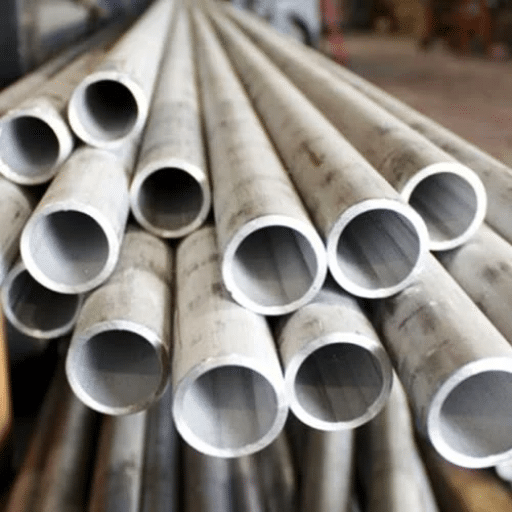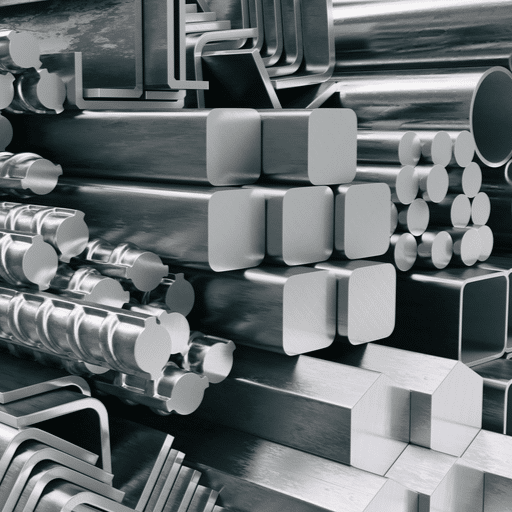
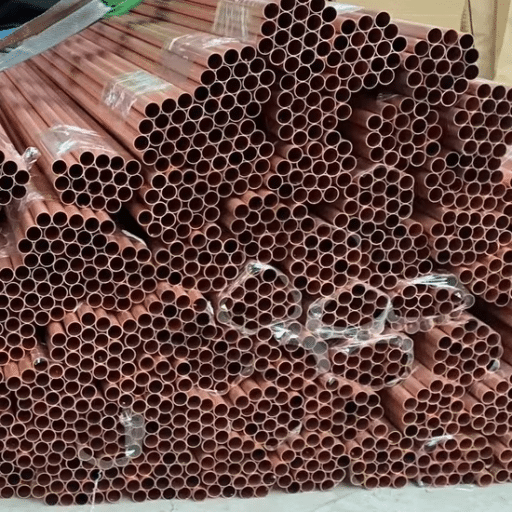
Your heat exchanger specification needs to achieve its maximum thermal efficiency. The vacuum chamber design needs to achieve complete elimination of all outgassing. The RF waveguide needs materials which can provide electrical conductivity beyond what standard materials can deliver. The material selection process requires two questions to be answered: when does oxygen-free copper tube outperform stainless steel and at what point does stainless steel become the better choice?
Engineers who default to stainless steel for every application miss critical performance advantages in thermal and electrical systems. The use of copper becomes inappropriate when corrosion resistance and pressure tolerance requirements take precedence because it leads to early equipment breakdown. The guide provides technical information about material selection which includes specific grade designations and ASTM standards and application criteria that procurement teams can use for immediate action.
What is an oxygen-free copper tube?

Defining Oxygen-Free Electronic and High-Conductivity Grades
Oxygen-free copper tube production requires electrolytic purification of copper while maintaining oxygen levels below five parts per million for electronic grade copper and between ten to twenty parts per million for high-conductivity copper grade. Standard tough-pitch copper contains 200 to 400 parts per million oxygen which exists as copper oxide inclusions. The inclusions create a weakness because oxygen interacts with hydrogen at temperatures above 400°C to create steam pockets which lead to material embrittlement and cracking that makes the material unsuitable for high temperatures and hydrogen-rich conditions.
The two primary grades dominate industrial procurement:
C10100 (OFE — Oxygen-Free Electronic)
- Copper content: ≥99.99%
- Oxygen content: ≤5 ppm (0.0005%)
- Electrical conductivity: ≥101% IACS
- Certification: Required “electronic” grade designation
- Premium pricing for critical applications
C10200 (OFHC — Oxygen-Free High Conductivity)
- Copper content: ≥99.95%
- Oxygen content: ≤10–20 ppm (0.001%)
- Electrical conductivity: ≥101% IACS
- No special certification required
- Better mechanical strength than C10100
- Standard choice for most electrical and thermal applications
Both grades deliver conductivity of 101% IACS minimum — approximately 58.0 MS/m at 20°C. The 316L stainless steel exhibits approximately 1.4% IACS which results in conductivity that is 41 times lower than the first material. The differential between these two properties becomes essential for systems where electrical or thermal transfer efficiency dictates performance outcomes.
Manufacturing Process Differences
Oxygen-free copper production begins with electrolytic refining rather than fire refining. Cathode copper undergoes melting with protective atmosphere which usually consists of carbon monoxide or inert gas to avoid oxygen absorption during the casting process. The process of continuous casting and vertical casting produces billet which undergoes extrusion and drawing to achieve its final tube dimensions. Bright annealing in controlled atmosphere preserves surface purity and eliminates the oxide scale that requires pickling on standard copper products.
The manufacturing process requires precise specifications which increases the production costs by 15 to 30 percent more than standard phosphorus-deoxidized copper tube prices. The resulting product achieves the necessary purity and performance standards which semiconductor and vacuum and medical applications require.
Key Properties of Oxygen-Free Copper Tube

Electrical and Thermal Conductivity Performance
The defining characteristic of oxygen-free copper is its conductivity. At 101% IACS (International Annealed Copper Standard), C10100 and C10200 achieve the theoretical maximum for pure copper. This matters in three critical application categories:
Electrical Applications: Bus conductors, waveguides, and high-current connections experience resistive heating proportional to resistance. The system operates at cooler temperatures with decreased I²R losses because the materials have lower resistance which allows for smaller conductor cross-section requirements. The efficiency improvement becomes multiplied throughout the lifetime of the system in data centers and power distribution networks.
Thermal Applications: The thermal conductivity at 20°C reaches 391 W/(m·K), which exceeds the conductivity of silver as the most efficient engineering metal. Oxygen-free copper heat exchangers and condensers and cooling systems use their materials to transfer heat with small temperature changes, which allows them to create more efficient systems through their design.
Cryogenic Stability: Oxygen-free copper maintains its structural stability and thermal properties from room temperature to liquid helium temperatures (4K), whereas austenitic stainless steels become magnetic and lose their thermal conductivity ability at cryogenic temperatures. This makes it essential for superconducting magnet cooling systems and cryogenic heat exchangers.
Mechanical Properties and Formability
| Property | C10100 (Soft Annealed) | C10200 (Soft Annealed) | 316L Stainless Steel |
|---|---|---|---|
| Tensile Strength | 220–260 MPa | 220–260 MPa | 515 MPa |
| Yield Strength | 70–90 MPa | 70–90 MPa | 205 MPa |
| Elongation | 45–55% | 45–55% | 40% |
| Hardness (HV) | 45–65 | 45–65 | 150–200 |
| Density | 8.94 g/cm³ | 8.94 g/cm³ | 8.0 g/cm³ |
The data reveals a critical trade-off: oxygen-free copper offers exceptional ductility and workability but significantly lower strength than 316L stainless steel. Tube bending operations together with flaring operations and flanging operations proceed without danger of cracking when used with annealed copper because harder materials create a risk of failure. Pressure-containing applications must consider copper’s stress rating limitations because these limitations require thicker walls or larger diameters to achieve the same pressure rating as other materials.
Corrosion Resistance Characteristics
Oxygen-free copper resists atmospheric corrosion and forms a protective green patina (copper carbonate) in outdoor exposure. In non-oxidizing acids, deoxidized copper performs well. However, copper exhibits vulnerability to:
- Ammonia and amine compounds: Stress corrosion cracking in ammoniacal environments
- Oxidizing acids: Rapid attack by nitric acid and concentrated sulfuric acid
- High-velocity seawater: Erosion-corrosion and impingement attack
- Sulfide environments: Rapid corrosion in presence of hydrogen sulfide
For applications involving chlorides, seawater, or acidic chemical exposure, 316L stainless steel with its chromium oxide passive layer delivers superior corrosion resistance and longer service life — often 50+ years versus 20–30 years for copper in equivalent service.
ASTM Standards for Oxygen-Free Copper Tube

ASTM B68 — Bright Annealed Seamless Tube
ASTM B68/B68M covers seamless copper tube in bright annealed temper for applications requiring clean internal surfaces — primarily refrigeration, oil lines, and gasoline lines. The standard specifies:
- Grades: C10200, C10300, C10800, C12000, C12200
- Tempers: O60 (soft annealed), H58 (drawn general purpose)
- Testing: Tension test, expansion test, microscopical examination for hydrogen embrittlement susceptibility
- Surface: Bright interior surface free of oxides and contaminants
The hydrogen embrittlement test is critical: specimens are heated in hydrogen atmosphere and examined for blistering or cracking, which would indicate excessive oxygen content. This ensures the “oxygen-free” designation is physically verified, not merely claimed.
ASTM B188 — Seamless Copper Bus Pipe and Tube
ASTM B188 covers seamless copper tube intended for electrical bus conductor applications. This specification addresses:
- Grades: C10100, C10200, C10300, C10400, C10500, C10700, C11000
- Electrical requirements: Maximum resistivity values specified per alloy
- Dimensions: Standard bus tube dimensions with wall thickness adequate for structural integrity in electrical installations
- Temper: Hard-drawn (H80) for mechanical strength in rigid bus applications, or soft annealed (O60) where forming is required
For particle accelerator beam lines, plasma deposition systems, and high-current electrical installations, ASTM B188 compliance ensures the tube meets both dimensional and conductivity requirements.
ASTM B280 — Seamless Copper Tube for Air Conditioning and Refrigeration
ASTM B280 specifies seamless copper tube for HVAC and refrigeration field service. Key requirements include:
- Grades: C10200, C12000, C12200
- Cleanness: Interior dryness and cleanliness requirements to prevent compressor damage
- Chrysotile asbestos prohibition: Explicit ban on asbestos-containing materials
- Testing: Tension test, expansion test, flattening test
The standard’s emphasis on interior cleanliness addresses the reality that refrigeration system contamination causes compressor failure — a costly consequence that proper material specification prevents.
ASTM B819 — Seamless Copper Tube for Medical Gas Systems
ASTM B819 addresses the specialized requirements of medical gas and vacuum distribution systems in healthcare facilities. Requirements include:
- Grade: C10200 exclusively
- Interior cleanliness: Stringent limits on particulate and organic contamination
- Dimensional tolerances: Tighter than standard commercial tube to ensure joint integrity
- Identification: Color coding or marking requirements for gas type identification
Medical gas tubing must maintain gas purity — oxygen, nitrous oxide, medical air, and vacuum lines cannot tolerate contamination that would compromise patient safety. ASTM B819’s requirements reflect this zero-defect expectation.
ASTM F68 — Oxygen-Free Copper in Electronic Applications
The oxygen-free copper used in semiconductor manufacturing and vacuum tube production and glass-to-metal seal operations requires compliance with ASTM F68 which establishes standards for tube products. The standard establishes oxygen content limits and certification requirements that determine C10100 material specifications for critical electronic applications.
Primary Applications for Oxygen-Free Copper Tube

Semiconductor Manufacturing Equipment
Semiconductor fabrication needs materials that maintain the purity of its process environments which require ultra-pure materials. Oxygen-free copper serves multiple roles:
CVD and PVD Chamber Components: The chamber components which include sputtering targets and backing plates and chamber liners use C10100 material because it offers high thermal conductivity and lacks volatile impurities which would outgas during vacuum operations. The material’s high thermal conductivity enables rapid temperature cycling essential to process throughput.
Electroplating Systems: The electroplating process for wafers requires copper bus bars and anodes to meet the C10200 purity standards because standard copper contamination would result in defects on plated interconnects.
Probe Cards and Test Fixtures: Spring probes and contact pins which manufacturers make from oxygen-free copper deliver dependable electrical connections that produce low contact resistance.
Copper conductivity exceeds that of electropolished 316L stainless steel and all stainless steel materials used in these applications. 316L stainless steel serves as the essential material choice when process chemistry includes acids or oxidizers which damage copper despite its lower conductivity compared to other materials.
High and Ultrahigh Vacuum Systems
The most challenging application environment for oxygen-free copper occurs in vacuum technology. C10100 is the standard material for:
ConFlat (CF) Flange Gaskets: Knife-edge flanges for ultrahigh vacuum systems (down to 10⁻¹⁰ Torr) use oxygen-free copper gaskets. The material’s softness allows the knife edge to create an embedded structure which forms a helium-leak-tight seal. Standard copper contains oxide inclusions which will outgas during vacuum conditions thus obstructing base pressure achievement.
Vacuum Vessel Construction: OFE copper serves as the internal component material for particle accelerators, fusion research devices, and space simulation chambers. The material’s absence of all volatile elements ensures that it does not produce outgassing which would degrade vacuum performance.
Cryogenic Vacuum Systems: Oxygen-free copper preserves its thermal conductivity and structural support capacity at liquid nitrogen (77K) and liquid helium (4K) temperatures.
The systems use stainless steel (typically 304L or 316L) as their structural vessel material because its strength enables pressure containment and structural support. The material selection decision here is not copper OR stainless — it is copper AND stainless, each serving the function where it excels.
Medical Gas and Diagnostic Equipment
The application of healthcare solutions depends on the antimicrobial characteristics of oxygen-free copper and its ability to function in medical environments:
Medical Gas Distribution: The C10200 tube according to ASTM B819 standards carries oxygen and nitrous oxide as well as medical air and surgical vacuum throughout all hospital spaces. Bacterial colonization on copper surfaces shows resistance because studies confirm that more than 99.9 percent of bacteria dies after two hours of contact with copper surfaces.
MRI and Imaging Equipment: The RF coils and magnet components of MRI systems require oxygen-free copper to achieve their required electrical conductivity. The material’s non-magnetic nature (unlike ferromagnetic steels) prevents interference with magnetic field homogeneity.
Radiation Therapy Devices: The treatment head components of linear accelerator waveguides use OFE copper because it provides both electrical conductivity and vacuum compatibility.
316L stainless steel serves as the primary material in surgical instruments and implants because it offers strong mechanical properties and resistance to wear and established biocompatibility. The selection of materials depends on whether an application needs to run electrical currents (copper) or needs to endure mechanical stress (stainless).
High-Efficiency Heat Exchangers
HVAC systems and refrigeration systems and process cooling systems require oxygen-free copper tube as their designated material:
Refrigerant Heat Exchangers: Copper-based thermal conductivity enables condensers and evaporators in air conditioning systems to maintain optimum performance through reduced temperature difference which leads to increased coefficient of performance (COP) values. A copper tube heat exchanger typically achieves 15–25% better heat transfer than an equivalent aluminum or steel design.
Process Cooling: Industrial equipment cooling loops benefit from copper’s thermal performance especially in situations where equipment space requirements need to be minimized.
Chilled Water Systems: Large building HVAC systems use copper tube coils for their combination of thermal efficiency and long service life.
The application of seawater cooling and chemical process operations that include chlorides and acids requires 316L or duplex stainless steel even though these materials cause thermal performance reductions. The lifecycle cost of corrosion-induced tube replacement exceeds the efficiency advantage of copper.
RF and Microwave Waveguides
Radar, communications, and scientific instruments use oxygen-free copper waveguides:
Low RF Losses: Copper’s conductivity minimizes resistive losses in waveguide walls, enabling efficient power transmission from source to antenna.
Precision Machining: OFE copper’s ductility enables precision machining of complex waveguide geometries with tight dimensional tolerances critical to frequency performance.
Vacuum Compatibility: High-power waveguides often operate under vacuum to prevent electrical breakdown; oxygen-free copper’s outgassing characteristics support this requirement.
For outdoor or marine radar installations, aluminum or stainless steel waveguides with copper internal plating offer a corrosion-resistant compromise, though with some performance penalty compared to solid copper.
Oxygen-Free Copper vs. Stainless Steel: Selection Framework

When Oxygen-Free Copper Is the Right Choice
Specify oxygen-free copper tube when these conditions apply:
Electrical Conductivity Is Critical: Any application where current-carrying efficiency determines system performance — bus bars, electrical connectors, grounding systems — favors copper by a factor of 40:1 or greater over stainless steel.
Thermal Transfer Efficiency Dominates: Heat exchangers, cooling systems, and thermal management where minimizing temperature differential drives system efficiency. Copper’s thermal conductivity of 391 W/(m·K) versus 16 W/(m·K) for 316L stainless steel creates a 24:1 advantage.
Vacuum or Ultra-High Purity Environment: Semiconductor manufacturing, particle accelerators, and UHV systems require the low outgassing and freedom from volatile impurities that C10100 delivers.
Formability Requirements: Complex bends, flares, and formed shapes that would crack or require annealing in stainless steel proceed easily in annealed copper tube.
Antimicrobial Surface Benefit: Healthcare and food processing applications where copper’s natural antimicrobial properties add value beyond material performance.
When Stainless Steel Is the Better Option
Specify 316L or other stainless steel grades when these conditions apply:
Corrosive Environment Exposure: Chloride exposure (seawater, deicing salts, coastal atmosphere), acidic process fluids, or oxidizing chemical environments that attack copper. 316L’s PREN (Pitting Resistance Equivalent Number) of 23–25 versus copper’s vulnerability to pitting in chloride environments makes the choice clear.
Pressure or Structural Loading: Applications where hoop stress or mechanical loading exceeds copper’s allowable stress. Stainless steel’s yield strength of 205 MPa versus copper’s 70–90 MPa enables thinner walls, smaller diameters, or higher pressure ratings.
High-Temperature Oxidizing Service: Service above 300°C in air or oxygen-containing atmospheres where copper oxide formation accelerates. Stainless steel maintains its protective chromium oxide layer to 800°C and beyond.
Wear or Abrasion Exposure: Slurry transport, particulate-laden flows, or mechanical contact applications where copper’s softness leads to rapid wear.
Magnetic Compatibility Requirements: Applications requiring non-magnetic properties where austenitic stainless steel (304L, 316L) maintains paramagnetic behavior versus copper’s diamagnetic nature — or conversely, where mild ferromagnetism is acceptable and cost matters.
Cost and Lifecycle Considerations
Initial material cost represents only one factor in lifecycle economics:
| Factor | Oxygen-Free Copper | 316L Stainless Steel |
|---|---|---|
| Raw Material Cost | Higher ($8,000–12,000/ton) | Moderate ($3,000–5,000/ton) |
| Machinability | Excellent (fast cutting, minimal tool wear) | Moderate (work-hardens, requires carbide tooling) |
| Installation Labor | Lower (easier forming, simpler jointing) | Higher (heavier, requires precise welding) |
| Service Life (benign environment) | 30–50 years | 50+ years |
| Service Life (corrosive environment) | 5–15 years | 30–50 years |
| Recyclability Value | High (>90% recovery) | Moderate (60–70% recovery) |
The thermal efficiency of copper refrigeration systems together with their reduced labor needs to install them compensates for their higher material costs during the first year through energy savings. The corrosion resistance of stainless steel used in offshore seawater cooling systems prevents replacement costs which would exceed any initial material savings achieved through using copper.
Sourcing Oxygen-Free Copper Tube: Procurement Checklist

Certifications and Documentation Requirements
When sourcing oxygen-free copper tube for critical applications, require these documents:
Mill Test Report (MTR): Chemical composition showing copper content ≥99.95% (C10200) or ≥99.99% (C10100) and oxygen content within specification. Spectrographic analysis data confirms the values.
Mechanical Test Results: Tensile strength, yield strength, and elongation values per the applicable ASTM standard (B68, B188, B280, or B819).
Hydrogen Embrittlement Test: For C10200 material per ASTM B68, confirmation that the material passed microscopical examination after hydrogen exposure.
Dimensional Inspection Report: Outside diameter, wall thickness, length, and straightness measurements against specification tolerances.
Standard Compliance Certificate: Explicit statement of conformance to the governing ASTM standard, including year of the standard.
Supplier Qualification Criteria
Evaluate potential suppliers against these criteria:
Manufacturing Capability: Does the supplier produce tube from billet, or merely distribute? In-house extrusion and drawing capability provides quality control and customization flexibility.
Testing Equipment: Does the supplier operate imported optical emission spectrometers for chemical verification? Third-party lab testing adds lead time and cost; in-house capability enables rapid batch release.
Surface Finish Options: Can the supplier provide bright annealed finish (for vacuum applications), electropolished interior (for semiconductor), or annealed and pickled (for industrial applications)?
Custom Dimension Capability: Non-catalogue OD/wall/length combinations require flexible production scheduling and technical review capability.
Documentation Quality: Sample MTRs should show clear traceability from heat number through finished product, with legible test data and proper certification signatures.
Common Quality Issues to Avoid
Grade Substitution: Verify that C10100 material is certified as electronic grade with oxygen <5 ppm. Some suppliers offer C10200 labeled as “oxygen-free” without meeting the strict purity requirements for vacuum or semiconductor applications.
Surface Contamination: Refrigeration and medical applications require interior cleanliness. Confirm packaging protects against dust and moisture during shipment, particularly for long ocean freight transits.
Dimensional Non-Conformance: Wall thickness variations affect pressure ratings and heat transfer calculations. Require dimensional reports on critical applications, and specify acceptance criteria tighter than ASTM minimums where performance demands it.
Improper Temper: Hard-drawn tube (H80) for structural applications cannot be formed into complex bends without cracking. Soft annealed (O60) tube for forming applications lacks the strength for pressure service. Verify temper designation matches application requirements.
Conclusion
The choice between oxygen-free copper tubing and stainless steel depends on which material properties better suit specific application needs.
The vacuum-compatible oxygen-free copper tube C10100 C10200 provides semiconductor, medical and HVAC and electrical applications with its superior electrical and thermal conductivity and formability. The procurement teams use ASTM B68, B188, B280 and B819 specifications to verify product quality and compliance with required standards.
Stainless steel materials which include 316L and duplex grades, become essential for applications that need both corrosion resistance and pressure containment and high-temperature oxidation protection. The two materials exist together in advanced systems because copper serves as the thermal transfer solution for heat exchanger coils while stainless steel protects structural piping from chloride exposure.
The engineer must determine proper specifications through three factors, which include operating environment, performance needs, and product lifespan costs, which require proper material selection. The technical solution for your application, which needs maximum conductivity in special environments, requires oxygen-free copper tubing. Stainless steel becomes the right material choice when mechanical loading and corrosion pose the greatest risks.
Do you want to talk about your material needs? The technical team from Zhongzheng will evaluate your operation conditions and necessary standards and performance needs to identify the best material solution together with available material grades and delivery options which they will complete within one day.
FAQ
What is the difference between C10100 and C10200 oxygen-free copper?
But The two oxygen-free copper alloys C10100 and C10200 differ because they have different certification requirements and their oxygen content and copper purity levels show distinct boundaries. The two materials reach 101% IACS conductivity but C10100 requires UHV and critical semiconductor applications because its higher purity prevents any outgassing.
Can oxygen-free copper tube be used for seawater cooling applications?
No seawater cooling systems with high chloride content and high water movement will lead to fast erosion and corrosion of copper alloys. For seawater service choose between 316L stainless steel which offers moderate chloride resistance and duplex 2205 which provides better resistance and super duplex S32750 which delivers superior resistance based on temperature and velocity conditions.
What does “bright annealed” mean for oxygen-free copper tube?
Bright annealing is a heat treatment process that uses protective atmosphere which includes hydrogen and inert gas to softening the tube material so it can be formed while avoiding surface oxidation. The process produces a clean surface which contains no oxide material and displays a bright metallic finish. This surface requirement is necessary for vacuum systems and refrigeration systems which need to prevent interior contamination.
How does oxygen-free copper compare to 316L stainless steel in thermal conductivity?
The thermal conductivity of oxygen-free copper exceeds that of 316L stainless steel because oxygen-free copper transmits heat 24 times more effectively than the latter metal. The design of heat exchangers and cooling systems depends on this distinction because copper allows engineers to create smaller equipment which delivers better results while stainless steel needs more space to operate or works at decreased heat transfer capacity.
What ASTM standard applies to medical gas copper tube?
ASTM B819 specifies seamless copper tube for medical gas systems. The pipe requires C10200 grade material which needs to meet strict cleanliness standards and it must achieve dimensional accuracy beyond what normal commercial tubing produces. Medical gas tube must maintain gas purity for patient safety — standard plumbing tube does not meet these requirements.
Can an oxygen-free copper tube be welded?
Yes — oxygen-free copper offers excellent weldability using TIG (GTAW) welding with argon shielding gas. The welding process uses oxygen-free copper because it prevents hydrogen embrittlement, whereas standard tough-pitch copper does not. Use ERCu filler material and maintain argon backing gas for the root pass to prevent interior oxidation.
Reference Sources
- ASTM International — ASTM B68 Standard Specification for Seamless Copper Tube, Bright Annealed
- ASTM International — ASTM B188 Standard Specification for Seamless Copper Bus Pipe and Tube
- ASTM International — ASTM B280 Standard Specification for Seamless Copper Tube for Air Conditioning and Refrigeration Field Service
- ASTM International — ASTM B819 Standard Specification for Seamless Copper Tube for Medical Gas Systems
- ASTM International — ASTM F68 Standard Specification for Oxygen-Free Copper in Wrought Forms for Electron Devices
- Grand View Research — Oxygen-Free Copper Market Size, Share & Trends Analysis Report, 2024-2030
- Luvata Technical Specifications — OFE-OK® Oxygen-Free Electronic Copper
- Copper Development Association — Copper Tube Handbook
- ASM International Handbook — Properties and Selection: Nonferrous Alloys and Special-Purpose Materials
- NACE International — Corrosion Resistance of Copper Alloys in Seawater Applications