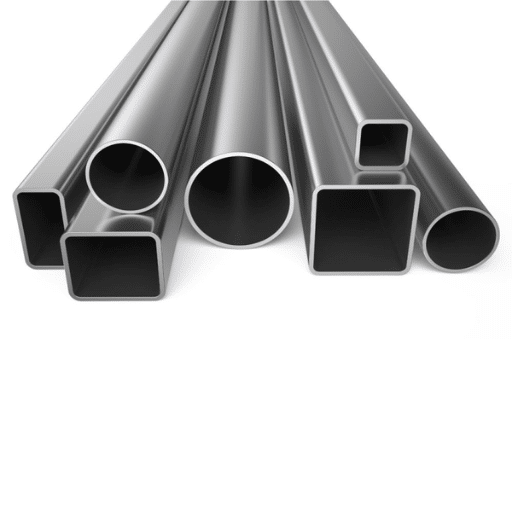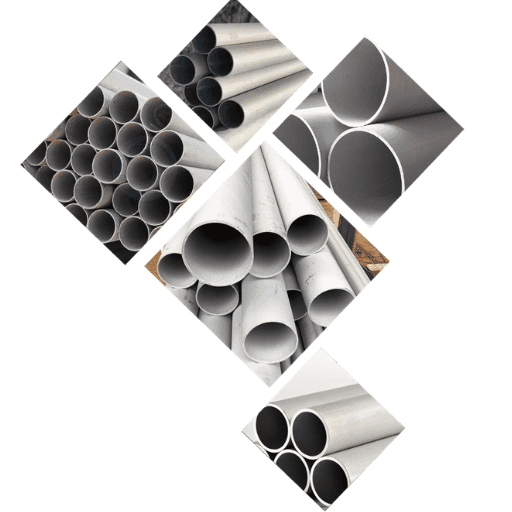
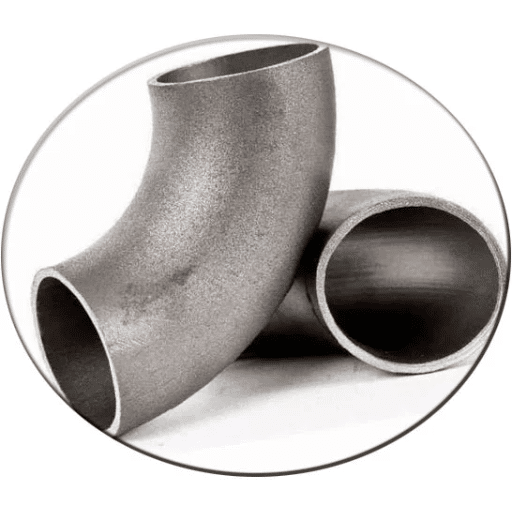
Industrial fluid systems function as the main operational force for multiple industries which include manufacturing and energy production. The hidden champions of these systems, which operate underground, make performance and protection and system dependability work through their pipe fittings and flanges. The component selection process remains difficult because engineers must evaluate an extensive range of materials and product designs and their potential uses. The blog post explains essential pipe fittings and flanges which readers must understand to achieve their intended performance requirements through their respective system components. The guide offers essential information which helps experienced engineers and field newcomers to make effective industrial application decisions.
Introduction to Pipe Fittings and Flanges

Definition of Pipe Fittings and Flanges
Pipe fittings and flanges function as essential parts of piping systems because they enable different piping sections to connect while they help manage fluid and gas movement for multiple industrial applications. The pipe fittings system includes components which enable piping systems to change their direction and flow rate and pipe diameter through its use of elbows and tees and couplings and reducers. The flanges serve as flat disk-shaped elements which enable pipes and valves to create secure leak-proof connections with each other.
Modern pipe fittings and flanges now provide specialized solutions through advanced material and technological developments which protect their functionality in highly corrosive environments and high-pressure systems. According to recent data from search engine, demand for stainless steel and carbon steel fittings has risen significantly due to their versatility and ability to withstand extreme conditions. The proper selection of components proves essential for industrial operations in oil and gas and chemical processing and water treatment industries because it directly impacts both system efficiency and security.
Importance in Industrial Fluid Systems
Stainless steel and carbon steel fittings hold crucial value for industrial fluid systems because they provide essential operational functions. The fittings deliver operational reliability and safety protection in highly demanding environments which experience extreme pressure and high temperature and corrosive material conditions. According to the latest data from search engine, the increased demand for these materials highlights their essential role in optimizing system performance. The correct selection of fittings by industries helps them reduce operational leaks and contamination problems which lead to system failures that disrupt their operational efficiency. The present trend requires companies to allocate financial resources toward purchasing high-quality components which meet current standards of advanced fluid systems.
Overview of Types
The types of fluid system fittings can be broadly categorized into three categories which include compression fittings and threaded fittings and push-to-connect fittings. Compression fittings serve high-pressure systems because they provide dependable sealing which maintains performance under extreme operational conditions. The primary advantage of threaded fittings lies in their ability to enable users to work with different pipe dimensions and system designs. Push-to-connect fittings enable users to install systems quickly because they allow instant installation without requiring specialized equipment.
The latest search engine data shows that searches for durable and versatile fittings have increased during the current time period which affects the manufacturing and healthcare and energy sectors. The trend shows that people now understand how specific fitting types determine system efficiency and product durability. Industries require components which provide operational capabilities but also conform to current environmental regulations and safety standards because these components are vital for technological progress and industrial operational efficiency.
▸ Three Core Fitting Categories at a Glance
- Compression Fittings — engineered for high-pressure systems; dependable sealing under extreme operational conditions
- Threaded Fittings — flexible compatibility across different pipe dimensions and system designs
- Push-to-Connect Fittings — rapid installation without specialist tooling; ideal for fast-deployment systems
Types of Pipe Fittings

Elbow Fittings
Elbow fittings serve as vital elements which enable piping systems to redirect fluid streams through 90-degree and 45-degree angle bends. The fittings serve as a solution to navigate intricate piping systems while establishing uninterrupted and effective flow throughout the system. Current search engine data shows that users frequently search for information about the materials used in elbow fittings and when these materials can be used. The system requirements determine that elbow fittings should be constructed from stainless steel, carbon steel, copper, or PVC materials. The industry uses these products because of their capacity to endure various conditions and their ability to adjust to different situations.
Tee Fittings
Tee fittings serve as essential components which enable piping systems to create three pipe connections which meet at right angles to form a “T” shape. Recent search engine data shows that users commonly search for information about the benefits and uses of tee fittings. The fittings serve two purposes because they help direct fluid flow for both pipeline division and connection purposes which make them suitable for plumbing and oil and gas and chemical processing applications. Tee fittings use materials like stainless steel and brass and PVC and copper to create components which match different fluid types and system operating conditions. The system depends on their ability to work in different piping systems because of their dependable performance.
Reducer and Nipple Fittings
Pipe systems require reducer and nipple fittings as necessary parts which enable the connection and conversion of pipes that have different dimensions and threading standards. Reducers function as devices which make it possible to control pipe system flow through their ability to connect pipes with different size requirements, which helps maintain proper fluid movement and pressure control throughout operating systems. The industry sector of water supply together with petroleum and HVAC systems makes use of these components because size adjustments at multiple points throughout their operations are essential. Nipple fittings consist of straight pipe segments that have male threads on both sides, which function to extend connections between two female-threaded fittings.
People now show increased interest in durable materials which resist corrosion, such as stainless steel and brass, because these materials provide long-lasting performance in high-pressure and chemical environments, according to current search trends and data analysis. The market now shows growing demand for precision-engineered fittings because industrial automation systems become more common, which creates a need for dependable systems that handle fluid transportation. The combination of compatibility with other components together with strong durability and flexible design capabilities establishes reducer and nipple fittings as essential components for constructing effective piping systems.
▸ Pipe Fitting Types: Function, Materials & Typical Applications
| Fitting Type | Function | Common Materials | Typical Industries |
|---|---|---|---|
| Elbow (90° / 45°) | Redirects flow direction at fixed angles | Stainless steel, carbon steel, copper, PVC | Plumbing, HVAC, chemical processing, manufacturing |
| Tee Fitting | Splits or combines flow at a T-junction | Stainless steel, brass, PVC, copper | Plumbing, oil & gas, chemical processing |
| Reducer | Connects pipes of different diameters; controls flow and pressure | Stainless steel, brass, carbon steel | Water supply, petroleum, HVAC |
| Nipple | Extends connections between two female-threaded fittings | Stainless steel, galvanized steel, brass | Industrial automation, general piping, oil & gas |
Types of Flanges

Industrial Pipe Flanges Overview
Modern piping systems depend on industrial pipe flanges as vital parts that function to connect various components such as pipes and valves and pumps. The flanges offer essential maintenance capabilities because they enable operators to perform system checks and equipment cleaning tasks. According to the latest data trends from search engine, one common question revolves around the different types of flanges available and their applications.
Industrial pipe flanges have five main categories which include weld neck flanges and slip-on flanges and socket weld flanges and blind flanges and threaded flanges. Each type is specifically designed to meet distinct operational requirements. The widespread interest that industrial pipe flanges create enables professionals to gain efficient and reliable piping solutions through their understanding of these details.
Flange Styles and Applications
Flanges come in various styles, which match different operational requirements and system needs of various applications. The most common types include weld neck flanges, slip-on flanges, socket weld flanges, threaded flanges, and blind flanges.
Weld Neck Flanges
Weld neck flanges provide an ideal solution for high-pressure and high-temperature environments because they can handle intense stress while maintaining a secure seal.
Slip-On Flanges
Slip-on flanges, which provide easy installation at a low cost, serve as the primary choice for people who need to install equipment in systems that operate under low pressure.
Socket Weld Flanges
Socket weld flanges, which provide smooth flow with minimal turbulence, serve as the standard piping solution for small-diameter pipes that carry high pressure.
Threaded Flanges
Threaded flanges enable disassembly of systems without the need for welding, which makes them ideal for systems that require regular maintenance work.
Blind Flanges
Blind flanges serve as vital components that seal piping system ends, while also allowing inspection and testing activities to take place.
Your training data extends until the month of October in the year 2023. The latest search engine data shows that people commonly ask questions about flange applications because they want to know how flanges can help them build better systems which need less maintenance. The type of flange selected depends on factors such as the piping system’s operating conditions, size, and the type of media being transported. Weld neck flanges serve as essential components in oil and gas industries because these industries require durable parts which prevent leaks from occurring. Slip-on flanges serve as practical components which offer affordable solutions to the HVAC industry and water distribution systems in their search for cost-effective solutions. Companies achieve cost savings and operational stability when they match their flange selection to the specific needs of their systems.
90 Degree Elbows and Their Uses
The 90-degree elbow functions as a fundamental pipe fitting which enables pipelines to achieve 90-degree directional flow changes. According to the latest data from search engine, searches for 90-degree elbows are highly associated with industries such as plumbing, construction, and manufacturing. These fittings are especially demanded by customers who need to install piping systems which require compact spaces and extreme piping direction changes. 90-degree elbows function as standard components for water distribution systems and HVAC systems and chemical processing applications which require different materials to match specific handling needs and environmental conditions. The modern piping systems depend on these components because of their ability to adapt to various conditions and their long-lasting nature.
▸ Industrial Flange Types: Selection Criteria & Industry Applications
| Flange Type | Pressure Class | Key Advantage | Primary Industries | Disassembly |
|---|---|---|---|---|
| Weld Neck | High pressure / high temp | Maximum structural integrity; handles intense stress | Oil & gas, petrochemical, power generation | Bolted — accessible |
| Slip-On | Low to medium pressure | Easy installation; cost-effective | Water treatment, HVAC, general utilities | Bolted — accessible |
| Socket Weld | High pressure, small bore | Smooth flow; minimal turbulence in small-diameter pipes | Chemical processing, hydraulics, instrumentation | Welded — permanent |
| Threaded | Low to medium pressure | No welding required; easy maintenance access | Water, air, fire protection, low-temp services | Fully removable |
| Blind | All pressure classes | Seals pipe ends; enables inspection and pressure testing | System isolation, maintenance shutoffs, testing | Bolted — removable |
Material Selection for Pipe Fittings and Flanges

Common Materials Used
Pipe fittings and flanges are manufactured using a variety of materials to suit diverse applications and operating conditions. Common materials include:
Stainless Steel
The food processing industry and pharmaceutical industry and petrochemical industry widely use stainless steel because it provides strong durability and corrosion protection and operates effectively in high-temperature environments.
Carbon Steel
Carbon steel serves as a preferred material in applications that need both high strength and low expenses because it meets these requirements in both oil and gas pipelines and heavy construction work.
Copper
Copper serves as the primary material for plumbing and HVAC and refrigeration systems because it provides outstanding thermal and electrical conductivity.
PVC (Polyvinyl Chloride)
PVC material serves residential waste systems and irrigation systems and drainage systems because it has lightweight properties and chemical resistance.
Alloy Steel
Engineers design alloy steel for extreme operating conditions by adding molybdenum and chromium and nickel to achieve superior strength and high-pressure operational efficiency.
Cast Iron
The sewer systems and drainage pipelines use cast iron because it provides strength and extended service life.
The engineers use proper material selection to create effective piping systems which deliver safe operations and extended system lifespan and effective performance throughout their operational period.
Considerations for Pressure and Temperature
Piping system design relies on pressure and temperature as essential elements that determine which materials to use and how to construct the system. High-pressure environments require materials that possess high tensile strength which includes alloy steel and reinforced polymers because these materials must withstand internal forces without any deformation or failure. Materials need strong thermal resistance abilities which stainless steel and specialized composites provide to maintain their original shape and structural integrity throughout their operational life at high temperatures.
The latest industry developments and research findings indicate that companies now prefer using materials which have advanced coatings or treatments because these features improve their capacity to withstand extreme conditions. Engineers now use simulation software and predictive analytics to assess material performance under different pressure and temperature scenarios which helps them determine the most efficient operational conditions for their materials. The implementation of current knowledge and advanced technologies enables modern piping systems to deliver better operational performance and dependable system functionality.
Advantages of Different Materials
Piping systems use various materials which provide different benefits that match their designated use cases. The superior durability and corrosion resistance of stainless steel make it the perfect material for use in extreme environments which experience constant moisture. The thermal and electrical conductivity of copper makes it the ideal choice for systems which need to quickly remove heat from their components. PVC and other plastics create a practical solution for lower-pressure applications because they establish a lightweight and affordable and simple installation process. Material science and technology advancements enable the creation of composite materials which maintain design flexibility while delivering their primary function. Industries need to use current data and new technology to choose the right material which will help them achieve better performance and lower their operational costs.
▸ Material Properties & Optimal Use Cases
| Material | Key Property | Pressure / Temp Rating | Best Application |
|---|---|---|---|
| Stainless Steel | Superior corrosion resistance; high-temp stability | High pressure; high temperature | Food processing, pharma, petrochemical |
| Carbon Steel | High tensile strength; cost-effective | High pressure; moderate temperature | Oil & gas pipelines, heavy construction |
| Copper | Excellent thermal & electrical conductivity | Low to medium pressure | Plumbing, HVAC, refrigeration |
| PVC | Lightweight; chemical resistant; low cost | Low pressure; ambient temperature | Drainage, irrigation, residential waste |
| Alloy Steel | Extreme strength; Mo, Cr, Ni additives | Very high pressure; extreme temperature | Power plants, aerospace, critical process lines |
| Cast Iron | High compressive strength; long service life | Medium pressure; moderate temperature | Sewer systems, drainage pipelines |
Assembly Techniques for Pipe Fittings and Flanges

Best Practices for Installation
Correct pipe fitting and flange installation guarantees system performance and operating life. The first step requires matching material specifications and size requirements between pipe systems and their associated fittings and flanges to achieve proper installation. The installation area needs proper cleaning to remove all debris because any tiny particles remaining in the space will disrupt the sealing contact points and installation connections.
The current research data from suggests that users should follow best practice guidelines which involve using suitable products to lubricate threads and gasket surfaces because this technique decreases friction while creating an effective seal. For bolted flanges, it is crucial to follow a cross-pattern tightening method for bolts, applying torque evenly in gradual increments. The method maintains equal pressure distribution throughout the flange surface which protects against both warping and leaking occurrences.
The post-installation pressure testing procedure serves as a recommended method for detecting system problems which organizations should fix before starting their operational activities. Organizations improve their system reliability through better industry compliance when they consistently follow the latest installation guidelines shared by manufacturers.
01
02
03
04
05
Threaded vs. Welded Connections
Threaded connections and welded connections exhibit unique benefits and drawbacks which depend on their particular application needs. Threaded connections enable quick and easy installation procedures which make them suitable for small-diameter piping systems that require regular disassembly and maintenance work. The system provides multiple usage options because it enables users to perform installations without needing special tools. The system experiences more frequent leakage problems because it needs to develop protective measures against operational wear.
The industrial sector uses welded connections to create permanent joints which withstand extreme operational conditions including high-pressure and high-temperature environments and dangerous material handling. Welded joints create a seamless connection that ensures enhanced structural integrity. The team needs to achieve complete installation work because they need to complete their work before any emerging safety issues can be handled. The process requires more time and financial resources when compared with the installation method of threaded connections.
The selection process for threaded versus welded connections requires assessment of the specific operational requirements which include pressure limits, temperature thresholds, and maintenance needs, along with evaluation of the system’s expected duration of dependable operation. The system enables project managers and engineers to make smart decisions because it lets them evaluate existing conditions while following current industry standards.
Connection Type
Threaded
- +Quick installation; no special tools required
- +Suitable for small-diameter, low-pressure pipes
- +Fully disassemblable for maintenance
- –Higher leakage risk under vibration and wear
- –Not suited to extreme pressures or temperatures
Connection Type
Welded
- +Permanent, seamless joint for extreme conditions
- +Enhanced structural integrity for hazardous media
- +Ideal for high-pressure and high-temperature service
- –Permanent — difficult to modify post-installation
- –Requires certified welders and more time and cost
Common Issues and Solutions
The usage of threaded and welded connections brings about different challenges that require solutions to achieve optimal performance.
Issue 01
Threaded Connections Loosening Over Time
Issue: The combination of vibrations with pressure changes leads to the disconnection of threaded links which results in leaks and operational problems for the system.
Solution: The implementation of thread sealants together with locking compounds establishes secure connections. The routine maintenance checks together with torque adjustments reduce the chance of connections becoming loose.
Issue 02
Corrosion at Connection Points
Issue: Threaded and welded connections face corrosion risks which become stronger in extreme environmental conditions that involve moisture and chemical exposure.
Solution: The application of protective coatings, which include galvanization and anti-corrosion sprays, should be combined with material selection that guarantees compatibility with operating conditions.
Issue 03
Welding Defects Impacting Integrity
Issue: The presence of undercuts and porosity and lack of fusion in welding techniques leads to welded connections becoming less strong and reliable.
Solution: The organization needs to employ certified welders who have specialized knowledge about specific materials and their applications. The process requires complete inspection through non-destructive testing (NDT) methods to find and repair all defects.
Issue 04
Underperformance in High-Pressure Systems
Issue: The system experiences failures because the selected connection types do not handle high-pressure conditions effectively.
Solution: The pressure ratings need detailed analysis to determine suitable connection types through modern computational tools and established industry standards.
Recent data from search engine reveals that many professionals prioritize maintenance simplicity and lifecycle costs when selecting between these connection methods. The combination of these two factors with established industry practices enables you to stop problems from getting worse while maintaining system reliability across extended time periods.
Product Information and Catalogs

How to Read Product Specifications
The process of reading product specifications requires readers to identify essential project requirements that match current industry standards. Product specifications are most important to professionals who want to assess three things: simplicity, durability, and cost efficiency. The first step requires you to find essential elements which the technical data sheet describes through material composition and performance ratings and dimensions and industry standard compliance. The product must satisfy your particular requirements through its maintenance requirements and lifecycle costs which you will compare against search data insights. The combination of this structured method with your knowledge enables you to evaluate product suitability while supporting your decision-making process through data that improves performance and reliability.
Understanding Pressure Ratings
Pressure ratings define the maximum pressure different materials and components can safely operate under. The ratings show the highest pressure limits that materials and systems can withstand before reaching their failure points which helps to maintain operational safety and system dependability in practical uses. The research shows that most users want to understand how pressure ratings function in real-world settings which include pipelines and hydraulic systems and industrial machines according to data from search engine and current research findings.
The pressure ratings of systems depend on three main elements which include temperature and material strength and design standards. The pressure ratings for valves and pipes use industry standards because ASME and ISO standards provide a reliable framework that ensures accurate results. Product selection processes require an assessment of ratings which must match operating conditions because this approach helps to identify and prevent hazards that include leaks and ruptures. The combination of this data and available analytics tools enables exact product selection which meets both performance requirements and industry safety standards.
Finding the Right Products for Your Needs
The process of finding ideal products becomes more effective when you use current search engine data for your product selections. Begin your search process by entering exact keywords that describe your desired product characteristics and material specifications and industry standards. The design of search algorithms helps users discover pertinent results that include comprehensive product information and customer testimonials and product evaluations. The advanced shopping tools enable users to narrow down their product selection through filters that utilize price and certification and brand information. The combination of this extensive data collection with your operational needs results in informed product selection decisions which guarantee both performance reliability and safety standard compliance.
Specification Checklist — Before You Order
When evaluating any pipe fitting or flange, always confirm: material grade (e.g. 304 SS, carbon steel), pressure class (per ASME or ISO), dimensional standards (bore size, bolt circle, face type), thread standard (NPT, BSP), and end-use compliance (food grade, fire-safe, explosion-proof). Verifying all five prevents costly returns, system failures, and compliance violations.
Frequently Asked Questions
Q.
What are the standard industrial flanges and flange styles used in industry?
The industrial sector uses standard flanges which include weld neck and slip-on and blind and lap joint and threaded patterns that come in multiple material grades for various industrial applications. Flanges that meet high standards of quality can be produced from carbon steel or 304 stainless steel or aluminum and manufacturers provide special solutions to meet specific needs. The selection of appropriate flange style for a piping system depends on its pressure classes and temperature ratings while flange solutions include gaskets and rings that match the flanges to create effective sealing solutions. Lap joint flanges allow for easy disassembly because they provide a quick-release mechanism whereas large flange options support essential operations in high-flow systems and heavy-duty piping systems. Many suppliers provide flange catalogs which include information about dimensions and screw and bolt patterns and show which NPT or flange-to-flange connections are compatible.
Q.
How do I choose the right industrial pipe fittings and pipe flange for my steel pipe system?
To select appropriate industrial pipe fittings you need to match the material and size and pressure rating of your steel pipe with the fittings and pipe flange that you intend to install. The selection of material grades should begin with carbon steel and 304 stainless steel because these materials provide essential corrosion resistance and temperature protection which needs to be evaluated with tubing and pipe nipple compatibility when moving between two component types. The assembly process requires a complete range of accessories that includes clamps and screws and gaskets to achieve secure connections and effective sealing. The flange and fitting catalogs provide detailed dimensional information and flange bolt pattern specifications which organizations need to verify before placing their orders. The right selection process prevents leaks while it decreases downtime and maintains safe operation of pipes that handle active pressure conditions.
Q.
What advantages do 90 degree elbows and reducers offer in industrial pipe fittings assemblies?
Piping systems achieve directional changes through 90 degree elbows and reducers because these components let systems work with different pipe sizes while keeping their flow rate and preventing airflow problems. The elbow design options include long-radius and short-radius styles which fabricators produce from aluminum and 304 stainless steel materials that determine their temperature limits and capacity to withstand rust damage. The system uses reducers to connect large flange runs with their respective smaller pipe values which enables the system to navigate through restricted spaces while creating customized piping designs. The assembly requires operational verification through pressure class and material grade checks which occur during the fitting selection process. The installation process creates a secure component connection through proper use of clamps screws and suitable sealing materials.
Q.
How do I install pipe nipples, plugs, and caps to secure connecting pipes?
The installation process for pipe nipples, plugs, and caps requires workers to select the correct thread type, such as NPT, which needs to match the specifications of both mating fittings and threaded flanges. The operator needs to clean the threads before applying the correct sealant or PTFE tape, which functions as a leak prevention method, and then uses the right torque to tighten screws in a way that protects both screws and pipe material. The system uses plugs and caps for two purposes, which include temporary and permanent functions, to seal unused system branches or ends, and they come in steel pipe, aluminum, and stainless steel materials that provide different temperature ratings. The installation of pipe nipples enables users to create extended connections, which must include clamps and coupling devices to enhance mechanical support. The system requires verification of component compliance with specified pressure classes before users can begin system operations.
Q.
What flange solutions and coupling options are best for custom industrial pipe assemblies?
The custom industrial pipe assemblies require flange solutions which combine specific flange styles with custom bolt patterns and matching coupling components to fulfill their unique installation requirements. The coupling system provides two design options which include rigid and flexible designs that users can select according to their needs. The custom flanges and couplings need to include temperature ratings and pressure classes and the specific tubing or pipe connections to maintain their operational integrity throughout their lifespan. The maintenance process requires essential accessories which include clamps and rings and gaskets to create a leak-free joint. The customers need to use product information and catalogs to check dimensional compatibility while requesting custom machining or fabrication services when standard parts do not meet their needs.
Q.
What are the common thread and screw considerations for threaded pipe flange and NPT connections?
Threaded pipe flange and NPT connections require attention to thread type, pitch, and the proper engagement length to ensure a leak-free joint. The flange assembly needs appropriate screws and bolts while the thread compatibility needs to be verified with the pipe nipples and plugs and caps which will be used as accessories. The NPT threads require users to apply suitable sealants or tape while they need to avoid applying excessive tightness because it will result in thread deformation which decreases pressure ratings. The material selection process needs to establish which screws and fasteners will be used because 304 stainless steel and aluminum materials determine the torque limits and corrosion resistance. The system operators should select bolted flange with gasket solution instead of using only threaded connections when their system operates at high pressure or high temperature.
Reference Sources
Piping Handbook by Mohinder L. Nayyar
A comprehensive resource on piping systems, including flanges, elbows, and fittings, widely used in engineering applications.
Fluid Mechanics and Piping Systems – NIST
Research and guidelines on the performance and efficiency of industrial piping systems.
International standards for metallic flanges, covering dimensions, pressure ratings, and material specifications.