High-Performance Copper Tubes for the Automotive Industry
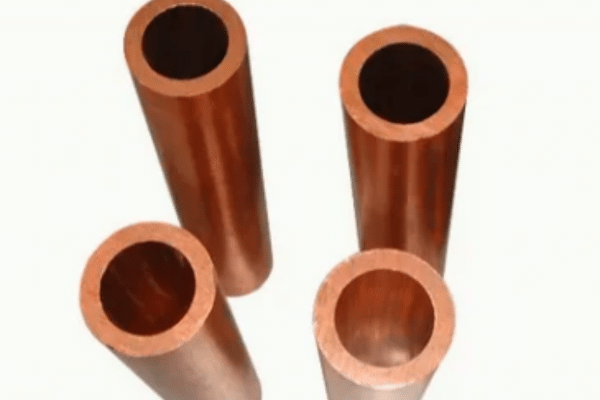
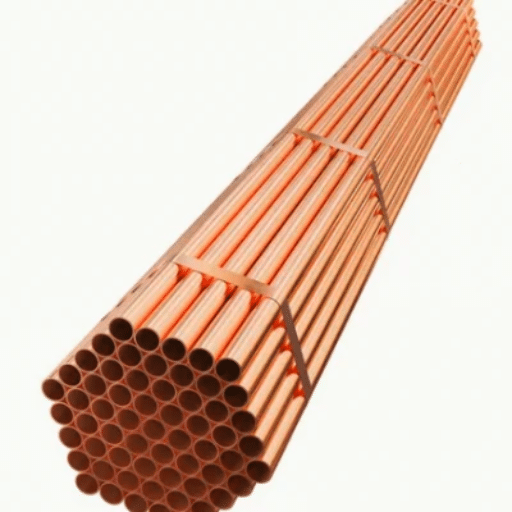
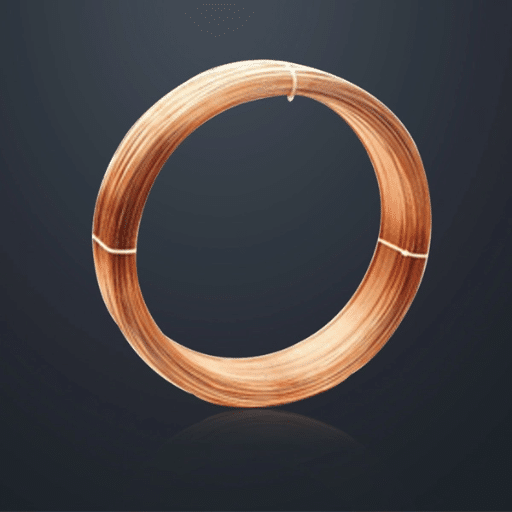
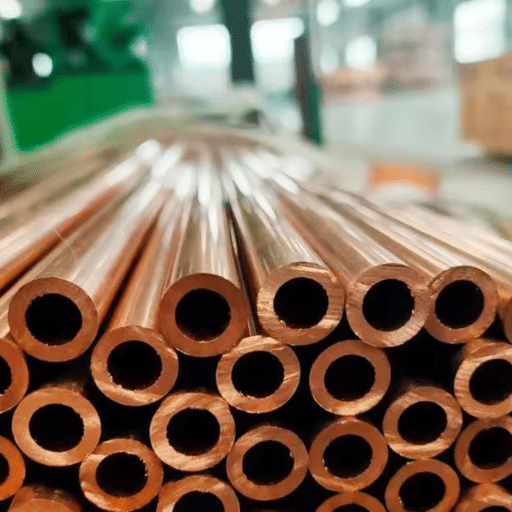
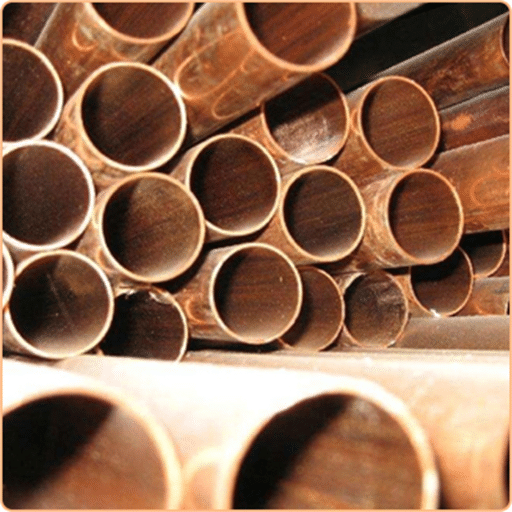
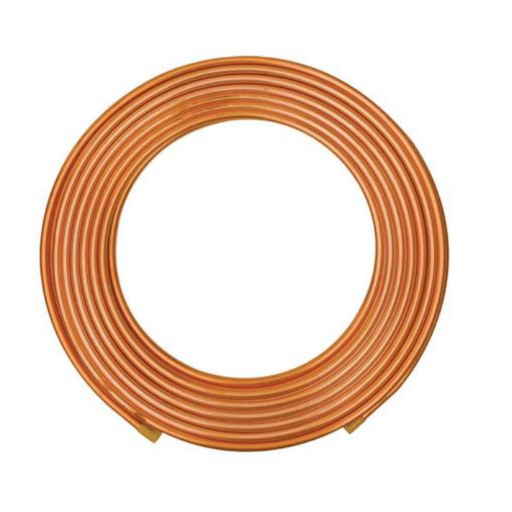
The use of copper tubing in the automobile industry is a testament to its essential role in enhancing vehicle performance and safety. Copper tubes, known for their exceptional thermal conductivity and corrosion resistance, are vital components in various automotive applications, ensuring reliability and efficiency.
Copper plays a crucial role in the automotive industry due to its superior properties. Automotive industries rely on copper tubing for tasks requiring high thermal conductivity, such as in air conditioning and heat exchanger systems. Its use in brake systems further underscores its importance, providing safety and durability.
Features and advantages of the Automotive Industry Copper Tube
Copper and copper-nickel alloys deliver unmatched thermal performance, corrosion resistance, and reliability critical for modern vehicles—especially electric and hybrid systems where thermal management determines range and safety.
Easy Forming & Joining
Copper tubes bend without kinking, simplifying complex routing around engines and chassis. Multiple joining methods (brazing, welding, mechanical) accommodate diverse manufacturing processes. Reduces assembly time by 30-40%.
EV Battery Thermal Management
Electric vehicles require aggressive cooling to prevent thermal runaway and maximize battery life. Copper's conductivity enables compact, efficient battery coolant loops—critical for 300+ mile range and fast charging capability.
100% Recyclable
Copper is infinitely recyclable with no property loss. Over 80% of all copper ever mined is still in use. Critical for automotive OEMs pursuing sustainability goals and circular economy mandates.
Vibration & Fatigue Resistant
Copper's ductility absorbs vibration without cracking. Unlike brittle aluminum that fatigues, copper maintains integrity through millions of thermal cycles and road vibration—essential for 200,000+ mile vehicle lifespan.
Copper Alloys for Automotive Applications
Comprehensive specs for automotive copper tubes meeting SAE, ASTM, and OEM standards
Alloy (UNS)
Composition
Key Property
Primary Application
C12200 (DHP)
99.9% Cu, 0.015-0.040% P
High conductivity (401 W/m·K)
Radiators, heat exchangers, AC systems
C70600 (Cu-Ni 90/10)
90% Cu, 10% Ni
Excellent corrosion resistance
Brake lines, hydraulic lines, fuel lines
C71500 (Cu-Ni 70/30)
70% Cu, 30% Ni
Superior seawater resistance
Marine applications, offshore vehicles
C44300 (Admiralty)
71% Cu, 28% Zn, 1% Sn
High strength with good conductivity
Heat exchangers, oil coolers
Why Choose Our Automotive Copper Tubes
?
Precision Tolerances: ±0.05mm wall thickness tolerance (tighter than ASTM requires). Critical for leak-free brazed joints in heat exchangers and consistent flow in hydraulic systems. Zero out-of-tolerance shipments in 3 years.
Application Engineering Support: Our metallurgists and automotive engineers provide design assistance for heat exchanger optimization, brake line routing, EV cooling system design. We've helped 50+ OEMs optimize copper tube applications.
Custom Alloy Selection: Need Cu-Ni for coastal environments, C44300 for maximum heat transfer, C12200 for cost optimization, We stock 8 copper alloys and can custom-manufacture specialty compositions for unique requirements.
Sustainability Traceability: Complete supply chain transparency from mine to your loading dock. Conflict-free sourcing verified. 85% recycled content available. Supports your ESG goals and OEM sustainability requirements.
Applications of Automotive Industry Copper Tube
From traditional ICE vehicles to cutting-edge EVs, copper tubes are critical components
Radiators & Heat Exchangers
Copper-brass radiators with aluminum fins deliver optimal cooling for ICE engines. Copper's 401 W/m·K conductivity enables compact designs that fit tight engine bays while handling extreme heat loads.
Brake & Hydraulic Lines
Copper-nickel 90/10 brake tubing eliminates corrosion failures. Swedish studies show 90,000 steel brake line failures in 1988—Cu-Ni lines showed ZERO corrosion failures after 20+ years.
EV Battery Cooling Systems
EVs use 2x more copper than ICE vehicles. Battery coolant loops require copper's conductivity to maintain optimal 20-40°C battery temperature for range, charging speed, and safety.
Automotive Industry Copper Tube
Evaporators, condensers, and refrigerant lines leverage copper's thermal properties. Inner groove tubes enhance heat transfer efficiency by 30-50% over smooth tubes.
Latest Blog Posts
Explore our comprehensive resources, including industry insights, application guides, and technical expertise to support your projects.
For those seeking high-quality copper tubes for automotive applications, our team is ready to assist. We provide a comprehensive range of copper products designed to meet the diverse needs of the automobile industry. Whether you require seamless copper tubes or specialized alloy options, we offer solutions tailored to your specific applications. Reach out to our experts for guidance and to explore how our copper tubing can enhance your automotive systems.
Q: How does copper tube for automobile applications differ from other metals?
A: Unlike other metals, copper tubes for automobile applications offer excellent thermal conductivity, corrosion resistance, and malleability. This makes them ideal for use in critical components like heat exchangers and automotive vehicle brake tubing, where performance and reliability are essential.
Q: What specifications of copper are important for the automobile industries?
A: Specifications such as ASTM B819 for seamless tubing and ASME SB280 for seamless copper tubes are crucial for the automobile industries. These standards ensure that the copper tubes meet required mechanical properties and dimensions, making them suitable for various automotive applications.
Q: What is the role of copper seamless tubing for automobile industries?
A: Copper seamless tubing plays a vital role in the automobile industries by providing reliable solutions for fluid transfer, heat exchange, and structural support. Its seamless nature enhances strength and reduces the risk of leaks, making it ideal for applications in automotive systems.
Q: What are the advantages of using copper pipe for automobile industries?
A: Copper pipes for automobile industries offer several advantages, including lightweight, high strength, and excellent thermal conductivity. These properties help improve fuel efficiency and performance in vehicles, making copper a preferred choice for many automotive components.
Q: How does the demand for copper affect the automotive industry?
A: The demand for copper in the automotive industry is driven by the increasing need for efficient and durable materials in vehicle manufacturing. As electric vehicles gain popularity, the demand for copper tubes and components used in electrical systems and heat exchangers is expected to rise significantly.
Q: What are the applications of copper heat exchanger tube in automobiles?
A: Copper heat exchanger tubes are extensively used in automobiles for cooling systems, such as radiators and air conditioning units. Their efficient heat transfer capabilities ensure optimal engine performance and passenger comfort, making them essential in modern automotive designs.