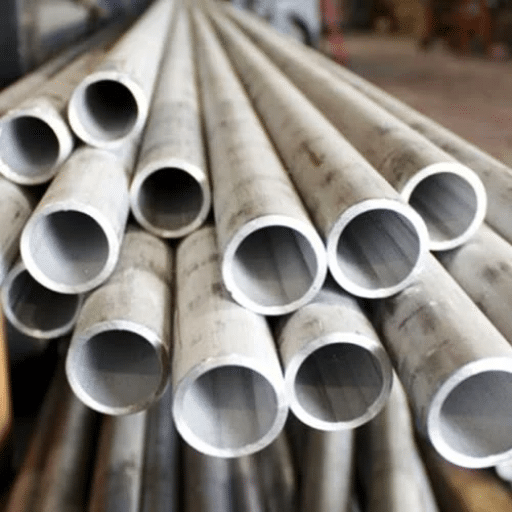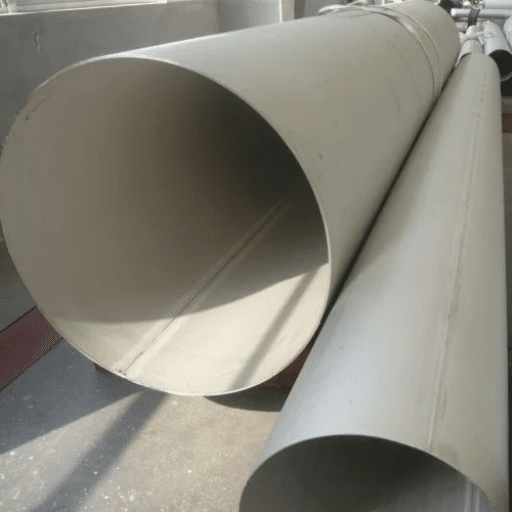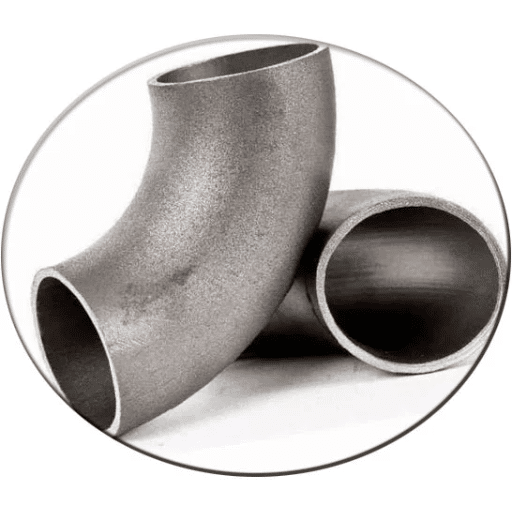
The selection of appropriate copper tubing for HVAC and refrigeration systems directly impacts system efficiency and dependable operation and extended system life. The extensive selection of copper tube types which manufacturers produce for specific applications makes it difficult to find suitable products that meet your requirements. This blog post provides essential information about different copper tube types by describing their characteristics and typical applications and essential selection criteria. This guide provides essential information which helps both experienced technicians and new HVAC and refrigeration technicians make educated choices for system performance improvement. The upcoming information will reveal important details which can significantly impact the overall results.
Section 01
Copper Tubing Overview
What is Copper Tubing?
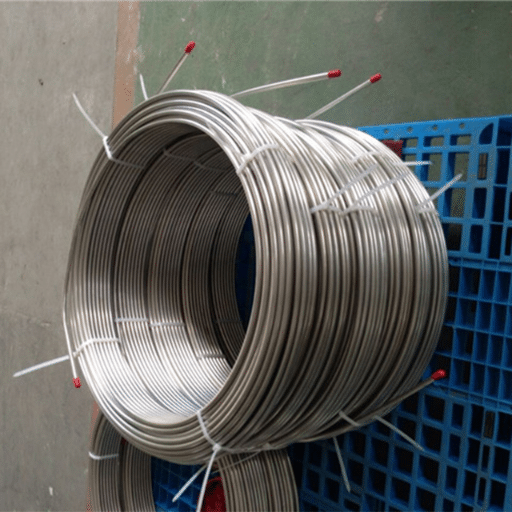
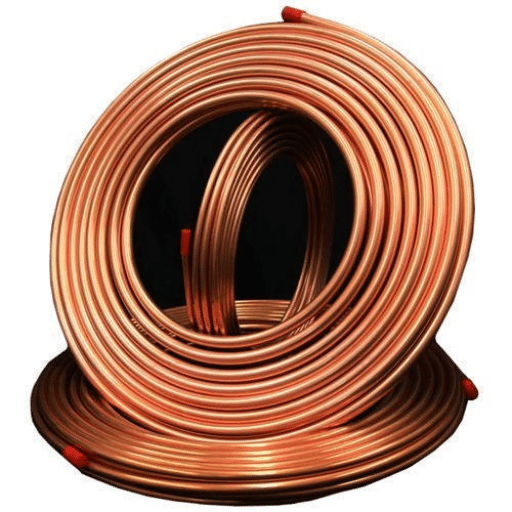
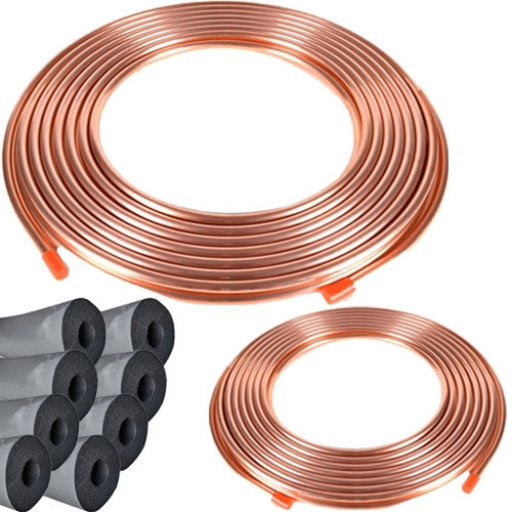
Copper tubing serves as a strong and adaptable material which plumbing, HVAC systems and refrigeration systems use for their operations. The tubing consists of high-grade copper which provides outstanding thermal and electrical conductivity together with protection from corrosion and simple installation. Copper tubing operates as a pipe system which moves water and refrigerants and gases because it can endure both extreme pressure and temperature changes. Recent data shows that people search for copper tubing because they want to find out about its multiple uses in homes and businesses which make it a dependable and effective solution for different system requirements. Multiple types of copper tubing, including soft (annealed) and hard (rigid), enable professionals from different industries to use this material for creating project-specific solutions.
Properties of Copper Tubing
The durability and corrosion resistance and thermal conductivity of copper tubing makes it the perfect material for plumbing and HVAC systems and gas lines. The soft (annealed) form of the material offers installers its flexibility which enables them to complete projects in narrow areas without needing extra joints. The widespread use of copper in water supply systems results from its antimicrobial properties, which help control bacterial growth.
According to the latest data from search engine, many users inquire about the longevity and cost-effectiveness of copper tubing. The research shows that copper costs more than other materials at first but its exceptional strength and minimal upkeep requirements lead to major savings over time. Copper tubing functions as a sustainable and cost-effective option for contemporary construction projects because it maintains its dependable performance while offering recyclable materials to builders.
Importance in HVAC and Refrigeration
HVAC and refrigeration systems depend on copper tubing which provides essential thermal conductivity and protection against corrosion and flexible usage. Its ability to efficiently transfer heat makes it an ideal material for heat exchangers, condensers, and evaporators, which are vital components of these systems. The analysis of current search data shows that people maintain their interest in copper tubing because it helps create energy-efficient solutions which have become essential to modern sustainable practices. People ask common questions about whether copper’s higher initial cost brings more benefits and the answer remains an unqualified yes. The material’s long lifespan and minimal need for repairs lead to lower long-term costs while its recyclable properties support environmental objectives which strengthen copper’s role in the developing HVAC and refrigeration industry.
Section 02
Types of Copper Tubes

Differences Between Types
The two main categories of copper tubes used for refrigeration systems include Type L tubes and Type K tubes. The design of Type L copper tubes with their lightweight and thin dimensions makes them appropriate for indoor use in systems that operate at low pressure. Type K copper tubes offer enhanced durability through their thicker walls, which enable them to withstand high pressure, making the tubes suitable for operation in underground systems and high-stress environments. Soft copper tubes and hard copper tubes represent the two existing types of copper tubes, which allow users to bend soft tubes for installation purposes while hard tubes provide exceptional structural strength. The selection of equipment type depends on the specific needs of the cooling system and its operating environment.
Section 03
Applications of Copper Tubes in HVAC

Air Conditioning Systems
Copper tubes function as essential components in air conditioning systems because they provide exceptional thermal conductivity together with high durability. The materials find their main application in condenser and evaporator components together with refrigerant lines which require effective heat transfer capabilities. The current data shows that people are increasingly interested in energy-efficient systems which provide eco-friendly refrigerants through copper tubes that prevent energy loss. Modern high-performance air conditioning systems choose copper tubing because it enables them to achieve sustainable operation at lower costs.
Refrigeration Systems
Refrigeration systems function as vital components which protect food and medicine together with all other perishable items in both home and industrial settings. The latest search engine data shows that people often ask about the elements which determine efficient refrigeration systems. Efficient systems require proper design together with high-quality materials and sustainable operations. Systems that operate with copper tubing achieve both energy efficiency and environmental sustainability because of copper’s superior thermal conductivity and its suitability for contemporary refrigerants. The maintenance process requires system operators to perform regular cleaning together with proper insulation and sufficient refrigerant maintenance which will extend system performance while decreasing energy needs. The refrigeration systems of today achieve their operational efficiency through the use of advanced materials and intelligent operational techniques.
Common Applications in the Industry
Refrigeration systems operate as vital components in numerous industrial sectors which they use to protect products and ensure operational safety and provide essential operational support. Energy-efficient refrigeration solutions have become more common in global markets because industries now focus on environmental sustainability and cost-effective operational methods according to current research findings.
Food & Beverage
Storing, moving and preserving perishable products throughout their usable life.
Pharmaceutical
Sustaining proper storage conditions for temperature-dependent medicines, vaccines and research materials.
Industrial Manufacturing
Equipment cooling and temperature regulation during production to produce quality results.
Commercial & Residential
Air conditioning as a major extension of refrigeration technology serving both commercial spaces and residential buildings.
Section 04
Installation Best Practices

Preparation and Planning
Successful refrigeration system installations require proper preparation and planning as their fundamental requirements. The operational needs of the facility must be assessed while checking that the selected refrigeration system meets operational requirements before work begins. The refrigeration capacity requires calculation through analysis of building dimensions and insulation standard and usage patterns. According to the latest data from search engine, users frequently ask about energy efficiency and compatibility when planning installations. The solution requires assessment of energy-saving products which meet contemporary requirements together with existing system compatibility testing. The installation area needs to be mapped and maintenance needs to be scheduled after equipment installation because both actions help to maintain optimal system performance throughout its lifespan.
Joining Techniques for Copper Tubes
Various methods exist for joining copper tubes because different applications require distinct approaches. According to the latest data from search engine, users often inquire about the most effective and durable methods for achieving secure connections. The process requires complete cleaning of tube ends and joints because this step ensures proper bonding which prevents leakages and weak connections. The choice of joining method depends on multiple factors that must be considered during the selection process.
Safety Considerations
The first priority should always be safety when people work with tube joining methods. Recent research shows that people search for two main safety issues which include working with high-pressure systems and preventing joint failures thus emphasizing the need to follow manufacturer instructions and perform routine system checks to preserve system safety.
- ✓
Establish a proper ventilation system because people use adhesives and solvents which release dangerous fumes. - ✓
Use proper personal protective equipment (PPE) which includes gloves, safety goggles and masks throughout the installation process. - ✓
Check all tools and materials to ensure they function properly because broken equipment causes dangerous situations.
Section 05
Understanding Specifications

Outside Diameter (OD) and Wall Thickness
The outside diameter measurement together with the wall thickness measurement determines the strength and operational capacity of a piping system. The outer diameter measurement shows the total width of the pipe from its outer edge. The pipe specifications determine the maximum internal pressure and external pressure resistance capacity of the pipe system.
The latest search engine trend data shows that people often ask “How do OD and wall thickness affect pressure ratings?” The material’s thickness and outer dimension proportion determine which results will be obtained. A larger OD combined with inadequate wall thickness may lead to decreased pressure tolerance, while a thicker wall relative to the OD significantly enhances durability and pressure handling capacity. The application requirements need to guide the specification balance which will help achieve industry standards while improving system safety and system performance.
Length and Size Considerations
The selection of material length and size requires evaluation of both material requirements and current industry standards. According to search data, users frequently ask how to determine optimal material dimensions for their specific applications which include pipelines and structural supports and machinery components. The ideal length should be tailored to the operational environment which requires adequate distance coverage without generating extra length that would hinder stability and efficiency. The size needs to match both the weight capacity requirements and the available physical area which needs to be utilized according to established industry benchmarks. The right length and size combination creates better performance outcomes which result in less material waste thus supporting environmental protection efforts.
FAQ
Frequently Asked Questions
References
Reference Sources
-
01Copper Development Association
Copper Tube Handbook — A comprehensive guide on copper tube specifications, applications, and standards. -
02MDPI
Case Study on the Rupture Morphology of a Copper Tube — Analyzes the causes of ruptures in copper tubes used in air conditioning systems. -
03ResearchGate
Development of a Device for Brazing Copper Pipes in HVAC Installations — Discusses innovations in brazing techniques for copper pipes in HVAC systems.