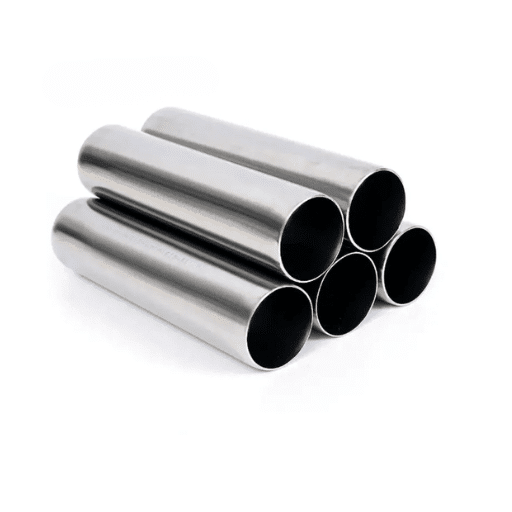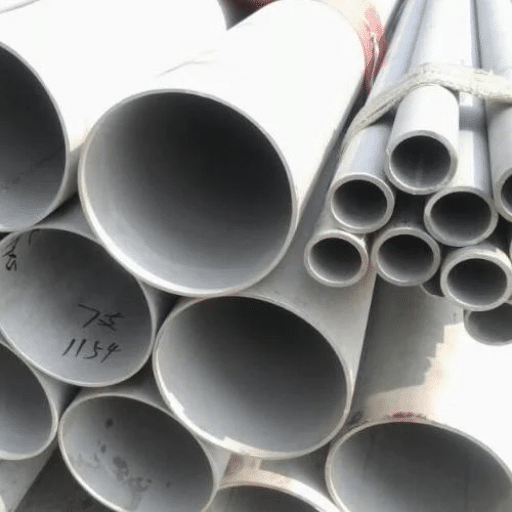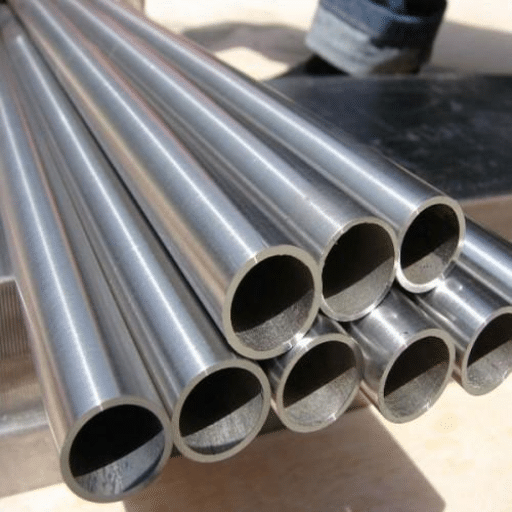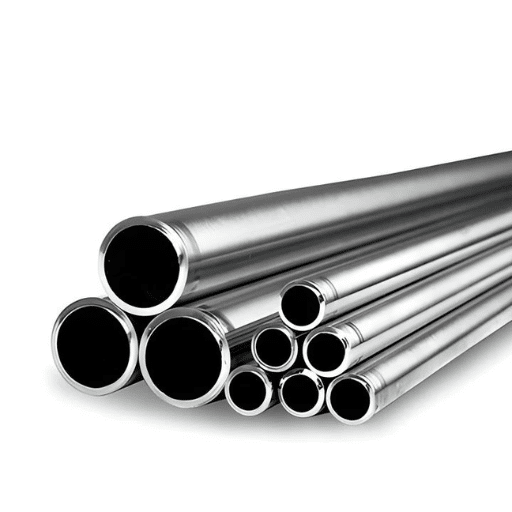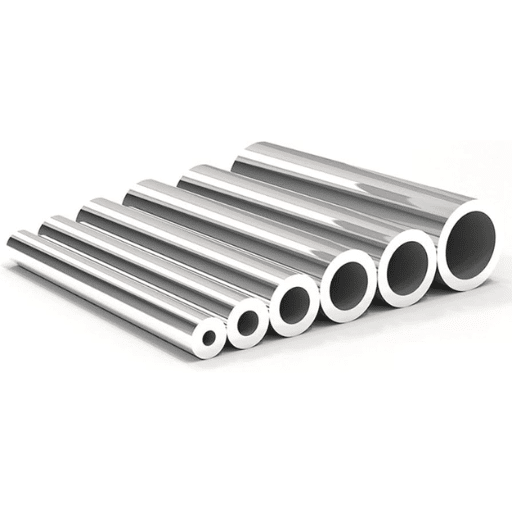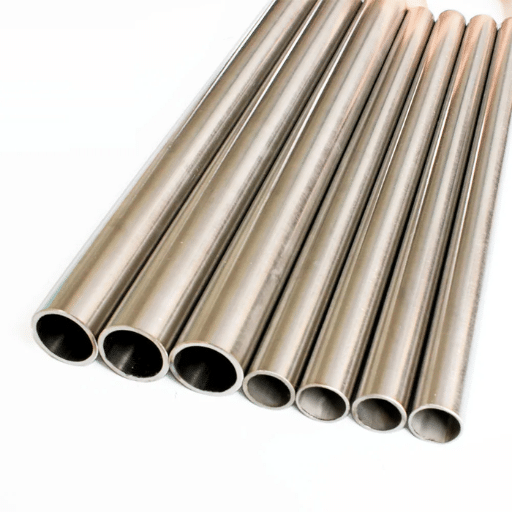
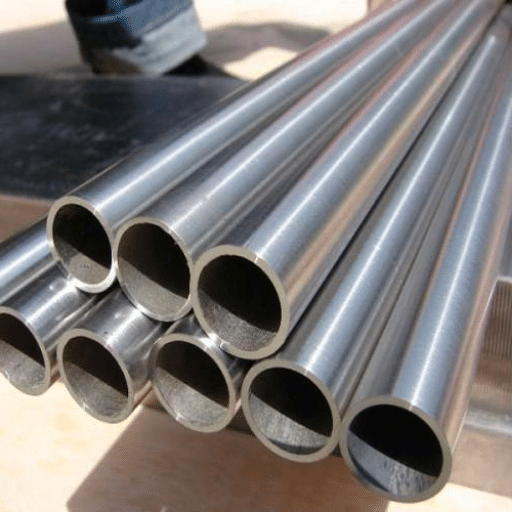
Seamless stainless steel pipes serve as the ultimate achievement of engineering and industrial development because they provide exceptional strength and multiple uses which maintain their high operational standards throughout different use cases. The pipes achieve their strong reputation because they provide essential support for oil and gas infrastructure, maintain food production facilities, and deliver accurate results in aerospace systems. The guide presents the complete manufacturing process of seamless stainless steel pipes while demonstrating their advantages and their various industrial uses.
Manufacturing Process of Seamless Stainless Steel Pipes

Extrusion Techniques
The extrusion process for seamless stainless steel pipes requires the application of force to a heated stainless steel billet which passes through a die to produce a tube with a hollow interior. The method creates pipes which achieve complete strength and constant properties because it removes the need for welding. The technique which works at high temperatures through hot extrusion enables stainless steel to achieve its intended mechanical characteristics while producing accurate measurements.
The new extrusion technologies which use computer-controlled systems to achieve automated processes have been developed through research. The modern extrusion process has reached unprecedented dependability because these systems deliver exact outcomes while decreasing resource consumption, which leads to operational advancements. The extrusion methods serve as essential techniques which enable manufacturers to create seamless stainless steel pipes that possess exceptional durability and outstanding quality.
Mandrel Drawing Process
The mandrel drawing process serves as a vital technique for creating seamless stainless steel pipes. The process requires the tube to be pulled through a die while the mandrel stays inside to maintain control of the internal diameter. The process has experienced noteworthy enhancements through modern technological advancements. Advanced computational tools now enable users to track and change parameters during the drawing process to maintain product quality and dimensional precision. The technological advances serve various industries, which need precise requirements in aerospace, automotive, and energy domains.
Quality Control in Manufacturing
Manufacturers need quality control processes which ensure their products will fulfill all high industry standards. Advanced predictive analytics help discover potential production defects during the early stages of manufacturing. Advanced data insights create better troubleshooting, which leads to faster operational processes that cut production waste and boost operational performance. The use of these technologies enables industries to produce high-quality products while achieving their production goals within established timeframes.
Advantages of Seamless Stainless Steel Pipes

Superior Strength and Durability
Seamless stainless steel pipes provide exceptional strength and durability which make them suitable for high-demand operations in multiple industrial sectors. The manufacturing process of seamless pipes creates products that lack welded joints which results in stronger pipes that can endure extreme temperature and high pressure conditions.
Industry Applications
The oil and gas industry together with power plants and construction need stainless steel pipes which provide excellent load capacity and resistance to corrosion for their essential operations. The combination of durable materials with structural strength offers industrial and commercial businesses a dependable solution which requires minimal upkeep.
Corrosion Resistance Features
Different industries use seamless stainless steel pipes because these pipes have corrosion resistance that makes them suitable for various industrial applications. The pipes are designed to endure extreme environmental conditions which involve contact with moisture and chemical substances and extreme temperature levels. The protective oxide layer forms on the surface because chromium exists which protects the material from both rust and degradation. The material benefits industries through its capacity to extend material lifespan which results in operational efficiency and reduced replacement requirements.
Comparison with Welded Pipes
Customers must determine their needs between seamless pipes and welded pipes based on their project requirements, which involve considering structural requirements, budget constraints, and operational needs.
Key Applications Across Industries

Oil and Gas Industry Usage
The oil and gas industry requires both seamless and welded pipes because different applications need different pipe types. Seamless pipes demonstrate exceptional value in withstanding high-pressure situations. The equipment demonstrates its value to upstream operations by performing essential drilling and well construction tasks which require complete failure resistance. Welded pipes serve affordable methods to deliver oil and gas through pipelines across extended distances. The optimal performance of the system depends on selecting the correct pipeline location and pressure requirements and operational conditions.
Pharmaceuticals and Food Processing
Industry Requirements
- Hygienic pipe systems that meet strict regulatory requirements
- Materials with superior corrosion resistance
- Solutions that minimize contamination risks
- Sustainable production methods maintaining cost efficiency
- Advanced technologies including stainless steel piping clean-in-place systems
- Aseptic processing equipment for quality product delivery
Construction and Infrastructure
The construction and infrastructure sectors implement new technologies together with eco-friendly solutions to bring about substantial changes in their industry. Construction projects attract interest from both public individuals and industrial professionals who want to achieve sustainability goals while keeping their financial limits. The solution involves using sustainable materials like recycled steel together with prefabrication techniques that decrease material waste and IoT-enabled sensors which improve efficiency and provide continuous resource monitoring. This method creates infrastructure development which protects the environment while delivering economically viable and environmentally friendly outcomes.
Factors to Consider When Purchasing Seamless Stainless Steel Pipes

Material Grades and Specifications
The selection of seamless stainless steel pipes requires knowledge of various material grades and their corresponding specifications. The three common grades display different levels of corrosion resistance and tensile strength and thermal properties which make them appropriate for particular usage scenarios.
The choice of an appropriate grade for specific requirements can be determined through industry trends. The project requirements can be met by understanding material properties while their usage in the project will provide maximum performance and enduring effectiveness.
Dimensional Tolerances and Schedules
The industrial application of materials depends on dimensional tolerances and schedules which determine their operational reliability and precise functioning abilities. Aerospace and automotive manufacturing industries show increasing interest in both tight tolerances and complete scheduling details. Advanced machining techniques are required by the market because they enable manufacturers to achieve precise specification fulfillment while optimizing their operational performance. The engineering standards of these industries require Grade 316 and Grade 317 stainless steel to be obtained with specific tolerances, which confirms the materials’ extensive practical applications. Industries achieve higher project accuracy through the combination of material capabilities and project schedules, which also enables them to reduce waste while meeting safety and quality requirements.
Supplier Certifications and Quality Assurance
Essential Certifications
- ISO 9001: Quality management systems that guarantee consistent production of high-quality items
- AS9100: Aerospace industry standards establishing required supplier operational procedures
- Third-party audits: Additional verification ensuring materials satisfy necessary standards
- Traceability systems: Guarantee materials meet all legal regulations and specifications
The integration of certifications with precise industry data allows companies to create efficient procurement methods which reduce risks from low-quality materials while boosting productivity and protecting project results.
Market Trends and Future Analysis

Price Fluctuations and Economic Impact
Price changes create market instability which leads to increased business costs for today and their upcoming business growth. The worldwide price of basic materials tends to increase when supply chain issues and geopolitical conflicts and higher demand occur. The production costs of various industries experience increases because of these price changes which cause higher expenses for businesses and reduced profit margins. The market experiences essential disturbances through economic indicators which include inflation rates and currency exchange rate changes.
Business Strategies for Economic Uncertainty
- Implement flexible pricing methods to adapt to market changes
- Establish multiple supply channels to mitigate disruption risks
- Develop forecasting tools to predict market fluctuations
- Use macroeconomic data together with real-time business insights for protection
Technological Advancements in Production
The worldwide industrial sector has undergone a complete transformation because of advanced technology implementation in production systems. The production efficiency trend demonstrates how essential it has become to use automation together with artificial intelligence and machine learning technologies. Companies achieve operational improvements and productivity gains through the implementation of intelligent robotics and predictive maintenance systems and Internet of Things (IoT) devices. The new technologies enable businesses to decrease their manufacturing expenses while offering personalized products that can be delivered to customers in a timely manner. The combination of advanced technological solutions with established manufacturing methods is transforming production methods into more flexible and environmentally friendly operations.
Sustainability Considerations in Manufacturing
Manufacturing enterprises need to achieve two goals: operational efficiency and environmental responsibility to create sustainable manufacturing operations that will remain functional. Consumers prioritize environmentally friendly brands more than ever, pushing companies to integrate sustainability not just as a practice but as a core business value.
Frequently Asked Questions
What is a stainless steel seamless pipe, and how does its description differ from that of a welded pipe?
A stainless steel seamless pipe constitutes a hollow metal tube which lacks welded seams throughout its length. The description of welded pipes which are made through the welding process shows different characteristics from those of seamless pipes. Seamless pipes demonstrate superior mechanical strength which allows for better pressure handling and delivers improved protection against corrosion in different environmental conditions. Critical applications that require high integrity assessment between seamless stainless products and other options show that customers give preference to seamless stainless products.
How do I choose the correct size and pipe wall thickness for my stainless steel pipe project?
To determine the correct pipe size and wall thickness, two specific needs must be assessed, which include measurement of flow requirements and evaluation of existing pressure and temperature limits, along with assessment of connection capabilities to current fittings. Pipe wall thickness establishes two critical factors because it defines both the pipe’s structural strength and its highest operational pressure limit, thus you must check applicable standards and the manufacturer’s product specifications. The technical representative of the customer needs to be consulted when an engineer needs assistance with estimating equipment requirements for typical operational activities. Distributors provide fast shipping services for standard sizes which include common stainless steel seamless tubing options that customers can order both as standard products and custom-made items.
What types of fittings and connections are compatible with seamless stainless steel pipe?
The available fittings on seamless stainless steel pipe systems comprise four types: butt-weld, socket-weld, threaded, and compression which users should select based on the system’s pressure and temperature together with its specific application needs. The permanent installations use welding and flanging as their main method of installation while maintenance work needs threaded and mechanical fittings which allow for quick disassembly. The correct selection ensures that joints remain leak-free while maintaining their corrosion resistance properties because material grades need to be matched for proper compatibility. The supplier needs to confirm whether they can ship pre-fabricated spools to remote or marine project sites because this process reduces the need for on-site work.
Which elements must a customer examine when reading product reviews for seamless stainless steel pipe items?
Customers should look for reviews that evaluate material quality and specification compliance and delivery performance and technical inquiry handling. The value of reviews exists when they use constant dimension measurements to present applicable weld standards and complete product specifications. The assessment should include customer feedback about:
- Long-term performance in similar environments (corrosive or high-temperature)
- Inventory accuracy and actual stock levels
- Packaging quality and vendor’s ability to handle standard and emergency shipments
- Technical support during processing and installation stages
How does processing, such as annealing or cold drawing, affect seamless stainless steel pipe properties?
Processing steps which include both annealing and cold drawing create strong effects on the mechanical properties and surface finish and dimensional tolerances of seamless stainless steel pipes. Annealing enables restoration of ductility together with corrosion resistance which both get lost through cold work. The processing decisions should match both the service conditions and the welding which will happen after fabrication. The product information includes processing history which suppliers provide to customers for assessing product compatibility. The verification process requires confirmation of all heat treatments which were conducted for specialized tubing requirements including thin-wall stainless steel seamless tubing.
What environmental considerations affect the selection of seamless stainless steel pipe?
The selection of pipe grade and finish should follow the requirements of the operating environment while taking into account chloride exposure and temperature extremes and potential mechanical wear. The presence of high chloride environments requires the use of corrosion-resistant grades that contain higher alloy content to protect against pitting and stress corrosion cracking. The combination of surface finishes and passive film conditions establishes the longevity of materials that will function in extreme conditions. The evaluation process requires both maintenance plan assessment and examination of inspection abilities at specific environmental sites.
Reference Sources
- Crack Failure Analysis of Stainless Steel Seamless Pipe
A study discussing the failure behavior of stainless steel seamless pipes under various conditions. - Seamless Steel Tubes and Pipes for Boilers
Research on the manufacturing and applications of stainless steel tubes and pipes for high-temperature environments. - Production of Seamless Steel Pipe for Oil and Gas Extraction
A technical paper on the development of seamless pipes for challenging oil and gas extraction conditions.