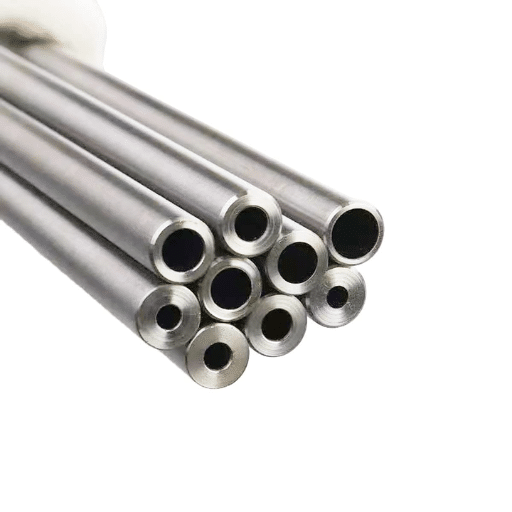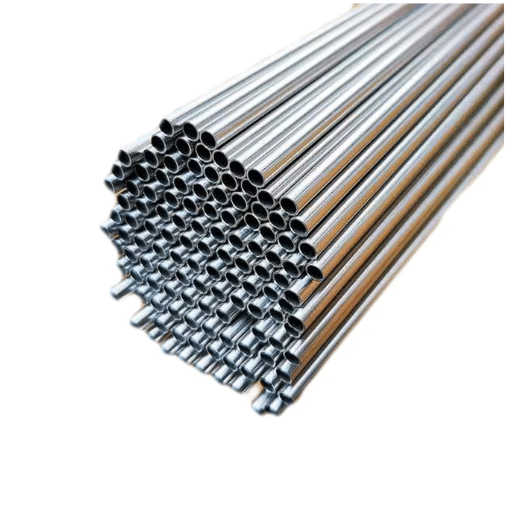
Industrial applications depend on stainless steel socket weld fittings because these fittings create secure connections which prevent leaks in systems that operate under high pressure. The fittings deliver essential performance which oil and gas and chemical processing and power generation industries require because of their ability to resist corrosion and their durable construction. The article presents a comprehensive exploration of SS socket weld fittings which provides information about their specific characteristics and multiple advantages and real-world usage scenarios. The guide provides essential knowledge about these fittings which enables readers to understand their impact on operational safety and efficiency within critical work environments. The article presents all necessary information about stainless steel socket weld fittings which serve vital functions in contemporary industrial operations.
What are SS Socket Weld Fittings?

Definition and Overview
Stainless steel socket weld fittings function as pipe fittings which enable piping sections to connect by inserting a pipe into the recessed portion of the fitting. The fittings demonstrate particular suitability for high-pressure and high-temperature settings because of their durable construction which establishes leak-proof connections. The stainless steel material used for manufacturing these products exhibits corrosion resistance which ensures their long-lasting performance in challenging environmental conditions.
Current data shows that SS socket weld fittings are primarily used by oil and gas and petrochemical and power generation industries. The seamless design of the product prevents any possibility of leakage which makes it suitable for transporting essential fluids that include chemicals and gases. These fittings serve as essential elements for contemporary industrial operations because they provide dependable performance and protection against oxidation and wear.
Types of Stainless Steel Socket Weld Fittings
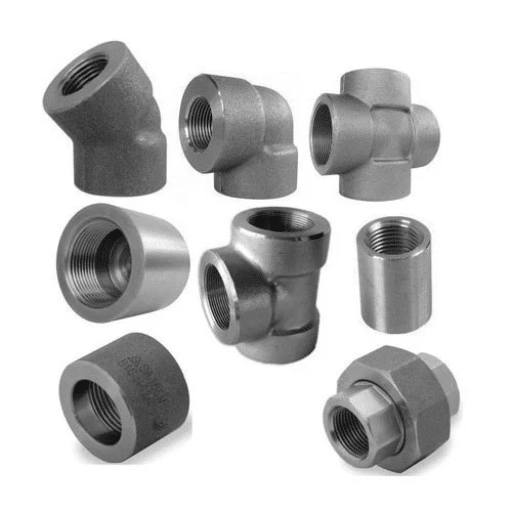
Industrial applications require different forms of stainless steel socket weld fittings which provide multiple options. According to the latest search engine insights, the most commonly used types include:
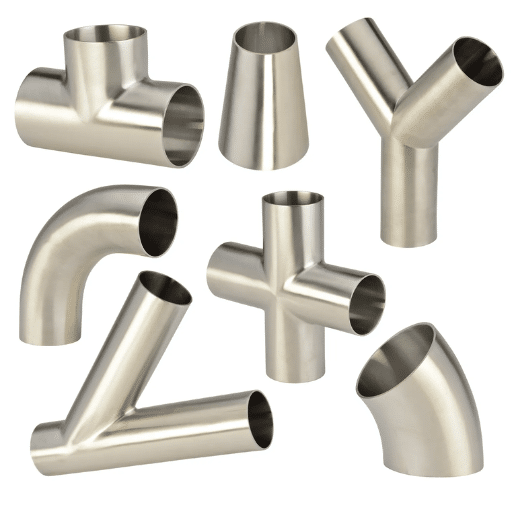
- Socket Weld Elbows – These fittings establish pipe connections at an angle which usually occurs at45-degree and 90-degree angles to change fluid flow direction.
- Socket Weld Tees – These fittings allow for a branch to be created from the main pipeline, ensuring efficient fluid distribution.
- Socket Weld Couplings – These fittings establish secure connections for two pipes which run in a straight line, preventing any leakage.
- Socket Weld Reducers – These devices help connect pipes with different sizes by providing a pipe transition that maintains proper fluid flow.
- Socket Weld Caps – These devices block pipe flow when they are installed at pipe ends, which people use for both testing and sealing purposes.
These fittings become attractive to users because they demonstrate both long-lasting strength and capability to withstand extreme pressure and temperature conditions. Industries that need dependable pipeline systems choose these products because of their precise engineering and continuous production process.
Specifications and Standards (A182, 304, 316)
The specifications A182, 304, and 316 define material requirements and engineering standards which govern the production of high-performance stainless steel components that industrial piping systems need. A182 defines forged and rolled stainless steel pipe flanges and fittings and valves which engineers design for high-temperature applications to achieve both durability and extreme condition corrosion resistance. 304 stainless steel is known for its versatility because two properties of metal make it possible to create products which work in both industrial and home settings. 316 stainless steel performs better in demanding environments because its higher molybdenum content provides better protection against chemical attacks and pitting damage which occurs mostly in marine and chloride-rich environments.
These standards are essential to ensure safety and reliability and long-term performance in chemical processing and power generation and oil and gas industries. The specifications establish high-quality standards which the components must achieve to become operational in high-pressure and high-temperature settings.
Applications of Socket Weld Fittings

Oil and Gas Industry
Socket weld fittings provide the oil and gas industry with essential functions that establish secure connections which prevent leaks in pipelines used to transport oil and natural gas and other hydrocarbons. These fittings are specifically designed to withstand high-pressure and high-temperature conditions which occur during drilling and refining and distribution processes. According to recent search trends, there is a consistent interest in materials that improve durability and performance in offshore and onshore applications. Socket weld fittings which construction materials of stainless steel and carbon steel allow the fittings to fulfill operational needs through their exceptional strength and ability to withstand corrosion in extreme environments which occur during subsea operations. The easy installation process together with maintenance requirements makes the fittings highly popular which results in their vital role during safe and efficient operations of oil and gas infrastructure.
Chemical Processing Facilities
Chemical processing facilities need advanced piping systems together with strong materials to manage their operation because they must deal with corrosive materials and extremely high temperatures and extreme pressure conditions. The installation of socket weld fittings delivers particular benefits to these environments because they create leak-proof connections which protect against chemical damage. Their strong design enables them to function effectively in operations which involve acids and alkalis together with other hazardous substances that staff members handle throughout these facilities.
People often ask, “What purpose does the chemical processing industry serve for socket weld fittings?” The current data shows that their primary use exists because these devices create permanent connections which maintain their strength under extreme operational conditions to prevent leaks. The compact design of these devices enables them to save space in systems that have limited space which represents an essential factor in chemical plant operations. The combination of these properties leads to improved safe operational practices which help organizations meet their legal obligations for their respective industry standards.
Power Generation Plants
What makes weld fittings the preferred choice for power generation plants? Recent research shows that power generation facilities prefer weld fittings because these fittings offer both long-lasting strength and capacity to endure extreme temperature and pressure conditions that exist in power generation facilities. The welded joints provide complete protection against leaks which becomes essential for safeguarding dangerous situations that occur in systems which transport steam or water or gas. The design of the system has been streamlined to achieve two goals which include reducing pressure drops and maintaining operational efficiency that meets the requirements of contemporary power plants. Weld fittings deliver essential qualities which operators need to maintain safety and operational excellence in power generation facilities.
Benefits of Using Stainless Steel Socket Weld Fittings

High Leakage Integrity
The stainless steel socket weld fittings create a strong connection which prevents leaks, making them highly leakage-proof. The weld provides a permanent seal, which decreases the possibility of leaks, even when exposed to high pressure and high temperature environments. Recent data shows that users have increased their interest in these fittings because oil and gas and chemical processing and power generation industries need to protect their operations and ensure safety through leakage prevention. The weld provides a secure connection between the precise fitting parts, which makes this solution ideal for systems that need to operate without any faults.
Structural Strength and Durability
The structural strength and durability of fittings serve as essential factors which determine their capacity to function reliably within challenging environments. The latest data from search engine shows that people now show increased interest in learning how advanced materials and manufacturing methods help these components achieve better durability and strength. Users frequently search for information on how modern fittings withstand extreme pressures and temperatures without deformation or failure. The trend shows that high-grade alloys together with precision engineering now serve as the basis for performance enhancement. The fittings achieve their essential function in industrial applications because their strong material properties and detailed design enable them to withstand extended operational use.
Comparison with Other Fitting Types (Butt Weld, Threaded)
The socket weld fittings provide distinct advantages which meet specific industrial requirements when compared to butt weld and threaded fittings. The robust construction of socket weld fittings together with their leak-proof joints makes these fittings suitable for use in high-pressure systems. The installation process for socket weld fittings requires less skill compared to butt weld fittings because socket weld fittings use a design that maintains correct pipe alignment during installation.
Temporary systems and low-pressure environments benefit from threaded fittings because these fittings allow for fast system setup and removal. The socket weld fittings maintain their structural strength under stress and vibration conditions but threaded fittings tend to develop leaks under these same circumstances.
The current search patterns show that industries are increasingly adopting socket weld fittings for essential functions which need both strength and dependable performance but project requirements and environmental conditions plus permanent system needs determine the ultimate decision.
Installation Tips and Best Practices

Preparing the Pipe for Socket Welding
Socket welding needs correct pipe prep work because this process determines the connection’s strength and endurance. The first step is to clear all contaminants from the pipe ends and the socket through cleaning which will ensure the weld remains intact. The surface needs to be cleaned which requires either a wire brush or an appropriate cleaning solvent. The pipe needs a square cut for the purpose of achieving proper socket connection. The pipe cutter or mechanical tool provides precise control for this process which is crucial to creating a secure connection.
The most frequently asked question about socket welding preparation according to current search engine data asks about the importance of pipe alignment before welding. Proper alignment is necessary to prevent problems because it helps avoid both uneven stress distribution and weld failures. The presence of misaligned pipes will result in weak joints which will negatively affect the performance of the entire system. The use of alignment tools or clamps during this stage is essential because it enables accurate socket welding execution which leads to project success.
Proper Welding Techniques
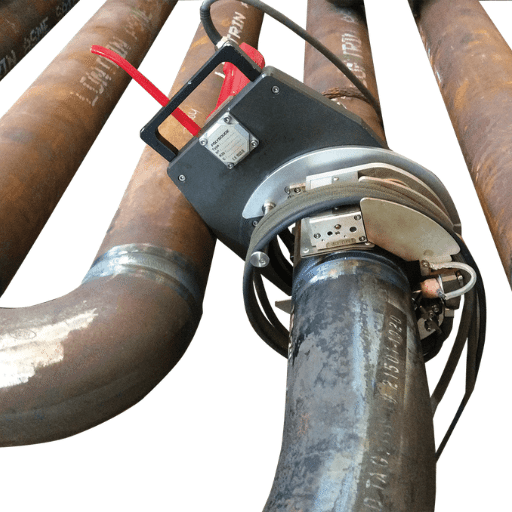
The way to conduct welding work needs to follow specific guidelines which establish the best methods to produce strong and lasting welds. The latest search data together with current insights show that effective results depend on appropriate preparation and application of techniques. The welding process requires clean materials which must be treated to remove all contaminants that include oil and dirt and rust because these substances will weaken the weld bond. The welding process requires proper heat distribution which enables operators to keep necessary temperatures when they want to stop problems such as undercutting and warping. The welding process requires operators to use suitable filler materials together with their selected welding techniques because this combination enables them to produce strong material bonds. The process of creating uniform welds requires welders to execute precise movements while keeping their control steady because these factors lead to strong welds that achieve visual perfection. The welders who follow these procedures will produce permanent high-quality joints which maintain their strength throughout time.
Common Mistakes to Avoid
The process of welding requires dedicated preparation because any mistakes made during this work will create weak joints and permanent damage to the joints. The first problem of the process occurs when welders do not finish their required surface preparation tasks. Clean surfaces constitute the essential requirement for welding because workpieces require dirt and rust and oil removal before the welding process begins. The operators of welding machines must choose the proper heat and power settings because incorrect choices will result in both material under-penetration and overheating problems. Welders create uneven welds because they use incorrect travel speed and electrode angle during their welding operations.
According to recent research data people experience difficulties when they need to choose appropriate filler materials for their specific welding tasks. The selection process depends on two main factors which are the compatibility with base materials and the mechanical requirements needed for joint formation. Online searches show that new welders tend to neglect equipment maintenance, which includes checking nozzles and tips for debris, as an essential task. The final output quality improves when these mistakes are avoided because welding activities become more secure and productive.
Choosing the Right Supplier for SS Socket Weld Fittings

Material Quality and Certification
The process of selecting a supplier for SS socket weld fittings requires evaluation of material quality and certification because these two elements determine product durability and compliance with industry standards. The construction of fittings must use high-grade stainless steel materials which include 304 and 316 because these materials provide exceptional corrosion resistance and maintain their strength under extreme conditions. The supplier achieves ISO 9001 certification because it follows strict quality control standards throughout its manufacturing process. Buyers need to obtain Mill Test Certificates or other material documentation types to establish the chemical composition and mechanical properties of the materials. The latest search engine data shows that suppliers with positive customer feedback tend to share all their certifications which builds trust and proves their business accountability. The certified suppliers enable businesses to achieve double benefits because their certified products meet industry standards and their operational activities remain secure.
Industry Reputation and Customer Reviews
The first two factors which determine a supplier’s credibility include current search engine results and customer evaluations that already exist. The evaluation process for suppliers starts with one standard question which asks how to identify a trustworthy vendor. The answer requires analysis of certified customer reviews and evaluation of the supplier’s market position. High ratings and positive testimonials show that businesses provide reliable services while maintaining high quality and following ethical standards. Companies that fix customer issues by communicating openly with customers and using problem-solving methods to develop business relationships will earn customer trust which leads to customer retention. The combination of search engine data and comprehensive customer reviews enables businesses to choose solutions that match their operational requirements and ethical principles.
Catalog and Product Range Assessment
Researchers use supplier catalog analysis together with current search engine data to obtain vital information about supplier product availability. The available product range of a supplier needs to be evaluated through detailed product knowledge because it determines the supplier’s ability to fulfill industry requirements. The analysis of search engine patterns shows current product demand together with upcoming essential products. Online data can provide answers to questions about available product options and customization possibilities and inventory turnover rates. The research enables operational assessment for businesses by showing whether their suppliers deliver products according to current market trends and customer preferences.
FAQ
What are ss socket weld fittings?
SS socket weld fittings are stainless steel components designed to join pipes by inserting the pipe into a recessed area of the fitting and fillet welding around the joint. The system operates best with these connections because they provide strong and leak-proof connections for tiny pipelines that will operate under extreme pressure. The assembly process for socket weld joints takes less time because workers can set up the joints without requiring exact alignment with the root welding process. Socket weld fittings receive selection from engineers because of their ability to avoid vibration and their high strength properties which make them suitable for industrial uses. The selection process requires understanding that fittings differ because of their material grade, pressure rating, and dimensional standards.
How do you install ss socket weld fittings?
The process for installing ss socket weld fittings requires complete insertion of the pipe into the socket according to manufacturer specifications which define the required gap. The process for installing ss socket weld fittings requires complete insertion of the pipe into the socket according to manufacturer specifications which define the required gap. The process for installing ss socket weld fittings requires complete insertion of the pipe into the socket according to manufacturer specifications which define the required gap. The process for installing ss socket weld fittings requires complete insertion of the pipe into the socket according to manufacturer specifications which define the required gap. The pipe end and socket bore need to be completely clean because any contaminants will create problems for weld quality. Proper fit-up and root face preparation help prevent misalignment and stress concentrations after welding. The inspectors execute welding profile assessment together with non-destructive testing which follows code requirements. Certain stainless steel grades need special welding procedures and post-weld heat treatment for their fittings.
What sizes and pressure ratings are available for ss socket weld fittings?
SS socket weld fittings are typically available for nominal pipe sizes ranging from 1/8″ to 2″ and are commonly produced to various pressure classes such as 150#, 300#, 600#, and higher depending on the standard. The maximum pressure a material can withstand at specific temperatures gets determined by its material grade and wall thickness and the dimensional standards which include ANSI/ASME B16.11. Pressure-temperature ratings get published by manufacturers and engineers use these charts to choose appropriate fittings based on their operational requirements. Selecting the correct stainless steel grade for corrosive or high-temperature situations ensures the material will perform effectively throughout its operational life. The selection of a fitting requires assessment of piping system codes which must be matched with all operational requirements.
What are common materials and grades for ss socket weld fittings?
The standard materials used in ss socket weld fittings consist of austenitic stainless steel grades SS304 and SS316 which provide effective corrosion protection and welding capabilities for multiple industrial uses. The use of duplex and super-austenitic stainless steels enables better protection against chloride-induced stress corrosion cracking than standard materials which require higher strength. Material selection should consider temperature, corrosive agents, and mechanical loads to ensure reliability. The different grades of materials require specific fabrication and welding methods which need to follow established standards and certified welding processes. The fittings require certification and traceability because these factors prove material compliance with performance standards.
What procedures should be used to check and preserve ss socket weld fittings?
The inspection process for ss socket weld fittings requires visual inspection of welds together with dimensional measurements for correct fit and non-destructive testing which includes dye penetrant radiography and ultrasonic methods according to code requirements. The scheduled maintenance process should involve safety checks for corrosion and erosion and mechanical damage while all repairs must use certified welding methods to achieve structural restoration. The safety of critical systems can be maintained through the implementation of periodic pressure tests together with the documentation of inspection activities. The stainless materials require cleaning and passivation process to sustain their corrosion resistance properties. The inspection schedule and maintenance program for fittings need to be developed according to the specific service requirements and the standards established by the industry.
Reference Sources
-
Experimental Study on Fatigue Strength of Small-Diameter Socket-Welded Pipe Joints
- Examines fatigue strength and damage in stainless steel socket-welded pipe joints under operational stress.
-
Research on Fatigue Life Analysis of Non-Standard Socket Welding Fittings
- Analyzes the impact of weld gaps on stress distribution and fatigue life in stainless steel fittings.
-
Investigation of Fatigue-Induced Socket-Welded Joint Failures for Small-Bore Piping
- Discusses fatigue-induced failures in stainless steel socket-welded joints used in power plants.