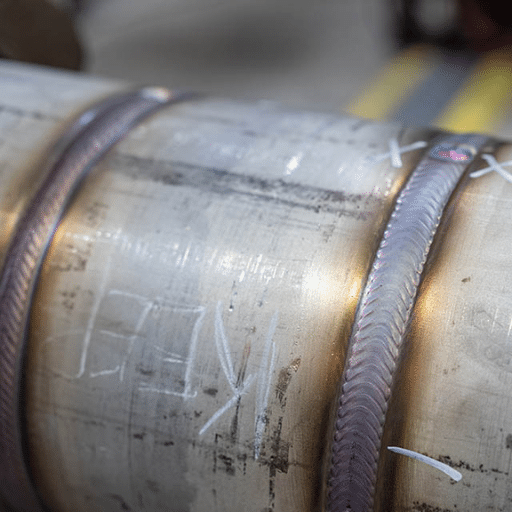
The process of welding stainless steel pipes demands exact precision together with specialized welding expertise and appropriate equipment to achieve permanent and robust pipe connections. The properties of stainless steel create unique obstacles for welders because its thermal conductivity, bending tendencies, and color changes require special handling techniques. This comprehensive guide presents essential welding techniques together with necessary tools and optimal procedures which all welders must learn to achieve outstanding welding results regardless of their expertise level. You will learn to select proper welding procedures while preventing common mistakes, offering you a pathway to professional stainless steel welding mastery that will help enhance your skills to create high-quality welds.
Understanding Stainless Steel and Its Applications

1Properties of Stainless Steel
The composition of stainless steel as an alloy includes iron and carbon and at least 10.5% chromium which creates its exceptional resistance to corrosion. The chromium reacts with oxygen to form a thin, invisible layer of chromium oxide on the surface—this protects the material from rust while allowing it to repair itself when damaged.
🔬
Self-Healing Protection Layer
The combination of corrosion resistance and strength properties of stainless steel together with its ability to endure heat makes it suitable for various demanding applications where material integrity is paramount.
Common Stainless Steel Grades:
- 304 & 316 Austenitic: Excellent formability and exceptional protection against extreme temperatures
- Ferritic Variations: Best for applications demanding tough structural performance
- Martensitic Types: Optimized for high-strength structural requirements
2Common Applications of Stainless Steel Pipes
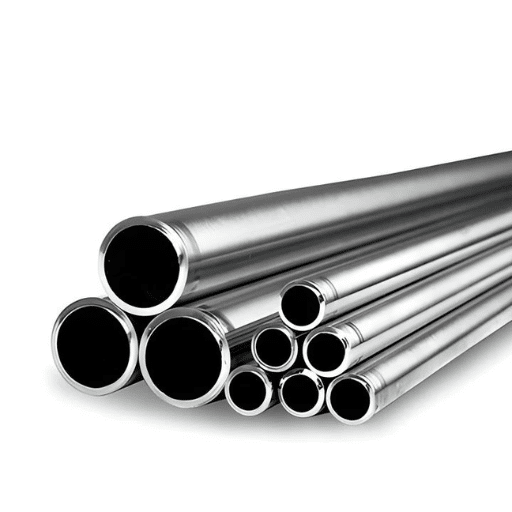
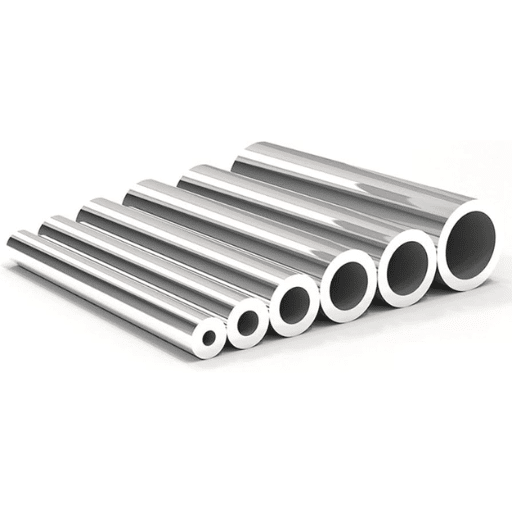
Industries find stainless steel pipes crucial in many areas due to their resistance to corrosion and wear, and the durability of these pipes. In many current commercial operations, there are no replacement materials that can perform as well as these pipes can, therefore they are used virtually everywhere.
| Industry Sector | Primary Applications | Key Benefits |
|---|---|---|
| Construction | Building structures, plumbing systems, architectural designs | Strength and visual appeal combined |
| Petrochemical & Oil | Gas transport, crude oil pipelines, chemical handling | High-pressure capability, corrosion resistance |
| Food & Beverage | Liquid transport, food-grade material delivery | Strict hygiene standards, product safety |
| Healthcare | Plumbing systems, surgical instruments, medical devices | Cleanliness, long-lasting performance |
| Maritime | Ship building, offshore drilling operations | Severe saltwater condition resistance |
The various uses of stainless steel pipes highlight their importance to both contemporary industrial activities and modern infrastructure systems.
3Benefits of Using Stainless Steel in Welding
The field of welding applications benefits from the various advantages that stainless steel provides. Understanding these benefits helps welders and engineers make informed material selection decisions.
Key Welding Advantages
Corrosion Protection: Suitable for moisture, chemical exposure, and extreme temperatures
Durability & Low Maintenance: Extended product life with lower operational costs
Strength-to-Weight Ratio: Outstanding performance at high temperatures
Versatility: Applicable across multiple industrial sectors
The most recent information shows that advanced welding techniques such as laser and TIG welding are becoming more popular which improves both accuracy and visual appeal of stainless steel structures. The methods enhance weld quality by decreasing thermal distortion which results in cleaner and more seamless joins. The combination of these advantages establishes stainless steel as the top choice for welding work in contemporary engineering and manufacturing practices.
Welding Techniques for Stainless Steel

Overview of TIG Welding for Stainless Steel
TIG welding, which people also know as Gas Tungsten Arc Welding (GTAW), represents one of the most efficient methods for welding stainless steel. TIG welding requires a tungsten electrode that does not get consumed together with an inert gas that protects the weld area from contamination.
TIG Welding Advantages for Stainless Steel:
- Preserves material’s ability to resist corrosion
- Creates visually appealing welds that look clean
- Enables precise control of heat input
- Suitable for both thin materials and complex designs
- Maintains original strength and surface finishing
The recent development of pulsed TIG technology together with various TIG welding advancements has improved welding results through better heat management and decreased warping risks. The latest power supply systems provide stability for current flow together with customizable settings that match stainless steel material properties. The ongoing development of new equipment and improved techniques enables TIG welding to maintain its critical role in extending stainless steel usage throughout advanced technological sectors.
Comparing TIG Welding and Other Methods
TIG welding stands apart from MIG (Metal Inert Gas) welding and Stick welding through several distinguishing characteristics that define these welding methods. Understanding these differences helps welders select the most appropriate technique for specific applications.
| Welding Method | Primary Strengths | Best Applications | Limitations |
|---|---|---|---|
| TIG Welding | Superior precision, clean results, defect-free welds | Meticulous work, thin materials, stainless steel | Slower process, higher skill required |
| MIG Welding | Fast production, easier to learn, lower cost | Bulk production, automotive manufacturing | Less precise than TIG |
| Stick Welding | Flexible mobility, outdoor capability | Field work, construction sites | Less clean results than TIG |
A latest study reveals that many welders utilize TIG welding successfully with thin stainless steel due to the good quality of the welds without flaw. In dual welding torch method, waver foam and robotic automation are two modern enablers of TIG welders from performing effective tasks by reducing their effort in such labor intensive jobs.
2G Stainless Welding Position Explained
The 2G welding position provides a horizontal welding method which industrial workers use to connect metal plates especially stainless steel. The welding position requires a welder to work on a vertical plate which has a horizontal weld line running across its surface.
2G Position Benefits:
As a rule, welders work from the side, so that the weld pool remains in the desired shape and this increases the downward force. The good thing about the 2G position is that it is more suited for stainless steel as the heat input can be controlled, hence, advantages scopes such as managing the distortion of the weld and the retention of the metal’s corrosion resistant properties. Today’s researches assure that the 2G welding is the first position used in building or piping construction works which require precise measurement and stable constructions.
The process needs stainless steel cleaning to eliminate contaminants together with the selection of proper filler materials as essential steps which must occur before achieving excellent outcomes. The 2G position enables advanced welding techniques to produce high-strength welds which also maintain visually appealing designs for high-demand situations.
Essential Tools and Equipment for Stainless Pipe Welding

Choosing the Right Filler Metal
The choice of filler metal directly determines the success of stainless pipe welding because it establishes the weld’s strength and corrosion resistance and overall quality. Proper filler metal selection requires careful consideration of multiple factors.
Filler Metal Selection Criteria
1. Base Metal Compatibility
It is a must that the filler material is chosen as per the composition of the base metal. Vorrax stainless pipe welding is normally carried out using ER308L as an amount of carbon is eliminated from the base steel which would otherwise cause the formation of carbides and resultant corrosion.
2. Service Environment Evaluation
The service environment of the welded structure needs to be evaluated. Special fillers like ER316L provide better performance for applications that experience high temperatures and severe chemical exposure.
3. Standards Compliance
The objectives of the project demand specific technical requirements to be met as per the manufacturer’s instructions and guidelines established by the American Welding Society (AWS) for choosing welding filler metal.
Because of technology advances, current guidelines and compatibility charts are available in online format it is quite easy to explore more nowadays than ever. With stainless pipe welding, welders can select suitable filler metals that are helping to increase the durability of the project being worked on without reducing the strength across various working environments.
Importance of Shielding Gas in TIG Welding
TIG welding relies on shielding gas to create an inert atmosphere which keeps the molten weld pool safe from external contamination. The process stops oxidation together with other chemical reactions which would damage the weld and create defects.
🛡️ Protection Function
Creates inert atmosphere preventing oxidation and contamination of molten weld pool
💨 Common Gases
Argon or argon-helium mixtures selected according to materials and quality requirements
✨ Quality Impact
Ensures consistent arc stability and smooth welds with minimal spatter
The latest data available through search engine research shows that proper shielding gas selection is necessary to achieve consistent arc stability while producing smooth welds with minimal spatter. Welders use this technology to learn about advanced gas combinations and best practices which specific applications require, so they can create stronger and more reliable welds.
Recommended Welding Machines and Accessories
The specifics of the project and the materials to be used during welding are very important determinants of the welding machines and accessories to be used. For efficient welding, an understanding of each machine’s operation is a requirement.
Recommended Equipment:
- Welding Machines: Lincoln Electric Power MIG 210 and Miller Multimatic 215 multi process welders which support welds from MIG to TIG and stick.
- Safety Devices: Maximum shield for the eyes is offered by 3M Speedglas helmets and particularly the auto darkening ones.
- Tools: Anti-spatter sprays, comfortable welding gloves, and fumes removing devices
- Special drilling Appliances: TIG tips cases, fingers for TIG to enhance the task
Most of the features of such machines are appreciated by the users because they are durable easy to use and produce reliable results in more than one function. This equipment selection and understanding process including taking the education distance learning courses helps all including amateur welders, to weld better and achieve excellent output.
Challenges in Welding Stainless Steel Pipes

Common Defects in Stainless Steel Welds
Improper welding techniques for stainless steel pipes lead to multiple defects which occur during the welding process. Understanding these defects helps welders prevent quality issues and structural failures.
| Defect Type | Primary Causes | Prevention Methods |
|---|---|---|
| Cracking | Improper cooling methods, lack of preheating on thick materials | Appropriate cooling procedures, proper preheating protocols |
| Porosity | Gas entrapment, contaminants, inadequate shielding gas | Clean surfaces, proper gas flow, eliminate contaminants |
| Distortion & Warping | Excessive heat input | Control heat input, use proper welding sequence |
| Lack of Fusion | Incomplete joint penetration through base metal | Proper joint preparation, adequate heat input |
The most effective way to address these defects requires welders to maintain current knowledge about welding technologies and best practices which the latest guides provide.
Addressing Corrosion Resistance Issues
Welded structures need corrosion resistance to guarantee their long-term durability and their operational efficiency. Multiple strategies work together to protect against corrosion challenges.
Corrosion Prevention Strategies:
- Material Selection: Use corrosion-resistant alloys including stainless steel and aluminum
- Protective Coatings: Apply galvanization or advanced surface treatments
- Heat-Affected Zone Management: Minimize HAZ problems during welding process
- Regular Maintenance: Conduct inspections allowing early detection and remediation
- Technology Integration: Utilize current research findings and technological progress
The combined implementation of these strategies based on current research findings and technological progress shows significant improvement in the corrosion resistance capabilities of welded assemblies.
Managing Heat-Affected Zones
The effective management of heat-affected zones (HAZ) depends on two main factors which include welding process improvements and the use of modern materials and techniques. The intense heat from welding creates heat-affected zones which change metal structure and mechanical properties because those areas experience elevated temperatures.
HAZ Management Techniques:
- Controlled Heat Input Methods: Ensure minimal thermal impact on surrounding material
- Post-Weld Heat Treatment (PWHT): Alleviate residual stresses and restore material properties
- Advanced Filler Materials: Use modern filler materials to decrease HAZ-related vulnerabilities
- Laser-Based Welding Techniques: Minimize heat-affected zone size and impact
The organization needs to keep up with these innovative solutions which provide answers for HAZ issues while they protect welded structures from long-term damage.
Best Practices for Successful Stainless Pipe Welding

Pre-Welding Preparation Steps
High-quality welds in stainless steel piping systems require proper pre-welding preparation because it creates the foundation for successful welding operations. Following systematic preparation procedures ensures optimal results.
Essential Preparation Checklist
Step 1: Surface Cleaning
Start the cleaning process by removing all impurities from the welding site and materials through the application of appropriate cleaning agents and mechanical methods.
Step 2: Filler Material Selection
The selection of correct filler material should be based on the exact stainless steel grade in use because this choice protects against cracking and corrosion problems.
Step 3: Shielding Gas Selection
The selection of proper shielding gas holds equal weight with the choice of appropriate filler material, which establishes argon-based mixtures as the preferred option for stainless steel.
Step 4: Joint Fit-Up
Welding requires accurate joint fit-up because it establishes correct alignment and protects against workpiece distortion. The use of tack welds provides a reliable method for securing components during assembly.
Step 5: Preheating Assessment
Stainless steel requires no preheating except for cases which involve thickness specifications or special operational requirements.
Step 6: Welder Training Verification
The welder requires stainless steel welding training which includes TIG and MIG welding methods to achieve maximum performance results.
The implementation of these procedures which follow current technological advancements and established data-backed standards will create welded structures that exhibit increased operational efficiency and dependable performance.
Post-Welding Inspection and Quality Control
The process of post-welding inspection and quality control establishes essential steps which protect welded components from structural damage and serviceability issues. The process requires welds to undergo complete evaluation which includes finding all defects that might create operational challenges or safety risks for the structure.
Inspection Methods:
- Visual Inspection: The method detects surface defects which also enables overall quality evaluation
- Ultrasonic Testing (UT): The method uses sound waves to discover hidden internal defects
- Radiographic Testing (RT): The method uses X-rays or gamma rays to create images of internal structures
- Dye Penetrant Tests: The method detects cracks which exist on surfaces and just beneath the surface
- Magnetic Particle Inspection: The method detects defects in ferromagnetic materials
- Automated Systems: The system uses artificial intelligence to analyze data which improves both accuracy and operational efficiency
According to recent data derived from search engines, industry standards increasingly emphasize the application of advanced technologies, such as automated inspection systems and AI-driven analytics, to enhance the accuracy and efficiency of post-welding evaluations. The combination of traditional welding methods with modern technological advancements allows the industry to produce safer and more durable structures which meet current market needs.
Maintaining a Safe Welding Environment
The creation of a secure welding workspace requires two essential elements, which include following safety rules and using modern techniques that combine recent research findings.
Ventilation: Proper ventilation systems to stop dangerous fumes from spreading
PPE: Personal protective equipment including helmets, gloves, and welding aprons
Equipment Maintenance: Regular maintenance work to prevent operational breakdowns
Worker Training: Training to recognize hazards and respond to emergencies effectively
Air Quality Monitoring: IoT sensors for continuous environmental monitoring
The combination of these safety practices with technological progress will create a safer and more effective welding operation.
Frequently Asked Questions
How does TIG welding affect stainless steel root properties during stainless pipe welding operations?
TIG welding of stainless steel requires welders to manage heat input precisely because excessive heat affects both the stainless root and sensitization which creates the main threat to corrosion resistance. The use of argon back purge during root pass welding protects against oxidation which results in chromium binding at the weld interface thereby maintaining corrosion resistance. The combination of proper joint preparation and base material cleaning helps to decrease contamination risks from carbon steel and aluminum while restricting carbon entry to the weld pool. The selection of suitable filler metal for stainless steel together with the implementation of welding standards guarantees excellent welding results which produce uniform stainless steel welds. Pipe applications benefit from stable arc length maintenance together with TIG cup kits and TIG fingers because these tools enhance control during root pass operations and fill and cap welding processes.
What should a welder consider for purge and back purge of argon during welding stainless pipe applications?
Before executing the root pass a welder needs to establish proper purge volume with required flow rate so they can effectively eliminate oxygen together with water vapor. Argon back purge creates a sterile environment inside stainless steel tubes and pipes which enables welding operations to preserve corrosion resistance while stopping chromium from developing on the weld surface. For quality welding, monitor carbon levels in the weld and avoid mixtures of argon and carbon or argon and carbon dioxide that can introduce carbon to the weld pool. The use of stainless steel filler metal which corresponds to stainless alloys together with the implementation of welding procedures enables precise droplet deposition and controlled metal transfer. Successful welding requires both skilled welders and suitable welding equipment which includes flow meters and purge dams to achieve dependable outcomes.
Why is selecting the right filler metal for stainless steel important for welds on stainless pipe and tubes?
The right filler metal selection for stainless steel identifies a base material match while reducing maximum carbon content which protects against sensitization. The correct filler metal prevents chromium carbide formation while binding chromium which maintains the material’s ability to resist corrosion during extreme operational conditions. Filler selection for soldering stainless steel pipe and tubing determines the resulting material properties which include strength traits and ability to withstand corrosion and aesthetic appearance of the fill and cap passes. Welders should follow welding procedures and consider stainless alloys, joint preparation, and the intended pipe applications when specifying filler metal. Using high-quality welding equipment together with consistent welding proficiency enables welders to create uniform droplet patterns while minimizing weld puddle defects.
How do welding procedures and welding skills impact 2G stainless pipe TIG welds and root pass quality?
Welding procedures which contain detailed information define operational parameters through their specifications of current, travel speed, and shielding gas composition. Welders with experience successfully create short arc lengths and stable puddle control which enables them to regulate metal transfer and penetration depth during their root pass work. Back purge of argon and proper joint preparation reduce the risk of contamination and the formation of chromium carbides that can cause loss of corrosion resistance. Training in welding tips together with test practice on sample joints through the use of TIG fingers helps trainees develop their welding skills which leads to better welding results. The application of these practices at all times will create stainless pipe welds that meet both pipe application requirements and inspection standards.
Can you use shielding gases that combine argon with carbon dioxide to weld stainless pipe without harming its corrosion resistance?
Welders need to use single shielding gases for stainless pipe welding because carbon dioxide will introduce extra carbon into the weld pool which creates a higher risk of material sensitization. The proper shielding gases for TIG welding stainless steel need to use argon or helium as their main components because these gases enable uniform droplet distribution while maintaining stable arc conditions without carbon contamination. The application of wrong gas mixtures results in chromium binding which produces chromium carbides that diminish corrosion resistance. The root pass welding requires a consistent back purge together with controlled gas flow to protect the stainless root and internal surfaces. Two essential elements determine the quality of welding work in stainless applications because they include proper adherence to welding procedures and correct gas selection.
Which welding techniques help maintain the corrosion resistance of stainless steel pipe during welding?
The primary cause of reduced corrosion resistance through sensitization requires the use of short arc length and low heat input to create small heat-affected zones which safeguard against sensitization. The root pass requires a complete back purge to safeguard the stainless root which needs both purge dams and internal purging tools for protection during the root pass. The selection of solder wire needs to focus on stainless steel materials which have a maximum carbon content below the required limit. The welding process requires welders to follow established procedures while using advanced welding equipment which includes flow meters and TIG cup kits for material flow management. The training program for welders includes training in welding skills which leads to durable stainless welds needed for corrosion-resistant pipe applications.