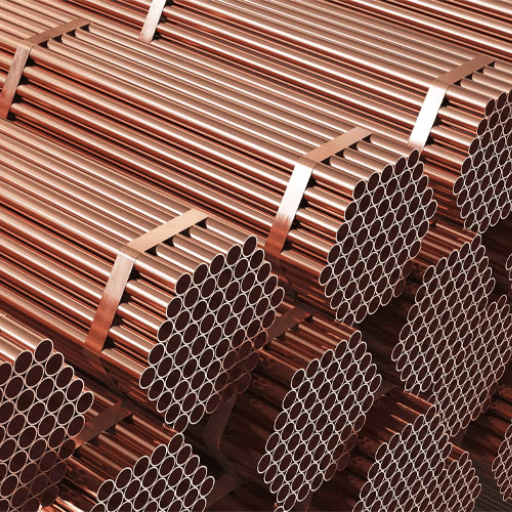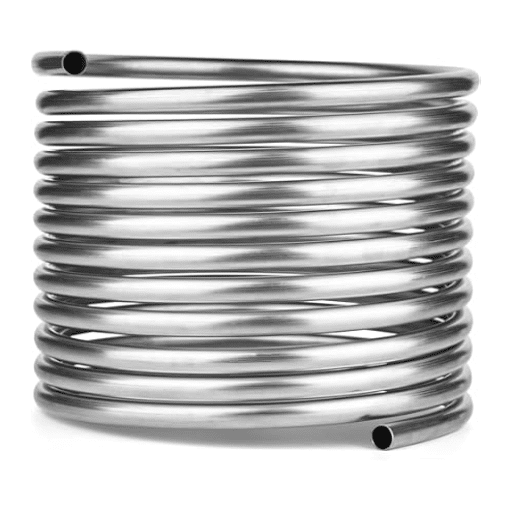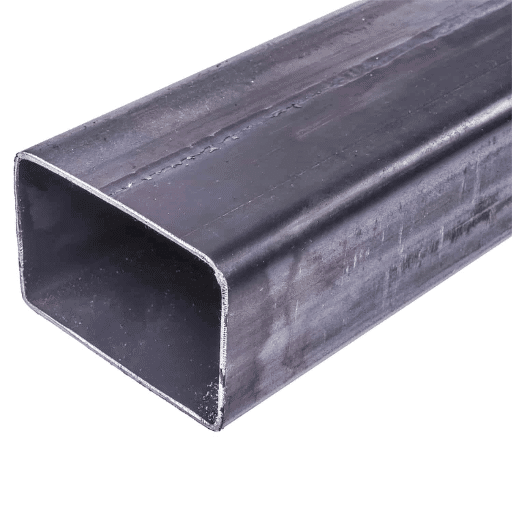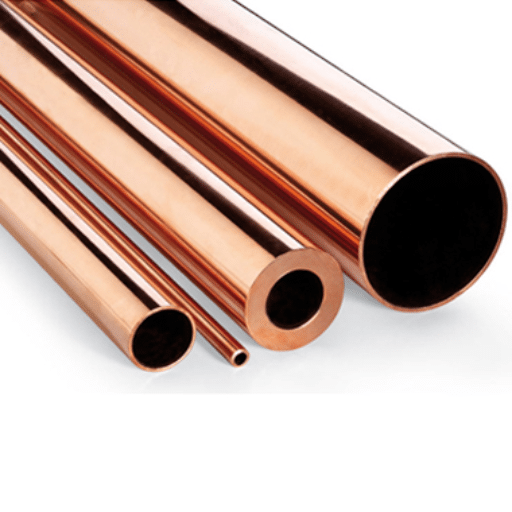
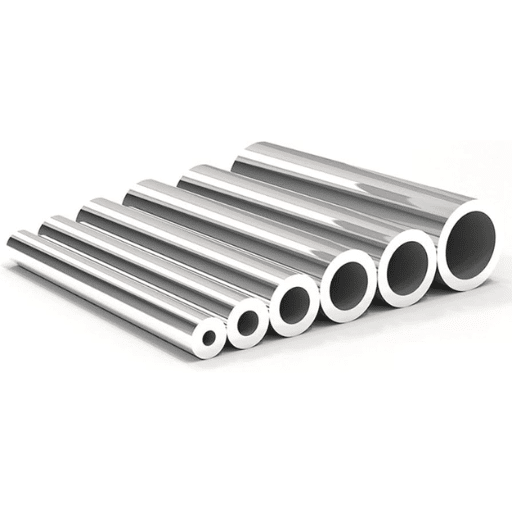
The industrial applications which require high durability and operational efficiency and great performance use stainless seamless pipes as their fundamental construction material. The pipes provide essential strength together with corrosion protection which allows their usage in multiple industrial sectors and building construction activities. The unique characteristics of stainless seamless pipes provide better performance than welded pipes because these pipes meet essential requirements needed for different types of work. The article investigates the manufacturing process to show how the product different applications and its special features work together with its various benefits. This guide explains stainless seamless pipes to both engineering experts and people who want to learn about advanced engineering technologies. The article explains how essential materials create global industrial transformations.
Manufacturing Process of Stainless Seamless Pipe

Raw Materials and Initial Preparation
The manufacturing process for stainless seamless pipes starts with the decision to use high-grade raw materials. Manufacturers use stainless steel billets or solid rounds as their primary material which contains essential components including iron and chromium and nickel and molybdenum.
Key Material Components:
- Chromium: Protects against corrosion through oxide layer formation
- Nickel: Strengthens the material and enhances durability
- Molybdenum: Provides lasting power and additional corrosion resistance
Quality Verification: Manufacturers perform comprehensive evaluation of billets using advanced techniques including ultrasonic testing and spectral analysis to identify material deficiencies and verify exact composition and quality standards.
Steps in the Seamless Tubing Production
The advanced production processes which use data from specific manufacturing technologies allow seamless tube manufacturers to produce products which satisfy the increasing demands from industries such as oil and gas and automotive and aerospace while maintaining optimal performance and dependable operation.
Production Process Overview:
1. Selection of Raw Materials
The process begins with the careful selection of high-quality raw materials such as steel billets. The testing process determines about the composition of the material and the integrity of the material which must meet specific requirements for the final tubing product to achieve industry standards.
2. Heating and Piercing
The selected billets are heated to the necessary temperature in a rotary furnace. The material becomes flexible after heating which allows the mill operators to use a piercing mill to create a hollow shell which will become the first tubular shape of the product.
3. Rolling and Stretching
The rolling mills execute multiple stages to transform the hollow shell into a continuous tube through an extended process. The stretch-reducing method enables the manufacturer to control both wall thickness and product dimensions with exact precision. This stage ensures that the product maintains a consistent performance level while maintaining its necessary structural components.
4. Heat Treatment and Cooling
The rolling process prepares the tubes for heat treatment which will increase their mechanical strength and ductility and wear resistance. The tubing undergoes cooling through controlled methods which maintain the material’s original shape.
5. Sizing and Cutting
The tube undergoes a sizing process through a mill to produce the correct diameter before operators perform cutting operations to produce specific lengths. The advanced machinery guarantees that all tubes maintain the same dimensions and structural form.
6. Final Inspection and Testing
The inspection process for each tube includes multiple testing methods which comprise both non-destructive testing and ultrasonic testing and hydrostatic pressure tests. The inspections ensure that each seamless tube achieves the highest standards for safety and durability and performance.
Quality Control and Standards Compliance
Quality control in the manufacturing process of seamless tubing ensures that every product meets strict requirements established by industry standards and government regulations. Manufacturers use modern testing techniques together with automated inspection systems to evaluate their tubes based on precise dimensions and material quality and operational capabilities.
Compliance Standards:
- ASTM Certifications: International benchmarks for material specifications
- ASME Standards: Mechanical system safety and reliability requirements
- ISO Certifications: Quality management and environmental standards
Sustainability Focus: Industries are increasingly prioritizing supply chain transparency and compliance with environmental standards. Companies implement sustainable practices involving environmentally friendly materials and renewable energy sources during manufacturing.
Benefits of Using Stainless Steel Seamless Tubes

Corrosion Resistance and Longevity
The stainless steel seamless tubes deliver superior corrosion protection which makes them suitable for industries that operate in extreme environmental conditions. The chromium content in stainless steel creates a protective oxide layer which self-repairs through scratches to provide long-lasting protection against oxidation.
Industries Benefiting from Corrosion Resistance:
- Chemical Industry: Handling aggressive chemical mediums safely
- Marine Applications: Resisting saltwater corrosion over extended periods
- Oil and Gas: Dependable performance in harsh extraction environments
Economic Advantage: The durable nature of stainless steel seamless tubes enables reduced maintenance expenses while extending equipment lifespan, thus serving as an affordable and environmentally friendly solution.
Strength Under Pressure and Mechanical Properties
Stainless steel seamless tubes exhibit exceptional strength, which enables them to endure extreme pressure conditions and harsh environmental factors without experiencing any shape changes or material breakage. Their mechanical properties, which include high tensile strength and excellent elasticity, enable them to perform reliably in challenging operational situations.
| Material Component | Function | Performance Benefit |
|---|---|---|
| Chromium | Corrosion resistance | Forms protective oxide layer |
| Nickel | Structural enhancement | Maintains durability at extreme temperatures |
| Molybdenum | Chemical resistance | Protects against aggressive chemical mediums |
Advantages Over Welded Pipes
Seamless pipes provide better performance than welded pipes because they deliver essential benefits which make them preferred for use in multiple different industrial sectors. The latest data shows that people are increasingly searching for information about the differences between seamless pipes and welded pipes.
Key Advantages of Seamless Design:
- ► Superior structural strength with no welded seams creating vulnerable points
- ► Perfect choice for high-pressure applications in oil and gas pipelines
- ► Consistent dimensions and material properties throughout entire length
- ► Reduced corrosion problems at weld joints
- ► Extended lifespan and reduced maintenance needs support sustainability targets
Common Applications of Stainless Seamless Tubing

Oil and Gas Industry Applications
The oil and gas industry depends on stainless seamless tubing because it provides essential strength together with its ability to resist corrosion and endure extreme temperature and pressure conditions. The pipes find wide application in drilling operations together with offshore platforms and subsea installations which require reliable materials to function in their challenging environments.
Critical Applications:
- Drilling Operations: Withstanding extreme pressure during extraction processes
- Offshore Platforms: Operating reliably in harsh marine environments
- Subsea Installations: Maintaining operational safety under deep-sea pressure
- Pipeline Transport: Safely transporting oil, gas, and corrosive fluids
Industry Trends: Research shows businesses now focus on advanced seamless tubing technologies to reduce operational disruptions and boost productivity while meeting heightened safety and environmental protection standards.
Pharmaceutical and Food Processing Uses
Stainless seamless tubing serves as an essential component for both pharmaceutical production and food processing operations which require strict hygiene and safety standards. These sectors need materials that maintain non-reactive properties while enabling easy cleaning and enduring high temperature and pressure conditions without losing their structural integrity.
Why Seamless Tubing is Preferred:
- ✓ Maintains product purity throughout processing
- ✓ Reduces contamination risks with smooth internal surfaces
- ✓ Meets FDA-compliant material requirements
- ✓ Resists corrosion from cleaning chemicals and sterilization
- ✓ Provides easy cleaning and strict sanitation capabilities
Construction and Structural Applications
The construction and structural fields value stainless seamless tubes because they deliver superior strength combined with their ability to resist corrosion and maintain their strength through their entire lifespan. The current search data shows that more people are looking for stainless seamless tubes because they want to use these tubes in sustainable architectural projects which feature eco-friendly design.
Common Construction Applications:
- Building Frameworks: Providing long-term structural support
- Bridge Construction: Offering durability in outdoor conditions
- Industrial Setups: Meeting demanding operational environments
- Architectural Features: Combining aesthetic appeal with minimal maintenance
Industry Standards and Certifications for Stainless Seamless Pipe

ASTM Standards Relevant to Seamless Pipes
The manufacturing process for stainless seamless pipes follows strict industry standards which ASTM (American Society for Testing and Materials) established to guarantee product quality and operational efficiency.
| ASTM Standard | Application Type | Key Features |
|---|---|---|
| ASTM A312 | High-temperature service | Seamless and welded austenitic stainless steel for general corrosive service |
| ASTM A213 | Boiler and heat-exchanger | Seamless ferritic and austenitic alloy steel pipes |
| ASTM A269 | General corrosion protection | Seamless and welded tubing for low and high temperature operations |
| ASTM A511 | Structural/mechanical use | Seamless stainless steel mechanical tubing |
| ASTM A789 | Highly corrosive environments | Seamless and welded duplex stainless steel pipes |
Access Standards: The ASTM website together with authorized industry portals serves as the official source for accessing the latest updates since the standards undergo continuous changes to accommodate new technological developments and emerging market demands.
ASME Regulations and Compliance
The American Society of Mechanical Engineers (ASME) develops complete standards together with codes which ensure mechanical systems and their components will function safely while maintaining reliable operation at optimal efficiency. The regulations establish strict requirements which cover pressure vessel design and piping system design and boiler design and nuclear component design.
ASME Compliance Benefits:
- Prevents System Breakdowns: Through mandatory design and testing procedures
- Improves Operations: Standardized procedures optimize efficiency
- Meets Safety Standards: Ensures legal and regulatory compliance
- Industry Critical: Essential for power generation, chemical processing, and manufacturing
Importance of Certification in Quality Assessment
Certification serves an essential function across all industries by providing standardized methods which organizations can use to achieve consistent and trustworthy results. Organizations use certification as proof of their dedication to quality standards which they maintain throughout their operational processes while meeting safety and regulatory standards.
Certification Value Proposition:
- ► Enables businesses to gain market credibility
- ► Validates commitment to quality manufacturing and operational excellence
- ► Functions as standard measurement points for continuous improvement
- ► Establishes credibility and creates lasting customer trust
- ► Results in sustainable company growth through industry compliance
Choosing High-Quality Stainless Steel Seamless Tubes

Evaluating Suppliers and Inventory
Stainless steel seamless tube supplier selection requires assessment of supplier reputation and certification status and industry standard compliance. Recent search trend data shows that businesses now prefer suppliers who provide complete transparency about their supply sourcing and sustainability methods.
Supplier Evaluation Checklist:
- Verify ISO 9001 and ASTM certifications demonstrating production quality
- Assess inventory capacity for timely delivery of diverse items
- Review transparency about supply sourcing and sustainability practices
- Examine product descriptions, test certifications, and material specifications
- Evaluate alignment with modern market demands and sustainability goals
Key Factors: Wall Thickness and OD Considerations
Industrial and construction material selection depends on wall thickness and outer diameter as essential factors which determine structural integrity and operational effectiveness. According to recent insights sourced from search engine, engineering professionals emphasize the importance of balancing these two factors to meet specific application requirements.
| Dimension | Impact on Performance | Selection Criteria |
|---|---|---|
| Wall Thickness | Determines strength and pressure capacity | Thicker walls for high-pressure fluids and external forces |
| Outer Diameter (OD) | Defines system compatibility | Must match connector and joint specifications |
Application-Specific Selection: Buyers can use the process of analyzing these dimensions with material characteristics and intended applications to select their optimal choices for functional purposes and safety requirements.
Custom Requirements and Duplex Grades
Duplex grades serve as the primary solution for stainless steel pipe custom requirements because they deliver both strength and corrosion resistance in equal measure. The duplex stainless steels 2205 and 2507 provide superior material characteristics which make them ideal for demanding applications in chemical processing and marine environments and the oil and gas industry.
Duplex Grade Applications:
- ✓ Non-standard size requirements for specialized applications
- ✓ Improved surface finishes for hygienic applications
- ✓ Specific chemical composition for maximum corrosion protection
- ✓ High temperature and aggressive chemical environment resistance
- ✓ Cost savings through extended operational periods
Frequently Asked Questions
What is stainless steel seamless tubing and how does it differ from welded pipe?
Stainless steel seamless tubing differs from welded pipe because it is made without any welding seams which improves its ability to resist corrosion and creates walls with consistent thickness. The lack of a weld in seamless stainless steel tubing provides better pressure resistance than welded tubing which makes it the preferred choice for critical applications that need dependable performance. Industries use 304 stainless steel and 321 as seamless materials for various applications. The tubing suppliers and tube manufacturers provide seamless stainless pipe and welded pipe as two separate options but customers prefer seamless for their extreme accuracy and reliability during operation. Buyers should compare per foot pricing and consider schedule or sch requirements for wall thickness when selecting tubing.
How do alloy and steel alloy choices affect seamless tubing performance?
The selected steel duplex 2205 and nickel alloy materials determine tubing performance through their ability to resist corrosion and maintain strength and formability. Duplex grades use ferritic and austenitic metal properties to create a material that provides higher strength and better resistance against extreme conditions occurring in oil and gas and chemical processing facilities. The oxidization protection for high temperature use comes from combining 321 with specialty nickel alloys. During the process of fabrication carbon content together with alloying elements determines machineability while also affecting compression behavior. The right alloy selection creates products that maintain good quality while operating for extended periods and matching their designated purpose.
Which stainless steel grades, like 304, are commonly used for seamless stainless steel tubes?
The metal grade 304 and 304 stainless steel function as essential materials because they deliver balanced protection against corrosion while remaining affordable and suitable for multiple industrial applications. The requirement for higher strength and temperature performance in demanding environments leads to the specification of duplex 2205 or grade 321 materials. Tube manufacturers create specialized grades and nickel alloy materials which serve critical functions when standard ss grades fail to meet the requirements. Suppliers use grade and OD and wall thickness as inventory classification for their materials which enables purchasers to identify suitable materials for specific applications. The selection of tubing grade requires evaluation of compression loads and corrosive exposure and the need for extrusion or machining.
What wall thickness and schedule (sch) considerations apply to seamless stainless pipe?
The pressure capacity and mechanical strength of seamless stainless pipes depend on their wall thickness and schedule, which designers use to establish safety protocols. The wall thicknesses of a pipe of a given diameter must be selected based on the schedule number, as it determines the maximum pressure the pipe can withstand and the maximum stress it can endure. Precision tube manufacturers supply seamless stainless pipes in different schedules which enable users to operate their equipment at various pressure levels that require the benefits of seamless tubing. The application needs assessment of wall thickness through examination of its compression load requirements and its pressure cycling needs and its durability in harsh environments. The design margins and the regulatory requirements of the project should be verified by using pressure tables and tubing suppliers to select the appropriate schedule.
Are seamless stainless steel tubing and seamless stainless pipe suitable for aerospace and high-quality applications?
Seamless stainless steel tubing emerges as the primary material choice for aerospace and high-precision applications because its patented design system maintains consistent performance through its protection against stress point creation which leads to product weakness. Aerospace applications demand tight tolerances, excellent formability, and resistance to fatigue and corrosion, which certain stainless and nickel alloys can provide. The manufacturers who extrude and create exact tubing dimensions fulfill these strict manufacturing requirements. Critical components require duplex grades and specialty alloys to achieve both higher weight-to-strength ratios and better resistance against corrosion. Aerospace materials require manufacturers to provide certification and traceability for their sourced materials.
Which factors influence the corrosion resistance of seamless stainless steel pipe?
The three factors which determine corrosion resistance require assessment of the stainless steel grade, assessment of nickel and molybdenum presence, and evaluation of both duplex and austenitic structural systems which provide better protection against harsh environments. Grade 304 offers good general corrosion resistance, while alloys like duplex 2205 and certain nickel alloy compositions are chosen for applications in harsh conditions with chloride exposure or higher temperatures. The seamless construction method provides an advantage because it removes welded seams which serve as starting points for corrosion, thus making seamless stainless pipes the better choice for most corrosive service applications. Lasting protection of materials depends on proper selection of material and surface finish together with knowledge about the operating environment. The tubing suppliers provide guidance about suitable grades and necessary additional treatments and coatings for tubing.