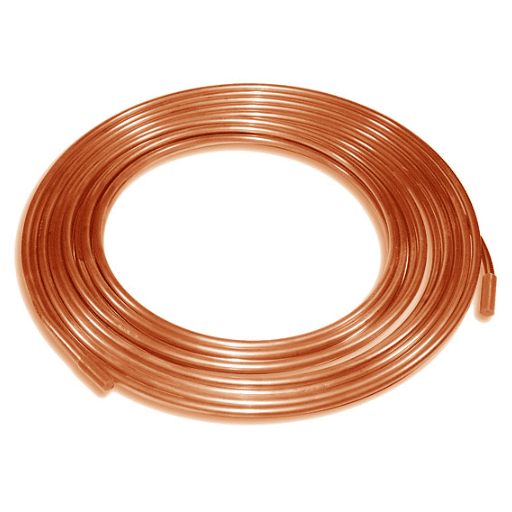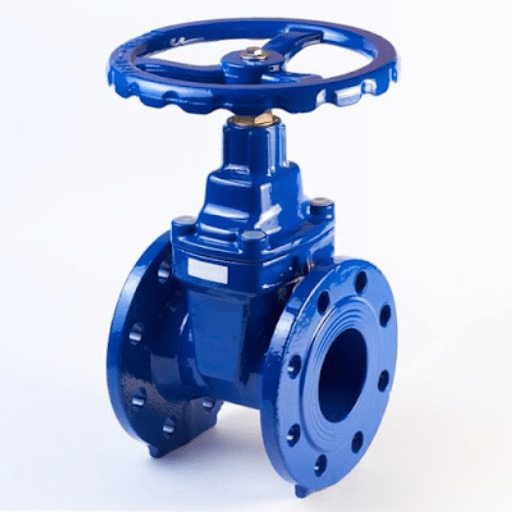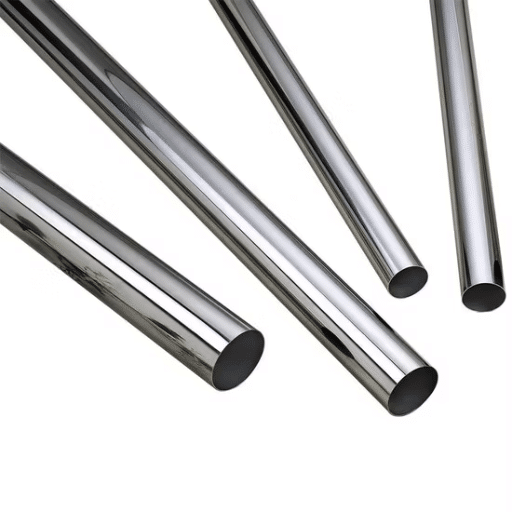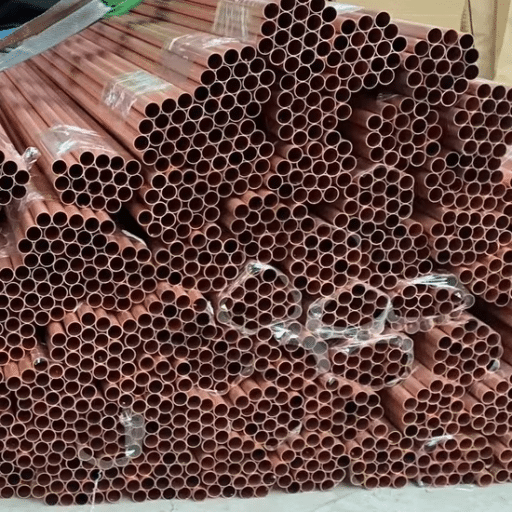
Stainless socket weld fittings serve as essential elements for various industrial applications because they provide unmatched strength and durability together with a dependable leak-proof connection. The proper functioning of your operations hinges on your ability to grasp these fitting details which apply to both high-pressure piping and chemical processing and equipment manufacturing.
Introduction to Stainless Socket Weld Fittings

What are Stainless Socket Weld Fittings?
Stainless socket weld fittings are special pipe fittings that create strong leak-proof connections for high-pressure piping systems. The fittings use socket-type joints to connect pipes because the design requires pipe insertion into a recessed section which needs welding for secure installation. The fittings use stainless steel as material which provides both exceptional corrosion protection and robust durability and resistance to extreme environmental and operational conditions.
Primary Socket Weld Fitting Components
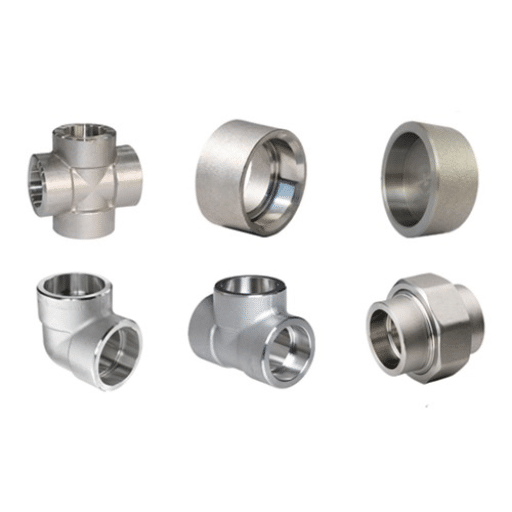
- Elbows: Change pipe direction and accommodate spatial constraints in piping layouts
- Tees: Create pipe connections and enable branching of flow paths
- Couplings: Join pipes together for continuous system integration
- Reducers: Facilitate transitions between different pipe diameters
Stainless socket weld fittings serve oil and gas, chemical processing, and power plant industries because they ensure safe operations which need protection against corrosive substances. The system shows better structural performance because it can handle vibrations, high-pressure conditions, and temperature changes. Recent data shows that manufacturing technology has progressed to enhance component accuracy, strength, and operational performance for use in challenging work settings.
Importance of Socket Weld Fittings in Various Industries
Industries that need systems to manage extreme operating conditions with dependability at all times depend on socket weld fittings as their main component. Recent data shows that these fittings hold the highest market share in oil and gas, chemical processing, power generation, and shipbuilding industries. The product gets used because it can create leak-free connections which handle extreme pressure and function in high-temperature conditions.
Oil & Gas Sector
Guarantee complete flow operation in critical pipeline transport systems which require smooth operation for safety and efficiency.
Power Generation
Handle extreme temperature and pressure fluctuations without performance loss in thermal and nuclear facilities.
Chemical Processing
Robust fabrication resists corrosive substances and ensures system longevity despite constant exposure to aggressive chemicals.
Shipbuilding
Provide reliable connections in marine environments where corrosion resistance is critical for operational success.
Industry Advancement: The latest advancements have developed new materials which include duplex and super duplex stainless steels that boost socket weld fittings resistance to corrosion and fatigue. Engineers use modern design techniques to create fittings which have decreased stress points that improve service life while decreasing maintenance requirements.
Overview of Key Features
Enhanced Structural Integrity
The design of socket weld fittings creates maximum structural strength for industrial uses that require high-pressure systems. The system operates smoothly in demanding scenarios because its unique weld design prevents any possibility of leakage from occurring.
Corrosion Resistance
The advanced material selection process applies premium stainless steel materials which deliver outstanding anti-corrosion performance. The system protection feature safeguards against chemical attacks and unprotected maritime operations which result in material deterioration.
Streamlined Installation Process
The precise engineering of socket weld fittings allows for faster and more secure installation compared to other joint types. The method achieves efficiency because it leads to less downtime during installation and reduced costs for industrial operations.
Fatigue Resistance
Socket weld fittings prevent fatigue failures by removing crevices that create stress points. The system operates in environments where thermal patterns and loading patterns are constantly changing.
Customization and Compatibility
Modern socket weld fittings are tailored to meet diverse specifications, ensuring compatibility with various pipe sizes, materials, and industrial standards such as ASME or ASTM.
Cost-Effective and Maintenance-Friendly
The fittings deliver economical benefits because their strong construction needs minimal repairs which results in lower maintenance costs and fewer operational interruptions throughout their extended lifespan.
Benefits of Stainless Steel Socket Weld Fittings

Corrosion Resistance
Stainless steel socket weld fittings demonstrate superior corrosion resistance because their chromium content enables the formation of a protective oxide layer which safeguards against deterioration. This layer provides essential defense to the material against oxidative destruction which occurs when moisture, air, and different chemicals come into contact with it.
Corrosion Performance Advantages
Up to 30% increase in system lifespan when using stainless steel fittings versus standard alloy materials in corrosive environments
- Advanced alloy compositions incorporating molybdenum or nitrogen provide better protection against pitting and crevice corrosion
- Enhanced performance in extreme environmental conditions including high salinity and extreme pH situations
- Critical applications across chemical processing, marine operations, and industrial systems
Strength and Durability
The combination of metallurgical characteristics and precise design enables stainless steel fittings to deliver exceptional strength and durability. Recent data analysis from search engine usage patterns shows that users frequently search for information about how long stainless steel materials last and their ability to withstand heavy use in extreme environments.
Key Strength Characteristics
- Maintain original shape when exposed to high-pressure situations
- Prevent structural changes during extended periods of force application
- Advanced alloy elements including chromium and nickel create superior tensile strength
- Highly sought-after in aerospace, chemical processing, and construction industries
Ease of Installation
The installation process determines whether materials can be effectively used in industrial or structural settings because it serves as a key determinant for material usability. Current manufacturing techniques together with modern design standards have created a new installation procedure which enables faster and more effective installation processes.
| Installation Advantage | Benefit |
|---|---|
| Modular Pre-Engineered Systems | Decrease both assembly time and installation expenses for on-site construction |
| Bolt-Together Systems | Simplify assembly processes and reduce specialized labor requirements |
| Precision Pre-Drilling | Enable accurate alignment and reduce installation errors |
| Lightweight Alloy Materials | Facilitate easier handling and reduce equipment downtime |
Applications of Socket Weld Fittings

Industries Utilizing Socket Weld Fittings
The industrial sectors that require high-pressure and high-temperature leak-proof connections use socket weld fittings because these fittings create strong and secure joints between pipes. The oil and gas industry requires socket weld fittings for its pipeline construction and refinery operations because these fittings provide exact measurements and long-lasting performance in transferring hazardous materials.
Primary Industrial Applications
- Oil & Gas: Pipeline construction and refinery operations requiring exact measurements and long-lasting performance
- Chemical Processing: Safe transport of hazardous or corrosive chemicals with leak-proof containment
- Power Generation: Steam or nuclear processes with strict pressure system requirements
- Manufacturing & Construction: HVAC and plumbing systems providing dependable fluid transport networks
Common Use Cases
Industries that need pressure-containing systems must learn about socket weld fitting applications to optimize their systems. The latest search engine data indicates a substantial increase in socket weld fitting queries, which shows that multiple industries are now paying more attention to these fittings.
High-Pressure Piping
Refineries and processing plants requiring strong leak-proof systems
HVAC Systems
Precision and toughness maintained throughout all operational circumstances
Plumbing Networks
Residential and industrial fluid transmission systems worldwide
Adaptability in Various Environments
Industrial and residential applications require socket weld fittings because they provide exceptional versatility in all types of operational environments. The system provides leak-proof connections that maintain their performance under different pressure and temperature conditions, which allows it to function reliably in both demanding industrial environments and delicate residential systems.
Advanced Materials: Petrochemical processing, power generation, and maritime operations industries require socket weld fittings which use advanced materials that include corrosion-resistant alloys to meet their operational needs. The strong design of the system together with its easy-to-access components and industry-standard certifications enables it to protect operational safety and efficiency during all types of challenging operational circumstances.
Types of Stainless Socket Weld Fittings

Various Types and Their Specifications
| Fitting Type | Function | Material Grade | Standards |
|---|---|---|---|
| Elbow Fittings | Create piping system flow directions at 45° and 90° angles | 304, 316 | ASTM A182, ASME B16.11 |
| Tee Fittings | Enable pipeline branching to redirect or separate flow types | 316L | ASME B16.11 |
| Couplings | Connect two pipes securely preventing leaks or disconnections | 304, 316 | ASTM A182 |
| Union Fittings | Enable assembly and disassembly without damaging pipes | Duplex Stainless Steel | MSS-SP-83 |
| Cross Fittings | Four-way connectors for multiple directional flow capabilities | 304L | ASME B16.11 |
Comparative Analysis: 304 vs 316 Stainless Steel
The composition and characteristics of 304 and 316 stainless steel grades create distinct differences which make them two of the most commonly used austenitic stainless steels in commercial applications. The two alloys contain iron, chromium, and nickel as their main elements, which provide them with protection against corrosion and increased durability.
| Feature | 304 Stainless Steel | 316 Stainless Steel |
|---|---|---|
| Composition | Iron, chromium, nickel | Iron, chromium, nickel, 2-3% molybdenum |
| Corrosion Resistance | Good resistance to standard corrosive agents | Superior resistance to pitting and crevice corrosion in chloride environments |
| Typical Applications | Kitchen equipment, automotive trim, architectural features | Marine structures, chemical processing machinery, medical equipment |
| Performance | Suitable for general-purpose applications | Better performance under extreme pressure and environmental conditions |
| Cost | More cost-effective | Higher cost due to molybdenum content |
Selection Criteria: The application requirements, environmental factors, and budget limitations drive the decision between 304 and 316 stainless steel selection. Grade 316 is preferred for highly corrosive or demanding environments, while 304 remains a cost-effective choice for general-purpose applications.
Full Couplings, Elbows, and Tees
The pipe system requires full couplings, elbows, and tees as their essential components, which provide various functions. The devices enable fluids to flow through pipes by creating seamless connections between the two pipes. The product design includes elbows, which provide multiple angle options, to create directed fluid pathways that meet space limitations and system design requirements. Tees enable the branching of flow, allowing fluid to be directed to multiple pathways from a single source.
Selection Considerations
- Material Selection: Stainless steel 304 and 316 grades provide protection against corrosion and capability to withstand high-pressure environments
- Technical Standards: The fittings must meet specific functional requirements which ASTM and ASME standards determine
- Operational Environment: The system can only operate with specific temperature and pressure conditions together with designated fluid types
- System Requirements: The system requires piping components that operate efficiently while maintaining compatibility throughout its entire network.
Maintenance Tips for Stainless Socket Weld Fittings

Regular Inspection and Maintenance Practices
Stainless socket weld fittings require both regular inspection and maintenance work to achieve their intended lifespan and peak operational capabilities. The implementation of effective practices requires visual inspections that enable the detection of common issues which include corrosion, pitting, and cracks that develop in the fittings as a result of environmental conditions and operational stress.
Essential Inspection Techniques
Visual Inspections
Enable detection of common issues including corrosion, pitting, and cracks developing from environmental conditions and operational stress
Non-Destructive Testing (NDT)
Ultrasonic testing and radiographic inspections reveal subsurface defects that standard visual inspections cannot identify
Leak Monitoring
Active monitoring of weld joints serves as indicator of improper fitment and material degradation over time
Periodic Cleaning
Prevents contaminant buildup which accelerates corrosion rates in systems handling corrosive materials
Industry Standards: Maintenance procedures require organizations to maintain logs while following scheduled intervals which industry standards define through organizations such as ASME and API to ensure their fittings remain operational until needed replacements occur.
Common Challenges and Solutions
| Challenge | Causes | Solutions |
|---|---|---|
| Corrosion | Moisture, temperature changes, chemical exposures | Advanced materials (stainless steel alloys), polymer coatings, cathodic protection systems |
| Pressure Loss | Pipe fouling, improper system design, mechanical wear | CFD software optimization, routine cleaning schedules, monitoring sensors |
| Mechanical Failure | Improper installation, misaligned fittings | Detailed installation guidelines, skilled personnel, IoT-enabled sensors for predictive maintenance |
Best Practices for Longevity
To achieve product longevity and continuous performance throughout time organizations must follow specific best practices which use advanced technologies and data-driven methodologies. The current data and search engine trends show that preventive strategies play a vital role in improving lifespan.
Key Longevity Strategies
- Scheduled Maintenance: The maintenance schedule requires all operations to maintain heightened attention for all components which endure extreme stress.
- Condition Monitoring Systems: The system needs to implement both vibration analysis and thermal imaging technology to enable early fault detection.
- Operational Data Collection: The system provides data which shows patterns that help identify system failures and operational inefficiencies.
- Asset Management Software: The software uses predictive analytics to enhance processes which helps decrease operational risks throughout the organization.
Frequently Asked Questions (FAQ)
What is an adapter for stainless socket weld fittings?
The adapter provides a connection between socket weld pipe fittings and various tubing and threaded components which enables systems to be designed with different configurations. The adapters enable users to connect tubes with steel pipes while they also provide a transition between socket weld connections and male threading. Many installers specify adapters which create permanent tight seals to stop leaks from occurring when systems operate under pressure. The catalog provides adapters which use stock numbers and size information to match your system requirements. The adapters need precise machining to meet specific requirements which include 3000 psi ratings for high-pressure applications.
How does carbon content affect stainless socket weld fittings?
The carbon content of fittings determines their strength and resistance to corrosion which applies to both stainless steel fittings and carbon steel alternatives. The welding process requires lower carbon materials because they decrease carbide precipitation which results in better protection against corrosion in welded areas. Many facilities compare stainless fittings to forged carbon steel parts when selecting materials for steel socket weld pipe systems. The purchasing order needs to include both carbon content requirements and heat treatment specifications for high-temperature or high-pressure performance. The product catalog provides material grade information and carbon limit details for the intended service.
Are cast fittings suitable for socket weld connections?
Cast fittings can be used in some socket weld applications, but forged or machined stainless socket weld fittings are generally preferred for high-pressure or critical services. The cast components exhibit different mechanical properties which make them more susceptible to developing porosity and leak paths when they receive insufficient inspection. Systems that require both tight seals and permanent connections should use socket weld pipe fittings which have been forged or machined to achieve optimal performance. The supplier catalogs contain cast options which are stored for non-critical applications at low pressure. The pressure rating needs to be specified as 150 or higher which determines the selection of cast versus forged parts.
Can I use a tube union with socket weld fittings?
Tube unions and tube adapters can be integrated with socket weld fittings to connect tubing runs to welded piping systems, but the joint types differ and require proper transition components. Socket weld fittings require welding to the pipe or outlet while tube connections use compression or flare-style connections which need an adapter or special outlet for connection. The fitting used for tubing connection to a socket weld pipe must create a secure leak-proof connection which meets system pressure requirements. Many installers use reducing couplings or nipples to create a robust transition from tubing to a steel pipe network. The manufacturer catalog should be checked to find matching machine-fit or threaded adapters which match your tubing size.
What product specifications matter for socket weld thread adapters?
The product specifications need to contain information about the material and pressure rating and size and the type of threaded adapter which is either male or female because these factors determine safety and compatibility. The specifications for socket weld thread adapters require identification of the thread standard together with the information about whether the adapter connects to a nipple or a threaded outlet. The temperature rating must be verified to confirm the fitting works with the intended fluid because this rating establishes the potential for corrosion and leakage. The majority of catalogs display the maximum allowable working pressure which reaches 3000 psi for specific stainless grades and shows whether common sizes of the part are available for stock. The machine finish and tolerance information enables creation of a secure permanent seal.
How do socket weld fittings standard size dimensions differ from butt weld fittings standard size dimensions?
Socket weld fittings use standard sizes which match nominal pipe sizes and have a range that equals butt weld fittings, but their joint preparation methods show major differences between the two types. Socket weld fittings feature a socket into which the pipe is inserted and fillet welded, whereas butt weld fittings require beveling and full penetration welding for a butt weld. Socket welds suit smaller sizes better because they create simpler alignment and machining processes but their use depends on systems which need only tight fillet welds. The catalog entries provide equivalent sizes for both socket and butt weld options which you can use to select the correct part. You should assess the pressure ratings which start from 150 and check if the selected size fulfills your system’s flow and strength specifications.
Reference Sources
- Mechanical Joining Methods in Aluminum Sheets – Discusses the use of stainless steel plates and connectors in mechanical joining methods.
- Fatigue-Resistant Design for Overhead Signs, Mast-Arm Signal Poles, and Lighting Standards – Explores fatigue resistance in structural connections, including socket joints.
- Numerical Prediction of Strength of Socket Welded Pipes – Focuses on welding stresses and deformations in stainless steel pipes using numerical modeling.