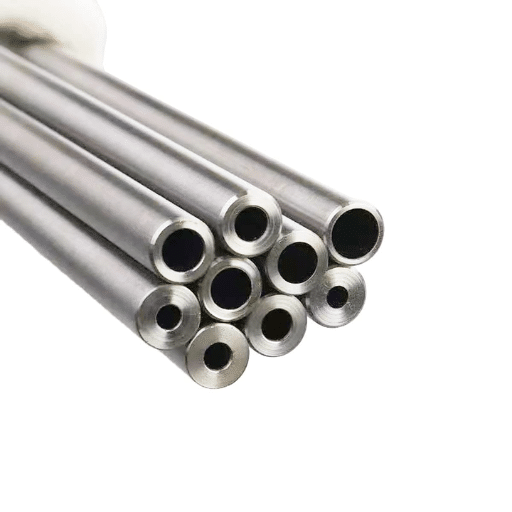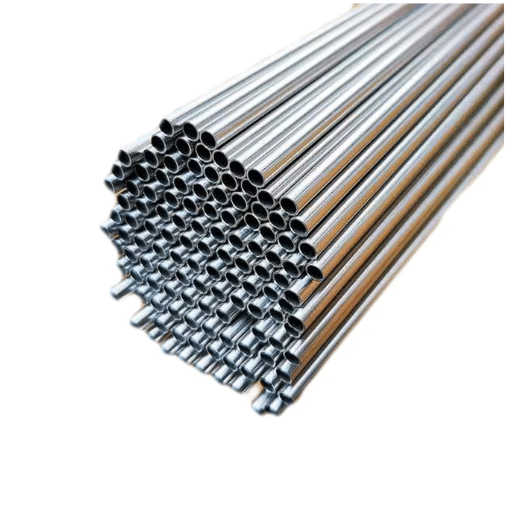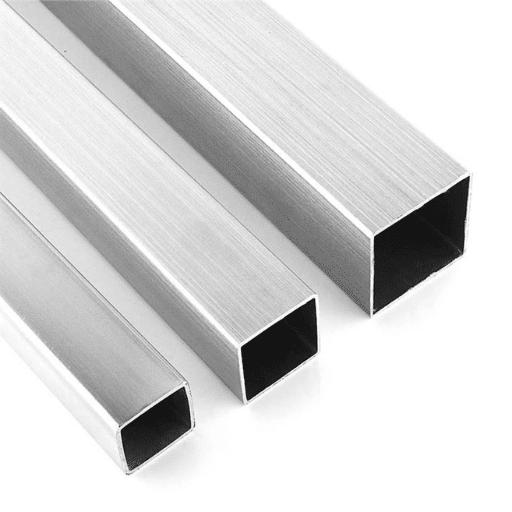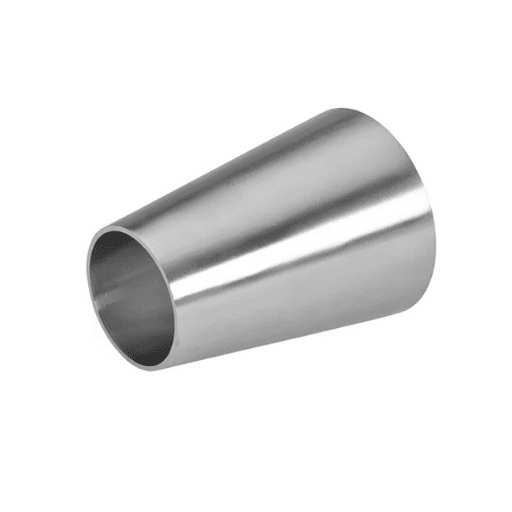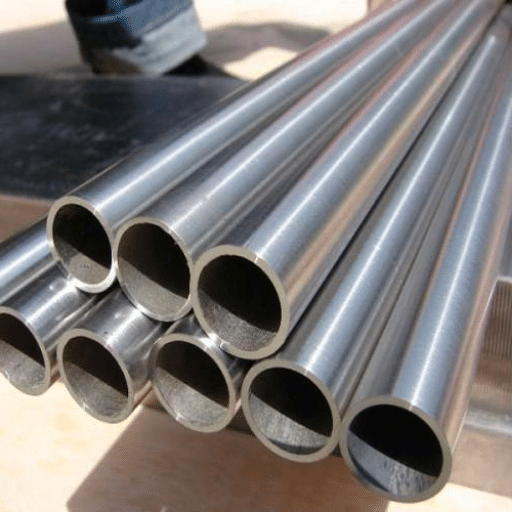
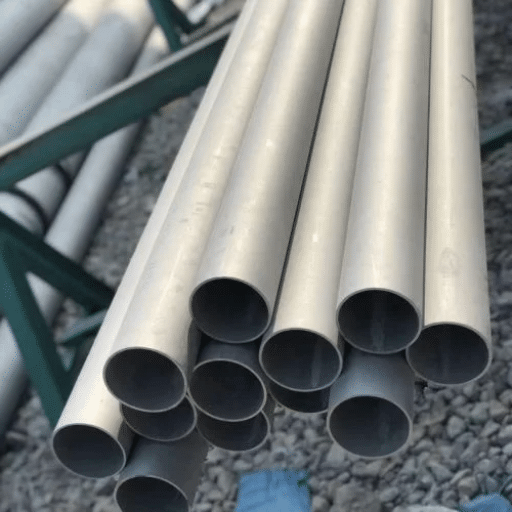
Stainless Steel 316 pipes provide exceptional durability and corrosion resistance and versatile application across multiple industries. The pipes provide optimal performance for marine, industrial, and chemical processing applications which require maximum material strength. This comprehensive article examines the essential characteristics, multiple uses, and major advantages of Stainless Steel 316 pipes which explain their popularity in demanding industrial applications.
Understanding Stainless Steel 316 Pipes

What is Stainless Steel 316?
Stainless Steel 316 stands as a high-performance alloy which demonstrates outstanding corrosion resistance across extremely challenging operational conditions. The material contains primarily iron and belongs to the austenitic stainless steel family while its composition includes 16-18% chromium, 10-14% nickel, and 2-3% molybdenum.
The material demonstrates improved resistance to marine pitting and crevice corrosion when molybdenum is added because these conditions exist in marine environments and chemical processing plants which use chloride-rich materials. The material demonstrates outstanding mechanical performance and maintains its strength throughout various temperature ranges.
Properties of Stainless Steel 316 Pipes
Stainless Steel 316 pipes possess exceptional characteristics which enable their use in multiple demanding industrial applications:
Key Material Properties:
- ✓ Superior Corrosion Resistance: Especially effective in chloride and chemical-rich environments
- ✓ High Tensile Strength: Withstands pressure while maintaining structural integrity
- ✓ Excellent Weldability: Enables quick and efficient installation
- ✓ Extreme Temperature Tolerance: Maintains strength at high and low temperatures
- ✓ Non-Magnetic Properties: Low carbon content minimizes carbide precipitation
- ✓ Hygienic Surface: Anti-staining properties ideal for pharmaceutical and food processing
Specifications and Standards (ASTM A312, ASME)
The ASTM A312 and ASME specifications establish reliability and operational requirements which Stainless Steel 316 pipes must meet in their various challenging operational use cases. The ASTM A312 standard establishes guidelines for austenitic stainless steel pipes which can be produced through seamless and welded methods, as well as through extensive cold working procedures, to be used in high-temperature and corrosive environments.
Applications of Stainless Steel 316 Pipes

Industrial Applications
The exceptional corrosion resistance and high-temperature strength and durability of Stainless Steel 316 pipes make them essential for various industrial applications. These pipes provide safe and reliable transportation of corrosive fluids through high-pressure systems in the oil and gas industry because they can endure extreme environmental conditions.
Primary Industrial Sectors:
- Oil and Gas: Safe transportation of corrosive fluids through high-pressure systems
- Chemical Processing: Protection against acidic and alkaline solutions
- Pharmaceutical Manufacturing: Hygiene standards maintenance for clean operations
- Food Processing: Sanitary conditions with corrosion resistance
- Marine Environments: Withstands saltwater corrosion for extended service
Commercial Applications
Multiple industries use Stainless Steel 316 pipes because of their exceptional strength and resistance to corrosion. The current search engine data shows that the pipes are used to build heat exchangers and condensers and chemical tanks in industries which require strict hygiene standards like dairy and beverage and pharmaceutical processing.
Industry Trend: The increasing global demand for sustainable materials drives the growing popularity of Stainless Steel 316 which establishes its industry standard status in multiple commercial applications. The pipes serve as dependable components for oil and gas pipelines and shipbuilding projects because they can handle high-pressure situations.
Marine and Shipbuilding Applications
The marine and shipbuilding industries use Stainless Steel 316 because it resists seawater corrosion and withstands extreme marine conditions. The alloy’s molybdenum content creates better protection against two types of corrosion which occur in salty environments: pitting attacks and crevice corrosion.
Marine Engineering Benefits:
- → Fabrication of ship components and structural elements
- → Underwater pipeline construction and maintenance
- → Offshore platform infrastructure development
- → Minimal upkeep requirements reducing operational expenses
Benefits of Using Stainless Steel 316 Pipes

Corrosion Resistance of 316 Stainless Steel
Stainless Steel 316 demonstrates exceptional corrosion resistance because it maintains its functionality in extreme environmental conditions. The material achieves this characteristic because its chemical makeup contains substantial amounts of chromium and nickel together with added molybdenum.
The elements combine to form a strong protective oxide layer which protects the surface from pitting and crevice corrosion and chloride attack. Stainless Steel 316 demonstrates excellent durability between -150°F and more than 1500°F which enables it to function effectively under multiple operational conditions.
Strength and Durability
People choose 316 stainless steel pipes for demanding environments because these pipes offer both exceptional strength and durability:
| Property | Specification | Performance Advantage |
|---|---|---|
| Tensile Strength | ~515 MPa | Endures high mechanical stress without deformation |
| Yield Strength | ~205 MPa | Maintains structural integrity under load |
| Molybdenum Enhancement | 2-3% content | Enhanced resistance to pitting and crevice corrosion |
Comparison with Other Stainless Steel Alloys (e.g., 304)
The comparison between 316 stainless steel and 304 stainless steel shows multiple distinct properties which determine their respective industrial usage and market demand:
Market Insight: The current search trend data shows that people show increased interest in 316 stainless steel because they want materials that can endure challenging environments. The medical equipment and food processing and offshore construction industries now place greater importance on equipment durability and operational efficiency compared to product expenses.
Common Uses in Various Industries

Food and Beverage Industry
316 stainless steel shows widespread use in the food and beverage sector because it provides excellent protection against corrosion that results from exposure to acids and salts and typical cleaning products used in food processing. According to recent data, searches for “corrosion-resistant materials for food equipment” have significantly increased, indicating a growing demand for materials that align with stringent hygiene and safety standards.
Essential Food Processing Equipment:
- Storage tanks for liquid and solid food products
- Piping systems for sanitary fluid transport
- Processing equipment requiring easy cleaning
- Components preventing food and beverage contamination
Pharmaceutical Industry
The pharmaceutical industry relies heavily on 316 stainless steel for its exceptional strength, corrosion resistance, and hygiene properties. The material creates a secure atmosphere which protects equipment including bioreactors and mixing tanks and sterile piping systems from contamination for drug production processes.
Industry Demand Indicators:
The latest data shows a major increase in search volume for “pharmaceutical-grade stainless steel” and “316 stainless steel for cleanroom equipment” which demonstrates the rising awareness of these materials as essential components for achieving regulatory compliance and ensuring product quality.
The current material selection process for the industry focuses on finding components which fulfill both safety requirements and capacity to endure demanding cleaning methods used in pharmaceutical production.
Oil and Gas Industry
The oil and gas industry displays increasing interest in durable materials. This interest appears through rising search volume for “corrosion-resistant alloys for offshore platforms” and “316 stainless steel in harsh environments” which demonstrate this material demand.
Operational Benefits: The increasing search trends demonstrate that people now realize the necessity to choose materials which can endure extreme environmental conditions while maintaining their operational safety and efficiency. The industry now adopts this practice because it helps them achieve their goals of decreasing maintenance expenses and avoiding equipment breakdowns while building sustainable solutions for their demanding operational situations.
Emerging Trends and Innovations

Advancements in Pipe Manufacturing
The latest developments in pipe manufacturing demonstrate that companies are inventing new solutions while establishing environmentally friendly business methods. The use of 3D printing technology has transformed how manufacturers create custom pipe designs because it allows them to produce detailed parts that fulfill specific performance standards.
Manufacturing Innovations:
- 3D Printing Technology: Custom designs with detailed specifications
- Smart Materials: Self-healing polymers and advanced corrosion-resistant alloys
- Automated Systems: AI-driven quality control reducing waste
- Advanced Coatings: Enhanced protection against extreme conditions
- Sustainable Practices: Recyclable materials and energy-efficient methods
Innovative Applications of 316 Stainless Steel
The application of 316 stainless steel continues to benefit multiple industrial sectors through its outstanding ability to resist corrosion and maintain strength and provide flexible usage:
Emerging Application Sectors:
- Medical Technology: Surgical instruments and implants with biocompatibility and sterilization resistance
- Renewable Energy: Solar panel supports and geothermal energy systems withstanding harsh weather
- Marine Engineering: Ship components, marine buoys, underwater pipelines
- Food and Beverage: Hygienic kitchen equipment, brewing tanks, food processing machinery
Future Outlook for Stainless Steel 316 Pipes
The future of stainless steel 316 pipes appears robust because technological improvements and increasing worldwide industrial needs support its expansion. Current data indicates that construction and infrastructure sectors will experience substantial growth because stainless steel 316 pipes provide essential support for contemporary architectural designs and wastewater treatment systems.
Growth Drivers: The development of renewable energy sources will increase the demand for 316 pipes because these pipes can endure extreme conditions found in solar and wind and geothermal energy systems. Growing awareness about sustainable practices and the movement towards recyclable materials establish stainless steel 316 pipes as an environmentally sustainable option which maintains constant demand.
Frequently Asked Questions
What stainless steel pipe schedule and nominal sizes are available for 316 items?
The stainless steel 316 pipes provide multiple schedule numbers and nominal size options which enable their use in various systems that range from SCH 40S to heavier schedules. The available nominal diameters together with outside diameter (OD) options provide common inventory sizes which enable you to match your fitting and piping needs. The company determines both the length and stock availability of their products which include seamless pipe and welded types that are available based on specifications and application requirements. The schedule you choose needs to consider both wall thickness requirements and pressure rating requirements because these factors determine system performance quality.
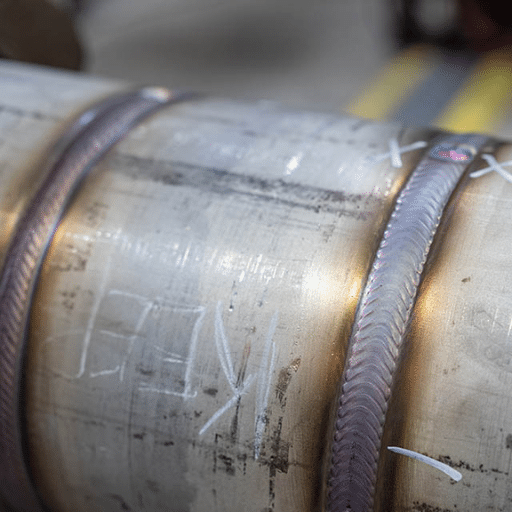
How does weld quality affect corrosion resistance and product strength in 316 stainless steel pipe?
The welding techniques and their subsequent treatments establish the two critical factors which determine the corrosion resistance and mechanical strength development in SS 316 piping systems. The welding process creates improper results which cause sensitization in 316 grade materials thus decreasing their corrosion resistance while increasing their risk of localized harm. The certified welding methods and skilled welders who perform them will protect the alloy characteristics while the complete system achieves compliance with ASTM A312 and all other required standards. The testing and inspection of welds should be conducted to establish both structural integrity and compliance with allowable limits on wall thickness and OD tolerances.
What product specifications and ASTM standards should I check for 316 pipe 40s stock?
When sourcing pipe 316, verify compliance with relevant ASTM standards such as ASTM A312 for seamless and welded austenitic stainless steel pipes. The specifications will define all necessary requirements which must be met for selecting grade materials determining size dimensions and achieving specific mechanical characteristics needed in the particular use case. The manufacturer’s certifications should include details about material grade and outside diameter tolerances and the tests conducted to validate product quality and performance attributes. The process of verifying specifications against system requirements enables better product availability while decreasing the chances of installation issues caused by incompatible components.
Can I buy seamless 316 stainless-steel pipe for specialty applications that require high-quality fittings?
Specialty applications that need high-quality surface finish and stable mechanical properties always choose seamless stainless pipe 316 as their preferred material. The seamless construction method delivers advantages to high-pressure applications that need exact control of outside diameter and wall thickness to achieve their best fitting results. The system requires testing of sizes and nominal dimensions and checking of threading and grooving compatibility with specialty fittings to achieve a leak-free operation. Suppliers provide information about whether their products are seamless pipe or welded type together with specification sheets that show compatibility with your fittings.
How do outside diameter (OD) and wall thickness affect the selection of SS 316 piping for a system?
The selection of SS 316 piping for a system depends on the outside diameter and wall thickness of the pipe. The outside diameter and wall thickness determine the pressure rating, flow characteristics, and compatibility with existing fittings and flanges in your system. The pipe size and schedule can be established through the combination of outside diameter and wall thickness which requires matching to standard fittings and components. The appropriate wall thickness should be chosen for applications that require both corrosion resistance and strength because it will deliver the necessary safety factor without adding excess weight or expenses.
What are common service applications for SS 316 pipe and which import or domestic sources are best?
SS 316 pipes serve marine and chemical processing and food and beverage and pharmaceutical applications because of their ability to resist corrosion and maintain sanitary conditions. The 316 grade provides better corrosion resistance to corrosive environments which contain chloride materials than 304 grade and thus serves as the preferred piping material for these systems. The decision between import and domestic sources depends on three factors: lead time and cost and certification requirements; domestic suppliers provide faster shipping but import options deliver wider inventory selection. The supplier needs to provide stock availability and specifications because the mill test reports must be requested to confirm that items meet your service requirements.